

GRAIL, Illumina-Backed Unicorn with Over $1B in Funding, Files IPO Prospectus for Multi-Cancer Early Detection Blood Test
Unicorn Company: A term generally used in the investment community to refer to companies with a valuation of over $1 billion and a relatively short founding history.
During the growth trajectory of startups, two extreme phenomena often emerge: some companies toil for years only to secure meager funding, while others, akin to capital magnets basking in the spotlight and surrounded by investors, rapidly close multiple rounds of substantial financing within just a few years, swiftly ascending to become industry unicorns.
What kinds of companies can become unicorns, what characteristics do they possess, and where lie their competitive advantages that set them apart?
VCBeat has recently launched a special feature titled “Super Unicorns,” compiling a list of companies that achieved unicorn status within three years of founding by leveraging the VCBeat knowledge base, and rigorously selecting six companies for case studies. If you are active in this industry, you are welcome to engage with the authors at any time; for media coverage inquiries, please contact VCBeat directly. (Click to access the special feature)
Backed by sequencing giant Illumina, with one foot in early diagnosis and the other in liquid biopsy, GRAIL was born with a silver spoon in its mouth. In less than three years since its founding, GRAIL has secured $1.6 billion in funding across three rounds, rapidly emerging as a unicorn in the liquid biopsy industry.
The Significance of Early Diagnosis
“Treat the disease when you are sick” is a commonly heard phrase. In reality, diagnosis and treatment hold equally high importance in the medical process. An accurate diagnosis is a prerequisite for effective treatment; the earlier the confirmation, the more favorable the outcome. As early as during China’s Warring States period, the text “Bian Que Meets Duke Huan of Cai” recorded: “When the ailment lies in the skin texture, it can be treated with hot compresses; when it reaches the muscles and skin, acupuncture and stone needles can address it; when it penetrates the gastrointestinal tract, medicinal decoctions can remedy it; but once it enters the bone marrow, it falls under the domain of the God of Life and Death, beyond any medical intervention. Now that it has reached the bone marrow, I no longer offer my services.” This illustrates that early detection and intervention allow for tailored therapeutic strategies at different stages of disease progression. However, if treatment is delayed until the final stage, even a master physician like Bian Que would be powerless to reverse the outcome.
With the continuous development of the healthcare industry, the importance of early diagnosis has been increasingly recognized. Particularly in oncology treatment, the five-year survival rate for patients with early-stage tumors who receive appropriate treatment is five to ten times higher than that of patients with advanced-stage disease. Therefore, while advancing therapeutic modalities for cancer, greater attention is being paid to methods for early tumor screening. Although techniques such as CT, MRI, and PET-CT can be used for relevant cancer screening, they are not suitable for early screening due to their operational complexity, high cost, and potential health risks.
Among the various technologies, liquid biopsy stands out as the optimal choice for early diagnosis due to its ease of sample collection, low cost, and lack of side effects.
The Unrivaled Choice for Early Diagnosis—Liquid Biopsy
Liquid biopsy is a diagnostic method that utilizes bioactive substances found in biological fluids—including blood, urine, saliva, and cerebrospinal fluid—for disease screening and diagnosis. Its unique advantages of simplicity, timeliness, and continuity make it the preferred choice for early diagnosis.
In June 2017, liquid biopsy topped the list of the Top 10 Emerging Technologies of 2017 released by the World Economic Forum (Summer Davos). In the same year, the “Liquid Biopsy Market Research Report Global Forecast to 2022” published by MARKET RESEARCH FUTURE predicted that the global liquid biopsy market would grow at a compound annual growth rate (CAGR) of 21.6% from 2016 to 2022.
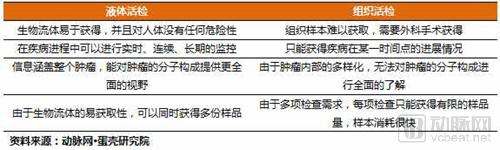
Figure 1: Liquid Biopsy vs. Tissue Biopsy
The detection targets of liquid biopsy include circulating tumor cells (CTCs), exosomes, and circulating tumor DNA (ctDNA). At the current technological level, research on exosomes is not yet mature. Therefore, CTCs and ctDNA have become the most commonly used detection targets in the liquid biopsy industry.
As third-generation sequencing and digital PCR technologies continue to mature, more of the information hidden within circulating tumor DNA (ctDNA) will be uncovered. Illumina, a leading player in the sequencing industry, would naturally not let this vast market go untapped; thus, GRAIL was established.
Illumina, Which Has a Near-Monopoly on the Industry
In 1998, Illumina was founded in California, USA, by a group of elites from various industries. At that time, Illumina was merely a startup with 25 employees, primarily selling microarray chips capable of detecting significant changes at specific locations on the genome. Its technological foundation lay in the BeadArray technology developed by two of its founders at Tufts University. To this day, this technology remains one of Illumina’s core technologies, employed in its chip products and chip scanners, and is widely used for DNA and RNA analysis. Leveraging this solid technological foundation, Illumina experienced rapid growth and went public for the first time in July 2000.
In 2007, Illumina acquired the sequencing company Solexa, formally entering the gene sequencing market and achieving rapid growth, particularly in sequencing instruments. By 2015, Illumina’s market share in the sequencing instrument sector reached 70%, nearing a monopoly. At this point, Illumina was no longer satisfied with merely participating in the gene sequencing market and eagerly sought to expand its business scope, leading to the creation of GRAIL.
GRAIL’s mission is to detect tumors at an early, curable stage.

Figure 2: GRAIL Official Website
In January 2016, Illumina announced a $100 million investment to establish GRAIL, with the aim of achieving cancer screening through simple blood tests. Leveraging Illumina’s sequencing technology, GRAIL will develop a comprehensive cancer screening test based on the direct analysis of circulating nucleic acids in the blood.
GRAIL, meaning “Holy Grail,” reflects Illumina’s aspirations for the company. Illumina’s leadership believes that the holy grail of oncology lies in identifying biomolecules capable of early-stage screening, which is precisely the goal Illumina has set for GRAIL.
Illumina has prepared everything for GRAIL: ample funding, an experienced management team, a strong R&D team, and a large advisory board. Illumina CEO Jay Flatley personally serves as GRAIL’s Chairman, while Google Senior Vice President Jeff Huber assumes the role of CEO. With such support, it is hard for GRAIL not to succeed.

Figure 3: GRAIL’s Founding Team
In January 2017, the second year after its establishment, GRAIL announced the launch of its Series B financing round, with a target of $1 billion. In addition to supporting the CCGA (Circulating Cell-free Genome Atlas) program already underway at GRAIL, these funds were intended to serve as a financial reserve for GRAIL following its spin-off from Illumina. After one year of development, GRAIL had matured sufficiently and no longer required Illumina’s support. In March 2017, GRAIL closed its Series B funding round, ultimately raising over $900 million. Illumina subsequently sold its remaining stake in GRAIL for $278 million, marking GRAIL’s formal separation from Illumina.
In GRAIL’s spin-off, Illumina is undoubtedly the biggest beneficiary. The company, established a year ago with an initial investment of $100 million, was valued at $278 million just one year later. According to Illumina’s 2016 financial report, the company invested a total of $34 million in R&D expenses for GRAIL in 2016. Excluding costs, Illumina realized a profit of $144 million from the sale of GRAIL shares, effectively doubling its investment. Furthermore, GRAIL’s independence means that Illumina no longer needs to fund GRAIL’s R&D or bear the risks associated with its development. Meanwhile, as long as Illumina maintains its leading position in the sequencing industry, GRAIL will remain one of Illumina’s largest customers, generating stable annual revenue for the company.
In May 2017, GRAIL announced its merger with Cirina. Following the merger, GRAIL will continue to develop its global commercial product market, including regions across Europe, the United States, and Asia. As an operating subsidiary of GRAIL, Cirina will continue its research collaboration with The Chinese University of Hong Kong and further deepen this partnership.

Figure 4: Professor Dennis Lo
Cirina was founded in 2014 by Dennis Lo, Zhao Huijun, and Chen Junci from The Chinese University of Hong Kong (CUHK), together with lead investor DC Capital. Professor Dennis Lo holds numerous prestigious positions, including Foreign Associate of the U.S. National Academy of Sciences, Academician of the Chinese Academy of Sciences, Founding Fellow of the Hong Kong Academy of Sciences, and Associate Dean of the Faculty of Medicine at CUHK. His most significant achievement was the first discovery of cell-free fetal DNA in maternal blood in 1989, which laid the foundation for non-invasive prenatal testing (NIPT) and earned him the title of “the father of NIPT.” Building on Professor Lo’s research, Cirina is dedicated to non-invasive screening tests. Following the merger of GRAIL and Cirina, Professor Lo was appointed as Scientific Co-founder of GRAIL and joined its Scientific Advisory Board.
Launch Multiple Initiatives with a Focus on Early Diagnosis
In late 2016, GRAIL launched the Circulating Cell-free Genome Atlas (CCGA) project, which extracts and sequences cell-free DNA from patients and healthy individuals to compare differences between the two groups, thereby aiding early diagnosis. The study initially enrolled participants from select leading community and academic medical centers and ultimately expanded to include 48 clinical trial sites across the United States.
In the first phase of the CCGA study, GRAIL plans to enroll 7,000 cancer patients and 3,000 healthy volunteers without detected tumors, analyzing both tissue samples and circulating tumor DNA (ctDNA) from these participants. GRAIL and its collaborators will conduct clinical follow-up for at least five years to ultimately generate detailed cancer genomic profiles. These data will be utilized by GRAIL for subsequent product development.
GRAIL and its advisors believe that identifying detection targets for multiple cancers requires a sample size of at least tens of thousands. Furthermore, validating the accuracy and effectiveness of these targets may necessitate data support from hundreds of thousands of samples.
In April 2017, GRAIL, having completed its Series B financing, announced another research initiative, STRIVE. The STRIVE study aims to collect and analyze blood samples from 120,000 women undergoing mammography, with the goal of developing a blood-based test for breast cancer detection. Furthermore, this research will also be used to establish a comprehensive pan-cancer detection platform for the early screening of multiple cancer types.
In this regard, Professor Steven Cummings of the University of San Francisco stated, “Breast cancer is one of the most common cancers worldwide, affecting both developed and developing countries. Despite continuous advancements in pharmacological and therapeutic regimens, approximately 40,000 women in the United States are still expected to die from breast cancer this year, with many more requiring appropriate treatment. I am thrilled to participate in this new initiative that applies novel technologies to the early diagnosis of cancer.”
In April 2018, GRAIL announced the latest progress of the CCGA project at the annual meeting of the American Association for Cancer Research. The first phase of the CCGA study was completed, involving 878 patients diagnosed with cancer but not yet undergoing treatment, and 580 volunteers without detected cancer.
In this substudy, researchers employed three different sequencing models, each of which assigned a detection score (sensitivity) to the samples. Among 580 volunteers screened, fewer than 1% (5 out of 580) were found to have signals suggestive of cancer. During subsequent follow-up, two of these five individuals were diagnosed with cancer. This indicates that these signals likely represent undiagnosed cancers.
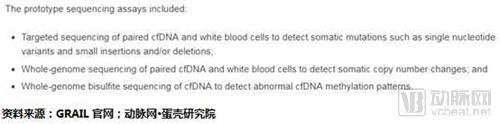
Figure 5: Three Sequencing Models
Among cancer types for which routine early screening is widespread, all three sequencing models achieved detection scores exceeding 60% for early-stage cancers and over 80% for late-stage cancers; similarly, in organs without routine screening protocols (lung, ovary, liver, pancreas, and esophagus), detection scores reached comparable levels.
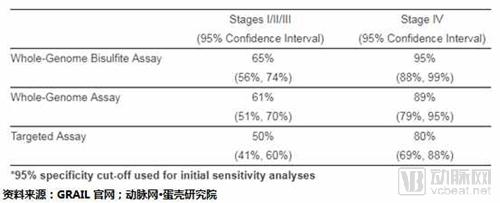
Figure 6: Detection scores of three sequencing models in cancer types without routine screening
Subsequently, in June 2018, GRAIL announced further progress from its Phase I study, with researchers conducting a focused investigation on lung cancer.
There remains a significant gap in detection scores between early-stage and late-stage cancer, consistent with previous findings. Meanwhile, detection scores also exhibit certain variations across different subtypes of lung cancer.
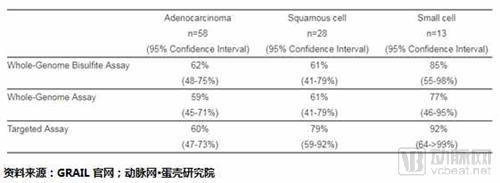
Figure 7: Detection scores also vary among lung cancer subtypes
Analysis of GRAIL's Business Model
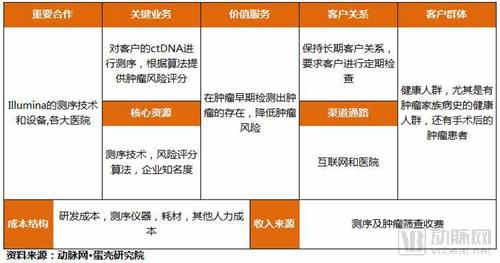
Figure 8: GRAIL Business Model Canvas
According to GRAIL’s plan, it is unlikely that they will launch any products before the completion of the CCGA study. This means that GRAIL’s products may not become available until 2021 at the earliest. However, based on the information released by GRAIL to date, we can make a rough estimate of its future development trajectory.
GRAIL develops algorithms based on its accumulated data from patients and healthy individuals. These algorithms analyze users’ circulating tumor DNA (ctDNA) sequences to generate diagnostic scores that indicate whether a user has cancer, the specific type of cancer, and the stage of disease progression. Based on the progress of the CCGA study to date, GRAIL appears to be focusing on early-stage cancer screening, implying that its target customer base consists of asymptomatic individuals who have not yet been diagnosed with tumors.
Early screening for tumors is indeed crucial, but it is not easy to persuade healthy individuals to pay for it. GRAIL is likely to penetrate the market through other avenues first, such as providing diagnostic services to physicians to guide treatment, monitoring post-operative cancer patients to prevent recurrence, or offering genetic risk testing for cancer.
GRAIL’s costs are primarily driven by research and development (R&D) expenses. A five-year R&D roadmap implies that GRAIL will remain in a prolonged state of net cash outflow. Although GRAIL has secured substantial financing, R&D efforts are not always smooth sailing. Once R&D is successfully completed, subsequent consumable and labor costs will become negligible.
Overall, GRAIL is currently in the early stages of product development, which constitutes the primary cost investment for its products. The future trajectory of its products is expected to focus on cancer detection, starting with services for physicians and oncology patients, and gradually expanding to the general population to capture the market for early cancer screening.
Financing History
Since its inception, GRAIL has completed three rounds of financing totaling $1.6 billion, emerging as a benchmark unicorn enterprise in the liquid biopsy industry. Notably, its recently completed Series C funding round attracted significant interest from numerous Chinese investors.
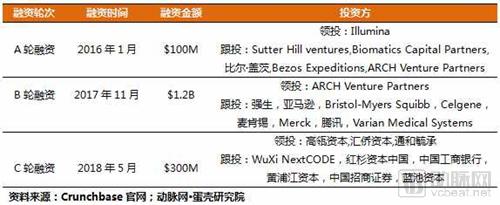
Figure 9: Summary Table of GRAIL’s Financing
The substantial financing secured by GRAIL has been primarily allocated to its two publicly announced initiatives to date: CCGA and STRIVE. Based on the information released so far, both projects are progressing steadily.
Industry Benchmark Company—Guardant Health
Guardant Health, founded in 2012, has secured six rounds of funding totaling $550 million to date. Guardant Health and GRAIL share deep historical ties. Its founder and CEO, Helmy Eltoukhy, holds a Ph.D. in Electrical Engineering from Stanford University. In 2007, he established Avantome, a company dedicated to developing next-generation, low-cost sequencing technologies. Avantome was acquired by Illumina in 2008, and Helmy Eltoukhy subsequently joined Illumina as an employee. This common origin underscores the shared lineage between Guardant Health and GRAIL.
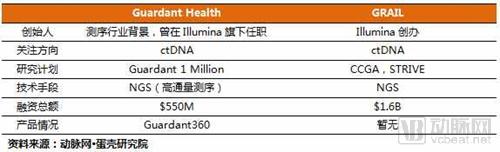
Figure 10: Guardant Health vs. GRAIL
In May 2017, Guardant Health announced a plan even more ambitious than GRAIL’s—Guardant 1 Million. This initiative aims to sequence the tumor DNA of over one million cancer patients within five years to advance the development of blood-based biopsy technologies for early cancer screening. Driven by this plan, Guardant Health secured $320 million in investment led by SoftBank Group, surpassing the total amount it had raised in previous funding rounds.
Unlike GRAIL, Guardant Health launched its first product, Guardant360, at an early stage. This product detects patients’ tumor genomic profiles by sequencing circulating tumor DNA (ctDNA) in the blood, thereby aiding treatment decisions. Currently, it is primarily used for breast cancer, lung cancer, colorectal cancer, skin cancer, and prostate cancer, with a particular focus on patients with advanced-stage disease.
Overseas Liquid Biopsy Companies in Oncology
According to projections by the renowned investment bank Piper Jaffray, the total global market size for broad-spectrum liquid biopsy is expected to reach approximately $32.6 billion in 2026, with the oncology segment accounting for $28.6 billion. This substantial market opportunity has not only attracted established pharmaceutical and diagnostics companies such as Roche, Qiagen, and NeoGenomics, but also spurred a wave of startup activity. Listed below are some international companies currently engaged in oncology liquid biopsy research.
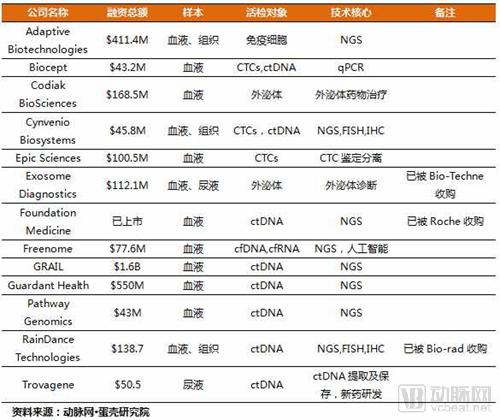
Figure 11: Selected International Companies in Tumor Liquid Biopsy
Domestic Liquid Biopsy Companies
The liquid biopsy industry in China is as vibrant and competitive as its counterparts abroad. The sector features both publicly listed groups such as BGI Genomics and Berry Oncology, as well as a large number of startups. Technologically, most efforts focus on leveraging next-generation sequencing (NGS) to analyze circulating tumor cells (CTCs) and circulating tumor DNA (ctDNA), with applications in non-invasive prenatal testing, cancer prevention, and treatment guidance. Below is a brief introduction to several representative companies in this field.
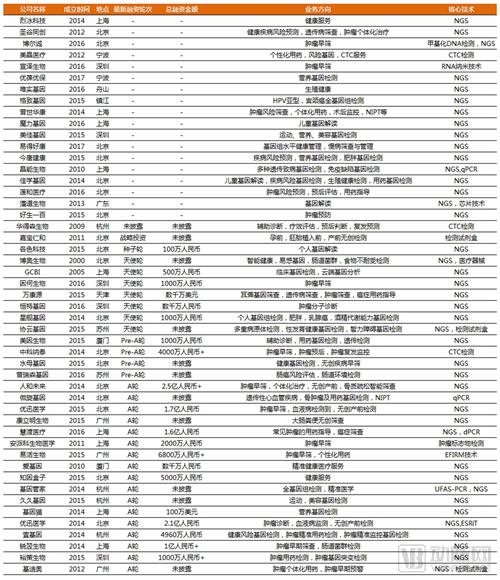
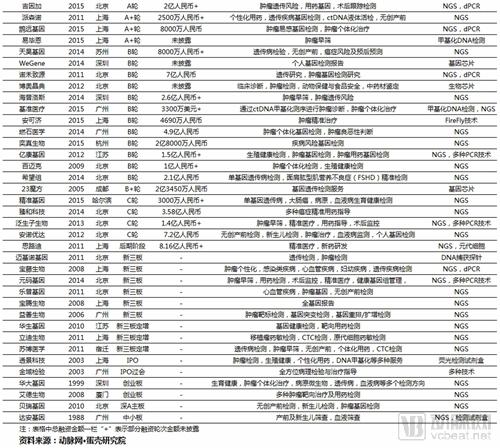
Figure 12: Domestic Liquid Biopsy Companies
1. Novogene
Founded in 2011, this sequencing company has completed two rounds of financing totaling RMB 700 million. Novogene has always centered on sequencing as its core technology, starting with research and enterprise services, and gradually expanding into the clinical sector.
As recently as August 13, 2018, Novogene’s “Human EGFR, KRAS, BRAF, PIK3CA, ALK, and ROS1 Gene Mutation Detection Kit” received marketing approval from the National Medical Products Administration. The kit is used to detect the mutation status of six genes closely associated with targeted therapy in tumor tissues from patients with non-small cell lung cancer, thereby identifying patients suitable for targeted drug treatment.
In the industry, companies whose founding teams originate from BGI are collectively referred to as “BGI-affiliated firms,” and Novogene is undoubtedly a standout among them. Novogene’s founder, Li Ruiqiang, is an Honorary Associate Professor in the Department of Computer Science at the University of Hong Kong and holds a Ph.D. in Biology from the University of Copenhagen, Denmark. He previously served as Vice President of BGI and President of its Technology Services Division. For over a decade, Dr. Li has been engaged in bioinformatics and genomics research, developing a series of data analysis methods and software tools for next-generation sequencing. He has participated in or led multiple genome research projects, publishing 86 research papers with more than 15,000 total citations. Among these publications, 29 appeared in Science, Nature, and their subsidiary journals; 12 were selected as representative scientific achievements by Nature China; and 14 were featured on journal covers. He has also filed 12 patent applications.
Novogene’s sequencing services cover a comprehensive range of areas. In active response to national initiatives, the company is conducting genetic research on hereditary diseases. Novogene has launched the 100,000 Genomes Project, which performs large-scale genomic sequencing and analysis of the Chinese population to lay the foundation for the prevention, diagnosis, and treatment of major diseases and genetic disorders. The research encompasses eight key areas: studies on monogenic genetic diseases in children, identification of susceptibility genes for hereditary tumors, genetic research on sudden cardiac death, investigation of susceptibility genes for common diseases in the elderly, studies on susceptibility genes for the “three highs” (hypertension, hyperglycemia, and hyperlipidemia), pharmacogenomic research on drug sensitivity, carrier screening for monogenic genetic diseases, and skin-related genetic studies.
2. Haplox
HaploX was founded in September 2014, dedicated to integrating cutting-edge emerging technologies such as liquid biopsy, gene sequencing, artificial intelligence, and big data. The company focuses on comprehensive diagnosis and treatment management for cancer patients, with the aspiration of enhancing quality of life through technological innovation.
By December 2017, the company had completed its angel round, Series A, and Series A+ financing, raising a total of RMB 270 million. The Series B financing closed in June this year was reported only as “hundreds of millions of yuan,” with the specific amount undisclosed. However, it is likely to be no less than the RMB 210 million raised in the Series A+ round.
HaiPuluo’s founder, Xu Mingyan, holds a Ph.D. in Biomedical Sciences from the University of New Mexico and served as a Visiting Scholar at Harvard Medical School. With over ten years of experience in gene sequencing technology and sequencer R&D, he has invented a series of internationally leading gene sequencing technologies, participated in the development of multiple next-generation sequencing platforms, and holds more than ten invention patents in China and abroad. He has led and participated in numerous key scientific research projects, securing tens of millions of yuan in funding from national, provincial, and municipal programs, and was recognized in 2017 as one of the first “Peacock Team” high-level overseas talent introduction projects in Shenzhen.
Currently, HaploX has launched two product series: the HapOnco series and the HapCare series.
The HapOnco series focuses on genetic testing for targeted cancer therapies, and has currently launched multiple panels for tumor types such as lung cancer, breast cancer, colorectal cancer, and gastrointestinal stromal tumors.
HapCare focuses on assessing cancer risk in healthy individuals by using next-generation sequencing (NGS) technology to accurately detect 58 tumor susceptibility genes, providing recommendations tailored to each individual’s specific circumstances. This approach holds significant guiding value for achieving precise cancer prevention.
In July 2015, Hiproseq officially launched its Cancer Gene Sequencing Project for 10,000 Individuals. Targeting lung cancer, breast cancer, colorectal cancer, gastric cancer, and liver cancer, the project aims to achieve early screening, prognostic monitoring, and personalized medication guidance for 10,000 individuals, thereby establishing China’s first large-scale cancer gene database and laying the foundation for precision medicine. By March 2017, Hiproseq had enrolled more than 6,000 samples, sourced from research collaborations, genetic screening of healthy individuals, as well as samples from newly diagnosed, drug-resistant, and relapsed patients.
3. Geneseeq
Gene+ was established in Beijing in April 2015. Focusing on the major needs of precision prevention and treatment of cancer, it targets application areas such as precision medication for cancer, efficacy evaluation, postoperative monitoring, auxiliary diagnosis, genetic risk assessment, and early screening. Relying on a large-scale platform of high-throughput sequencing and high-performance computing, and based on the two main technological pillars of tumor liquid biopsy and immuno-omics, Gene+ leverages big data mining of tumor genes to provide services including scientific research collaboration, technology development and product translation, clinical testing, and medical health solutions, thereby promoting the accessibility of genetic technology services to all.
Gene+ secured RMB 200 million in Series A financing in August 2016, led by BGI Genomics, and subsequently received strategic investment from Boyuan Hongsheng in December 2016, with the specific amount undisclosed.
GenePlus is also a member of the “BGI-affiliated startups,” with its founding team largely hailing from BGI Genomics. Among its core leadership, Chairman and Chief Technology Officer Yi Xin previously served as Chief Operating Officer of BGI Medical and Deputy Director of the BGI Research Institute; President and Chief Executive Officer Yang Ling formerly held positions as Assistant President of BGI Group, Director of the BGI Clinical Laboratory Center, and General Manager of Tianjin BGI; Chief Financial Officer Xiong Li was previously head of the Investment and Financing Department at BGI. As genetic testing became an investment hotspot and BGI Genomics’ valuation surged rapidly, these “BGI-affiliated startups” have also gained significant favor among investors.

Figure 13: Genetron Health’s Core Technologies
Unlike other companies, Genetron Health places greater emphasis on the research and development of patented technologies, holding four core patented technologies. Furthermore, it has specifically established the Genetron Health Genetics Research Institute and the Genetron Health Medical Laboratory. The aim is to provide more comprehensive clinical services and technical products, including precision oncology medication, treatment efficacy monitoring, and hereditary cancer testing.
Currently, Genetron Health has launched a range of testing services, including assessments for hereditary cancer risk, pharmacogenomics, efficacy-related genes, and postoperative genetic monitoring. These offerings cover all aspects of cancer care, from prevention to treatment, fully leveraging the advantages of liquid biopsy in long-term patient monitoring.