

Digital Pain Management: A Solution to Overmedicalization and Opioid Abuse — Samsung and Philips Enter the Space as China's Market Remains Largely Untapped
Pain is one of the most common clinical symptoms and is regarded as the fifth vital sign, following respiration, pulse, blood pressure, and body temperature, significantly affecting patients' quality of life. According to Wikipedia, pain management or pain control (also referred to as pain medicine or algiatry) is a small branch of medicine that employs an interdisciplinary approach to alleviate suffering and improve the quality of life for individuals living with chronic pain.
Data from WebMD’s article on pain clinics indicates that at least 100 million Americans and over 1.5 billion people worldwide suffer from chronic pain. While these figures may be subject to exaggeration, pain management has nonetheless emerged as an increasingly prominent public health concern.
This year, as addiction driven by opioid misuse in the United States has become increasingly prevalent, the FDA first introduced policies targeting opioid misuse in June, and then, within less than a month, issued incentives to promote digital innovation in medical devices for pain management.
In previously overlooked niche sectors, a series of innovative solutions have emerged in response to the issue of drug abuse. As reported by MobiHealthNews and MedCity News, developments such as the acquisition of the WellBrain platform and the FDA’s recent approval of SPR Therapeutics’ wearable neurostimulation device for pain management have drawn significant industry attention.VCBeat (WeChat ID: vcbeat)This has been summarized, and the current state of the domestic market is reflected upon accordingly.
1. The Opioid Epidemic in the United States
The pain management drug market can be segmented into narcotic analgesics, anticonvulsants, migraine medications, antidepressants, opioids, non-narcotic analgesics, and others.
Based on indications, pain management medications can be categorized into analgesics for arthralgia, neuropathic pain, cancer pain, chronic back pain, postoperative pain, migraine, and fibromyalgia.In 2015, opioid analgesics captured the primary market for pain management medications with a 49% share, driven by a significant increase in the number of patients suffering from severe pain.Statistics show that 10%–40% of U.S. citizens suffer from chronic pain of varying degrees, and when combined with the needs of cancer patients and post-surgical analgesia, the market demand for opioids is substantial.
Opioids are a class of drugs similar to the alkaloids found in the opium poppy, including illegal drugs such as heroin, synthetic opioids such as fentanyl, and prescription pain relievers that can be legally used, such as OxyContin, Vicodin, cocaine, morphine, and many other drugs.
Prescription opioids are commonly used to alleviate pain in patients with chronic pain or those recovering from major surgery; however, repeated use significantly increases the risk of opioid use disorder and addiction. Excessive opioid consumption can lead to life-threatening conditions such as cardiac arrest and respiratory depression.
According toAccording to statistics from the U.S. Department of Health and Human Services, more than 14,000 facilities across the United States have been confirmed for opioid misuse. Every day, 116 Americans die from opioid abuse, and nearly 80% of heroin addicts had used prescription opioids before turning to heroin.
Since the 1990s, the FDA has approved a series of opioid drugs for market launch, toOxyContinFor example, OxyContin is an inexpensive analgesic with a chemical structure similar to that of heroin and effects comparable to those of morphine, yet it is safer than both.
OxyContin’s pharmacological mechanism involves blocking neural pathways to inhibit the transmission of pain signals to the brain. Overdose can lead to severe withdrawal symptoms and drug dependence. Since 2000, there has been a sharp increase in crimes associated with OxyContin abuse in the United States, earning it the moniker “rural heroin.”
2. Difficulties in the Development of Opioid Substitution Therapies
Previous reports by VCBeat indicated that the development of non-opioid analgesics in the United States has spanned more than a decade, yet with unsatisfactory results. Over the past five years, most so-called innovative analgesics approved by the FDA have been new indications for existing non-specialized drugs.To date, no truly innovative analgesic has emerged to replace opioids, and there are no more than two classes of investigational innovative analgesics with confirmed novel targets.(See: “FDA Takes Consecutive Actions: Digital Health Technologies May Become a New Way Out of the Opioid Crisis》)
Upon analysis, industry insiders believe that the main reasons are as follows:
First, technological limitations.Pain is a subjective sensation and a symptom of disease, rather than the disease itself. This characteristic leads to two major challenges: first, there is no biomarker capable of precisely monitoring the intensification or alleviation of pain; second, patients in clinical trials of analgesics exhibit a strong placebo effect, making it difficult to isolate the efficacy data of new drugs.
Second, regulatory restrictions.The regulatory framework for analgesics imposes extensive clinical trial data requirements on innovators. Unlike opioids, which can target a broad spectrum of pain types, new-target analgesics typically address limited indications, such as chemotherapy-induced pain or pain caused by nerve compression. To comply with regulatory requirements, innovators need to conduct numerous additional clinical trials.
Third, economic constraints.Opioids are inexpensive and highly effective, enjoying widespread acceptance among physicians, patients, and health insurance payers. In contrast, innovative analgesics carry a relatively higher price tag, and their potential to reduce healthcare costs must be evaluated from a holistic perspective that accounts for the economic benefits derived from minimizing side effects. Cultivating the market for these novel agents is a protracted and costly endeavor.
3. The Rise of the Novel Pain Management Market
According to a research report by the UK-based market consulting firm Brisk Insights, the global market for pain management pharmaceuticals and medical devices reached $37.8 billion in 2015, with a projected compound annual growth rate (CAGR) of 4.3% from 2015 to 2022, reaching $50.8 billion by 2022.
The application of innovative technologies and scientific research achievements in the medical field, along with the continuous development of novel pain management devices, is another major factor driving market growth. In addition, policy guidance and increased economic investment by governments worldwide are continuously promoting the development of the pain management industry.
According to research by Hexun Finance, from the perspective of regional distribution,North America holds the largest share of the pain management market, followed by Europe, the Asia-Pacific region, and other regions.The Asia-Pacific region is experiencing the fastest market growth. The primary drivers of regional market growth are the increasing number of patients with severe pain and substantial government investment in hospitals. Another contributing factor is the increased R&D spending by companies on novel pain management pharmaceuticals and medical devices.
However, stringent regulatory measures for pharmaceuticals and medical devices across various countries, coupled with a lack of novel pain management approaches, have become significant factors constraining the development of the pain management market.
Continuing from the third point above, digital innovation in pain management has emerged as a hot topic since 2018, with a new market for pain management solutions on the rise. MobiHealth News observed that “the volume of news coverage on chronic pain exceeds usual levels, suggesting it is a trending area within digital health.”
According to foreign media reports, numerous developments in this field have recently come to light. To observe the trajectory of its evolution, we have extended our timeline to systematically review a series of pain-innovation-related events abroad over the past two years. Presented in reverse chronological order, these events encompass corporate acquisitions, market entries through FDA clearance of innovative devices, and practical applications by major industry players.
August 16, 2018
WellBrain, a Bay Area-based addiction prevention and chronic pain management platform centered on meditation, announced the acquisition of Mevoked, a behavioral analytics platform that currently offers digital programs for managing perinatal and postpartum mental health conditions.
Inspired by the meditation practices of Tibetan monks, WellBrain’s meditation platform aims to prevent opioid addiction by helping providers assess any mental illnesses or conditions that may lead to addiction.
Based on the assessment, this software can be used to assign customized pain management plans to patients, who interact with the platform using an iPad and a single-lead EEG headset provided by their physician. Meanwhile, the physician can review data collected during the sessions to obtain additional condition-related information.
August 16, 2018
SPR Therapeutics, a provider of wearable devices, announced on the 16th that the FDA has approved its new version of the percutaneous wearable pain management device for market release.
June 5, 2018
New York-based musculoskeletal digital health platform Risalto Health has completed a $1.5 million seed funding round, with investment from Health Catalyst Capital Management.
As a third-party platform offering consulting services, it leverages AI to identify musculoskeletal health providers in specific regions, such as physical therapists, physicians, and surgeons. It then connects patients and employers with these providers based on big data analytics, ensuring patients are matched with the most suitable service providers.
May 30, 2018
The path of addressing the opioid abuse crisis through medication substitution has proven unviable, leaving the FDA to seek alternative approaches. On May 30, the FDA launched an innovation challenge aimed at stimulating the development of digital health and diagnostic medical devices for pain and addiction. Innovators may apply to participate in this challenge from June 1 to September 30.
March 14, 2018
At last week’s HIMSS conference, Samsung announced partnerships with Travelers Insurance, Cedars-Sinai Medical Center, Bayer, and AppliedVR to focus on pain management using virtual reality. Samsung and Travelers will fund a 16-month study involving 90 to 140 patients, piloting the use of technologies from Samsung, Bayer, and AppliedVR at Cedars-Sinai Medical Center.
February 16, 2018
Boston's Brigham and Women's Hospital is helping to conduct a study to determine whether mHealth data collected on smartphones and wearable devices can be used to help treat patients with chronic pain.
The hospital is partnering with Evidation Health, a digital analytics company based in California that originated from the Stanford Health-GE Venture incubator, to capture “digital signals” from sensors in mobile devices and fitness trackers. Researchers will investigate whether combining these data with other information—such as weather conditions, dietary habits, genomic data, and medical records—can help determine when an individual is experiencing pain and inform the development of personalized treatment management plans.
Evidation Health has contributed up to $1 million to the DISCover project, a digital biomarker initiative for chronic pain that will enroll 10,000 participants, including 6,000 patients with chronic pain.
February 21, 2018
Behavioral health treatment app maker 2Morrow Announces Addition of Digital Chronic Pain Management Program to Its Services.
Very similar to the company’s other products (targeting smoking, weight, and stress), the pain management program is based on Acceptance and Commitment Therapy (ACT), a clinically validated form of cognitive behavioral therapy strongly endorsed by the Association for Behavioral and Cognitive Therapies. The 2Morrow program, developed in collaboration with Dr. Kevin Vowles, a behavioral scientist at the University of New Mexico, includes brief lessons and exercises that teach users how to maintain their quality of life while living with chronic pain. The app-based platform also allows users to message real-life pain management coaches when they have questions or need specific assistance.
2January 10, 2018
Toronto-based startup ManagingLife has developed an app that enables patients with chronic pain to track their symptoms. This week, the company announced that the app, named Manage My Pain, has been deployed at four chronic pain clinics in Ontario.
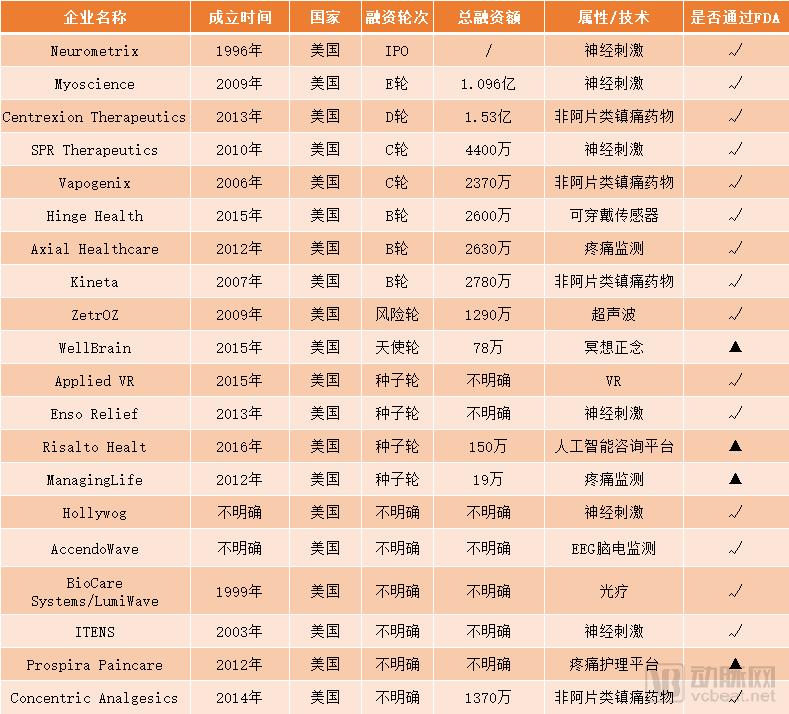
Note: In the column for FDA clearance status, “√” indicates cleared, and “▲” indicates not cleared or not applicable.
Overseas Digital Pain Management Companies (Data Source: Crunchbase)
Although it is a highly specialized niche, the current market landscape for pain management wearables is characterized by intense competition among largely homogeneous products.
NeurometrixofQuelThe latest version has been iterated, enabling users to directly control pain management via a smartphone app, and it received FDA approval in November 2016.
SPR TherapeuticsThe company secured $25 million in Series C financing for its peripheral nerve stimulation (PNS) system, which requires no implants or invasive surgery but instead connects via wires with a diameter of just 0.2 mm through the skin.
In addition to startups, including giants in the electronics sectorSamsung, Philips, and the veteran medical device giant Medtronic...and other enterprises are currently engaging in innovative practices for pain management.
Philips launched two new smart devices, PulseRelief and BlueTouch, as early as 2014.
PulseRelief is designed to alleviate musculoskeletal pain. Simply apply the device to the affected area, where it delivers electrical stimulation to nerves, blocking pain signals and promoting the release of endorphins with analgesic effects, thereby relieving pain.
BlueTouch is designed to treat back muscle soreness. By placing the device on the back, blue LED light stimulates the body to release more nitric oxide, promoting blood circulation and accelerating muscle self-healing.
Both devices can be controlled via iPhone or iPad, allowing users to select different intensity levels or treatment types. For instance, PulseRelief enables smartphone-based operation with 60 adjustable intensity levels. This approach to managing pain therapy through smart devices disrupts traditional analgesic medical equipment.
Furthermore,MedtronicImplantable Pain Management DevicesIntellisAlso approved by the FDA, the device can be wirelessly programmed via a Samsung tablet.
The Intellis system is designed to treat chronic pain through spinal cord stimulation. The launch of the Intellis platform represents more than just a new device; it integrates cutting-edge hardware with optimal therapy via the Evolve workflow to achieve personalized, long-term pain relief. In addition to delivering neurostimulation, the implant monitors user activity, helping physicians determine the most effective treatment plan.
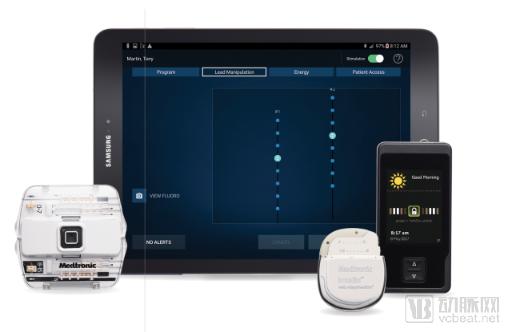
Intellis System (Image source: mobihealthnews)
andPurdue PharmaandGeisinger Health SystemResearch on chronic pain treatment via Apple Watch is also underway.
Many pharmaceutical companies are now turning to digital tools to improve medication adherence, expand clinical trials, or develop companion therapies in partnership with digital health firms. While it is rare for pharmaceutical companies to actively encourage patients to discontinue their medications, this is precisely the aim of a new study launched by Purdue Pharma, the manufacturer of the blockbuster opioid OxyContin, which subsequently triggered a national crisis.
Pain management medical devices are categorized based on factors such as product type, drug class, and indications, and can be divided into: electrical stimulation devices, radiofrequency ablation devices, analgesic pumps, and neuromodulation devices (including spinal cord stimulation, deep brain stimulation, vagus nerve stimulation, sacral nerve stimulation, etc.).
In 2014, neurostimulation devices dominated the market, driven by the successful application of spinal cord stimulation and deep brain stimulation devices in patients with chronic pain conditions such as back pain. Among medical devices targeting various types of pain, those for neuropathic pain accounted for the largest share, with a projected compound annual growth rate (CAGR) of 6% in the coming years.
In addition to traditional medical devices, among the innovative companies tracked by VCBeat, 24% utilize neuromodulation technologies for pain management. The most prevalent approach is transcutaneous electrical nerve stimulation (TENS).
TENS
Electrical stimulation devices include transcutaneous electrical nerve stimulation (TENS) therapy, neuromuscular electrical stimulation (NMES) devices, and other stimulation devices. Among these, innovative companies most favor transcutaneous electrical nerve stimulation therapy, namelyTENS Technology. Among traditional medical devices, there is a category known as “TENS Pain Therapy Devices” (also referred to as low-frequency therapy devices), which utilize transcutaneous electrical nerve stimulation (TENS) therapy and have been widely popular in the European and American markets for many years.
The medical community widely acknowledges that neuromodulation therapy has certain clinical efficacy in alleviating pain. Transcutaneous electrical nerve stimulation (TENS) delivers low-voltage electrical signals from a small device to the painful area via electrodes attached to the skin, thereby providing short-term pain relief, particularly for various types of musculoskeletal pain. Although researchers are uncertain about its exact mechanism of action, they hypothesize that it may interrupt neural signals to the brain or stimulate the release of endorphins—the so-called “body’s natural painkillers”—which promote a sense of well-being.
In theory, electrical pulses can block the brain from receiving pain signals and even stimulate the production of natural endorphins, thereby alleviating pain. Traditional TENS devices have certain drawbacks; their actual efficacy varies among individuals. For instance, some users may experience tingling sensations, potentially due to incorrect frequency settings on the device.
VR
Researchers believe that VR can not only distract patients from acute pain but also block their brain’s pain receptors, much like prescription opioids.
VR pain management is gaining favor among many major companies. Samsung, Travelers Insurance, Bayer, and AppliedVR collaborated on a pilot program at Cedars-Sinai Medical Center. Hospital feedback reported that in a small controlled study, VR reduced patients’ average self-reported pain scores from 5.4 to 4.1, whereas the 2D experience only lowered the score to 4.8.
Notably, the experiments conducted at Sinai Medical Center are not the only investigations into the effects of VR on the brain. For Dr. Brandon Birckhead, a radiation oncology resident at the University of Wisconsin School of Medicine and Public Health and a VR researcher, some of the most exciting avenues involve delving deeper into the role of virtual embodiment in cognitive experience—or, in other words, how avatars in VR may rewrite the relationship between patients’ brains and their motor systems.
This is a study involving 30 participants to explore the feasibility of this therapy, led by Dr. Kim Bullock, Clinical Associate Professor of Psychiatry and Behavioral Sciences at Stanford University. The study is currently ongoing and is expected to conclude by the end of this year.
Monitoring by Wearable Devices
There are no rigid rules for measuring pain, and patients may require a considerable amount of time to describe their sensations to physicians. Digital assessment of pain has also become an entry point for innovative enterprises.
South Mountain Hospital in Nevada recently completed a technology pilot that uses Samsung tablets and wearable electroencephalogram (EEG) readers to assess patients’ pain and attempts to alleviate it through distraction-based content.
This pilot program, a collaboration between tech company AccendoWave and MountainView Hospital in Nevada, equips nearly 1,000 emergency department patients, including both adults and children, with Samsung Galaxy tablets modified using the Samsung Knox toolkit, along with EEG-reading headbands (non-Samsung brand; from the photos, they appear to be Interaxon Muse headbands). The tablets and headbands replace the hospital’s standard system for reporting patient pain, which uses a 10-point scale accompanied by icons such as smiling and frowning faces to represent different pain levels.
By leveraging EEG technology, the sensors can estimate the patient’s pain level and display it on the screen. The patient can then choose to agree or disagree with the assessed pain level before it is transmitted to doctors and nurses. The tablet also offers a range of video and music content, which is provided to the patient based on their comfort level and preferences.
In addition to the aforementioned techniques, some of the latest high-tech approaches for alleviating chronic pain include:
Radio Waves:Radiofrequency ablation involves inserting a needle next to the nerve responsible for pain and using electrical current generated by radio waves to burn the nerve. This interrupts pain signals, providing relief that can last up to one year.
Nerve Block:Using X-ray imaging, pain medicine specialists can inject anesthetic agents to block or alleviate pain, and even halt the progression of chronic pain. The injection site depends on the source and type of pain. For example, blocking cervical nerves can relieve arm or facial pain. Relief may require a series of injections and repeated treatments.
Spinal Cord Stimulation:When other methods fail to alleviate pain, pain medicine specialists may recommend spinal cord stimulation (SCS), which uses a device similar to a cardiac pacemaker to replace pain with more tolerable sensations, typically tingling or massage-like feelings. The physician implants the device in the lower back and connects it to thin leads positioned within the spinal canal. When patients experience pain, they can use a remote control to deliver signals to the affected area.
This technology can help treat neuropathic pain, such as numbness and pain caused by back pain and leg nerve damage, which is common in patients with diabetes. New forms of SCS show promise for relieving pain without the sensation of paresthesia.
Pain Pump:Implantable specialized pumps allow patients to press a button to deliver analgesics directly to the spinal cord, alleviating pain without the side effects associated with oral administration. By providing direct pain control, these devices also offer psychological benefits to patients. Such intrathecal drug delivery pumps are most commonly used by cancer patients, but they are also utilized by individuals suffering from other types of pain who experience adverse effects from oral medications.
Future Solutions:One of the most promising areas of research is the role of stem cells in healthy tissue. Some pain arises from tissue degeneration; stem cell therapy involves harvesting stem cells from the patient’s bone marrow and injecting them into areas such as the lower back, with the aim of promoting the formation of new, healthy tissue to alleviate pain.
1.NeuroMetrix
Headquarters: Boston
Disclosed funding: IPO completed
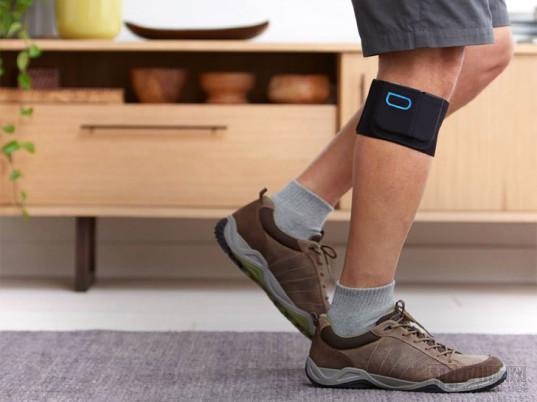
NeuroMetrix, a company based in Boston, USA, primarily offers Quell—a pain relief device designed to alleviate pain for individuals suffering from chronic pain conditions, such as arthritis and frozen shoulder.
The device is worn on the calf. It works by delivering electrical currents to stimulate sensory nerves, which then send pulse signals to the brain, prompting it to produce natural analgesics for pain relief. Clinical trials have demonstrated that the Quell pain relief device is highly effective in alleviating pain associated with painful diabetic neuropathy, fibromyalgia, sciatica, and osteoarthritis, with effects observed in as little as 15 minutes.
The Quell pain relief device has been cleared by the U.S. Food and Drug Administration (FDA). It is designed for extended wear, with a battery life of up to 40 hours. The device integrates with an iOS app for sleep monitoring and automatically reduces electrical intensity at night. When worn during sleep, it can alleviate pain by 80%.
Currently, this device is priced at $249. However, it is not suitable for all users. Patients with implanted metallic or electronic therapeutic devices, such as cardiac pacemakers and defibrillators, are prohibited from using the Quell pain relief device.
2. Myoscience
Headquarters: California
Disclosed funding: $109.6 million (Series E)
Investors: Accuitive Medical Ventures, American Equities Overseas, De Novo Ventures, Medicis Capital, Saratoga Ventures
MyoScience offers focused cold therapy to target pain caused by peripheral nerve disorders. Its flagship product is the iovera° system.
The iovera° system is a non-opioid, non-systemic therapeutic device designed to block pain signals from various peripheral nerves. The iovera° system comprises a compact handheld device that utilizes disposable tips to deliver focal cooling to target nerves throughout the body. It has been demonstrated to be a safe and effective standalone, non-opioid treatment for pain, suitable for managing chronic, perioperative, and acute pain. iovera° therapy provides immediate and sustained pain relief by blocking the nerve’s ability to transmit pain signals without affecting the structural integrity of the target nerve. The system has received FDA clearance in the United States for pain blockade and is also indicated for the relief of pain and symptoms associated with osteoarthritis of the knee, with efficacy lasting up to 90 days.
3. SPR Therapeutics
Headquarters: Beachwood, Ohio
Disclosed Funding: $43.3 Million
Investor: Frontcourt Group
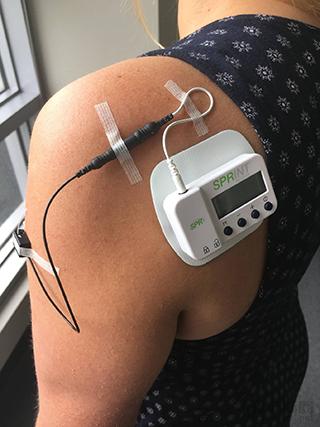
SPR Therapeutics’ products (Image source: mobihealthnews)
SPR Therapeutics uses its peripheral nerve stimulation (PNS) platform technology to treat acute and chronic pain.SPR Offers the FDA-Approved Sprint Peripheral Nerve Stimulation (PNS) System as a Non-Opioid Alternative for Chronic and Acute Pain Relief.Connected via a wire with a diameter of only 0.2 mm that can penetrate the skinWearable Stimulator, the system alleviates patients' pain by activating target nerve fibers.
On August 16, 2018, following clearance of a new 510(k) submission, the Sprint Peripheral Nerve Stimulation (PNS) System became available in either a single-lead configuration (Sprint Endura) or a dual-lead configuration (Sprint Extensa), the latter enabling non-surgical placement of two leads connected to a single device’s wiring. In addition, the updated platform now supports a rechargeable battery and a Bluetooth-enabled controller for patient use.
4.Axial Healthcare
Headquarters: Nashville, Tennessee
Disclosed Funding: $26.3 million
Investors: .406 Ventures, BlueCross BlueShield Venture Partners, Oak HC/FT Partners, Sandbox Industries
Axial Healthcare is a pain management solutions company with a platform that connects physicians, health insurers, pain clinics, and patients. The company’s four software products facilitate this connectivity and provide greater insights for all stakeholders. Its products include:
AxialAnalysis: Used to measure patient risk, clinical outcomes, and practitioner performance during pain episodes;
Axial Network, for measuring clinical outcomes in pain management, patient satisfaction, and episode costs;
axisConnect, as a platform for patient engagement, monitoring, and clinical decision-making;
axialPatient and a patient engagement app called Empower help patients track their condition and manage side effects and treatments, including medication.
5.Hinge Health
Headquarters: San Francisco, California
Disclosed Funding: $11.3 Million
Investors: Atomico, Eleven Two Capital, Jon Reynolds, The Vertical Group
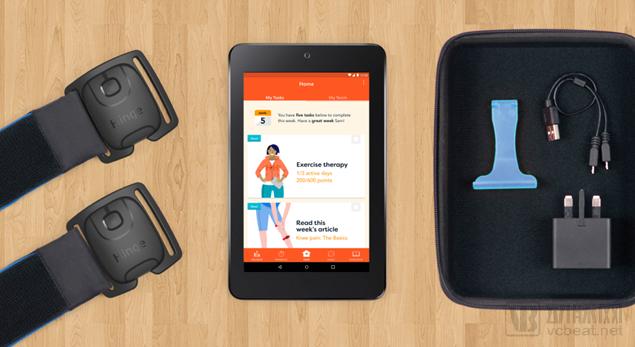
Hinge Health’s products (Image source: Hinge Health official website)
Hinge Health is an innovative company whose products include wearable devices and a software platform, providing patients with technology to combat chronic back pain and joint pain. The specific product suite includes two sensor-equipped bandages with motion sensors, a tablet preloaded with Hinge Health software for watching rehabilitation instructional videos, as well as braces, a carrying case, and charging equipment.
For chronic musculoskeletal pain, Hinge Health data demonstrates a 50% reduction in costs. Use of Hinge Health reduces pain by 70% and surgical interventions by 63%.
In terms of business model, Hinge Health does not target end consumers directly; instead, it primarily serves corporate employers by adopting a B2B2C model. Hinge Health is responsible for product research and development but does not sell directly to consumers. Rather, it delivers its products to users through the healthcare plans of various companies.
Pain is, in fact, a spectrum of conditions encompassing acute pain, chronic pain, and cancer-related pain, sometimes even presenting as a combination of these. In China, the largest patient population suffers from musculoskeletal and connective tissue disorders, such as cervical spondylosis—the most prevalent condition—affected approximately 200 million people. Beyond orthopedic and muscular ailments, pain may also arise from other causes, including surgery, nerve injury, and metabolic disorders such as diabetes. Occasionally, pain itself may constitute the primary problem, with no identifiable underlying cause.
In China’s healthcare landscape, the treatment and management of pain remain largely within a hospital-centric business model that addresses the majority of cases, with therapeutic approaches typically consisting of surgery, minimally invasive procedures, physical therapy, and pharmacological treatment.Innovative pain management companies are rare in the market.
In countries such as the United States and Canada, pain management is a specialized discipline, with dedicated physicians and institutions addressing these issues, such as pain clinics in the United States. In a previous interview, Dang Jingdong, founder of Hupu Medical, revealed that in 2006, the United States had 157 accredited anesthesia-based pain training programs and 97 accredited pain fellowship training programs. In Canada, 30% of physicians providing pain treatment services have received formal training in pain management.
In China, the composition of healthcare providers in pain management lacks standardization. The workforce, numbering approximately 90,000, primarily consists of traditional Chinese medicine (TCM) massage therapists, acupuncturists, anesthesiologists, orthopedic and traumatology specialists, and psychiatrists. Widespread non-standardized practices in diagnosis and treatment have resulted in 70% of chronic pain patients in China failing to receive timely and standardized care.
As the medical field gains a deeper understanding of the complexity of pain, it has become increasingly important for physicians with specialized expertise and skills to treat these conditions. A thorough grasp of pain physiology, the ability to assess patients with complex pain issues, proficiency in interpreting specialized diagnostic tests for pain conditions, appropriate prescribing of medications for various pain problems, and technical competence in performing procedures (such as nerve blocks, spinal injections, and other interventional techniques) are all integral components of the therapeutic approach employed by pain management specialists.
In China’s public hospitals, anesthesiologists shoulder 90% of the workload in pain management departments. The establishment of these departments within hospitals further burdens anesthesiologists, who are already overworked, thereby posing certain challenges to the creation of dedicated pain management units even within hospital settings.
In terms of private capital participation,Unlike the numerous specialized pain clinics and care facilities of varying sizes in the United States, China currently has only one dedicated pain specialty clinic offering pain management services: Hepu Medical. Representative physician groups specializing in pain management include the Chuanpai Physician Group. In addition, clinics or institutions primarily focused on rehabilitation also provide pain management services, particularly those specializing in sports rehabilitation and orthopedic rehabilitation. Key players in this segment include the well-established Hongdao Sports Rehabilitation Clinic, Youfu Orthopedic Rehabilitation Outpatient Clinic, Jijin Wanmei, which focuses on spinal rehabilitation, and Jingyiwei, which targets cervical and lumbar spine conditions.
Specialized services for pain diagnosis and treatment remain intertwined with rehabilitation, resulting in overlapping business lines across various enterprises.Meanwhile, the market for innovative medical devices in pain management is virtually untapped.Reporters found only that Xinyun Medical had previously launched smart cloud patches for pain relief, and the company has since transformed into a provider of solutions for pain-specialty medical consortiums. In addition, companies and products involved in wearable analgesic devices include i-painfree produced by Jiangsu Aipeng Medical Technology Co., Ltd., LeFan Magic Patch under Xiamen Mengfali, and Yijiantang’s LED wearable therapeutic device, all of which are positioned more traditionally.
Overall,The specialized market for pain management services remains highly immature, with companies still in the phase of validating their business models. In terms of digital innovation in medical devices, China lags significantly behind international developments. Beyond technological backwardness, another contributing factor is the underdeveloped state of market education. This is evident from the contrast between the widespread adoption of pain clinics abroad and the entrenched dominance of tertiary Grade A hospitals in China’s healthcare system. It is clear that the challenge of market education is far greater than that of independent technological R&D.