

China's Pediatric Cerebral Palsy Crisis: High Disability Rate, Soaring Treatment Costs, and Acute Shortage of Specialized Care Providers
China has a pediatric population of 256.5 million. Among childhood diseases, there is one condition that, while not fatal, can financially devastate an entire family, with treatment costs reaching millions of yuan. There are approximately 6 million patients in China affected by this disease, representing 6 million families struggling to seek medical care.
This disease is cerebral palsy in children. Currently, the incidence of cerebral palsy among newborns is approximately 5 per 1,000, remaining high, with no available technological means for prevention or screening. Future trends are also concerning; it is projected that an additional one million children will be diagnosed over the next decade. Parental neglect or delayed treatment has resulted in a disability rate of 46%.
Like most medical students, Liu Jianjun was initially driven by the desire to “cure diseases and save lives,” which inspired him to pursue a career in medicine. However, over the following five decades, he chose to dedicate himself to pediatric rehabilitation, a field that was then in its infancy.
“At the time, I chose pediatric rehabilitation because I felt that its foundation was weak and there was a need for someone to do something for these children, helping those born with conditions lead normal lives. This also better reflects the value of rehabilitation physicians. Providing early rehabilitation training or medical advice to children may change their entire lives,” said Liu Jianjun.VCBeat (WeChat ID: vcbeat)The reporter said.
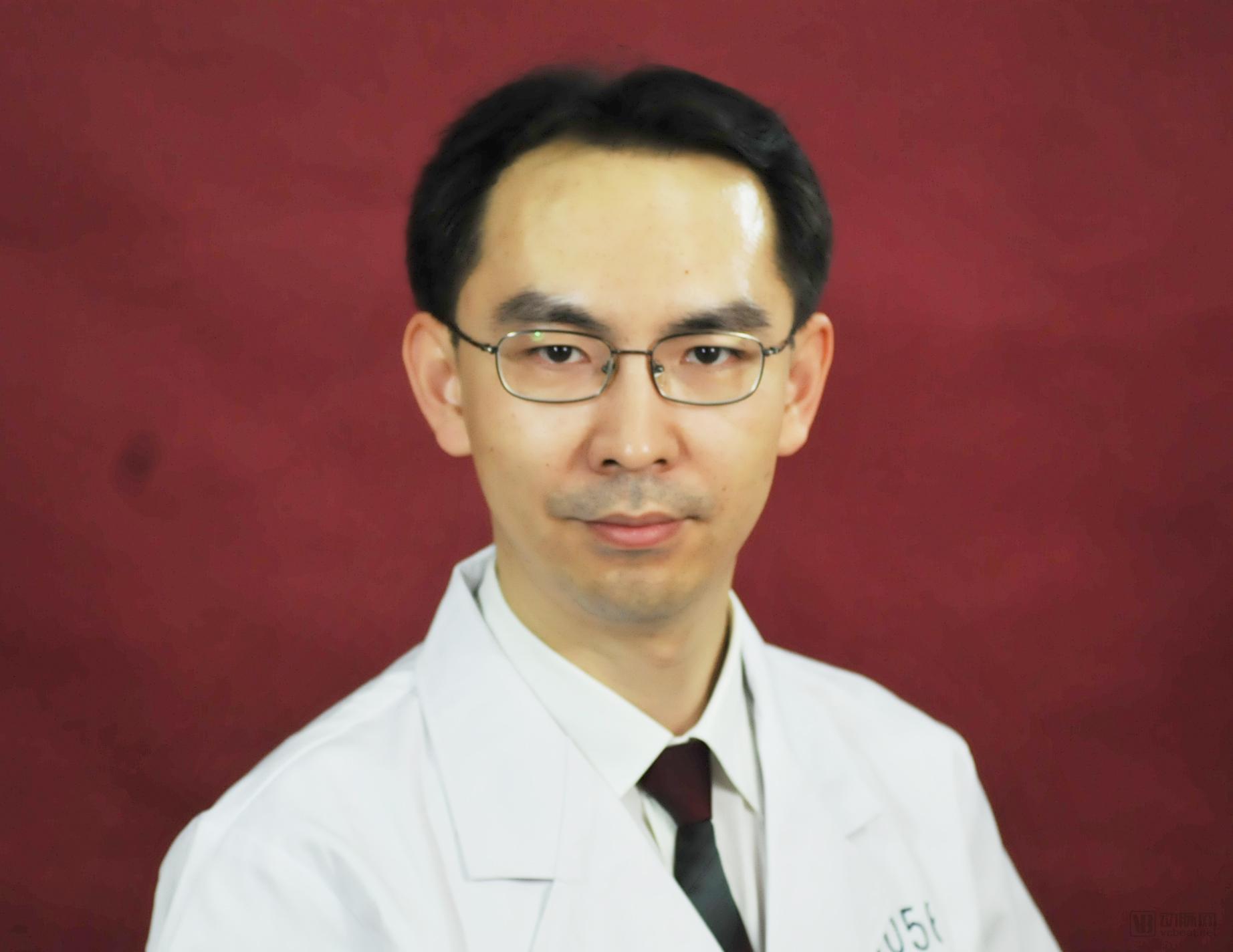
Professor Liu Jianjun, Chief Physician, Department of Pediatric Rehabilitation, China Rehabilitation Research Center
In the 1980s, many diseases ultimately led to disability. China’s healthcare system had never conducted in-depth research on rehabilitation in the late stages of disease, which directly resulted in a sharp increase in the number of people with disabilities. At that time, Deng Pufang, Chairman of the China Disabled Persons’ Federation, decided to introduce advanced Western rehabilitation concepts and technologies into China after examining the rehabilitation medical systems in Japan and the United States.
In 1988, the state officially approved the establishment of the China Rehabilitation Research Center, marking a new chapter in China’s rehabilitation sector and drawing countless medical professionals into the field.
On Liu Jianjun’s Haodf Online profile page, parents seek his consultations daily, asking him to evaluate their children. His personal Haodf website has garnered over one million visits, with parents of children with cerebral palsy from across the country reaching out to Liu Jianjun in hopes of restoring their children’s motor function through professional rehabilitation therapy.
Despite having nearly 26 years of clinical rehabilitation experience, Liu Jianjun is hailed as “the youngest Chief Physician in China’s rehabilitation field.” He is a leading expert among middle-aged and young specialists in the treatment of cerebral palsy in China, and a pioneer and the most authoritative expert in botulinum toxin nerve block therapy within China’s rehabilitation community.
Since beginning his practice, Liu Jianjun has successfully restored motor function in tens of thousands of children with cerebral palsy, enabling them to live lives comparable to those of individuals without disabilities. For physicians, the aspiration to “rehabilitate one patient and revitalize an entire family” represents their greatest wish.
“A late start and a weak foundation” is how rehabilitation practitioners describe the current state of rehabilitation in China. Even amidst the proliferation of Grade 3A hospitals, rehabilitation departments remain marginalized. Despite policy support mandating that all Grade 3A hospitals establish rehabilitation departments, many such departments are exceedingly small due to the long rehabilitation cycles and prolonged bed occupancy. Outpatient services often consist of only one consultation room, with an even scarcer number of inpatient beds. Liu Jianjun believes that it is precisely because of this weak foundation that the development of rehabilitation departments is currently experiencing a phase of rapid growth.
In the “2017 Top 80 Rehabilitation Hospitals” list recently released by the Ai Li Bi Hospital Management Research Center, the China Rehabilitation Research Center’s Beijing Bo’ai Hospital undoubtedly claimed the top spot.
Beijing Boai Hospital is affiliated with the China Rehabilitation Research Center, which is hailed as the “Peking Union Medical College” of the rehabilitation sector. In 1988, China’s rehabilitation industry was just getting started, and the development of the China Rehabilitation Research Center began from scratch. Its achievements over the past three decades serve as a powerful testament to the progress of rehabilitation medicine in China during the same period.
The China Rehabilitation Research Center is directly affiliated with the China Disabled Persons’ Federation. It currently comprises six institutions: Beijing Bo’ai Hospital, the School of Rehabilitation Medicine, the Institute of Rehabilitation Medicine, the Institute of Rehabilitation Engineering, the Institute of Rehabilitation Information, and the Social Service Guidance Center of the China Disabled Persons’ Federation. Among these, Beijing Bo’ai Hospital was established in 1988. It is a Grade A tertiary general hospital and a public institution funded by the central government. The hospital covers an area of more than 220 mu, with a building area of over 120,000 square meters. It has more than 1,600 staff members and 1,100 designated beds.
Beijing Boai Hospital features several specialized disciplines, including neurological rehabilitation, spinal cord injury rehabilitation, pediatric rehabilitation, musculoskeletal and joint rehabilitation, and traditional medicine rehabilitation. The hospital has long been committed to research in pediatric rehabilitation, drawing on advanced rehabilitation designs and concepts from countries such as Japan and the United States. As a result, the effective rate of rehabilitation outcomes for children with cerebral palsy at the hospital exceeds 90%.
Liu Jianjun told reporters that the advanced aspect of the rehabilitation systems in Europe and the United States lies in the rehabilitation evaluation process, where corresponding rehabilitation plans are formulated through scientific assessments.
In this sizable market, specialized diagnosis and treatment institutions are few and far between; the Beijing Bo’ai Hospital of China Rehabilitation Research Center, where Liu Jianjun currently works, is among the most renowned.
The pediatric rehabilitation department where Liu Jianjun works has seven attending physicians, more than 20 rehabilitation therapists, and 15 nurses, with a total of 50 beds. Yet these 50 beds make it the largest pediatric rehabilitation department in Beijing.
Even within China, only the Jiamusi Children’s Healing Center in Heilongjiang, the Qingdao Children’s Rehabilitation Center, and the Third Affiliated Hospital of Zhengzhou University have dedicated pediatric rehabilitation departments with a substantial number of beds.
For the 0.5% of children newly diagnosed with cerebral palsy each year and those requiring long-term rehabilitation, institutions capable of providing comprehensive disease management—including diagnosis, treatment, and rehabilitation—are extremely limited, and public medical resources fall far short of meeting market demand.
“There is no way to prevent this disease,” said Liu Jianjun.
Premature birth, low birth weight, birth asphyxia, and hyperbilirubinemia have long been regarded as the four major causes of cerebral palsy in children; however, none of these risk factors are currently preventable. “These conditions cannot be detected during pregnancy either, so the incidence of cerebral palsy in children has not declined. Unlike other diseases, whose rates have gradually decreased with technological advancements, the rate of cerebral palsy has remained stagnant.”
Children who fail to crawl by the appropriate age, cannot sit independently, stand alone, or even walk, present clear signs of abnormal development. While parents recognize these issues as atypical, they often lack clarity on the underlying condition. Some mistakenly attribute the delays to slower-than-average development compared to peers, only receiving a diagnosis of cerebral palsy after clinical consultation. By then, the optimal window for treatment has frequently passed. Relevant data indicate that the disability rate associated with pediatric cerebral palsy is as high as 46%, and 65% of affected children do not receive effective treatment due to poverty and other factors.
Liu Jianjun stated that the primary difficulties and challenges in pediatric cerebral palsy still lie in early detection. However, with the development of perinatal medicine and improved maternal health awareness, birth asphyxia and kernicterus have significantly decreased, while the survival rates of preterm infants and low-birth-weight infants have markedly increased, leading to a rise in the number of children with cerebral palsy attributable to these two factors.
Early manifestations of cerebral palsy in children include increased muscle tone, persistence of primitive reflexes, and delayed motor development; the earlier the therapeutic intervention, the better.
Unlike other departments in rehabilitation hospitals, patients in the pediatric rehabilitation department may present with language, intellectual, behavioral, and visual or auditory impairments in addition to basic motor disorders, thereby necessitating more complex therapeutic interventions.
Liu Jianjun revealed that the primary condition to be addressed in pediatric cerebral palsy is spasticity. Currently, botulinum toxin injection is considered a relatively innovative and effective treatment. Furthermore, large-sample comparative studies conducted at the hospital have demonstrated that combining botulinum toxin injections with rehabilitation training yields superior recovery outcomes for patients.
“It is indeed a difficult situation to handle,” Liu Jianjun described.
“Generally, the brain of a newborn weighs around 350 to 400 grams, which is one-quarter the weight of an adult brain. This means that the remaining three-quarters develop gradually over time; by age two, the brain reaches 75% of adult weight, and by age three, it approaches the full weight of an adult brain.” Liu Jianjun believes that, compared with adult rehabilitation, pediatric rehabilitation holds greater potential, as functional impairments caused by conditions such as brain injury are more likely to be reversed.
"Clinical pathways are a crucial tool for implementing standardized management and improving rehabilitation efficiency in the pediatric rehabilitation department. Physicians need to develop detailed rehabilitation plans based on the assessment results of each child, clearly outlining what should be done in the first week, the second week, and so on, all the way through to discharge. This ensures that the subsequent rehabilitation process is carried out in a standardized and regulated manner," said Liu Jianjun.
Compared with traditional pediatric rehabilitation, the current assessment system is more comprehensive and scientific. “Previously, the focus was mainly on assessing motor skills; now, intelligence, language, and behavior are all evaluated.”
As Liu Jianjun stated, for a long period, cerebral palsy in children was considered an incurable condition. “Previously, when discussing cerebral palsy, it was commonly said that there were no effective treatments; affected children were simply sent home to be cared for in a vegetative state.” It was not until the 1980s that the concept of pediatric rehabilitation began to gain prominence.
Rehabilitation for children with cerebral palsy is a long-term, continuous process. Liu Jianjun stated that the golden period for rehabilitation in children with cerebral palsy is between 0 and 3 years of age, and timely rehabilitative training before the age of 6 yields better outcomes.
However, children with cerebral palsy often miss the golden window for rehabilitation due to two main barriers: “lack of available beds” and “prohibitively high treatment costs.” Most affected children require consistent, long-term rehabilitation until age 18, or even throughout their lives. Yet, few parents are able to sustain such a prolonged commitment.
According to Liu Jianjun, at Beijing Bo’ai Hospital, “if there are a dozen or so outpatients, perhaps only one will undergo systematic rehabilitation training.” In the pediatric rehabilitation department where he works, patients have been on waiting lists year-round, ranging from a few weeks to several months, with the 50 available beds in high demand.
Compared with adult rehabilitation, pediatric rehabilitation involves greater technical and managerial complexities and higher entry barriers, resulting in a severe shortage of medical institutions equipped with pediatric rehabilitation capabilities.
Moreover, the diagnosis of cerebral palsy in a child often alters the entire family’s trajectory. It is not uncommon for families to fall into poverty or slip back into poverty due to the disease. The immense psychological and financial burdens mean that fewer than 10% of children are able to persist with treatment.
Some parents shuttle between medical institutions in cities such as Beijing, Shanghai, and Chengdu, with annual treatment costs approaching RMB 200,000. “Since rehabilitation outcomes are not immediately apparent, coupled with the high cost of rehabilitation, most parents are forced to abandon their children’s treatment.”
During the rehabilitation process for cerebral palsy, if patients undergo long-term in-hospital rehabilitation therapy, each treatment course costs approximately RMB 40,000. With two courses per year, the annual expense amounts to around RMB 80,000, meaning that “over the course of more than a decade, some parents may spend over one million yuan.”
Additionally, some patients also opt for community-based or home-based rehabilitation to reduce rehabilitation costs.
Current health insurance coverage for pediatric rehabilitation services remains inadequate. Taking Beijing as an example, since April 15, 2011, rehabilitation services for children with cerebral palsy have been included in the scope of health insurance reimbursement. The policy stipulates that "for students and children enrolled in the Urban Resident Basic Medical Insurance who undergo rehabilitation treatment for cerebral palsy, if the incurred rehabilitation medical expenses fall within the scope of basic medical insurance reimbursement, the Basic Medical Insurance Fund will cover no more than six months per year for children under three years of age; for those aged three and above, coverage is limited to no more than three months per year."
In terms of life expectancy, the primary challenge for children with cerebral palsy is viability, necessitating 24/7 continuous care and daily companionship through rehabilitation training. Some children with cerebral palsy die within weeks of birth; others survive only until the age of 8 or 9. Although their lifespan may be shorter than that of the general population, most individuals with cerebral palsy can live into adulthood and even old age.
However, cerebral palsy is not synonymous with intellectual disability. Although some children with cerebral palsy exhibit motor incoordination, they may have minor brain injuries and no intellectual impairments; with effort, they can live and study like their peers, even gaining admission to university. Liu Jianjun revealed that among children with cerebral palsy, “75% have intellectual disabilities, while 25% have unaffected intelligence.”
According to statistics from the International Federation of Physical Medicine and Rehabilitation, developed countries and regions such as Europe, the United States, and Japan typically have 30–70 rehabilitation therapists per 100,000 people. In China, the ratio of rehabilitation therapists to the general population is approximately 0.4 per 100,000 (calculated according to international standards). Currently, there are fewer than 20,000 rehabilitation medical professionals in China.
The shortage of talent has indirectly led to a gap in the number of professional institutions on the market. In response to this situation, hospitals typically adopt internal training methods, particularly in the field of pediatric rehabilitation. Since there is no specialized pediatric rehabilitation major in schools, they can only train professionals from the already limited pool of rehabilitation graduates or rehabilitation physicians.
In China’s pediatric rehabilitation sector, the fundamental reality is characterized by a scarcity of specialized institutions, limited bed capacity, and a shortage of qualified professionals. For physicians, treating one child equates to saving an entire family. Families with children diagnosed with cerebral palsy often undergo a predictable emotional trajectory: initial grief, followed by anger, then helplessness, and ultimately resignation. This progression is largely driven by the harsh realities they face; nevertheless, as long as there is even a sliver of hope, “curing their child’s cerebral palsy” remains their deepest aspiration.
“No pain, no gain” is the greatest reflection of Liu Jianjun’s 26-year career. “Early and diligent engagement in rehabilitation therapy has a profound impact on a child’s entire life. Therefore, it is crucial not to shy away from the effort involved; instead, one should diligently pursue rehabilitation and training, which will undoubtedly yield positive outcomes in the future.” For parents, persistence in their child’s rehabilitation is essential, and the same holds true for rehabilitation professionals.
Expert Profile Liu Jianjun Department: Department of Pediatric Rehabilitation, China Rehabilitation Research Center Title: Chief Physician, Professor Specialty: Pediatric Rehabilitation
|