

ZhiKangBo Pharmaceuticals Files IPO Prospectus: Dual In Vitro and In Vivo Drug Testing Achieves Over 90% Precision in Personalized Cancer Therapy
Currently, there are over a hundred anticancer drugs available on the global market. Each drug is approved for marketing only after its efficacy has been rigorously validated through clinical trials. However, in the face of such a wide array of proven effective anticancer agents, why do some patients fail to achieve clinical outcomes as significant as those observed in clinical trials?
Statistical data indicate that the response rate to cancer chemotherapy drugs is currently only around 30%, and this efficacy is observed primarily with initial chemotherapy. When chemotherapy regimens are repeatedly changed, the response rate often fails to reach even 10%. With each cumulative cycle, the toxic side effects of chemotherapy can only increase, not decrease; consequently, the burden borne by patients may ultimately outweigh the benefits derived from chemotherapy.
In fact, when selecting chemotherapy regimens for patients, physicians comprehensively evaluate individual patient characteristics; for uncomplicated cases, adherence to standard cancer guidelines is generally sufficient. However, given the variability in each patient’s constitution, symptoms, as well as tumor size, location, and growth rate, relying solely on general medication guidelines carries inherent risks. Therefore, we should adopt personalized medication strategies tailored to complex individual conditions, carefully select chemotherapy regimens, and reasonably assess the benefits and risks.
How to Reduce Risks and Identify the Optimal Treatment Plan?
“If we could conduct combinatorial testing of all drugs used to treat such tumors, would it be possible to intuitively determine which drug combination offers the best efficacy for a specific patient?” This is precisely what Beijing Percans Oncology Co., Ltd. (hereinafter referred to as “Percans”) does.
Percans Directly Serves Patients
Beijing Percans Oncology Co., Ltd. is a precision medicine company specializing in research on personalized cancer therapy. It is the first company in China dedicated to providing cutting-edge medical consulting services specifically for cancer patients. The company strives to identify the optimal treatment regimen for each oncology patient, thereby improving clinical outcomes and maximizing patient survival.
Dr. Chen Yiyou, the company’s founder, graduated from the Department of Biology at Peking University with a major in biochemistry. After graduation, he pursued advanced studies at the University of Utah School of Medicine in the United States, where he earned a Ph.D. in Experimental Pathology. He led and established HuPrime®The technology platform has been adopted by nearly all multinational pharmaceutical companies worldwide to help drug developers identify anticancer drugs with the greatest potential for clinical development.
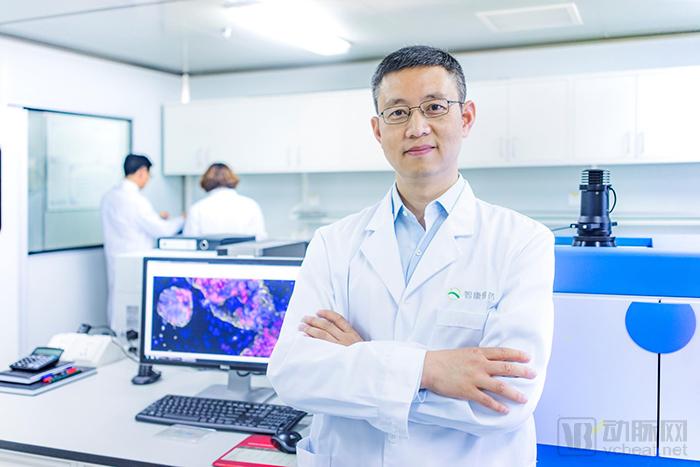
Founder of Percans: Chen Yiyou (Photo provided by the company)
Dr. Chen Yiyou initially served as a scientist in vaccine research and development at Genecor in the United States. In 2003, when SARS broke out extensively in China, Dr. Chen accidentally secured sponsorship from an investor who requested the development of a SARS vaccine. This opportunity marked Dr. Chen’s transition from an employee to an entrepreneur. In October of the same year, Beijing Stacon Biotechnology Co., Ltd. was established. The company successfully developed a SARS vaccine the following year, but by that time, the SARS virus had mysteriously disappeared. During this entrepreneurial venture, Dr. Chen partnered with his alumnus Lin Yihai, and the two forged a deep friendship through their subsequent business endeavors.
Following a rupture in its capital chain, Sitaikang Bio experienced a standstill in business operations. During that most arduous period, the two founders remained steadfast in the pharmaceutical industry, attempting to pivot toward contract research organization (CRO) services. In 2006, after securing new investment, the new company, Crown Bioscience China, was established. Specializing in technical outsourcing services for oncology drug development, the company appointed Dr. Chen Yiyou as Chief Scientist. He established a comprehensive patient-derived xenograft (PDX) drug screening system for Crown Bioscience China, making it the earliest commercial enterprise in China to offer PDX models. To this day, PDX models remain the primary source of revenue for Crown Bioscience China.
What is a PDX model? It refers to patient-derived xenograft animal models. In simple terms, a small portion of tumor tissue is extracted from a patient and implanted into mice to form a tumor clone that mirrors the patient’s cancer. This allows the mice to serve as surrogates for drug testing, thereby helping to identify the most effective treatment regimen. Chen Yiyou and Lin Yihai recognized that this technology could directly benefit patients by providing personalized drug screening services. However, at that time, CrownBio was focused on a B2B model, serving only pharmaceutical companies rather than individual patients. Consequently, the two decided to establish a new pharmaceutical company dedicated to directly serving patients. In November 2012, Beijing Percans Oncology Co., Ltd. was founded.
Beijing Percans Oncology currently adopts a B2C business model, serving patients directly. When a patient contacts the platform, the company comprehensively analyzes various clinical indicators based on the patient’s tumor profile to develop a personalized treatment plan. Subsequently, a patient-derived xenograft (PDX) mouse model is established to conduct drug testing in lieu of the patient, thereby identifying the most effective therapeutic regimen and providing guiding recommendations to the patient’s attending physician.
In vivo drug testing models in mice are among the more reliable methods for drug screening. However, completing a single cycle of a patient-derived xenograft (PDX) model in mice typically takes over a month or even longer. For patients, time is precious; some individuals with advanced-stage cancer may pass away before the optimal treatment regimen is identified. Furthermore, as surrogates for patients, PDX model mice require exceptionally rigorous care and monitoring. The stringent environmental requirements for mouse husbandry—such as the Specific Pathogen-Free (SPF) animal facilities and Individually Ventilated Cage (IVC) systems currently maintained by Beijing Percans Oncology Co., Ltd.—result in substantial research costs. Consequently, some patients may be unable to afford the testing fees, which can amount to hundreds of thousands of yuan.
Seeking Rapid, Low-Cost Drug Trial Protocols
Transplanting tumors into mice for drug testing, despite the drawbacks of long cycles and high costs, has allowed Beijing Percans Oncology to develop its own independent and comprehensive PDX in vivo drug screening system over the past few years. The entire cycle has been shortened compared to before, and the cost has gradually decreased to tens of thousands of yuan. Beijing Percans Oncology is also exploring faster and more cost-effective methods for drug testing to benefit more patients.
This necessitates a discussion of CR technology. CR, or Conditional Reprogramming, is a technique initially developed for culturing skin cells. It involves reversing differentiated cells under specific conditions to restore them to a pluripotent state or an embryonic stem cell line, after which they are induced to proliferate and differentiate into skin tissue.
CR technology enables in vitro cell culture. If this technology is applied to the field of oncology treatment, allowing tumors to be cultured in vitro, it would not only save the time required for mouse growth and development but also reduce various costs associated with raising mice. Isn’t this precisely the rapid, low-cost drug testing method that Beijing Percans Oncology Co., Ltd. has been seeking?
Applying CR technology to in vitro tumor culture has not been as straightforward as imagined. When using CR technology for the in vitro culture of tumor tissues, the CR system amplifies both tumor cells and normal cells, making it impossible to distinguish whether drug sensitivity signals originate from tumor cells or normal cells, thereby severely limiting its clinical application. In 2017, Beijing Percans Oncology Co., Ltd. announced that it had solved this technical challenge by independently developing i-CR, a technology capable of culturing only cancer cells while completely eliminating signal noise generated by normal cells.TMtechnology. This technology can culture one million new cells within a week while validating dozens of drug combinations, enabling the rapid identification of the optimal medication regimen for patients.
Percans currently has a complete 400 m² cell culture laboratory facility, equipped with a comprehensive i-CRTMIn vitro drug screening system. Lin Yihai, a partner at the company, told reporters that conducting an i-CRTMGenerally, the process can be completed within 15 days. The basic colorectal cancer testing package costs only RMB 9,000 and can evaluate the efficacy of the 6 to 8 most commonly used drug combinations in hospitals. Personalized i-CR plans are formulated based on each patient’s specific condition.TMThe medication regimen is also priced below RMB 20,000, a cost that is already acceptable to most cancer patients. On the arduous journey of fighting cancer, why not take this small step, which may well lead to a shortcut in cancer treatment?
40 Tumor Cases, Retrospective Medication Matching Rate Exceeds 90%
Recently, Beijing Percans Oncology Co., Ltd. collaborated with Peking University Cancer Hospital to conduct a retrospective study. Without interfering with physicians’ treatment decisions, the company enrolled 40 patients, obtained their tumor samples for drug sensitivity testing, and evaluated whether the in vitro drug sensitivity profiles of the patients’ cells were consistent with the clinical outcomes observed after physician-administered therapy. The data showed that the concordance rate between Percans’ test results and the physicians’ treatment outcomes exceeded 90%.
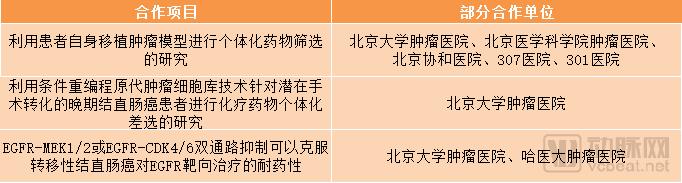
Percans’ partners are distributed across China. In addition to collaborating with Peking University Cancer Hospital on drug screening research, Percans has also conducted i-CRTMexploration and research of such technologies. Meanwhile, Percans Oncology is also conducting i-Chemo collaborations with the Cancer Hospital of the Chinese Academy of Medical Sciences and Peking Union Medical College Hospital in Beijing.TM“Micro-tumor” technology and PDX model collaborative research, conducting in vitro personalized drug sensitivity screening studies with patients at hospitals such as Shandong Cancer Hospital, Yantai Shan General Surgery Hospital, Taian Central Hospital, Qilu Hospital, and The Second Affiliated Hospital of Zhejiang University School of Medicine.
Percans’ two technologies are complementary and mutually reinforcing; the company prioritizes rapid and efficient i-CR for patient tumor tissues obtained.TMIn vitro testing can be complemented by the more conservative and reliable PDX model assay if results are suboptimal. By combining in vitro and in vivo drug testing, we strive to rapidly identify the optimal treatment regimen for patients. Beijing Percans Oncology has currently tested transplant models for most tumor types and established drug screening platforms, including those for colorectal cancer, ovarian cancer, lung cancer, osteosarcoma, pancreatic cancer, gastric cancer, and esophageal cancer. Among these, the drug screening platform for colorectal cancer is relatively mature, with a treatment efficacy rate of approximately 80%.
Notably, the company’s independently developed i-CRTMBeyond providing drug screening for patients, the technology can also be applied to oncology drug screening. Once a correlation between a specific compound and a particular tumor is identified, it effectively constitutes the discovery of a new anti-cancer drug. Lin Yihai told reporters that while there are companies worldwide specializing solely in CR (Clinical Response) assessment and others focused on drug screening, Beijing Percans Oncology is the only one integrating these two technologies.
In addition, Beijing Percans Oncology also provides PrimeGro to certain research institutions.TMPrimary Tumor Cell Culture Medium and Colorectal Cancer Drug Sensitivity Testing Kit. The company has completed its Series A and B financing rounds and plans to prepare for the next round of financing in 2019 to refine its platform technology and continue tumor drug screening using high-throughput fluorescence scanners, thereby identifying new drugs for cancer treatment.