

Where Is BCI Innovation and Industrialization Heading? Insights from Leading Experts

StairMed
Developer of Implantable Brain-Computer Interface Technology

Mindtrix
Invasive Brain-Computer Interface Technology Developer

Neuracle
Developer and Manufacturer of Brain-Computer Interface Systems and Related Equipment
2025 is regarded by the industry as "The First Year of Brain-Computer Interface in China”。
This is not without reason. First of all, in terms of policy, in March this year, the National Healthcare Security Administration issued the "Guidelines for the Establishment of Neurological Medical Service Price Projects (Trial)".This is the first time that brain-computer interface has entered medical insurance, and the commercial closed-loop has initially formed.; In July, the Ministry of Industry and Information Technology, the National Development and Reform Commission, and six other departments jointly issued the "Implementation Opinions on Promoting the Innovative Development of the Brain-Computer Interface Industry," officially elevating the brain-computer interface industry to a national strategic level; then in November, the "Fifteenth Five-Year Plan" further included brain-computer interfaces among the "Six Major Future Industries," emphasizing the need to vigorously promote it as a new economic growth point.
Secondly, on the capital side, according to incomplete statistics from the VCBeat database, as ofBy December 2025, China's brain-computer interface sector has completed 24 financings this year, with a total financing amount exceeding 5 billion yuan.This includes a B-round financing of 350 million yuan completed by StairMed in February this year, setting the highest record for a single financing in China's brain-computer interface field.
Finally, in the critical clinical field, 2025 will be a year of abundant results. In March this year, StairMed successfully achieved a milestone at Huashan Hospital Affiliated with Fudan University.Completion of China's First-In-Man (FIM) Clinical Trial for Long-Term Implantation of an Invasive Brain-Computer Interface System; In September, MindtrixCompletion of the World's First IIT Experiment on Visual Reconstruction with "Complex Patterns + Multiple Colors", successfully achieving the leap in visual reconstruction from simple light points to complex graphics and even color perception; In December, Neuracle's self-developed brain-computer interface system NEO achieved significant results in the world’s first multi-center registered clinical trial of an implantable brain-computer interface.Expected to become the first domestically produced implantable brain-computer interface product in China。
These heavy-weight pieces of information coming one after another are all articulating an industry fact:Brain-computer interface in China has now reached a critical turning point — gradually transitioning from the initial focus on exploring cutting-edge technologies to a new phase of proving clinical value.. So, in this process, what innovative technologies are addressing the core challenges faced by brain-computer interfaces, such as insufficient algorithm accuracy and potential allergic or rejection reactions between implant materials and the brain? Additionally, on the crucial market transformation front, what clinical scenarios are leading companies in China targeting, and what is their current progress?
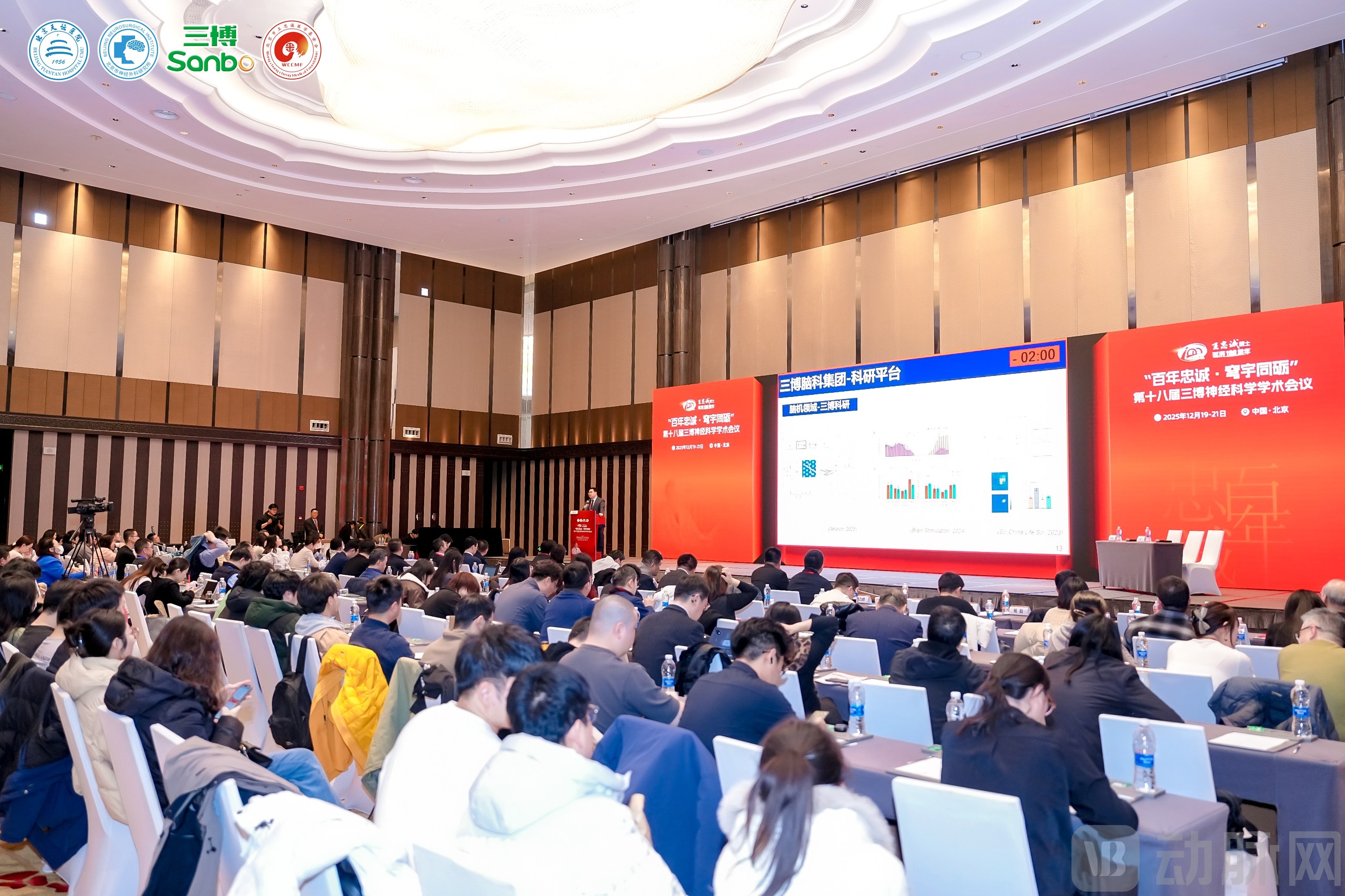 Conference Venue
December 20,The 18th Sanbo Neuroscience Academic Conference — "Brain-Computer Interface and Brain Science Sub-Forum" jointly hosted by the Wang Zhongcheng Medical Foundation, Beijing Neurosurgical Institute, Beijing Tiantan Hospital affiliated to Capital Medical University, and Sanbo Brain Hospital of Capital Medical University.Successfully concluded in Beijing. This conference brought together several top experts and scholars in the field of brain-computer interface in China, as well as industrial innovation practitioners. Through keynote speeches, live Q&A, and panel discussions, they proposed numerous cutting-edge insights and practical approaches regarding key issues such as technological innovation and market transformation in the industry. They also conducted in-depth discussions on the challenges and opportunities for the future development of brain-computer interface technology.
Brain-Computer Intelligence and Clinical Integration: A Multidimensional Study from Cognitive Mechanisms to Implantable Interfaces
Currently, language models such as ChatGPT and DeepSeek can understand, generate, and logically reason with complex human language, which raises a very interesting and cutting-edge question: Is there similarity between the internal mechanisms of large artificial intelligence models in processing language structures and the human brain?
 Professor Fang Fang, Standing Committee Member of the Party Committee, Vice President of Peking University, and Academic Leader of the National Innovative Research Group
In response,Professor Fang Fang, Standing Committee Member of the Party Committee and Vice President of Peking University, and Academic Leader of the National Innovative Research Group"Comparison of Processing Mechanisms Between the Human Brain and Large Language Models" report was presented, with a focus on introducing three major research projects of the team: the content of consciousness in the human primary visual cortex, humanized or non-humanized mechanisms in artificial intelligence, and perception reconstruction and brain-computer interfaces. He mentioned, "The intelligence evolution process of different large models compared to the human brain varies; some large models' intelligence evolution is similar to that of the human brain, while others take a completely opposite path, but their behavioral outcomes must be the same."
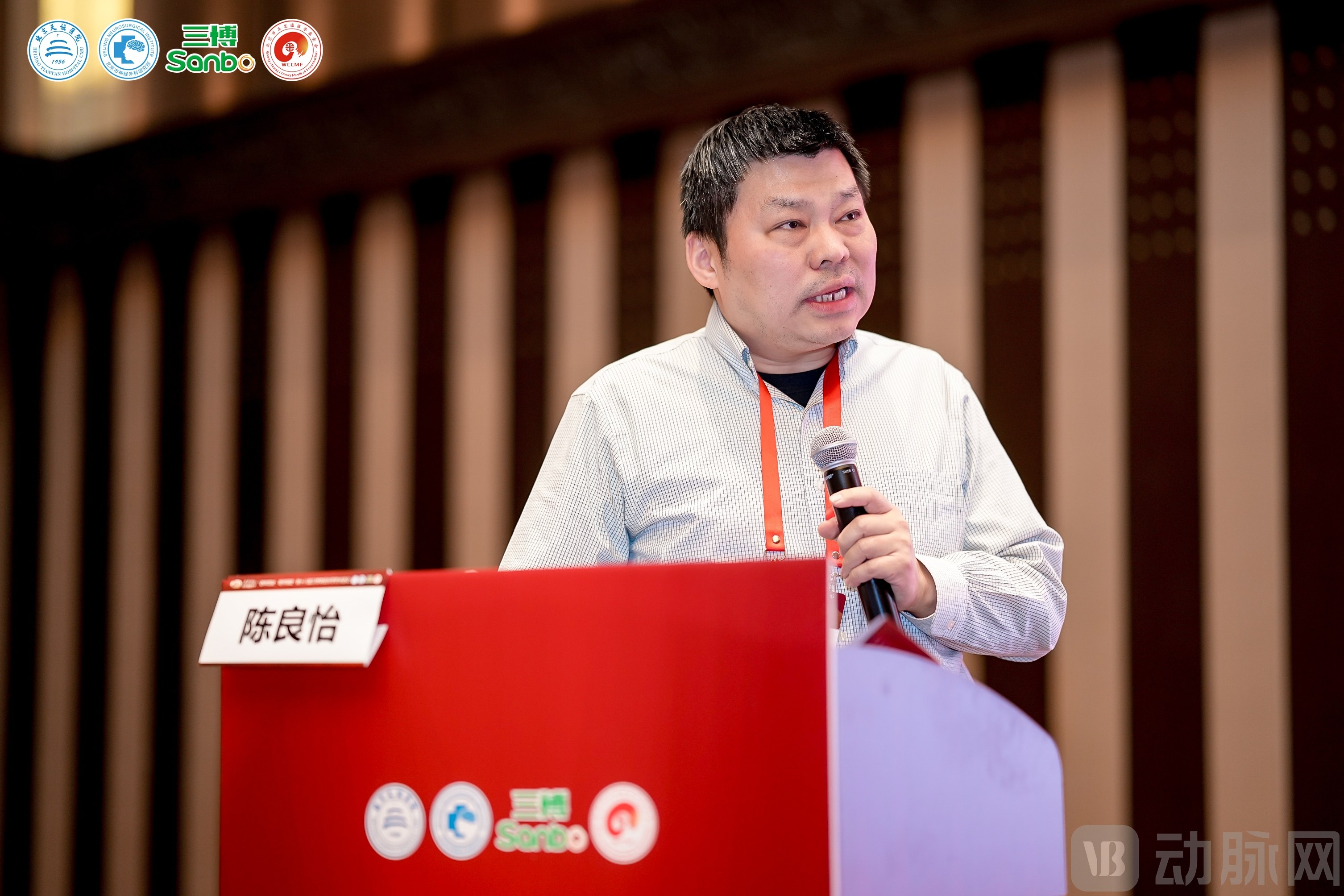 Deputy Director of the National Center for Biomedical Imaging Sciences and New Foundation Researcher, Professor Liangyi Chen
Professor Chen Liangyi, Deputy Director of the National Center for Biomedical Imaging Sciences and a New Cornerstone ResearcherProfessor Chen delivered a report titled "Cross-Scale Brain Functional Imaging" and highlighted the team's developed product — a miniature microscopic imaging device. According to Professor Chen, the instrument has a resolution of approximately 4 micrometers, a field of view diameter of 9 millimeters, and weighs less than 4 grams. It is capable of achieving high-resolution imaging across the entire cortex in freely moving animals. Currently, the device can be used not only for fluorescence imaging but has also been integrated by the team with ultrasound brain functional imaging and MRI.
Professor Jiao Liqun, Vice President of Xuanwu Hospital, Capital Medical UniversityHe presented the report "Research Progress and Reflections on Target Temperature Management in Stroke Treatment," in which he mentioned, "For the treatment of acute stroke patients, the past clinical approach of simply restoring blood flow is not the optimal solution. With the support of today’s precision and information era, it can be further optimized. For example, improving the 'precise assessment' system, which is not limited to imaging but uses tools like AI prediction to stratify patients first. Secondly, adjusting the 'cocktail' strategy for brain protection by developing more non-invasive treatments to buy more time for patients. Finally, upgrading the combined model of 'neuromodulation,' which is closely related to brain-computer interfaces."
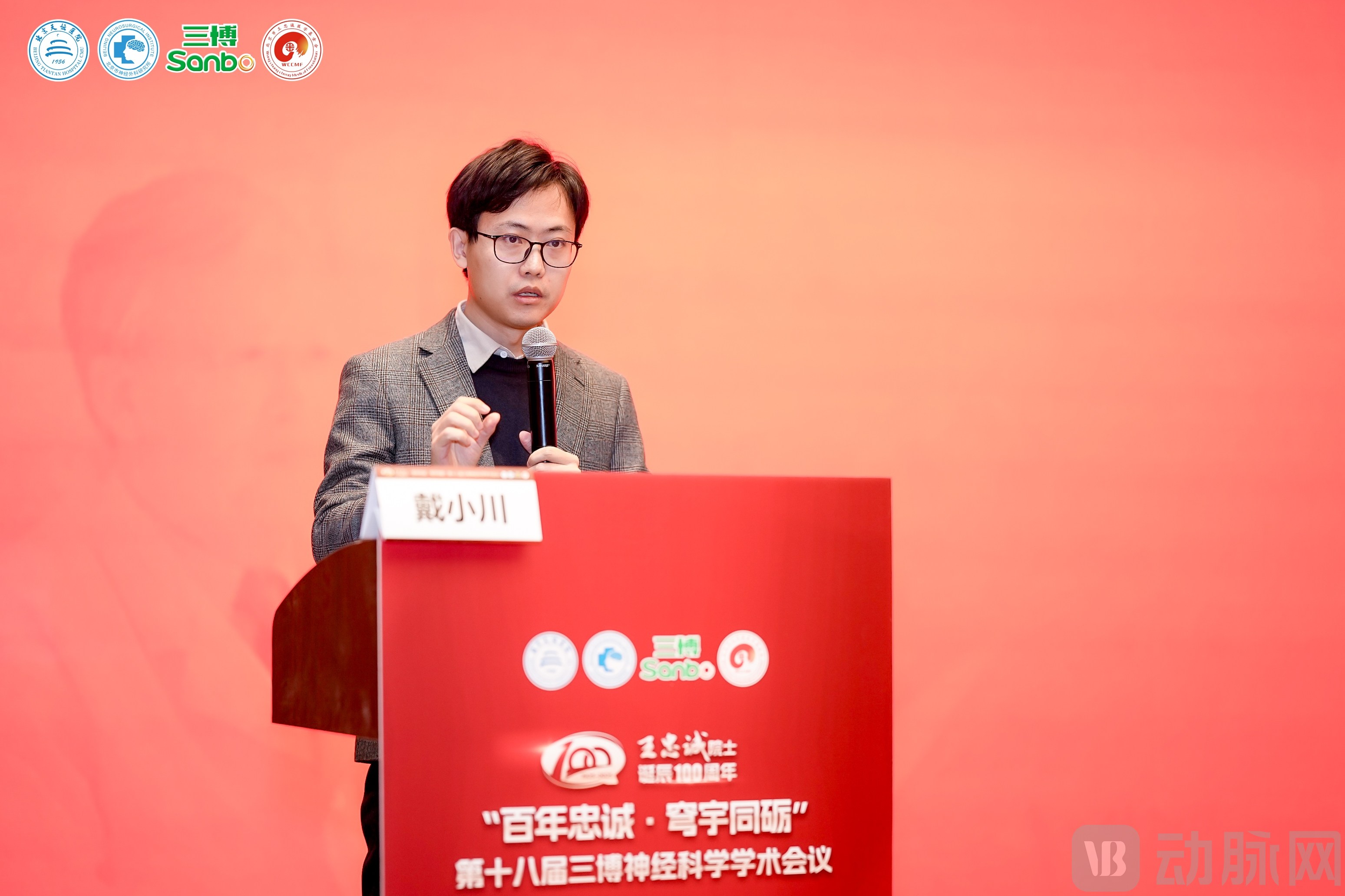 Associate Professor Dai Xiaochuan, Assistant to the Dean of the School of Biomedical Engineering at Tsinghua University, Founder and Chief Scientist of Heze Technology
Associate Professor Dai Xiaochuan, Assistant to the Dean of the School of Biomedical Engineering at Tsinghua University, Founder and Chief Scientist of Heze TechnologyHe presented the report "Research on Biomimetic Tissue Scaffold Neural Electrodes and Implantable Brain-Computer Interface Technology," stating, "To address the immune response and micromotion challenges faced in single-cell precision human interaction, we have proposed biomimetic tissue scaffold neural electrode technology. Our aim is to insert sensors into brain tissue without causing any changes, while still enabling signal collection and writing functions. Such a system falls under the field of tissue engineering, based on which we have developed an artificial material known as a tissue scaffold. However, we also want this tissue scaffold to possess sensor functionality, which requires fabricating electrodes resembling tissue scaffolds using microelectronics methods. These electrodes would not only integrate with biological tissues like a tissue scaffold but also provide signal sensing or modulation capabilities akin to microelectronics. This is the design concept behind biomimetic tissue scaffold electrodes."
Frontiers of Brain-Computer Interface and Neuromodulation: Clinical Breakthroughs from Memory Mechanisms to Artificial Spinal Cords
In 2025, several major clinical applications in the field of brain-computer interface (BCI) will be implemented in China. This represents a crucial step from laboratory research towards practical medical applications, marking that China has entered the international forefront in the BCI field. Currently, patients with neurological disorders such as paralysis, Parkinson's disease, and depression have experienced tangible functional improvements and new treatment hope, significantly enhancing their self-care abilities and quality of life.
So, what is the current effect? What innovative technologies have been integrated?
In response,Yáng Xiè, Assistant Professor and Doctoral Supervisor at the School of Future Technology, Shanghai Jiao Tong University"Compressed Representation of Sequential Working Memory" report was delivered, in which he stated, "How to build brain-computer interfaces? This faces two core issues: one is where to read from, and the other is how to write in. Both involve the compression of simple sequential information, but this representation is relatively low-dimensional and sparse, meaning we don't need so many neurons to describe a complex cognitive process. This implies that if we can harness the potential of high-throughput data collection through brain-computer interfaces, we can personalize cognitive mapping and dissociate components like language, consciousness, decision-making, and memory, thereby effectively decoding cognitive processes and precisely modeling cognitive mechanisms."
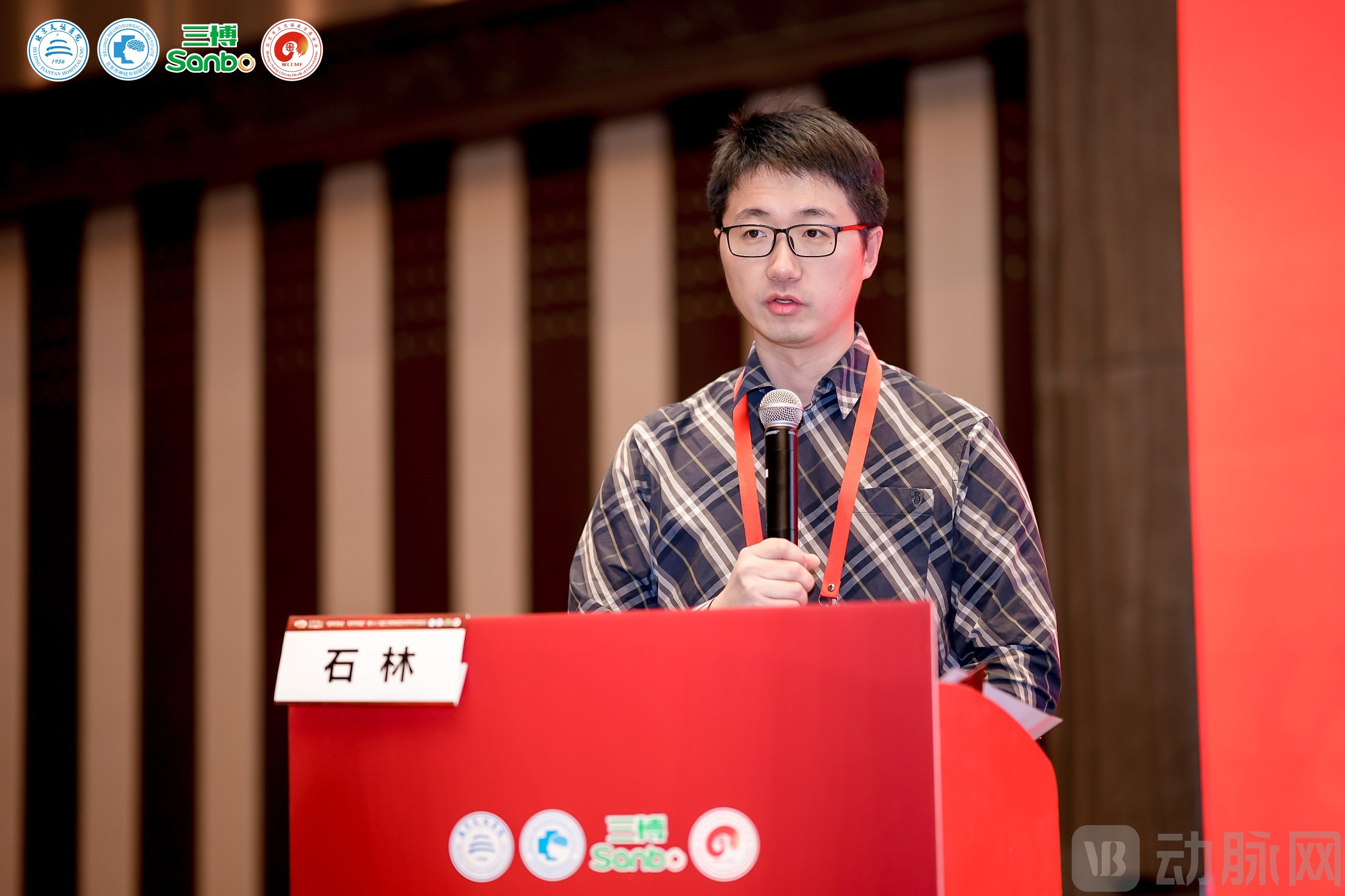 Associate Professor Shi Lin from Beijing Tiantan Hospital, Capital Medical University
Associate Professor Shi Lin from Beijing Tiantan Hospital, Capital Medical University"Research on the Brain Network Mechanism of Substantia Nigra Electrical Stimulation Enhancing Episodic Memory Ability"
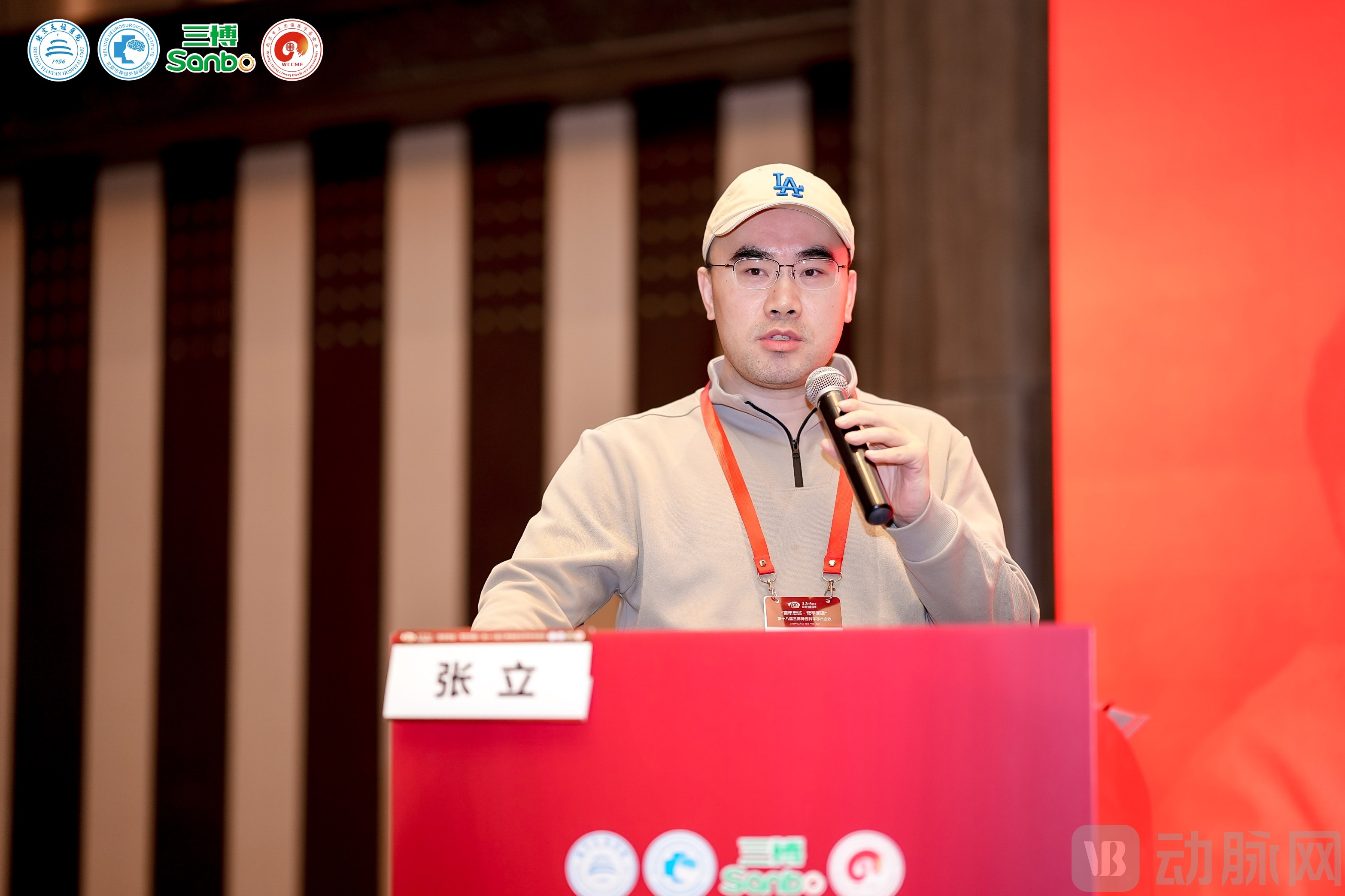 Dr. Li Zhang, Founder and Chief Scientist of Mindtrix
Dr. Li Zhang, Founder and Chief Scientist of MindtrixDiscussed the frontier and applications of implantable brain-computer interfaces, with a particular focus on breakthrough advancements in visual reconstruction technology. He mentioned, "Currently, visual reconstruction still faces many challenges, such as issues with data throughput and stimulation resolution, the lack of a working model to convert spatiotemporal patterns of population neuron stimulation into visual scene perception, open- and closed-loop stimulation, and cortical neuron learning, among others. To address these issues, we have developed a next-generation implantable visual reconstruction system based on the visual cortex. Through this system, we obtain its information, then process it via an external device and algorithm to transform it into a stimulation pattern, which is finally transmitted into the body. Using the internal implant and electrode system, visual perception can be restored in the primary visual cortex."
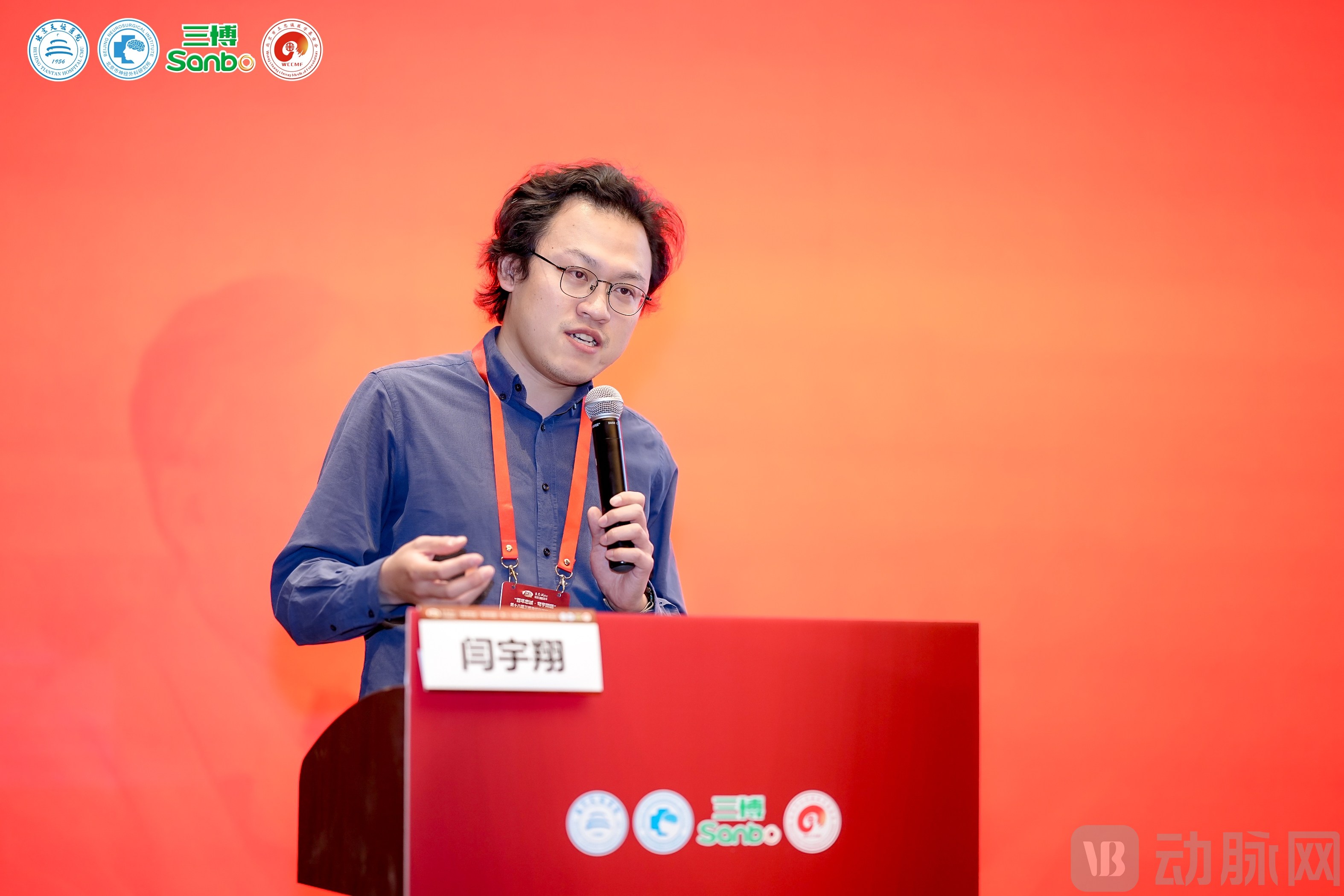 Dr. Yuxiang Yan, CEO and Chairman of Lingxi Cloud Medical Technology
Yan Yuxiang, Ph.D., CEO and Chairman of Lingxi Cloud Medical TechnologyHe delivered a keynote speech titled "Research and Application of Large-Scale Neurophysiological Models," in which he mentioned, "Since the establishment of our team, we have set two goals: one is to use neurophysiological detection methods as a universal marker of brain function to better identify the functional manifestations of dynamic changes in the brain; the other is to simulate and predict individual brain activity to a certain extent, reconstructing individual consciousness. As a data and platform-based brain-computer interface enterprise, our ultimate goal is to integrate various types of brain-computer interface acquisition and modulation technologies upstream with different application scenarios downstream. By building a brain-computer interface data center and analysis platform, we aim to consolidate brain-computer interface data AI and clinical application scenarios, ultimately empowering the entire brain-computer interface industry in terms of upstream data collection, midstream data platforms, and downstream analytics, thereby enhancing innovative services in healthcare."
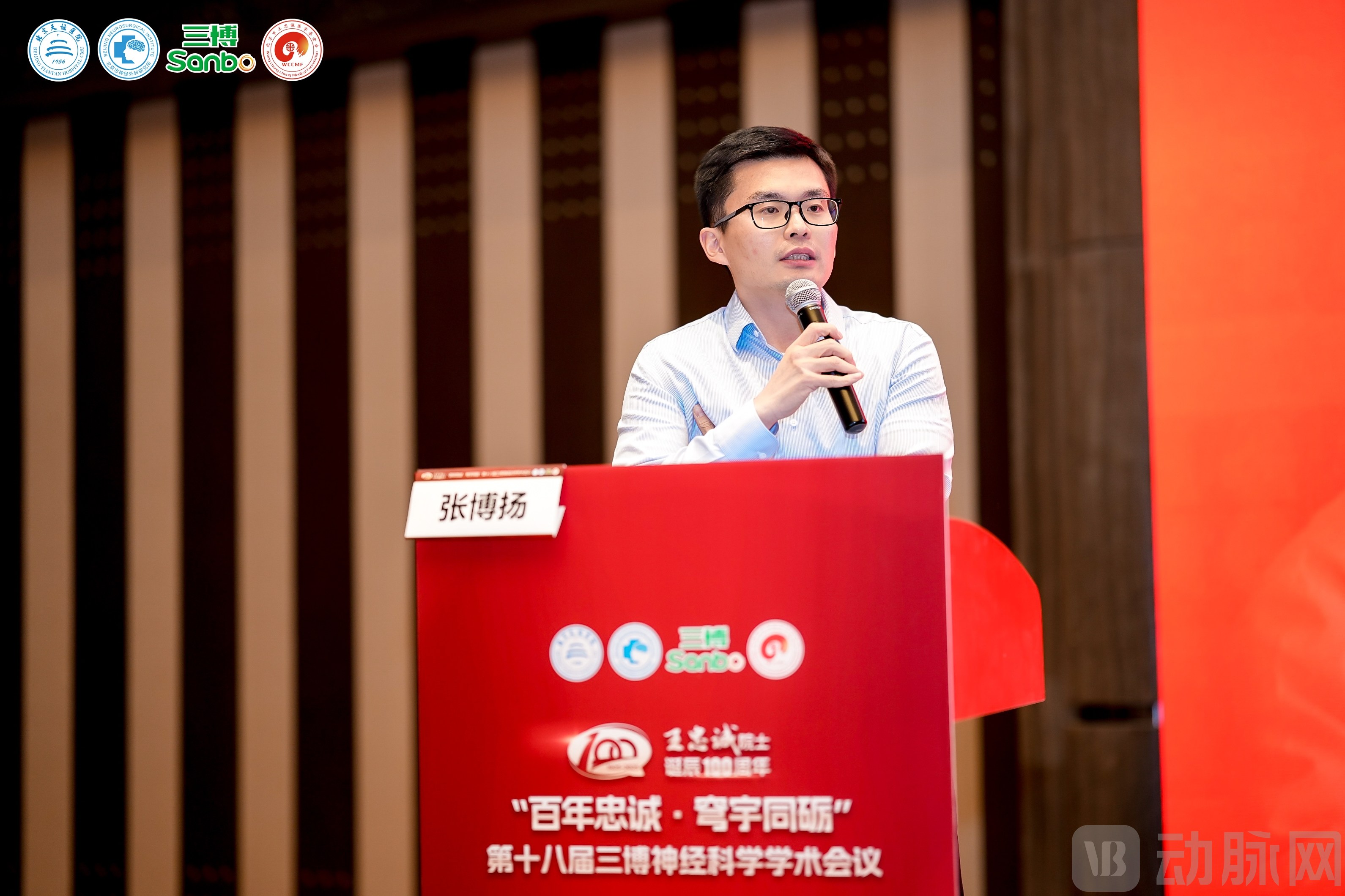 Dr. Boyang Zhang, National Neural Modulation Engineering Research Center, Tsinghua University
Dr. Boyang Zhang, National NeuroModulation Engineering Research Center, Tsinghua University"Artificial Spinal Cord: A Systematic Exploration and Preliminary Clinical Validation of Functional Reconstruction for Spinal Cord Injury" was the title of his thematic report. He stated, "The number of patients with spinal cord injuries in China is relatively large, but current treatment methods still face multiple challenges, such as irreversible pathophysiological conditions, limitations of existing diagnostic and therapeutic approaches, and the burden of multi-system complications affecting prognosis. Our laboratory officially launched the artificial spinal cord project in 2020, hoping to use our relatively mature epidural spinal cord stimulation system to truly help paraplegic patients regain their lower limb motor functions. To avoid potential secondary injuries and better restore patients' motor abilities, we have also developed a complete set of closed-loop motion algorithms and feedback regulation, allowing doctors to adjust parameters in real-time via mobile terminals and enabling patients to make adjustments independently."
Sanbo Brain: Committed to Being a "Deep Companion" in the Brain-Computer Interface Field
As the organizer of the conference and an important promoter of technological innovation and clinical transformation in the brain-computer interface field, Sanbo Brain also shared its phased "achievements" from multiple dimensions at this meeting.
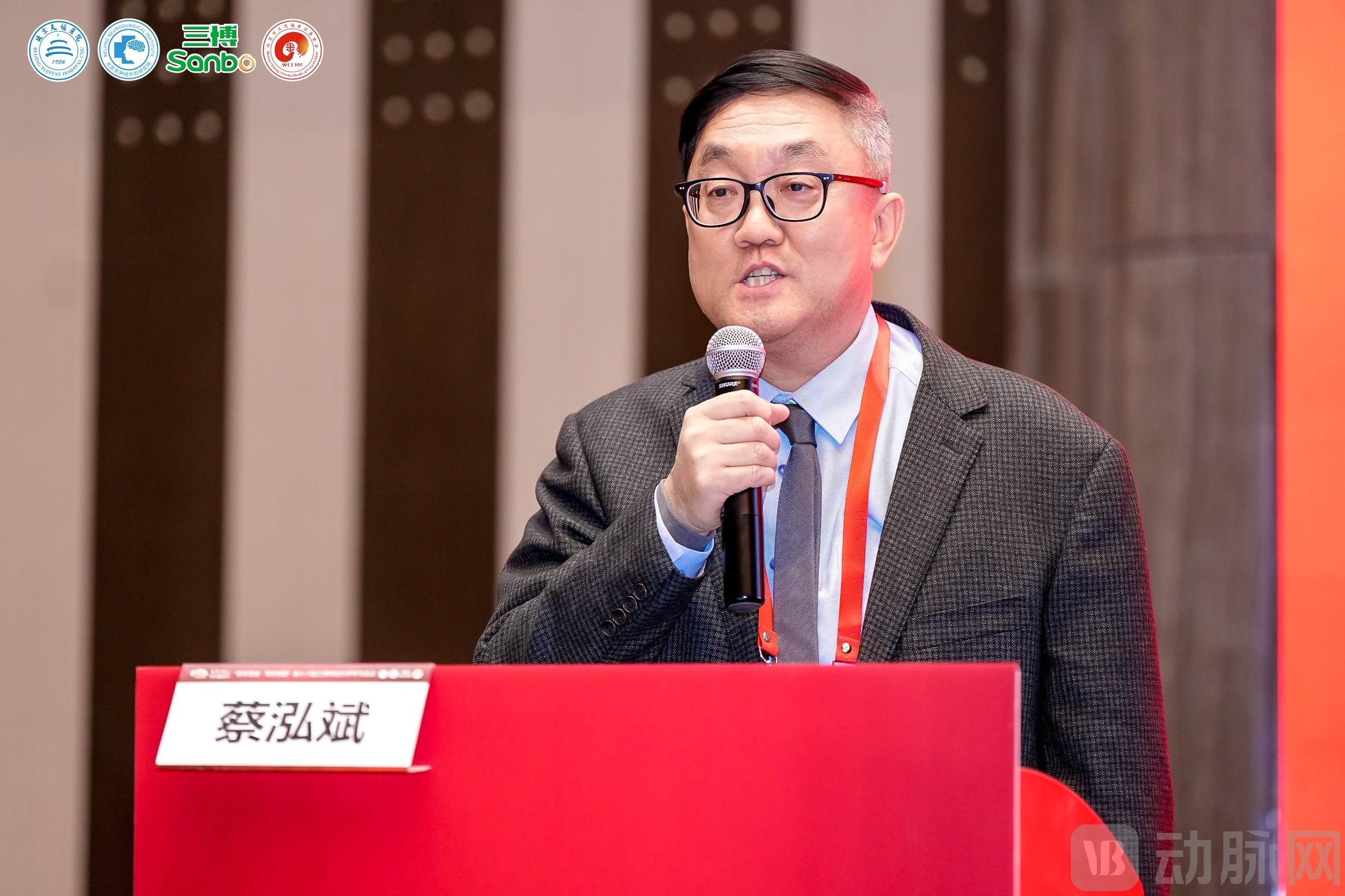 Cai Hongbin, Director and Executive Vice President of Sanbo Brain Group
First, Cai Hongbin and Wang Xiongfei from Sanbo Brain Hospital, Capital Medical University, jointly released the "Sanbo Brain Group Brain-Computer Interface and Brain Science Strategy Report" at the conference, whereinCai Hongbin, Director and Executive Vice President of Sanbo Brain GroupThe development history of Sanbo Brain, as well as its important deployment in brain-computer interface, is highlighted.Currently, three major platforms for scientific research, clinical validation, and investment have been established, and all of them have achieved several breakthrough advancements.。
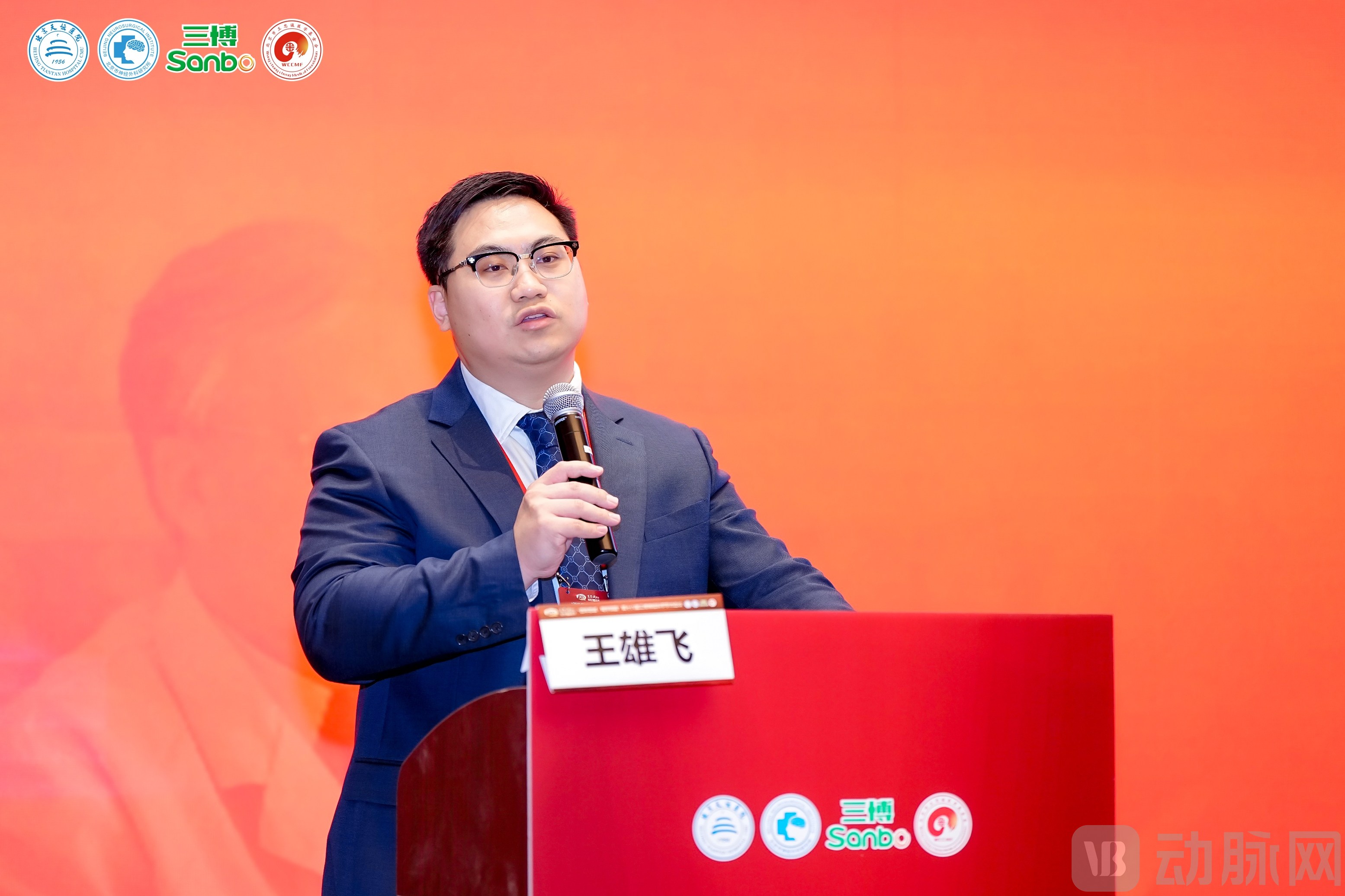
Director Physician Wang Xiongfei, Director of the Department of Scientific Research and Deputy Director of the Functional Neurosurgery Department at Sanbo Brain Hospital, Capital Medical University
Wang Xiongfei, Chief Physician, Director of the Department of Functional Neurosurgery, and Deputy Director of the Department of Functional Neurosurgery at Sanbo Brain Hospital, Capital Medical UniversitySpecial attention was given to the introduction of Sanbo Brain's "Clinical Validation Platform" and "Scientific Research Platform" in the field of brain-computer interfaces and brain science. It was expressed that Sanbo Brain hopes to establish a virtuous industrial ecosystem that truly connects the scientific community with the industry, continuously explores real clinical needs, guides with these needs, collaborates with academia to incubate products, and then iterates on the products through clinical validation, aiming to continuously empower cutting-edge brain-computer interface technology and the industry.
 Sanbo Brain Hospital Signs Strategic Cooperation with Heze Qiyuan Technology
Secondly, during the conference,Sanbo Brain Hospital of Capital Medical University has also reached a strategic cooperation with Heze Qiyuan Technology.The two parties will deepen cooperation in the fields of clinical research on brain science, digital medical technology development, and the construction of AI-assisted diagnosis and treatment platforms in the future, jointly promoting technological innovation and the transformation of achievements in the brain-computer interface field.
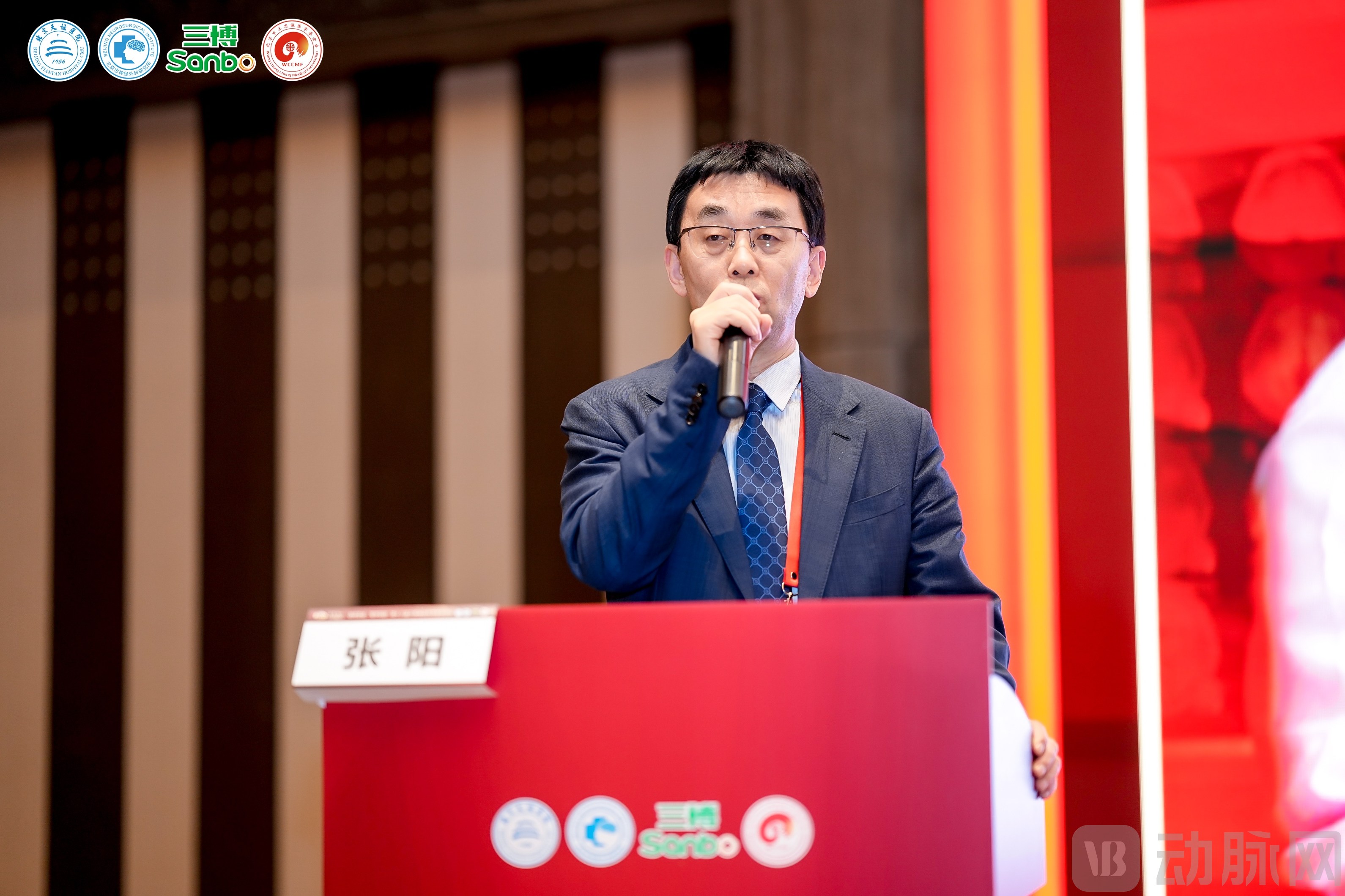 Zhang Yang, Chairman of Sanbo Brain Hospital Management Group
Finally,Zhang Yang, Chairman of Sanbo Brain Hospital Management GroupA summary of this meeting was made, and the determination and advantages of Sanbo Brain in focusing on the brain-computer interface field were discussed. He said, "Over the years,We have been firmly and systematically advancing the transformation of Sanbo from a traditional service-oriented hospital to a 'research-oriented, innovative, and internationalized' modern medical group.We chose to focus on the brain-computer interface field because, through long-term clinical practice and scientific research exploration, Sanbo has formed three typical advantages and characteristics:First, we have an excellent clinical validation platform; second, we possess an extensive hospital network; third, in promoting the industrialization of our achievements, we have established a dedicated investment fund and also engaged in deep collaboration with several leading domestic enterprises.In the future, we hope to work with all sectors of the industry to establish a closed-loop channel for the development of brain-computer interfaces from productization, commercialization, to industrialization. This will ensure that every breakthrough in the lab can quickly become a clinical solution that is accessible, affordable, and effective for patients, pushing China's brain-computer interface industry to the forefront of the world."