

From One Vision to Two Unicorns: TCR2 Therapeutics and Cullinan Oncology Forge Distinct Paths in Oncology Innovation
Unicorn Companies: A term generally used in the investment community to refer to companies with a valuation of over $1 billion and a relatively short founding history.
During the growth of startups, two extreme phenomena often emerge: some companies struggle for years only to secure meager funding, while others, like money-sucking magnets surrounded by adoring investors, rapidly close multiple rounds of large-scale financing within just a few years, soaring to become industry unicorns.
What Types of Companies Can Become Unicorns, What Traits Do They Possess, and Where Lie Their Competitive Advantages That Set Them Apart?
VCBeat has recently launched a special feature titled “Super Unicorns,” compiling a list of companies that achieved unicorn status within three years of establishment by leveraging the VCBeat knowledge base, and rigorously selecting six enterprises for case studies. If you are active in this industry, you are welcome to engage with the authors at any time; for media coverage inquiries, please contact VCBeat directly. (Click here for the special feature)
Cancer, a daunting word, continues to claim countless lives every day. According to data released by the National Cancer Center in 2018, more than 10,000 people are diagnosed with cancer daily in China, and over 6,000 die from the disease. Healthcare institutions worldwide are conducting cancer-related research in an effort to achieve early cures. Enterprises focused on early cancer screening and treatment have emerged in large numbers, employing a wide variety of technological approaches.
Amid the crowded and complex landscape of oncology companies, TCR2 Therapeutics and Cullinan Oncology have both attracted substantial capital with their unique and innovative approaches. Behind both companies stands the same founder, Patrick Baeuerle.
Patrick Baeuerle: Balancing Scientific Research and Industry
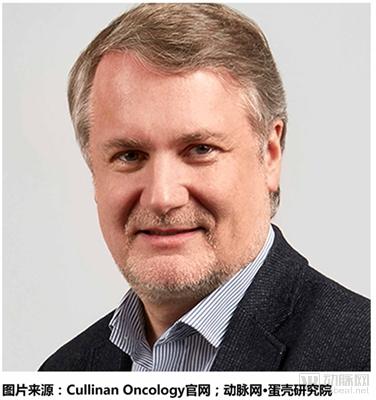
Figure 1: Patrick Baeuerle
Patrick Baeuerle, a German molecular biologist and immunologist, is not only adept at scientific research but also passionate about the clinical translation of new technologies. His research on tyrosine-sulfated proteins and the NF-κB signaling pathway has established his standing in the academic community. He is one of the pioneers of the NF-κB signaling pathway, which regulates apoptosis and remains one of the most extensively studied signaling pathways to date.
Interestingly, Patrick Baeuerle’s contributions extend beyond academia. He entered the industry early in his career, holding various positions at multiple biotechnology companies since 1996, including Head of Drug Development at Tularik, Chief Scientific Officer at Micromet, and Vice President of Research at Amgen.
Since 2015, Patrick Baeuerle has joined the management team at MPM Capital and participated in the founding of numerous biotechnology companies, including IOmx Therapeutics, Harpoon Therapeutics, and Micromet. Meanwhile, with the support of MPM Capital, he also embarked on his own entrepreneurial journey.
TCR2: Discarding the Dross and Selecting the Essence to Forge a Novel T Cell Therapy
In 2015, Patrick Baeuerle founded his first company, TCR2 Therapeutics, with the backing of MPM Capital. TCR2 aims to establish a novel T cell-based therapeutic approach to overcome the current challenges faced by CAR-T and TCR-T therapies.
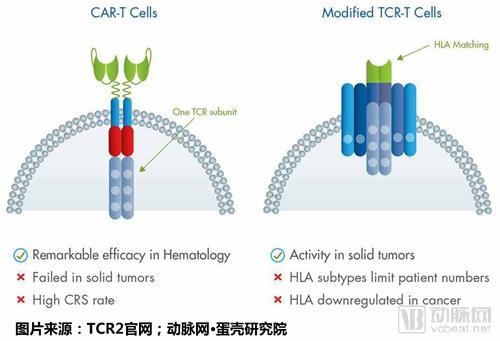
Figure 2: Introduction to CAR-T and TCR-T Therapies
In CAR-T therapy, T cells are isolated from cancer patients and genetically engineered ex vivo to express chimeric antigen receptors (CARs) that recognize tumor antigens. These modified T cells are referred to as CAR-T cells. The CAR-T cells are then cultured and expanded ex vivo to achieve substantial quantities, typically requiring billions to tens of billions of cells per patient. Once sufficient cell numbers are obtained, the CAR-T cells are infused back into the patient. CAR-T cells specifically recognize tumor antigens and kill tumor cells, thereby achieving therapeutic efficacy against cancer.
However, CAR-T therapy still has significant limitations. While CAR-T demonstrates excellent efficacy in patients with acute leukemia and specific types of lymphoma, it shows virtually no activity against solid tumors. This situation is likely due to the fact that the antibodies incorporated during the CAR-T cell engineering process fail to fully engage the complete functionality of T-cell receptors.
Another T cell-based therapy, TCR-T therapy, follows a process similar to that of CAR-T therapy. The key difference is that TCR-T leverages the full functionality of the TCR complex during T cell engineering, but its activity depends on recognizing HLA (human leukocyte antigen) molecules presented on the cell surface. Therefore, while TCR-T has shown some efficacy in treating solid tumors, the overall benefit remains limited. This is because cancer cells often exhibit significant downregulation of HLA antigens, making them difficult for TCR-T cells to recognize.
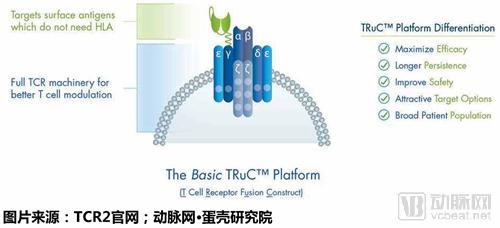
Figure 3: Introduction to the TRuC Platform
TCR2 has established a new platform based on T-cell immunotherapy technology—TRuC. TRuC is the first platform capable of mobilizing the full functionality of the T-cell receptor (TCR) complex without requiring HLA matching. Similar to CAR-T and TCR-T therapies, treatments developed using TruC are also based on the patient’s own immune system. However, TruC leverages the complete functionality of the T-cell receptor complex and bypasses the need for HLA matching by directly recognizing specific tumor antigens.
This approach can be said to combine the advantages of CAR-T and TCR-T therapies. With appropriate target selection, it is capable of treating both hematologic malignancies and solid tumors. Theoretically, TRuC-based novel therapies have the potential to completely replace current CAR-T and TCR-T treatments and capture the entire market.
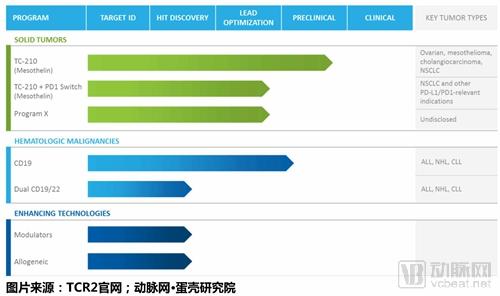
Figure 4: TCR2 Product Line
Currently, TCR2 has multiple products in development, with the most advanced candidate, TC-210, having entered the preclinical stage and expected to enter clinical trials within 2018.
TC-210 precisely targets mesothelin-secreting solid tumors by recognizing mesothelin, covering ovarian cancer, pancreatic cancer, lung cancer, mesothelioma, and biliary tract cancer. Mesothelin is a glycosylphosphatidylinositol (GPI)-anchored protein on the cell membrane surface that exhibits high expression in many cancers, making it an excellent therapeutic target. Additionally, studies have shown that high levels of mesothelin expression are associated with poor prognosis.
Compared with CAR-T cells targeting the same antigen, TC-210 demonstrated potent anti-tumor activity in mouse models. Furthermore, TC-210 eradicated tumors and provided sustained protection of mouse health in re-challenge experiments conducted 100 days later.
Bright Prospects, Vast Market
Once TCR2 technology matures, the goal will be to provide targeted T-cell immunotherapies for patients with various types of cancer. If TCR2-based products can offer more thorough and precisely targeted tumor treatment regimens upon market launch, they are likely to rapidly replace the currently prevalent CAR-T and TCR-T therapies.
From the current perspective, there is no significant difference between the TCR2 approach and CAR-T therapy in terms of early-stage T-cell collection and late-stage cell transduction; therefore, it can seamlessly integrate into existing treatment frameworks. Professionals currently responsible for CAR-T therapy can adopt the TCR2 treatment system without additional training. Consequently, TCR2 is likely to generate revenue by providing T-cell engineering services to healthcare institutions. If the new TCR2 regimen can completely replace CAR-T therapy, a vast market will await its development.
The CAR-T Therapy Industry in China and Abroad
To date, only two CAR-T therapies have been approved for marketing by the U.S. FDA: Novartis’s Kymriah and Kite Pharma’s Yescarta. Following the successive approvals and launches of these two products, a surge in clinical trial applications for CAR-T therapies has emerged in China.
On December 8, 2017, Legend Biotech submitted the first domestic application for a CAR-T cell therapy clinical trial. Following Legend Biotech, three other companies also filed applications for CAR-T clinical trials in December 2017. To date, a total of 28 applications for CAR-T cell therapy clinical trials have been accepted, with two approvals granted to Legend Biotech and Shanghai Hengrunda, respectively.
In the field of CAR-T cell therapy in China, Legend Biotech is taking the lead. Its product candidate, targeting BCMA, has currently entered Phase II clinical trials. In contrast, Shanghai Hengrunda, another company that has received approval, has only just begun its Phase I clinical studies.
In addition to the technical limitations inherent to CAR-T therapy, another major challenge is its prohibitive cost. Currently, CAR-T products on the market are priced at $475,000 for Novartis’ Kymriah and $373,000 for Yescarta. Although this therapy represents nearly the only curative option for patients, such high prices deter many from accessing it. Domestic CAR-T therapies in China are still in their early stages; however, given international pricing benchmarks, they are unlikely to be inexpensive.
Cullinan Oncology: Which Antibody Drug Leads the Pack? Rabbit-Derived Monoclonal Antibodies to the Rescue
Cullinan Oncology is the second company founded by Patrick Baeuerle with the support of MPM Capital. Like TCR2 Therapeutics, Cullinan Oncology also focuses on oncology treatments; however, this time Patrick shifted his focus from developing treatment protocols to drug development.
Cullinan Oncology’s first headline emerged in October 2017. The company suddenly announced that it had secured $150 million in Series A financing, a blockbuster development that instantly catapulted Cullinan Oncology into the spotlight.
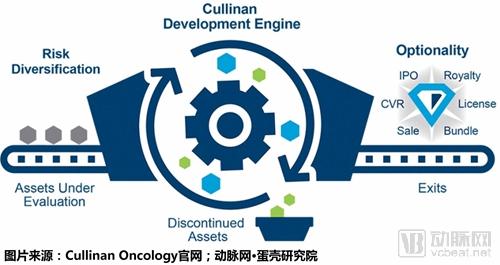
Figure 5: Cullinan Oncology’s Business Model
Patrick publicly stated that the company would leverage the latest technological breakthroughs to develop novel oncology drugs. While outlining its technical approach with vague concepts such as keeping pace with cutting-edge scientific advances and commercializing academic achievements through Cullinan Labs, it has consistently avoided discussing specific product pipelines. With a management team composed entirely of industry veterans boasting years of experience, one cannot help but wonder what this company is truly up to.
In February 2018, Cullinan Oncology finally lifted the veil of mystery, announcing a collaboration with MAB Discovery (hereinafter referred to as “MABD”) to jointly develop novel antibody drugs leveraging MABD’s proprietary R&D platform.
MABD possesses a mature system for the preparation of rabbit monoclonal antibodies. Currently, mice are the most commonly used model animals for monoclonal antibody production, and the technology is well-established. However, due to the potential for immune rejection reactions associated with murine monoclonal antibodies, research and development efforts focused on humanized monoclonal antibodies have gained significant momentum in recent years. To date, no rabbit-derived antibody drugs have appeared on the market.
Rabbits possess a unique gene exchange mechanism that ensures each animal exhibits a distinct genetic starting point. Consequently, during antibody preparation, this mechanism can elicit potent immune responses and generate a diverse repertoire of antibodies. The resulting antibodies demonstrate high functionality and affinity, eliminating the need for further affinity maturation.
Cullinan Oncology aims to apply this antibody technology to the production of antibody-based therapeutics, manufacturing drugs with high specificity, potent functionality, and high yield. Patrick Baeuerle stated that their first project will develop a novel agonist antibody with the potential to become a cornerstone of future immuno-oncology and standard-of-care treatments.
Antibody drugs require accurate target selection and excellent antibody specificity. To date, Cullinan Oncology has not released any specific information regarding its products. Whether the antibody preparation system utilizing rabbit monoclonal antibodies is feasible remains to be seen, pending further disclosures from Cullinan Oncology.
Current Status of Domestically Produced Antibody Drugs
Since the U.S. FDA first approved the therapeutic murine monoclonal antibody OKT3 for market launch in 1986, antibody drugs have consistently remained at the forefront of drug development. From the initial murine monoclonal antibodies to the subsequent development of humanized monoclonal antibodies, the safety and efficacy of antibody drugs have continued to improve steadily.
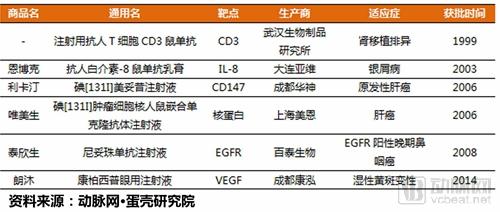
Figure 6: Approved domestically produced antibody drugs (excluding fusion proteins)
China has always maintained stringent standards for the approval of new drugs. While this approach undoubtedly enhances drug safety, it also adversely affects treatment options for certain patients. The U.S. FDA has already approved 11 fourth-generation fully human monoclonal antibody drugs, whereas China has approved a total of only 28 monoclonal antibody products to date. Among these 28, merely 10 are domestically produced monoclonal antibodies. If fusion proteins are further excluded, the number of approved domestic monoclonal antibody varieties in China stands at just six.
Although few drugs have been approved, this has not dampened the enthusiasm for antibody drug research and development (R&D) in China. Currently, hundreds of companies, large and small, are engaged in antibody drug R&D in China, with a significant number submitting marketing applications. However, many antibody drugs disappear into obscurity after their marketing applications are filed. For instance, Innovent Biologics’ application for the marketing approval of sintilimab injection, a PD-1-targeting monoclonal antibody, submitted in December 2017, was widely reported by various media outlets at the time, but no further updates were released after the Center for Drug Evaluation (CDE) accepted the application.
Financing History
TCR2 Therapeutics is the first company founded by Patrick Baeuerle and has raised a total of $173.3 million in funding since its inception. The lead investors in its Series A financing were MPM Capital and F2 Ventures. Notably, the latest Series B round saw significant participation from Chinese institutional investors, underscoring growing domestic confidence in the prospects of innovative healthcare enterprises.
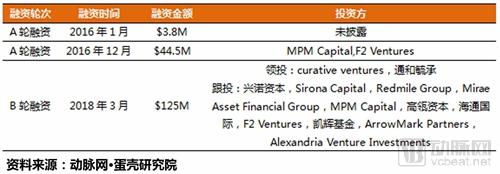
Figure 7: TCR2's Fundraising History
Cullinan Oncology is the second company founded by Patrick Baeuerle. Building on the success of TCR2, investor confidence in Patrick Baeuerle has grown even stronger. MPM Capital and F2 Ventures, two firms that participated in TCR2’s Series A financing, demonstrated their strong conviction by investing $150 million in Cullinan Oncology’s Series A round. If Cullinan makes smooth progress in its subsequent product development, it stands a good chance of becoming another unicorn in the healthcare industry.

Figure 8: Cullinan Oncology’s Financing History
Implications for Entrepreneurs in China
The healthcare industry represents a massive market, but capturing a share of it is no easy feat. For a pharmaceutical startup, success hinges on four indispensable pillars: a robust foundation of patented technologies, an outstanding research team, a mature management structure, and ample funding.
Many pharmaceutical startups abroad have adopted the entrepreneurial model of “top-tier scientists + corporate executives + cutting-edge technology.” The case of “Patrick Baeuerle + MPM Capital + novel T-cell therapies/rabbit-derived antibody drugs” discussed in this article is a typical example. Startups with similar structures are securing increasingly larger amounts in their initial funding rounds, with Series A financings exceeding USD 100 million becoming commonplace. Such strong investor interest is not without reason; companies with this structure indeed find it easier to establish a solid foothold within the industry and may even drive disruptive innovation.
China has long advocated for the translation of scientific research into industrial applications and encouraged professors to launch startups. While China’s scientific research sector has indeed reached an international level, its capacity for commercialization remains weak. In recent years, many domestic investors have shown strong enthusiasm for the pharmaceutical industry. Chinese investment firms have also been active in the financing rounds of numerous foreign pharmaceutical startups, such as GRAIL and TCR2, the subject of this article.
If one can identify influential scientific research advancements within China, build upon the research teams involved in such studies, and complement them with an excellent management team, the journey of startup fundraising will undoubtedly be smooth sailing.