

CDHIC National Finals Conclude with 27 Award-Winning Enterprises and Insights from Four Industry Leaders on Healthcare Big Data
With the advent of the cloud era, big data has garnered widespread attention. In China, driven by national policy incentives and the gradual maturation of big data application models, the Chinese big data market is expected to maintain a rapid annual growth rate of over 30% in the coming years, with its market size projected to reach RMB 57.8 billion by 2020. Both policy makers and the capital market hold strong optimism for the development of healthcare big data. In 2016, the General Office of the State Council issued Document No. 47 to promote and standardize the application of health and medical big data, designating health big data as a key foundational strategic resource for the nation. Under the guidance of the National Health Commission, China Electronics Corporation (CEC) took the lead in establishing CEC Data, recognized as the national team for the development of the health and medical big data industry. Bolstered by a series of national policies and measures, continuous innovation in technologies and service models within the health and medical sector is undoubtedly the core driving force behind the future transformation of the healthcare industry.

National Finals Venue
27 Projects Advance to the Grand Finals: Total Valuation Exceeds RMB 10 Billion, Selected from Six Major Regions Across China
The CDHIC Competition is China’s first innovation contest centered on the health and medical big data industry. It is hosted by the Chinese Society for Health Information and Medical Big Data and China Electronics Corporation (CEC), organized by CEC Data Service Co., Ltd., co-organized by CEC Digital Finance Investment Management Co., Ltd. and WeDoctor, and jointly supported by the Qihuang Traditional Chinese Medicine Foundation, Danxi Technology, Tasly Capital, and Zhongguancun Science and Technology Leasing. VCBeat serves as a co-organizer. The six national regional divisions are jointly hosted by Peking University Healthcare Innovation Valley, Guan Hao Life Health Science Park, Health Intelligence Valley, Starry Capital, and Optics Valley Health Smart Park. More than 180 senior industry experts participated in the competition’s operations, while over 200 top-tier investment institutions, more than 50 leading industry media outlets, and over 20 creative industry incubators provided strong support.
Since the registration portal for the CDHIC Competition opened in April, the organizing committee has received applications from over 500 healthcare innovation projects, covering more than 1,700 enterprises, through solicitations in major cities across China and recommendations from numerous investment institutions. Following rigorous preliminary screening and separate selections in six regional finals held in Beijing, Guangzhou, Hangzhou, Chengdu, Wuhan, and Beijing (Traditional Chinese Medicine + TMT Special Session), 27 high-quality projects emerged from the large pool of participants and successfully advanced to the National Grand Finals.
These innovative projects are categorized into three competition tracks: Rising Stars, Growth Stars, and Angel Stars. They span eleven specialized healthcare sectors, including digital health, healthcare IT, medical devices, pharmaceuticals, primary care, general wellness, maternal and child health, consumer healthcare, pharmaceutical distribution, traditional Chinese medicine (TCM), and TMT data. More than 80% of these projects have successfully secured financing and investment, with a combined valuation exceeding RMB 10 billion.
Nine Projects Win First Prize: Most Are High-Tech Enterprises, with the Highest Number in Medical Informatics
After a full day of fierce competition, nine companies won the first prize in the CDHIC National Finals.
Jiangsu Gairui Health Technology Co., Ltd., Shenzhen Juding Medical Equipment Co., Ltd., and ZhongAn Information Technology Co., Ltd. won the champion, runner-up, and third place in the Rising Stars category, respectively. Gairui Technology is a national high-tech enterprise focused on the R&D of mobile medical product technologies, services, and value-added business operation management. It has become a leading provider of solutions and services in the primary healthcare sector in China. Its project covers 92 family doctor service teams (including 80 community health service stations) across 14 community health service centers in Wuzhong District, serving approximately 610,000 registered residents in the district. Juding Medical is a high-tech enterprise specializing in smart healthcare and big health solutions, headquartered in Shenzhen, China. Its subsidiaries include Nanyang Clair, Guangdong Clair, Juding Health, and Radiology Salon, with brands such as Clair and Radiology Salon. Leveraging “Internet+” as a link, the company actively pioneers an innovative online-offline integrated medical service model, establishing a comprehensive system encompassing R&D, production, marketing, and services. It has formed a healthcare industry layout centered on its hospital-wide self-service cloud platform, imaging cloud service platform, medical consortium information platform, and chronic disease home care management platform, achieving leapfrog development in urban medical service informatization through offline-online integration. ZhongAn Technology is a fintech company specializing in cutting-edge technologies such as blockchain, artificial intelligence, big data, and cloud computing. By providing its cloud diagnosis platform free of charge to Grade A tertiary hospitals, stroke centers, and stroke screening institutions, it offers diagnostic, predictive, and screening services to stroke patients and those at risk, charging on a per-use basis. Additionally, it licenses the diagnosis platform to medical device manufacturers or distributors, collecting one-time licensing fees and sharing revenue based on the number of API calls.
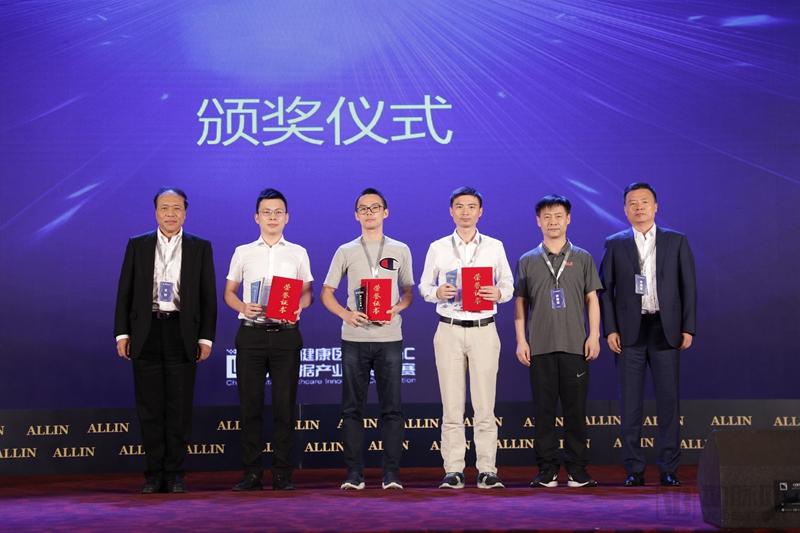
Rising Stars Group: Champion, Runner-up, and Second Runner-up
Presenters: Wang Shan (far left), Guo Jiaxi (second from right), Li Shifeng (far right)
Guangzhou ClearMed Biotech Co., Ltd., Lianyi Medical Technology (Beijing) Co., Ltd., and Hangzhou Zhiwei Information Technology Co., Ltd. won the champion, runner-up, and third-place awards, respectively, in the Rising Stars category. Guangzhou ClearMed Biotech Co., Ltd. is a high-tech enterprise founded by outstanding scientists who studied in the United States. Backed by well-known venture capital funds, the company focuses on the research, development, production, and sales of tumor screening and diagnostic products, including the “ColoClear” non-invasive fecal screening kit for colorectal cancer. Based in the Guangzhou Development District’s Technology Enterprise Accelerator, ClearMed generates revenue through the production and sales of non-invasive colorectal cancer screening kits and other tumor screening and diagnostic products. Lianyi Medical Technology (Beijing) Co., Ltd. operates as a B2B e-commerce platform for medical devices, connecting Chinese medical device manufacturers with global end retailers. By significantly improving supply chain efficiency, it provides merchants, healthcare providers, and patients with the most cost-effective products. For many years, Zhiwei Technology has focused on artificial intelligence-based morphological analysis. It has successfully developed an AI-powered bone marrow cell morphological analysis and diagnostic system. The system has been continuously refined based on user needs, gained recognition from experts during trials at more than ten Grade A tertiary hospitals, and is suitable for routine laboratory work by physicians.
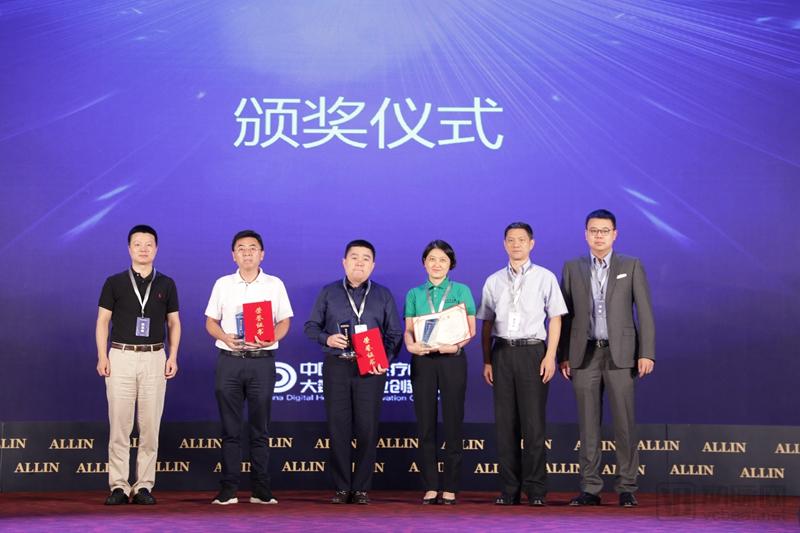
Champion, Runner-up, and Third Place of the Rising Star Group
Presenters: Zhao Zhifeng (far left), Ouyang Xiangyu (second from right), Song Yu (far right)
Shanghai Bianjie Intelligent Technology Co., Ltd., Beijing Yizhun Intelligent Technology Co., Ltd., and Beijing New Hailianda Technology Co., Ltd. won the champion, runner-up, and third place awards, respectively, in the Angel Star category. Founded in 2016, Shanghai Bianjie Intelligent Technology Co., Ltd. possesses cutting-edge technologies in the blockchain sector and is a team deeply engaged in the practical application of cross-chain blockchain technology within China. Its product, BEAN (Blockchain Edge Analytics Network), adopts an open-platform operational model. The company plans to act as a platform technology provider upon the maturation of its technology in 2018, offering SDKs to facilitate more intelligent service providers (such as medical AI technology developers) and service consumers in accessing the blockchain.Yizhun Intelligence is a company focused on AI-assisted medical imaging diagnosis. It boasts a top-tier machine learning algorithm team, with core members graduating from leading Chinese universities. The company’s current product portfolio includes pulmonary nodule screening systems and breast cancer screening systems. Hospitals, as purchasers, utilize Yizhun’s AI-assisted diagnostic system as a tool for physicians. This helps save doctors’ time, improve diagnostic accuracy, reduce doctor-patient disputes, and increase hospital revenue.The core business of New Hailianda Technology is providing informatization solutions for hospital risk prevention and control, along with derivative services. It primarily offers platform-level solutions to various hospitals, medical consortia, specialty alliances, hospital groups, and health administrative agencies. Additionally, it provides value-added services such as big data analytics, expert evaluations, and insurance-related services.
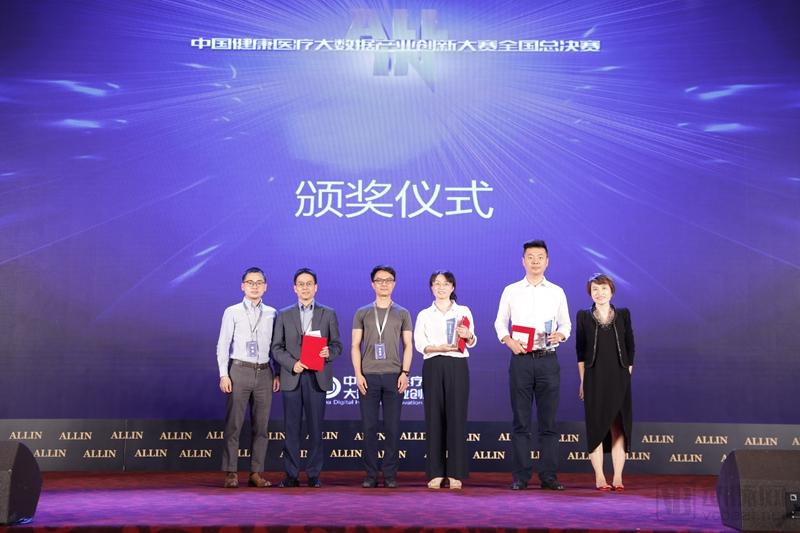
Angel Star Group: Champion, Runner-up, and Third Place
Award Presenters: Tang Yin (first from the left), Li Sirui (third from the left), Wang Xiaocen (first from the right)
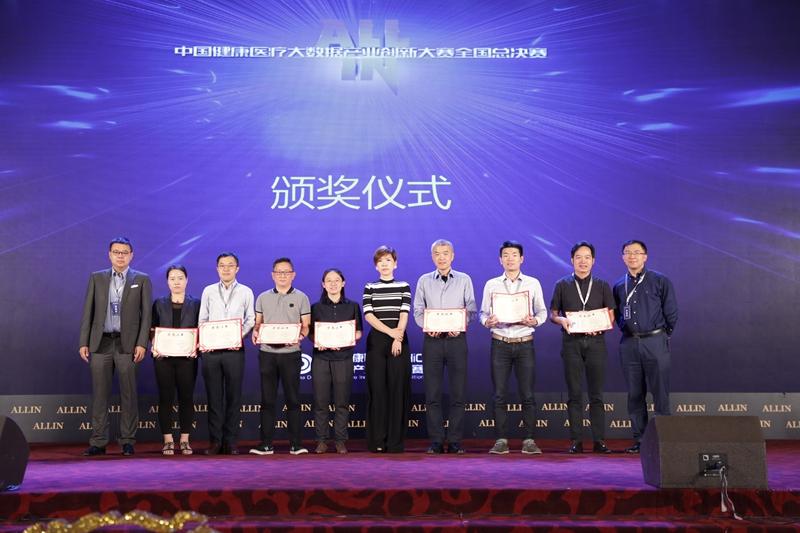
Second Prize in the Rising Star, Growth Star, and Angel Star Categories
Award Presenters: Song Yu (far left), Wang Jianfei (far right)
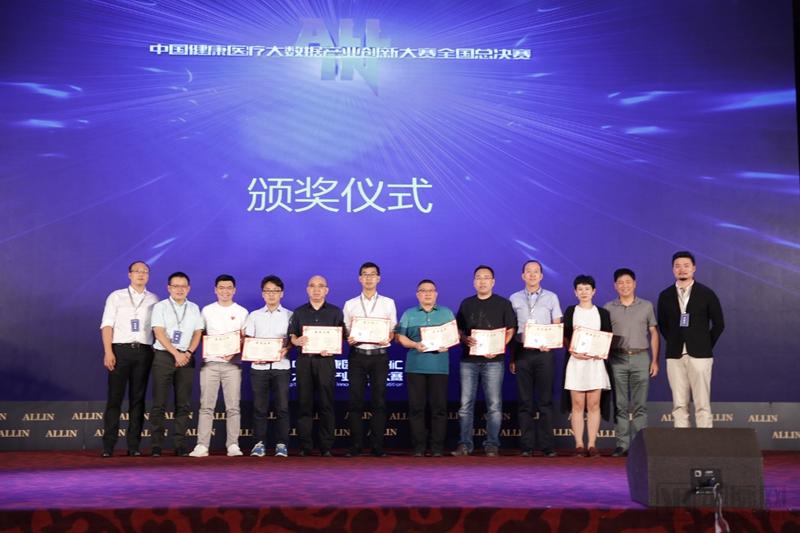
Third Prize in the Rising Star, Growth Star, and Angel Star Categories
Award Presenters: Wu Wei (far left), Guo Bin (second from left), Yang Zhiwei (second from right), Liu Tao (far right)
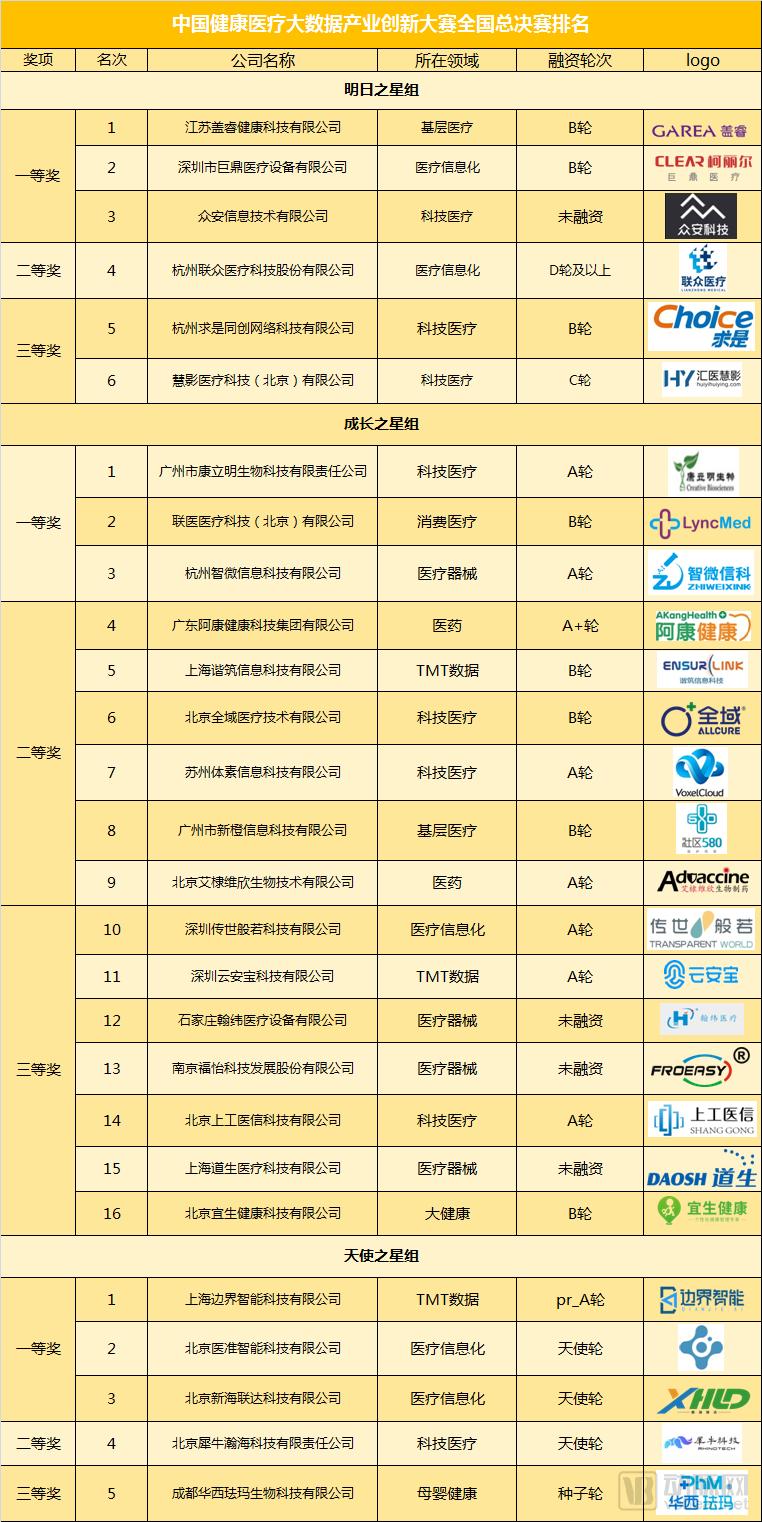
Keynote Addresses by Four Distinguished Guests: Analyzing the Current Industry Landscape and Outlook for the Medical Big Data Sector
The CDHIC National Finals invited a total of 30 professional judges and 15 investment observers, who came from medical industry-related institutions such as renowned hospitals, industry associations, listed companies, and professional investment firms. Four distinguished guests delivered speeches respectively.
Mr. Li Shifeng, Chairman of CEC Data, Chairman of CEC Digital Finance, and Managing Partner of the CEC Health Industry Fund, stated: “Innovation is the core driving force behind the future transformation of the healthcare industry. The Chinese Society for Health Informatics and Medical Big Data and China Electronics Corporation (CEC) launched the CDHIC Competition with the aim of ‘benefiting the public, supporting government administration, and empowering enterprises.’ This initiative seeks to stimulate momentum and vitality for deepening healthcare system reform, drive the development of the health industry, foster new business models, and further create new drivers of economic growth. It also represents a concrete practice of the mission to ‘make people healthier and happier.’”
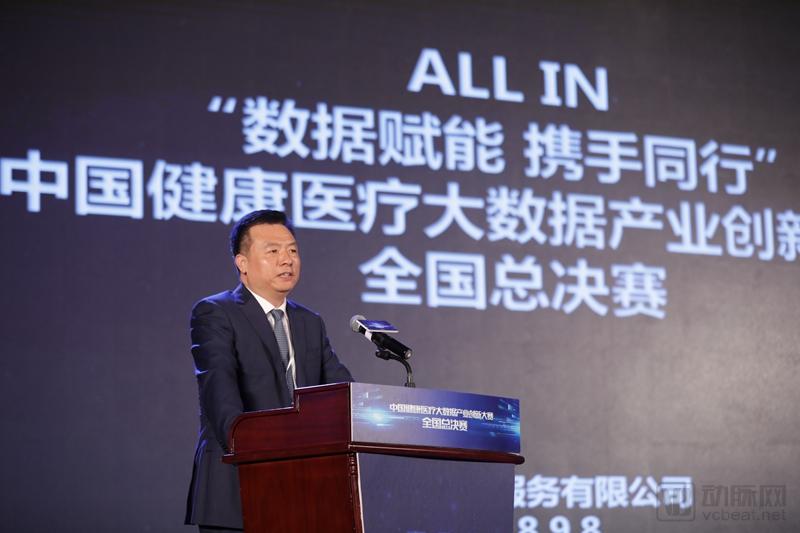
Chairman of CEC Data, Chairman of CEC Digital Finance, and Managing Partner of CEC Health Industry Fund: Li Shifeng
Mr. Song Yu, General Manager of CEC Digital Finance and Partner of the CEC Health Industry Fund, analyzed the medical big data industry. He believes that stringent regulation, high interconnectivity requirements, industry insularity, a limited number of payers, and the difficulty in achieving closed-loop business models are several major obstacles hindering the rapid development of innovative healthcare projects. The CDHIC competition aims to attract and support high-quality projects through policy enablement, data empowerment, market access facilitation, and capital support, thereby fostering mutual benefit and sustainable growth.
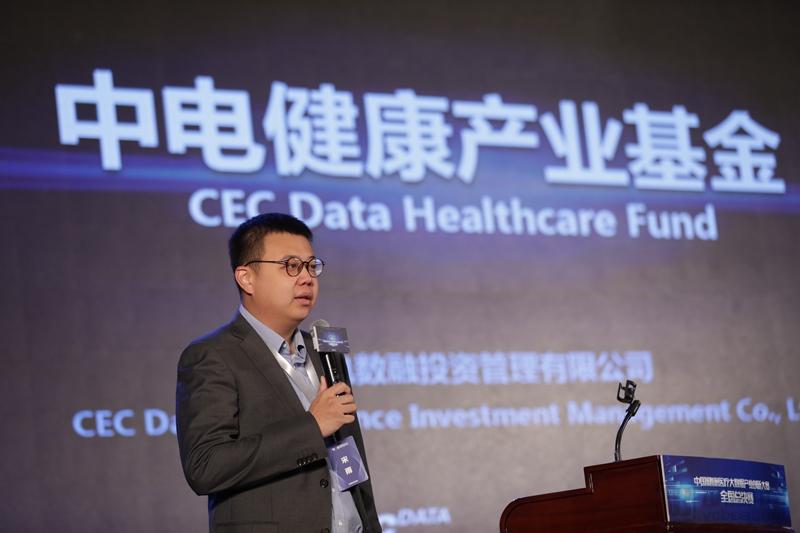
Song Yu, General Manager of CEC Digital Finance and Partner of CEC Health Industry Fund
Mr. Wang Shan, former President of Peking University People’s Hospital, expressed optimism about the development of the medical big data industry, citing two main reasons: first, there has been a positive and profound integration in values, thinking, and concepts between the traditional healthcare sector and internet professionals in recent years; second, the introduction of a series of relevant national policies demonstrates the government’s ongoing efforts to regulate and promote the convergence of these two sectors. However, Mr. Wang also noted that the industry still faces significant challenges, requiring collective efforts to overcome them.
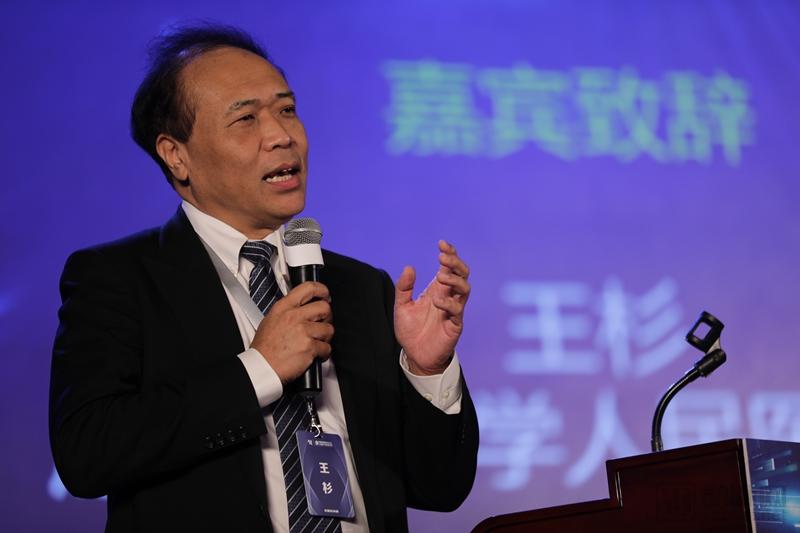
Former President of Peking University People's Hospital: Wang Shan
Mr. Tang Yin, Vice President of Investment at Medlinker, stated: “As a co-organizer, Medlinker is transforming from an industry participant into an industrial investor. Building on more than four years of development, Medlinker is advancing from a pioneer in community services and consultation-referral operations to an enabler of internet hospitals. Moving forward, we will leverage capital to expand our strategic footprint. By co-hosting the CDHIC Competition with China Electronics Corporation (CEC), we aim to identify and support outstanding innovative projects and teams in the ‘Internet + Healthcare’ sector. We wish all finalists competing in the national finals every success.”
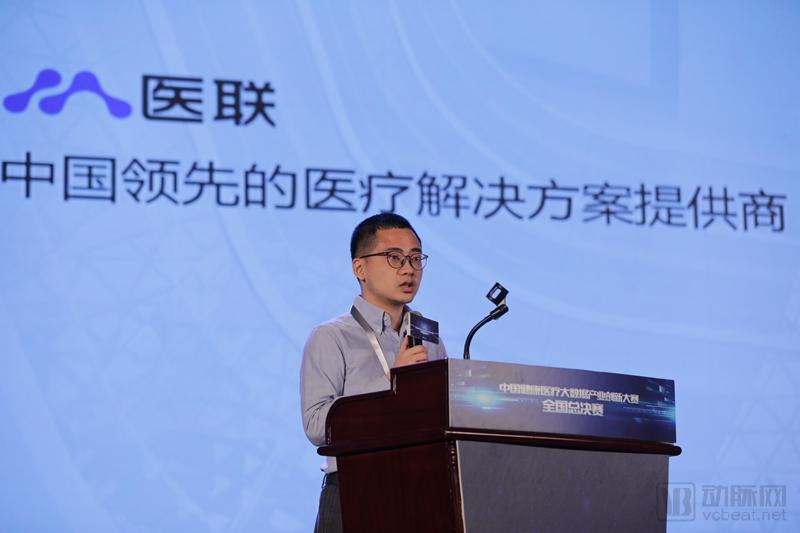
Vice President of Medlinker Investment: Tang Yin
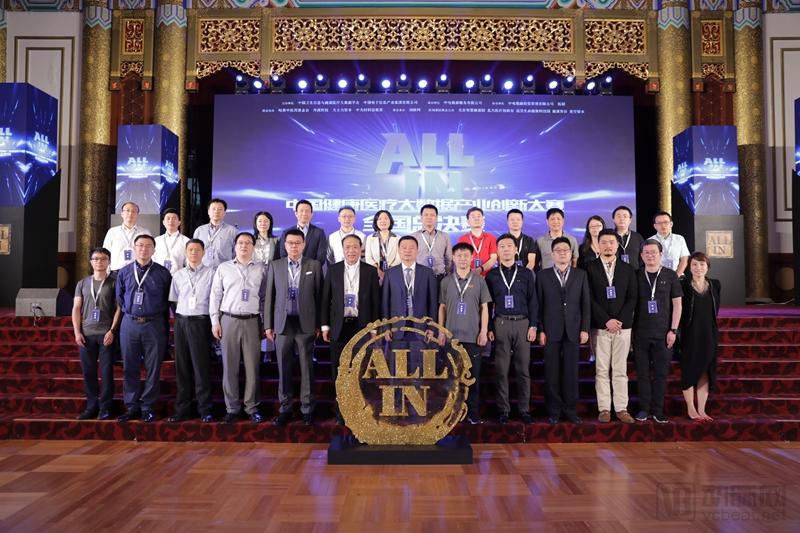
Group Photo of the Judges
Official Website:http://vcbeat.top/cdhic

Organizational Profile
1. Chinese Society for Health Informatics and Big Data in Healthcare
The Chinese Society for Health Informatics and Medical Big Data is a national first-tier academic society under the administration of the National Health Commission. The Society is committed to implementing national guidelines, policies, and plans for health and healthcare work. Centered on the developmental needs of the health sector, it focuses on research, development, application, and practice in health statistics, informatization construction, and health and medical big data. Its mission is to enhance professional standards in health statistics, informatization, and health and medical big data; to strengthen the expertise of personnel in these fields; to promote the dissemination and adoption of related knowledge; to advance the nation’s healthcare standards and modernize the management and theoretical frameworks of national health undertakings; and ultimately, to serve the Healthy China strategy by improving public satisfaction, injecting new momentum into deepening healthcare reform, and fostering new drivers for economic growth.
2. China Electronics Corporation
China Electronics Corporation (abbreviated as “CEC”) was established in May 1989. CEC is committed to building a national team for the cybersecurity and informatization industry, with cybersecurity as its core business and core competency. Its main businesses cover strategic, foundational, and pioneering electronic information industry sectors of national importance, including cybersecurity, new-type displays, integrated circuits, advanced electronics, and information services. Currently, CEC has 20 wholly-owned and controlled secondary-tier enterprises, controls 14 listed companies, and employs a total of 130,000 people.
(1) Industry Position
China Electronics Corporation (CEC) is China's largest state-owned comprehensive electronic information enterprise group and has been listed among the Fortune Global 500 for seven consecutive years.
(2) Cybersecurity Sector
China Electronics is a leading domestic provider of autonomous and controllable hardware and software products, as well as information security services. It possesses a controllable software industry chain spanning operating systems, middleware, databases, security products, and application systems, thereby establishing a comprehensive information security service system that covers the entire lifecycle from security consulting and system integration to security operations and maintenance.
(3) New Display Technology Sector
China Electronics is a globally leading integrated R&D, manufacturing, and supply enterprise for LCD products, ranking first worldwide in LCD monitor manufacturing services and third globally in LCD TV manufacturing.
(4) Integrated Circuit Field
China Electronics is a leading domestic provider of comprehensive solutions for the research and development, design, and manufacturing of integrated circuits (ICs). It is the only enterprise in China that covers the entire IC industry chain, including design, manufacturing, packaging, testing, EDA tools, and process R&D.
(5) Information Services Sector
China Electronics is a leading domestic provider of trade and services for electronic information products, a builder and operator of high-tech, innovative industrial parks, a constructor of overseas electronic informatization projects and services, and a financial innovation platform for the electronic information industry.
As one of the first batches of “Innovative Enterprises” in China, China Electronics Corporation (CEC) has established a comprehensive scientific and technological innovation system, comprising three tiers of R&D institutions: national-level research institutes, group-level professional technical research institutes, and enterprise technology centers. Currently, the Group possesses 7 nationally recognized enterprise technology centers, 8 national engineering research centers (including engineering laboratories and engineering technology research centers), 5 national innovation demonstration enterprises, 1 national-level industrial design center, 12 postdoctoral workstations, and 70 provincial- and ministerial-level technology centers.
3. China Electronics Data
China Electronics Data Services Co., Ltd. (hereinafter referred to as “CEC Data”) is the national team for the development of the health and medical big data industry, spearheaded by China Electronics Corporation under the guidance of the National Health Commission. Adhering to the principle of “security first, data services, platform operations, and ecosystem development,” the company focuses on building two core capabilities: “security” and “intelligence.” CEC Data has become:
(1) National High-Tech Enterprise and Zhongguancun High-Tech Enterprise;
(2) The entity responsible for the planning, construction, and operation of the National Pilot Project for the Construction of the National Health and Medical Big Data Center and Industrial Park (Fuzhou);
(3) The sole implementing entity for the national "Internet + Healthcare" major project;
(4) Co-establishing unit of the National Engineering Laboratory for Medical Big Data Application Technology;
(5) Secretariat Unit of the Professional Committee on Health and Medical Big Data Industry Development and Information Security, China Health Information and Healthcare Big Data Society (China Health and Medical Big Data Industry Alliance).
The Company adheres to the philosophy of ecological development and collaborative innovation, continuously building and refining a ten-pillar ecosystem centered on healthcare big data. This comprehensive framework encompasses security, smart technologies, Internet of Things (IoT), mass entrepreneurship and innovation, finance, culture and education, national projects, trading, new technologies, and region-specific characteristics. By partnering with domestic and international institutions such as IBM, Philips, Tencent, Peking University Institute for Data Science, Tsinghua University Institute for Data Science, WuXi AppTec, Sequoia Capital, and Medlinker, the Company jointly constructs a robust healthcare big data ecosystem.
4. CEC Digital Finance
To cultivate an industrial ecosystem for big data in health and healthcare, China Electronics Data initiated the establishment of the CEC Health and Medical Big Data (Hangzhou) Equity Investment Fund Partnership (Limited Partnership) (hereinafter referred to as the “CEC Health Fund”) and its management company, CEC Shurong Investment Management (Hangzhou) Co., Ltd., in June 2017. The fund has a management scale of RMB 3 billion. As a key capital link in China Electronics Data’s ecological layout, the CEC Health Fund focuses on investing in highly relevant sectors radiating from the health and medical data industry, including Fintech, Biotech, artificial intelligence, and next-generation internet technologies.
Leveraging the advantages of CEC Data as the national team in healthcare big data, the fund centers on data as its core resource and builds an integrated ecosystem encompassing business, data, and capital through the convergence of industry and finance. It provides robust value-added services to support and incubate partners and portfolio companies within this ecosystem, thereby achieving the goals of shared business opportunities, shared benefits, and collaborative ecological development.
The fund has currently completed strategic investments in Medlinker, Senyi Intelligence, Unisound, Beacon Tech, and Chuanshi Banruo.
CEC Digital Finance was honored with the “Top 10 Emerging Private Equity Investment Firms in China” and the “Top 10 Best Investment Firms in the Medical Services Sector of China’s Healthcare and Health Services Industry” by China Venture (CVSource) for 2017.
5. MedLink
Medlinker is China’s leading real-name physician platform, boasting over 500,000 verified physicians and 20,000 contracted physicians. Built on this physician platform and driven by core resources and technologies such as medical big data and artificial intelligence, Medlinker is continuously refining its full industry chain with a focus on smart internet hospital solutions. Its business footprint is progressively expanding across upstream and downstream segments of the broader healthcare industry—including government agencies, healthcare institutions, pharmaceutical and medical device manufacturers, and insurance companies—accelerating the realization of value through connectivity, integration, and empowerment.
6. Qihuang Traditional Chinese Medicine Foundation
The Beijing Qihuang Traditional Chinese Medicine Culture Development Foundation, established in July 2009, is a non-public fundraising charitable foundation initiated by entrepreneur Mr. Gong Xiaodong and approved by the Beijing Municipal Civil Affairs Bureau. It is a non-profit, non-governmental organization.
The Foundation is dedicated to advancing cultural, educational, and health initiatives related to the inheritance of classic Traditional Chinese Medicine (TCM), the dissemination of TCM culture, and the promotion of excellent TCM diagnostic and therapeutic skills. Since its establishment, it has accumulated over RMB 10 million in public welfare expenditures.
Upholding the mission of “promoting the inheritance and development of Traditional Chinese Medicine (TCM) and advancing TCM’s traditional culture,” the Foundation has established extensive communication and collaboration with TCM communities both domestically and internationally, emerging as a significant force in driving the development of TCM’s traditional culture.
7. Danxi Technology
Beijing Qianyuan Danxi Technology Co., Ltd. has leveraged nine years of engagement in public welfare initiatives within the traditional Chinese medicine (TCM) community to establish collaborations with over 100 teams of renowned senior TCM practitioners nationwide. The company has also forged operational partnerships with the National Administration of Traditional Chinese Medicine, the China Association of Chinese Medicine, major TCM universities, and related institutions. Committed to building a comprehensive ecosystem for high-quality TCM-inspired living, Danxi Technology integrates “technology + content + products + services” based on the TCM industry and the internet. Simultaneously, it strategically positions big data, public welfare, and culture as foundational pillars supporting this ecosystem, ensuring coordinated development across all sectors to advance the implementation of the Healthy China national strategy of “ensuring access to TCM services for all.” The company aims to develop technological products that closely align with the genuine needs of the TCM community, facilitating a more seamless integration of traditional TCM practices with modern technology.
8. Tasly Capital
Tasly Capital was established in 2007 and is a subsidiary of Tasly Holding Group. Currently, Tasly Capital manages five RMB funds and three USD funds, with a total asset under management (AUM) exceeding RMB 10 billion. Leveraging the resources accumulated by Tasly Group in pharmaceuticals, traditional Chinese medicinal materials, and pharmaceutical sales, Tasly Capital’s investment portfolio is strategically focused on six core sectors: pharmaceutical manufacturing, pharmaceutical commerce, healthcare services, digital health innovation, traditional Chinese medicinal materials, and health supplements. Tasly Capital pioneered the “Patient-Centric 4D Investment Model” within the industry, which centers investments around four key segments: Diagnosis (screening), Drug (innovative medicines), Device (medical equipment), and Digital (digital services). This approach aims to capitalize on structural adjustment opportunities arising from transformations in the healthcare industry, focus on consumption upgrades among the middle class, secure new entry points for patient traffic, and achieve cross-sector integration between emerging technologies and the healthcare industry.
9. Zhongguancun Science and Technology Leasing Co., Ltd.
Zhongguancun Technology Leasing Co., Ltd. (hereinafter referred to as “Zhongguancun Leasing” or the “Company”) was established in late 2012. It is a state-controlled domestic pilot enterprise for financial leasing, approved by the Ministry of Commerce and the State Administration of Taxation, with a registered capital of RMB 1 billion. As the first technology leasing company in China, Zhongguancun Leasing leverages Zhongguancun Development Group, a key market-oriented integrated operation platform within the demonstration zone. Committed to its mission of “promoting the integration of technology and finance and realizing the dreams of tech entrepreneurs,” the Company focuses on providing efficient financial services and equipment leasing solutions to technology enterprises, thereby fostering mutually beneficial development between the technology and financial industries.
10. VCBeat
VCBeat is a leading content platform in China dedicated to innovation and entrepreneurship in the healthcare sector. We focus on emerging technologies and the ecological transformations they trigger, exploring future trends through subtle shifts. We observe, document, reflect on, and synthesize insights to disseminate valuable perspectives on the evolution of business models in future healthcare and the ethical implications underlying new technologies. As observers, thinkers, and chroniclers of healthcare transformation, we advocate for industry evolution, uncover the logic behind events, map out the industry landscape, and provide reference benchmarks, practical case studies, and actionable methodologies for embracing the power of innovation. Throughout its development, VCBeat has amassed extensive networking resources, forming a vibrant health ecosystem centered on the entrepreneurial community, with coordinated growth across investment, industrial chain, media, government, and international circles. The platform now boasts over 100,000 followers, more than 500 WeChat groups, and a community of over 100,000 industry professionals, while maintaining close ties with 2,000+ startups, 1,000+ individual investors, 500+ investment firms, and 100+ industry media outlets.