

Professor Ning Yi of Meinian Onehealth Institute Highlights Real-World Data Applications at the 3rd China Medical Affairs Congress in Shanghai
health 100
Medical Examination Service Provider
VCBeat (WeChat: vcbeat)It is reported that from September 6 to 8, 2018, the largest industry event in the field of medical affairs—the “2018 Medical Affairs Leaders Summit and the 3rd Chinese Medical Affairs Conference (CMAC) Special Session for Domestic Pharmaceutical Companies”—was held in Shanghai. The theme of the conference was “Insights into Medicine, Winning the Future with Data.” More than 600 heads of medical affairs engaged in in-depth discussions on topics such as “Perspectives on Global Medical Affairs Development,” “Post-Marketing Clinical Research,” and “Real-World Studies in the Era of Big Data.”
Ning Yi, Executive Dean of the Meinian Research Institute and a Ph.D. graduate from Harvard University, delivered a speech at the Annual Conference on Medical Affairs. He presented classic cases of big data applications, methodological advancements, and future data utilization strategies, aiming to better facilitate drug development and evaluate drug safety and efficacy, thereby benefiting the public.
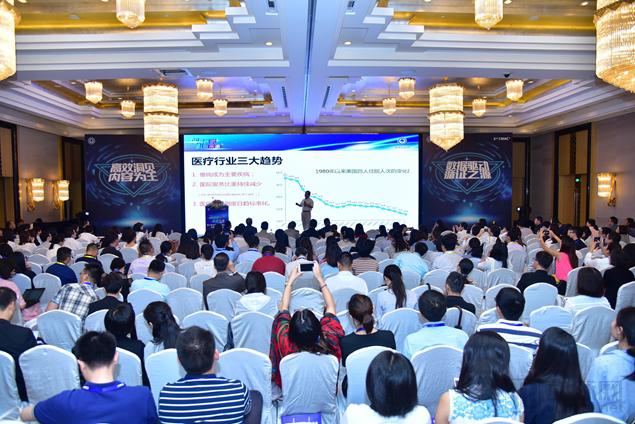
Ning Yi’s presentation was titled “Synergy and Practice of RCTs and RWE: Starting from Empirical Cases,” where RCT stands for “Randomized Controlled Trial” and RWE refers to “Real-World Evidence” research. Ning Yi pointed out that double-blind trials assess the safety and efficacy of drugs within a limited timeframe and among a restricted population. In the real-world setting after a drug’s market launch, the treated population is broader, conditions are more complex, and the time span is longer. Therefore, it is crucial to foster synergy between RCTs and RWE across all stages of drug development and clinical application.
Ning Yi stated, “As the largest professional health examination institution in China, Meinian Onehealth serves over 20 million individuals annually. The comprehensive data it collects—spanning biochemical, genetic, and imaging dimensions—will play an irreplaceable role in providing evidence for the formulation of national public health policies. Furthermore, it will significantly enhance the efficiency and success rate of clinical drug development for research institutions, while guiding pharmaceutical companies to develop innovative and high-quality drugs tailored to the disease characteristics of the Chinese population, thereby meeting the needs of disease prevention and control.”
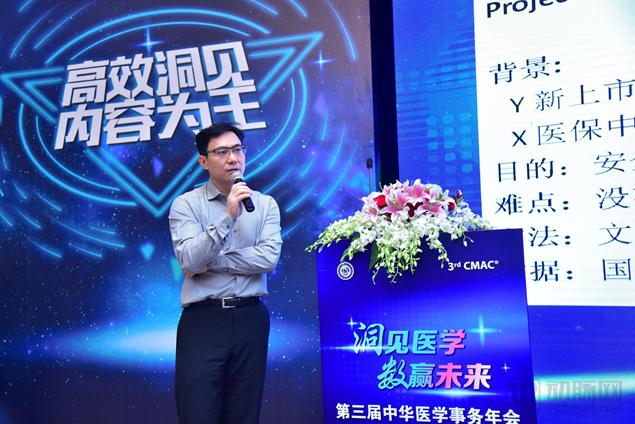
Ning Yi, Ph.D. (Harvard University), Executive Dean of the Meinian Research Institute
This year, the U.S. Food and Drug Administration (FDA) released the “Guidance on the Use of Real-World Evidence,” promoting future research on real-world evidence. This will have a transformative impact on clinical development and application in the future, facilitating drug development through health and medical big data, and providing a comprehensive understanding of the safety and efficacy of marketed drugs.
In light of this situation, the Organizing Committee for the Shanghai Session of the 3rd Chinese Medical Affairs Conference (CMAC) released the “Expert Consensus on Real-World Study Practice” based on extensive practical research. Starting with fundamental issues such as the current status of real-world evidence both domestically and internationally, the consensus explores existing misconceptions, processes, and application scenarios. It aims to establish high-quality real-world evidence as the optimal clinical evidence, address the shortage of clinical evidence in China, and enhance the country’s international academic standing.
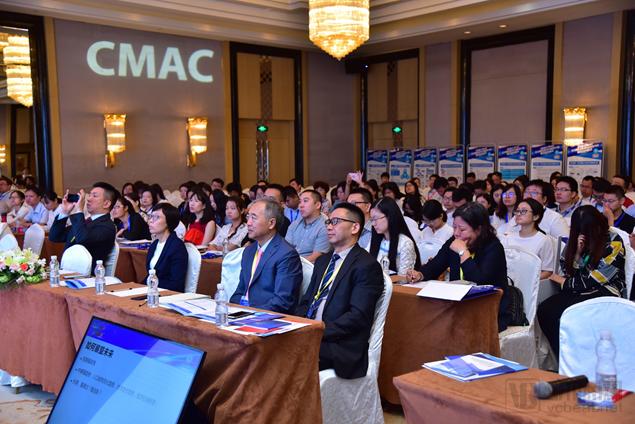
In addition, the conference invited senior industry experts, including Yan Qing, Director of the Department of Pharmaceutical Administration Research at the Hospital Management Institute of the National Health Commission; Kang Zhiqing, Vice President of Medical Affairs at AstraZeneca; and Lang Zhihui, Vice President of Medical Affairs at Bayer, to deliver keynote speeches and engage in discussions on topics such as the global development of medical affairs and new opportunities for medical affairs during the transition period.
Li Jingcheng, Secretary-General of the Annual Conference on Medical Affairs of the Chinese Medical Association, stated, “In addition to fostering communication among medical affairs departments across the pharmaceutical industry, the Annual Conference on Medical Affairs also establishes channels for dialogue between upstream and downstream enterprises in the pharmaceutical and healthcare sectors. By strengthening academic outreach by medical affairs departments, we aim to ensure that physicians and patients are informed about the latest drug development updates and proper medication practices, ultimately benefiting patients. Against the backdrop of national healthcare reform, the role of medical affairs departments within pharmaceutical companies will transition from providing medical support to driving medical advancement, facilitating better communication of medical evidence with healthcare professionals, and ensuring that patients receive the most appropriate and effective medications.”