

AstraZeneca Launches Eight Integrated Diagnosis and Treatment Solutions Centered on Patient Needs
Patients need more than just medications; they require comprehensive solutions for their diseases. By applying innovative concepts and digital tools to establish a “patient-centered” healthcare service system, we can enable more patients to benefit from it.
Since 2015, AstraZeneca has joined forces with stakeholders from government, industry, academia, research institutions, and healthcare to establish the “Business Innovation Center,” an open strategic platform aimed at promoting innovation in health commerce and the development of comprehensive disease solutions. The center has incubated solutions across multiple therapeutic areas.
Why Should a Pharmaceutical Company Pursue Innovation in Disease Solutions? How Can Business Innovation Coordinate Stakeholder Efforts, and How Can Digital Tools Facilitate the Implementation of Innovation?
AstraZeneca is a global leading pharmaceutical company with a rich product portfolio in the fields of respiratory, cardiovascular, metabolic, gastrointestinal, and oncology diseases. Since entering the Chinese market in 1993, AstraZeneca has celebrated its 25th anniversary, with a total workforce exceeding 10,000 employees. The Chinese market is one of AstraZeneca’s most important, fastest-growing, and most dynamic markets. In 2017, AstraZeneca’s revenue in China approached USD 3 billion.
Xu Jing, Vice President of AstraZeneca China and Head of the Business Innovation Center, stated, “Today, we are witnessing a profound shift in healthcare demands in China. Patients need more than just high-quality medicines; they require comprehensive solutions spanning the entire disease journey, including prevention, diagnosis, treatment, and rehabilitation. As a leader in the local market, AstraZeneca has both the responsibility and the capability to drive innovations beyond pharmaceuticals. By addressing patients’ pain points and needs, we aim to provide holistic disease management solutions and truly build a ‘patient-centric’ healthcare service ecosystem.”
AstraZeneca, together with nearly 30 cross-sector partners, has launched leading integrated diagnosis and treatment solutions across disease areas including respiratory, cardiovascular, metabolic, oncology, and gastrointestinal disorders. These initiatives include the Comprehensive Respiratory Diagnosis and Treatment Center, Pediatric Nebulization Center, China Standardized Metabolic Disease Management Center, China Chest Pain Center, Gastrointestinal Tumor Prevention and Treatment Center, and Integrated Prostate Cancer Diagnosis and Treatment Center, among others. Notably, several of these disease-specific solutions have been pioneered and implemented in key hospitals across China.
AstraZeneca’s “Wuxi Model” of commercial innovation is the most renowned—Wuxi serves as one of AstraZeneca China’s R&D, manufacturing, and logistics hubs. In addition to the pharmaceutical industry, the Internet of Things (IoT) has emerged as a new hallmark of Wuxi in recent years. Established in Wuxi in June 2017, the AstraZeneca China Commercial Innovation Center has prioritized the application of IoT technologies as a key strategic direction.
Leveraging Internet of Things (IoT) technology, AstraZeneca has collaborated with healthcare institutions to build an integrated acute chest pain treatment system—known as the Chest Pain Center—that seamlessly connects pre-hospital, in-hospital, and post-discharge care. This initiative aims to minimize emergency response times and establish a whole-disease management model featuring early diagnosis, rapid treatment, and scientific follow-up.
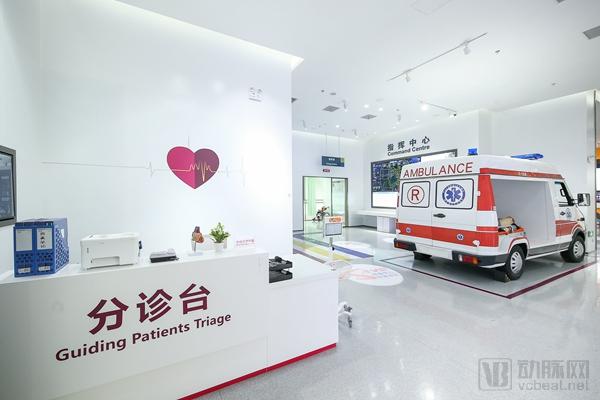
AstraZeneca Business Innovation Center Chest Pain Center Project Template, Photo Provided by the Company
Background for the Establishment of Chest Pain CentersThe establishment of chest pain centers is driven by the complex pathogenesis of chest pain, its high incidence rate, and non-standardized treatment protocols, which often result in missed opportunities for optimal timely intervention. According to data abstracted from Chinese journals such as the Chinese Circulation Journal and the Chinese Journal of Cardiovascular Disease, there are 290 million patients with cardiovascular disease in China, and cardiovascular diseases rank first among causes of disease-related mortality in the country. Previously, inefficient referral processes among relevant departments and obstructed green channels led to potential misdiagnosis in 20% of chest pain patients upon hospital admission. Moreover, nearly 60% of low-risk patients underwent invasive diagnostic tests and treatments, whereas two-thirds of high-risk patients did not receive interventional therapy.
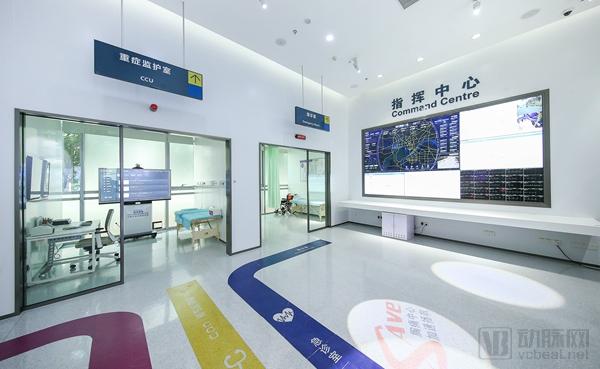
AstraZeneca Commercial Innovation Center Chest Pain Center Project Template, Image Provided by the Company
In terms of treatment timing, the internationally recognized "golden window" for acute chest pain is 120 minutes; within this period, every 1,000 patients treated can save an additional 65 lives. Data from the China Chest Pain Center Network shows that chest pain centers, by adopting rapid and standardized diagnostic protocols, can provide faster and more accurate assessments for patients with chest pain, while reducing medical costs to only 20%–50% of those associated with traditional approaches.
In other words, the establishment of Chest Pain Centers can enhance the quality of chest pain treatment, save more lives, and reduce healthcare expenditures. The most tangible improvement is seen in treatment times: data from AstraZeneca’s “Wuxi Model” shows that the average treatment time at Chest Pain Centers is 69 minutes, compared to the previous national average of 132 minutes in China, demonstrating that the establishment of these centers has effectively improved treatment efficiency.
AstraZeneca’s Wuxi Innovation Center is undoubtedly a prime exemplar, demonstrating how pharmaceutical companies can play a more valuable role in the healthcare system by shifting from merely providing drugs to delivering comprehensive disease solutions. This innovation creates a win-win scenario for all stakeholders: it enables pharmaceutical companies to gain a more intuitive understanding of market and patient needs; offers partners excellent opportunities for engagement through integrated solutions; strengthens hospitals’ capabilities in discipline development and patient care; and provides patients with superior medical and pharmaceutical services.
Of course, promoting business innovation requires consideration of many factors, such as defining the direction of innovation, coordinating resources from all parties, and implementing practices. As Xu Jing put it, “Who sets the stage, who performs the play.” “Innovation must be spontaneously driven by core business departments, with the business departments taking the lead role. The participation of partners and the mobilization of internal and external company resources can be understood as ‘singing, speaking, acting, and acrobatics’ in a traditional Chinese opera. The Innovation Center acts as an intermediary coordinator to jointly ensure the success of this innovation endeavor,” said Xu Jing.
Digital innovation is an integral part of business innovation. The application of cutting-edge technologies such as the Internet of Things (IoT), artificial intelligence, and big data underpins AstraZeneca’s business innovation initiatives. Digital tools and technologies are evident behind these projects, including the IoT technology supporting the Wuxi Chest Pain Center and the mobile healthcare platform behind the MMC (Metabolic Management Center).
Beyond its innovation projects, AstraZeneca has also partnered with companies such as Alibaba and Tencent to jointly promote applications in AI-assisted diagnosis, medical image interpretation, and drug traceability. It is fair to say that among leading pharmaceutical companies, AstraZeneca is at the forefront in embracing new technologies.
Digital Transformation in Pharmaceutical Companies Is a Key Focus for VCBeat. We have observed leading pharmaceutical companies such as Pfizer, Novartis, Roche, Johnson & Johnson, and AstraZeneca actively leveraging artificial intelligence, machine learning, and big data to revolutionize drug R&D, clinical research, patient services, and marketing. The wave of digital transformation in the pharmaceutical industry has arrived.
In this regard, Xu Jing stated that digital transformation in the pharmaceutical industry is a natural progression. “Take the consumer goods industry as an example; it embraced the ‘consumer-centric’ philosophy early on and was quick to adopt digital innovations, such as digital advertising placement and big data-driven customer segmentation analysis. These measures have helped consumer goods companies better serve the market. Similarly, in the healthcare industry, we should establish a ‘patient-centric’ service model, where the application of intelligent and digital tools is inevitably the way forward.”
Xu Jing also mentioned that AstraZeneca (China) is actively implementing its “cloud first” and “mobile first” strategies, migrating internal data, workflows, approvals, performance management, and other functions to the cloud and mobile platforms. This approach helps save time and resource costs while improving operational efficiency. AstraZeneca has migrated 90% of its applications to smartphones, enabling sales representatives to complete most of their daily tasks using just a single mobile device.
Whether through digital innovation or business model innovation, the pharmaceutical industry is embracing the future. Top-tier pharmaceutical companies like AstraZeneca are mostly “century-old enterprises” that better understand the need to “act at the right time” by adapting to the development of the times and technology.
In the past, the pharmaceutical industry’s key competitive advantage stemmed from the ability to discover new drugs and commercialize them; in the future, only those companies that better understand patient needs and market demands will remain among the top-tier pharmaceutical enterprises.