

2018 Medical Technology World Forum Kicks Off in Shanghai, Showcasing Innovations Set to Transform Global Healthcare
With the rapid advancement of technologies such as artificial intelligence, robotics, the Internet of Things (IoT), 3D printing, and genetic testing, humanity is on the verge of entering the big data era. In the foreseeable future, it remains unclear which new technologies will be sufficient to disrupt the entire healthcare industry.
To address these questions, the 2018 Medical Technology World Forum (MTWF2018) was officially held on September 26 at the Le Méridien Shanghai, Minhang. The forum was co-organized by the Industry-Academia-Research Cooperation Coordination Department of the China High-Tech Industrialization Research Association, VCBeat, and VBInsight, under the theme “INFINITY.”
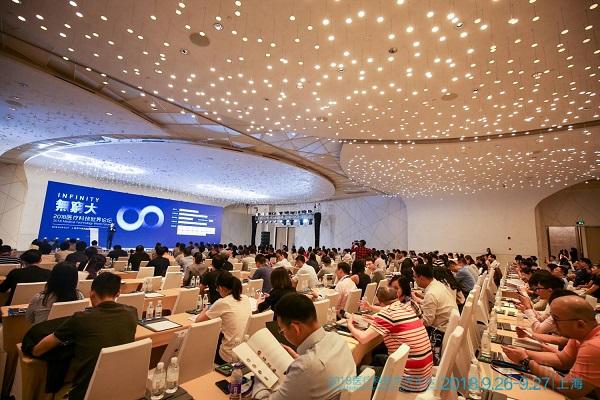
This forum brings together domestic and international healthcare service providers, listed companies, financial institutions, and health-tech innovators centered on technological innovation. Focusing on five key technologies—big data and artificial intelligence, robotics, the Internet of Things (IoT), 3D printing, and genetic testing—the event will host eight core forums exploring commercialization scenarios across hospitals, pharmaceutical companies, and health management organizations.
Including Academician of the Chinese Academy of Engineering Zhuang Songlin, IEEE Fellow and AIMBE Fellow Zhang Yuanting, and AIMBE Fellow Dinggang Shen, a total of 500 professionals from medical service institutions, listed companies, financial institutions, and healthcare innovation enterprises centered on technological innovation participated in this feast of new technologies, gathering numerous industry leaders.
In addition, the forum invited overseas experts, such as Professor Robert Marks of Ben-Gurion University of the Negev in Israel, who has dedicated 25 years to researching medical biosensor technology, as well as leading domestic investors focused on healthcare innovation, including Wang Junfeng, Managing Director at Legend Capital, and Liu Wei, CEO of Baidu Ventures.
Guest Highlights
At this technology forum, guests delivered speeches centered on a series of new technologies. Below are selected highlights curated by VCBeat:
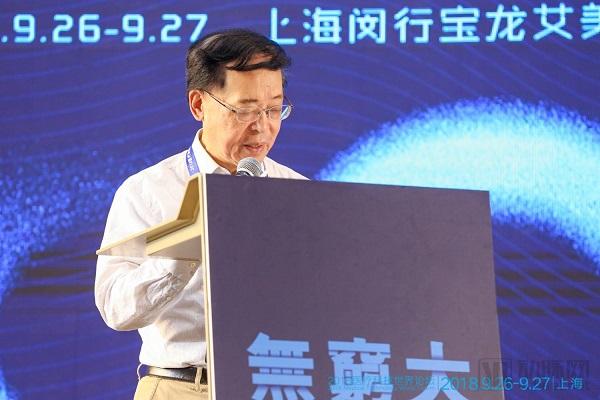
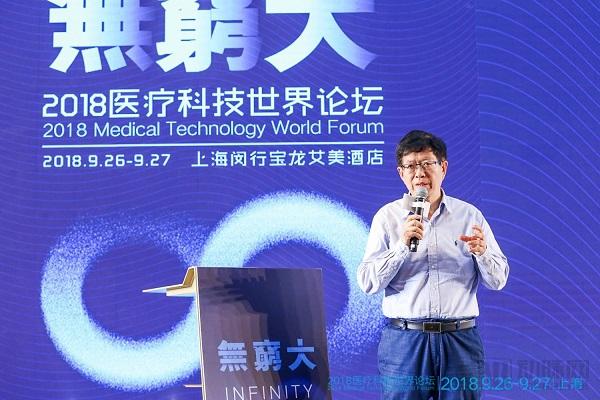
“Since the 21st century, global technological innovation has entered an unprecedented period of intensive activity. A new round of technological industrialization is reshaping the scientific landscape, with the accelerated application of next-generation technologies represented by the Internet of Things (IoT) and blockchain, while scientific fields such as synthetic biology and regenerative medicine are孕育ing new transformations. Amidst this transformation, sustained efforts are required. We hope to leverage the platform of the 2018 World Forum on Medical Technology to facilitate effective communication, promote industrial synergy, and jointly drive breakthroughs in addressing the industry’s critical pain points and challenges.”
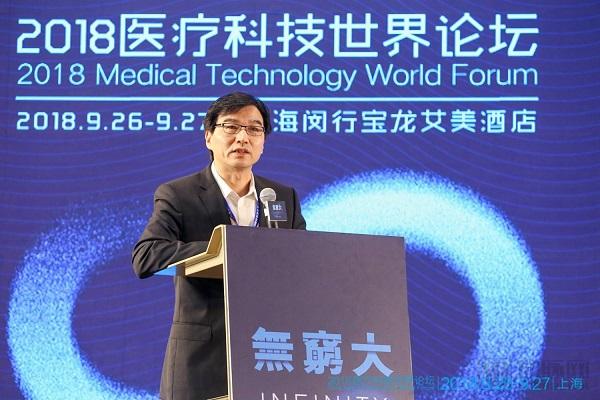
“The application of artificial intelligence in medical imaging, spanning conditions such as cancer and aging, as well as diverse modalities including CT, PET-CT, and MRI, places significant demands on corporate R&D resources. Therefore, United Imaging Intelligence is developing a deep research platform for medical imaging. Within this platform, functions such as image segmentation, object detection, image classification, and image registration and mapping are configured as independent modules. This modular, “building-block” approach enables rapid algorithm deployment and development through standardized components.”
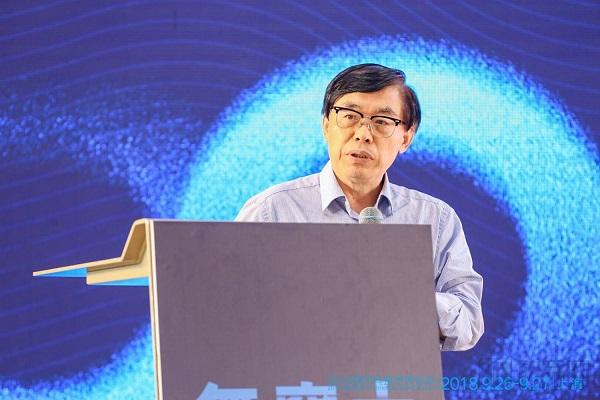
“Regarding the future development of wearable devices, we proposed the concept of "SUPER-MINDS" three or four years ago, which emphasizes unobtrusiveness and robustness. Unobtrusiveness means not interfering with users’ daily lives. Robustness refers to the capability to monitor dynamic blood pressure, which presents a significant challenge and remains a long-term, arduous task for us.”
“Four-dimensional optical coherence tomography enables high-resolution, non-contact, rapid 4D dynamic imaging of living embryonic hearts. Compared with traditional sectioning microscopy, in vivo real-time imaging, three-dimensional volumetric imaging, and CT, it offers the advantages of high speed and high resolution.”
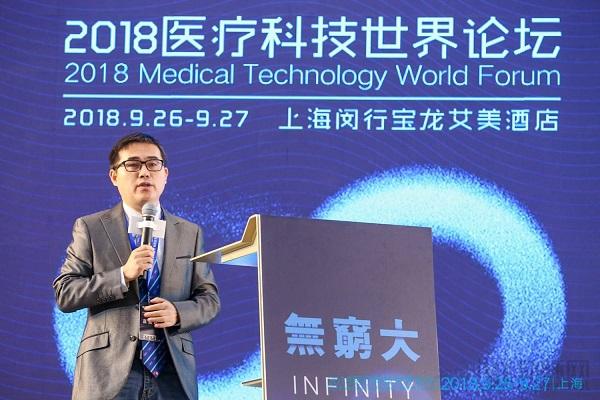
“The core driver of healthcare is undoubtedly technology. Technology can be divided into two areas: one is the technology for achieving precise diagnosis, which leverages technological advancements to simplify previously costly services, making them more concise and effective; the other involves using new tools such as artificial intelligence and robotics to internalize expert knowledge into software programs and medical devices, thereby transforming expert knowledge into practical tools.”
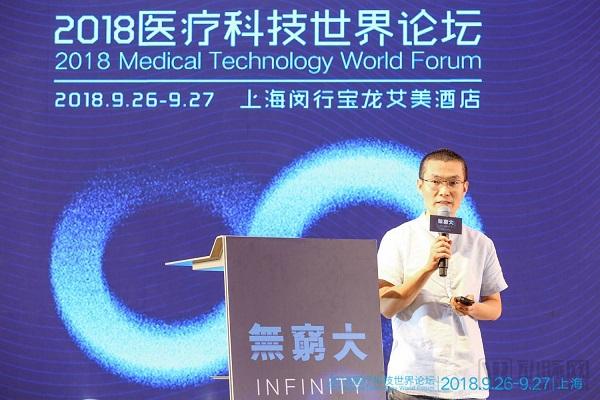
“We believe that AI’s impact on data manifests in four distinct dimensions: data granularization, data completeness, data multidimensionality, and data novelty.”
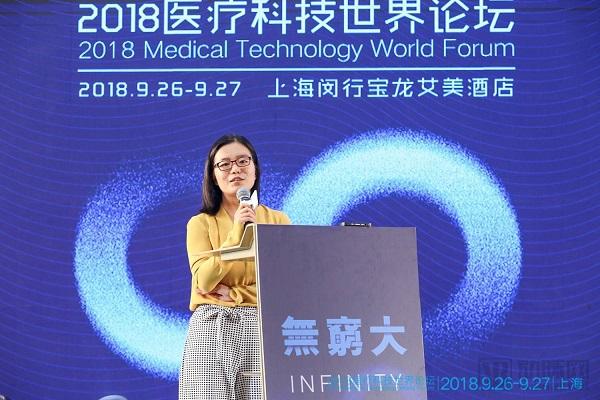
“China has approximately 38,000 ophthalmologists and around 300 million ophthalmic patients. Apart from tertiary Grade A hospitals, the clinical capabilities of most other hospitals are limited, let alone those of community health centers. Therefore, there is a critical need in China for fully automated AI-powered diagnostic software.”
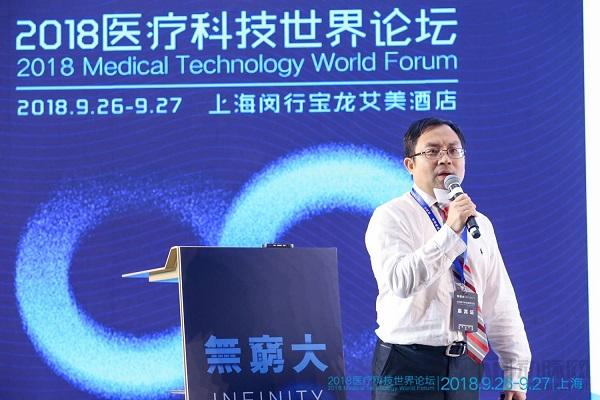
“In the healthcare industry, Legend Capital focuses on three dimensions. The first dimension is the spectrum of chronic diseases, such as cardiovascular diseases, oncology, gastroenterology, and orthopedics. The second dimension is product categories, including IVD, POCT, imaging equipment, high-value consumables, and low-value consumables. The third dimension is the product value chain, such as upstream supply chains, core materials and components, and manufacturing stages like CMOs.”
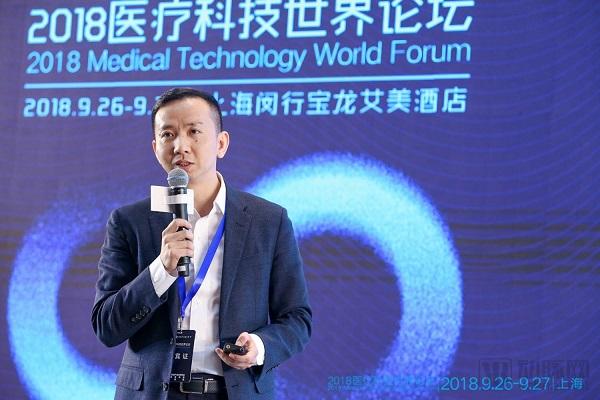
“There are two trends in the future development of medicine: preventive medicine and personalized medicine. Personalized medicine involves materials and devices, such as wearable medical devices. 3D printing is flourishing alongside personalized medicine.”
Three Major Reports Released: Gaining Insights into the Future of Healthcare
At this technology forum, VCBeat also released three heavyweight industry reports: "Medical Big Data Enters the Era of Value Output," "Report on the Informatization Construction of County-Level Hospitals," and "2018 China Medical Artificial Intelligence Report."
In the "2018 Medical Big Data Industry Report: Entering the Era of Value Output," VCBeat Research Institute started from the market of the medical big data industry, collected data on 561 companies in China involved in healthcare big data, and analyzed the development stages and current status of the industry by examining dimensions such as sub-sectors, big data value, and the role of big data.
“Leap from Integration Platforms to Big Data Applications—2018 Report on Hospital Informatics Construction” summarizes the current status and development stages of China’s hospital informatics market through interviews with Jiande Hospital and healthcare IT vendors.
The third report, “2018 Medical Artificial Intelligence Report,” builds upon the “2017 Medical Big Data and Artificial Intelligence Industry Report.” By surveying leading AI healthcare companies and interviewing physicians involved in the development and use of AI-powered products, it presents, from an industry perspective, the current state of medical artificial intelligence in China and outlines future R&D directions.
Selection of Outstanding Digital Healthcare Collaboration Cases Awards
On August 15, 2018, VCBeat launched an open call for outstanding industry collaboration cases in digital healthcare, targeting health and medical innovation enterprises. The scope of the call included innovative companies in fields such as big data and artificial intelligence, health management, robotics, the Internet of Things (IoT), 3D printing, and genetic testing. The selection of awards for these outstanding digital healthcare industry collaboration cases also constituted a key component of this technology forum.
VCBeat has organized industry experts to screen outstanding medical technology projects, evaluating them across five dimensions: product/service introduction, market analysis and positioning, business model, team profile, and partnership case studies. The scope of projects includes: AI-powered triage services, AI-assisted diagnosis, NLP-based intelligent semantic recognition, AI-driven precision health management, AI-enabled drug discovery, new channels for pharmaceutical retail, IoT-enabled remote monitoring, refined digital innovation in hospital management, digital pharmaceutical marketing, 3D printing, medical robotics, digital life and health management, genetic testing combined with oncology, smart hospital wards under the Internet of Things (IoT), data-driven insurance, and digital innovations centered on electronic medical records (EMR).
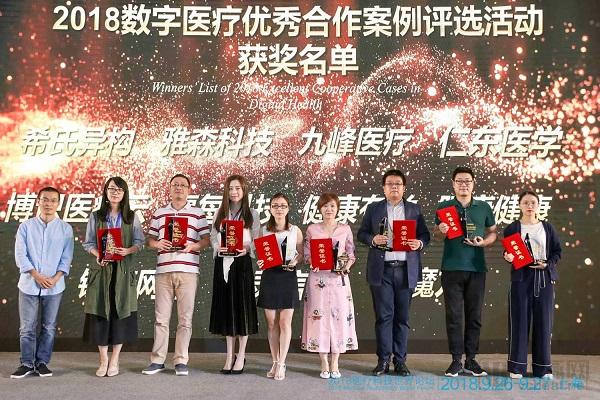
The companies that have been awarded as outstanding collaboration cases in digital healthcare this time include:Xishi Yigou, Yasen Technology, Jiufeng Medical, Rendong Medicine, Boshi Medical Cloud, Huimei Technology, Health Youyi, Akang Health, Ruijie Networks, Weiling Information, 23Mofang。
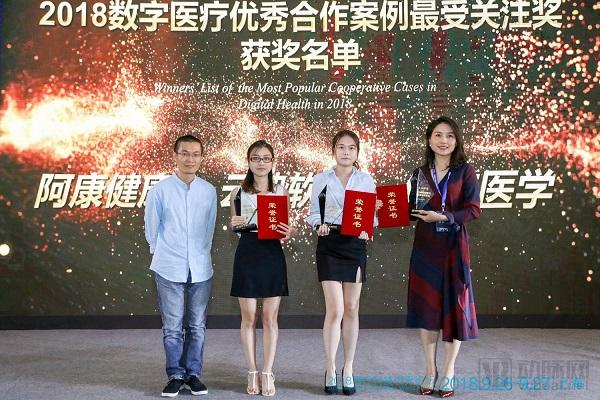
The companies that received the Most Popular Award for Outstanding Digital Health Collaboration Cases include:Aikang Health, Rendong Medicine, Yunshi Software。
2018: New Technologies Set Sail
In early 2018, following the official issuance of the “Opinions of the General Office of the State Council on Promoting the Development of ‘Internet + Medical Health’” by the State Council, the National Health Commission successively released a series of documents, including the “Notice on Further Advancing Information Technology Construction in Medical Institutions with Electronic Medical Records at the Core,” the “Administrative Measures for Internet Hospitals (Trial),” the “Administrative Measures for Internet Diagnosis and Treatment (Trial),” the “Specification for the Management of Telemedicine Services (Trial),” and the “Administrative Measures for Standards, Security, and Services of National Health and Medical Big Data (Trial).”
In these documents, technologies such as big data, the Internet of Things (IoT), and robotics have become key drivers of healthcare reform.
The 2018 World Medical Technology Forum, themed “INFINITY,” symbolizes the boundless potential inherent in new technologies. Leveraging these innovations, the massive vessel of healthcare may well navigate into a new era.