

Undercurrents and Shifting Tides: The Value of Medical Traffic Entry Points (Part II)
Nowadays, customers across various industries are predominantly heavy users of mobile internet, with medical aesthetics clients being particularly so. New media marketing based on mobile internet is no longer just a supplementary customer acquisition channel but should be the core strategy.
Medical aesthetics marketing typically comprises four stages: user acquisition, retention, engagement, and conversion. With a focus on traffic, this report discusses only the user acquisition stage.
Customer Acquisition: In the internet era, medical aesthetics institutions typically leverage three channels—social media, online communities, and self-media—with the primary battleground shifting from offline to online.
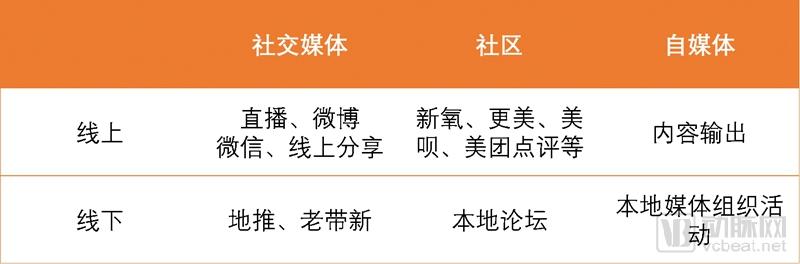
Online traffic generation is the preferred customer acquisition strategy for medical aesthetics.
In the early days of search engine bidding, CPC prices were high, affordable only for large medical institutions, resulting in poor cost-effectiveness. Street-level customer acquisition was the primary online strategy before 2016 but has now been largely abandoned.
Social relationship-based user acquisition primarily involves WeChat-driven online viral growth and adding followers via WeChat groups, which require refined operations, as well as Weibo-based case building, low-cost customer acquisition, and Weibo live streaming.
Community-based customer acquisition strategies commonly leverage vertical aesthetic medicine platforms such as SoYoung and Gengmei. Operational efforts focus primarily on curating “aesthetic medicine diary” case studies and optimizing their ranking visibility. While many business owners and marketers argue that SoYoung has passed its period of dividend growth, this merely signifies the end of the “wild growth” phase; the dividends from “refined operations” and paid promotion are just beginning to materialize.
Meituan-Dianping is also making significant inroads into the specialized medical aesthetics sector; however, users’ group-buying habits still lean toward low-priced lifestyle beauty services, which places considerable pressure on backend conversion processes. In terms of online communities, Xiaohongshu (Little Red Book), which has recently gained immense popularity, deserves close attention.
Building IPs through high-quality content has gradually become a key battleground for medical aesthetic institutions. Popular live-streaming and short-video platforms such as Kuaishou and Douyin primarily adopt the model of supporting medical aesthetic influencers, which represents the traditional approach.
The medical aesthetics industry faces a critical pain point: information asymmetry. On one hand, high per-customer transaction costs and opaque pricing across various stages of service contribute to this issue. On the other hand, medical aesthetic experiences are relatively private; individuals undergoing cosmetic procedures (referred to within the industry as “surgical facial enhancement”) are generally reluctant to share their cases with others, thereby hindering the formation of industry-wide word-of-mouth reputation. This exposes consumers to greater decision-making risks, creating an urgent need for a dedicated platform for communication and exchange.
Faced with a multi-billion-share market in the “medical aesthetics industry,” Chinese entrepreneurs, never short on innovation and replication strategies, have launched a flood of O2O medical aesthetics apps that integrate community features, reviews, and e-commerce to connect pre-operative, intra-operative, and post-operative care.
It appears to have resolved the bottlenecks and barriers in pre-operative decision-making, intra-operative consumption, and post-operative reviews. New or prospective users refer to curated articles, reviews, and case studies when consulting with professionals, ultimately completing offline medical aesthetic transactions. They then share their experiences on the platform, serving as references for others. On the surface, this O2O (Online-to-Offline) platform economy model for medical aesthetics achieves a perfect closed loop.
On these platforms, a steady stream of success stories continually stirs consumer desire, while timely and convenient communication, consultation, and sharing-and-review systems prompt consumers to make purchasing decisions more quickly. As a result, group-buying models mimicking Groupon’s approach emerged rapidly in China, triggering the so-called “Hundred Groups War.” The group-buying industry has long since moved past its early, wild-west phase and entered a “winner-takes-all” stage. In 2016, the merged entity of Meituan and Dianping introduced new fee structures, reigniting competition and pushing the industry into a new red ocean.
2016 marked a boom period for medical aesthetics apps to announce financing rounds. SoYoung (Series C), Gengmei (Series C), YueMei (Series B), Meidaila (Series B), and Meili Shenqi (Series B) all secured funding. In 2016, Gengmei raised RMB 345 million in its Series C round, the largest single financing deal in the history of China’s internet-based medical aesthetics industry.
In August 2017, Yuemei announced that it had secured RMB 80 million in Series C financing, becoming the third app platform in the industry to announce the completion of Series C funding.
When initially entering the market, medical aesthetics apps may have approached from various angles. Once some companies figured out a relatively smooth and verifiable business model, other enterprises quickly followed suit, leading to increasing product homogenization. Previously, there were around 30 medical aesthetics apps on the market; after intense competition, only five or six remain this year.
In 2018, Meituan-Dianping entered the medical aesthetics market and launched aggressive promotional campaigns with deep discounts.
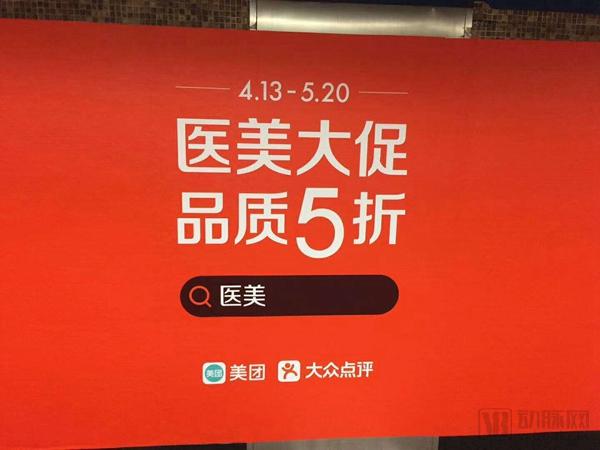
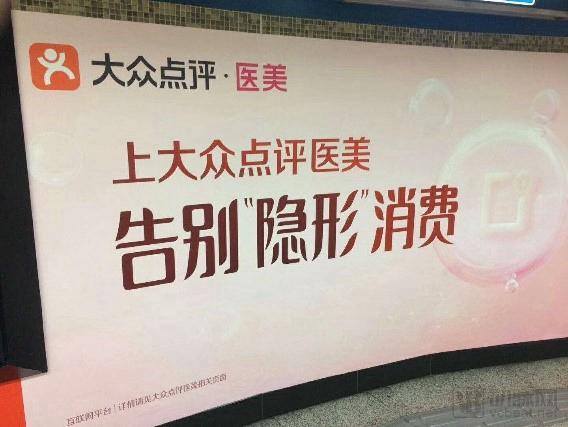
However, specific strategies and tactics may vary among companies. Leading platforms typically focus on continuously expanding their scale and market share, leveraging economies of scale to build competitive barriers. Companies with relatively smaller market shares may concentrate on specific niche segments, offering differentiated services.
For medical aesthetics apps, there may also be differences in product experience; more importantly, it is the corporate positioning, strategy, and operations that matter.
Broadly speaking, medical aesthetics apps primarily attract users through a combination of content, community, and e-commerce, or via appointment and referral services, thereby building a bridge for communication between B-side institutions and doctors and C-side customers. However, this year, various platforms have also implemented significant product upgrades to improve user decision-making efficiency and optimize the positioning and operational models of doctors and hospitals.
In terms of upstream and downstream integration across the industrial chain, major players such as large-scale medical device manufacturers, pharmaceutical companies, and insurers are also expanding their reach through these platforms.
However, have medical aesthetics apps completely resolved the issues of information asymmetry and transparency? We believe that contradictions in the patient education market will persist for the long term.
As users are not experts in internet products and have lengthy consumer decision-making cycles, various medical aesthetics KOLs are active on forums, communities, Tieba, WeChat groups, and Weibo. Having already achieved profitability, Meibei’s key focus for next year will be to provide professional content by cultivating its own medical aesthetics KOLs internally.
Xiu Zhifu, the top medical aesthetics influencer on Sina Weibo with over 2.8 million followers, and Wang Shihu, the leading influencer on Zhihu, have been popularizing the fundamentals of plastic surgery under cosmetic surgery topics to enhance patient education. Leveraging internet trends, they have built strong professional reputations for physicians.
Content generated through live streaming and short-form videos is, to some extent, more intuitive than plastic surgery diaries and static images. Live streaming content primarily takes three forms: clinic visits, user-generated educational content by physicians, and real-user experience sharing. In addition to dedicated live-streaming platforms, medical aesthetics apps have integrated various engaging live streams, thereby enhancing user stickiness.
This September, the medical aesthetics self-media account “Zha Zheng Ne Hehe” secured tens of millions of RMB in Pre-A round financing. It delivers professional medical aesthetics content through entertainment formats such as short videos, live streaming, WeChat Official Accounts, and Weibo. By inviting renowned plastic surgeons and guests to popularize cosmetic surgery knowledge via talk shows and guest dialogues, it aims to shorten the lengthy consultation process users typically undergo before undergoing cosmetic procedures.
Patients of such doctors are often loyal to the physician themselves, traveling from across China to seek their care, and the fees are by no means low.
The internet is revolutionizing patient acquisition and education, making channels such as news articles, websites, Baidu Maps, and Baidu Phone indispensable. Physicians and medical aesthetic institutions should leverage their resource advantages to maximize the efficacy of digital platforms.
Between 2012 and 2017, nearly 50,000 independent retail pharmacies “disappeared.”
Statistics from the China Food and Drug Administration show that in 2012, there were 271,000 independent retail pharmacies and 152,000 chain retail stores across China; by 2017, the number of independent retail pharmacies had sharply declined to 226,000, while chain retail stores had grown to 220,000.
The pharmaceutical retail sector is undergoing a transition marked by the decline of independent pharmacies and the rise of chain stores. This shift is primarily driven by mergers and acquisitions, reflecting capital’s strategic move to secure one of the largest offline traffic channels outside of hospitals.
The value of chain pharmacies lies in the fact that, by drawing on U.S. experience, we can see that as the industry continues to evolve, chain pharmacies will gradually transition from specialized drugstores to platform-based service providers for personal health management, building a human-centric “product + service” ecosystem that integrates online and offline channels.
Currently, chain pharmacies are positioned as traditional retailers, characterized by centralization and a diverse product portfolio. As market concentration increases, large chain pharmacies will play an increasingly prominent role in the healthcare industry. With the development of internet-based healthcare, basic medical capabilities are becoming standardized, enabling pharmacies to transition from retailers to platform-based service providers with multiple roles. Centered on individuals, grounded in physical stores, and leveraging the internet as a tool, pharmacies are continuously expanding their offerings—including products, services, and diagnostic tests. The internet allows for boundless category extension, encompassing items such as daily necessities, in-store clinics, chronic disease management, and laboratory testing. This approach generates personal health data, facilitating precise services. Ultimately, the integration of online and offline operations enables pharmacies to build a comprehensive user-centric healthcare ecosystem.
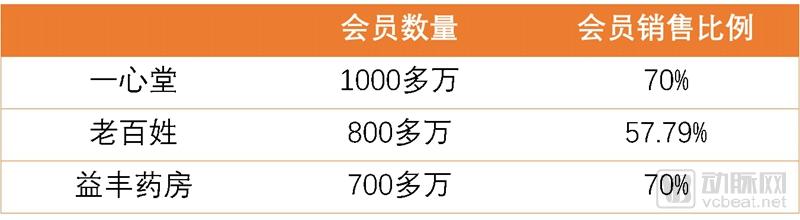
Pharmacies themselves serve as traffic entry points. To enhance user stickiness, membership management has become a common practice among pharmacies. Large chain pharmacies in China have already adopted a customer-centric approach; data from publicly listed companies indicate that member sales account for more than 50% of total revenue.
In the future, Chinese pharmacies will transition from traditional drug retailers to platform-based service providers. By centering on user needs and continuously adding new value-added services—such as diagnosis and treatment and health management—they will build a Chain Clinic 2.0 system. This transformation aims to convert the low-frequency demand for medication purchases into high-frequency engagement, firmly anchor entry-point traffic to generate effective traffic, and explore diverse revenue models.
There are currently four major forces vying for control of chain pharmacies.
By capital type, pharmaceutical industrial enterprises such as Guangzhou Pharmaceutical Holdings Limited (Baiyunshan), Buchang Pharmaceuticals, and Shineway Pharmaceutical Group; PE/VC firms including Hillhouse Capital, Matrix Partners China, GGV Capital, Zhongwei Fund, Hejun Capital, and Huakang Fund; and listed pharmaceutical retail chains like Yixintang, Yifeng Pharmacy, and Laobaixing Pharmacy are all racing to secure market share in the pharmaceutical retail sector.
In December 2017, Baiyunshan subscribed to approximately RMB 800 million worth of newly issued shares in Yixintang. Buchang Pharmaceutical invested in the pharmaceutical e-commerce enterprise Qilekang in 2015 and, in April 2017, invested in the pharmaceutical O2O company Kuai Fang Songyao. Shenwei Pharmaceutical began expanding its presence in Hebei Province in 2015, successively acquiring and investing in multiple local pharmaceutical chain enterprises, covering nearly 700 stores with annual sales exceeding RMB 1.4 billion.
It goes without saying that listed pharmaceutical retail companies are aggressively expanding their market share. Take Yixintang, known as the “M&A Maniac,” as an example: prior to its IPO in April 2014, it operated more than 2,400 stores. Following its listing, the company pursued multiple acquisitions, and by the third quarter of 2017, its store count had more than doubled to exceed 5,000, with a strategic focus on Southwest China and a nationwide presence.
Capital has also turned its attention to pharmaceutical e-commerce companies. For instance, IDG Capital, SoftBank China, and Shengtai Investment have invested in Shanghai Pharmaceuticals Cloud Health, while Tus-Holdings Venture Capital, Jiangsu Gaoke, and Changjiang Guohong have invested in Qilekang.
For internet healthcare enterprises, traffic represents value input, while traffic output signifies true value. For medical and health enterprises, the ultimate realization of corporate value lies in medical services.
Due to information asymmetry and disparities in service experience, it is difficult to capture the entire market share solely through capital investment or a single technology. While patient traffic is important in the healthcare sector, it is not the sole determining factor; more critical is the underlying value—specifically, what problems you can actually solve for patients.
The internet has brought substantial traffic to healthcare companies, which have also developed diverse service offerings tailored to their unique characteristics. Currently, competition for traffic entry points is concentrated in three areas: general traffic portals, search engines, and content platforms. These existing markets are fiercely competitive, with high per-unit traffic costs. In contrast, scenario-based entry points remain a blue ocean, as only a small fraction of medical needs within specific scenarios have been tapped. We believe that exploitable scenario-based models can be categorized into the following two types:
I. Rational Extension of Medical Scenarios
In standard clinical settings, preparatory work precedes medical interventions, while prognostic management follows them. The medical intervention itself represents the most valuable scenario for in-depth exploration.
The health checkup scenario is one that has been thoroughly explored. With clearly defined demands, it naturally connects downstream to scenarios such as health management and specialized treatment, offering inherent advantages. Moreover, its traffic volume has reached the tens of millions, demonstrating a significant traffic effect.
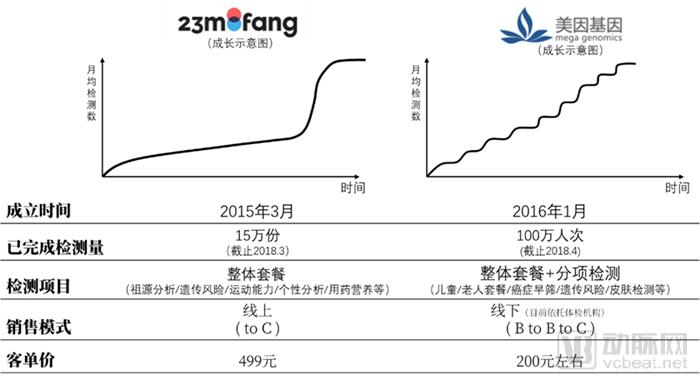
Meiyin Gene, as shown in the figure below, is a product developed by tapping into the demands of the health checkup scenario. Compared with traditional clinical genetic testing services, it offers a broader scope; compared with consumer-grade genetic services targeting end consumers, it is more specific and highly targeted. It is precisely this exploration of the “low-consumption, high-medical” characteristics of the health checkup scenario that has enabled Meiyin Gene to accurately penetrate the healthcare market and achieve substantial returns through cross-industry collaborations.
Choosing different traffic sources corresponds to distinct business growth pathways and product designs.
23Mofang: 23Mofang’s products are primarily sold online. As a market pioneer, the company initially needed to invest significant time in consumer education, designing its products to be more engaging and user-friendly. Once the concept of genetic testing gained public acceptance, coupled with appropriate sales strategies, product sales surged dramatically. On August 8, 2017, 23Mofang reduced the price of its comprehensive genetic testing package (ancestry + genetic health) from RMB 999 to RMB 499, tripling its product sales volume.
Meinian Gene: The sales model of Meinian Gene primarily relies on offline health examination institutions, with testing products sold as individual items. The pace of performance growth is positively correlated with the expansion rate of partnered health examination centers. Due to this sales scenario, Meinian Gene’s product design is more granular and offers stronger disease-specific targeting. In 2017, the number of covered health examination centers expanded from 200 to 400, with 85% of its consumer-grade genetic testing volume originating from the Meinian Onehealth Healthcare system. The network has now expanded to over 500 centers. In the first quarter of 2018, it completed genetic testing for 300,000 individuals, with a peak daily user volume of 12,302.
Business Performance of Genetic Companies Across Different Traffic Entry Points
Data Source: VCBeat Knowledge Base, VCBeat Research Institute
In terms of marketing activities, 23Mofang and Meinian Gene have recently intensified their efforts, each maintaining its consistent brand tone. In March this year, 23Mofang completed a RMB 100 million Series B+ financing round and subsequently ramped up mass-market marketing by placing product-placement advertisements with top-tier internet influencers such as Papi Jiang and Ye Sheng Zhen Ni. Such significant moves during this period are expected to generate substantial buzz and usher in a period of traffic dividends. Meanwhile, Meinian Gene has continued to solidify its presence in the health checkup channel while actively exploring new types of institutional partnerships. It has collaborated with Bloomage International Medicine to tap into the medical aesthetics sector and launched sampling services on cruise ships, creating novel scenarios for sample collection.
Currently, Meinian Onehealth has approximately 300 centers across China, serving a total of around 15 million customers. The sheer volume of customers acquired through this single channel is enormous. This is the primary reason for its growth trajectory as shown in the chart below. In contrast, 23Mofang, which relies on conventional marketing and independently generates traffic, exhibits a markedly different growth curve. It is likely that Meian Genetics has experienced a smoother growth path.
II. Mutual Referral of Healthcare Traffic
In our daily lives, the basic necessities of clothing, food, housing, and transportation can essentially be understood as forms of human movement and energy expenditure. Meanwhile, residents’ health needs are shifting from traditional, single-mode medical treatment toward disease prevention, healthcare maintenance, and health promotion. This transition holds immense value for exploring near-medical scenarios in everyday life.
Codoon – Expanding from Fitness to Dietary Health Management
As a tracking tool, Codoon boasts a user base of nearly 100 million. Analysis by the Codoon team reveals that 60% of its users are not motivated by a love for exercise, but rather by goals such as weight loss, slimming, or self-fulfillment.
For this demographic, the motivation to exercise may stem from spending more than eight hours a day seated at their desks, leading to body shape changes and abdominal obesity, thus creating a need for body sculpting. Meanwhile, these individuals with suboptimal health do not require hospital treatment but are more inclined to improve their condition through scientific exercise and a balanced diet.
Codoon targets the sub-healthy population aged 25 to 50, primarily consisting of office white-collar workers who face high work pressure and maintain unhealthy lifestyles. This demographic is typically characterized by a strong health consciousness and robust purchasing power.
“Codoon aims to provide targeted, concrete solutions for the 60% of users who may have greater needs, helping them achieve their goals. These solutions encompass both dietary and exercise guidance.”
Currently, Gudong Health’s flagship product is the 73 Health Meal Box, which aims to facilitate weight management through meal replacements such as protein biscuits and high-fiber nutritional powders. Compared with long-term dietary control solutions like weight-loss meals offered by various fitness apps, the Health Meal Box reduces the frequency of controlled meals to just 3–4 times per week.
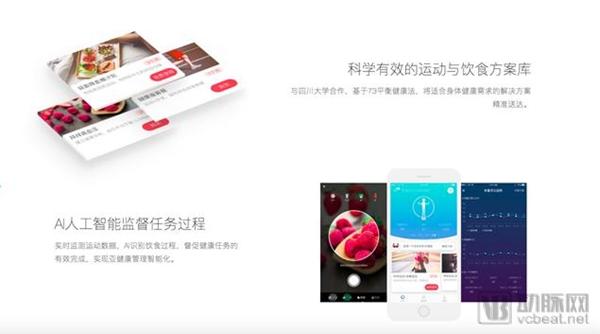
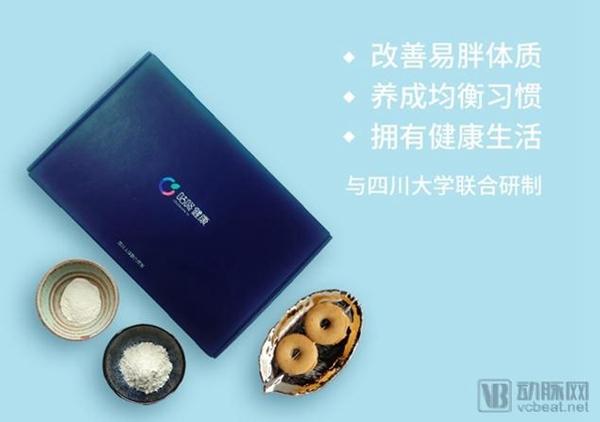
Codoon Health positions its platform model as B2B2C, collaborating with running clubs on the Codoon app to maximize capture of B-side scenarios, such as hotels emphasizing health brands and medical examination institutions.
By reaching users through small B-end channels such as running clubs, rather than promoting directly to C-end consumers, Codoon Health primarily acquires customers by targeting intent-driven audiences in core scenarios. This B-end-focused approach reduces customer acquisition costs by approximately 60%–70%.
Huawei Health - The Evolution of Mobile Terminals into Personal Health Hubs
In modern life, mobile phones have become indispensable smart terminals for people. User behavior data is aggregated here, providing these smart devices with the opportunity to serve as entry points for healthcare and medical scenarios.
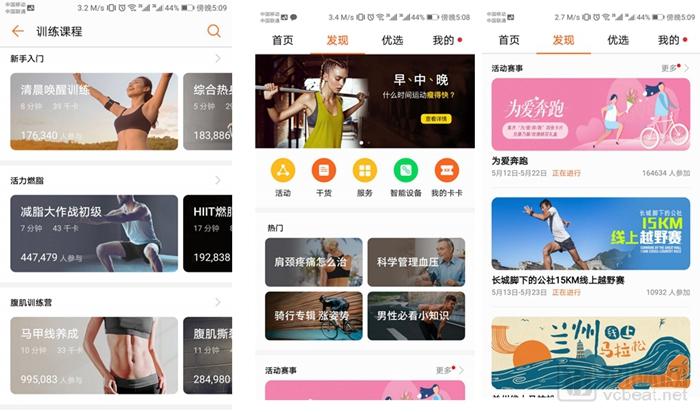
Huawei Health is an open platform under Huawei for data integration and service aggregation, comprising the Huawei Health app and Huawei Health Cloud. On mobile devices, it is presented as the Huawei Health app, providing users with professional features such as exercise tracking, fat-loss and body-shaping training, scientific sleep monitoring, and health management.
The Huawei Health app can connect to body fat scales, blood glucose meters, blood pressure monitors, and heart rate devices via the Bluetooth protocol (IF1). After binding these devices, users can perform measurements following the corresponding operational instructions. Upon completion, the data is transmitted to the smartphone and displayed within the app. Leveraging this health data along with individual characteristics, Huawei Health provides personalized exercise plans and recommendations, naturally serving as a personal health hub.
Huawei Health leverages the extensive sales data from Huawei’s smartphone lineup. By collecting user data, it provides widely adopted health management services and has already identified viable monetization models on the business side. In terms of visible exercise courses, individual course click-through rates have approached one million.
Unlocking the long-tail medical value of scenarios is what we believe will be the primary approach to exploring new entry points for healthcare traffic. However, how can we unlock the long-tail value of existing scenarios, and what kind of healthcare service system should be established? Let us begin by examining the current workflow of internet-based healthcare services:
The typical internet-based medical service process primarily comprises the following four steps:
1. Traffic Acquisition (Traffic Entry Points): Demand-side users access the medical service fulfillment platform through broad-traffic channels, search engines, and other entry points.
2. Subjective Experience: Upon reaching the service delivery endpoint, patients build trust by browsing web content or reviewing past cases.
3. Consultation and Trust Building: Strengthen trust through communication with consultants and guides, and schedule services.
4. Healthcare Services: Officially Entering the Service Phase
Each of the above steps represents a repositioning of user needs, with the potential for user attrition at every stage. Only by clearly defining user needs from the outset and continuously reinforcing trust throughout the subsequent stages can the service process design improve conversion rates.
Mining the long-tail medical value of scenario-based needs involves bypassing steps 2 and 3, finalizing user requirements and establishing trust within the previous scenario, thereby streamlining the process and improving conversion rates. The most critical aspect in this process is to accurately determine the user’s medical needs at once. First, we need to identify the characteristics of the previous scenario—whether it was a consumer-oriented scenario or a serious medical scenario—and maintain consistency in scenario type. The scenario determines the service type; based on the service type of the previous scenario, the new business should serve as a value-added supplement to the prior offering, providing users with a sense of additional gain.
At a deeper level, once scenario-based needs have been thoroughly identified, we can integrate these various requirements to build an event-driven health service system.
Event-driven architecture stands in contrast to request-driven architecture. In a request-driven model, when I intend to perform an action, I send a request to the system, which then provides feedback. For instance, if I wish to purchase a blood pressure monitor, I open Taobao, search for medical device stores on the platform, place an order, and with a single click, the request is transmitted to the system. Once received, the backend processes the order, and the blood pressure monitor is delivered to my home the next day. This exemplifies the request-driven approach.
What is the concept of event-driven architecture? It refers to scenarios where no explicit request is initiated by the user. For instance, if my smart scale detects an anomaly in my physical condition and determines that real-time blood pressure monitoring is necessary, but there is no blood pressure monitor available at home, it automatically places an order with a Taobao store, which then delivers the device to my residence. The individual is not actively involved in this process—perhaps merely confirming the action—while another intelligent system makes the decision on their behalf. This is event-driven architecture.
Technically, this is a straightforward approach; however, such precise control over requirements is built upon a deep exploration of needs within specific scenarios. Only by thoroughly investigating individual scenarios and identifying appropriate service integrations can we evolve from meeting the needs of isolated scenarios to uncovering multi-scenario demands driven by events. We predict that by 2030, 80% of ecosystem systems will require this capability, which will bring about disruptive changes to existing business models.