Stanford Professor Turns Entrepreneur: Using Algorithms to Launch a Depression Drug Company | IPO

Alto Neuroscience
Mental Health Treatment Drug Developer

Note:This article does not constitute any investment opinions or suggestions; please refer to official/company announcements for accuracy.This article only introduces drugs related to medical health, not a recommendation of treatment options (if involved), and does not represent the platform's position.Any article reprinted must obtain authorization.
As early as 2019, Amit Etkin, a professor of psychiatry at Stanford University, decided to turn the algorithms from his research papers into medicine after a decade of human brain-behavior research in the lab. He fed EEG, cognitive, and wearable data for depression and schizophrenia into machine learning models and found that people diagnosed with depression could actually be grouped into 4-5 distinct subtypes based on their brain signals.
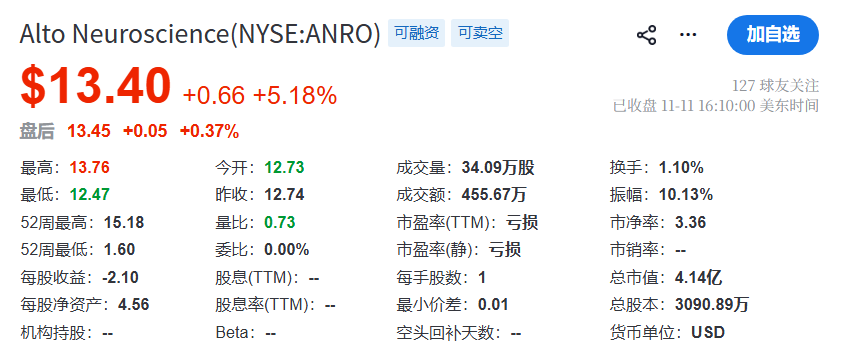
ThusAmit EtkinPull UpTsinghua University、Dr. Wei Wu, a brain signal expert jointly trained by Stanford, wrote the first line of code in an incubator space in California, and the company name isAlto,LatinMeaningHigher, more precise. Completion time for writing,Deadline2025Year11Month11Day,Alto NeuroscienceTotal Market Capitalization of the Company4.14100 million US dollars (as shown in the figure above). The market value before the release was 618 million US dollars (a significant increase).
Alto NeuroscienceBuilt the only biomarker-guided psychiatric treatment development platform in the industry——Precision Psychiatry Platform, through the following flywheel modelComeReduce R&D Risks。
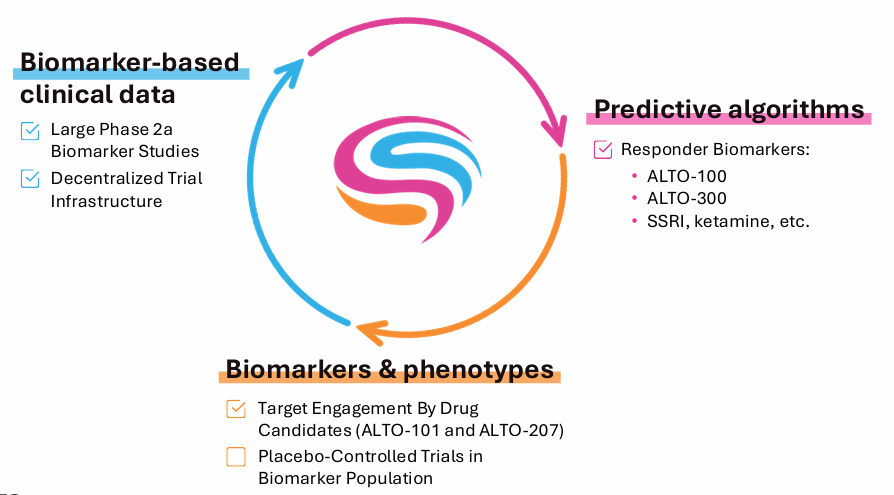
Biomarker Discovery and Validation:The company uses multi-dimensional tools such as electroencephalogram (EEG), cognitive tests, and wearable device data to identify biomarkers that can predict drug response.
Clinical Enrichment Design:Only enrolling biomarker-positive patients in clinical trials enhances the verifiability of drug efficacy.
Data Iteration and Reuse:Through the accumulation of clinical data from more than 800 patients, the platform's biomarkers can be reused across projects.
Globally, depression and schizophrenia are leading causes of disability. Thirteen percent of adults in the U.S. are taking antidepressants, yet current treatments have limited efficacy in heterogeneous populations. Alto Neuroscience's platform is specifically designed to address this challenge.Screening patients most likely to respond to drugs through biomarkers, avoiding a one-size-fits-all treatment model。
The company's current R&D pipeline focuses on indications such as Major Depressive Disorder (MDD), depressive episodes of Bipolar Disorder (BPD), Treatment-Resistant Depression (TRD), and Cognitive Impairment Associated with Schizophrenia (CIAS).
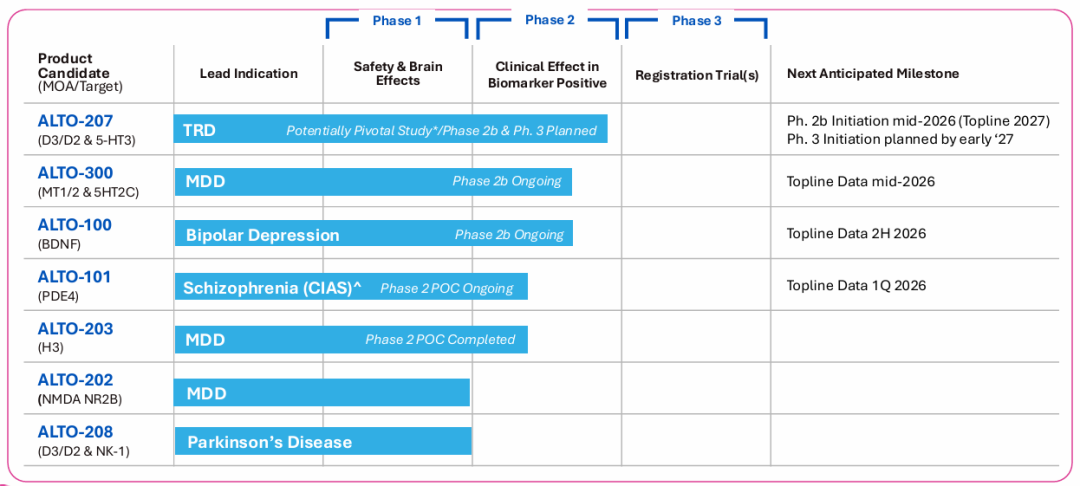
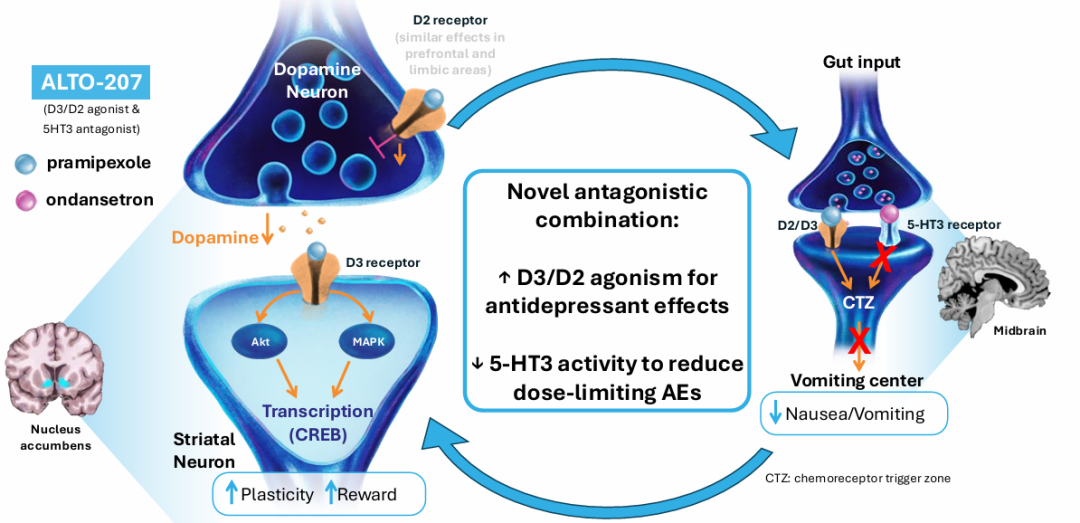
ALTO-207(2025Year5Month FromChase Therapeutics Purchased, Former NameCTC-501)It is composed of pramipexole (dopamineD3/D2Preferential agonist) and ondansetron (5-HT3Fixed-dose combination of antagonists。Pramipexole is a selective D3-preferring D3/D2 receptor agonist, and a large body of literature confirms its clear antidepressant effect. However, its clinical use is limited by dose-dependent adverse reactions such as nausea and vomiting. ALTO-207 mitigates the dose-limiting adverse reactions like nausea and vomiting associated with pramipexole when used alone through 5-HT3 antagonism, enabling rapid titration to the therapeutic dose.
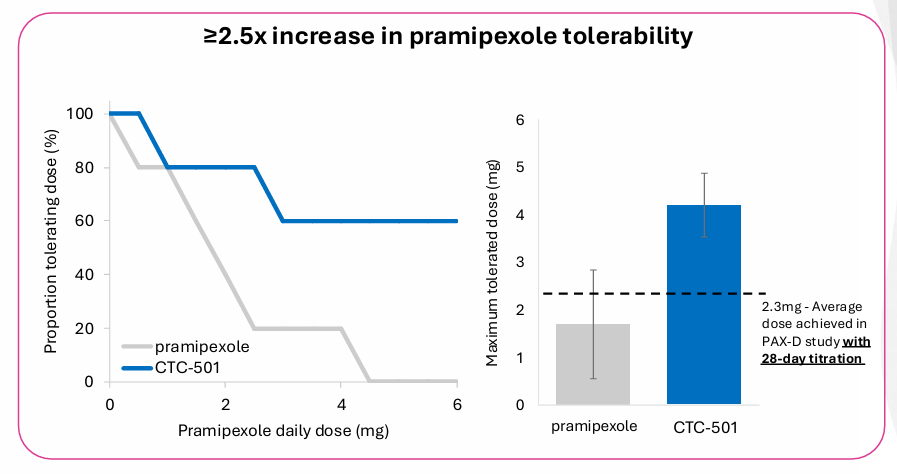
Clinical Trial1Phase ResearchDisplayCompared with pramipexole alone, ALTO-207 can increase the maximum tolerated dose of pramipexole by more than 2.5 times. 60% of patients can tolerate a daily dose of 6mg, and the titration time is shortened from 28 days to 12 days.
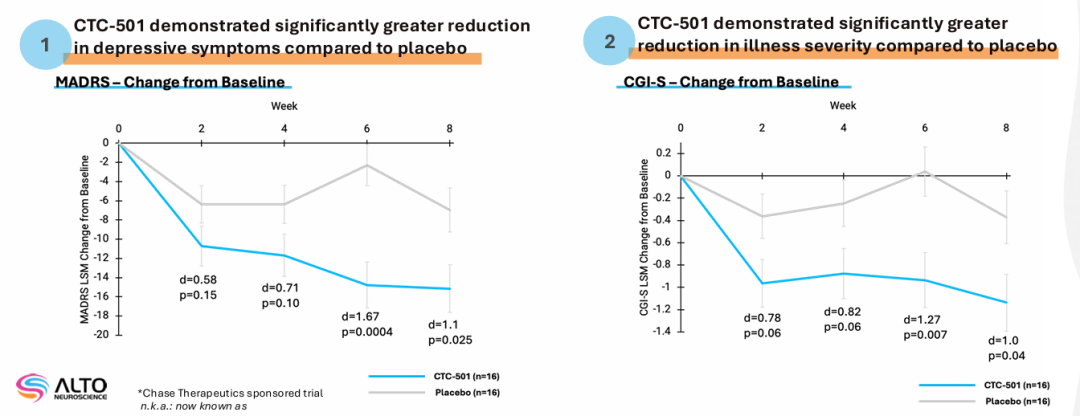
Clinical Trial2aPeriodResearch showsIn 32 patients with depression, ALTO-207 achieved both primary and secondary endpoints. Compared with placebo, there was a significant reduction in MADRS (Montgomery-Asberg Depression Rating Scale) scores, and the average daily titration of pramipexole in patients was 4.1mg. ALTO-207 was well-tolerated during the maintenance phase of the study, with an adverse event rate similar to that of placebo.
On October 20, 2025, Alto Neuroscience announced the successful meeting with the FDA regarding ALTO-207, and subsequent development of ALTO-207 will be expedited.Company Plan2026Launched in the first half of the yearALTO-207TargetingTRDClinical Trials in China2aPhase Research,2027Top-line data announced in2027Clinical trials initiated at the beginning of the year3Phase Research.
ALTO-300That is, low-dose agomelatine, through melatoninMT1/MT2Receptor Agonism and5-HT2CAntidepressant Effects via Dual Mechanism of Receptor Antagonism。Previously approved in Europe and Australia (25mg and 50mg doses), Alto Neuroscience optimizes its R&D strategy in the United States through biomarker screening.Focus on inadequate response to existing antidepressantsMDDPatient.
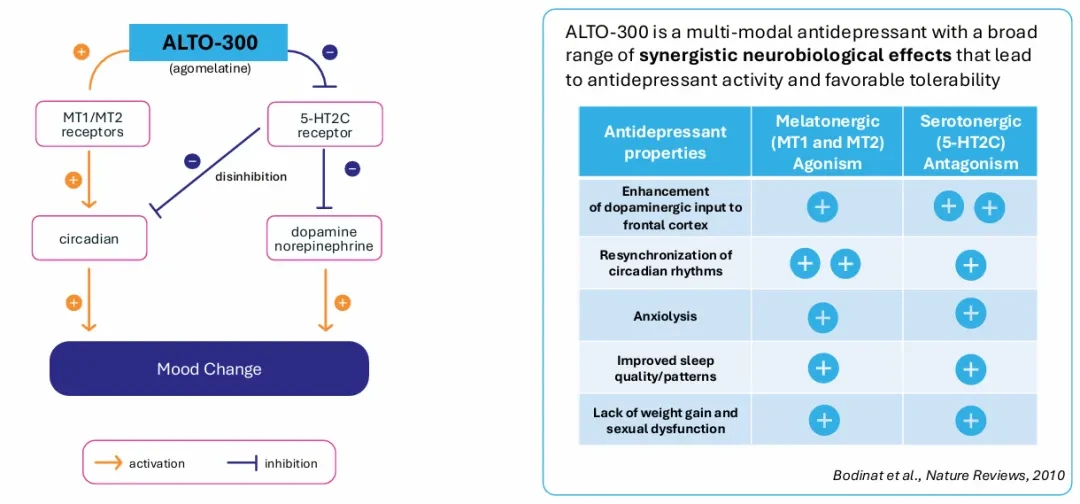
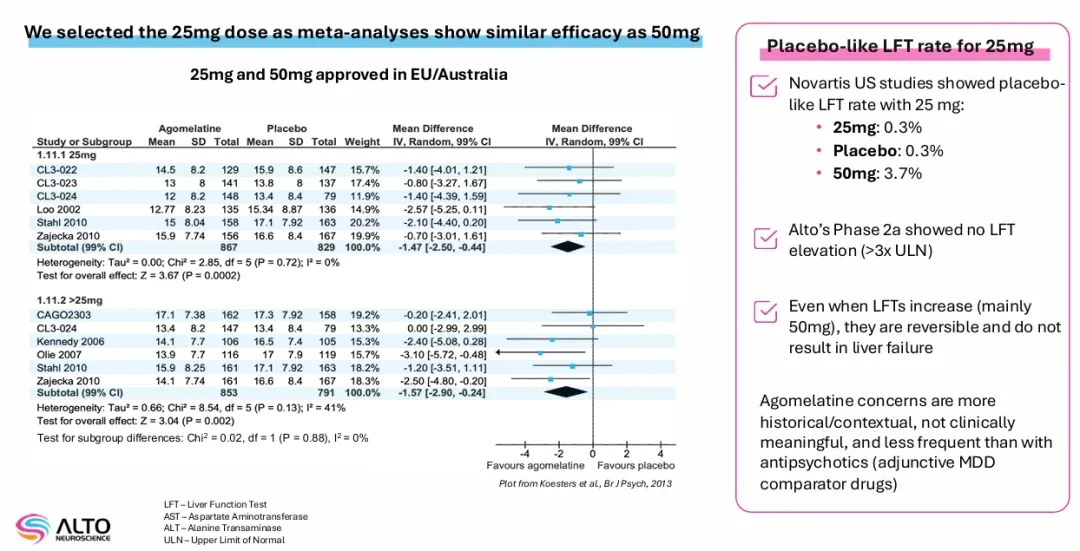
Compared with the 50mg dose, the 25mg dose of agomelatine showed equivalent antidepressant efficacy without the reversible mild elevation of liver enzymes associated with the 50mg dose.ALTO-300OfClinical Trial2aThe research results have achieved positive outcomes.MDDPatients showed clinically meaningful improvements along with good safety and tolerability.No patients experienced elevated liver enzymes.3Multiple Upper Limit,AndEEGPatients Positive for BiomarkersMADRSThe score reduction was significantly better than that of the negative patients.
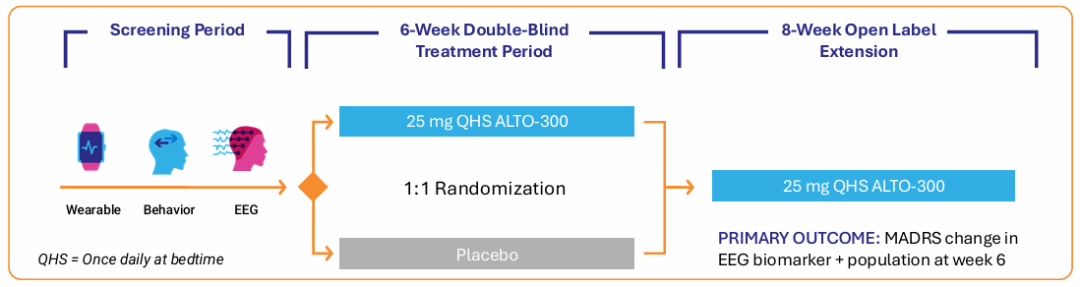
Currently in progressConduct the Phase 2b clinical trial of ALTO-300, a double-blind, placebo-controlled study,Patients were randomized to receive ALTO-300 or placebo in addition to their current antidepressant treatment. The primary endpoint was the change in MADRS score at week 6 in patients positive for the EEG biomarker.
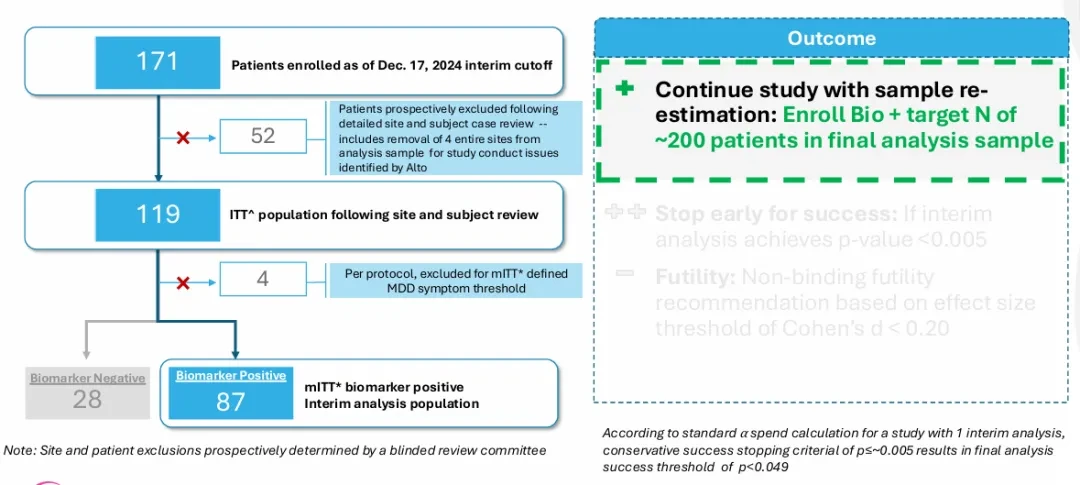
The interim analysis results of the study were published in February 2025. The trial continued, and approximately 50 additional biomarker-positive patients were added to the sample. Enrollment is currently proceeding smoothly.Expected2026Top-line data announced in mid-year.
ALTO-101is a brain-penetrant phosphodiesterase4(PDE4) inhibitor,PDE4Enzymes break down cyclic adenosine monophosphate (cAMP) Plays a key role in the brain,cAMPAs a core molecule in neural signal transmission and synaptic plasticity, it is crucial for learning and memory functions. By inhibitingPDE4,ALTO-101Can be improvedcAMPLevel, thereby enhancing neural circuit function and improving cognitive abilities.
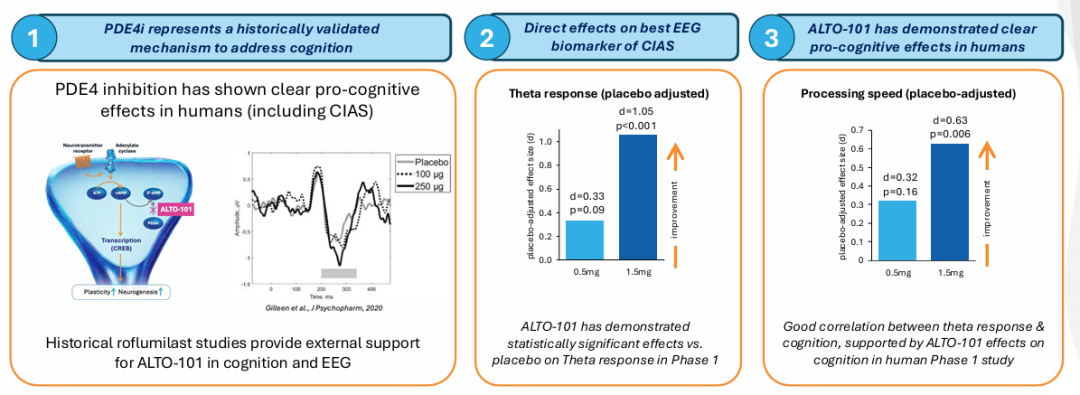
The attention, memory, and executive function impairments commonly found in schizophrenia patients represent a critical area of cognitive deficit that urgently needs to be addressed in this condition.
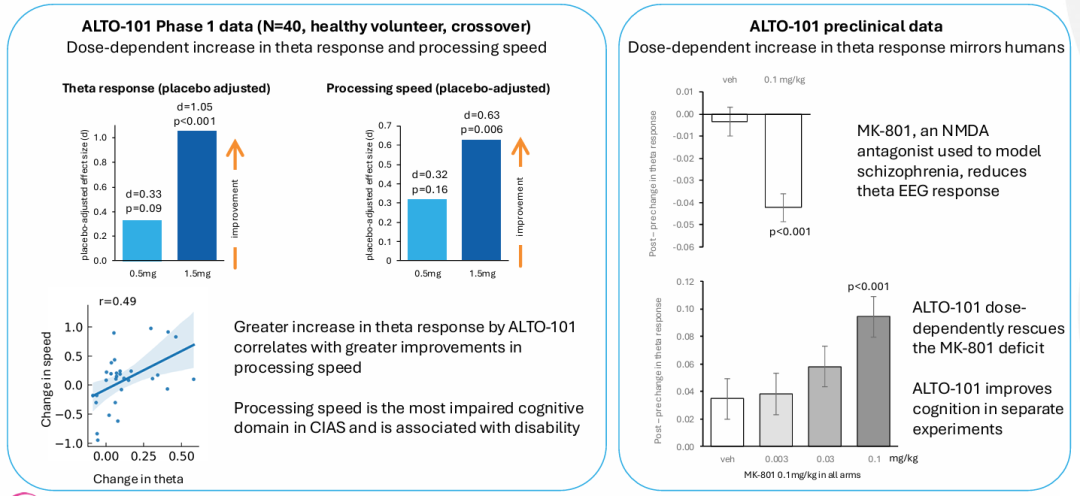
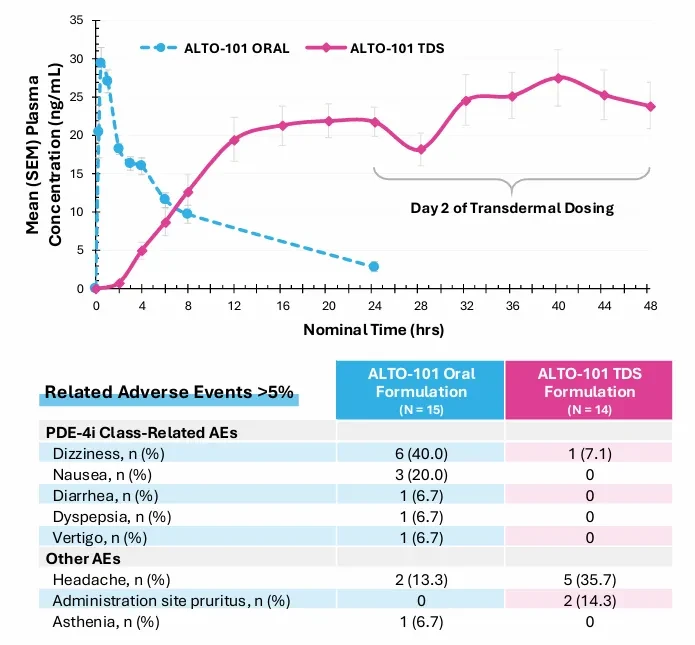
Clinical Trial1The term research shows,ALTO-101 can dose-dependently enhance θ wave response and processing speed; moreover, the transdermal patch avoids adverse reactions related to peak blood concentration associated with oral formulations. Studies in healthy volunteers showed that the AUC of the transdermal patch increased by 62%~170% compared to oral formulations, and the incidence of dizziness decreased from 40% to 7.1%, with no reports of nausea-related adverse reactions.
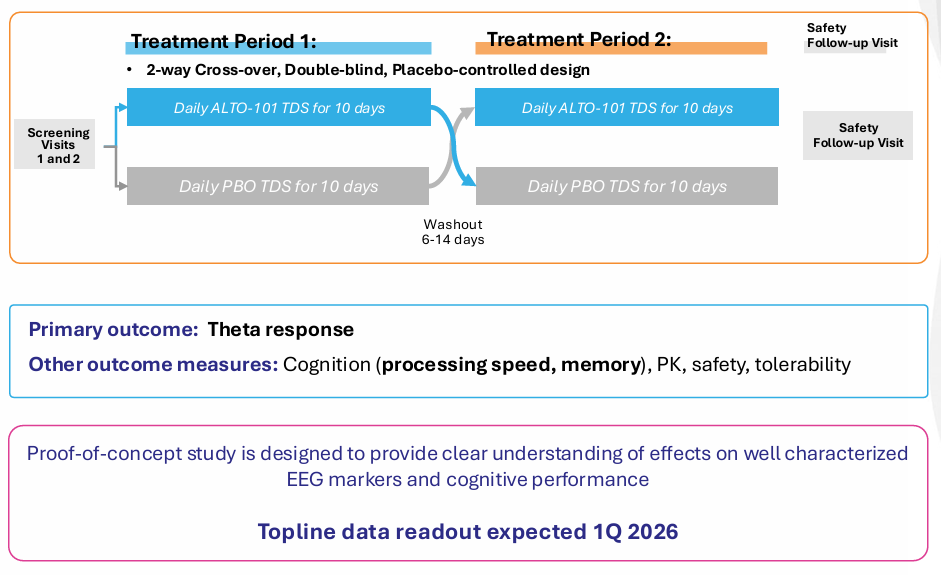
Currently in progressClinical Trial2Concept validation period, the studyEnrollment60~70Example21~55-Year-Old Schizophrenia Patient, Primary Endpoint isθWave response changes, with the secondary endpoint being the cognitive function score. Enrollment for the trial has been completed, and it is expected that2026Top-line data announced in the first quarter of the year.
ALTO-100It is a candidate drug that works by enhancing hippocampal neuroplasticity, itsCan directly bind to and activate brain-derived neurotrophic factor (BDNF) signaling pathway, activationTrkB→PI3K/Akt→CREBCascade, Promote Synaptogenesis and Neuron Regeneration.Initially developed for MDD, the current core focus has shifted to depressive episodes in bipolar disorder (BPD), particularly targeting patients with poor memory function.
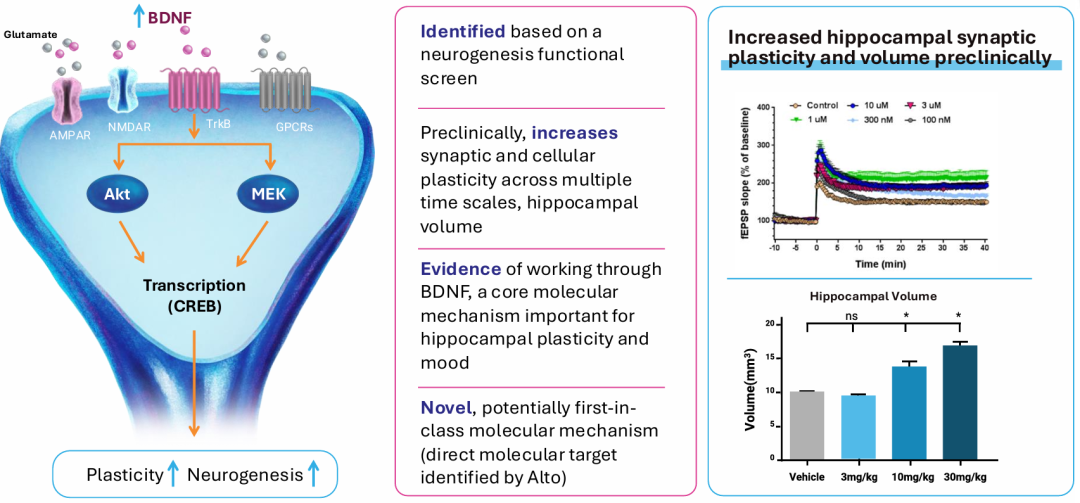
In the Phase 2b clinical trial for MDD, the overall efficacy in biomarker-positive patients did not meet expectations, but the adjunctive treatment subgroup (patients adding ALTO-100 to their existing antidepressant regimen) showed a clinically meaningful signal.
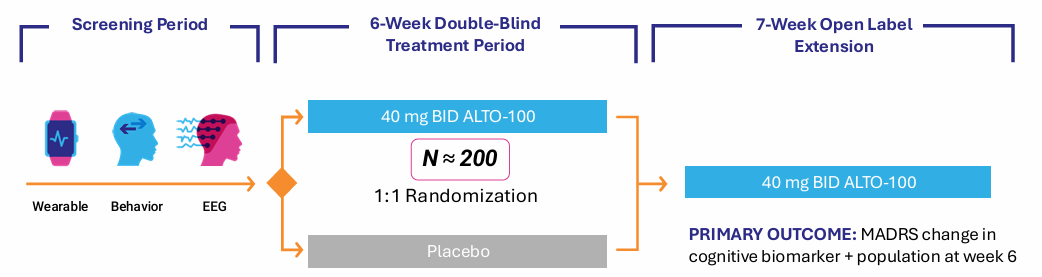
Based on the above results, the company adjusted its strategy,StartTargetingBPDClinical Trials2bPeriodResearch, patients were added on the basis of existing mood stabilizersALTO-100, with the primary endpoint being patients positive for cognitive biomarkersMADRSScore Change,Expected2026Topline data to be announced in the second half of the year.
ALTO-203It is a new type of orally administered small molecule, histamine.H3Receptor inverse agonist, primarily acting on brain histamineH3Receptors act by modulating neural circuits related to cognition, arousal, and attention.Preclinical and healthy volunteer studies have shown that the drug can reduce the EEG theta/beta ratio and improve sustained attention, suggesting it has pro-arousal and pro-cognitive effects.
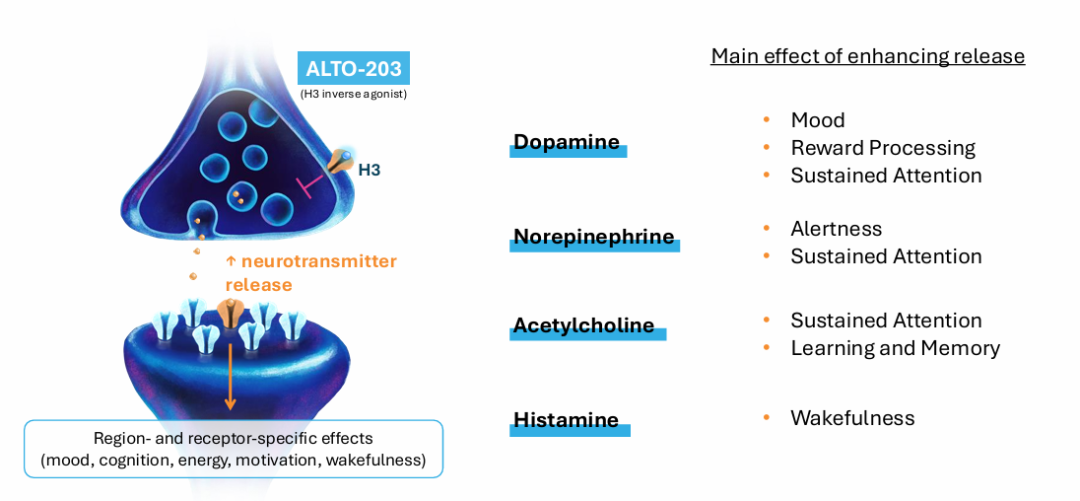
June 2025,ALTO-203 for Anhedonic Major Depressive Disorder (MDD) PatientsPhase 2 Clinical Trial Proof-of-Concept Study Further Finds:(1)High Baseline EEGθ/βThe ratio can serve as a robust biomarker for predicting attention benefits, which has been obtained.FDA Approved forADHD Auxiliary diagnosis; (2) Single dose25 µgCan significantly reduceθ/βThe ratio and improvement of sustained attention have been verified by wearable devices for their awakening-promoting effects.;(3`) Despite`Bond-LaderEmotions on the Visual Analog Scale/The alertness score improved from baseline but did not reach statistical significance compared to placebo, and the trial failed to meet its primary endpoint.The next step in development may shift towards populations with core symptoms of attention deficit or excessive sleepiness, such as ADHD and narcolepsy. Alto Neuroscience will release complete data at subsequent academic conferences and determine the subsequent indications and trial design.The last two candidate products in the early stages of development areALTO-202AndALTO-208。ALTO-202It is a selective antagonist of the GluN2B subunit of NMDA receptors, exerting rapid antidepressant effects by modulating the glutamatergic system, without significant dissociative side effects.ALTO-208It is a compound preparation of pramipexole and the NK-1 receptor antagonist aprepitant, targeting Parkinson's disease, and was acquired from Chase Therapeutics in May 2025.
In 2024, Alto Neuroscience completed its IPO, raising a net amount of $133 million; in January 2025, the company amended its loan agreement with K2 HealthVentures, increasing the loan facility from $35 million to $75 million, of which $20 million has been drawn; in addition to the $11.7 million grant from Wellcome Trust for the BPD trial of ALTO-100, the company also acquired external resources through asset acquisitions, such as the acquisition of ALTO-207 and ALTO-208 from Chase Therapeutics in May 2025, paying an initial cash consideration of $1.8 million and a reimbursement of expenses of $1.2 million.
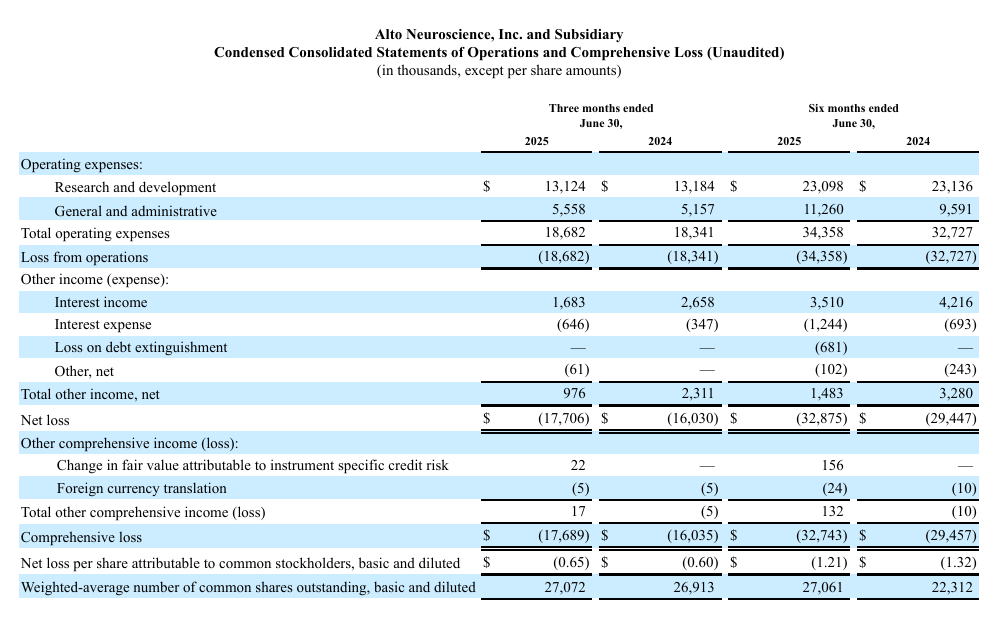
Alto NeuroscienceAccumulated Losses Since Inception1.713"Billion US dollars,"2025Net Loss in the First Half of the Year3290Million USD, R&D Expenditure2310Million USD, General and Administrative Expenses1130"Million US dollars."
Deadline2025Year6Month30As of the end of the day, the company's cash and cash equivalents were approximately1.476billion dollars, expected to support the company's operations until2028Year,Add2025Year10Announced in the month of5000"Million USD"PipelineFinancing,Company'sThe capital reserve will be further strengthened.。

SendALTO(Please copy correctly) to the area belowPharmaCircle WeChat Official Account BackendThe full PDF version of the corporate slides is available. For learning, communication, and sharing purposes only!
Reference:
PharmaCircle Data;
NMPA/CDE;
Moxie Pharma Database, https://pharma.bcpmdata.com/;
FDA/EMA/PMDA;;
Relevant companies' public disclosures (unless otherwise noted, images in the main text are from the companies' official websites);
https://altoneuroscience.com/;
https://altoneuroscience.com/pipeline/;
https://investors.altoneuroscience.com/news/default.aspx;
https://mp.weixin.qq.com/s/6GN50FFQn08p-cy4OXc5ZA;
https://mp.weixin.qq.com/s/XbMViXPok426czkOa2Tzeg; etc.