What Yinchuan Internet Hospitals Got Right: A Blueprint for Digital Healthcare Innovation
Recently, two major developments are unfolding in the field of healthcare innovation. Alibaba, in partnership with Ele.me, has launched the “Future Pharmacy,” featuring unmanned medication vending machines and 24-hour pharmaceutical delivery services. Meanwhile, Meituan has fully initiated systematic offline collaborations with lifestyle beauty stores, aiming to upgrade 100,000 beauty industry establishments.
The Tencent ecosystem, anchored by Tencent, JD.com, and Meituan, and the Alibaba ecosystem, centered on Alibaba and Ele.me, have both independently chosen to transplant their robust digital capabilities into traditional industries. Compared with the IT sector, the healthcare industry offers immense potential for digital transformation. Policies facilitating the outflow of prescriptions have placed pharmacy reform on the verge of rapid expansion, while the broader liberalization of internet hospital regulations is further integrating various segments of the value chain, including the Internet of Things (IoT), informatization, payment systems, and distribution channels.
From a macroeconomic perspective, China is entering a critical phase of the middle-income trap. The key to escaping this trap lies in fully transitioning to an economy driven by technological innovation and domestic consumption, while foreign trade processing, low-value-added production, and exports are gradually becoming things of the past. In other words, even without the U.S.-China trade war, China’s shift toward technological innovation was inevitable; the trade war has merely accelerated this process.
In the race driven by technological innovation and consumption upgrades, Alibaba and Tencent, China’s two leading internet giants, are engaged in an intense arms race. Alibaba has taken the lead with technological breakthroughs through Alibaba Cloud and the DAMO Academy, while also seizing the initiative in the new retail sector—a key frontier of consumption upgrading. Not to be outdone, Tencent underwent a major organizational restructuring following the “3Q War,” elevating its business-to-business (B-end) operations to unprecedented heights.
VCBeat is a staunch advocate of technological innovation. In 2018, amidst the capital winter and the unpredictable landscape of the China-US trade war, we became even more convinced that the pressures and challenges currently facing China also present an opportunity for the country to launch its second curve of development and growth. Those who can identify opportunities for transformation amid crises and strive to drive them forward will emerge as the winners of the new era; conversely, those who continue to swim against the tide in the new wave of times may miss out on emerging opportunities.
Following this logic, VCBeat Future Medical Academy and Alibaba Cloud have joined forces to launch the “New Healthcare Transformation—Innovators’ Evolution Camp.” The program focuses on the challenges and opportunities of digital healthcare in the new era. Starting from Alibaba’s technological innovations and corporate DNA, it explores how a world-class enterprise progresses from innovation to transformation, ultimately addressing the most complex frontier of healthcare innovation: hospital innovation.
In the first session, together with our participants, we visited Jiande First People’s Hospital, where we witnessed its remarkable internal transformation and gained deeper insight into the innovation drive and passion of healthcare professionals within the system. In the second session, we went to Yinchuan First People’s Hospital, another highland for internet hospital innovation in China and a key practitioner in implementing the latest policies related to internet hospitals.
The VCBeat team has engaged in in-depth discussions with the deans and executives of two hospitals. Taking Yinchuan as an example, Ma Xiaofei, Dean of Yinchuan First People’s Hospital and Director of the Yinchuan Municipal Health and Family Planning Commission, led his team through the nascent and initial stages of internet hospital innovation in 2016, the harsh winter of 2017, and the springtime resurgence of 2018.
Over the course of the two-day event, Ma Xiaofei dedicated half a day to delivering a detailed presentation on Yinchuan’s journey in developing its internet healthcare infrastructure. Friends interested in learning how to implement internet hospitals are welcome to enroll in VCBeat’s courses. During the two days of discussions, five participants have already initiated conversations with Yinchuan regarding future collaboration plans.
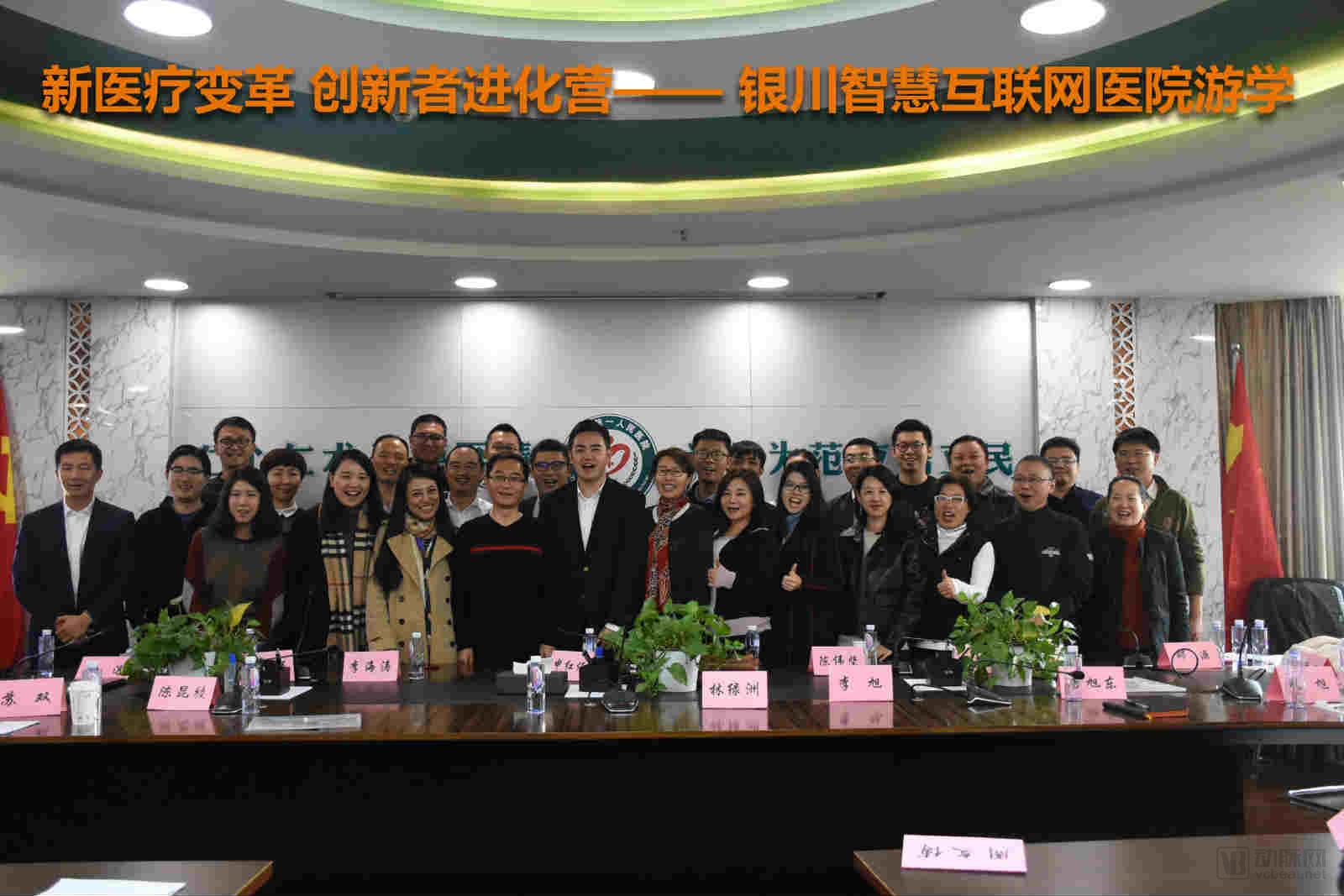
On October 20–21, VCBeat Future Healthcare Academy organized students from the first, second, and third cohorts of the “New Healthcare Transformation—Innovators’ Evolution Camp” to visit Yinchuan for an in-depth examination of Yinchuan’s “Internet + Healthcare” model and to actively explore collaborative opportunities.
In late April 2018, Yinchuan’s “Internet + Healthcare” model received official recognition. In June 2018, national leaders visited Yinchuan Municipal Hospital to conduct field research on the Yinchuan Model, attaching great importance to it. They pointed out that the Yinchuan Model could address the current shortage of high-quality medical resources in western China, and proposed that Ningxia should establish a pilot program for “Internet + Health” to accumulate experience for gradual nationwide rollout.
Why Has Yinchuan’s “Internet + Healthcare” Model Garnered Widespread External Acclaim? To answer this question, we visited the primary supporting hospital of Yinchuan’s “Internet + Healthcare” system: Yinchuan First People’s Hospital. Together with Ma Xiaofei, Director of the Yinchuan Municipal Health and Family Planning Commission and President of Yinchuan First People’s Hospital; Yuan Fang, Director of the Information Department at Yinchuan First People’s Hospital; and Ge Chunlong, President of Haodafu Yinchuan Internet Hospital, we explored policy trends in internet hospitals, the development trajectory of Yinchuan’s Smart Internet Hospital, and operational best practices from benchmark enterprises in Yinchuan’s internet hospital sector.
Participants: Selected students from the first, second, and third cohorts of the Future Healthcare Academy
Event Dates: October 20, 2018 – October 21, 2018
This visit comprised three components: Haodafu’s Internet Hospital practices, a site visit to Yinchuan First People’s Hospital, and a symposium on the development of Yinchuan Smart Internet Hospital.
As the site visit commenced, Ge Chunlong, Dean of Haodafu Yinchuan Internet Hospital, provided trainees with a detailed overview of the collaborative history and current development status between Haodafu Online and Yinchuan First People’s Hospital, while generously sharing operational expertise.
Haodafu’s partnership with Yinchuan is a classic example of mutual success. Hospitals within the public healthcare system and internet enterprises outside it came together for a shared goal. Throughout this journey, both parties underwent multiple trials, navigated policy considerations, and refined their products. Ge Chunlong specifically highlighted that in 2017, when a “draft for comments” on internet-based healthcare circulated online, both Haodafu and Yinchuan faced significant pressure. Nevertheless, they firmly believed that this initiative was beneficial, as it would help address the imbalance in medical resource distribution and reduce healthcare costs. On one hand, they strictly complied with national regulations; on the other, they persisted in innovation to deliver superior products. Ultimately, through practical implementation, they demonstrated a viable model to national policymakers, offering new hope for the future of healthcare.
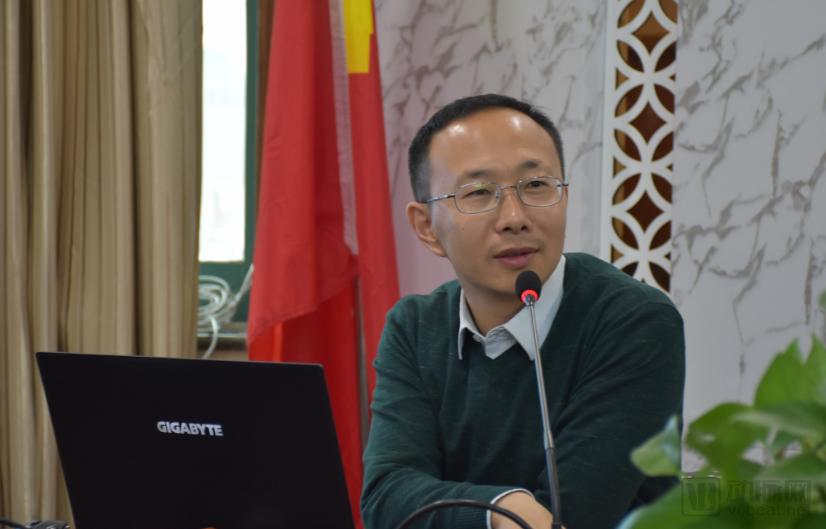
Ge Chunlong, Dean of Haodaifu Internet Hospital
Yuan Fang, Director of the Information Department at Yinchuan First People's Hospital, led the trainees on a tour of the Yinchuan Remote Imaging Diagnosis Center, the Remote Specialist Outpatient Clinic, the Yinchuan Prescription Review and Circulation Center, the Yinchuan Internet Plus Medical Health Application Research Center, and the Weiyi Yinchuan Internet Hospital.
Heads of each center introduced the technical architecture, operational models, performance design, and other aspects to the trainees, and provided detailed answers to their questions.
The Ningxia Electrophysiology Remote Diagnosis Center has connected 188 medical institutions at various levels, completing over 180,000 electrocardiogram (ECG) reports to date. The Yinchuan Remote Imaging Diagnosis Center currently links 51 medical facilities and has issued more than 30,000 diagnostic reports. The Remote Ultrasound Diagnosis Center and the Remote Pathology Diagnosis Center have also become operational. The establishment of these various remote diagnosis centers has addressed the common challenge faced by primary healthcare providers—“being able to afford equipment but unable to recruit radiologists”—enabling patients to “receive tertiary hospital-level diagnostic services at primary care prices.”
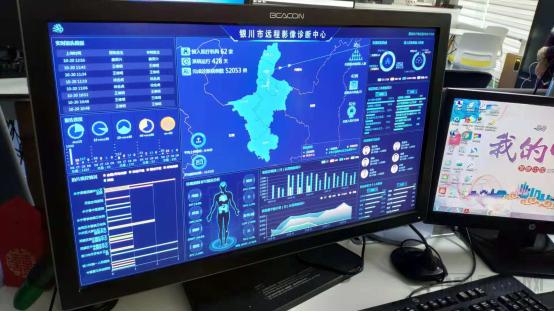
Screen Display on a Physician's Computer at the Remote Imaging Diagnosis Center
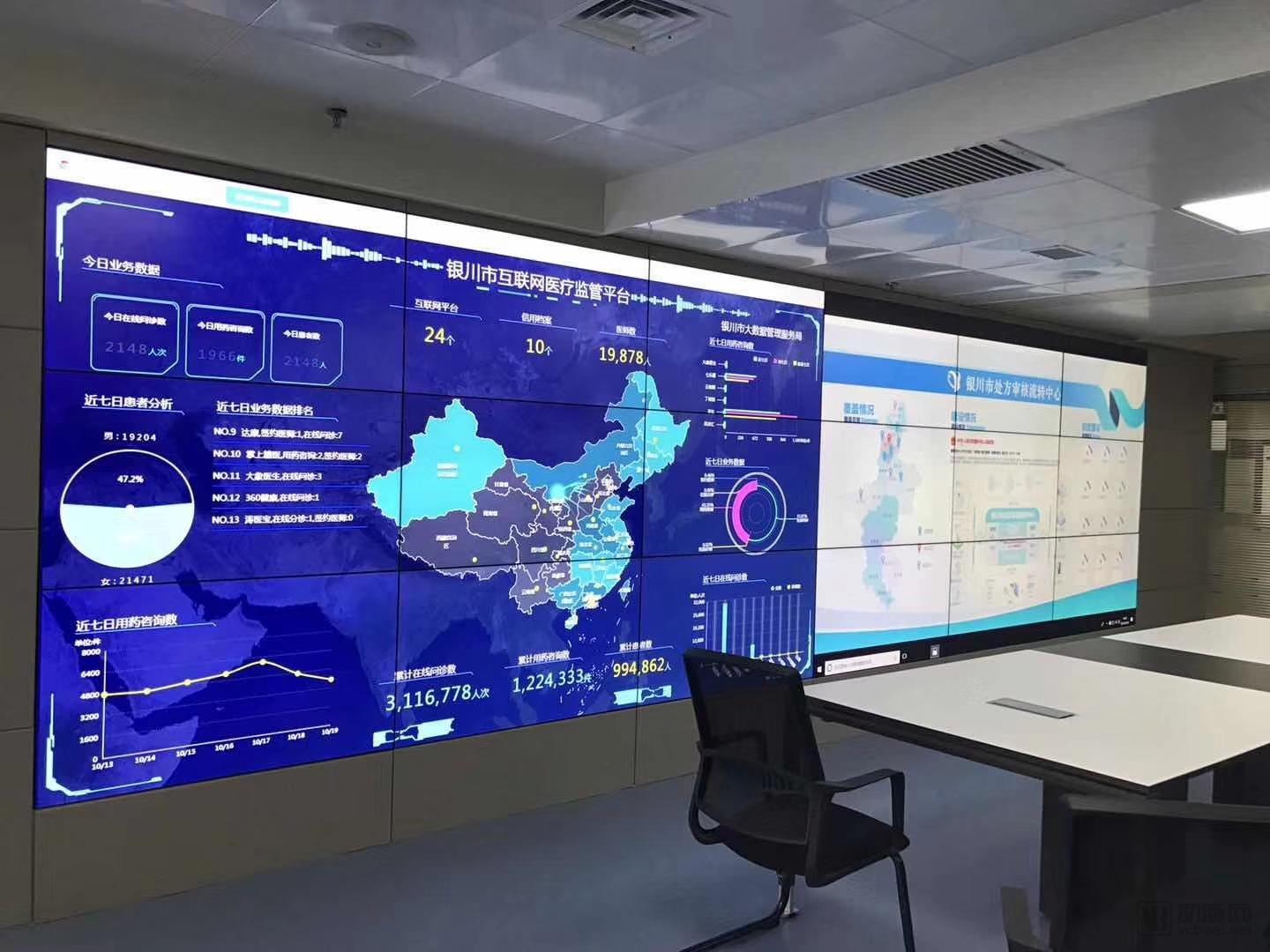
Yinchuan Internet Healthcare Supervision Platform Screen
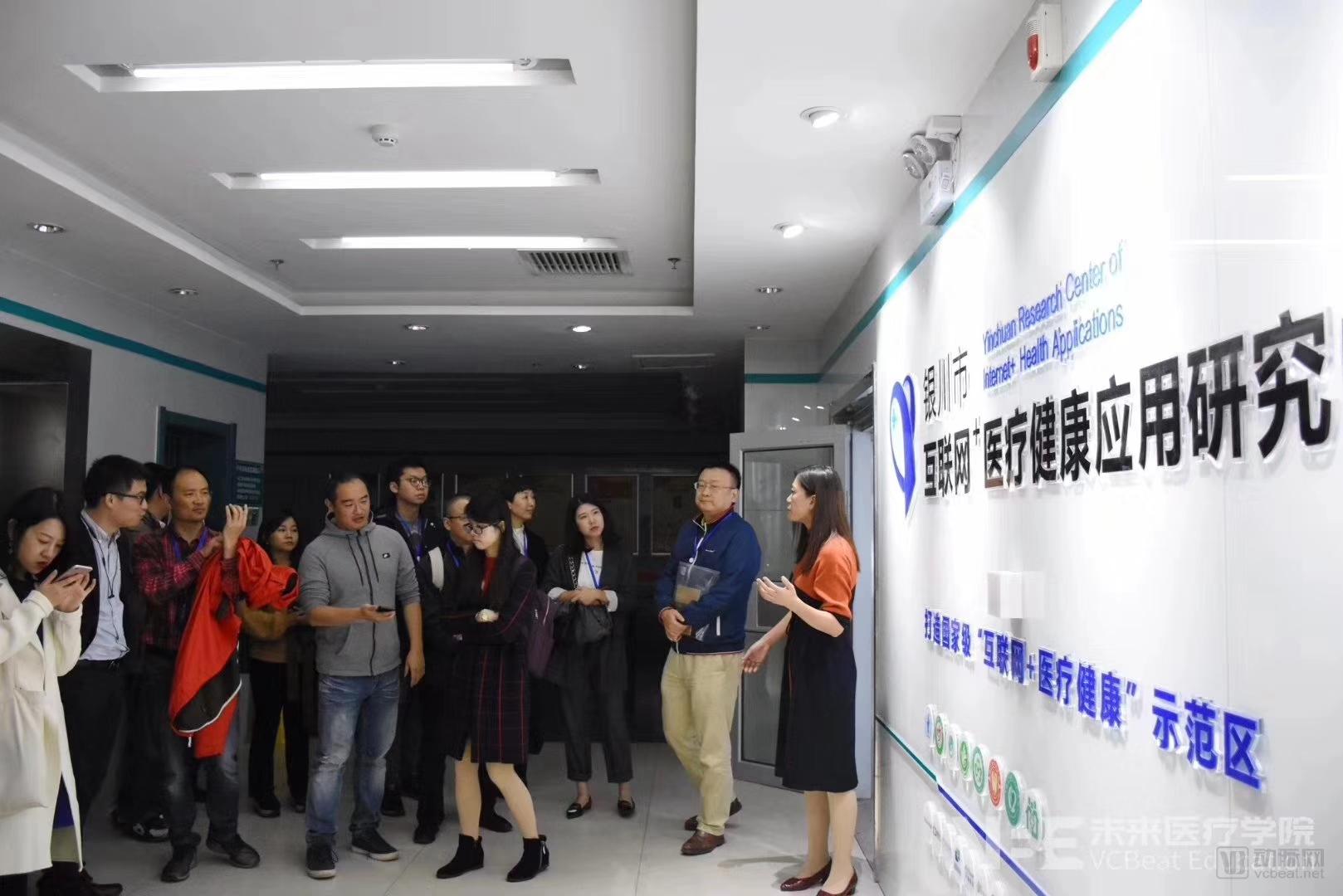
Yinchuan First People's Hospital: Director Yuan Fang of the Information Department Introduces Research on Internet Healthcare Applications in Yinchuan
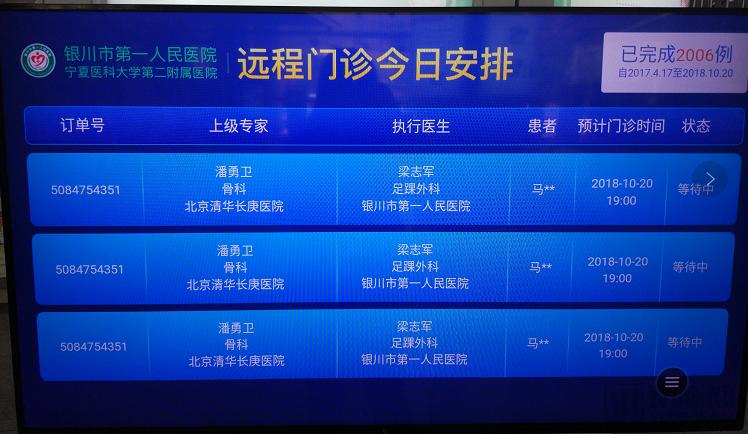
Telemedicine Outpatient Daily Schedule Display Screen
Ma Xiaofei, Director of the Yinchuan Municipal Health and Family Planning Commission and President of Yinchuan First People’s Hospital, provided trainees with a detailed overview of the background, development trajectory, and operational experience of internet-based healthcare services at Yinchuan First People’s Hospital.
He noted that Yinchuan, located in western China with a less developed economy, suffers from insufficient local medical resources. Consequently, the proportion of patients with complex and refractory diseases seeking medical care across provincial borders remains high. Many critically ill patients are forced to travel long distances for treatment, imposing a heavy burden on both the patients and their families due to the arduous journey involved in seeking care and the additional costs associated with receiving medical services outside their home region.
Only by leveraging emerging technologies such as the Internet to connect with top-tier experts in Beijing, Shanghai, and other major cities, while extending coverage to county-level hospitals and township health centers to deliver diagnostic and treatment capabilities, can a multi-tiered hierarchical diagnosis and treatment model be established. This approach fosters multi-party win-win outcomes and ultimately benefits the general public.
During the initial design phase of the Yinchuan Internet Hospital, Ma Xiaofei emphasized the need to first identify the key pain points and challenges faced by local residents in accessing healthcare services. He also addressed how to define the overall strategy for developing “Internet + Healthcare” and how to implement specific operational measures. Ma Xiaofei engaged in candid discussions with the participants on these issues.
First, adopt a demand-oriented approach to promote the decentralization of high-quality medical resources by developing telemedicine.
Yinchuan’s telemedicine services are closely centered on patient needs. By partnering with third-party internet platforms, Yinchuan has established China’s first National Expert Remote Consultation Center, bringing 16,000 renowned experts from across the country to Yinchuan via the internet, enabling local residents to access services from these nationally recognized specialists without leaving their city.
In Yinchuan, remote consultations are not confined to specialized telemedicine centers; they can be conducted in every examination room at primary healthcare institutions. During a consultation, the attending physician and the patient communicate with specialists via video link. The attending physician facilitates communication by translating the patient’s concerns into medical terminology for the specialist, while also assisting the specialist in performing the physical examination. This model ensures that initial diagnoses take place in brick-and-mortar hospitals, allowing patients to benefit from remote expert services with the support and companionship of their local physicians, thereby guaranteeing the continuity of care within their community.
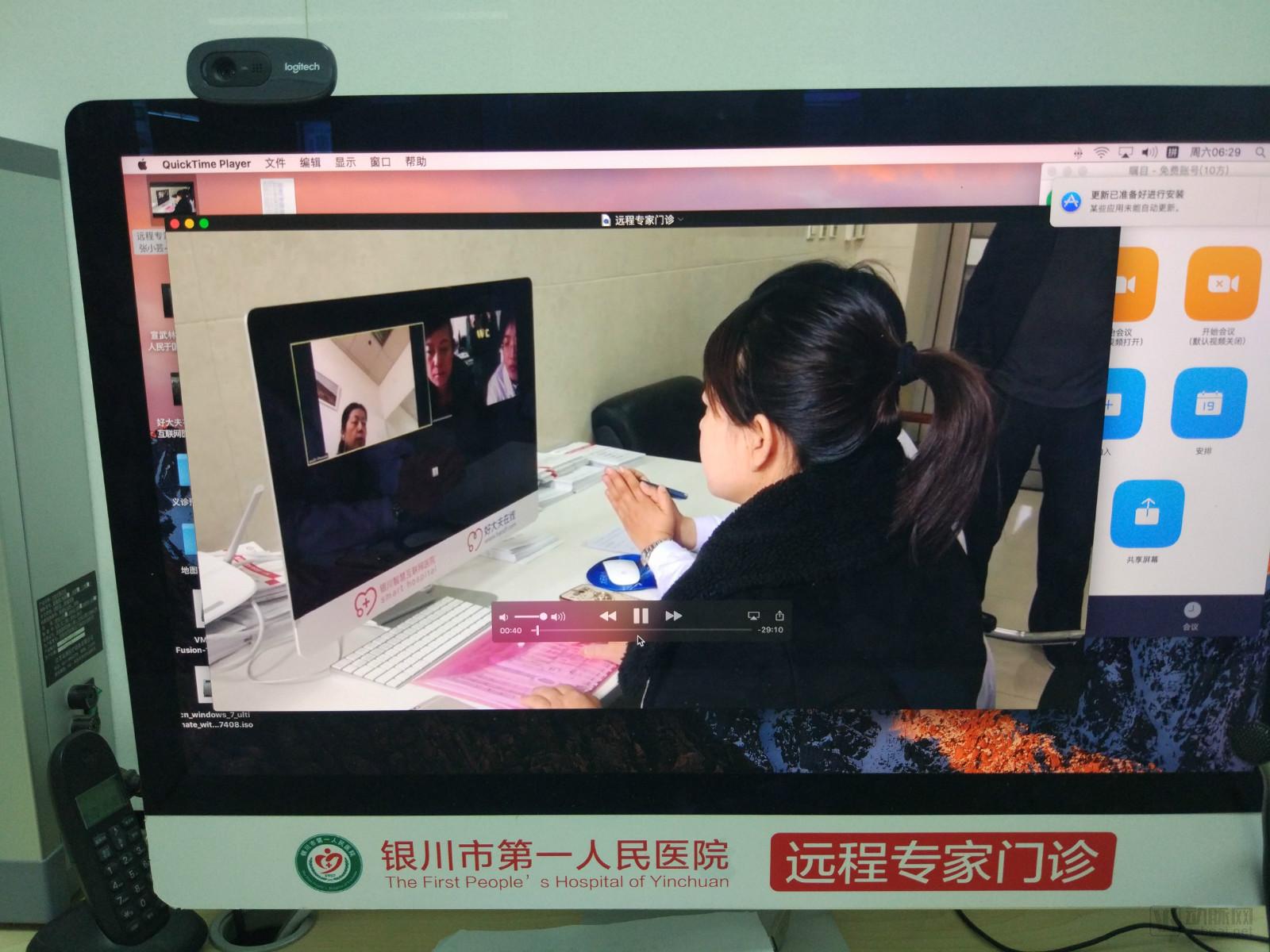
Remote Specialist Outpatient Consultation Video
Yinchuan has also integrated its high-quality local medical resources into internet-based outpatient services, enabling patients at primary healthcare institutions to connect in real time with local specialists via the internet alongside their attending physicians. Patients requiring examination and treatment at higher-level medical institutions can also immediately book hospital beds through online platforms.
Second, integrate local high-quality medical resources to build an integrated regional healthcare service system.
Yinchuan’s Internet Outpatient Clinic integrates expert resources from six municipal hospitals. Physicians with associate senior professional titles or higher across the city are scheduled for online consultations, providing paid telemedicine services to patients at all levels of hospitals in Yinchuan during their duty hours.
Ma Xiaofei stated, “In the future, we will not only provide services to patients in public hospitals but also offer internet outpatient services to patients in private hospitals and even clinics.” Under the internet mindset, the scope of medical services in Ma Xiaofei’s view already encompasses all locations where patients may present.
Meanwhile, Yinchuan plans to integrate and maximize the utilization of limited medical resources through an integrated model, covering areas such as appointment registration, use of large-scale diagnostic equipment, bed availability, and pharmaceutical distribution.
>>>>Third, low-cost, replicable, and scalable
In Ma Xiaofei’s view, a viable internet hospital model must be low-cost, replicable, and scalable. He expressed his willingness to adopt an open mindset, break down the walls of traditional hospitals, leverage internet hospitals to introduce China’s finest medical resources, and integrate the most advanced treatment experience and technologies across the country, with the aim of establishing Yinchuan First People’s Hospital as a nationwide leading remote consultation center. Meanwhile, he welcomes all parties to join forces in exploring new directions for “Internet + Healthcare” applications in Yinchuan.
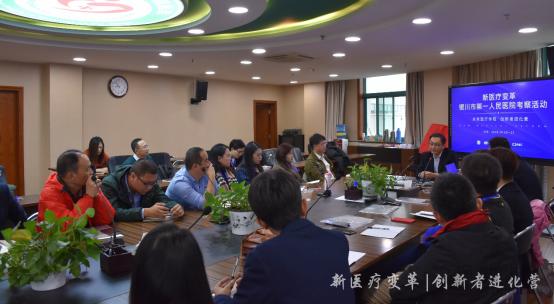
At the conclusion of the seminar, participants remarked, “We never imagined that Yinchuan, a city in the underdeveloped western region, could boast such advanced concepts in healthcare infrastructure development. Its leaders have demonstrated the courage to break new ground, with execution that is both highly efficient and rigorously disciplined. We are convinced that this is what China’s healthcare landscape will look like in ten years!”
During the Yinchuan field trip organized by the “New Healthcare Revolution—Innovators’ Evolution Camp,” from practitioners at Haodafu to those at Yinchuan First People’s Hospital, and all participants firmly convinced of the value of their careers, they embody the spirit captured in the ode Steve Jobs personally crafted for Apple in 1997:
Here’s to the crazy ones,
They are mavericks, rebellious and untamed.
They stir up trouble and are misfits,
They view things with a unique perspective,
They dislike adhering to convention and are unwilling to rest content with the status quo.
……
Future Healthcare Academy & Alibaba Cloud are sparing no effort to create “New Healthcare Revolution – Innovators’ Evolution Camp,” with the aim of identifying and empowering individuals who “Think Different”—those who devote their entire passion and dedication to the healthcare cause. The Evolution Camp is committed to helping them master advanced technologies and academic achievements both domestically and internationally, stay at the forefront of healthcare innovation, address practical challenges in enterprise development and operations, and build a platform for resource negotiation and collaboration.
Now, the third cohort of the "New Healthcare Revolution – Innovators' Evolution Camp," jointly launched by the Future Medical Academy and Alibaba Cloud, is now open for enrollment. We welcome more innovators and entrepreneurs navigating the era of new healthcare transformation to join us, co-evolve, and shape a better future for healthcare.
What You Will Gain Here
1. Here you will find top-tier industry leaders as mentors, along with global entrepreneurs who bring innovative perspectives and mindsets.Visit the headquarters of Alibaba, a global internet giant, to learn about the business logic behind its multiple strategic transformations, the practice of the “Second Curve Theory,” the alignment of organizational capabilities with strategy execution, talent and culture management, and the implementation of data middle-end platforms.
2. Here, there are over 1,000 innovators, as well as entrepreneurs who have secured more than RMB 100 million in financing.We will regularly organize and plan offline project exchange meetings, alumni gatherings, and forums to establish channels for multi-party resource matchmaking.
3. Various resource matchmaking events are held here to facilitate multi-party ecosystem resource integration.. Currently, some participants have reached cooperation intentions with Alibaba Cloud through the matchmaking services of the Evolution Camp; “Deepwise,” a company founded by alumni from the first and second cohorts, recently secured $15 million in Series B financing from Sequoia Capital; furthermore, five participants have established preliminary cooperation intentions with Yinchuan following the study tour to the city.
4. Here, there are also various benchmark enterprises and hospital-specific study tours.. To date, we have visited the Taiji Zen Academy, Alibaba Pavilion No. 9, Alibaba Group Headquarters, Jiande First People’s Hospital, and Yinchuan Smart Internet Hospital...
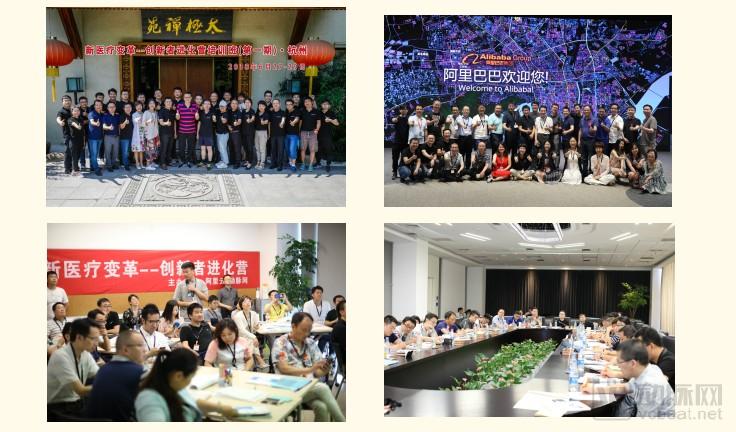
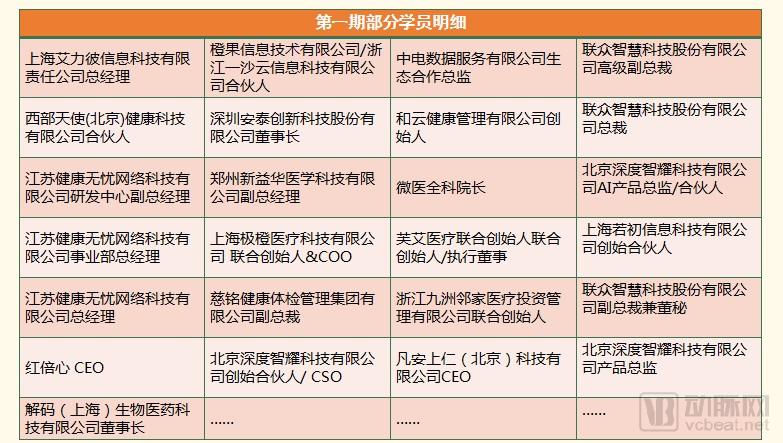
Who will be your classmates?
Here, you will find founders and executives of companies that have secured angel, Series A, Series A+, and Series B funding; presidents of companies undergoing initial public offerings (IPOs); as well as chairmen and senior executives of companies listed on the National Equities Exchange and Quotations (NEEQ) market.
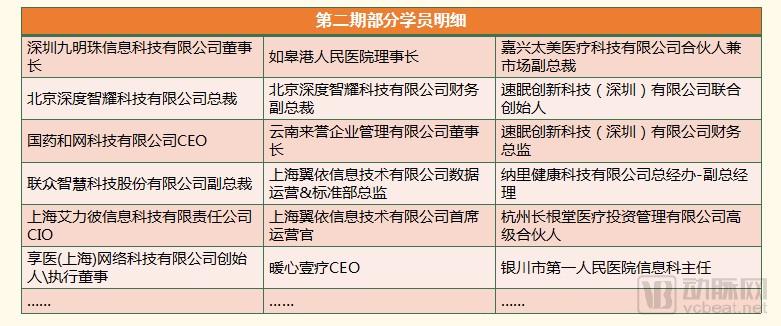
The story of Yinchuan and Haodaifu is a model of innovative collaboration in digital healthcare, as well as an example of how new technologies can revitalize traditional industries. More such success stories await our collective creation—join us in writing them.
For more course information, please scan the QR code below, or contact us via phone/WeChat at 15208495425.