

QureBio Secures Tens of Millions of Yuan in Series A Financing to Advance Innovative Biologics Pipeline
VCBeat (WeChat ID: vcbeat) has learned exclusively that Qiyu Biologics announced today the completion of its tens-of-millions-of-yuan Series A financing round, jointly invested by Jundu Investment and Watson Capital. The proceeds from this round will be primarily used for the preclinical development of key projects. Life Capital served as the exclusive financial advisor to facilitate this financing round.
QureBio Therapeutics (Shanghai) Co., Ltd. (“QureBio”, hereinafter referred to as “QureBio”) is registered in the Shanghai Free Trade Zone. It is an R&D-focused company dedicated to the development of innovative large-molecule biologics, with the aim of developing novel therapeutics for refractory cancers, autoimmune diseases, and other conditions in China and worldwide to benefit patients.
Qiyu Biologics’ innovative platforms include the phage display technology platform, the hybridoma antibody humanization platform, the single-domain antibody platform, and antibody engineering. Among these, the hybridoma antibody humanization platform can overcome immune tolerance and has successfully completed several projects involving multi-pass transmembrane antigens; the phage display platform is a synthetic human library platform used for screening common light chain libraries for bispecific antibodies.
Qiyu Biologics will leverage its proprietary platform to develop novel biologic drugs with independent intellectual property rights. Currently, the company has several antibody drug candidates in development, with two self-developed projects having entered the process development stage. The preclinical studies for the first batch of projects are scheduled to be completed within the next two years, paving the way for entry into clinical trials.
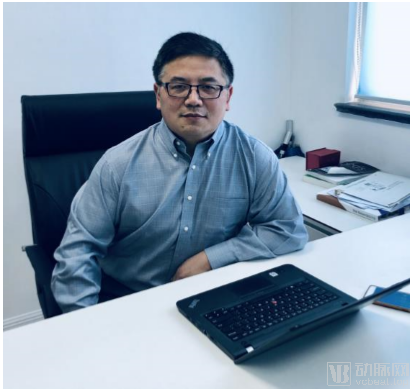
Qu Xiangdong, Founder of Qiyu Bio
Qu Xiangdong, the founder of Qiyu Bio, brings 20 years of experience in new drug research and development both domestically and internationally. From March 1999 to early 2012, he worked in the United States for Cell Therapeutics Inc., Eli Lilly, and Amgen. In February 2012, he joined R&D subsidiaries of Hengrui Medicine and Yangtze River Pharmaceutical Group, serving as Vice President of Biologics at Yangtze River Pharmaceutical Group and CEO of Shanghai Hailu Biotechnology Co., Ltd. During this period, he built two teams, led more than 60 subordinates, established a biologics R&D platform, and achieved widely recognized accomplishments in the biopharmaceutical industry. The PD-1 project under his leadership was licensed to a foreign pharmaceutical company for $790 million, with an upfront payment of $25 million; it has since been approved for marketing in China. He has also completed projects involving PD-L1, PCSK9, and IL-15, demonstrating extensive expertise in the research, development, and management of novel protein therapeutics.
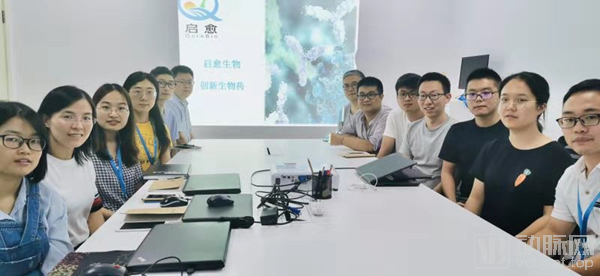
Qiyu Bio Team Members
Qu Xiangdong, founder of Qiyu Bio, stated, “Innovation is the foundation and future of Qiyu Bio, serving as the core driving force behind the company’s development. Leveraging its world-class antibody technology platform, Qiyu Bio aims to build a robust pipeline of biologics and pursue significant breakthroughs in the field of biotherapeutics. As the company continues to grow and mature, Qiyu will establish core competitiveness across an expanding range of domains.”
Cao Zheng, Partner at Watson Capital, stated, “As the latest paradigm in oncology treatment, tumor immunotherapy has already begun to reshape, and will continue to transform, the fundamental landscape of cancer care. This field has become a hotspot for new drug development in recent years and is one of the key areas of focus for Watson Capital’s investments. Qiyu Biologics is an outstanding new drug R&D company. Its founding team possesses profound technical expertise in antibody drug development, particularly in bispecific antibodies, demonstrating significant advantages in target selection and antibody structure design. The company’s pipeline balances innovation with a high probability of success, fully reflecting differentiated advantages while minimizing risk. Dr. Qu Xiangdong, the founder of Qiyu Biologics, previously worked at global top-tier pharmaceutical companies such as Amgen, Eli Lilly, and Hengrui Medicine, where he engaged in antibody drug R&D for many years. He has a deep and unique understanding of biopharmaceutical development. Led by Dr. Qu, the team members have worked together for many years with strong synergy. The entire team has extensive experience and solid technical accumulation in antibody drug design, biological function evaluation, and CMC (Chemistry, Manufacturing, and Controls) development. Notably, the team is also well-prepared for industrial-scale manufacturing, laying a solid foundation for future success.”
Wen Baoying, Senior Vice President of Life Capital, stated, “The growth and development of innovative pharmaceutical companies depend on outstanding teams and capital support. Life Capital is honored to have assisted Qiyu Biopharma in successfully completing this round of financing. The Qiyu Biopharma team possesses comprehensive experience in antibody drug research and development, with years of accumulated expertise in this field. We hope that this financing round will empower Qiyu Biopharma and its team to achieve new heights on their path toward genuine innovation.”
We also conducted an exclusive interview with Dr. Qu Xiangdong, founder of Qiyu Biologics, to hear his insights on innovative drug development.
Q1: From your perspective, how has the R&D environment for innovative drugs in China changed in recent years? What are the strategic differences between large and small innovative drug companies? How can innovative drug companies establish competitive barriers?
Qu Xiangdong:R&D investment in innovative drugs has increased significantly compared to the past. Small enterprises across China, including those in Zhangjiang, are engaged in this field, while large domestic companies are also transforming their strategies to prioritize innovative drug R&D. This is an inevitable trend under the current macro environment. Given the long development cycle of innovative drugs, companies must plan ahead and build robust R&D pipelines. Large enterprises possess capital and market advantages, giving them an edge in fast-follow projects; once developed, market promotion is less of a concern, as they can leverage existing sales networks to capture market share relatively easily. In contrast, startups must carve out their own paths and identify their unique competitive advantages.
Overall, apart from a few companies such as Hengrui Medicine, there is little difference between large and small enterprises in terms of the timing of their entry into new drug development. Despite lacking established marketing and sales networks as well as abundant capital, small enterprises can adopt certain strategies to improve their success rates. First, they should establish technical barriers in R&D. Currently, both large and small pharmaceutical companies need to strengthen their technological accumulation in R&D. For instance, while basic platforms such as hybridoma-humanization platforms may be operational, challenges remain in handling multi-transmembrane domain proteins and addressing the weak immunogenicity of desired epitopes. Such R&D barriers can take the form of proprietary technology platforms, deep understanding of biological mechanisms, years of accumulated expertise in a specific field, or in-depth exploration of particular druggable targets. In addition, rather than focusing excessively on competition, collaborative R&D represents a viable model for start-up enterprises.
Q2: What motivated you to found Qiyu? What factors did you consider when establishing the company?
Qu Xiangdong:Qiyu Biologics is dedicated to developing effective, high-quality novel drugs for patients. Currently, our pipeline consists entirely of biologics, an area in which we have established a strong foundation. First, we possess a robust hybridoma antibody humanization platform. Using this platform, we have successfully completed multiple projects and demonstrated the technical capability to overcome immune tolerance and target multi-pass transmembrane antigens. Our ongoing projects at Qiyu Biologics have further validated these capabilities, representing a significant competitive advantage. Additionally, since our inception, we have designed and constructed a superior phage display library. After more than a year of project-based validation, its efficacy has been fully demonstrated.
From a design principle perspective: this library employs a one-to-one correspondence between amino acids and codons. In contrast, NNK design introduces codon degeneracy, where a single amino acid may correspond to multiple codons. Therefore, although our library size is approximately 5×10¹⁰, it exhibits exceptional functional diversity. Furthermore, leveraging our nanobody platform, our team possesses extensive expertise in antibody engineering and large-molecule process development. We have successfully developed bispecific antibodies for cancer immunotherapy by integrating nanobody and antibody engineering technologies. Our strategy focuses on maintaining proprietary control over core technologies, with continuous improvement and innovation; meanwhile, we conduct in-depth research into the biological mechanisms of selected therapeutic areas to develop distinctive pharmaceutical products.
Q3: What is the current status of the Qiyu team?
Qu Xiangdong:Our team is primarily composed of frontline scientists specializing in antibody engineering and antibody process development. Many are my former colleagues from Hengrui Medicine and Yangtze River Pharmaceutical Group, possessing over five years, and in some cases more than ten years, of experience in antibody engineering. Dr. Du Yejie, our Head of CMC, previously served as Deputy Director and later Director of the Process Development Department at the Shanghai Hengrui Antibody Research Institute. He also served as the Head of CMC for Baize Cell Therapy, a subsidiary of Shanghai Cellular Therapeutics Group. With over seven years of experience in process development and preclinical studies, he has successfully guided multiple projects through IND submissions and into clinical trials. It is worth emphasizing that our founder and core team members are professionals who firmly believe that drug R&D is a multidisciplinary collaborative endeavor. We highly value talented individuals across other R&D disciplines and development stages. Recognizing that talent acquisition is essential for a startup, Qiyu Biopharma welcomes professionals from all backgrounds, particularly those with expertise in corporate management, such as business development and operations.
Q4: The development of innovative oncology drugs is currently very active. How does Qiyu approach differentiated strategic positioning?
Qu Xiangdong:We consider two types of differentiation: target differentiation and molecular structure differentiation, with at least one of these criteria being met. For instance, we identify certain targets that have been overlooked by the market but show significant promise through our target discovery efforts. For projects following established trends, we aim to achieve clinical advantages from specific perspectives, such as enhanced efficacy, reduced side effects, or improved convenience and patient compliance. Our Claudin 18.2 project, for example, leverages two targets and incorporates mechanisms involving both innate and adaptive immunity.
Of course, new drug development carries significant risks. We focus on biological mechanisms, but place even greater emphasis on identifying clues that clinical trials may provide, as these can be instrumental in elucidating development pathways for similar pathways, targets, and diseases. We strive to extract as much information as possible at early stages to design molecules aligned with disease mechanisms, thereby maximizing the probability of success. The most effective differentiation lies in breakthrough innovation, an area where we also aim to make significant contributions. I devote little thought to industry competition; my true adversary is disease itself. By devising strategies to overcome diseases and diligently discovering novel or superior therapeutics that were previously unavailable or inadequate, Qiyu has established a solid foundation for its existence and growth.
Q5: How does Qiyu select which targets to pursue?
Qu Xiangdong:Determining which target to pursue and which mechanisms to leverage represents the most challenging decision in project selection. I have personally focused on the mechanisms and clinical performance of certain targets for over a decade. The development of drugs with novel mechanisms, regardless of the developer, is invariably characterized by insufficient information, resulting in a high failure rate. Therefore, we conduct extensive literature reviews and database analyses to examine signaling pathways, biomarkers, and the mechanisms of genetic diseases. These efforts provide guidance prior to the availability of clinical data; indeed, clinical data related to similar mechanisms, whether successful or not, serve as valuable sources of information. A deeper understanding of the target enables the design of molecules that better align with both the target and its underlying mechanism. Practice has demonstrated that we possess the capability and technology to construct such molecules.
Q6: After selecting the target and constructing the antibody molecule, what does Qiyu Bio consider to be the key factor for the successful development of biologic drugs?
Qu Xiangdong:We employ a screening funnel that begins with high-throughput in vitro biochemical and cellular assays. Compounds demonstrating in vitro activity are then further compared based on their EC50/IC50 values. Those meeting the predefined criteria undergo comprehensive physicochemical characterization, biological functional evaluation, and developability assessment for manufacturing. To ensure the identification of optimal candidates, our early-stage evaluation is exceptionally thorough; benchmarked against international best practices, it is more detailed than that of many other companies.
To produce antibodies, it is essential to first ensure strict control over product quality. Secondly, cost is a critical factor in the Chinese market. Therefore, it is important to carefully select the antibody molecules for development, establish highly efficient and stable manufacturing processes, and develop and optimize formulations to deliver high-quality antibody products. To reduce production costs, the quality, price, and supply stability of key raw materials and excipients are of paramount importance.
To achieve this, Qiyu Biologics must possess reserves of key technologies. Of course, we do not need to handle every aspect in-house; reliable partners with core competencies are crucial. If an antibody exhibits poor stability, a tendency to aggregate, or high immunogenicity (i.e., significant anti-drug antibody responses), its half-life will be compromised, and adverse effects may emerge. Although efficacy is paramount for cancer therapeutics, the product lifecycle of such a drug will be adversely affected if competing alternatives become available.
Q7: QiYu focuses on tumor immunotherapy. In your view, what are the prospects for this field? What are your plans for the coming years?
Qu Xiangdong:Immunomodulation as a cancer therapy is highly promising yet exceptionally challenging. While there have been notable successes with PD-1 inhibitors, there have also been failures, such as those targeting CD28. Other targets, like CTLA-4, offer a therapeutic window but are associated with significant side effects. Current clinical programs face various challenges, including questions about sufficient efficacy and strategies to manage adverse effects. In short, developing a drug targeting any given mechanism requires maximizing its therapeutic window. Although there are successful precedents, the challenges remain substantial, presenting opportunities for exploration. Despite the breakthroughs achieved with PD-1 antibodies, 70–80% of patients still do not respond to treatment, which clearly directs our future efforts. To add, while tumor immunotherapy is a key strategic focus for us, it is not our sole direction.
Q8: What is your view on the prospects of biologic macromolecule drugs?
Qu Xiangdong:It has been thirty years since the first antibody drug was used in clinical practice, during which time there have been many technological improvements and breakthroughs. A characteristic of drug development is that the cycle for technological updates and iterations is relatively long due to factors such as clinical trials. Consequently, the accumulation of expertise in antibody technology—from molecular design and discovery to manufacturing processes—is indeed substantial. Leveraging this technical accumulation (some patents for which have expired but have not yet been applied to products) can help us develop high-quality antibodies. The widespread adoption of these technologies is highly beneficial for the development of the antibody drug industry, whether for the discovery or development of new biologics. The market for biologics has been proven internationally; in the future, there will be more biologics treating a wider range of diseases, offering greater affordability, and benefiting more patients. The vastness of this market goes without saying. This is also economically highly beneficial for China, where the aging population is growing rapidly.
Breakthroughs in novel biomacromolecule technologies continue to emerge. The current landscape of bispecific antibody formats is dazzlingly diverse; however, these formats must be amenable to manufacturing processes to yield therapeutically viable drugs. Antibody–Drug Conjugates (ADCs) are blurring the boundaries between small-molecule and macromolecular therapeutics. Cell therapies, such as CAR-T, also rely on antibodies. Recently, the structural basis for the membrane-penetrating capability of the m3D8 antibody was elucidated, although anti-DNA antibodies with nuclear entry capabilities have been known for quite some time. With so much left to explore, Qiyu Bio will focus on the research and development of biologics and antibody-based therapeutics, striving to make significant contributions in this field.
About Jundu Investment
Jundu Investment, established in 2016, is a fund specializing in private equity and venture capital, with total assets under management amounting to RMB 5 billion. Its major investors include the actual controllers of dozens of listed companies and professional fund-of-funds, among others. The core team members of Jundu Investment hail from renowned investment banks, industry analyst firms, and professional fund institutions. The firm’s primary investment focus spans healthcare, technology and media, and advanced environmental protection sectors. Since its inception, Jundu Investment has completed over 30 investments, primarily covering growth-stage and select early-stage projects.
About Watson Capital
Watson Capital is a fund focused on early- and mid-stage investment opportunities in the biopharmaceutical sector. Technology-driven, the firm is fully committed to helping top-tier scientists and R&D teams achieve success. It has already invested in numerous star companies in both China and the United States. With deep expertise in technologies such as gene editing and multi-omics, Watson Capital has strategically positioned itself in companies founded by internationally renowned scientists and serial entrepreneurs in the fields of innovative drugs and therapies, as well as diagnostic testing. Its portfolio includes Xunbaihui Bio, Purui Benchmark, Lanyu Bio, Zhihe Bio, and Tuoxin Tiancheng Bio, among others. The cornerstone limited partners (LPs) of Watson Capital are several powerful publicly listed pharmaceutical companies, each a domestic leader in its respective niche. The combination of professional general partners (GPs) and specialized LPs enables the firm to provide portfolio companies with robust industrial resources and capital support, facilitating their rapid growth and success.
About Life Capital
Life Capital is a leading financial services institution in China, specializing in the life sciences and healthcare sectors. Its business portfolio encompasses medical investment banking and healthcare funds. Dedicated to leveraging the power of capital, Life Capital strives to advance progress in life sciences and healthcare. The team comprises professionals from renowned investment banks, academic institutions, and healthcare enterprises, bringing decades of accumulated expertise in the medical and investment and financing fields. Over the past two years, the team has successfully executed more than ten financing and M&A transactions in the healthcare industry, with a cumulative value reaching billions of RMB. These deals span various healthcare subsectors, including new drug development, medical devices, diagnostics, healthcare services, and smart healthcare.