

Has Gene Sequencing Become Outdated? Mass Spectrometry-Based Diagnostic Kits Set to Revolutionize Early Screening for Alzheimer’s Disease
In 1994, at its 10th conference held in Edinburgh, United Kingdom, Alzheimer’s Disease International designated September 21 as World Alzheimer’s Day. In 2001, China held its first “World Alzheimer’s Disease Awareness Day,” with the theme: “Diagnosing Dementia: The First Step Toward Effective Assistance.” However, even 17 years later, diagnosing Alzheimer’s disease remains far from easy.
The scientific name for senile dementia is Alzheimer’s disease (hereinafter referred to as AD). Clinically, Aβ42, total tau, and P-tau are used as the three biomarkers for diagnosing AD. These three markers are high-molecular-weight proteins that cannot penetrate the blood-brain barrier into the systemic circulation; therefore, the traditional detection method involves collecting cerebrospinal fluid from patients for analysis.
For cerebrospinal fluid (CSF) testing, patients require hospitalization for a lumbar puncture procedure, which is costly. It is reported that a single CSF test costs over 2,000 yuan, while using the most advanced equipment can exceed 8,000 yuan. Alzheimer’s disease (AD) is an irreversible neurodegenerative disorder whose clinical symptoms typically do not manifest until the middle to late stages, rendering expensive CSF testing of limited practical value.
According to statistics, one person worldwide is diagnosed with Alzheimer’s disease (AD) every three seconds. The number of AD patients in China has exceeded 10 million and is increasing by 300,000 annually. In 2015, the U.S. National Institutes of Health (NIH) reported that the direct costs of AD diagnosis and treatment in the United States totaled more than $800 billion; this figure is projected to reach as high as $20 trillion by 2030.
Small-Molecule Mass Spectrometry Testing: Potentially the Most Precise Method for Early Disease Screening
Dr. Li Lin, founder of Haosi Biotechnology, told VCBeat (WeChat ID: vcbeat) that certain small metabolic molecules in the blood can also be used for the precise diagnosis of Alzheimer’s disease (AD); however, traditional detection methods fail to capture them. Leveraging mass spectrometry technology, Haosi Biotechnology has developed a novel solution.
Mass spectrometry and gene sequencing are both foundational technologies for precision medicine. Gene sequencing is a measurement technique used in genomics, while mass spectrometry is employed for metabolomics analysis. Typically, genomic information determines an individual's genetic traits, whereas characterization of the metabolome can provide insights into an individual's disease status.
Currently, the application of mass spectrometry is far less widespread than gene sequencing, with newborn screening being the most common mass spectrometry test. In China, nearly 30% of newborn screenings utilize mass spectrometry technology, whereas in the United States, this screening is conducted entirely using mass spectrometry.
Dr. Li Lin believes that the low adoption rate of mass spectrometry testing is due to the complex processes involved in traditional mass spectrometry methods, and providing standardized mass spectrometry kits may be a viable solution.
It is reported that Dr. Lin Li earned her bachelor’s degree from Peking University, studied in Europe and the United States for seven years, has over ten years of R&D experience in mass spectrometry platforms, and has published 34 international academic papers.
In 2015, Dr. Li Lin was recruited back to China by Professor Shi Yigong, Vice President of Tsinghua University. Upon her return, her first priority was to localize mass spectrometry testing, specifically opting for the latest AD (Alzheimer’s Disease) mass spectrometry assays. To this end, Dr. Li and her team developed a mass spectrometry-based AD diagnostic kit and conducted follow-up studies over a period of three years. To date, the team has completed clinical trials involving 400 cases.
Haosi Biotechnology’s AD diagnostic kit employs liquid chromatography-tandem mass spectrometry (LC-MS/MS) to detect eight biomarkers in plasma. The test results provide significantly more information than the traditional three-marker cerebrospinal fluid analysis, aiding physicians in the early diagnosis and staging of Alzheimer’s disease (AD), monitoring the progression of dementia, and evaluating treatment efficacy. Furthermore, as the AD diagnostic kit utilizes venous blood samples, it does not require patient hospitalization, offering advantages such as ease of operation, cost-effectiveness, and high accuracy.
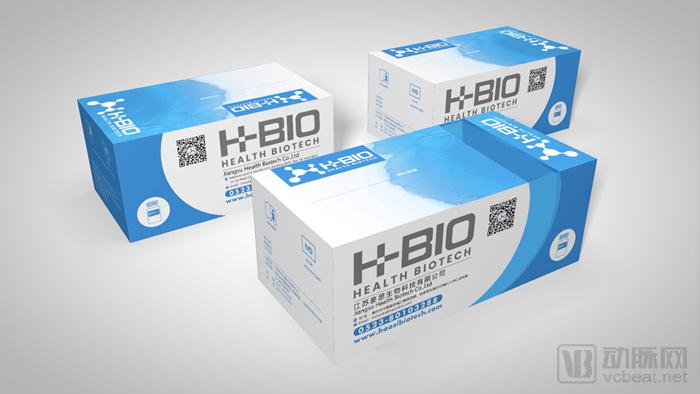
Haosi ShengProduct Image — Provided by the Interviewee
Furthermore, Haosi Biotechnology’s product portfolio includes the CERAM kit and the Prostate AA kit. The CERAM kit is used for the screening and diagnosis of cardiovascular diseases. Unlike traditional cardiovascular screening methods, which primarily focus on biochemical tests such as the five-item lipid panel and multiple related proteases, the CERAM kit measures the levels of four ceramide species in the blood. As a subtype of phospholipids with higher sensitivity and specificity, these biomarkers significantly reduce the risk of misdiagnosis.
The Prostate AA Kit is designed for the early screening and diagnosis of prostate cancer. Currently, the most commonly used clinical method for diagnosing prostate cancer is serum prostate-specific antigen (PSA) testing, which has a relatively high false-positive rate. Based on a metabolomics platform and utilizing LC-MS/MS technology, the Prostate AA Kit assists clinicians in determining whether patients require an initial or repeat prostate biopsy, particularly in cases with negative digital rectal examination (DRE) findings and only mildly elevated PSA levels.
“The CERAM kit has been approved as a Class II medical device and has begun to be adopted by departments in numerous top-tier Grade A tertiary hospitals,” stated Dr. Li Lin, indicating that Haosi Biotechnology’s products have progressively entered the market deployment phase. In terms of implementation, Haosi Biotechnology segments its service recipients into high-end, mid-range, and low-end tiers to provide differentiated services: “building brand prestige in the high-end segment, capturing market share in the mid-range segment, and promoting widespread adoption in the low-end segment.” Dr. Li Lin emphasized that Haosi Biotechnology’s ultimate goal is to integrate mass spectrometry-based precision medicine into China’s entire healthcare system.
Standardized Kits: Bringing Precision Medicine to the Grassroots Level
According to Dr. Li Lin, the market has shown strong acceptance of Haosi’s products because traditional detection methods fail to meet the accuracy and specificity requirements for medical diagnosis. In addition, Haosi Biotechnology has established a 3,000-square-meter GMP-compliant workshop in Jiangsu Province for kit production, with 1,500 square meters already in operation; the annual production capacity is expected to reach approximately one billion units.
In the high-end market segment, Haosi Biotechnology has chosen to collaborate with established mass spectrometry laboratories and professional teams, such as long-standing Grade A tertiary teaching hospitals, specialized maternal and child health hospitals, and third-party clinical testing centers. The company promotes its services by establishing “Haosi Labs.” Currently, Haosi Biotechnology has set up a fully licensed third-party clinical testing center in Nanchong, Sichuan Province, and another one is under preparation in Beijing. Over the next three years, Haosi Biotechnology plans to establish five fully licensed third-party clinical testing centers across China, using this strategy as an entry point to introduce the most advanced mass spectrometry diagnostic kits from abroad into the domestic market.
In the mid-tier market segment, Haosi Biotechnology provides reagent kits and operational services to medical institutions that have established mass spectrometry laboratories and purchased general-purpose equipment. Dr. Li Lin told VCBeat, “Most Tier II Grade A hospitals, specialized hospitals, and maternal and child health hospitals in China meet these conditions.” Furthermore, Haosi Biotechnology’s reagent kits are designed to be highly compatible with existing mass spectrometry instruments.
In the low-end market. Haosi Biotechnology’s solution is to provide standardized products to specialized departments at the primary care level, thereby simplifying medical testing. Primary healthcare institutions are important carriers of public health management; Haosi Biotechnology’s kits for therapeutic drug monitoring and nutritional status assessment will help promote precision in health management.
Haosi Biotechnology is currently undergoing its Series B financing round, having previously secured two rounds of funding with participation from ZhenFund, Volcanic Stone Capital, and Huachuang Capital.