

2018 Multi-Omics Technologies Clinical Application Summit Held in Hangzhou with Dozens of Domestic and International Experts Delivering Keynote Lectures
On October 28, the 2018 Summit on Clinical Application of Multi-Omics Technologies and Symposium on New Advances in Clinical Mass Spectrometry was successfully held at the Yuanzheng Qizhen Hotel in Hangzhou. The forum was jointly organized by the Medical Mass Spectrometry Innovation and Development Branch of the China Association for Medical Devices Industry, the Mass Spectrometry: Applications to the Clinical Lab (MSACL), and the Zhejiang Health Industry Federation. It was co-organized by the Chinese Society of Laboratory Medicine of the Chinese Medical Association, the Clinical Mass Spectrometry Professional Committee of the Chinese Society for Mass Spectrometry, the Hangzhou Association for Science and Technology, Dian Diagnostics Group Co., Ltd., and Hangzhou Calibra Precision Medical Testing Technology Co., Ltd.
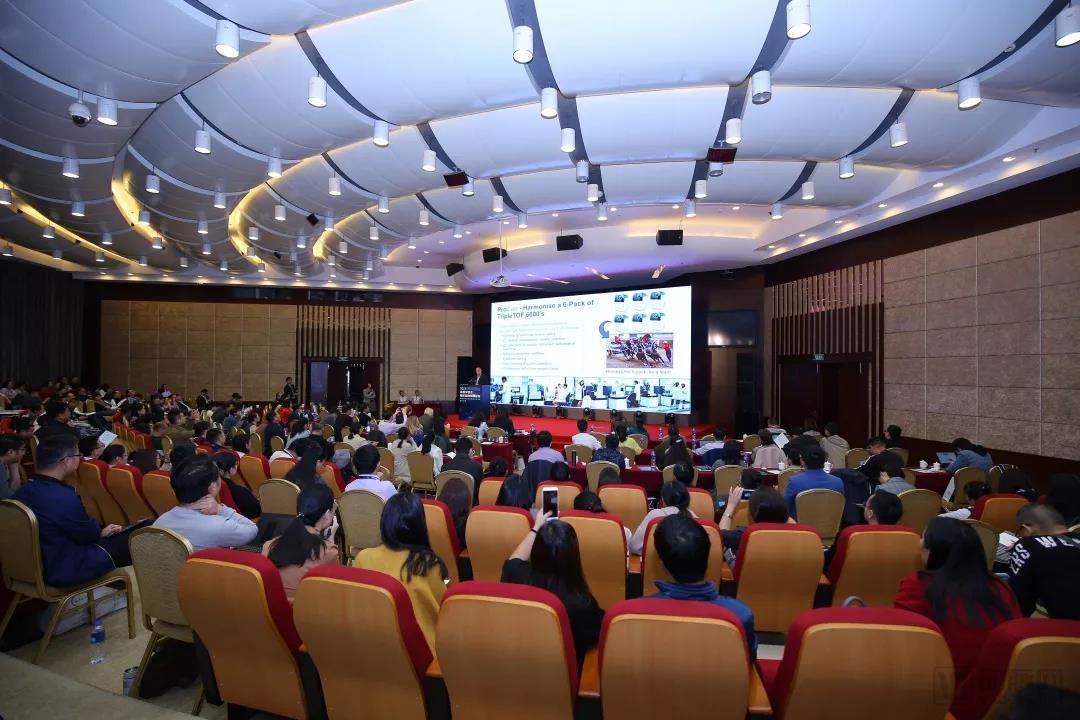
This forum invited dozens of authoritative experts and scholars from the industry, including Professor Wang Chengbin, Professor Guo Wei, Professor Qin Shengying, Researcher Liu Huafen, Dr. Wang Rong, as well as overseas experts such as Professor David Herold, Dr. Zhen Zhao, Professor Phil Robinson, Dr. Michael Chen, Dr. Christie Hunter, and Dr. Fang Wu, to deliver specialized lectures. It also gathered approximately 400 industry practitioners from research institutes, medical institutions, and the industrial sector from across the country and abroad to attend the conference.
Chen Haibin:“Most people believe because they see; a few see because they believe.”
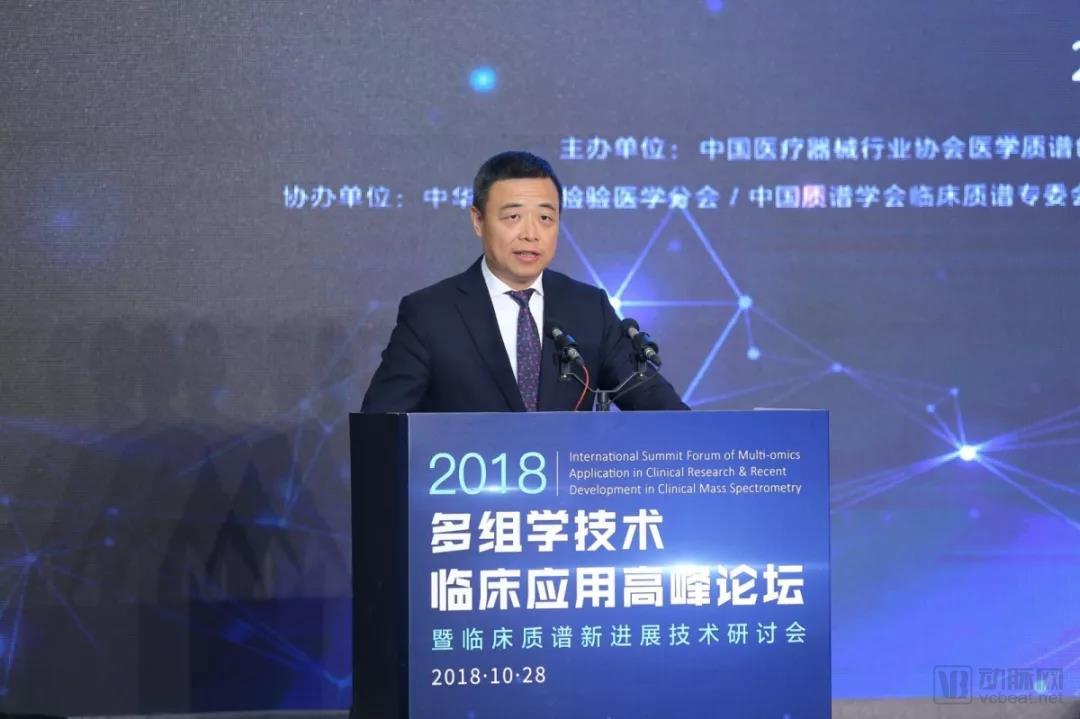
Chen Haibin, Chairman of the Zhejiang Health Industry Federation
Chen Haibin, Chairman of the Zhejiang Health Industry Federation and host of the conference, stated in his opening address that since its establishment, the Federation has grown to include over 200 member organizations. The Federation positions itself primarily as a communication platform, secondly as a bridge between government and enterprises, and thirdly as an industry accelerator. In particular, the original intention behind initiating the alliance was to create an organization characterized by “enterprise-led operations, market-driven dynamics, and government guidance.” This clear positioning underscores that our core objective must be to serve as an industry accelerator.
Chen Haibin stated, “Most people believe because they see, while a few see because they believe. I believe that everyone present here today sees the broad prospects for the future clinical application of clinical mass spectrometry in China because of their faith. I hope you will all gain more from this conference.”
Wang Chengbin:Clinical Mass Spectrometry in China
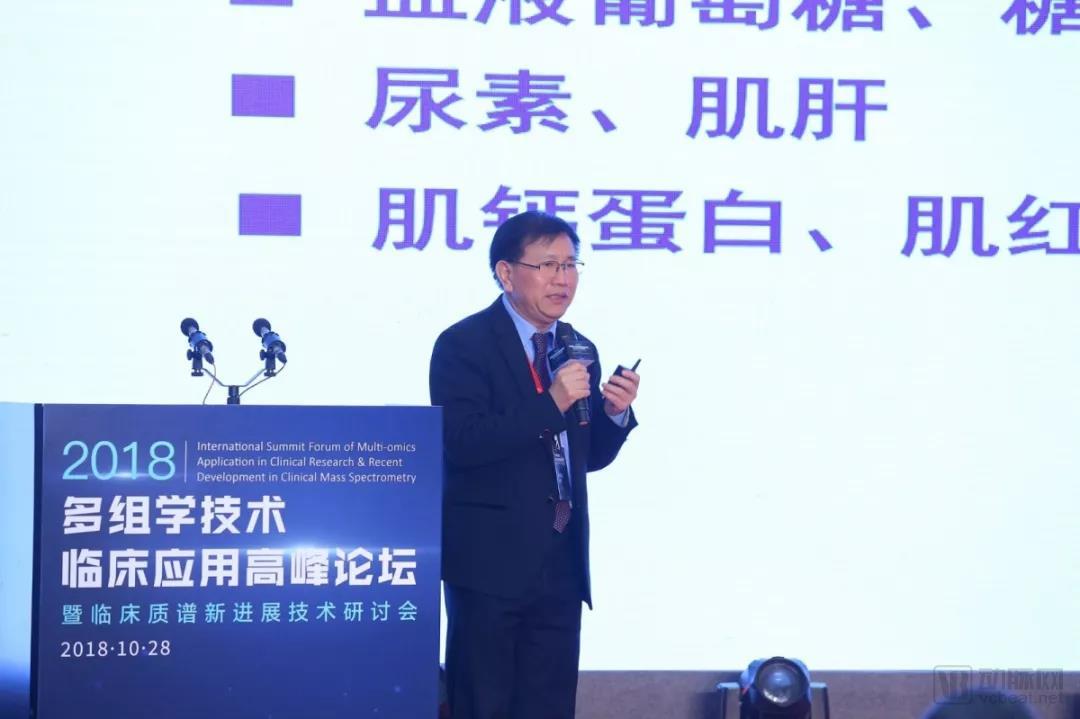
Professor Wang Chengbin, Chairman of the Laboratory Medicine Branch of the Chinese Medical Association, and Director of the Clinical Laboratory Center, Chinese PLA General Hospital
“Mass spectrometry offers high throughput, enabling high-throughput screening of disease biomarkers, which will significantly enhance the diagnosis and treatment of diseases.”
Wang Chengbin, Director of the Clinical Laboratory Center of the Chinese PLA General Hospital and Chairman of the Laboratory Medicine Branch of the Chinese Medical Association, highlighted the advantages of mass spectrometry in biomarker screening by introducing disease biomarkers and demonstrating the consequences of screening errors. He further elucidated the clinical importance of mass spectrometry by presenting case records from the laboratory diagnosis of mucopolysaccharidosis-related biomarker screening.
Wang Chengbin stated that, to better promote mass spectrometry technology, the Clinical Mass Spectrometry Branch of the Chinese Society for Mass Spectrometry, the Medical Mass Spectrometry Innovation and Development Branch of the China Association of Medical Device Industry, and the Clinical Mass Spectrometry Industry-Academia-Research-Application Alliance have established a unified alliance. This alliance integrates four key aspects—mass spectrometry research, manufacturing, mechanistic studies, and clinical translation—to rapidly advance the development of mass spectrometry in China.
Zhao Zhen:Application of Tandem Mass Spectrometry in the Detection of Free Thyroxine
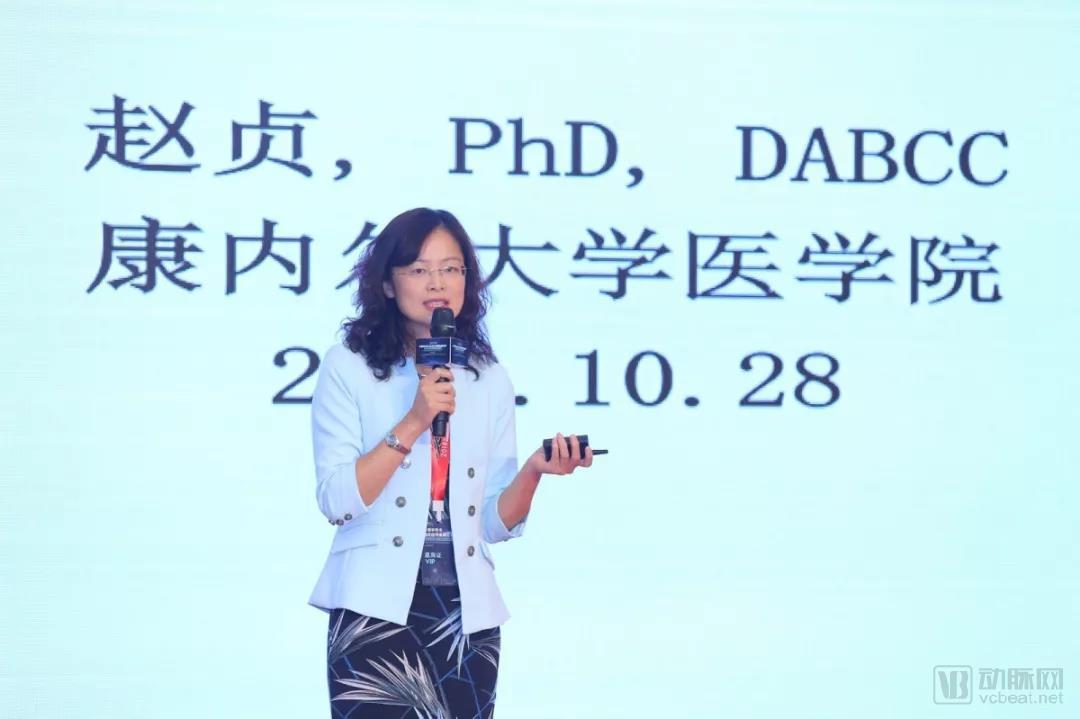
Dr. Zhen Zhao, Associate Professor in the Department of Pathology and Laboratory Medicine at Weill Cornell Medicine; Director of the Clinical Laboratory for Special Chemistry and Point-of-Care Testing; Deputy Director of the Central Clinical Laboratory
“First, the advantage of mass spectrometry lies in its superior sensitivity; this does not merely mean a lower detection limit compared to immunoassays, but rather that it can confirm whether the detected analyte is indeed the target of interest. Second, it offers better specificity, particularly for thyroid-related testing,” said Dr. Zhao Zhen.
By citing various methods currently used in clinical diagnosis and testing of thyroid diseases, she presents her research findings and provides an in-depth analysis of the advantages and disadvantages of these methods, demonstrating the benefits that mass spectrometry offers in improving detection accuracy. “Let’s discuss how thyroxine is currently measured in clinical practice; the direct method is the gold standard.” Dr. Zhao Zhen believes that mass spectrometry is not an unattainable high-end technology. Although it differs from commonly used immunoassays in principle, there is no fundamental difference in their practical application. Furthermore, Dr. Zhao Zhen proposed a new generation of mass spectrometry-based protein assay method for measuring thyroglobulin.
Dr. Zhao Zhen began by discussing thyroglobulin as a tumor marker, elaborating on the characteristics of immunoassays for thyroglobulin. She then introduced the entire process of establishing mass spectrometry-based methods, ranging from the fundamentals of mass spectrometric specificity to isotope-dilution mass spectrometry. Finally, Dr. Zhao presented a flowchart for quantitative mass spectrometric analysis of peptides and proteins to the attendees, illustrating current application models of mass spectrometry.
Wu Fang:Laboratory Diagnosis of Neonatal Drug Exposure
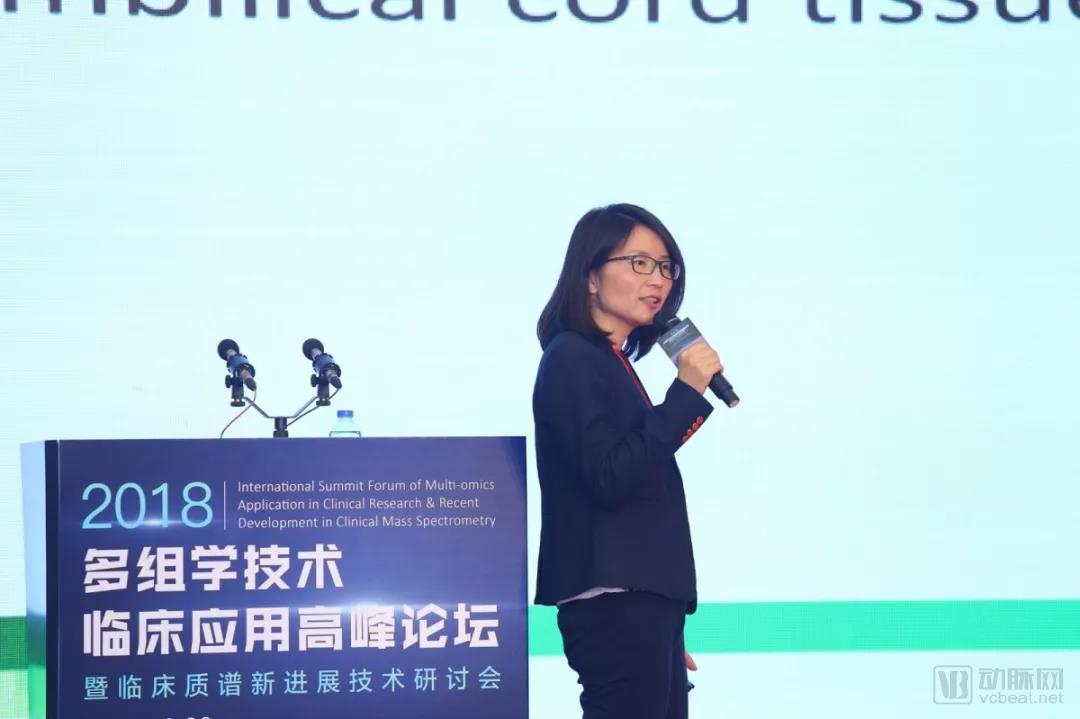
Dr. Fang Wu, Clinical Biochemistry Specialist at the Saskatchewan Health Authority and Assistant Professor in the Department of Laboratory Medicine and Pathology and the College of Graduate Studies at the University of Saskatchewan
At the forum, Dr. Wu Fang delivered a specialized presentation on the impact of maternal illicit drug use or clinical medication during pregnancy on neonates, as well as methods for detecting neonatal drug exposure.
“Data show that 50% of newborns whose mothers used opioids during pregnancy may develop symptoms such as seizures, a high-pitched cry, feeding difficulties, diarrhea, and even more ambiguous signs resembling hypoglycemia, which can confound the diagnosis, within 1 to 3 days or 5 to 10 days after birth,” said Dr. Wu Fang.
Dr. Wu Fang pointed out that conducting neonatal drug exposure testing facilitates the provision of the most accurate health outcomes in the shortest possible time and can also help resolve certain legal issues. “The most reliable approach is to screen meconium, umbilical cord tissue, hair, blood, urine, and saliva from the infant as test samples.”
Guo Wei:Application of Mass Spectrometry in the Precise Detection of Steroid Hormones
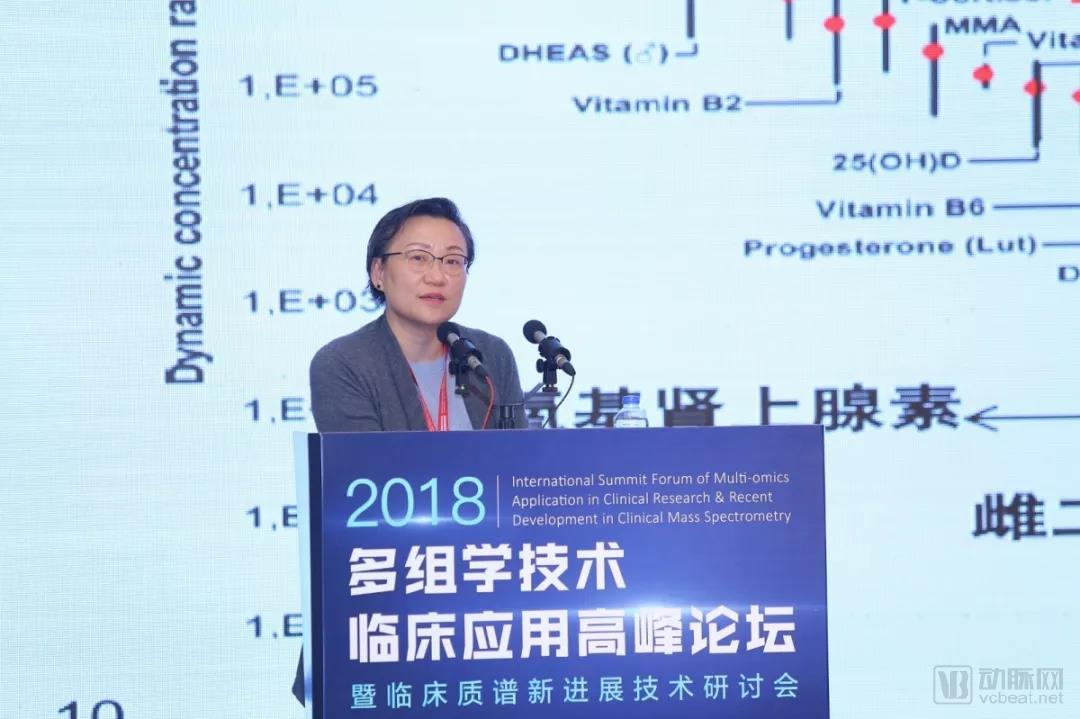
Director Guo Wei, Department of Laboratory Medicine, Zhongshan Hospital Affiliated to Fudan University
Guo Wei from the Department of Laboratory Medicine at Zhongshan Hospital, Fudan University, believes that the clinical application of mass spectrometry technology is primarily focused on hormone testing. Furthermore, a comparative case study using immunoassay and mass spectrometry for the differential diagnosis of testosterone more concretely demonstrates the accuracy of mass spectrometry technology.
“Mass spectrometry provides a purification effect during sample pretreatment. Chromatography identifies and quantifies substances based on retention time and mass spectrometry data. Liquid chromatography-mass spectrometry (LC-MS) enables two-dimensional separation, allowing for highly precise detection of hormones and small-molecule drugs.”
Professor Guo Wei proposed that, amidst the challenge of equipment shortages, projects should be developed around mass spectrometry to address critical pain points, ensuring that technology is driven by clinical needs, such as in the case of pheochromocytoma. Professor Guo then discussed methods to avoid delays in diagnostic testing. During his presentation, he provided multiple examples demonstrating the clinical application of hormone analysis, highlighting how mass spectrometry can resolve issues that cannot be addressed by conventional immunological methods.
Chen Xiyue:Clinical Applications and Quality Management of Mass Spectrometry in Clinical Toxicology
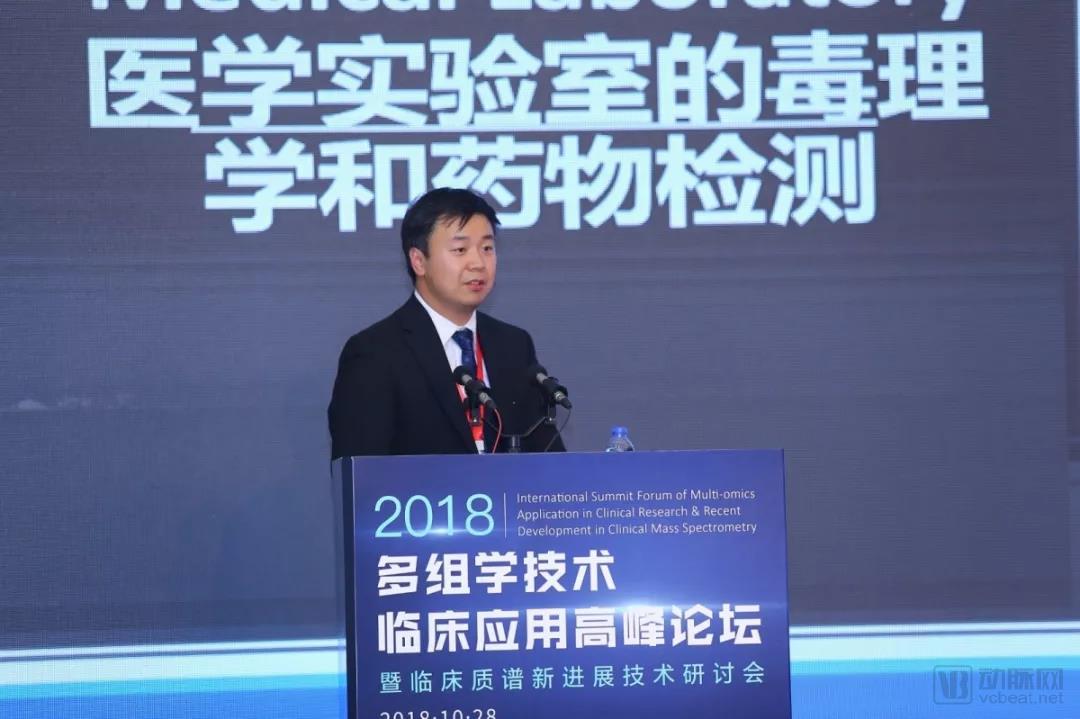
Dr. Xi Yue Chen, Scientific Director of the Centre for Translational Omics at the University of British Columbia and Assistant Professor in the Department of Pathology and Laboratory Medicine
“Compared with immunoassays, mass spectrometry is significantly superior and has already become the new gold standard in clinical toxicology. However, it is important to note that immunoassays are widely used in point-of-care testing (POCT) applications and will not be replaced by mass spectrometry in the field of clinical toxicology in the near term, especially when rapid results are clinically required; POCT will remain the first-line testing method. Nevertheless, compared with other large protein molecules, clinical small-molecule toxicology testing has been very well developed in the laboratory medicine sector. In my opinion, all major clinical laboratories should use LC-MS/MS for compound confirmation.”
Dr. Chen introduced the main categories of clinical toxicology drug testing from the perspective of clinical toxicology, outlined the workflow for clinical drug screening, and then compared the limitations of three different technologies used in clinical analysis—immunoassays, gas chromatography–mass spectrometry (GC-MS), and liquid chromatography–tandem mass spectrometry (LC-MS/MS)—across six dimensions: turnaround time, specificity, sensitivity, ease of sample preparation, feasibility of developing new tests, and overall efficiency.
Subsequently, Dr. Chen presented the toxicology and drug testing processes in medical laboratories using a flowchart, detailing the advantages and disadvantages of liquid chromatography-tandem mass spectrometry (LC-MS/MS) at each stage from the beginning of the process to the final results.
Qin Shengying:Research on Pharmacogenomics and Personalized Medicine in Schizophrenia
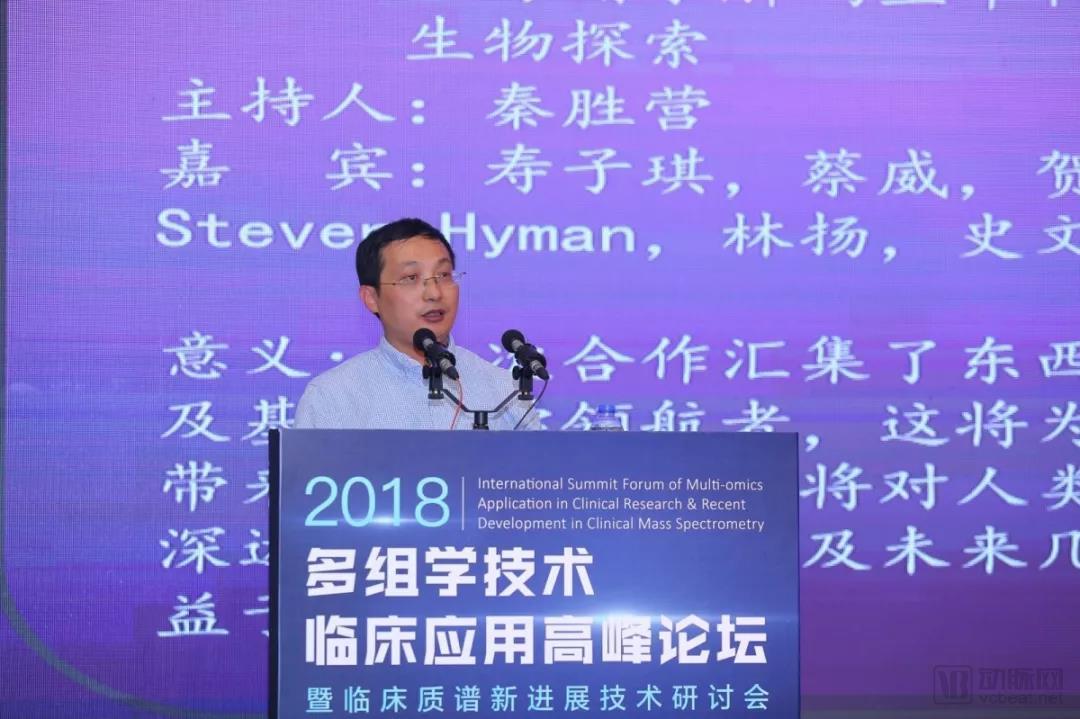
Professor Shengying Qin, Shanghai Jiao Tong University
At the conference, Professor Qin Shengying of Shanghai Jiao Tong University primarily presented recent advances in pharmacogenomics and personalized medicine for schizophrenia, both domestically and internationally. Beginning with the necessity of such research, Professor Qin emphasized the myriad harms that mental illnesses impose on individuals, families, and society.
“By integrating genetic markers identified in prior studies, reviewing recent advancements, and incorporating FDA-approved markers, we have ultimately generated a report suitable for further clinical investigation. Currently, 24 relevant markers are available to guide clinical practice and medication use; however, they remain in the clinical research phase.”
Subsequently, Professor Qin Shengying emphasized that the inappropriate use of psychotropic medications can even cause greater harm. Due to the genetic uniqueness of each individual, medication patterns need to shift; therefore, research on psychiatric medications must evolve toward personalized medicine. At this point, Professor Qin mentioned conducting systematic research on antipsychotic drugs and genetic variations in drug-metabolizing enzymes among the Chinese population. Some coding variants were identified, and mass spectrometry was employed to analyze their impact on drug metabolism rates.
“Around July this year, we convened a national strategic symposium on precision medicine for brain disorders. At the meeting, participants reached a consensus that precision medicine for brain diseases represents a highly significant direction for future development.”
Liu Huafen:Metabolomics: The Translation from Research Laboratories to Clinical Practice
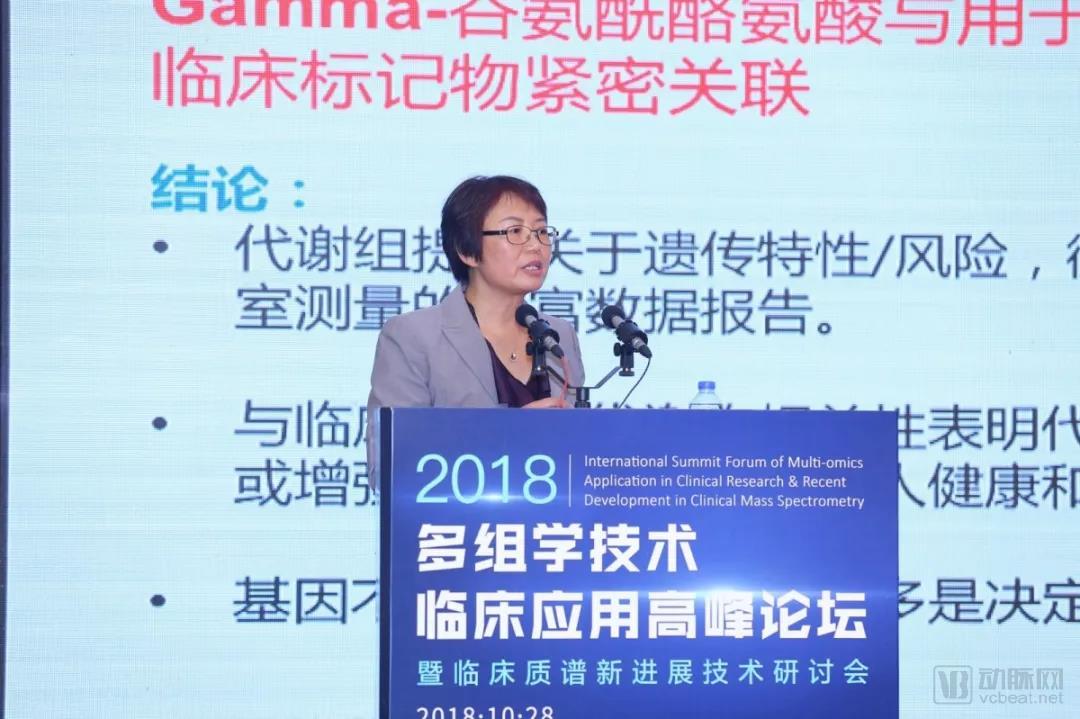
Ms. Liu Huafen, CEO of Calibr Precision Medicine
Researcher Liu Huafen believes that metabolomics is essentially a convergence point for a vast array of information and is directly correlated with phenotypes. It fundamentally serves as an integrated reflection of epigenetic factors, external environments, and therapeutic interventions, thereby making it an ideal research target for tracking and understanding the combined impact of these factors on phenotypes.
“Because enzyme specificity varies across ethnic groups, models established based on Caucasian populations yield different results when applied to Chinese individuals. For instance, drug administration can influence endogenous biomarkers in the human body, which falls within the realm of metabolomics,” Ms. Liu explained.
Therefore, the most critical aspect of metabolomics is obtaining accurate data. “If the data quality is unreliable, it can easily lead to misleading conclusions.” Ms. Liu then outlined in detail the steps for establishing a metabolite identification and analysis workflow. “The reliability and reproducibility of data are key to discovering biomarkers in metabolomics.”
Ms. Liu then used type 2 diabetes as an example, starting from the current status of prediabetes to provide a popular science overview of the disease’s progression, thereby introducing methods for measuring insulin sensitivity and insulin resistance (IR). She employed visual charts to intuitively demonstrate the development and clinical validation process of the Quantose® IR metabolomic biomarkers. “Quantose® IR is a prediabetes risk assessment test developed by Metabolon using metabolomics, which evaluates risk based on detected biomarker results. This assay is based on an LC-MS/MS system and measures insulin along with three other non-glycemic biomarkers.”
Wang Rong:Applications of Nutritional Omics
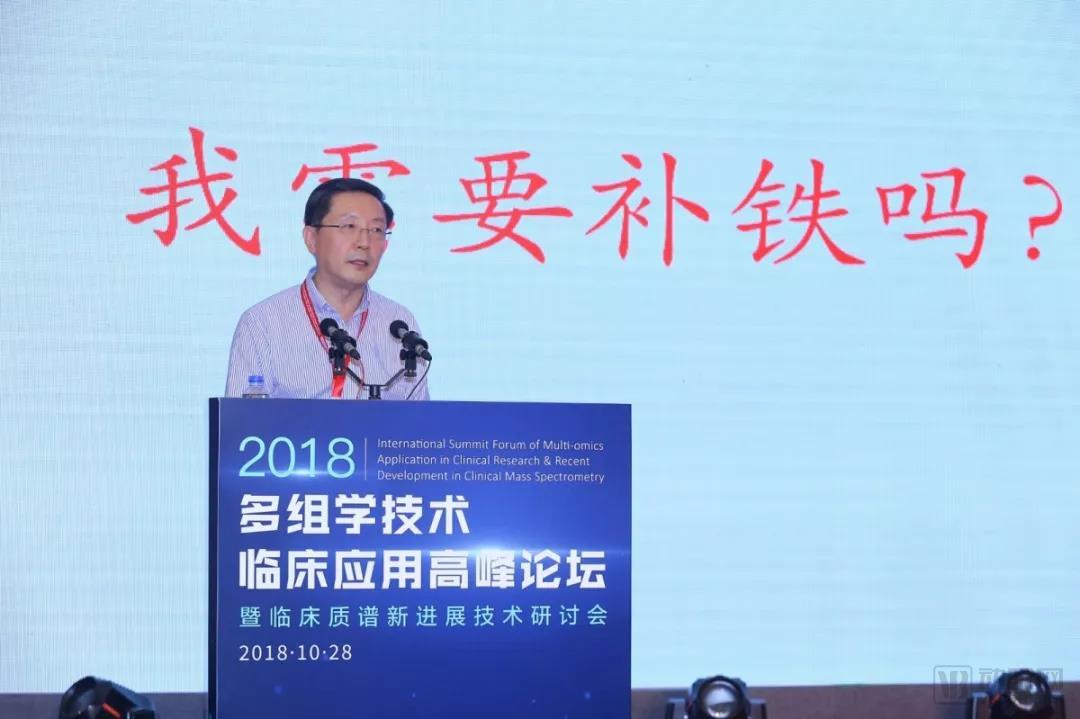
Dr. Wang Rong, Chief Scientist of Mass Spectrometry at BGI Research
“Nutritional omics research essentially employs biomarker-based approaches to investigate the relationship between food and the human body, aiming to utilize a systematic scientific methodology to understand and elucidate the current connections among nutrition, health, and disease.”
The most apt examples of the “micronutrition” concept proposed by Dr. Wang Rong are iodized salt and iron-fortified soy sauce. He argues that population-wide micronutrient fortification can lead to overnutrition: “Without testing, you remain unaware of your body’s iron levels; yet if you consume iron-fortified soy sauce daily, you risk excessive iron intake.” To maintain health, we must understand ourselves and our bodies, which necessitates what is known as precision testing.
Dr. Wang then used tumors as an example, stating, “When you view a tumor as a dynamically changing entity, you will find that many research perspectives shift.” He believes that many issues, whether related to immune responses or inflammatory responses, can be explained through metabolic pathways.
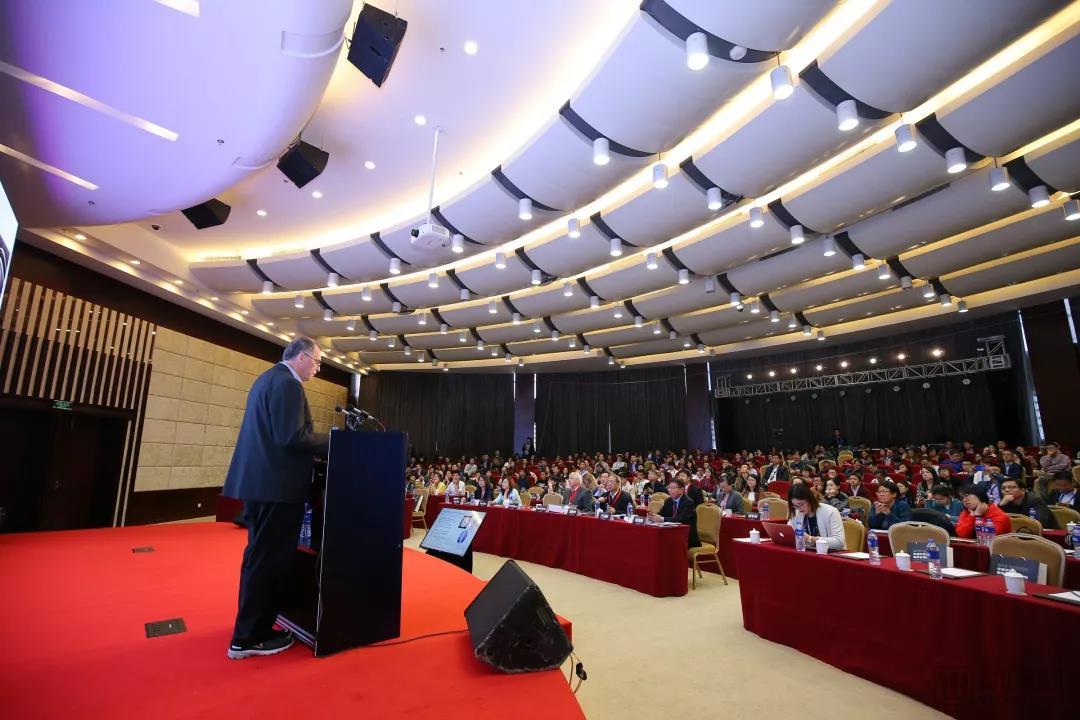
Foreign Guests:From a Global Perspective
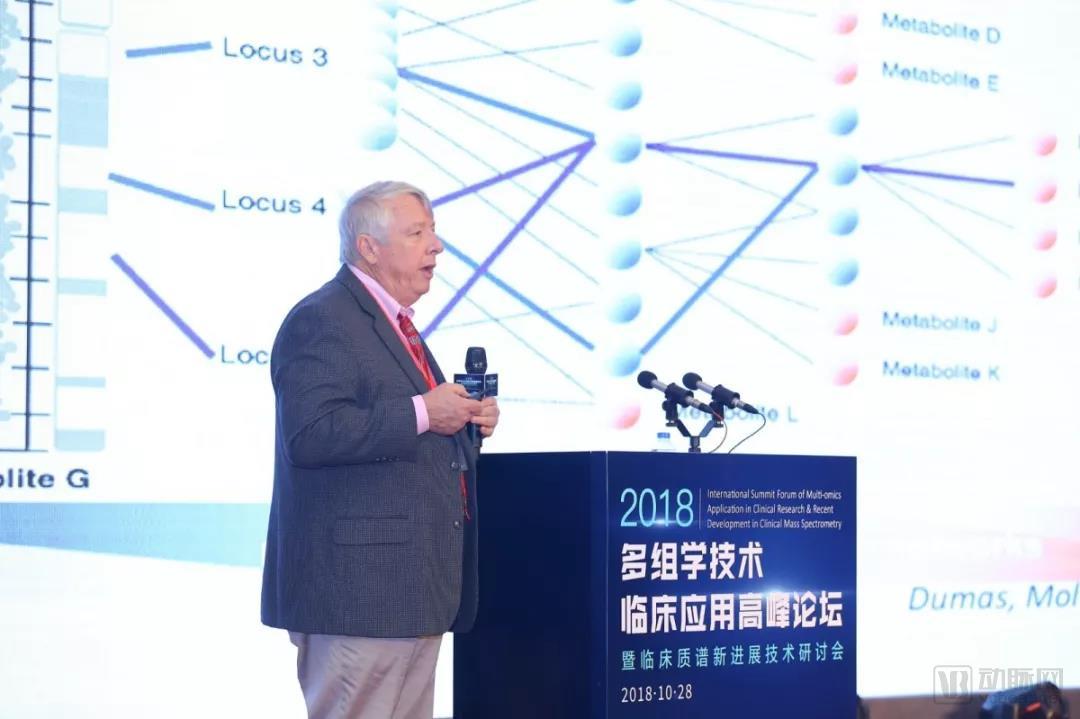
Professor David Herold, President of the Mass Spectrometry: Applications to the Clinical Lab (MSACL)
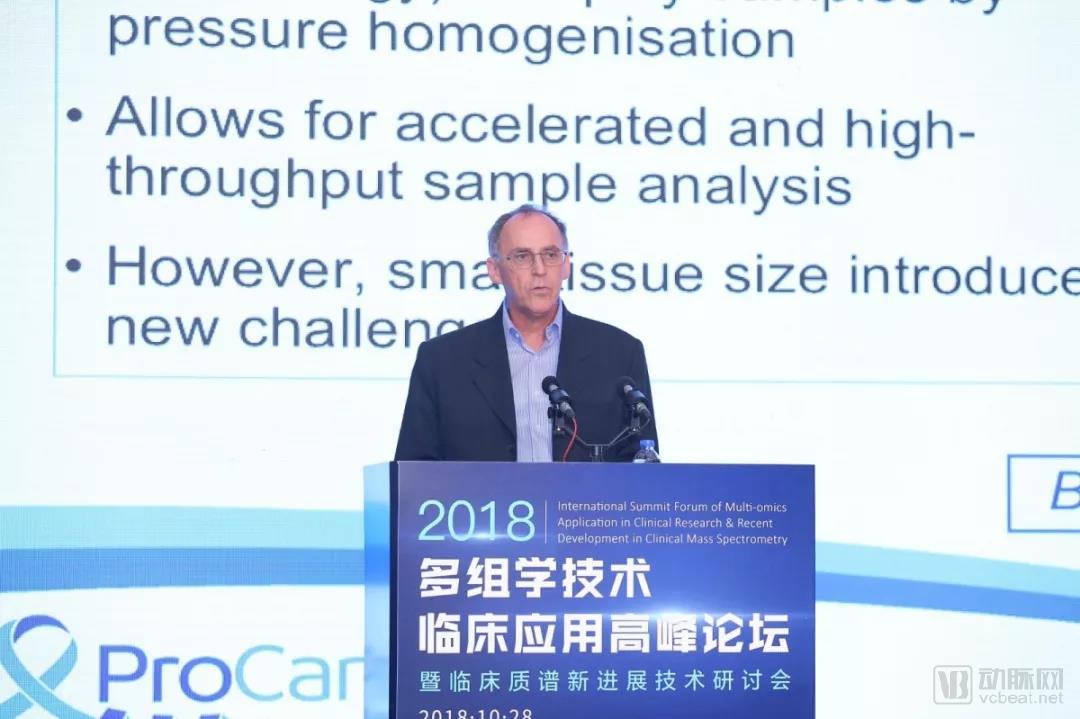
Professor Philip Robinson, Director of the Cell Signalling Research Division at the Children's Medical Research Institute in Sydney, Australia
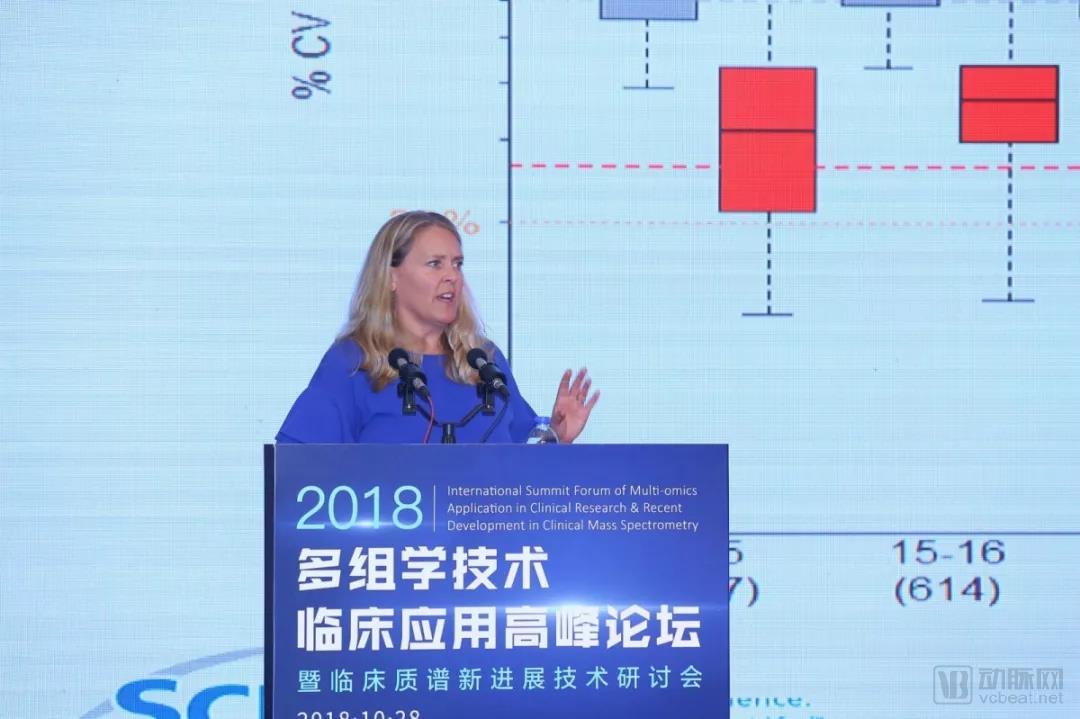
Dr. Christie Hunter, Global Director of Mass Spectrometry Applications at SCIEX
David Herold, Professor in the Department of Pathology at the University of California, San Diego, and President of the Mass Spectrometry: Applications to the Clinical Lab (MSACL), provided an accessible and insightful explanation of the two pathways toward precision medicine.
Professor Philip Robinson, Director of the Cell Signalling Research Division at the Children’s Medical Research Institute in Sydney, Australia, and Co-founder of ProCan, affiliated with the Sydney Medical School and the University of Newcastle’s medical faculty, presented new advances in ProCan and the clinical applications of high-throughput proteomics.
Dr. Christie Hunter, Global Director of Mass Spectrometry Applications at SCIEX, proposed a novel concept: enhancing proteomic quantification using Microflow SWATH® Acquisition technology—application in studying citrullination in rheumatoid arthritis
Through 11 thematic sessions focusing on the clinical application of multi-omics technologies and recent advances in clinical mass spectrometry, this forum showcased the current development stages and future trends both domestically and internationally. Following the forum, attendees engaged in discussions with experts and scholars on the topics presented.
By You Haojian