

After the Harvard Stem Cell Scandal: The Future of Cardiac Regeneration and Emerging Therapies
Recently, an Italian-American scientist named Piero Anversa (hereinafter referred to as “Anversa”) has become a hot topic among journalists. Anversa is an American cardiologist, former professor at Harvard Medical School, and former director of the Center for Regenerative Medicine. Most of his achievements were based on his discovery of c-kit-positive cells and the subsequent research outcomes that appeared increasingly questionable over time. Over the past 17 years, Anversa has led 110 various projects.
According to recent reports from websites such as Retraction Watch in the United States, Anversa is suspected of fabricating and tampering with experimental data, leading Harvard University to request the retraction of a total of 31 research papers on cardiac stem cells. The news has sent shockwaves through the entire academic community and triggered significant upheaval in the stem cell industry.
Before the fabrication scandal was exposed, Anversa had published at least 20 articles in CNS journals (namely Cell, Nature, and Science). To put this into perspective, in China, scholars who have published more than two papers in CNS-level journals are generally considered to be at the academician level.
Anversa was once considered a pioneer in cardiac stem cell therapy. This has led many to question whether the field of cardiac stem cells still exists.
Recently, Professor Jeffrey A. Golden, Chief Medical Officer Ms. Margaret M. Duggan, and Professor Marisa Rose Nucci from Harvard Medical School–Brigham and Women’s Hospital visited Nanjing Alpha Regenerative Medicine Technology Co., Ltd. in China. VCBeat conducted interviews with the Alpha Regenerative Medicine team and the visiting delegation led by Professor Jeffrey A. Golden regarding this event.
Anversa was once regarded as the pioneer and leading authority in cardiac stem cell research. As the saying goes, “It’s lonely at the top”; having reached the pinnacle, it was inevitable that others would seek to replicate and challenge his findings.
It is worth noting that Anversa first discovered Lin−/c-kit+ cardiac stem cells in adult rats (Antonion P. Beltrami, Cell, 2003), rather than in adult humans.
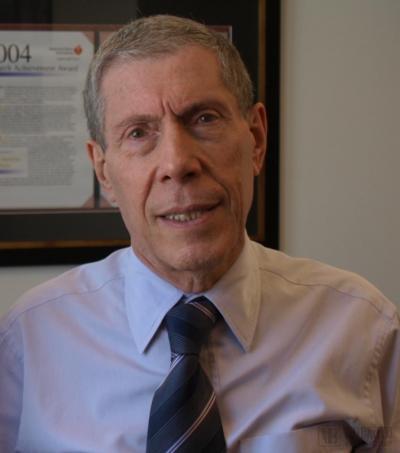
Piero Anversa
“Challenges and questions regarding Anversa emerged more than a decade ago,” Wang Jiaxian, founder of Aierpu Regenerative Medicine, told VCBeat.
The retraction of papers from the Anversa laboratory is hardly novel; it has simply never been sensationalized in the manner of entertainment industry scandals to capture public attention, thereby becoming mere fodder for casual conversation. As early as 2012, Harvard University retracted a research paper on adult human cardiac regeneration published in the prestigious international journal Circulation following an investigation, with this very senior expert serving as the corresponding author of that paper.
Myocardial infarction is the most common and most hazardous form of coronary heart disease. Its severity stems from the extensive death of cardiac cells in the infarcted area during an attack. This loss of viable myocardium compromises cardiac health, thereby naturally diminishing the patient’s quality of life.
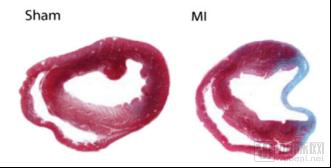
Cross-section of a healthy heart vs. cross-section of a heart after myocardial infarction. (Image source: Andre Chow, et al., Stem Cell Reports, 2017)
Because the heart, unlike skin or hair, cannot regenerate itself after tissue loss, “cardiac regeneration” has become a key focus in scientific research.
“How to achieve cardiac regeneration can be broadly categorized into three approaches,” Wang Jiaxian introduced to VCBeat. One approach involves stimulating endogenous cell regeneration, while another entails supplementing with exogenous fresh cardiomyocytes.
Activating endogenous cells can be simply understood as the concept of hair transplantation. As you watch helplessly while your “lustrous hair disappears without a trace,” and after trying countless “hair growth serums” only to find it hard to determine which one truly works, you turn to the intermediate solution: “hair transplantation.”
What is the endogenous regenerative capacity of cardiomyocytes? According to a study by Swedish researchers published in Science in 2009, the turnover rate of cardiac muscle is approximately 1% per year. However, this 1% self-regeneration rate is negligible compared to the rate of cell death caused by myocardial infarction and is insufficient to produce a reparative effect.
“In this way, supplementing with exogenous fresh cardiac muscle has become the only viable path at present,” he continued. The ultimate solution within this technical pathway is “heart transplantation.” However, each person has only one heart; apart from the limited availability of donor organs, heart transplantation surgery is also highly complex.
The emergence of stem cell technology has been hailed as a savior, with its ability to proliferate and differentiate cells offering hope. Coupled with commercial hype, the role of stem cell technology has been exaggerated, miraculously surviving in various fields of medical research.
In fact, “stem cells” is a general term: any cell that possesses the capacity for self-renewal and can differentiate into specific cell lineages is classified as a stem cell. Due to variations in differentiation potential, self-renewal capacity, and origin, stem cells are categorized under diverse names, such as hematopoietic stem cells, dental pulp stem cells, pluripotent stem cells, cardiac stem cells, and neural stem cells.
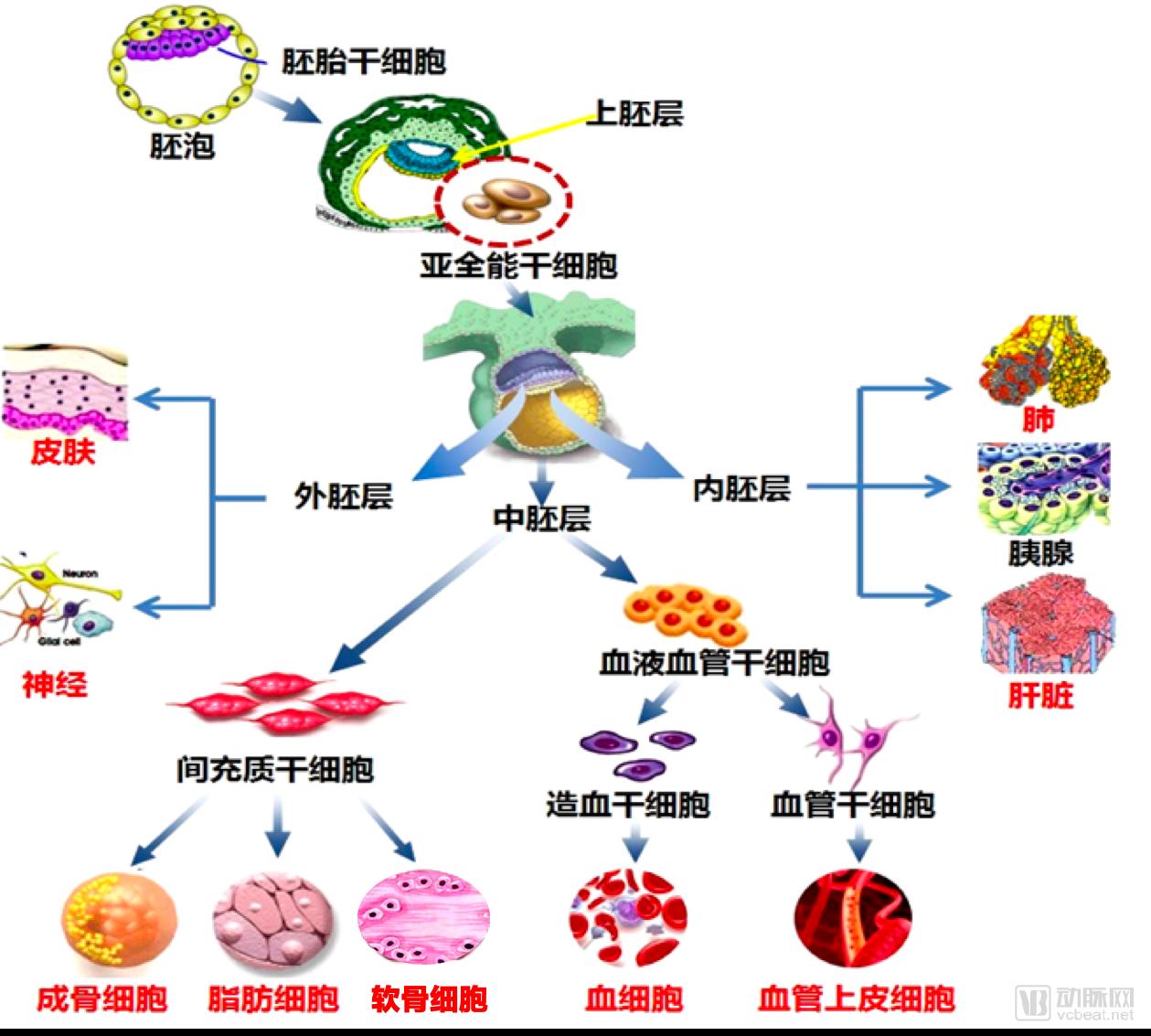
Even experts with a background in cell biology struggle to clearly articulate the hierarchical relationships and partial overlaps among these named stem cell types. Furthermore, claims regarding the efficacy of specific stem cells in treating certain diseases are not determined by authoritative decree; rather, they require systematic and rigorous scientific investigation to reach definitive conclusions—prioritizing clinical evidence over promotional rhetoric.
“Now, back to the main topic. Of the 31 articles by Anversa that were retracted, most involved his so-called c-kit+ cardiac stem cells,” said Wang Jiaxian. Anversa himself named these cells Cardiac Stem Cells, but later research demonstrated that they were actually CD45+ hematopoietic stem cells. “The ultimate fate of hematopoietic stem cells is confined to the hematopoietic system; there is no possibility of them differentiating into cardiomyocytes,” Wang explained to VCBeat.
After years of research, laboratories around the world have been unable to replicateAnversatrials, which led to the recent recommendation by Harvard Medical School and its affiliated Brigham and Women’s Hospital for the full retraction of all related articles.
Since c-Kit+ bone marrow cells are ineffective for cardiac regeneration, is this field completely dead-ended?
“Of course not!” Wang Jiaxian responded. The use of stem cells and their derivatives for the treatment of heart disease is a vast field. The failure of one type of stem cell does not imply that other derivatives or alternative stem cells are ineffective.
Professor Zhao Jian of the Shanghai Institutes for Biological Sciences, Chinese Academy of Sciences, stated, “This incident is essentially a process of scientific falsification and verification. From the perspective of translational application, it enables the research community to concentrate efforts on more promising directions rather than wasting time and resources on erroneous paths.” He argued that the Anversa fabrication scandal demonstrates the non-existence of so-called endogenous c-Kit+ cardiac stem cells, thereby making research into the strategies and feasibility of exogenous cardiomyocyte therapy for heart disease even more urgent.
For example, in a 2016 article published in the journal Nature titled “Allogeneic transplantation of iPS cell-derived cardiomyocytes regenerates primate hearts,” Japanese researchers used in vitro-regenerated cardiac cells to regenerate damaged hearts in five macaques with heart disease.
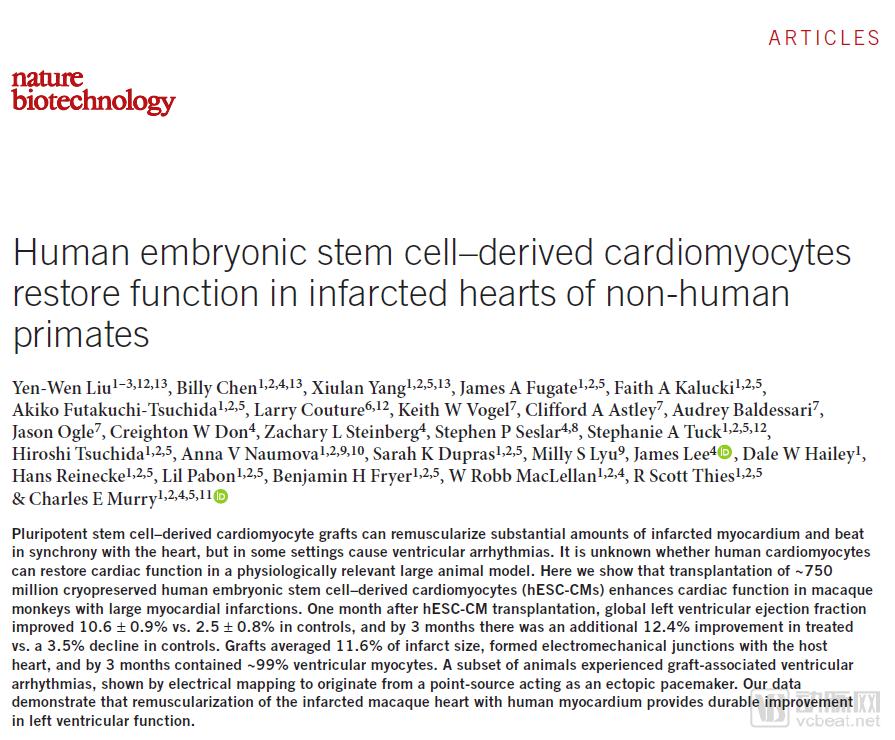
Similarly, Charles Murry, who had previously publicly contradicted Anversa, published a paper in Nature Biotechnology in July 2018. His research team demonstrated that injecting exogenous cardiac cells into the hearts of non-human primates (monkeys) with heart failure helped restore their cardiac function.
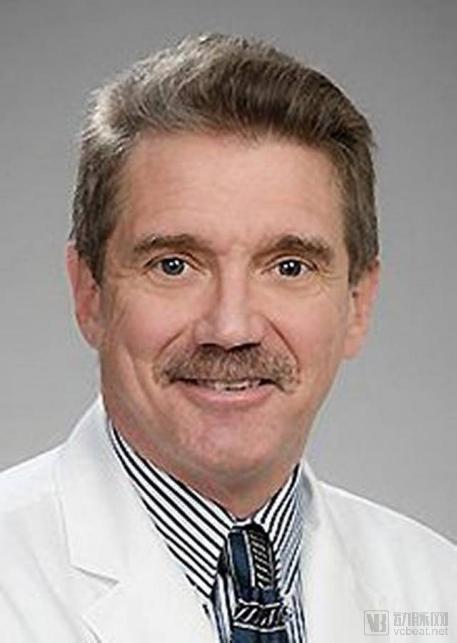
Professor Charles Murry
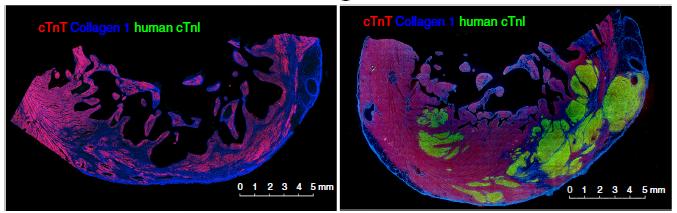 Compared with heart slices from monkeys after heart failure, hearts injected with exogenous cardiac cells appeared more "robust."
When asked about the impact of this fabrication scandal, Jeffrey Golden acknowledged that Piero Anversa’s papers had indeed brought negative repercussions to Harvard Medical School and Brigham and Women’s Hospital. However, he pointed out: “Flawed research should be terminated promptly so that resources can be better redirected toward valid scientific inquiries. Substantial evidence has demonstrated that endogenous cardiac stem cells, or the so-called c-Kit+ cells, do not exist and are unsuitable as a strategy for exploring cardiac regeneration. In contrast, the exploration and development of exogenous regenerative cardiac cell therapies for heart disease urgently need to be advanced to meet the clinical needs of patients with heart failure.”
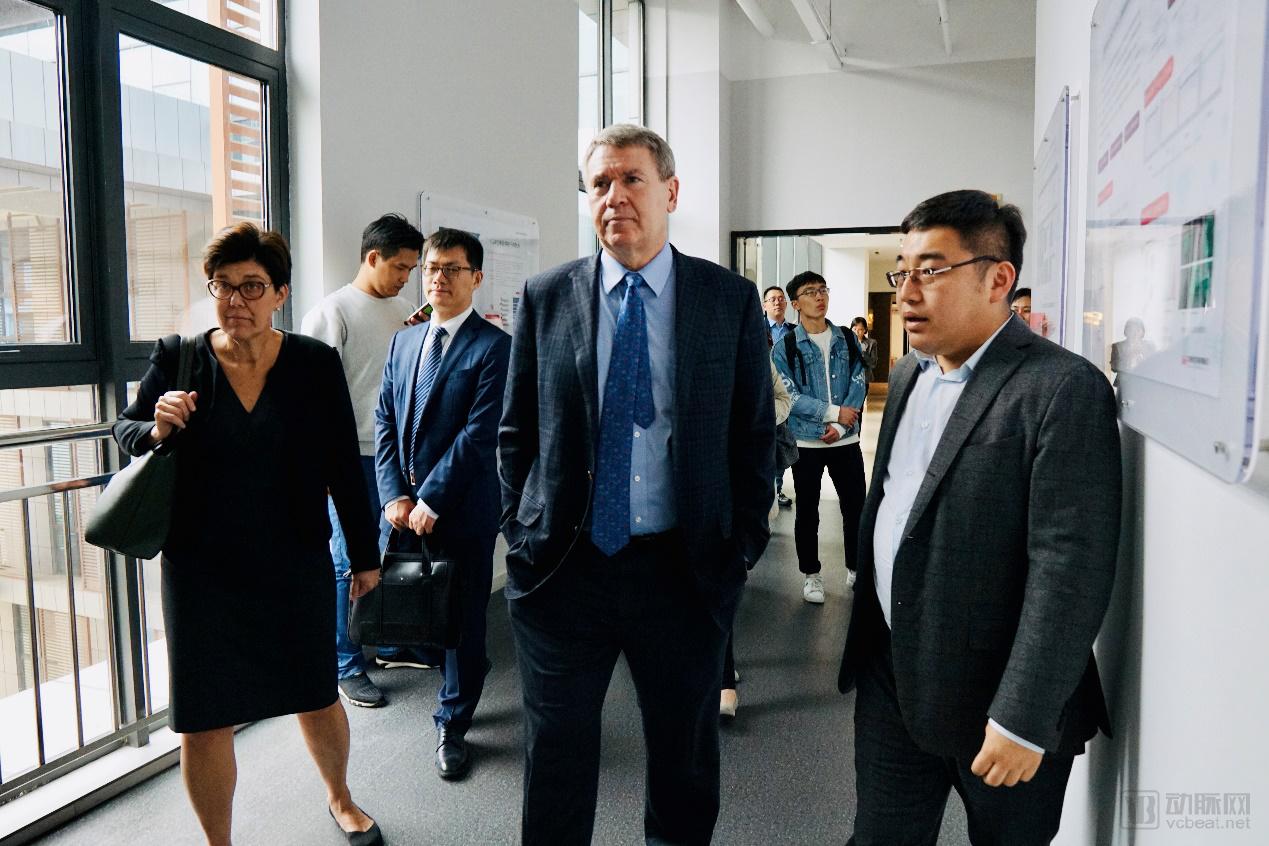 A Delegation of Harvard Medical School Professors Visits Alpha Regenerative Medicine
However, regarding the pressing question of “When can stem cells be used to treat heart disease?”, more systematic and in-depth research is still needed, given that there are multiple mechanisms by which stem cell therapy may address cardiac conditions.
In the United States, BlueRock Therapeutics, with an advisory team led by cardiac cell therapy pioneer Dr. Michael Laflamme and distinguished stem cell expert Dr. Gordon Keller, began developing cell-based products for degenerative diseases such as heart disease two years ago. In China, companies such as Alpu Regenerative Medicine are exploring the use of myocardial regeneration to treat heart disease and heart failure, having already achieved significant efficacy data in animal pharmacodynamic studies. According to Dr. Xu Xiao, Vice President, Alpu Regenerative Medicine has obtained clinical ethics approval to conduct regenerative cardiomyocyte therapy for chronic heart failure at a tertiary Grade A hospital in Nanjing and has currently initiated patient recruitment.