

2018: A Pivotal Year for Life Sciences Amid Policy Tailwinds, Technological Breakthroughs, and Evolving Reimbursement Landscapes
What Happened in the Biopharmaceutical Sector in 2018?
The Hong Kong Stock Exchange’s “Listing Rules” officially come into effect, opening their doors to biotechnology companies that have not yet generated profits;
WuXi AppTec’s IPO swiftly passed regulatory review, becoming the first A-share unicorn; its market capitalization rapidly exceeded RMB 100 billion after listing.
Domestic regulators have continuously strengthened their support for innovative drugs, accelerating the market approval process for both imported and innovative medicines, while clinical pathways for cell therapy in China have also been clearly defined.
On a global scale, we are also witnessing numerous groundbreaking advancements and initiatives in the pharmaceutical sector: more emerging therapies have secured first-line treatment status, and gene therapy has achieved significant breakthroughs.
Both in China and abroad, 2018 was a year of transformation for the biopharmaceutical sector.
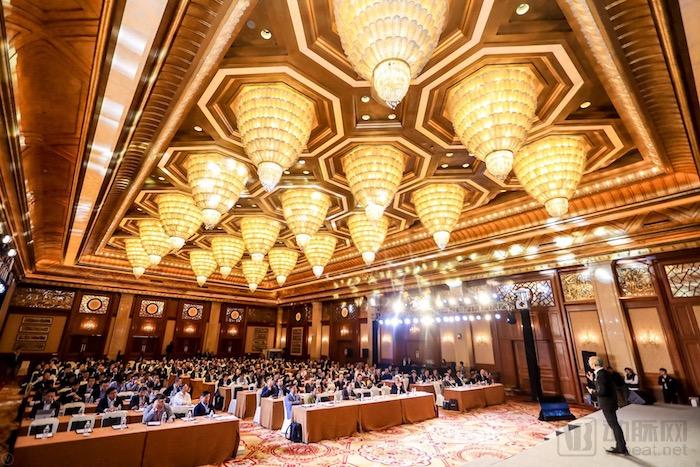
On November 1, 2018, the 6th China Renaissance Healthcare and Life Sciences Leadership Summit was held in Shanghai. The summit brought together nearly 600 leading scientists, corporate CEOs, and investors from the global healthcare and life sciences sectors.
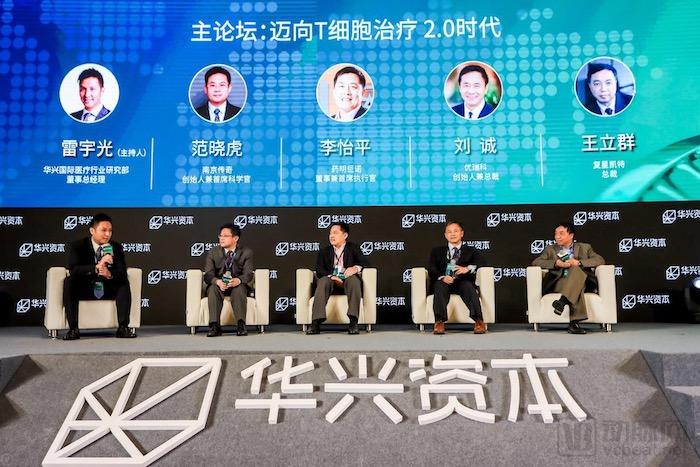
The summit has invited nearly 90 distinguished guests, including Zhao Yue, Chief Economist at Wealth Securities Hong Kong; William F. Doyle, Executive Chairman of Novocure; Nancy Tang Nanshan, CEO of Ansun Biopharma; Gu Yan, Chief Digital Officer of WuXi NextCODE; Li Yiping, Director and CEO of JW Therapeutics; and Wu Jinzi, Founder, Chairman, and CEO of Ascletis Pharma.
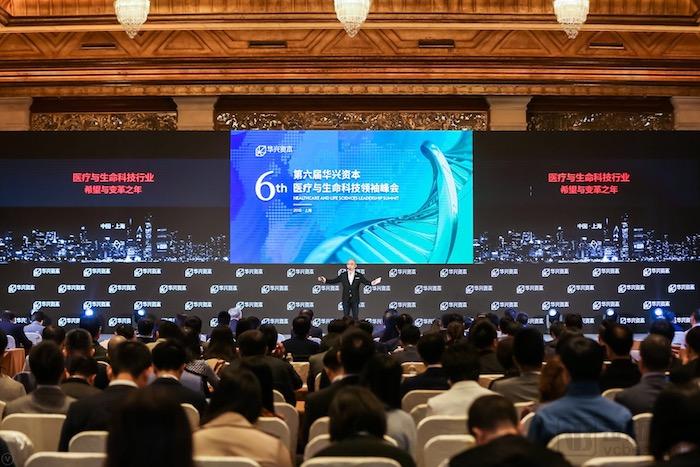
2018 was a year of transformation for China’s healthcare and wellness industry. Bao Fan, Chairman and CEO of China Renaissance Holdings; Debra Yu, Managing Director of the Healthcare and Life Sciences Division at China Renaissance; and Yu Rui, among other distinguished guests, discussed and elucidated the historical coordinates of China’s healthcare and wellness sector from various perspectives.
Core Views:
At the policy level, Chinese regulators have continuously strengthened their support for innovative drugs in 2018, accelerating the market approval processes for both imported and innovative drugs, while also clarifying the clinical pathways for cell therapy in China. With frequent favorable policy developments, the trend toward innovation is irreversible.
From a technical perspective, new technologies and therapies in the pharmaceutical field are emerging globally at an unprecedented pace, with more novel treatments gaining status as first-line therapies. In 2018, the approval process for new drugs entered a fast track; the sequential approvals of blockbuster oncology drugs Opdivo and Keytruda (PD-1 inhibitors) marked the beginning of a new era. Gene therapy also achieved breakthroughs, with the launch of Luxturna, the world’s first gene therapy to correct genetic defects, and Patisiran, the world’s first RNA interference (RNAi) drug. Breakthroughs in cancer immunotherapy have made it possible to transform cancer into a chronic disease.
Trends on the payment side are equally impossible to ignore. The 2018 edition of the National Essential Medicines List increased the total number of varieties from the original 520 to 685, focusing on diseases such as cancer, pediatric conditions, and chronic diseases, which will also have a profound impact on the industry.
From the perspective of the capital market, despite macroeconomic adjustments and China-US trade friction, bright opportunities should be recognized amidst the “crisis.” The capital market is undergoing three major transformations: In terms of IPOs, the Hong Kong IPO channel has opened up, and mainland China issued the “Proposal on Supporting Unprofitable Biopharmaceutical Companies to List and Raise Funds on the A-Share ChiNext Board” this September; the need for traditional enterprises to transform is becoming increasingly urgent, driving stronger M&A demand; meanwhile, cooperation between China and overseas markets in technology and commercialization is gradually emerging. These developments will provide innovative healthcare companies with more options and strategic insights for their future development.
On the supply side, there is a substantial healthcare gap and favorable policy support; on the demand side, population aging and rising disposable income are key drivers. Standing at this intersection, China Renaissance believes that despite the current transitions in the macroeconomy, capital markets, and healthcare sector, the healthcare and life sciences industry will remain one of the sectors with the greatest growth potential for a considerable period to come.