

Huawei and 301 Hospital: Pioneering Cardiac Health Through Smart Wearables
How is your heart?
As the pace of life accelerates, the burden on the heart continues to increase. Overtime work, social engagements, and insomnia... "Workaholics" face immense pressure and heavy workloads, unaware that they have become a "high-risk group."
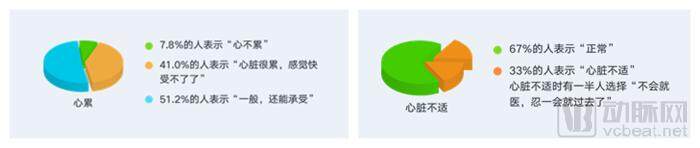
Figure 1: Survey Results of “How Is Your Heart?”
In a heart health survey, only 7.8% of the 25,460 participants reported feeling “no cardiac fatigue,” while 33.0% experienced cardiac discomfort. Regrettably, when such symptoms occurred, up to half of the respondents indicated they would “not seek medical attention and simply wait for the symptoms to pass,” thereby neglecting potential disease risks.
VCBeat (WeChat ID: vcbeat) has learned that arrhythmia is one of the most common cardiovascular diseases. In its early stages, it often presents with mild symptoms such as palpitations, chest tightness, and dizziness, occasionally accompanied by angina pectoris, which are easily overlooked. Over time, however, it can significantly increase the risk of stroke, lead to heart failure, and cause sudden cardiac death.
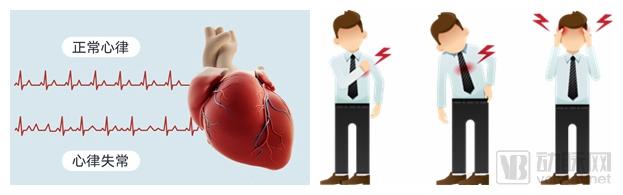
Figure 2: Manifestations of Arrhythmia
There are approximately 20 million patients with cardiac arrhythmias in China, including around 10 million individuals with atrial fibrillation (one of the most common types of arrhythmia). However, many people remain unaware of this cardiac condition, with an awareness rate of only 40%. More than half of the patients have never heard of atrial fibrillation, let alone its associated risk factors, symptoms, and complications.
Application of Smart Wearable Devices in Cardiac Health Risk Screening and Research
“Unawareness, Neglect, and Lack of Treatment” Are the Major Issues in the Prevention, Diagnosis, and Management of Arrhythmias in China at the Current Stage.
Arrhythmias often present with no obvious symptoms, occur irregularly, and last for short durations, resulting in low patient awareness and challenges for physicians in screening and diagnosis. In-hospital electrocardiograms (ECG) or Holter monitoring are associated with poor wearing comfort, high costs, and a propensity for missed diagnoses of paroxysmal arrhythmic events. There is an urgent need in the industry for convenient, continuous monitoring solutions to screen for arrhythmia risk.

Figure 3: At the HUAWEI WATCH GT launch event on October 26, 2018, experts from the 301 Hospital released the Heart Health Study.
The development of smart wearable technology has made this possible.
VCBeat has learned that the Chinese PLA General Hospital (301 Hospital) has launched a cardiac health study. Leveraging the high-performance heart rate sensors in Huawei’s smart wearables (the domestic version of HUAWEI WATCH GT), and in collaboration with cardiovascular experts, the hospital has developed specialized algorithms for detecting arrhythmias. This initiative paves a new path for large-scale population screening and management of arrhythmia risks, aiming to reduce the incidence of adverse events such as stroke.
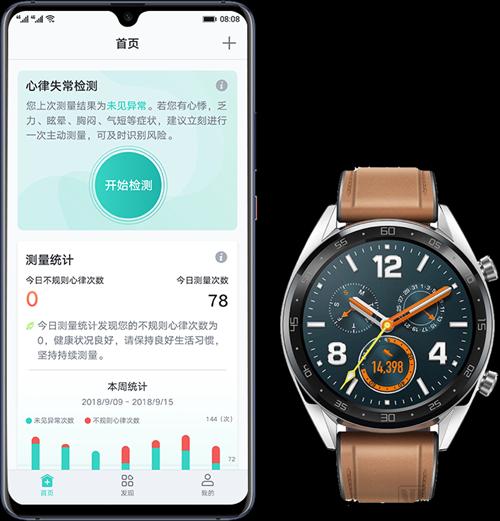
Figure 4: Heart Health Research App Home Page and Huawei Smart Wearable Devices
Users with Huawei smart wearable devices (HUAWEI WATCH GT China version) and Huawei smartphones can download the Heart Health Research app, join the research project, and take measurements anytime, anywhere.
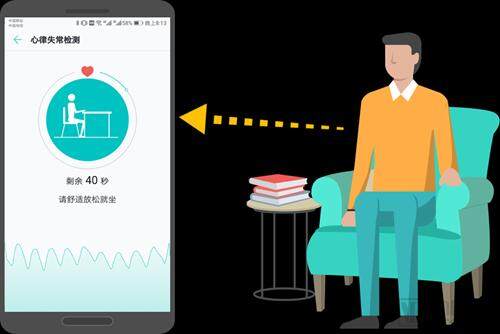
Figure 5: Heart Health Research App Measurement Chart
Professional Arrhythmia Screening:
The Heart Health Study has developed a professional arrhythmia screening algorithm based on extensive clinical data from patients, with its accuracy validated through clinical testing at multiple authoritative tertiary hospitals in China, including the 301 Hospital. To meet users’ screening needs in various scenarios, the following two measurement modes are supported:
Active Measurement:It helps users quickly capture arrhythmia events, especially when they suddenly experience palpitations, fatigue, dizziness, chest tightness, or shortness of breath.
24h Intelligent Monitoring:While you are in a stable, resting state, the device will automatically perform detection, providing 24/7 intelligent care and offering relevant risk guidance recommendations.
Medical Care Recommendations:
The Heart Health Study has been rapidly integrated with the MAFA (Mobile Atrial Fibrillation Application) atrial fibrillation management platform of the 301 Hospital. When a high risk of suspected arrhythmia is detected, the app automatically issues a risk alert, allowing users to schedule consultations with physicians via the “Schedule Appointment” feature on the MAFA platform. Currently, MAFA supports clinical care and patient management services at more than 60 Grade IIIA hospitals across China, providing users with one-stop services for arrhythmia management.
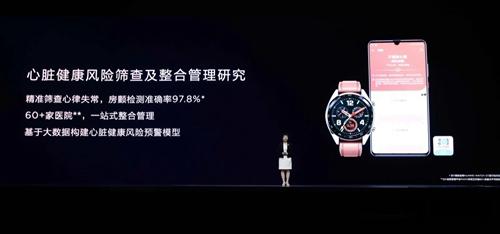
Figure 6: Research on Cardiovascular Health Risk Screening and Integrated Management
Long-term continuous monitoring, which records as much valid data as possible, is key to improving the detection rate of arrhythmias. The emergence of smart wearable devices enables more users to enjoy continuous, convenient, and comfortable cardiac health monitoring anytime and anywhere, shifting health management from passive treatment to active prevention.
Additionally, smart wearable devices can assist physicians in preoperative condition assessment, continuous postoperative remote management, and treatment efficacy evaluation, thereby facilitating timely issue detection and effectively reducing risks.
In the future, PLA General Hospital (301 Hospital) will continue to deepen its collaboration with Huawei. Leveraging innovative technologies in smart terminals, the two parties will jointly explore more health management solutions to help more people adopt proactive healthy lifestyles and reduce the incidence of diseases.