

WeDoctor Invests RMB 200 Million to Launch Greater Bay Area Collaborative Healthcare Platform Amid Surge of Institutions Targeting the World's Fourth Bay Area
At 9:00 a.m. on October 24, the Hong Kong-Zhuhai-Macao Bridge was officially opened to traffic.It takes only 45 minutes to drive from Hong Kong to Zhuhai and Macau.The bridge starts from the Hong Kong Port Artificial Island near the Hong Kong International Airport on its eastern end, stretches westward across the Lingdingyang waters, connects to the Zhuhai and Macau Artificial Islands, and terminates at Hongwan in Zhuhai.The total investment in the engineering project amounts to RMB 126.9 billion.
The opening of this major bridge has not only injected new momentum into the development of the Guangdong-Hong Kong-Macao Greater Bay Area (GBA), but also, with the further improvement of transportation infrastructure within the region, facilitated more frequent and closer exchanges among residents of the three places. This has led to an expanding demand for public health and medical healthcare services, creating unprecedented historical opportunities for healthcare cooperation among the three regions.
as Chairman and CEO of WeDoctorLiao Jieyuanas an example, he90 minutes ago,The “WeDoctor Greater Bay Area Collaboration Platform” was officially launched in Hong Kong.and announced that Hu Dingxu, Standing Committee Member of the National Committee of the Chinese People's Political Consultative Conference and former Chairman of the Hospital Authority of Hong Kong, would serve as the Platform Chairman. The platform aims to promote innovation and integration in healthcare services within the Guangdong-Hong Kong-Macao Greater Bay Area. Driven by information technologies such as the internet, big data, and artificial intelligence, it seeks to build a bridge connecting and integrating medical care, pharmaceuticals, and health insurance services across Guangdong, Hong Kong, and Macao.
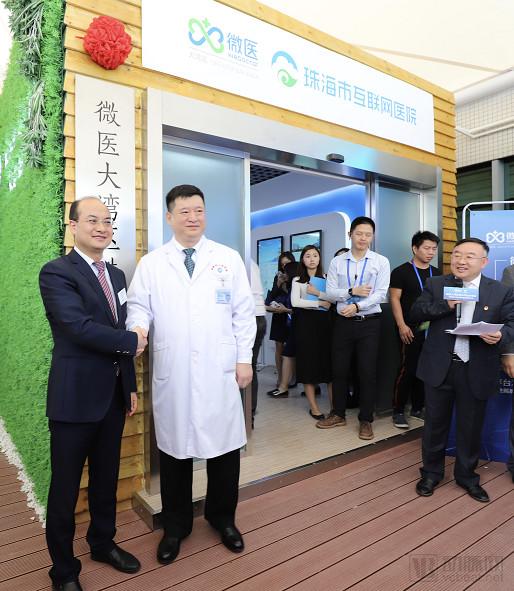
90 minutes later, passing through the Hong Kong-Zhuhai-Macao Bridge,He comes.To Zhuhai People's Hospital, also hosted the collaborative sharing platform'sThe Launch Ceremony of the First Urban Base – WeDoctor’s Zhuhai Base in the Greater Bay Area.
Therefore, regarding this platform, he stated: “In simple terms,This involves building a 90-minute health circle offline and a 90-second medical health circle online,NextEvery monthWe all willA Wave of Healthcare and Service Providers Going Live, letOver 60 Million Residents in the Greater Bay Area"Accessing medical consultations and diagnosis through this platform,"Enjoy convenient medical services.”
So, how exactly does the “WeDoctor Greater Bay Area Collaboration Platform” operate? How is it being implemented in Hong Kong? Which other companies are also vying for a foothold in this world’s fourth-largest bay area? To find out, VCBeat conducted exclusive interviews with Liao Jieyuan, Chairman and CEO of WeDoctor,Standing Committee Member of the National Committee of the Chinese People's Political Consultative Conference, Former Chairman of the Hospital Authority of Hong Kong, and Chairman of China Resources MedicalHu Dingxu, to understand how they perceive this collaborative platform and its significance?
The Guangdong-Hong Kong-Macao Greater Bay Area encompasses nine cities in Guangdong Province—Guangzhou, Shenzhen, Zhuhai, Foshan, Huizhou, Dongguan, Zhongshan, Jiangmen, and Zhaoqing—as well as the two Special Administrative Regions of Hong Kong and Macao, covering a total of 11 cities. With a current population of over 60 million, which is projected to rise to 100 million in the future, the region boasts a gross regional product (GRP) of $1.3 trillion, equivalent to that of South Korea. Despite occupying less than 1% of China’s land area and accounting for under 5% of its population, the Greater Bay Area remarkably contributes 13% of China’s GDP.
The development of the Guangdong-Hong Kong-Macao Greater Bay Area has been incorporated into the report to the 19th National Congress of the Communist Party of China and the Government Work Report, elevating it to the level of national development strategy. Advancing the construction of the Guangdong-Hong Kong-Macao Greater Bay Area is conducive to deepening exchanges and cooperation between mainland China and Hong Kong and Macao, and holds significant importance for Hong Kong and Macao’s participation in national development strategies, enhancing their competitiveness, and maintaining long-term prosperity and stability.
It is foreseeable that this will become the world’s fourth-largest bay area, following the New York Bay Area, the San Francisco Bay Area in the United States, and the Tokyo Bay Area in Japan—and ultimately the largest bay area globally. It also serves as a key spatial platform for the country to build a world-class city cluster and participate in global competition.
To achieve this goal, various industries across the major cities of the Guangdong-Hong Kong-Macao Greater Bay Area will usher in greater development. This is particularly true for the healthcare industry, where medical standards vary significantly among these 11 cities, creating new opportunities for private capital to invest in healthcare—a chance that no one wants to miss.
Broadly speaking, Hong Kong boasts advanced medical technologies; Macau’s strength lies in its substantial investment in healthcare, particularly excelling in the refined management of community health services; Guangdong, with its vast territory and large pool of medical professionals, is experiencing rapid advancements in medical technology and continuously introducing new techniques and initiatives.
In recent years, with the advent of consumption upgrades, an increasing number of people are choosing to seek medical treatment overseas. For these individuals, Hong Kong is often the first destination. This is because Hong Kong is internationally leading in health industry education and healthcare service standards. Moreover, Hong Kong’s high-quality medical services offer advantages over those in mainland China in terms of both quality and cost, including standards of physician care, medication practices, and drug quality.
Although the opening of the Hong Kong-Zhuhai-Macao Bridge has shortened the distance for people to seek medical treatment in Hong Kong, saving considerable time and money, high-quality medical services remain inaccessible to the majority of patients, serving primarily high-income individuals. Furthermore, due to Hong Kong’s limited land area and dense population, the development of housing, hospitals, and elderly care facilities poses significant challenges. Additionally, there is a severe shortage of healthcare professionals in Hong Kong, a situation that is particularly urgent given the territory’s rapidly aging population.
Against this backdrop, the integration of complementary resources has become a major focus in aligning healthcare resources across the Guangdong-Hong Kong-Macao Greater Bay Area. According to data previously released by the Guangdong Provincial Health and Family Planning Commission, as of December 31, 2017, Hong Kong and Macao service providers had established a total of 46 medical institutions in Guangdong Province, including 44 wholly owned and 2 joint ventures. These comprised 3 hospitals, 6 clinics, 1 medical laboratory, and 36 outpatient departments. Among them, 41 were funded by Hong Kong capital and 5 by Macao capital, with their distribution primarily concentrated in cities within the Pearl River Delta.
Faced with this opportunity, WeDoctor, as one of the leading enterprises in internet healthcare, naturally hopes to contribute its share. According to Liao Jieyuan, earlier this year,The WeDoctor Greater Bay Area Collaboration Platform has completed its preparatory phase, with an initial investment of RMB 200 million allocated primarily to platform technology development, product operations, and industry chain partnerships, as well as personnel and marketing expenses., deeply layout healthcare service resources in the Guangdong-Hong Kong-Macao Greater Bay Area, and deeply integrateHealthcare, Pharmaceutical, and Medical Insurance Service Capabilities in Guangdong, Hong Kong, and Macao。
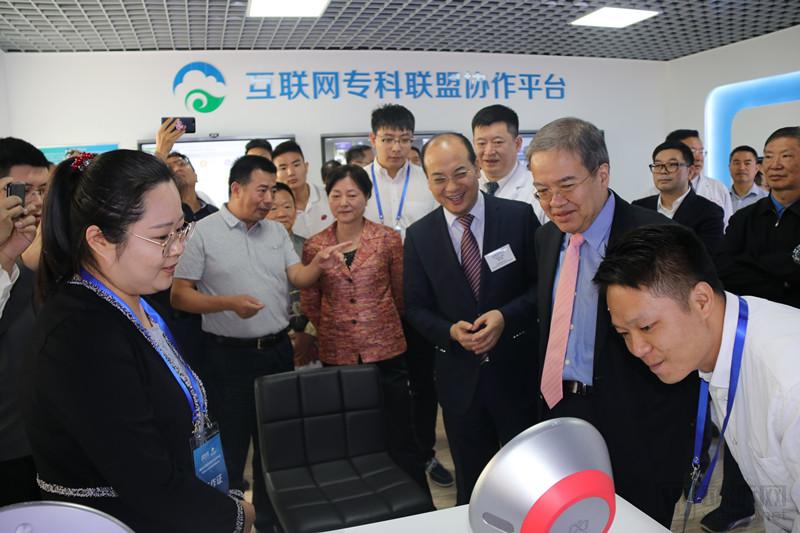
“We aim to leverage innovative technologies and the “Internet Plus” model to integrate and share healthcare resources across the Greater Bay Area, enabling residents in any city within the Guangdong-Hong Kong-Macao Greater Bay Area to access high-quality medical services from Guangdong, Hong Kong, Macao, and other cities in the region without leaving their homes.“Liao Jieyuan admitted frankly.”
To date, the collaborative platform has achieved the following results:
First, the technology and products of the collaboration platform have been fully developed, and rapid integration with the information systems of medical institutions in Hong Kong, Zhuhai, and Macao is currently underway.As the platform requires integrated online and offline management, the first batch of medical institutions is scheduled to go live on December 2, thereby enabling true sharing of users’ electronic medical records (EMRs) and health data, allowing all participating medical institutions to access such user data.
Second, WeDoctor Greater Bay Area has established strategic partnerships in Hong Kong with AIA Group, NWS Holdings, Li & Fung, and BODI Medical.In Guangdong, enterprises such as Guangzhou Pharmaceutical Holdings, Dashenlin, Yilianzhong, China Telecom Guangdong Branch, and China Unicom Guangdong Branch have also joined the WeDoctor Greater Bay Area Collaboration Platform to jointly create a 90-minute healthcare circle in the Greater Bay Area.
Third,The collaborative platform currently connects 79 hospitals and over 10,000 doctors across 21 prefecture-level cities in Guangdong Province and the Hong Kong Special Administrative Region. It has established 32 internet-based medical consortia, dozens of specialized collaboration alliances, and a network of 500 pharmacy-clinic outlets. Additionally, nine WeDoctor Bay Area City Service Bases have been set up in nine cities within the Greater Bay Area.
Fourth, the first city-based hub of the collaborative platform—the WeDoctor Greater Bay Area Zhuhai Hub—was unveiled at Zhuhai People’s Hospital, the hospital serves as an embedded service base for the WeDoctor Greater Bay Area Platform and joins the array of medical service bases in the “9+2” cities of the WeDoctor Greater Bay Area.Leveraging the “Internet+” model, we closely collaborate with other hospitals in the Greater Bay Area to jointly provide residents with convenient healthcare services, including appointment scheduling, online follow-up consultations, post-consultation follow-ups, remote consultations, and home medication delivery.
Fifth, to ensure that the general public receives professional and accurate medical services, WeDoctor will integrate smart home terminals, enterprise smart terminals, and mobile clinic vehicles through an integrated software-and-hardware service model. This approach enables residents in the three regions to connect with a doctor within 90 seconds and commence diagnosis and treatment.
Sixth, the collaboration platform is also connected to WeDoctor’s Wuzhen Internet Hospital platform and to physicians from more than 2,700 large and medium-sized hospitals across China.A deep integration has been established with over 4,000 footprints and large- and medium-sized hospitals across China. Currently, more than 280,000 specialists practicing at multiple locations online can benefit every resident in the Greater Bay Area through its collaborative platform.
Seventh, the first phase of investment in the Greater Bay Area’s collaborative platform amounted to RMB 200 million, and the investment progress has now reached nearly 50%.The strategy is implemented in three main steps: first, establish the foundational platform; second, enhance service capabilities; and finally, maintain monthly updates and iterations of products and technologies, thereby demonstrating the continuous onboarding of new medical institutions and experts onto the platform.
Liao Jieyuan stated that the launch of the Greater Bay Area Collaboration Platform aims to leverage technology to organize medical resources, integrating general practice, specialized care, and both online and offline healthcare service capabilities. By deploying software and hardware terminal products, the platform seeks to cover service needs for individuals, families, and enterprises, as well as various local government healthcare scenarios. This initiative is designed to expand the reach of primary healthcare, improve accessibility to high-quality medical services, facilitate the transition from a “disease-treatment-centered” model to a “health-centered” approach, and make technology-driven new healthcare readily accessible.
In the future, he aims to undertake a significant initiative: uniting medical institutions and regulatory authorities across the three regions to jointly establish the Greater Bay Area Health Card. By leveraging an integrated approach combining physical and digital platforms, this initiative seeks to ensure that the over 60 million residents of the Greater Bay Area can access healthcare services across various medical institutions in the region with seamless convenience, akin to the unimpeded flow of traffic on the Hong Kong-Zhuhai-Macao Bridge.
So, how exactly does the WeDoctor Collaborative Sharing Platform operate? How does it connect and integrate medical resources on both ends of the Hong Kong-Zhuhai-Macao Bridge?
On this end of the bridge is the first publicly launched urban service hub, led by Zhuhai People's Hospital., primarily offering medical services such as internet-based consultations, remote consultations within medical consortia, home health management, and embedded medical bases. It not only matches patients with appropriate specialists and experts in leading disciplines but also provides residents across the three regions with one-stop health management and medical services, including prevention, follow-up visits, and treatment.
Furthermore, the hospital has established the Greater Bay Area’s first HMO (Health Maintenance Organization) base, which is also the first embedded medical base launched under the Greater Bay Area collaboration platform. It is understood that the Zhuhai base integrates the resources and advantages accumulated by WeDoctor over eight years in the fields of healthcare, pharmaceuticals, and insurance. Leveraging the Zhuhai Internet Hospital, jointly built by WeDoctor Guangzhou and Zhuhai People’s Hospital, the base provides residents within the Greater Bay Area with membership-based health management services, appointment scheduling, referrals, and consultations among medical institutions in the region, as well as comprehensive services including online health management and convenient medication access.
“Zhuhai People’s Hospital has established multiple specialty alliances in recent years, covering interventional medicine, chest pain management, endocrinology and metabolism, and other fields. Building on this foundation, the hospital has joined forces with WeDoctor to become part of the WeDoctor Greater Bay Area Collaboration Platform, innovating the ‘Internet + Healthcare’ model to benefit more residents in the Bay Area,” said Lu Ligong, President of Zhuhai People’s Hospital, expressing high expectations for the partnership between the two parties.。
On the day of the unveiling ceremony, the Zhuhai base also established remote video connections with nine locations, including Dongguan and Foshan, via the WeDoctor Collaboration Platform. It is reported that service bases in other cities across the Greater Bay Area are currently under intensive construction.
“Thanks to the rapid advancements in technology,The Zhuhai base will successfully create a in the Greater Bay Area that aligns withInternational, Different, and Brand NewHMO System。“A representative from Guangzhou WeDoctor Internet Hospital stated that they hope to leverage the power of technology to drive progress in China’s healthcare sector, ultimately forming a “24/7 one-click consultations, one-click prescription fulfillment with remote prescribing, cloud-synchronized health records, and seamless referrals between general and specialty care. This efficient tiered diagnosis and treatment model ensures that 50% of medical services are delivered at home, 35% at primary healthcare institutions, and 15% of major, critical, and complex cases are treated at tertiary hospitals, truly placing health at the center and enhancing the accessibility and convenience of healthcare services.
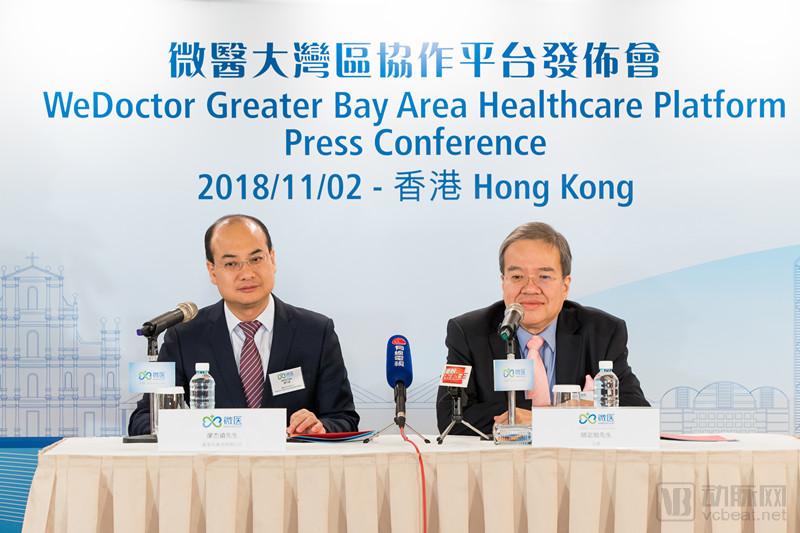
“On the other side of the bridge lies Hong Kong. According to Hu Dingxu, the foundational preliminary work has already been completed; the next step is to determine how best to support doctors and Hong Kong residents.”From the perspective of Hong Kong, it is acceptable for patients to research physicians’ backgrounds online, whether they are practicing Western medicine or Traditional Chinese Medicine (TCM). Particularly with the opening of the Hong Kong-Zhuhai-Macao Bridge, this platform can truly benefit residents across the Greater Bay Area by providing high-quality medical services.By 2020, the Guangdong-Hong Kong-Macao Greater Bay Area will become the largest bay area cluster in the world.
In the past, collaboration among these three regions was limited. Now, through this tri-regional collaboration platform, users can quickly determine which doctor to consult and where to seek care for the most appropriate treatment of their condition.As a result, healthcare adjustment capabilities will be enhanced in the Hong Kong-Zhuhai-Macao region, facilitating better exchange and synergy of multidisciplinary achievements among various medical institutions.
This is also beneficial for doctors in Hong Kong, as the platform enables them to connect and communicate with international experts (overseas specialists on the WeDoctor platform). For instance, in scientific research: Hong Kong has a population of only a few million, resulting in a limited variety of clinical treatment methods. In contrast, the Greater Bay Area boasts a population of over 60 million, which is projected to grow to 100 million. The vast array of clinical treatment approaches available there will significantly aid scientific research. In the future, doctors in Hong Kong will not only be familiar with Zhongshan Hospital in Guangdong Province but will also have access to all medical institutions integrated into the platform for learning purposes. By facilitating seamless online and offline communication among domestic and international doctors, patients, and medical institutions, this initiative will make greater contributions to global healthcare.
“The Greater Bay Area is a national strategy, and healthcare services are one of the core components of its development. There is an urgent need for an efficient platform to integrate resources and foster innovation in the region,” said Hu Dingxu. As Chairman of the platform, he stated that he would actively leverage his expertise in healthcare management to plan, build, and operate the Greater Bay Area platform effectively. He also expressed his hope that the Zhuhai base would fully capitalize on WeDoctor’s leading innovation and practical capabilities in medical technology, thereby benefiting the more than 60 million residents of the Greater Bay Area.
In fact, in addition to WeDoctor Group, other institutions are also racing to implement healthcare strategies for the world’s fourth major bay area, with many having already established operations. For example, China Resources Health, Shenzhen Bode Jialian Doctor Group Medical Co., Ltd., and medical institutions at various levels in Guangdong Province have jointly established the Guangdong-Hong Kong-Macao Greater Bay Area Hospital.
As early as April 18 last year, Shenzhen Bodajialian Physician Group Medical Co., Ltd. signed an investment agreement with New Frontier Medical Holdings Limited, a subsidiary of New Frontier Group. New Frontier Group will become the majority shareholder of Bodajialian Physician Group. New Frontier will invest at least RMB 1 billion in Bodajialian to pioneer initiatives in support of the development of the “Guangdong-Hong Kong-Macao Greater Bay Area.”
Following its financing round, BorderLink has established both hospitals and comprehensive outpatient clinics in Guangzhou, Huizhou, Shenzhen, and other cities. Its founder, Lin Feng, aims to build a tiered healthcare service network. Currently, BorderLink has opened two comprehensive outpatient clinics in Shenzhen and Huizhou, serving hundreds of outpatients daily, while its physical hospital in Guangzhou is poised to open soon.
In February this year, China Resources Group, which has been actively expanding in the healthcare sector but rarely publicizing its moves, unveiled its strategic layout and progress in healthcare: China Resources Health will focus on medical services and elderly care services, establishing four major business platforms for investment and operation, the elderly care industry, health funds, and health education. China Resources Group’s investments in the Greater Bay Area have reached $50 billion, with its subsidiary China Resources Health rapidly developing in medical services, elderly care services, and health education, laying the foundation for the future implementation of its broader health initiatives in the region. This clearly demonstrates their determination not to relinquish their share of the lucrative Greater Bay Area market.
Unexpectedly, seven months later, Nansha District signed cooperation agreements with the First Affiliated Hospital of Sun Yat-sen University, Guangdong Provincial Hospital of Chinese Medicine, and Guangzhou Women and Children’s Medical Center, marking Nansha’s strategic initiative to establish a new highland for healthcare in the Guangdong-Hong Kong-Macao Greater Bay Area.
It is reported that Nansha District has attached great importance to the development of medical and health services in recent years, positioning it as a key livelihood project and a crucial component of the business environment by the District Committee and District Government. In the first half of this year, the "Plan for the Establishment of Medical and Health Institutions in Nansha New Area (2016-2025)" was issued and implemented. Aligning with the developmental orientation of the Pilot Free Trade Zone, Guangzhou’s sub-center, and Guangdong Province’s gateway hub for opening up, Nansha has focused on strengthening foundational capabilities and attracting high-end resources. With the development of medical and health services as the foundation and the construction of the medical industry as the priority, Nansha continues to enhance the level of its medical and health services and expand the scale of its medical industry. It is strategically planning to establish a new highland for medical and health services in the Guangdong-Hong Kong-Macao Greater Bay Area, aiming to become Guangzhou’s de facto medical sub-center.
At the same time, it will facilitate robust collaboration among medical institutions in the region, leveraging complementary disciplinary strengths. Together with Nansha District’s public medical institutions and community health service centers, a comprehensive three-tier medical consortium will be established. By seizing the significant opportunity presented by the National Health and Family Planning Commission’s plan to build National Medical Centers, the project will accelerate the development of Guangzhou’s sub-center, which serves as a gateway hub. This will drive an overall enhancement of medical service levels in the Nansha New Area, establishing a high-level, highly competitive healthcare高地 in the Guangdong-Hong Kong-Macao Greater Bay Area. It will create strong appeal for Hong Kong and Macao international residents and domestic urban patients to seek medical care in Nansha District, directly stimulating the growth of numerous industries in the Nansha New Area, including health tourism and the tertiary sector.
Even though the various regions of the Guangdong-Hong Kong-Macao Greater Bay Area have introduced corresponding support policies for the healthcare industry, many industry insiders believe that Guangdong still faces significant challenges in implementing healthcare services within the framework of “One Country, Two Systems.” In this region, where medical resources are increasingly interconnected, differences in language, approval policies, taxation, and health insurance reimbursement continue to create difficulties for patients seeking care and pose substantial obstacles for physicians practicing across regional boundaries.
Liao Jieyuan believes that although the medical systems in the Guangdong-Hong Kong-Macao Greater Bay Area differ, patients’ healthcare needs remain the same, and the clinical diagnosis and treatment processes are similar for physicians.
Hu Dingxu stated that the “sharing” model proposed by WeDoctor’s Greater Bay Area Collaboration Platform is likely to impact physicians’ clinical practice. Recently, he conducted interviews with a group of elderly individuals in Hong Kong, primarily to understand their prior medication histories; however, the participants were unable to recall these details. If a health card were available to continuously record users’ diagnostic and treatment information, it would greatly facilitate subsequent diagnoses by other physicians.
Meanwhile, the health card is one of the most secure methods for protecting user data. In fact, the national security measures implemented for health cards involve rigorous encryption followed by stringent authorization protocols. What does authorization entail? It refers to the strictly defined levels of information access granted to different entities: nurses, physicians, and emergency centers each have specific, regulated permissions regarding which tiers of data they can view, all safeguarded by robust cryptographic keys. Throughout this process, while the data provides significant convenience to the public, it operates within a strictly confidential environment. Therefore, under these stringent security and confidentiality safeguards, only the patient and the authorized medical institutions, along with their professional staff, are permitted to access the patient’s information.
We believe that with the development of the Guangdong-Hong Kong-Macao Greater Bay Area, the national government will introduce more detailed regulations to support industry growth. After all, if winter has come, can spring be far behind?