

Internet Healthcare in 2018: Over $19 Billion in Funding, Hospitals Emerge as Key Players, and Leading Companies Expand Multi-Pronged Business Lines
Tides. There are both rising and falling tides, yet hearts remain surging with excitement. No phrase could be more apt to describe the internet healthcare sector in 2018.
Amid this wave, which internet healthcare companies have garnered significant attention, and what new forces are emerging? How does capital view these developments?
As 2018 draws to a close, we aim to review the year’s major events and their impact on enterprises and various medical institutions, so as to identify future development pathways. Let us first examine the keywords for 2018 as summarized by industry insiders:
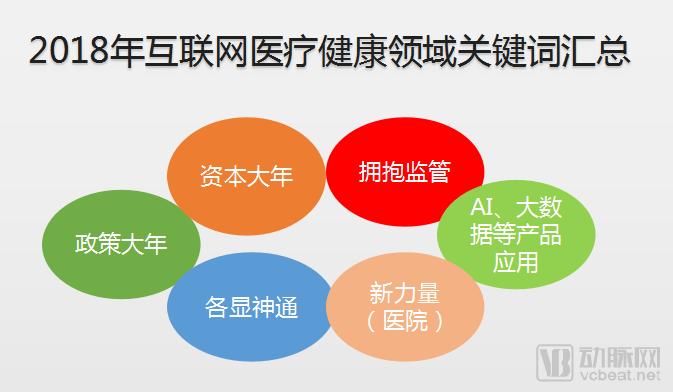
The content of this article will also revolve around these keywords. Let’s first look at the “Year of Policy”:
Undoubtedly, the most noteworthy and impactful developments in internet healthcare in 2018 were: five major “Internet + Healthcare” events that occurred in April, and the issuance of three administrative measures for internet diagnosis and treatment in July. Let us briefly review these developments:
In early April, national leaders conducted an on-site inspection at the Telemedicine Center of Huashan Hospital Affiliated to Fudan University to examine the new pattern of tiered diagnosis and treatment established through models such as “Internet + Healthcare” and medical consortia.
The day after the visit, the State Council convened an executive meeting. The healthcare-related decisions included: first, adopting measures to develop “Internet Plus Healthcare” to alleviate difficulties in accessing medical care and improve public health; second, implementing zero tariffs on imported anticancer drugs and encouraging the import of innovative medicines, thereby responding to public expectations and delivering greater benefits to patients.
On April 12, the State Council Information Office held a media briefing on the “Opinions on Promoting the Development of ‘Internet Plus Healthcare.’” The key announcement was that internet hospitals have received official accreditation. Meanwhile, the internet will be fully integrated with medical care, pharmaceutical services, and health insurance. The briefing also addressed concerns regarding security risks in online healthcare, data safety, and the establishment of internet hospitals.
On the morning of April 26, the National Health Commission held a special press conference themed “Development of ‘Internet + Healthcare’ and Hospital-Based Internet Medical Services” at China-Japan Friendship Hospital.Two days later, the General Office of the State Council issued the “Opinions on Promoting the Development of ‘Internet + Healthcare’” (hereinafter referred to as the “Opinions”).
The “Opinions” consist of the following three components:Strengthen the “Internet + Healthcare” service system; improve the “Internet + Healthcare” support system; enhance industry regulation and security safeguards.The aim is to advance the implementation of the Healthy China strategy, enhance the modernization of healthcare management, optimize resource allocation, innovate service models, improve service efficiency, reduce service costs, and meet the people’s growing demands for medical, health, and wellness services.
Allow medical institutions to establish internet hospitals.Medical institutions may use “Internet Hospital” as their secondary name., on the basis of physical hospitals, leveraging internet technologies to provide safe and appropriate medical services, allowing online follow-up consultations for certain common and chronic diseases. Upon reviewing patients’ medical records, physicians are permitted to issue online prescriptions for certain common and chronic diseases.
EncouragementWithin medical consortia, tertiary healthcare institutions leverage artificial intelligence and other technologies to provide grassroots facilities with services such as remote consultations, remote electrocardiogram (ECG) diagnosis, and remote imaging diagnosis., to facilitate real-time access, mutual recognition, and sharing of examination and test results among medical institutions within the medical consortium.
This marks the official release of the “Internet + Healthcare” policy, following extensive research and evaluation.
From May 20 to 22, national leaders conducted field research in Zhejiang Province, emphasizing the need to deepen comprehensive reforms of public hospitals, advance “Internet Plus” healthcare and private medical services, and provide high-quality, efficient, and convenient health services to the public.
On June 4, while conducting an inspection in Yinchuan City, the national leader heard a report on the “Internet + Healthcare” initiative and gave full affirmation to innovations such as remote outpatient consultations and remote diagnostics.He stated, “Yinchuan aims to establish a national-level ‘Internet + Healthcare’ demonstration zone for the entire country. We hope you will effectively implement this initiative to benefit the public and provide valuable experience for other regions across China.”
After 2 months,The National Health Commission and the National Administration of Traditional Chinese Medicine jointly issued the "Notice on Issuing Three Documents, Including the 'Administrative Measures for Internet Diagnosis and Treatment (Trial)'"Including the "Administrative Measures for Internet Hospitals (Trial)", the "Administrative Measures for Internet Diagnosis and Treatment (Trial)", and the "Specification for the Management of Telemedicine Services (Trial)".
The purpose is to further implement the relevant requirements of the “Opinions of the General Office of the State Council on Promoting the Development of ‘Internet + Healthcare’.”Standardize internet-based diagnosis and treatment practices, leverage the positive role of telemedicine services, improve the efficiency of medical services, and ensure medical quality and safety.
Subsequently, enterprises and hospitals across China recognized this signal and flocked to join the wave of internet-based healthcare, presenting a thriving landscape.
This has also attracted significant attention from a large number of capital investors, including dozens of well-known investment institutions such as China Investment and Finance, Sequoia Capital China Fund, CEC Health Industry Fund, Huaxing New Economy Fund, Fosun Tonghao, and CITIC Capital Healthcare Fund. Below are some of the financing data in the internet healthcare sector for 2018:
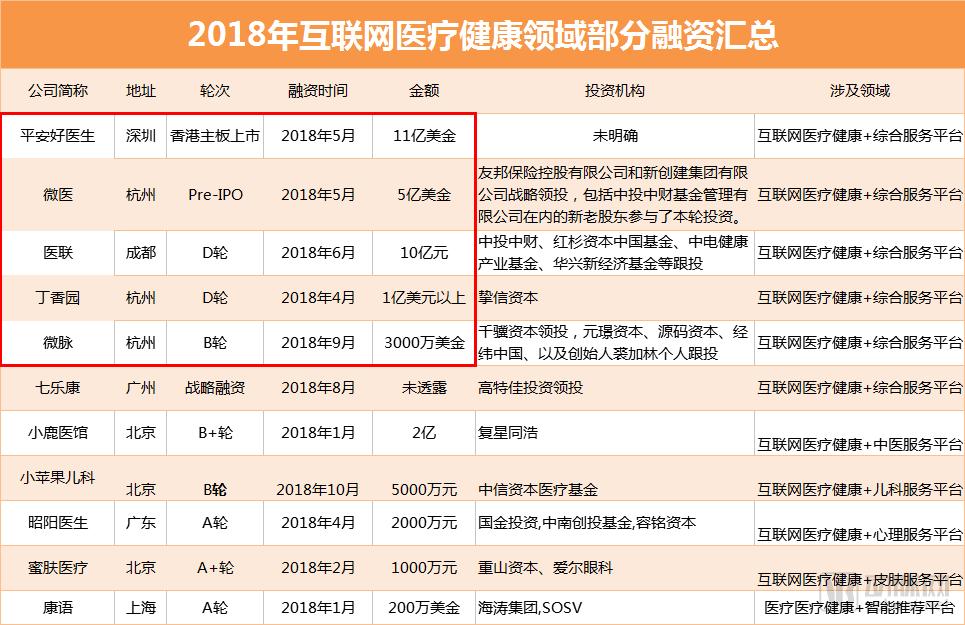
Although the total amount of financing secured by companies surged compared to last year, the number of companies that obtained funding was half that of the previous year.
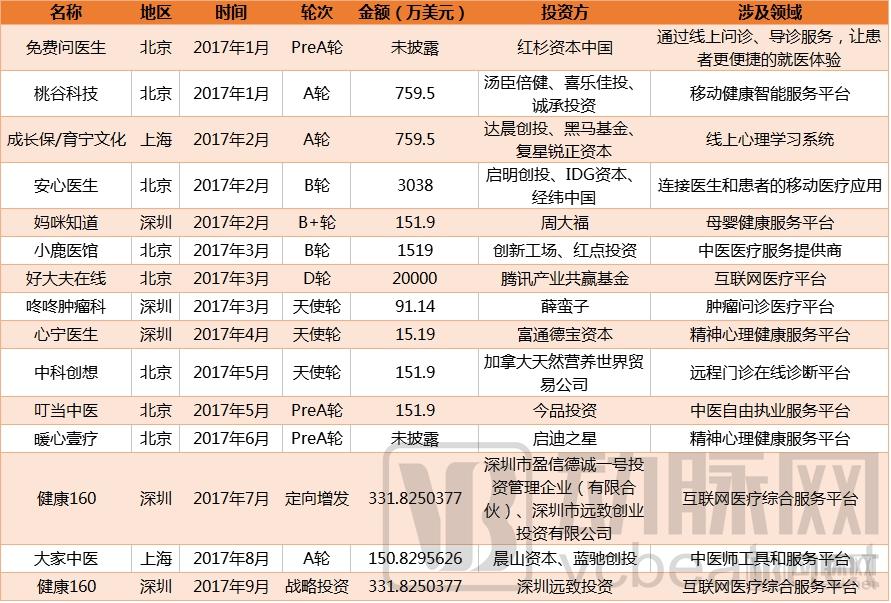
In comparison, the companies that secured financing in 2018 were entirely different from those in 2017. Notably, Ping An Good Doctor, a Hong Kong-listed company and the first publicly traded stock in the internet healthcare sector, emerged during this period. Subsequently, WeDoctor and DXY also publicly announced their plans to go public.
In August, according to the semi-annual financial report of Ping An Good Doctor, as of June 30, 2018,Ping An Good Doctor’s H1 Revenue Reaches RMB 1.12 Billion, Up 150.3% Year-on-Year;The company reported a net loss of RMB 444.2 million, representing a year-on-year decrease in losses of 2.6%; gross profit amounted to RMB 308 million, up 65.3% year on year; basic loss per share was RMB 0.5.The announcement stated that the losses were due to share-based payments, net foreign exchange losses, and one-time listing expenses.The company has achieved notable success in customer operations and traffic accumulation, realizing dual growth in both user base and inquiry volume.
Judging from the financing announcements made by these companies, all were issued between April and June, coinciding precisely with the period when internet healthcare policies were intensively released. The dual support of policy and capital has served as a significant boost to the internet healthcare industry.
For enterprises,With the introduction of policies on internet-based healthcare, they have also begun to re-examine and adjust their positioning in terms of business content, market expansion, and commercial pathways.
1) Ping An Good Doctor: Rapid Growth in Four Core Businesses, with Significant AI-Driven Results
Currently, Ping An Good Doctor’s revenue is primarily derived from four major segments: family doctor services, consumer healthcare services, the health mall, and health management and interaction services. Among these, the core business of family doctor services has achieved rapid growth, with significant results driven by AI technology.
First Half of the Year,Ping An Good Doctor’s Core Business—Family Doctor ServicesRevenue reached RMB 186 million, a year-on-year increase of 91.4%. The average daily number of consultations reached 531,000, up 58% year on year. By the end of June 2018, Ping An Good Doctor’s “1-minute consultation + 1-hour medication delivery” service had covered 62 cities, with 4,150 partner pharmacies. By the end of July, the service had expanded to more than 80 cities across China, including well-known national pharmacy chains such as Yifeng, Neptune Star, Laobaixing, and Guoda.
Consumer Healthcare,Its sales volume reached RMB 346.5 million, a year-on-year increase of 47.5%. Gross profit reached RMB 113.8 million, a year-on-year increase of 40.6%. This was mainly due to the continued strong growth trend in the health check-up card business.
Health Mall,Centered on scenarios closely related to users’ medical and health needs, a wide range of healthcare products are offered online. As of June 30, 2018, the Health Mall had partnered with over 500 merchants, offering approximately 265,000 SKUs across numerous categories, including traditional Chinese and Western medicines, nutritional supplements, medical devices, maternal and infant care, and sports and fitness products.
Health Management and Interaction,By leveraging recommendation engines to predict user interests and preferences, Ping An Good Doctor pushes health-related content to its users. Generating advertising revenue through precise medical and healthcare traffic is also one of the company’s income sources, with its advertiser base encompassing well-known enterprises in the domestic and international medical and healthcare industries.
2) WeDoctor’s Four Business Lines: WeMed, WePharma, WeDoctor Cloud, and WeInsurance—Addressing Key Bottlenecks Across the Healthcare Industry
In February this year, WeDoctor announced its new strategy, delineating four major business lines: WeMedical, WePharma, WeDoctor Cloud, and WeInsurance. With these four lines operating simultaneously, the HMO system has taken shape.
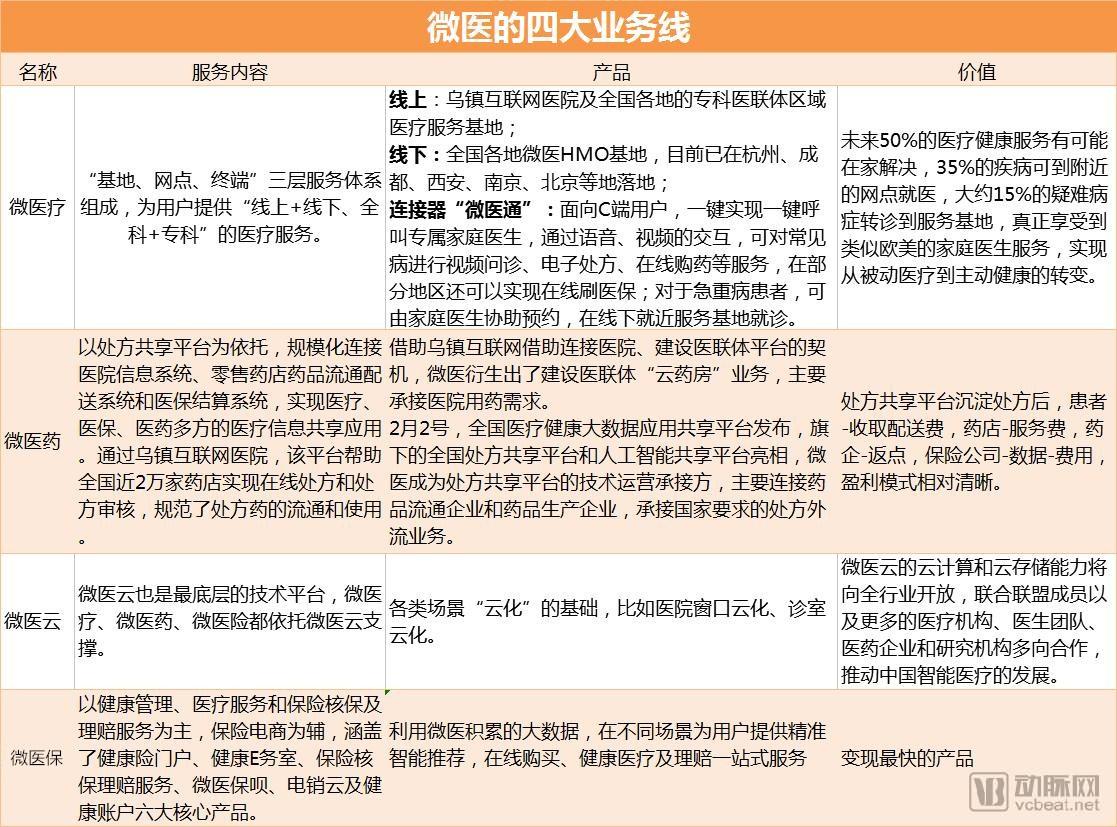
“These four core business areas represent a comprehensive upgrade of WeDoctor’s strategy and operations, as well as an active response to the national initiative to vigorously promote the sharing and application of health and medical big data,” said Liao Jieyuan, founder of WeDoctor.
Since its establishment in 2010, WeDoctor has undergone seven years of development, starting from Guahao.com and gradually expanding into business lines such as internet hospitals, general practice clinics, pharmacy-clinics, health e-commerce platforms, WeDoctor Cloud, and commercial insurance, thereby forming a self-contained, closed-loop ecosystem.
Over the past 10 months this year, WeDoctor has continuously integrated upstream and downstream resources, signed cooperation or strategic partnership agreements with top-tier domestic and international institutions, and established HMO bases across China.Each step continuously enriches and fills in the missing segments across major business lines, resolving various “bottlenecks” in the healthcare industry.
3) DXY: “Data-driven, serving doctors and patients” is its core strategy, with strong performance across the B-side, C-side, and D (doctor) side.
Li Tiantian, founder of DXY, stated that 2018 was a year “full of changes” and “clarifying boundaries.” For DXY, under the core strategy of “data-driven, serving doctors and patients,” various businesses were steadily promoted.Whether it is B-side digital services and commercial operations, C-side popular science content and online-offline diagnosis and treatment, or D (doctor)-side professional services, remarkable achievements have been made.
This year, DXY has actively responded to national policies by leveraging innovative technologies such as artificial intelligence to promote the decentralization of medical resources and the comprehensive implementation of grassroots healthcare services.
For instance, “Smart Skin,” China’s first comprehensive AI-assisted diagnosis and treatment platform for dermatology, co-developed by DXY, has been deployed across all provinces in China. It has established collaborations with regions such as Inner Mongolia, Yinchuan, Heilongjiang, and Hainan, as well as with organizations like the Huaxia Dermatology Imaging AI Consortium, positioning itself at the forefront of the industry. Its systematic, high-quality services meet the needs of both physicians and the general public.
4) Yilian: Nationwide rollout of contracted internet hospitals; big data serves as a strategic resource, with extensive AI applications.
For Yilian, leveraging its physician platform to diversify into various segments of the industry chain, it has deeply cultivated businesses related to physicians, hospitals, and pharmaceuticals. Gradually, it has established a comprehensive industry chain centered on smart internet hospital solutions. Its business layout has progressively penetrated upstream and downstream sectors of the broader healthcare industry, including medical institutions, pharmaceutical and medical device manufacturers, government agencies, and commercial insurance providers, delivering standardized and customized healthcare solutions.
While deeply cultivating multiple business lines, Medlinker also maintains strategic priorities. For instance, this year Medlinker has focused on expanding its pharmaceutical business sector by establishing a “patient-centric” service solution for pharmaceutical companies. This solution provides comprehensive services, including academic promotion, physician education, and patient education, leveraging internet-based approaches to enhance drug accessibility in an efficient and cost-effective manner.As a key partner of Gilead Sciences China, we have leveraged hepatitis C as an entry point to pilot patient-centric holistic healthcare solutions. By successfully pioneering the “single-disease HMO model” and integrating the entire value chain encompassing medical care, pharmaceuticals, and payment, we have achieved a significant breakthrough that will also serve as a crucial strategic direction for Yilian’s future development.
From the perspective of business layout, Medlinker has also witnessed several key milestone events, as shown in the figure below:
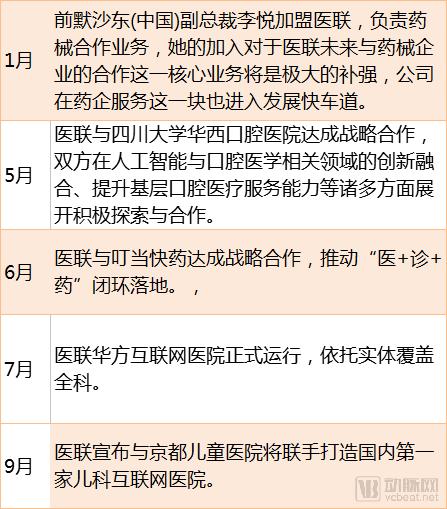
Furthermore, Medlinker completed its Series D financing in June and will consider investing in and acquiring outstanding companies within the industry. This strategy aims to enhance the company’s diversified layout in the broader health sector, ultimately enabling Medlinker to grow into a leading comprehensive innovative healthcare enterprise with business coverage across the entire “Internet + Healthcare” industry chain.
The physician platform is the cornerstone of Medlinker. Ensuring that a broad base of physicians benefits from the Medlinker platform has been the original aspiration behind Medlinker’s founding. In 2018, Medlinker was committed to continuously enhancing the user experience on its physician platform. Academic content and video programs that blend professionalism with engaging elements were continually refreshed; efforts to build physicians’ personal brands were sustained; and features such as “Angel Expert,” a knowledge quiz game designed exclusively for physicians, and “Space-Time,” a physician-specific anonymous community akin to “Whisper,” were highly acclaimed by physician users. Furthermore, actively aligning with policy trends, the Medlinker physician platform adjusted and improved diverse internet hospital practice functionalities, including patient follow-up, online consultations, prescription issuance, and patient referrals. Through refined operational strategies, the platform’s user base grew steadily. To date, the Medlinker physician platform has aggregated 550,000 real-name registered physicians, including 27,000 contracted physicians.
Regarding other business initiatives, Medlinker has adopted a highly cautious approach: its pharmaceutical company services will continue to expand; medical big data will serve as a strategic reserve resource for Medlinker; and Medlinker’s AI technologies have been successively partnered with institutions such as West China School of Stomatology, achieving commercial deployment. Overall, Medlinker has consistently focused its business expansion on several key segments of the healthcare industry chain: hospitals, physicians, pharmaceuticals, insurance, and patients.How to control risks as much as possible while increasing revenue is the “difficult problem” that Medlinker will face next.
5) Haodf Online: In-depth collaboration with Yinchuan First People’s Hospital; its internet healthcare model has been investigated multiple times by national leaders.
Since securing its largest funding round last year, Haodf Online has been working tirelessly this year to implement its “Internet Hospital” initiative. Most notably, its collaboration with the First People’s Hospital of Yinchuan has received repeated recognition from national leaders.
This collaboration primarily focuses on remote outpatient consultations. According to statistics from Haodf.com, a total of 2,200 cases (out of 9,615 nationwide) were completed in Ningxia between June 2017 and October 2018. Remote outpatient services mainly target difficult and complex conditions, requiring joint consultation by local physicians and specialists from top-tier tertiary hospitals in Beijing and Shanghai. The average cost was RMB 418 per case, predominantly paid out-of-pocket with minimal coverage by medical insurance.
In terms of family doctor contract services, taking the pilot area of Pengyang County (with a population of 197,000) as an example, data from Haodaifu Online as of November 10 shows that the total number of residents contracted online was 84,272, accounting for 42.77% of the permanent population, with an online activity rate of 39.69% among contracted residents.
Ma Xiaofei, Director of the Yinchuan Municipal Health and Family Planning Commission, stated that data from Haodf Online indicates that internet-based healthcare has provided substantial support to both eastern and western regions. In particular, online consultations in Ningxia and Gansu provinces are primarily concentrated on local medical resources as well as those in Beijing and Shanghai.In other words, the internet has not completely siphoned off local services; local entities remain a crucial cornerstone, andThe provision of services by cross-regional physicians from cities such as Beijing and Shanghai demonstrates that internet healthcare has effectively facilitated poverty alleviation and support from eastern to western China.
In May this year, Haodf Online announced the official launch of its Open Platform for Physician Services, providing enterprises with free access to core medical resources. Enterprises can now independently apply to join the open platform, share medical resources, acquire medical service capabilities, and receive revenue sharing. A relevant representative from Haodf Online revealed that one of Haodf’s strategic directions in 2018 was “open collaboration.”
It is reported that Haodf.com boasts the largest online triage, medical assistant, and quality supervision team in China. With 12 years of deep industry engagement, the platform has indexed 579,000 physicians from more than 9,353 accredited hospitals across 31 provinces, municipalities, and autonomous regions nationwide. Among them, 199,000 physicians provide services on the platform; 73% are from tertiary Grade A hospitals, and 87% hold the title of attending physician or above. Currently, Haodf.com receives approximately 8 million daily visits, facilitates over 200,000 doctor-patient interactions per day on average, and has cumulatively served more than 48.94 million patients.
6) Chunyu Doctor: Continue to connect users, empower hospitals, and launch a more diverse and enriched business ecosystem
Tan Wanneng, Public Relations Director at Chunyu Doctor, stated that in 2018, Chunyu Doctor achieved further enhancements in both the depth and breadth of its business operations, with qualitative improvements in service capabilities, connectivity reach, and refined operational management. Overall, Chunyu Doctor continues to focus on building a consumer-facing (C-end) online medical and health service portal and a business-facing (B-end) medical and health service distribution platform, thereby connecting users and empowering hospitals.
Thanks to the introduction of policies and supporting measures related to “Internet + Healthcare,” internet companies such as Chunyu Yisheng (Spring Rain Doctor) have gained a clear pathway to enter the healthcare service sector via online platforms. Overall, however, changes have been modest. The primary developments include greater policy tolerance, increased public awareness and acceptance, improved market maturity, and the gradual integration of certain new technologies and business models into the industry.
Even so, he believes that the difficulties in corporate development still lie in the fact that awareness of their business among various institutions remains to be improved.
7) Hangxin Jinglian: All three business lines—remote consultation, pharmaceutical services, and health management—are fully compliant with national policies.
Wang Jiong, CEO of Hangxin Jinglian, stated in an interview that internet healthcare companies have demonstrated their unique strengths and achieved initial success this year. “Our business is fully aligned with national policies.”
The current business lines include remote consultations, pharmaceutical services, and health management. Details are as follows:
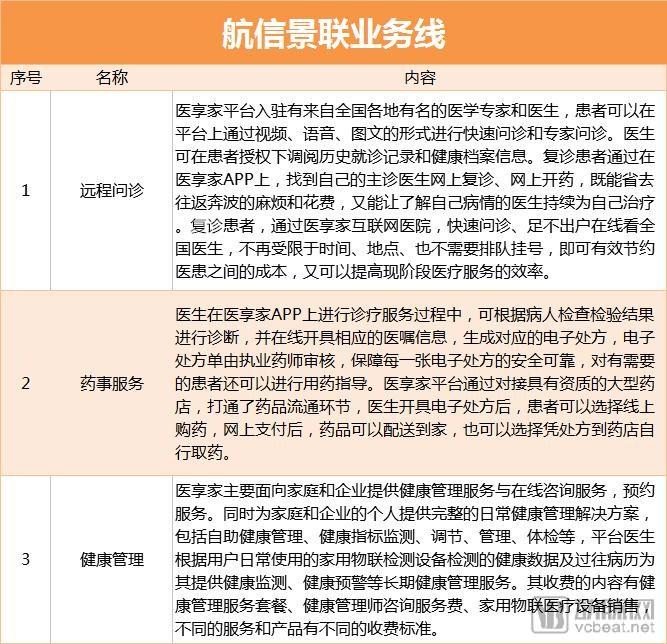
In terms of health management, internet technology is applied to adopt a collaborative service model involving specialists, general practitioners, and health managers. Home-visit services are also provided, enabling residents to receive medical care at home, with referrals to tertiary hospitals only when complications from chronic diseases arise. During government inspections and follow-up visits, patient satisfaction reached 100%.
8) Weimai: “Expanding Incremental Growth” and Enriching the Supply of Medical Services to Meet Diverse Needs through Service Innovation
Qiu Jialin, Founder and CEO of Weimai, stated in an interview that 2018 marked the inaugural year of “Internet + Healthcare.” The market is vast, the sector offers broad opportunities, and everything is just beginning. Regulatory policies have affirmed the heavily regulated nature of the healthcare industry and clarified that internet-based medical services should be built on trust, which has strengthened Weimai’s resolve along its explored path.
For Weimai, two events this year are of significant milestone importance:
First, the Weimai model has received policy-level endorsement.State Council Document No. 26 [2018] emphasized the combination of “optimizing existing resources” and “expanding new services” during its drafting process, requiring both the optimization of existing medical services through “Internet Plus” and the enrichment of service supply. Since its establishment, Weimai has actively responded to the national encouragement and call for innovation in “Internet Plus Medical Health.” Primarily operating on a city-by-city basis, Weimai has focused on “optimizing existing resources” by leveraging internet technologies to help hospitals upgrade their original medical services, thereby facilitating convenient healthcare access through “Medical Care Plus Internet.” Meanwhile, seizing the opportunity presented by the construction of internet hospitals, Weimai has adhered to the principle of combining “optimizing existing resources” with “expanding new services,” utilizing internet technologies to enhance and innovate medical services, thus achieving innovative operation of “Internet Plus Medical Care” health services. This year, based on its understanding of policy directions, Weimai has set the goal of “ensuring that every user receives at least one exclusive service,” raising higher requirements for both the depth and breadth of its services.
Second, the Weimai model has gained recognition from the capital market.This September, coinciding with Weimai’s third anniversary and the “9.9 Health Day,” Weimai secured $30 million in Series B financing, led by Qianji Capital. Driven by confidence in the national “Internet + Healthcare” policy direction and a positive outlook on the development trends of the medical and health industry, this funding will primarily support Weimai in enhancing the in-depth operation of its Internet + healthcare services, accelerating its expansion across partner cities and hospitals, and incubating and exploring innovative service offerings. These efforts will provide sustained momentum for further deepening its localized trust-based healthcare model.
This year, Weimai has also begun to seek broader cross-industry partnerships externally, launching the open platform project codenamed “Octopus.” The aim is to leverage this platform to extend its various medical and healthcare service capabilities to more partners, including physician consultations and Q&A, educational courses, health information, and appointment registration services, thereby becoming a provider of high-quality medical resources and services. Meanwhile, it will further optimize incentive mechanisms for medical services, delivering services that users are willing to use, need, and can accept through sustainable “Internet + Healthcare” operations, thus “empowering patients with choices and ensuring physicians are fairly compensated.”
It is reported that Weimai is the first internet healthcare service platform in China to propose the concept of “Trusted Healthcare.” The combination of localization and Trusted Healthcare has always been the foundational principle guiding Weimai’s development.Currently, Weimai’s services cover 17 provinces and more than 70 cities across China, partnering with nearly 500 hospitals, with over 50,000 doctors providing various medical and health services to patients online.
9) Qilekang: Not only secured strategic financing but also rebranded as “Shiliu Cloud Doctor,” focusing on a platform for follow-up consultations for chronic diseases
For 7LeKang, 2018 was a year to remember. Not only did it secure a new round of strategic financing led by GTJA Investment, but it also rebranded from “7LeKang” to “Shiliu Cloud Medicine,” focusing on a chronic disease follow-up consultation platform and building a complete online healthcare service loop integrating “physicians, pharmaceuticals, and patients.”
Shi Zhenyang, Founder and Chairman of 7Lecarestated, “This collaboration is of significant importance. Beyond providing financial support, GTJA Investment will also lend its resources, expertise, and influence in the healthcare sector. Following this round of financing, Qilekang will prioritize the upgrading and iteration of its brand, products, and services, continuously expanding the boundaries of ‘Internet Plus’ comprehensive health services and steadily enhancing its core competitiveness in the internet healthcare field.”
To achieve this goal, Qilekang has accumulated substantial resources in the medical and pharmaceutical sectors. On the physician side, Qilekang currently boasts hundreds of thousands of registered doctors.
As one of the first enterprises to obtain qualifications for online pharmaceutical sales, Qilekang operates multiple third-party sales platforms as well as its own proprietary platforms, including an official website and mobile applications. The company has independently developed and established several advanced systems, such as a Warehouse Management System (WMS), a Supply Chain Management System, an Order Fulfillment Center (OFC) system, and a basic database management system. These systems enable fully paperless operations and facilitate comprehensive management of the entire process—from initial vendor approval, goods receipt and inspection, warehousing, and outbound order verification, to pharmaceutical transportation and cold-chain logistics—thereby achieving thorough back-end tracking and query capabilities.
As of today, Qilekang has established the most comprehensive pharmaceutical database in the industry, containing detailed information on over 30,000 drugs and integrating all data related to drug safety and usage, as well as all information required for Good Supply Practice (GSP) compliance. Meanwhile, Qilekang is among the first batch of enterprises in China to obtain approval for pilot B2C pharmaceutical logistics operations. By leveraging electronic drug supervision codes as the core mechanism, it has achieved traceability management throughout the entire drug distribution process, ensuring drug quality and safety during delivery.
Encouragingly, this year has seen some hospitals begin to establish internet hospitals, marking a transformation wherein former pre-consultation online services are gradually expanding to cover the entire diagnosis and treatment process. Examples include Ningbo Cloud Hospital (government-led), Sir Run Run Shaw Hospital of Zhejiang University School of Medicine (hospital-led), and Beijing Hospital’s Internet Hospital.
In September this year, Beijing Hospital’s Internet Hospital was officially launched. From now on, patients can access services such as intelligent triage and video consultations provided by the medical team of Beijing Hospital through the “Palm Beijing Hospital” app. It is reported that this is also the first internet hospital in Beijing to be based on a physical hospital.
Unlike the “ethereal” online hospitals imagined by patients, Beijing Hospital’s Internet Hospital is an internet-based medical service platform built upon a solid, physical Grade III Class A medical institution. The launch of the Internet Hospital aims to reduce the need for patients to make unnecessary trips, enabling them to access high-quality medical services anytime and anywhere. By downloading the “Mobile Beijing Hospital” app, patients and their families can enjoy expert consultations from a Grade III Class A hospital from the comfort of their homes.
We understand that the “Beijing Hospital Mobile” platform offers services such as intelligent triage, transportation navigation, health information, and a medical encyclopedia. Patients can also seek consultations via text and images, and directly connect with specialists from Beijing Hospital through video outpatient visits, thereby accessing tertiary-care expert medical services without leaving home. Among these services, text-and-image consultations are provided by Beijing Hospital’s team of experts, offering health advice, visit-related guidance, and follow-up care for chronic diseases. This enables one-on-one communication and interaction between doctors and patients anytime and anywhere via mobile phones, delivering comprehensive professional guidance on medical care, health management, and medication use, thus improving residents’ health management capabilities.
The two most dynamic regions for internet healthcare this year are Yinchuan and Hangzhou.
Yinchuan boasts the most comprehensive policy framework for internet-based healthcare, having issued detailed regulations across various dimensions—including supervision and industry standards—to support enterprise development.
Ma Xiaofei, Director of the Yinchuan Municipal Health and Family Planning Commission and President of Yinchuan First People’s Hospital, noted that Yinchuan, located in western China with an underdeveloped economy, suffers from insufficient local medical resources. Consequently, a significant proportion of patients with complex and refractory diseases still seek medical care across provincial borders. Many severely ill patients are forced to travel long distances for treatment, imposing a heavy burden on both the patients and their families due to the hardships endured during the referral process and the additional costs associated with out-of-area medical care.
Only by leveraging emerging technologies such as the Internet to connect with top-tier experts in major cities like Beijing and Shanghai, while extending coverage to county-level hospitals and township health centers to deliver diagnostic and treatment capabilities, can a multi-tiered hierarchical diagnosis and treatment model be established. This approach fosters a win-win situation for all stakeholders and ultimately benefits the general public.
Its core comprises three key points: first, being demand-oriented and promoting the decentralization of high-quality medical resources through the development of telemedicine; second, coordinating local high-quality medical resources to create an integrated regional healthcare service system; and third, ensuring low cost, replicability, and scalability.
Hard work pays off. In late April 2018, Yinchuan’s “Internet + Healthcare” model gained recognition. In June 2018, national leaders visited Yinchuan Municipal Hospital to conduct research and on-site inspections of the Yinchuan Model. Attaching great importance to this initiative, they pointed out that the Yinchuan Model could address the current shortage of high-quality medical resources in western China, and proposed that Ningxia should establish a pilot program for “Internet + Health” to accumulate experience and gradually promote it nationwide.
Yinchuan Makes Another Major Move! China’s First “Internet + Healthcare” Association Established, with 40 Founding Members, Leveraging Yinchuan’s Concentration of Internet Healthcare Enterprises to Establish Industry Self-Regulation Mechanisms and Promote the Development of Industry Standards and Norms.
Although Hangzhou was not the first to propose the concept of “Internet + Healthcare,” it was the earliest region to apply the Internet to medical services.
Taking Sir Run Run Shaw Hospital, Zhejiang University School of Medicine, as an example, the hospital launched the “Future Hospital” initiative, focusing closely on the bottlenecks, pain points, and difficulties faced by the public in accessing medical care. Building on its foundation as the first institution in China with both campuses simultaneously achieving HIMSS Stage 7—the highest level of international health information technology certification—and JCI accreditation, it pioneered a comprehensive transformation of the entire medical service process within China. It established the country’s first smart healthcare cloud platform and became the first to pilot mobile payment for medical insurance services. These efforts fully embody President Xi Jinping’s important concept of “letting data do the running so that people need to run less,” effectively addressing the challenges of difficult and cumbersome access to medical care. Through internet-based healthcare services, the hospital has helped retain more patients at the primary care level, continuously improving patient experience and enhancing their sense of gain from medical services.
For 2019, we predict the development trends in the internet healthcare sector will be as follows:
First, as the industry continues to open up, the successive release of government policy documents encouraging internet healthcare enterprises will stimulate greater innovation and creativity among more companies. For industry players, it is essential to make thorough preparations, engage in continuous exploration, and remain persistent.
Second, in terms of quantity, the number of companies in the internet healthcare sector will undoubtedly continue to grow. However, due to the unique characteristics of the industry, an increasing number of these enterprises will be eliminated, leaving only those with genuine strength and competitiveness.
Third, regarding corporate development direction, the scope of internet-based medical and health services will continue to expand in the future. Covering every aspect from appointment scheduling and clinical consultations to comprehensive health management, this expansion will inevitably give rise to more specialized niches, enabling greater participation by internet healthcare enterprises.
Fourth, enterprises in the internet healthcare sector must leverage modern internet technologies to vigorously develop medical artificial intelligence on the basis of possessing vast amounts of medical data. This will significantly enhance physicians’ diagnostic and treatment efficiency, make healthcare access more convenient for patients, and enable them to enjoy higher-quality medical services.
Fifth, medical institutions, physicians, and users are gradually beginning to accept and recognize the application of “Internet + Healthcare.”
Sixth, players in the internet healthcare sector will demonstrate more specialized operational capabilities, with further segmentation of business domains and an expanded scope of connectivity.
Seventh, China’s internet healthcare will shift from a disease-centered model to a health-centered one, encompassing community health care, public health, and preventive health education. Regardless of whether services are delivered online or offline, they will focus on primary medical and health services, including the diagnosis and treatment of common diseases, chronic conditions, and frequently occurring illnesses, as well as serving the large population with general health needs.
Eighth, many public hospitals primarily offer services oriented toward specialty development, focusing on the diagnosis and treatment of more specialized conditions, including rare and complex diseases.
Ninth, traditional hospitals are centered on medical resources and physicians, whereas future hospitals will be user-centric. This shift implies an increase in personalized service offerings, which, leveraged by internet technologies, reduce operational costs and enhance overall efficiency.For example, small loans previously required various documents such as proof of assets and property ownership certificates. With internet technology, user credit can be assessed based on their historical data, enabling rapid loan disbursement.
However, internet healthcare differs from the financial sector. While certain services can be delivered online, pharmaceuticals and clinical consultations must still be provided in hospitals; therefore, these two components must be integrated.
In fact, there is no “hot trend” nor “winter” in internet healthcare. It is akin to navigating the open sea rather than competing in a football match; there are no first or second halves, only the need for patience and courage. Stop chasing trends and concepts, and instead ask what pain points users face and what we can do for them.
VCBeat · VBInsight is currently producing“China Internet Hospital Report 3.0,” and on December 18In“2018 Future Healthcare Top 100 Forum”Published on, through in-depth interviews with Yinchuan Smart Internet Hospital, Wuzhen Internet Hospital, 39 Internet Hospital, and the Internet Hospital of The First Affiliated Hospital of Zhejiang University School of Medicine, as well as survey-based analysis of physicians on internet hospital platforms, this report aims to clarify regulatory policies, stakeholder perspectives, and key considerations for practical implementation, while summarizing operational achievements and best practices, thereby providing readers with aPractical Guide to Internet Hospitals。
“China Internet Hospital Report 3.0” is now calling for project submissions from hospitals, enterprises, and institutions related to internet hospitals within the industry! To participate in the survey, please scan the QR code or click the link below.

Submission Link:http://vcbeat2018.mikecrm.com/2UZay4e
Students who participate in our questionnaire survey will receive three reports on internet hospitals from VCBeat·VBInsight: "2016 China Internet Hospital White Paper," "Analysis of Industrial Models for Internet Hospitals," and "China Internet Hospital Report 3.0" (among which, "China Internet Hospital Report 3.0" will be released at “2018 Future Healthcare 100 Forum"on-site release and collection), and“2018 Future Healthcare Top 100” Forum ¥100 Coupon。
Three Complimentary Reports:
1. "2016 China Internet Hospital White Paper"
In 2016, VCBeat and Tencent Research Institute jointly produced and released the “White Paper on China’s Internet Hospitals 2016,” conducting the first comprehensive overview of internet hospitals in China. The report provided a clear definition of internet hospitals and introduced the industry’s gold standard for evaluation—the “Internet Hospital Maturity Assessment”—while also assessing the maturity levels of 25 implemented internet hospitals.
2. “Analysis of the Industrial Model of Internet Hospitals”
In 2017, prior to the industry’s explosive growth, VCBeat published “Analysis of Industrial Models for Internet Hospitals.” Building on its ongoing attention to and understanding of internet hospitals, four analysts from VCBeat dedicated an additional month to conducting an in-depth examination of the operational, pricing, and profitability models of 79 internet hospitals, thereby identifying shifts in their business models.
3. “China Internet Hospital Report 3.0”
In 2018, internet hospitals entered their true “Year One” of development. At the “2018 Future Healthcare Top 100 Forum,” VCBeat will release the “China Internet Hospital Report 3.0.” By conducting comprehensive visits to internet hospital enterprises and interviewing physicians on internet hospital platforms, we aim to present a holistic industry perspective on the current state of internet hospital development in China. This report clarifies regulatory policies, stakeholder attitudes, and key considerations for practical implementation, while summarizing operational achievements and lessons learned, thereby providing practitioners with a practical guide to operating internet hospitals.