

Five Cutting-Edge Anti-Aging Technologies Unlock a Massive Market: Novartis, Johnson & Johnson, Celgene Among Key Players Taking Action
Understanding how we age from a physiological perspective is a highly complex topic. It involves the growth processes and interactions of cells and molecules, forming the basis for age-related diseases such as cancer or Alzheimer’s disease, the etiologies of which remain not fully elucidated from a pathological standpoint.
Although aging itself is not a treatable disease or condition, companies and researchers focused on longevity are examining human growth processes at the cellular level to understand the aging process, in an effort to identify drugs, therapies, and vitamins that may slow down aging.
For example, a new class of drugs known as “senolytics” can help clear senescent cells and is poised to become the next major breakthrough in anti-aging research. Biotechnology and pharmaceutical companies are developing daily supplements designed to extend lifespan. Some startups even offer transfusions of blood from young individuals to achieve a “rejuvenating” effect.
VCBeat (WeChat: vcbeat) has compiled the relevant report from CB Insights. In this report, you will see:
1. Understanding How We Age: The Biology of Aging and Related Diseases;
2. Five Major Methods to Delay Aging: Pharmaceuticals, Regenerative Medicine, Caloric Restriction, Dietary Supplements, and Transfusion Therapy;
3. The Anti-Aging Market: Multi-Party Competition and How Large Enterprises Are Responding;
4. The Future of Anti-Aging Research: Controversy and Expectation Coexist.
In the 1980s, scientist Tom Johnson mapped the first “longevity” gene profile. Since then, humanity has made significant progress in understanding the aging process and how to delay it.
Moreover, the similarities between aging and age-related diseases are increasingly becoming a focal point of many research initiatives—researchers studying age-related conditions, such as Alzheimer’s disease, are now collaborating with scientists who specialize in aging research.
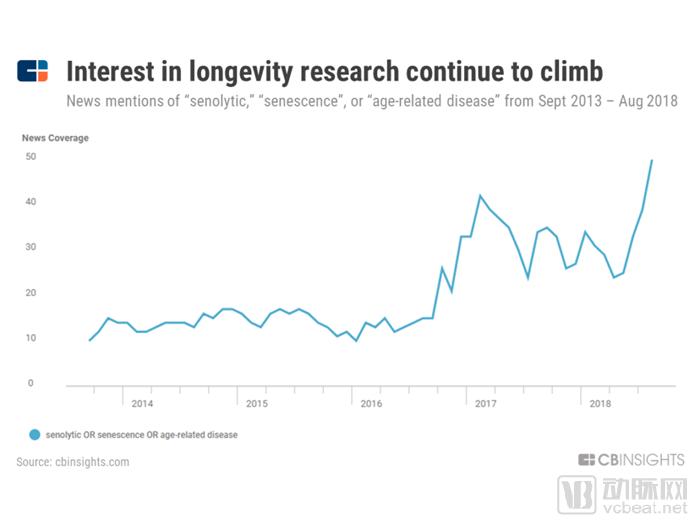
l Biology of Aging
Geriatrics is a discipline dedicated to the study of the biology of aging.
Recent studies have attempted to define aging by identifying its key hallmarks. Nine of these aging-associated hallmarks include:
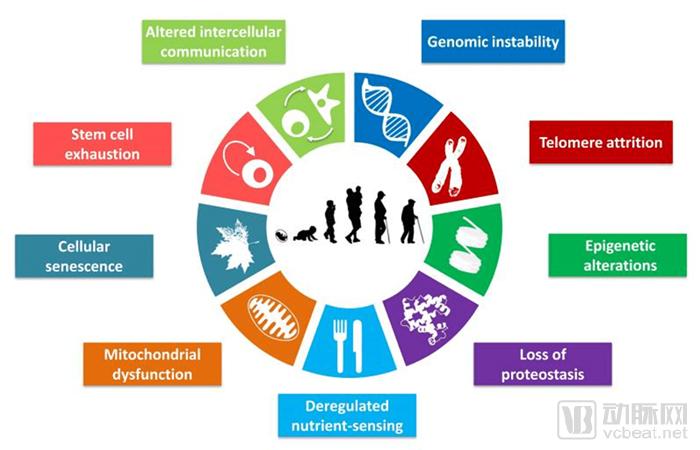
Genomic Instability: Throughout a person's life, internal and external factors that cause genetic damage accumulate in the body, thereby accelerating aging.
Telomere Attrition: Telomeres are protective "caps" located at the ends of chromosomes (which carry our genetic material). Each time a cell divides, telomeres begin to shorten. Over time, this leads to cellular senescence, where cells cease to divide, thereby triggering related diseases.
Epigenetic Alterations: Personal life experiences or environmental factors influencing aging can lead to changes in gene expression (rather than changes in the DNA itself).
Protein Inactivation: With advancing age, cellular proteins undergo misfolding, thereby losing their stability. Aging or related diseases may lead to the accumulation of damaged proteins.
Dysregulated Nutrient Sensing: Proteins that regulate metabolism (such as mTOR and sirtuins) are influenced by nutritional status and are also associated with the aging process.
Mitochondrial Dysfunction: Mitochondria are regarded as the energy powerhouses responsible for regulating human metabolism, and their function may deteriorate with age.
Cellular Senescence: “Older” cells cannot be rapidly cleared, and their presence exerts detrimental effects on health.
Stem Cell Exhaustion: Stem cell activity facilitates the regeneration of new tissue cells, but their numbers decline with age.
Alterations in Intercellular Communication: Intercellular communication is disrupted with age, leading to inflammation and tissue damage.
l The Relationship Between Aging and Age-Related Diseases
Significant progress has been made in longevity research, particularly as we have gained a deeper understanding of the biological processes that drive aging.
However, due to their similar characteristics at the cellular and molecular levels, research on an increasing number of major diseases has also begun to focus on this field.
For example, as people age, the likelihood of lethal genetic mutations increases, potentially leading to cancer or Alzheimer’s disease. This is a key reason why many pharmaceutical companies are targeting aging, with the aim of preventing other degenerative diseases.
Can Cancer Treatment Help Us Live Longer?
As people age, the body’s defense mechanisms or protective systems may become compromised, leading to the uncontrolled division and growth of abnormal cells, which can result in cancer.
These malignant cells continue to replicate until they invade other tissues, organs, or body systems. Typically, their presence is not recognized until disease symptoms manifest.
Given that the median age of cancer patients is 66 years, understanding the pathology of cancer can provide researchers with new insights into identifying specific mechanisms affecting aging.
This is why some pharmaceutical companies are building innovative drug development pipelines, including those targeting cancer and anti-aging therapies.
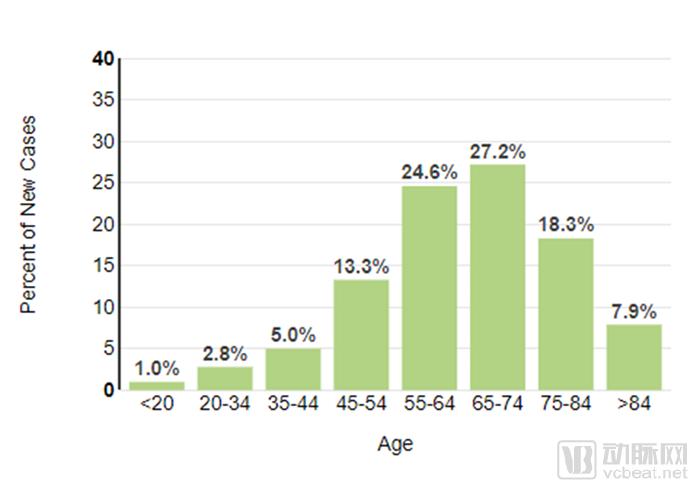
For example, tumor formation primarily occurs through the following two pathways:
1. When oncogenes become activated
2. When genes that should protect cells from becoming cancerous—namely, tumor suppressor genes—become inactive
Studies have shown that somatic cells (also known as non-germline cells) in our body possess protective functions that can prevent tumor formation.
However, over time, these cells age, lose their original functions, and accumulate in the body. Although they are theoretically “dead,” their metabolism remains active. This means they can secrete cytokines and other factors, increasing the likelihood of abnormal tissue growth.
Identifying these disease-causing pathways can help researchers discover anti-aging strategies while simultaneously preventing the growth of certain tumors.
Aging is the greatest risk factor for neurodegeneration
The greatest risk factor for neurodegenerative diseases such as Alzheimer’s disease or Parkinson’s disease is aging.
For example, Alzheimer’s disease is a neurodegenerative disorder that leads to dementia and has a high prevalence among individuals aged 60 years and older.
One of its key features is the abnormal accumulation of amyloid plaques or tau protein tangles in the brain. This condition causes nerve cells in the brain to lose their ability to communicate with each other and with different parts of the body. Like other neurodegenerative diseases, it currently remains incurable.
Cellular and molecular mechanisms commonly observed in senescent cells, such as mitochondrial dysfunction, oxidative stress, and inflammation, are also prevalent features of neurodegenerative diseases.
In fact, a study published by the Mayo Clinic in September demonstrated that removing senescent cells from mice ultimately halted brain degeneration. Other related studies have also confirmed the relationship between cellular senescence and neurodegeneration.
So, how can we delay aging?
This is a complex issue with no definitive answer. However, research in this field has made unprecedented progress, such as the development of novel pharmacological therapies and transfusion treatments.
l Medications
Pharmacological interventions hold immense potential in this field. Below, we highlight several drugs that may help delay aging.
Senolytics
In the field of anti-aging research, senolytics are currently the most prominent area of interest; these are drugs that target senescent cells and destroy them by inducing cell death.
As part of the emerging research field of “senotherapy,” senolytics play a pivotal role in therapeutic interventions. Other major therapies include geroprotectors (anti-aging drugs), which prevent or reverse aging by targeting cellular triggers associated with senescence, such as DNA damage.
These drugs are still in the early stages of development. If they receive FDA approval—bearing in mind that the FDA does not recognize “aging” as an independent disease—physicians will be able to prescribe them for specific conditions or diseases, while simultaneously exerting anti-aging effects.
For example, Juvenescence.AI, a joint venture established by the anti-aging medical company Juvenescence and the deep learning-driven drug discovery company Insilico Medicine, is developing drugs and nutritional products targeting senescent cells.
As we age, cells no longer function as efficiently as they once did and lose their normal physiological functions. When these senescent cells begin to accumulate in the body, they send pro-inflammatory signals to the immune system. Essentially, even though they have lost their normal functions, they remain in an “active” state, producing molecules that can damage cells and ultimately lead to disease.
Rapamycin (also known as Sirolimus)
A compound called rapamycin, initially extracted from soil bacteria on Easter Island, has been proven to be of significant importance in anti-aging research.
Rapamycin is a naturally occurring compound that is considered multifunctional in medicine due to its effects on immune cells. It is frequently used as an immunosuppressant during organ and bone marrow transplantation to prevent rejection.
They primarily act on the mTOR (mechanistic target of rapamycin) pathway, ultimately blocking key proteins involved in cell division.
The use of rapamycin is associated with extended lifespan, as well as enhanced cognitive and immune functions. Early studies have shown that this compound can extend the lifespan of mice. However, to date, this remains an emerging field of research.
Metformin
Metformin (also known as Glucophage) is an inexpensive generic medication used to treat type 2 diabetes and has now emerged as a potential life-extending drug.
Currently, doctors only prescribe medications for patients with type 2 diabetes to reduce the amount of glucose produced by the liver, thereby slowing the progression of the disease.
In addition to its effects on glucose metabolism, it also improves oxidative stress and inflammation—both of which are associated with aging—thereby attracting the attention of researchers in the field of longevity.
Major academic institutions and hospitals have begun conducting clinical trials using metformin to treat age-related conditions, such as prediabetes, frailty, inflammation, muscle atrophy, and insulin resistance.
For example, the Mayo Clinic is currently recruiting patients for a trial that will investigate the effects of metformin in 12 patients aged 60 and older. The study will also examine whether long-term metformin use can promote cellular regeneration and slow aging, thereby improving frailty and physical function.
l Regenerative Medicine
Regenerative medicine is primarily used to restore the structure and function of damaged tissues or organs. It is a crucial component of anti-aging research, as it enables individuals to replace damaged body parts with new ones.
Stem Cells
Stem cell research is one of the most promising fields in regenerative medicine.
Because stem cells can differentiate and generate specific cells and tissues, they may be the key to treating age-related diseases.
Its mechanism of action is as follows: researchers manipulate a defined group of stem cells under controlled conditions and stimulate them to differentiate into the desired cell types. Stem cells derived from embryos are particularly valuable because they can be induced to become nearly any cell type—a key distinction from adult stem cells.
This technology holds promise as a new frontier in anti-aging research—leveraging stem cells to regenerate dysfunctional cells or tissues.
The use of placental stem cells to treat diseases is an example of the continuous development in this research field, and the startup Celularity is working to achieve this goal.
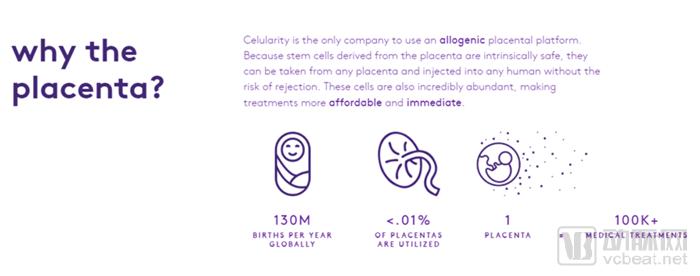
It aims to “turn 100-year-olds into brand-new 60-year-olds” using stem cells extracted from placentas, thereby developing pharmacological therapies for conditions such as cancer, Crohn’s disease, and diabetic peripheral neuropathy.
Organ Regeneration
As a critical component of regenerative medicine, three-dimensional bioprinting of tissues and organs offers a novel approach to restoring original structure or function.
They help extend lifespan by replacing damaged areas. This technology can create stronger tissues and organs that naturally degenerate as people age.
Another benefit is that individuals awaiting organ transplantation can receive specific organs that are not subject to rejection, thereby helping to extend their lives.
However, human organs are composed of various interconnected tissues, making the fabrication of an exact replica highly complex; consequently, progress in this field has been relatively slow, although companies such as Prellis Biologics are striving to achieve this goal.
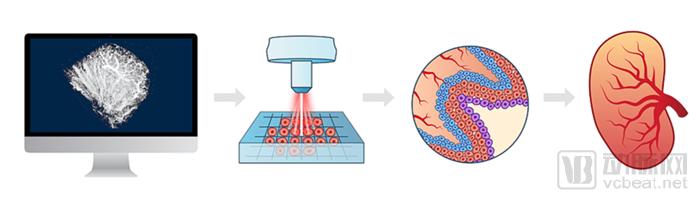
This June, the company announced that it could print human tissues using viable capillaries, laying the foundation for future organ printing.
LyGenesis is another company dedicated to organ regeneration. It plans to leverage patients’ lymph nodes as bioreactors to facilitate organ regeneration. For example, it transplants hepatocytes into lymph nodes, where these cells develop into “miniature ectopic livers.”
Currently, the company is focusing on liver regeneration in patients with end-stage liver disease (ESLD) and plans to expand its approach to the thymus, pancreas, and kidneys. In May 2018, LyGenesis secured $3 million in Series A funding from Juvenescence AI.
l Caloric Restriction
Several recent studies have focused on the role of caloric restriction in promoting longevity. These approaches involve dietary control aimed at preventing malnutrition while reducing total caloric intake.
Previous laboratory studies have demonstrated that caloric restriction can significantly extend the lifespan of rodents and nematodes. Research also indicates that it can prevent or delay the onset of age-related diseases, such as cancer.
A report published in January 2017 examined the effects of caloric restriction on rhesus monkeys.
This report presents a longitudinal comparison of data from two studies that sought to determine whether moderate caloric restriction can extend the lifespan of rhesus monkeys. The results indicate that caloric restriction improves health outcomes and survival rates in this species, holding promise for application in humans.
A study published in the Journal of Cell Science in March 2018 further substantiated this conclusion. The research indicated that a 15% reduction in caloric intake over a two-year period can slow aging and improve metabolic processes associated with age-related diseases. However, its long-term effects remain uncertain. Intermittent fasting is one approach to adhering to this dietary regimen. Some studies even suggest that specific meal timing can optimize the body’s energy metabolism, as such time-restricted eating helps reduce caloric intake.
Notable startups in this space include Zero Fasting, which allows consumers to choose their own fasting methods. The company recently secured $1.2 million in seed funding from investors including Trinity Ventures and True Ventures.
Although calorie restriction has not yet gained widespread acceptance in the scientific community, as it remains unclear whether it can serve as a potential intervention for aging or age-related diseases, research in this field helps us better understand how diet influences our lifespan.
l Dietary Supplements
Currently, dietary supplements composed of NAD+ (nicotinamide adenine dinucleotide) or its precursors, NMN (nicotinamide mononucleotide) and NR (nicotinamide riboside), are the focus of attention in the longevity field.
They are different forms of vitamin B3 (also known as niacin), which benefit digestion, skin health, and mental well-being.
It is worth noting that NAD+ has recently garnered significant attention. As a naturally occurring key molecule known as a coenzyme, it regulates metabolism and other biological processes that impact overall health. Present in every cell of the body, NAD+ influences a wide range of functions, from DNA repair to energy production for essential cellular activities.
It plays a crucial role in facilitating essential biochemical pathways that must function properly to prevent disease. Research indicates that NAD+ levels decline with age.
Basis, a daily dietary supplement produced by Elysium Health, extends lifespan by increasing NAD+ levels in the human body. Its ingredients include nicotinamide riboside and pterostilbene.
This compound can increase NAD+ levels while activating sirtuins (a class of proteins associated with aging and metabolism), thereby helping to improve cellular health.
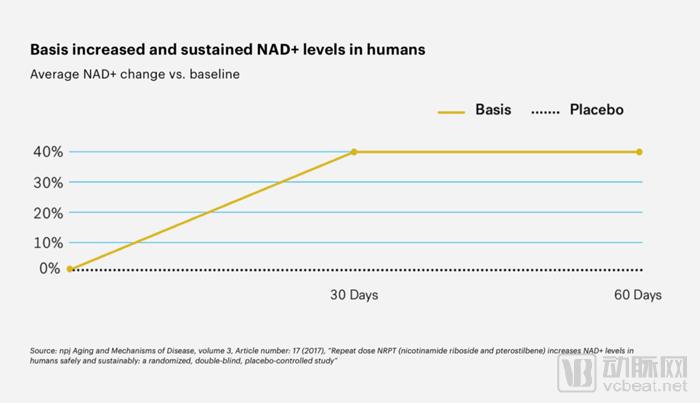
However, although it can increase NAD+ levels, its long-term effects remain to be observed. First, research on lifespan is difficult to conduct at the operational level, as demonstrating its expected effects requires studies spanning decades. Another reason is that dietary supplements are not regulated by the FDA, and therefore their use does not need to be controlled.
l Blood Transfusion Therapy
As depicted in the TV series *Silicon Valley*, blood transfusions from young individuals to the elderly may soon become a reality.
This transfusion therapy, known as “parabiosis,” can help rejuvenate aged animals and has therefore remained a focus of anti-aging research. The concept dates back to the 1950s, when scientists at Cornell University successfully linked the circulatory systems of two mice.
The National Institute on Aging (NIA), part of the U.S. National Institutes of Health (NIH), states that “heterochronic parabiosis” is an experimental procedure that enables blood sharing and circulation between young and old animals, thereby improving brain and muscle tissues in aged animals.
However, a 2016 “heterochronic parabiosis” study conducted by the University of California, Berkeley, reached a markedly different conclusion. The study indicated that mice infused with young blood showed “little to no significant improvement.” In contrast, mice infused with blood from older animals exhibited varying degrees of decline in their tissues and organs.
Notable startups in this field include Elevian, which focuses on researching the GDF11 (Growth Differentiation Factor 11) protein. This involves a naturally occurring circulating factor whose levels are lower in older adults, although this has not yet been conclusively proven.
Elevian claims that daily injections of GDF11 can treat age-related diseases, including coronary artery disease, type 2 diabetes, Alzheimer’s disease, and amyotrophic lateral sclerosis. The company has not announced the completion of any clinical trials, as it remains in the early stages of research.
Elevian raised $5.5 million in seed funding in September 2017, with investors including Longevity Fund.
Moreover, a startup that has recently sparked controversy is Ambrosia. It is a private clinic where patients aged 30 to 80 can pay $8,000 to receive plasma from younger donors.
Ambrosia’s clinical trial commenced in June 2016, enrolling 200 patients aged 35 years or older to receive plasma donated by young donors (aged 16–25 years), with blood biomarkers monitored one month before and after treatment. The trial concluded in January 2018, but the results have not yet been published.
Nevertheless, this trial has still drawn significant attention from researchers and healthcare companies.
For example, in March 2015, the Spanish pharmaceutical company Grifols acquired a 45% stake in Alkahest for $37.5 million. Alkahest primarily develops plasma-based therapies targeting aging, with a research focus on age-related cognitive decline, such as dementia and neurodegenerative diseases including Alzheimer’s disease.
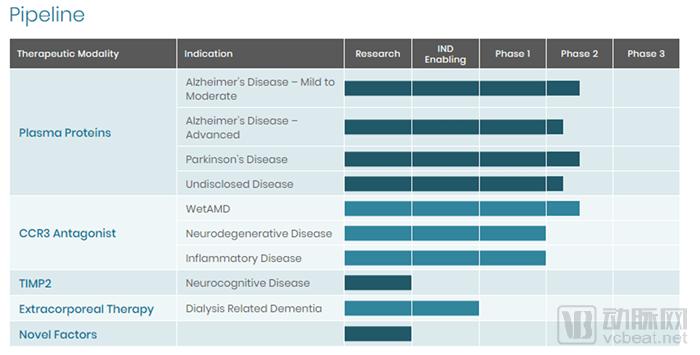
Currently, it has three clinical trials actively recruiting patients. In February 2017, the company completed a trial involving blood transfusions from young donors to patients aged 50 to 90 with mild-to-moderate Alzheimer’s disease. The results of this trial have not yet been released.
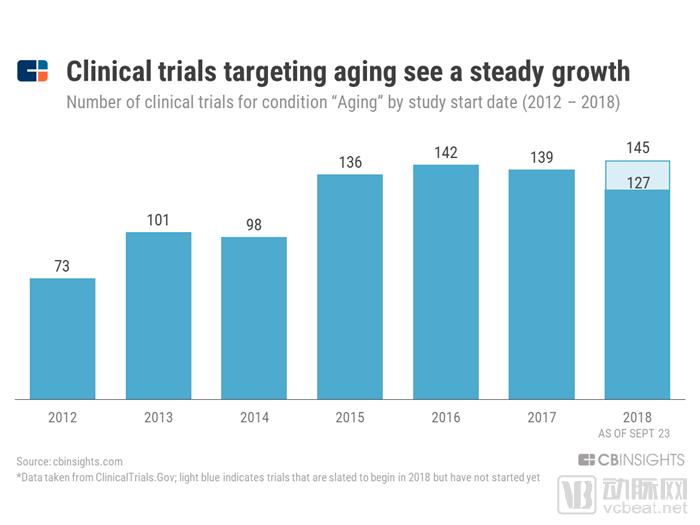
As early as five years ago, anti-aging research had already emerged as a field with significant growth potential. However, recent transaction activity indicates that more investors are willing to place bets on this emerging market.
The increasing number of clinical trials targeting aging is another reason why this field is receiving greater attention.
l Investment Environment
Over the past three years, investment and financing in the anti-aging sector have increased substantially. In particular, 2017 saw a surge in the number of transactions, with both follow-on and new deals reaching record highs.
Some companies even completed multiple rounds of financing in 2017, such as Juvenescence and Insilico Medicine.
In 2018, the industry’s financing volume reached a historic high. This growth was largely driven by several major deals, such as Samumed’s $438 million funding round in August and Celularity’s $210 million Series A financing in February.
Over the past six years, this market has gradually matured.
For example, over the past five years, the proportion of seed-round or angel financing has steadily declined, while the share of transactions in Series A and other subsequent funding rounds has increased.
l Major Investors
The Longevity Fund, an anti-aging research fund founded by Laura Deming, is a venture capital firm dedicated to providing funding for startups in the longevity sector.
Its portfolio companies include UNITY Biotechnology, Metacrine, ALX Oncology, and Precision Biosciences. The Longevity Fund participated in the seed and Series A financing rounds of these companies and manages $37 million in assets.
Another investor worth noting is Kizoo Technology Ventures, which has invested in four anti-aging startups since 2013: AgeX Therapeutics, CellAge, Antaxerene, and Elevian.
Jim Mellon is a prominent angel investor in this field, having invested in startups such as Juvenescence, Insilico Medicine, and AgeX Therapeutics.
l Major Competitors
Although this is an emerging field, some startups are targeting anti-aging with the hope of extending human lifespan.
Biotech company Samumed completed a $438 million financing round in August, reaching a valuation of $12 billion.
The company is developing drug therapies targeting key proteins in the Wnt pathway, which helps regulate tissue health. Dysregulation of the Wnt pathway can lead to diseases in specific tissues.
Samumed states that WNT levels become “imbalanced” with age, leading to disease. The company’s current product pipeline primarily targets age-related conditions, such as osteoarthritis and degenerative disc disease. Samumed has successfully completed Phase II clinical trials involving SM04690, a WNT pathway inhibitor.
Dr. Yusuf Yazici, Chief Medical Officer at Samumed, stated, “The completion of the Phase II clinical trial demonstrates the potential of SM04690 in treating knee osteoarthritis, which holds significant implications for physicians, patients, and our development program. Currently, standard treatments focus solely on alleviating the symptoms and signs of the disease, whereas SM04690 has the potential to become the first disease-modifying therapy for knee osteoarthritis.”
In the quest for treatments for age-related diseases, osteoarthritis appears to be a key focus for many pharmaceutical companies.
UNITY Biotechnology went public in May with a valuation of $712 million, and the company is highly competitive in this field.
Many prominent healthcare investors, including ARCH Venture Partners, Mayo Clinic Ventures, WuXi Healthcare Ventures, Jeff Bezos’s Bezos Expeditions, and Peter Thiel’s Founders Fund, have participated in UNITY’s investment.
UNITY Biotechnology’s current pipeline includes senolytic drug candidates targeting musculoskeletal, ophthalmic, and pulmonary diseases. In May of this year, the company initiated its first clinical use of the senolytic candidate UBX0101 for the treatment of osteoarthritis.
Most notably, according to our patent analysis tool, the majority of patent applications related to aging or senolytics over the past five years have been associated with UNITY.
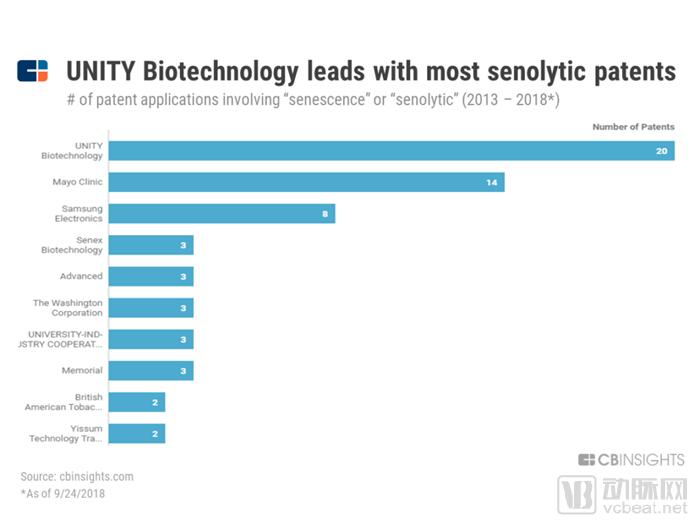
Mayo Clinic and UNITY co-filed 12 of the 14 senolytic patents.
l Large pharmaceutical companies
Pharmaceutical companies have seen mixed results in the anti-aging market.
For example, around 2008, GSK acquired Sirtris Pharmaceuticals, a drug R&D company focused on aging, for $727 million; in 2013, GSK announced the closure of Sirtris.
However, this has not prevented other major pharmaceutical companies from getting involved.
Novartis
Novartis is an early entrant in this field. In 2014, Novartis began investigating the immune-boosting effects of rapamycin in the elderly. The company’s latest report, released in July, indicates that two of its drugs can inhibit the mammalian target of rapamycin (mTOR), thereby reducing the likelihood of infections in older patients.
In March 2017, Novartis announced the sale of two clinical-stage programs targeting age-related diseases. Under the agreement, PureTech Health would develop these drug candidates through its subsidiary, resTORbio, with a focus on immunosenescence (age-related decline in immune function). Novartis retained a 15% equity stake in the venture.
Prior to its initial public offering in January this year, resTORbio had completed a $40 million Series B financing round, with investors including Fidelity Investments and OrbiMed Advisors.
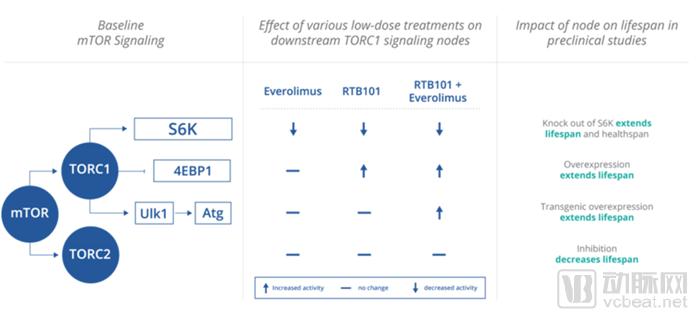
Regarding the mTOR pathway, resTORbio’s candidate drug ultimately extended patients’ survival.
In a Phase 2b clinical trial involving 652 elderly individuals at risk of respiratory tract infections (RTIs), treatment with the lead drug RTB101, a TORC1 (rapamycin complex 1) inhibitor, reduced the incidence of RTIs by 30.6% compared to the placebo control group.
Celgene
Celgene has been committed to promoting the anti-aging research and development projects of its spin-off, Celularity. Celularity was spun off from Celgene Cellular Therapeutics in June 2017 and has since focused on developing placental stem cell-based anti-aging therapies. The company completed a $210 million Series A financing round this February, in which Celgene also participated.
Johnson & Johnson
Johnson & Johnson’s innovation arm has invested in two vision-care startups: ReVision Optics and Powervision, both of which focus on ocular diseases such as age-related macular degeneration. However, ReVision announced its closure in January this year.
l Calico, the anti-aging research company under Google
Calico Life Sciences, Google’s anti-aging research company, is one of the most closely watched firms in this field. It seeks to understand the biological mechanisms that control lifespan and to identify interventions.
In June this year, the company and pharmaceutical giant AbbVie each contributed $500 million to further strengthen their partnership, which began in 2014. The two parties will jointly develop therapeutic drugs targeting aging and age-related diseases, including neurodegeneration and cancer.
According to a press release issued by Calico, it has launched “more than 20 early-stage projects targeting oncology and neuroscience diseases, and has made new discoveries in the biology of aging.”
In a paper published this January, Calico conducted research on naked mole rats. Naked mole rats are the same size as laboratory mice, but their lifespan is ten times that of laboratory mice. Their longevity and cancer resistance have attracted the attention of researchers.
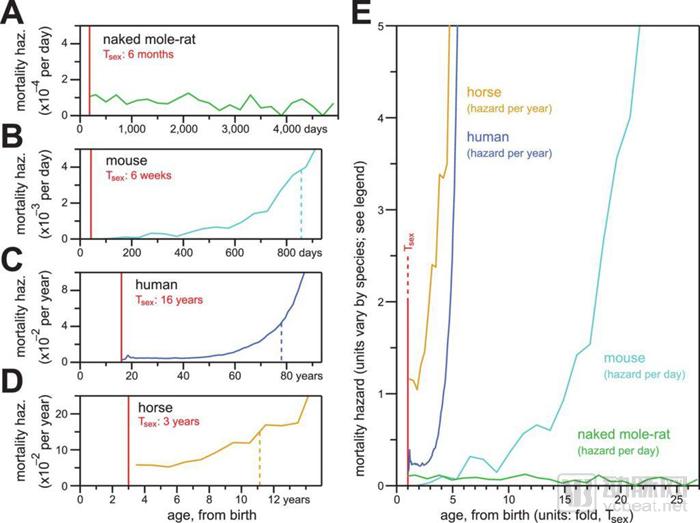
The stability of mortality rates in naked mole-rats during aging differs from that of other mammals
Image source: Calico Life Sciences
The main conclusions of this paper include:
1. Naked mole rats do not age like other mammals and exhibit almost no signs of aging
2. Their risk of death does not increase even at 25 times their reproductive maturity age.
In March 2017, Calico and the cancer therapeutics company C4 Therapeutics announced a five-year strategic collaboration. The goal is to develop small-molecule protein degradation therapies, which work by clearing certain disease-causing proteins and can be used to treat age-related diseases, including cancer.
C4 completed a $73 million Series A financing round in 2016, with investors including Novartis Venture Funds and Roche Venture Fund.
These collaborations with pharmaceutical companies suggest that new therapies for anti-aging and longevity may emerge. In addition to targeting senescent cells to extend lifespan, these therapies could also be used to combat chronic diseases such as diabetes and neurodegeneration. However, the relationship between anti-aging drugs and chronic diseases remains unclear, which will pose obstacles to FDA approval of such medications.
When it comes to the idea of battling death, there are inevitably certain risks and controversies.
Suspicion and Risk
Discussions on extending lifespan may raise moral, ethical, or religious concerns, such as preventing death through the ingestion of a “magic pill” or via injections.
Some scientists now question whether this is a viable task, as it may further jeopardize our health.
For any new technology applied to human health, it is necessary to consider potential downstream effects. Research on aging or age-related diseases is particularly challenging, as comprehensively evaluating the long-term and short-term efficacy of a therapy requires a substantial amount of time.
In fact, a study titled “Intercellular Competition and the Inevitability of Multicellular Aging,” published in December 2017, examined the cellular growth processes underlying aging and concluded that aging in multicellular organisms (i.e., any organism with more than one cell) is unstoppable. This is because it is trapped in an “inescapable dilemma,” whereby mechanisms involved in aging may affect other physiological processes, thereby inducing diseases through alternative pathways.
This study suggests that even if we can target one hallmark of aging, we may simultaneously stimulate other factors that accelerate the aging process, potentially even leading to disease in the process.
Controversy
Research in the field of anti-aging has long been accompanied by significant controversy, with the two most pressing concerns being how this technology will impact global population and resources, and the social inequality it may exacerbate between different socioeconomic strata.
1. Overpopulation
If these anti-aging therapies enter the market, overpopulation could become a reality.
The current hypothesis is that if we can extend human lifespan, it may lead to more people living under limited resources (such as food, land, etc.). However, critics of this notion argue that if technological innovations lead to an increase in global resources, overpopulation will not occur.
2. Social Inequality
This treatment may also lead to inequalities between different socioeconomic classes. For example, if the cost of this treatment is high, only the wealthy will be able to afford it and ultimately live longer. This could result in a dystopian world where human lifespan varies based on geographic location or economic status.
On the other hand, some argue that current healthcare is relatively expensive and subject to progressive cost increases, particularly for the elderly. If these anti-aging therapies are offered as a one-time treatment or a fixed course of therapy, will their costs ultimately be lower than those of other treatments?
Expectations
An increasing number of people are turning their attention to anti-aging research, and as technology continues to deliver new solutions, the day when humanity discovers methods to extend lifespan is fast approaching.
In fact, Aubrey de Grey, Chief Science Officer of the SENS Research Foundation and a leading figure in this research, stated that it will become possible to apply the aforementioned therapies in human clinical trials within the next 20 years.
Although these drugs are still far from reaching the market, we are already in the first wave of redefining human lifespan.