

How a State-Owned Hospital Achieved Transformation Through Social Capital: The Case of Chongqing Sanbo Hospitals
In August 2017, six ministries and commissions, including the State-owned Assets Supervision and Administration Commission (SASAC) of the State Council and the State Commission Office for Public Sector Reform, jointly formulated and issued guiding opinions. These opinions proposed four reform models for medical institutions operated by state-owned enterprises (SOEs): transfer to local government management, closure and revocation, resource integration, and restructuring and shareholding reform, with a deadline for completion by the end of 2018. As a significant force, social capital has remained active in the wave of restructuring and reform of SOE-affiliated hospitals. With the reform of SOE hospitals entering its final sprint, what have been the outcomes of social capital’s participation in the restructuring and reform of these hospitals? What experiences can be drawn upon for reference?
As a pilot project for the separation of core and auxiliary businesses in central state-owned enterprises, jointly launched by the former National Health and Family Planning Commission and the National Development and Reform Commission, the restructuring and reform of Chongqing Chang’an Hospital and Chongqing Jiangling Hospital (now known as Chongqing Sanbo Chang’an Hospital and Chongqing Sanbo Jiangling Hospital, respectively) have drawn significant attention. VCBeat (WeChat ID: vcbeat) has observed that, following the injection of high-quality private healthcare resources from Sanbo Brain Hospital, these two hospitals not only successfully completed their restructuring but also achieved new leaps in development. Like a catfish stirring up a pool of spring water, their transformation has provided valuable experience and a demonstrative model for social capital’s participation in the reform of state-owned enterprise hospitals.
Let’s turn the clock back four years.
In 2014, the topic of state-owned enterprises divesting social functions such as education and healthcare sparked widespread public debate, with diverse opinions gaining significant traction. As two employee hospitals affiliated with Chongqing Chang’an Industrial Group, Chongqing Chang’an Hospital and Chongqing Jiangling Hospital reached a critical juncture in their development after more than 70 years of operation.
At that time, although the two hospitals ranked among the top state-owned enterprise (SOE) hospitals in Chongqing, their development remained unsatisfactory. Both were operating at a loss, and there was a significant gap in their comprehensive strength compared to large general hospitals in the local area. On the eve of great uncertainty, divergent views and disagreements emerged within the hospitals, with some advocating for the continuation of their existing development path.
However, in the view of Zhou Qing, President of Chongqing Sanbo Chang’an Hospital and Chongqing Sanbo Jiangling Hospital, while the two hospitals appeared calm on the surface at that time, they were actually “seething with undercurrents.” They were plagued by poor operational performance, aging equipment, staff attrition, low morale, declining technical capabilities, and a lack of leading specialty departments. Not only was their development slow and lagging, but they were also fraught with crises. Without destruction, there can be no construction; only reform could break the deadlock and extricate them from their predicament. “Without reform, there is no way out and no possibility for sustainable development. Therefore, we must persist in reform. In the landscape of hospital development, we should not merely seek stability by maintaining existing resources; instead, we must pursue addition and incremental growth.”
How to Reform?
Based on the experience of previous reforms of enterprise-run hospitals, there are four models: transfer to local government management, closure and revocation, resource integration, and restructuring and reorganization. Which model is most suitable for these two hospitals?
Also in 2014, thousands of miles away in Beijing, Sanbo Brain Hospital, a pioneer in the field of socially funded healthcare in China, took a crucial step toward establishing a nationwide group-based chain network with the official opening of Kunming Sanbo Brain Hospital. Leveraging a team of top-tier neurosurgical experts and advanced medical technologies, complemented by its national chain layout, “Sanbo Brain Hospital” has gradually grown into a renowned healthcare brand in China.
“Encourage social capital to participate in the restructuring and reorganization of public hospitals through various forms, and continuously improve the management level and quality of privately run medical institutions. Formulate work plans for pilot programs on the restructuring of hospitals operated by state-owned enterprises, and advance pilot reforms of such hospitals in cities with abundant public hospital resources.” This guiding opinion has frequently appeared in policy documents issued by institutions such as the State Council and the National Health and Family Planning Commission.
As part of the State-owned Assets Supervision and Administration Commission’s (SASAC) plan for central state-owned enterprises to gradually separate their core and non-core operations, higher authorities have mandated that Chongqing Chang’an Industry Group implement a separation of core and auxiliary businesses in its state-owned enterprise reform. The group is to devote full efforts to developing its core business, while socializing auxiliary and logistical services. Educational responsibilities are to be transferred to local governments, and healthcare services may pursue joint ventures or cooperative partnerships to address the widening gap between its medical facilities and large public hospitals.
“Can social medical forces, such as Sanbo Brain Hospital, restructure Chongqing Chang’an Hospital and Chongqing Jiangling Hospital?” This idea began to be mentioned at the hospital reform symposium.
Restructuring and reforming central state-owned enterprise-affiliated hospitals through the reorganization of private healthcare forces? At the time, this sounded somewhat preposterous, even like a tale from One Thousand and One Nights, eliciting more confusion and skepticism than understanding.
Zhou Qing, President of Chongqing Sanbo Chang’an Hospital and Chongqing Sanbo Jiangling Hospital, candidly acknowledged that after the proposal for capital restructuring and reform of enterprise-run hospitals by private healthcare providers was introduced, considerable skepticism arose within the hospital. “Initially, there was indeed a lack of trust among staff, as our understanding of private hospitals at the time was limited to those in the vicinity, leading us to believe that they fell short in both technical expertise and reputation.”
How to Break the Deadlock? Zhang Yang, Chairman and General Manager of Sanbo Brain Hospital Management Group, introduced that to help the two Chongqing hospitals truly recognize the differences between Sanbo and other private hospitals, the Group invited approximately 70 key personnel from these two hospitals to visit and exchange ideas at the headquarters, allowing them to experience firsthand Sanbo’s experts, technology, services, and culture.

Zhang Yang, Chairman and General Manager of Sanbo Brain Hospital Management Group, Delivers Speech at Chongqing Two Academies
Regarding the concern raised by the two hospitals that Sanbo, with its specialty in neurology, would need to transition from general hospital operations to focus solely on neurology after restructuring, Chairman Zhang Yang stated that Sanbo would lead the restructuring. By leveraging its advanced technologies to guide the key specialties of the two hospitals, injecting neurological talent into them, and equipping them with the group’s modern management system, this approach embodies the concept of “1+1>2,” creating more opportunities for the development of both hospitals.
“Through on-site exchanges, we have come to appreciate that Sanbo is a private hospital genuinely dedicated to healthcare with a pursuit of high standards and advanced technology, fundamentally different from the public’s traditional perception of private medical institutions,” said Zhou Qing. Following the visit, a consensus was reached throughout our hospital: although Sanbo Brain Hospital is a socially run medical institution, its operational philosophy, technical capabilities, discipline construction, and management systems are highly advanced. More importantly, the future of our two hospitals must not be entrusted to wealthy outsiders lacking expertise; rather, it should be placed in the hands of institutions with hospital management experience and a thorough understanding of the principles governing hospital administration. The post-reform status is not the key issue; without development, any institutional identity will still face an uncertain future. Development is the absolute priority! Their promising prospects have convinced us that Sanbo will surely lead our hospital out of its current difficulties, achieving new breakthroughs and development.
December 30, 2014, marked a landmark day for Chongqing Chang’an Hospital and Chongqing Jiangling Hospital. With the State-owned Assets Supervision and Administration Commission of the State Council taking the lead and with the support of the Chongqing Municipal People’s Government, the two hospitals underwent restructuring in partnership with Sanbo Brain Hospital Management Group to establish new entities—Chongqing Sanbo Chang’an Hospital and Chongqing Sanbo Jiangling Hospital—which were officially unveiled.
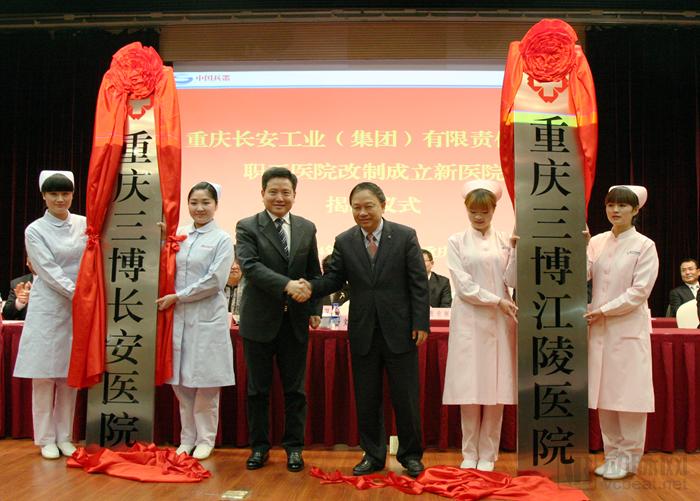
On December 30, 2014, Chongqing Sanbo Chang’an Hospital and Chongqing Sanbo Jiangling Hospital were officially inaugurated.
Restructuring is merely the beginning; the true litmus test for a private healthcare provider lies in achieving a “soft landing” for reforms, ensuring “zero disruption” to hospital operations, and reaching new heights. Sanbo Brain Hospital has prescribed the following “remedy”:
Capital. Within three years following its restructuring, Sanbo Brain Hospital invested a total of RMB 150 million in two hospitals to improve hospital environments, construct facilities, and purchase medical equipment, thereby fundamentally enhancing the hospitals’ hardware infrastructure.
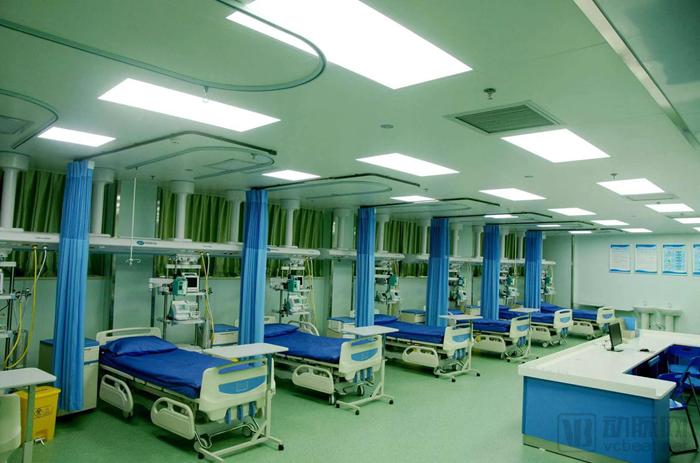
Sanbo Invests in Renovating the Laminar Flow ICU Wards at Chongqing Sanbo Chang’an Hospital
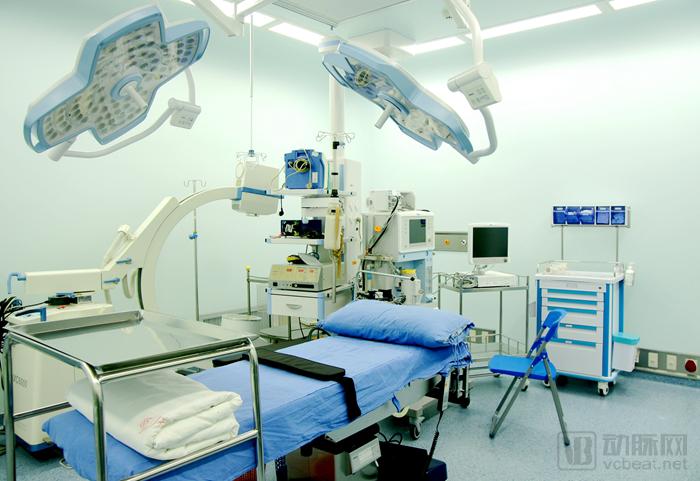
Sanbo Invests Funds: Chongqing Sanbo Jiangling Hospital Completes Construction of Class 100 Laminar Flow Operating Rooms
Technology. Beyond hardware infrastructure, the “software” aspects—namely technology and talent—are the core drivers of hospital development. Sanbo Brain Hospital supports the two hospitals by integrating diagnostic and therapeutic technologies as well as medical talent resources. This is achieved by sharing Sanbo’s high-quality expert resources, either through the direct assignment of renowned specialists to be stationed long-term at the two hospitals or by having them fly directly to Chongqing to provide patient care. Additionally, neurosurgeons from the two hospitals are invited to undergo advanced training and study at the group’s flagship hospital, thereby rapidly enhancing their technical skills and professional competence.
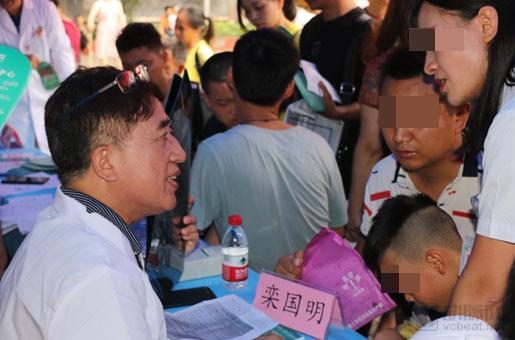
Professor Luan Guoming, Vice President of the China Association Against Epilepsy and affiliated with Sanbo Brain Hospital of Capital Medical University, Conducts Free Clinic for Local Patients at Two Hospitals in Chongqing
Management. Institutional and systemic reforms inevitably lead to changes in operational mechanisms. With the completion of restructuring and shareholding reforms, the two hospitals have established a sound corporate governance structure, implementing a director-general responsibility system under the leadership of the Board of Directors. This framework clarifies the responsibilities, rights, and interests of all parties, establishes robust mechanisms for supervision, decision-making, and checks and balances, fully leverages the Board’s decision-making role and the management team’s operational functions, and achieves standardized corporate governance. On another front, efforts to reduce administrative interference and eliminate egalitarianism (“the big pot”) include gradually abolishing administrative ranks within the personnel system that existed prior to healthcare institution reforms. Management candidates are selected based on principles of fairness, openness, and merit, while compensation is determined according to market-oriented principles. Administrative structures have been optimized, and various reforms have been implemented, including changes to the cadre personnel system, professionalization of hospital directors, position-based employment contracts, and supporting performance-based salary systems.
Culture. Zhang Yang, Chairman and General Manager of Sanbo Brain Hospital Management Group, introduced that Sanbo Brain Hospital has not only focused on the restructuring and reorganization of physical assets, talent and technology, and management systems of its two hospitals, but has also devoted significant attention to the integration of legacy and new organizational cultures. By implementing employee stock ownership plans to mobilize staff enthusiasm, and by retaining all former employees, including the management team, Sanbo has ensured workforce stability and fostered a positive team atmosphere. Building on this foundation, Sanbo has infused its advanced management expertise and core cultural values into both hospitals, thereby establishing its distinctive “Sanbo” brand culture.
Now, four years later, the two former state-owned enterprise hospitals have achieved substantial development following their restructuring and reorganization by Sanbo Brain Hospital. Their technical capabilities have improved rapidly, particularly through the maximized utilization of Sanbo Brain Hospital’s high-quality expert resources. The neurology departments at both hospitals have grown from scratch into prominent, distinctive key disciplines. In 2017 alone, they performed 241 neurosurgical procedures, including 91 Level-3 and 63 Level-4 surgeries. Both the volume and complexity of these surgeries basically reached the standards of neurology departments at local Grade A tertiary hospitals. The hospitals have begun to establish their influence in Chongqing Municipality and Southwest China, forming a development pattern characterized by “specialized excellence in neurology and robust comprehensive care.”
Numbers speak loudest. From 2015 to 2017, the number of open beds increased from 602 to 823, with an average annual increase of 11.14% in surgical procedures and 12.15% in patient discharges.
The greatest beneficiaries are the vast number of patients. “A top-tier (Grade 3A) hospital had essentially given up on my hearing, but unexpectedly, just a few days after arriving at Sanbo Jiangling Hospital, my condition was treated and my life was saved. Your team not only demonstrates exceptional technical expertise and upholds high medical ethics and professional conduct, but also maintains standardized and reasonable pricing. You truly offer the technology and service quality of a tertiary hospital at the fee level of a secondary hospital!” Not long ago, Li Jianyong, former Executive Vice Chairman and Party Group Secretary of the Jiangbei District Federation of Trade Unions in Chongqing, sent a letter of gratitude to Chongqing Sanbo Jiangling Hospital. This case is merely a microcosm of how the two hospitals in Chongqing adhere to Sanbo Brain Institute’s service-oriented management model—“logistics support revolves around medical care, medical care revolves around physicians, and physicians revolve around patients”—and rigorously enhance the quality of hospital services. By shifting from passive to proactive service, prioritizing patient-centered care, and strengthening social responsibility, the inpatient satisfaction rate at the two hospitals has steadily risen to 98% over the past four years. During this period, they have received 125 silk banners as tokens of appreciation and returned nearly RMB 80,000 in “red envelope” gifts.
In 2017, the two hospitals in Chongqing were honored with the title of “National Trustworthy Private Hospital.” Chongqing Sanbo Chang’an Hospital, as the sole enterprise-owned and private hospital, was recognized by the Chongqing Hospital Association as one of the ten advanced member units in hospital management. Both hospitals were also rated as advanced member units in annual hospital management by the Chongqing Enterprise Hospitals Association.
To date, Chongqing Sanbo Chang’an Hospital and Chongqing Sanbo Jiangling Hospital, as pilot projects for the “separation of core and non-core businesses” under the State-owned Assets Supervision and Administration Commission (SASAC) and the former National Health and Family Planning Commission, were selected from among 98 (originally 112) large central state-owned enterprises and over 1,400 general hospitals as reform pilots. In December 2014, they were successfully restructured through a shareholding reform led by Sanbo Brain Hospital Group. After four years of operation, the hospitals have gained widespread recognition from staff, patients, and government authorities.
Industry observers argue that introducing high-quality social capital, such as Sanbo Brain Hospital, to restructure and reform state-owned enterprise hospitals is a win-win strategy. This approach not only increases capital investment but also brings in premium medical resources and modern hospital management systems.
“Strategic alliances between high-quality private healthcare providers and enterprise hospitals can fully mobilize medical resources, revitalize institutional mechanisms, and achieve satisfaction among physicians, patients, and society at large. Such partnerships create mutual benefits and win-win outcomes for both parties, serving as a model and benchmark for future social capital participation in the restructuring and reform of state-owned enterprise hospitals.”