

Spotlight on Global Young Innovators: VR/AR, Rehabilitation Robotics, and Wearables at WISH Conference
Recently, VCBeat (WeChat: vcbeat) was invited to attend the WISH Health Innovation Conference held in Doha, the capital of Qatar. The event provided not only insights into the local culture and customs of this Middle Eastern oil-rich nation but also opportunities to engage in discussions on healthcare innovation with leading global speakers.
WISH features an Innovation Hub, providing a global stage for young entrepreneurs to showcase their explorations and endeavors. One of our key “missions” is to tour the venues and identify high-quality innovative projects. As hoped, we encountered several eye-catching projects on site.
Conference Highlights: Global Young Innovators
First, here is a panoramic view of the venue. By visual estimation, there are approximately 50 exhibiting companies, including healthcare enterprises from Qatar, but predominantly young entrepreneurs from around the world.
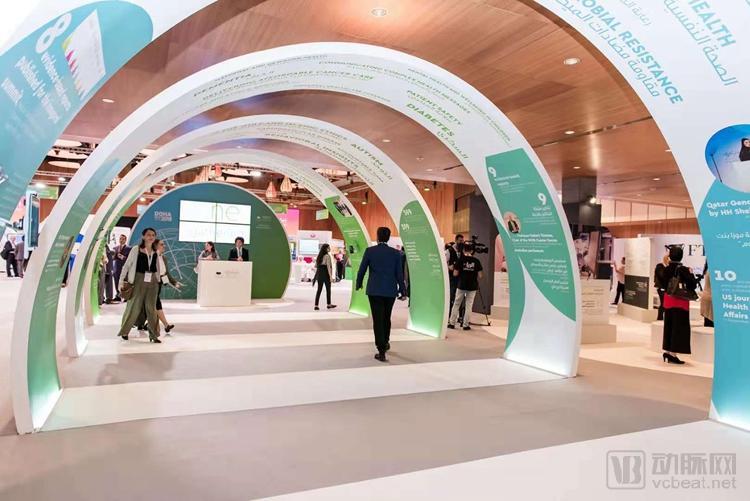
Below are some innovative companies we have engaged with.
First is Khor Kang Xiang from Malaysia, who, together with his partners, developed a rehabilitation arm named CR2-Haptic.
This rehabilitation arm is designed for forearm rehabilitation training, enabling patients to exercise their hands while playing virtual reality games on a computer. According to hands-on experience reported by VCBeat, it resembles baseball games on handheld gaming consoles: users operate the arm to catch balls displayed on the screen. If users have sufficient strength, they can actively move the arm; otherwise, the device passively guides the hand to the target position. The gamified interface has demonstrated relatively high user acceptance.
However, the high cost of this robotic arm—approximately $70,000—has hindered its large-scale adoption. With subsequent mass production, prices are expected to decline, enabling deployment in hospitals, nursing homes, and home settings.
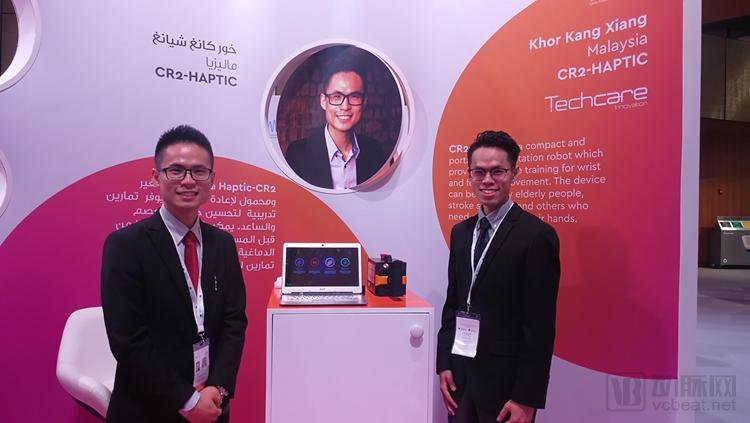
CR2-Haptic Rehab Arm, Photo by VCBeat
The next project is called TechTeb. The entrepreneur comes from Sudan, a country in the Middle East. TechTeb is an Uber-like mobile application that allows users to book medical services based on their geographic location, including medical appointments, clinical treatments, medication, or laboratory tests. Patients can select home healthcare appointments from the list of available time slots provided by healthcare providers.
This is somewhat akin to a “one-click doctor call” or “one-click nurse call.” VCBeat was particularly interested in the local legal and regulatory issues—specifically, whether such projects are permitted. The person in charge informed us that this model is feasible locally.
Additionally, VCBeat inquired about the company’s operating costs since its inception and how it would respond to new competitors. The person in charge stated that the company has primarily relied on its own funds and is not afraid of new entrants, as it already boasts hundreds of thousands of users, giving it a certain “first-mover advantage.”
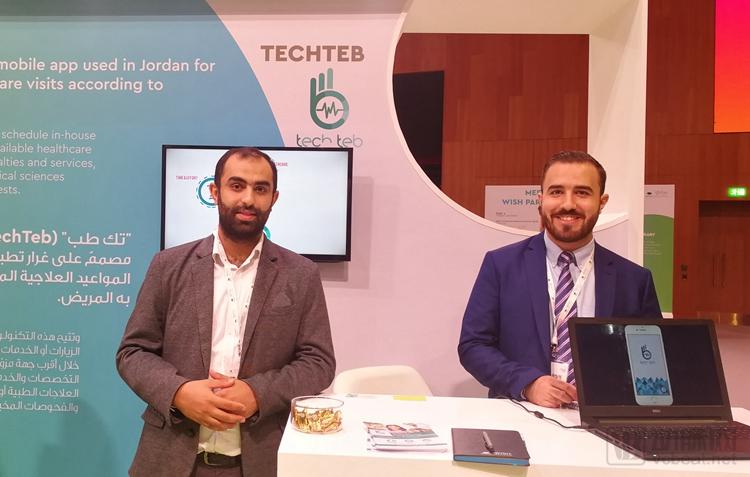
TechTeb, Photo by VCBeat
Crisp Vision is a project from Nigeria that offers vision testing kits, vision protection products, and eyeglasses. Visual impairments are caused by the lack of eye care services and improper habits. The Crisp Vision eye testing kit is an affordable and easy-to-use tool for detecting ocular defects, correcting hyperopia, and monitoring debilitating eye diseases such as cataracts, onchocerciasis, and trachoma.
Their data shows that over 200,000 people have used their products, and 25,000 individuals have obtained prescription glasses and other vision care services through them.
We found that, as of 2015, Nigeria was the world’s 20th-largest economy, with a nominal GDP exceeding $500 billion and a GDP based on purchasing power parity (PPP) surpassing $1 trillion. Owing to its relatively strong overall economic performance, it has been dubbed the “Giant of Africa.” Meanwhile, the country boasts the world’s third-largest youth population, after India and China. Its rapidly growing economy and large youth demographic may well explain why innovators have chosen to enter the market through vision protection and visual aids.
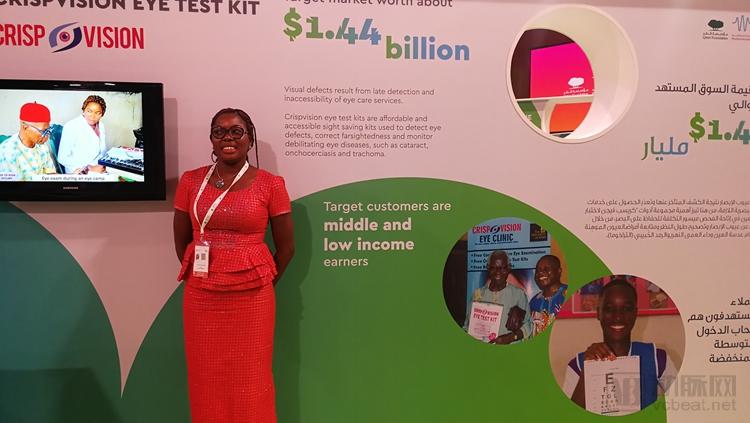
Crisp Vision, VCBeat
Next, Proximie catches our eye. Proximie is an innovative augmented reality platform that allows physicians to virtually transport themselves into any clinical setting to collaborate, train, teach, and support other surgeons and medical specialists, independent of specific hardware. Designed by physicians for physicians, Proximie aims to revolutionize and exponentially scale healthcare delivery by ensuring every patient receives the best possible care the first time and every time, thereby reducing costs and improving quality.
Simply put, Proximie is a physician collaboration platform that enables doctors from different locations to observe ongoing surgeries via the internet and provide surgical guidance through VR—such as annotating trauma sites or indicating specific procedural steps. This allows highly skilled surgeons in major cities to participate remotely without the need for travel. The product is currently in use in the United Kingdom, the United States, South Africa, Vietnam, Lebanon, and other regions.
Nadine Hachach-Haram, the company’s founder, has also shared her product and entrepreneurial journey in a TED Talk; those interested are encouraged to watch it.
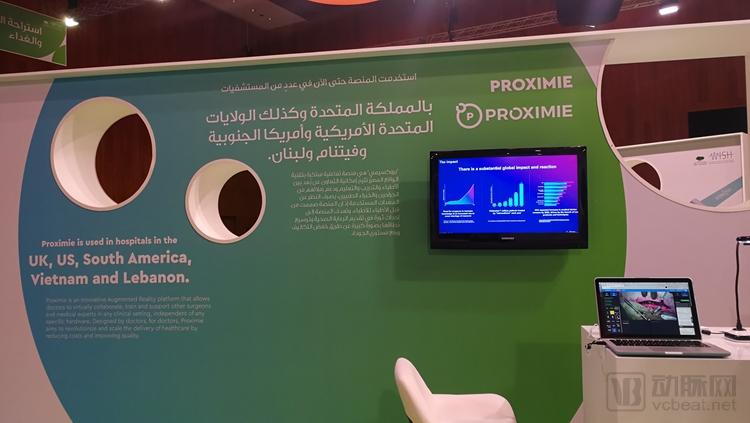
Proximie, Photo by VCBeat
Qatar Creating Vision is a public welfare ophthalmology initiative jointly launched by the Qatar Development Fund and Orbis. Its primary activities include training ophthalmologists, providing surgical assistance, and organizing volunteer programs. It also incorporates VR technology for healthcare professional training.
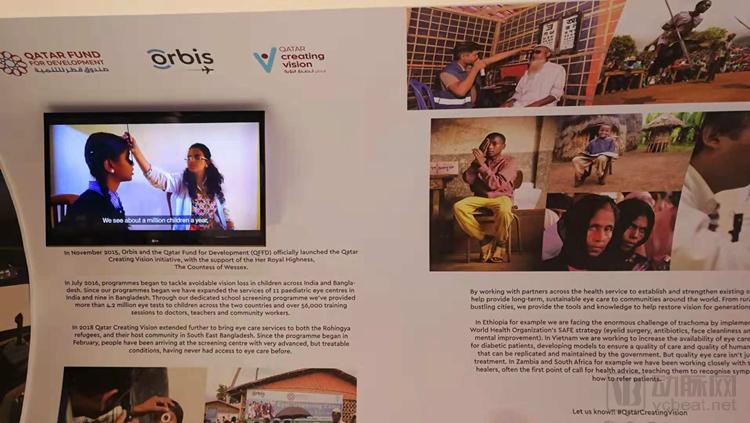 Qatar Creating Vision, Photo by VCBeat
Khushi Baby originated as a class project at Yale University’s Center for Engineering Innovation and Design, with the goal of developing technology to address vaccination challenges in developing countries. The system records vaccination data on a pendant-style necklace, which is simultaneously backed up to the cloud. Healthcare workers can read this record to track a child’s vaccination status. The pendant costs less than $1 to produce.
The project lead told VCBeat that the initiative was launched in India primarily because vaccination coverage in many remote areas remains suboptimal. Mothers often struggle to keep track of which vaccines their children have already received and which are still pending, whereas digital solutions can provide effective reminders. As for the choice of a pendant, the rationale is straightforward: it aligns with the local custom of adorning children with similar pendants.
Khushi Baby has previously participated in several startup competitions, winning awards and scholarships, while collaborating with non-profit organizations to promote the project.
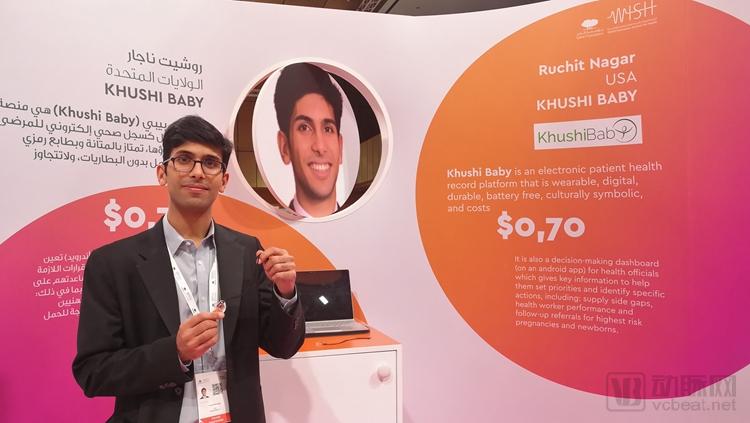
Khushi Baby, Photo by VCBeat
Young entrepreneurs from around the world have brought forth their projects, some of which address challenges in physician collaboration, others offer innovative solutions for physician training, and still others enhance the accessibility of healthcare services. In the future, these initiatives will not only hold commercial value but also contribute to achieving equity in healthcare.