

Double-Digit Stock Surge Driven by Innovative Products Propels Medical Device Giants to Market Leadership
Recently, VCBeat (WeChat Official Account: vcbeat) learned from foreign media reports that nearly half of the top 100 global medical device companies saw their stock prices grow by double-digit percentages in the first ten months of 2018.
Given that October is historically a volatile month for the Dow Jones Industrial Average, coupled with the impact of the Federal Reserve’s interest rate hikes and the U.S.-China trade war, this momentum is even more surprising.
Medical device companies have been able to buck the trend thanks to a variety of factors, including strong product launches, positive clinical trial results, entry into new markets, or internal changes.
Innovation is also crucial. Compared to their revenue, several medical device companies have significantly increased their R&D investments, including Dexcom, Abiomed, Atricure, Edwards Lifesciences, and Insulet. It is no surprise that these companies have launched innovative products in fields such as diabetes management and heart disease, leading to a surge in their stock prices.
Below are the 5 companies with the best stock market performance in 2018:
Dexcom: +131%
The stock price of this continuous glucose monitoring manufacturer has more than doubled this year. In the first 10 months, Dexcom’s stock price (NASDAQ: DXCM) continued to rise, driven by a series of positive developments.
In early August this year, the company’s stock price surged nearly 52% after it announced its second-quarter earnings, with sales reaching $242.5 million, a 42% increase from 2017. Dexcom CEO Kevin Sayer attributed this success to the company’s G6 continuous glucose monitor, which received FDA approval in March 2018.
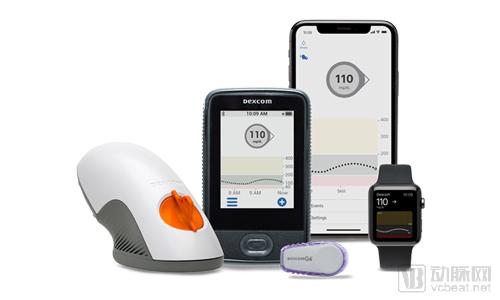
G6 Continuous Glucose Monitoring System (Image from the official Dexcom website)
In October, more good news arrived as the U.S. Centers for Medicare & Medicaid Services announced that it would provide Dexcom’s G6 CGM to Medicare beneficiaries. The company expects to begin delivering the G6 system to Medicare customers in early 2019.
Of course, this is just one example of how Dexcom’s massive R&D spending—accounting for more than a quarter of its annual revenue—is paying off.
Abiomed: +82%
Abiomed (NASDAQ: ABMD) saw its stock price surge to $341.20 per share following the release of its financial report in late October. As of September 30, the company’s profit had more than doubled year-on-year over the six-month period, reaching $140 million.
Abiomed is the manufacturer of the Impella heart pump, a device that provides hemodynamic support to patients’ hearts. In the most recent fiscal year, the company invested over $75 million in research and development for this device, accounting for nearly 13% of its revenue.
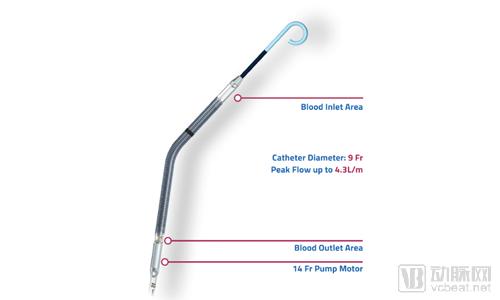
Impella CP (Image fromAbiomed Official Website)
Earlier this year, Abiomed announced that it had received approval to manufacture Impella heart pumps in India. The company also plans to open a new $17 million innovation center in Massachusetts.
Earlier this month, Abiomed’s stock price fell by approximately 13.1%, despite the company announcing positive results from a pilot trial of its Impella CP heart pump.
Haemonetics: +80%
Haemonetics (NYSE: HAE) underwent a “restructuring and transformation” in fiscal year 2018, and these efforts have paid off. Over the past 10-plus months, the company’s stock price has experienced relatively steady growth. Following the release of its second-quarter earnings report on November 7, the company reported earnings per share exceeding $115.
Haemonetics CEO Chris Simon stated, “In the first half of fiscal year 2019, our revenue increased by 7%, and net profit rose by 42%. Strong market demand, successful early product launches, and benefits from investments drove our performance improvement. Based on the first-half results and our confidence in sustained earnings growth, we are raising our fiscal year 2019 revenue guidance and adjusting our earnings per share expectations.”
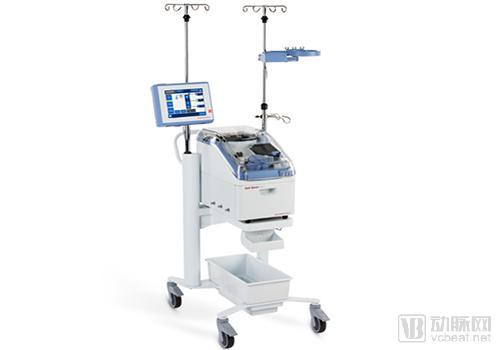
Haemonetics’ Main Product: CellSaver Elite+ (Image from Haemonetics’ Official Website)
In June this year, Haemonetics announced that, as part of its restructuring plan, the company had completed the refinancing of approximately $700 million in debt and secured a new $700 million credit facility. Simon stated that the refinancing would provide the company with greater flexibility across multiple areas. He added that these financing instruments, combined with strong cash flow, would help the company achieve its growth plans.
AtriCure:+ 74%
AtriCure (NASDAQ: ATRC) is recognized as a pioneer in the treatment of atrial fibrillation and left atrial appendage management. The company is well known for its Isolator Synergy Ablation System, a therapy indicated for patients with persistent or long-standing persistent atrial fibrillation. This system has received FDA approval for the treatment of long-standing persistent Afib (atrial fibrillation). The company expects to submit a Premarket Approval (PMA) application to the FDA in the second half of 2019.
The company spent more than $34 million on research in the most recent fiscal year, accounting for nearly one-fifth of its revenue.
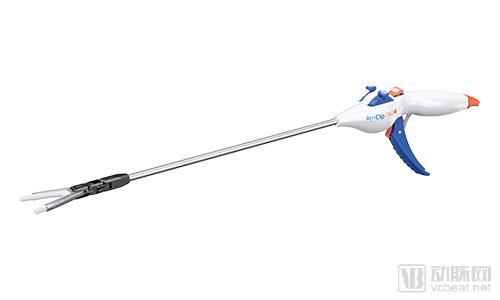
AtriCure’s Flagship Product: AtriClip Pro-V (Image from AtriCure’s Official Website)
AtriCure also raised net proceeds of over $80 million through a public offering, which initially raised $72 million. According to AtriCure’s filings with the U.S. Securities and Exchange Commission, the funds raised in this round will be used to support its working capital, including debt repayment and potential corporate or market development activities such as strategic acquisitions.
Integer: +64%
Integer (NYSE: ITGR) is one of the largest contract manufacturers of medical devices globally. The company’s third-quarter net profit surged by 733.3%. In the three months ended September 28, Integer reported a net profit of $111.41 million, or $3.54 per share, on sales of $305.1 million, representing a year-over-year increase of 6.6%.
Integer raised its earnings per share forecast from $3.35 to $3.70. Revenue expectations were increased from $1.197 billion to $1.212 billion.
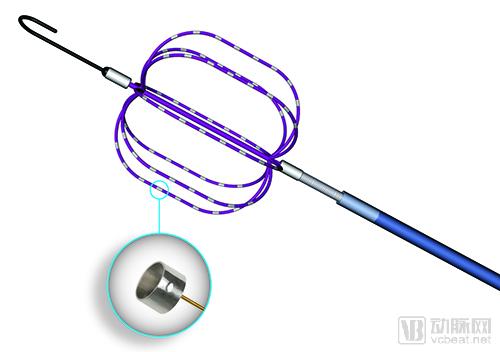
Integer’s EP Basket Catheter with Ring Electrodes (Image from Integer’s Official Website)
Integer also completed the $600 million cash divestiture of MedPlast’s (now Viant) advanced surgical and orthopedic product lines, thereby reducing its second-quarter debt. The transaction, announced in May this year, increased Integer’s liabilities, causing the company’s first-quarter earnings to fall short of expectations.
Rounding out the top 6–10 are CryoLife (+62%), Boston Scientific (+46%), Intuitive Surgical (+43%), Edwards Lifesciences (+31%), and Insulet (+28%).
Moreover, despite varying stock price gains, all ten medical device companies without exception allocated the largest portion of their budgets to product research and development.