

Industry Research | Gut Microbiome (I): Gut Microbiome Sector Gains Traction with Significant Divergence Between Domestic and Global Market Strategies
This articleReposted from: Blue Rainbow
Author: Dai Minghan
The human microbiome constitutes a second genome distinct from the human body itself. Since 2007, scientific research has demonstrated the association between gut microbiota and various aspects of human health. In the United States, support across multiple sectors—including scientific research, clinical development, and investment—has significantly accelerated the progress of the microbiome industry. However, in China, corporate efforts are predominantly concentrated in testing and health management, causing industrialization to encounter bottlenecks. By analyzing the current development status of the industry both domestically and internationally, we aim to provide recommendations for future industrialization directions.
The human body harbors two genomes: one is the human genome inherited from parents, and the other comprises symbiotic microorganisms that colonize the body after birth, with their collective genetic information referred to as the microbiome. Human health is closely linked to the microbiome. Based on current research, gut microbes or their metabolites primarily perform three functions for the host: 1) defending against pathogens and preventing infection; 2) digesting and metabolizing food, thereby regulating human metabolism; and 3) participating in the development of the immune system and enhancing immune function, which is the most complex role (Figure 1).1。
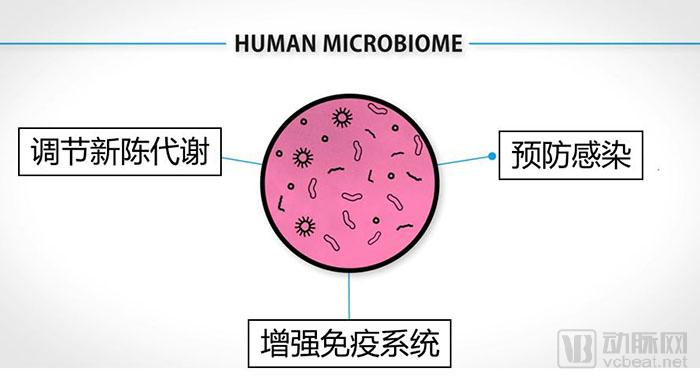
Figure 1. Three Major Functions of Gut Microbiota
Since 2004, top-tier academic journals such as *Nature* and *Science* have published a substantial body of research on the relationship between the gut microbiota and disease and health. More than 50 diseases, including obesity, diabetes, cancer, and autism, have been linked to gut microbiota dysbiosis, with causal relationships being progressively elucidated (Figure 2). Consequently, the application of gut microbes in future disease management holds broad prospects.
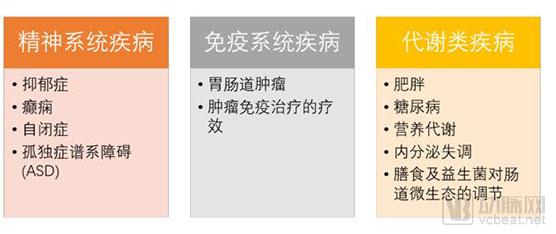
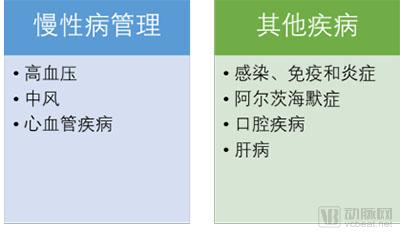
Figure 2. Diseases Associated with Gut Microbiota
The close relationship between microbes and human health has attracted the attention of researchers worldwide, prompting the launch of several major research initiatives globally. These efforts have significantly advanced scientific research and laid a solid foundation for industrialization (Figures 3 and 4).
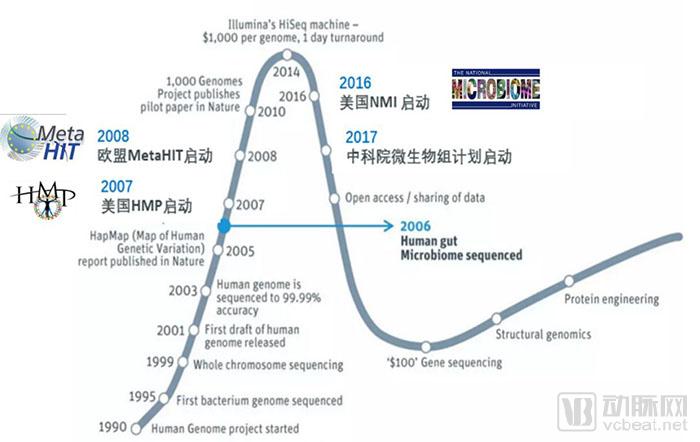
Figure 3. Global Important Microbiome Project
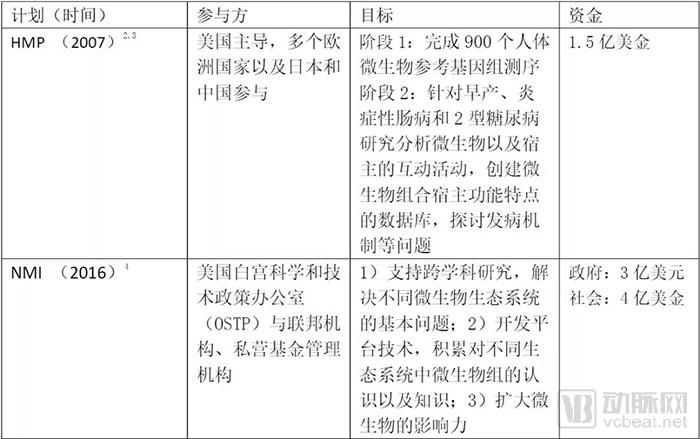

Figure 4. Major Global Research Initiatives on Gut Microbiota
According to the PubMed database, the number of microbiome-related research publications is increasing annually, and literature related to the microbiome fromFrom 314 articles in 2008 to 3,875 articles in 2017(Figure 5). Among all countries, the United States far leads in microbiome-related publications, exceeding China, which ranks third, by four to five times.7。
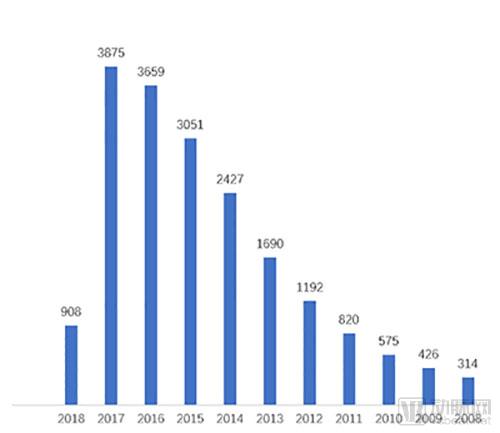
Figure 5. Number of PubMed research papers from 2008 to 2017
Data source: PubMed, keywords: Microbiome OR Microbiota, humans
In human microbiome research, 96–99% of microbes are concentrated in the gastrointestinal tract14, which is also a key focus of the field. Among the research literature published from 2008 to 2018, studies on gut microbiota were the most numerous, totaling 6,558 papers, followed by oral microbiota with 2,240 papers (Figure 6).8. Scientific research progress in gut microbiota is faster than in other fields, indicating to some extent that its industrialization will also advance more rapidly compared to others.
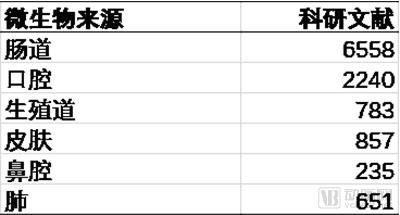
Figure 6. Number of Publications on the Human Microbiome, 2008–2018
Data Source: PubMed
In terms of clinical trials, the ClinicalTrials.gov database shows that there are 1,429 completed or ongoing clinical trials related to the gut microbiome.The most extensively studied disease areas include gastrointestinal, gastroenterological, and metabolic disorders.Among them, the United States and Europe have the highest number of clinical trials, with 414 and 532, respectively.8。
Since the launch of national microbiome initiatives in 2006, scientific advancements have significantly propelled the industrialization of microbiome technologies, attracting substantial investment. Microbiome applications span health, agriculture, and environmental sectors. In human health, prebiotics and probiotics have long been widely utilized in the food and nutrition markets, while their application in disease diagnostics and therapeutic interventions is only beginning to emerge.
The future market for microbiology is vast and growing rapidly. Professor Zhao Liping, a Distinguished Professor of Microbiology at the School of Life Sciences and Biotechnology, Shanghai Jiao Tong University, and an Academician of the American Academy of Microbiology, stated that the microbiomics market will reach the trillion-dollar level9. According to research and analysis by Transparency Market Research,The human microbiome market is primarily focused on diagnostics and therapeutics, with a projected compound annual growth rate (CAGR) of 9.2% from 2020 to 2024¹⁰. According to forecasts by Guangzheng Hengsheng, the global market size for microbiome-based therapeutics is expected to reach USD 10 billion by 2026.11。
According to partial statistics from Global Engage, since 2010, nearly $1.8 billion in venture capital funding (from seed round to Series C) has flowed into the microbiome industry¹² (Figure 7), with $1 billion alone invested between 2016 and 2017. Among the four application areas, microbial therapeutics has become a hotspot for investment, accounting for 61% of the total investment, followed by clinical diagnostics (18%), agricultural applications (12%), and consumer products (9%).
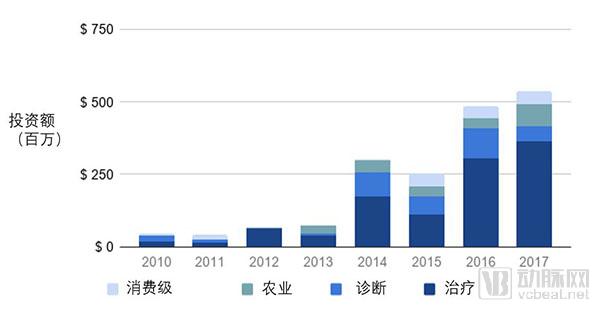
Figure 7. Global Distribution of Investment in the Microbiology Sector (2010–2017)
Microbial diagnostics and treatment account for approximately two-thirds of the total investment., with investment rounds in these two sectors predominantly consisting of Seed and Series A funding, indicating that industrialization is still in its early stages (Figure 8). Since 2013, the number of early-stage investments (Seed and Series A) has steadily increased year by year. From 2015 to 2017, the number of mid-to-late stage Series B and C investments showed a significant upward trend,To some extent, this indicates that the industrialization of microbiology is progressing with stable development.(Figure 8).
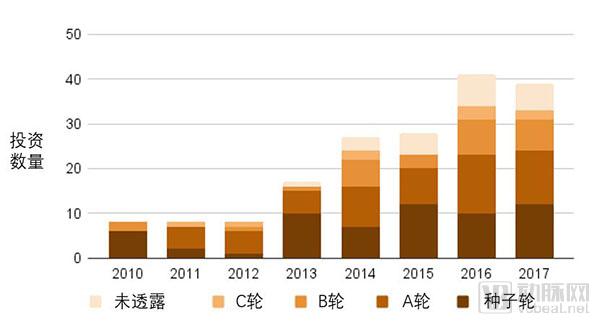
Figure 8. Investment Stages in the Field of Microbial Diagnostics and Therapeutics (2010–2017)
The main investors from 2010 to 2017 included Seventure Partners (15 rounds), Flagship Pioneering (10 rounds), OrbiMed Advisors (8 rounds), Alexandria (8 rounds), as well as Illumina Accelerator, Johnson & Johnson Innovation, and Monsanto Growth Ventures. These investors’ portfolios spanned various sectors.However, the majority have positioned themselves in the therapeutic sector, which has seen the highest number of funding rounds, followed by diagnostics.(Figure 9).
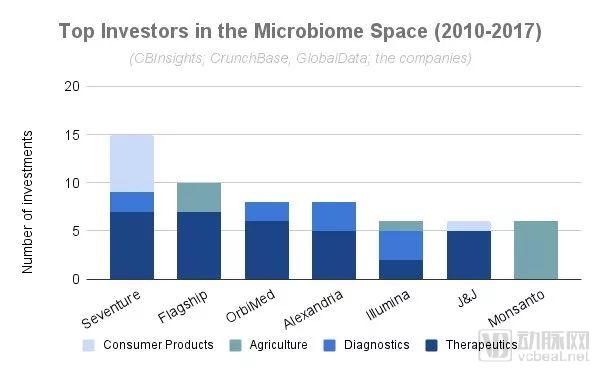
Figure 9. Major Investors in Microbiology and Distribution of Their Investment Areas (2010–2017)
In December 2016, CB Insights compiled statistics on 24 well-funded microbiome startups across seven sectors, including oral health, skin health, gut microbiome health, gut microbiome testing, drug delivery systems, dietary supplements, and microbiome-based diagnostics (e.g., predicting IVF success rates) (Figure 10).13。
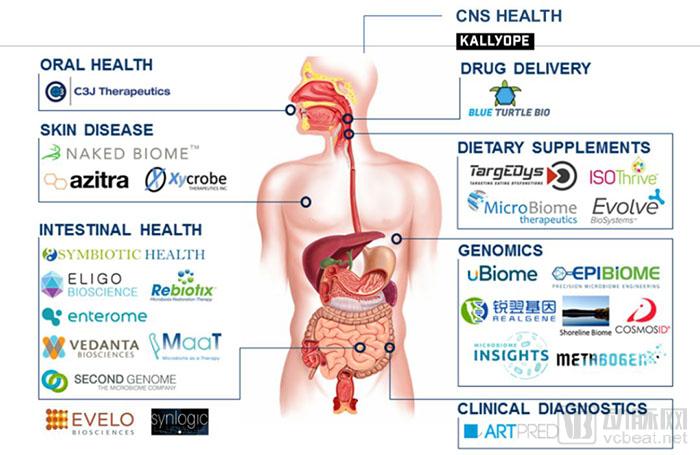
Figure 10. Distribution of Human Body Areas Targeted by Microbiome Startups
As this data only extends to the end of 2016 and contains limited information on Chinese companies, we further collected data on microbial startups founded before August 2018 that demonstrated strong financing and investment performance. In total, we included 18 domestic companies and 46 international companies (36 from the United States and 10 from Europe or Canada).
Among the 18 domestic companies included in the statistics, 83% were founded between 2013 and 2018, with concentrations in Beijing (5 companies), Guangdong (7 companies), and the Jiangsu-Shanghai region (6 companies). These companies’ business activities are categorized into testing, diagnostics, technology platforms, and therapeutics. Chinese microbiome companies are primarily focused on testing, accounting for 13 companies (72%), mainly providing research services or health management services and products related to gut microbiota testing (Figure 11). Currently, there are no testing products on the market that have received certification from the China Food and Drug Administration (CFDA). In the field of microbiome therapeutics, there are two companies (6%): Yijing Biotech, focusing on Clostridium difficile infection and ulcerative colitis; and Zhiyi Biopharma, targeting antibiotic-associated diarrhea and Clostridium difficile-associated diarrhea. In November, Zhiyi Biopharma’s innovative live biotherapeutic product, SK08, had its clinical trial application accepted. There is one company in diagnostics and two technology platform companies: Moon Biotech in Guangzhou, which specializes in microbial isolation and culture, offering industrialization and commercialization solutions; and X-Biome in Shenzhen, an AI-driven drug discovery platform for gut microecology. In terms of scale, two companies are listed on the National Equities Exchange and Quotations (NEEQ), with market capitalizations of RMB 80 million and RMB 120 million, respectively. The remaining companies have raised pre-Series A financing amounts under RMB 10 million. Noteworthy companies include those with technological advantages in testing and those focused on pharmaceutical development, such as Ruibi Biotech, Puyuan Technology, New Horizon Health, Zhiyi Biopharma, and Yijing Biotech.
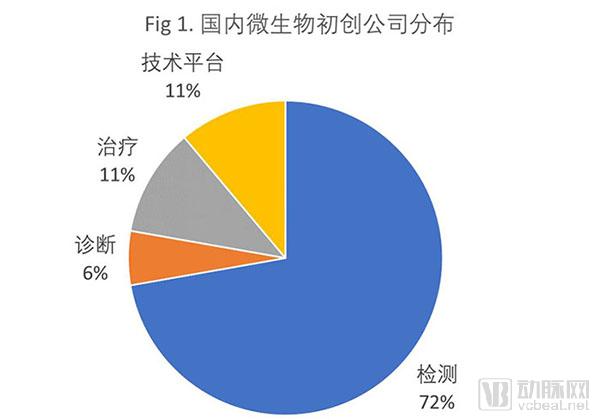
Figure 11. Distribution of Business Areas of Microbiology Enterprises in China and Abroad
Among foreign companies, there are 36 microbiome startups in the United States and 10 in Europe, including five in France, two in the United Kingdom, and one each in Canada, Sweden, and the Netherlands. The distribution across business sectors shows significant variation internationally. Thirty (65%) of these foreign startups focus on microbiome therapeutics, only seven (15%) on testing, three (7%) on microbiome-related technologies (such as databases and data analytics, and oral drug delivery technologies), three (7%) on probiotic health supplements, and three (7%) on microbiome diagnostics (Figure 12). Notably, two U.S.-based microbiome diagnostic companies—Metabiomics (early screening for colorectal cancer) and OmniBiome Therapeutics (diagnostics for preterm infants)—have had no online media coverage in the past two to three years, nor have they updated their company websites. However, feedback from the FDA workshop on gut microbiota held this September indicates that numerous companies are currently seeking approval for disease diagnostic applications based on gut microbiota. Diagnostic products are expected to emerge within the next one to two years.
The scale of U.S. gut microbiome companies varies significantly, with four listed on NASDAQ and others securing Series A financing ranging from several million to tens of millions of dollars. Notable companies include: Evelo Biosciences, Seres Therapeutics, uBiome, Blue Turtle Bio, Kallyope, Synlogic, Finch Therapeutics, and Eligo Biosciences (France), among others.
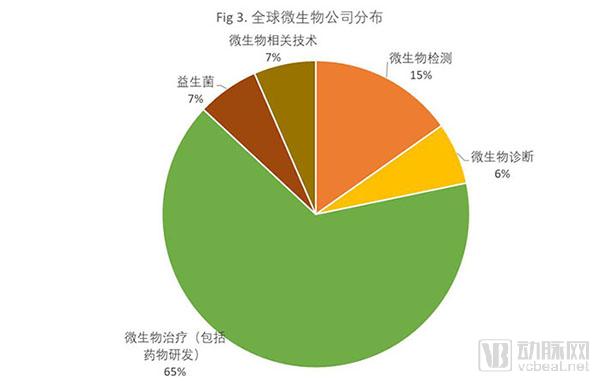
Figure 12. Distribution of Business Areas of Microbiology Enterprises in China and Abroad
We further analyzed U.S. companies engaged in microbiome therapeutics. Among the 24 microbiome therapy companies, 15 are involved in developing treatments for gut inflammation-related diseases. The most common indications include inflammatory bowel disease (IBD), ulcerative colitis (UC), Crohn’s disease (CD), irritable bowel syndrome (IBS), Clostridioides difficile infection, and non-alcoholic steatohepatitis (NASH). The next largest therapeutic area is oncology, with seven companies, followed by dermatology and metabolic disorders, each with four companies, and central nervous system (CNS)-related conditions, with three companies (Figure 13). Other indications include antimicrobial resistance, phenylketonuria, and rare diseases such as Gaucher disease and gray matter disorders.Most companies typically structure their product pipelines around two to three therapeutic areas, with the most common being inflammatory bowel disease, oncology, and metabolic disorders.
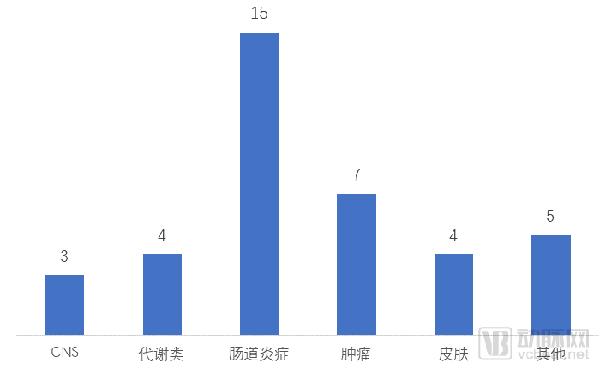
Figure 13. Therapeutic Areas of U.S. Microbiome Therapy Companies
Clinically, intestinal inflammation and other indications have advanced the most rapidly, entering Phase III clinical trials. Companies include: Seres Therapeutics – treating recurrent Clostridioides difficile infection; Second Genome – treating NASH and IBD; Rebiotix – treating infections, enteritis, cancer, and autoimmune conditions. Applications in cancer and autoimmunity are still in Phase I, while central nervous system applications remain in the preclinical research stage (Figure 14).
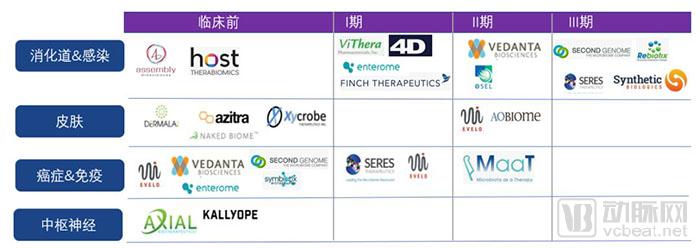
Figure 14. Clinical Advances in Microbial Therapy in the United States
Microbiome therapy companies in the United States can be broadly categorized into three types:
The first category comprises companies with proprietary strain libraries, screening capabilities, and pharmaceutical platforms, conferring significant technical advantages. For instance, Vedanta possesses its own strain library, independently developed bioinformatics analysis and mathematical modeling capabilities, as well as pharmaceutical manufacturing facilities. Second Genome has established a Microbiome Discovery Platform for drug development, which identifies biomarkers—such as proteins, peptides, and metabolites—associated with human diseases by characterizing the composition and function of the human microbiota, comparing differences between healthy individuals and patients, and analyzing microbial interactions. Companies in this category are highly favored by investors; for example, Second Genome raised $11.5 million in its Series A financing and $51.4 million in its Series B.
The second approach involves developing drugs centered on a specific bacterial strain, such as ViThera’s focus on *Lactococcus lactis* and Symbiotix Biotherapies’ work on *Bacteroides fragilis*. However, the future application scenarios for companies adopting this model will be significantly constrained.
The third category targets special populations. For example, Synlogic aims to precisely treat two rare diseases in neonates—urea cycle disorders and phenylketonuria—by designing engineered probiotics. However, the application of this approach will also be constrained by the size of the target patient population.
First, due to varying levels of policy maturity, domestic companies face greater risks of policy uncertainty when strategizing their therapeutic area portfolios.The drug approval process in the United States is relatively mature, and the regulatory attitude toward gut microbiota therapies is open and proactive. In 2013, the FDA included fecal microbiota transplantation (FMT) in the treatment guidelines for recurrent Clostridioides difficile infection in the United States, positioning it as a last-resort therapeutic option. In the U.S., FMT is regulated under the New Drug Application (NDA) pathway. In 2016, the FDA also issued Chemistry, Manufacturing, and Controls (CMC) guidance for early-phase clinical trials of Live Biotherapeutic Products (LBPs). During a workshop held in September 2018, the FDA actively engaged with microbial pharmaceutical companies to discuss the development of relevant regulatory and approval policies. It is anticipated that specific approval policies for gut microbiota-based pharmaceuticals will be introduced in the near future.In China, there are currently no clear regulations governing fecal microbiota transplantation or live biotherapeutic drugs, and the former China Food and Drug Administration (CFDA) has not yet clarified its stance on gut microbiota therapies. Although the use of FMT can be traced back to at least the 4th century AD in China, there are presently no definitive administrative regulations in place. FMT is classified merely as a medical technique rather than a drug, and therefore does not require approval from the drug regulatory authority to conduct clinical trials.11. Each hospital administers treatments independently without unified standards, resulting in relatively unstable therapeutic outcomes.
Second, differences in the level of support for research funding and investment.BGI Genomics participated in the EU’s MetaHIT research project, and its scientific foundation is likely on par with that of international counterparts. However, in terms of subsequent research support and industrialization, government and social funding in the United States far exceeds that in China.
Third, limitations in the industrialization technology of microorganisms.Industrialized microbial technologies, including strain isolation, fermentation cultivation, formulation, and dosage form protection, are essential for commercialization. Currently, these technologies are predominantly held by foreign companies in countries such as Denmark, the United States, and Canada, while China faces a shortage of technical talent in this field. Moon Biotech, a domestic company, is dedicated to addressing these challenges. Its technology platform encompasses strain isolation, preservation, screening, functional analysis, and partial scale-up production, thereby facilitating integration between upstream and downstream segments of the microbial industry.
Due to the above three differences, foreign companies have primarily focused on therapeutics, while domestic companies have mainly concentrated on diagnostics. However, for the microbiome industry to achieve true industrialization, merely developing products for gut health testing is far from sufficient.
In our next article, we will examine the bottlenecks hindering the industrialization of domestic microbiology companies, explore future application scenarios, and identify investment targets we consider promising.
References:
1. Medical Trend Annuals 2017/2018: 217. "Microbial Research as Vast as the Stars"
2. HMP website,www.commonfund.nig.gov/hmp
3. Human Microbiome Project Consortium. Structure, function and diversity of the healthy human microbiome. Nature. 2012, 486(7402): 207-214
4. JO HANDELSMAN, “Announcing the National Microbiome Initiative,” obamawhitehouse.archives.gov, published on May 13, 2016
5. Translational Medicine Network, “A Review of Microbiome Initiatives Around the World,” published on August 9, 2016
6. Gene Sequencing Industry Network, “Launch of the Chinese Academy of Sciences Microbiome Project,” published on December 21, 2017
7. Sina Medicine, “The New Hotbed for Venture Capital: Progress in the R&D of Microbiome Immunotherapy Drugs,” published on May 10, 2018
8. ClinicalTrials.gov, Gut Microbiome Clinical Trial Data, October 8, 2018
9. Beike She, “Professor Zhao Liping of Shanghai Jiao Tong University: The Human Microbiome Is a Trillion-Yuan Market, but Scientists Must Practice Self-Respect and Entrepreneurs Must Exercise Self-Discipline,” published on December 6, 2016
10. Transparency Market Research. Human Microbiome Market - Global Industry Analysis, Size, Share, Growth, Trends, and Forecast, 2018–2026
11. Guangzheng Hengsheng Securities Research Report: “Seeing the Big Picture from the Microscopic: Microbiome Drugs Are Just Beginning to Sprout, Presenting a Prime Opportunity for Strategic Positioning.” November 26, 2018
12. Gaspar Taroncher-Oldenburg. Global Engage Investing In The Microbiome – A Look Back Into The Future. www.global-engage.com/life-science/investing-microbiome-future/
13. Small World: 20+ Startups Attacking The Human Microbiome. www.cbinsights.com. Reported on December 8, 2016
Surawicz C M, Brandt L J, Binion D G, et al. Guidelines for diagnosis, treatment, and prevention of Clostridium difficile infection. The American journal of gastroenterology, 2013, 108(4):478-498