

Empowering Patient Organizations to Advance Disease Diagnosis, Treatment, and Drug Development
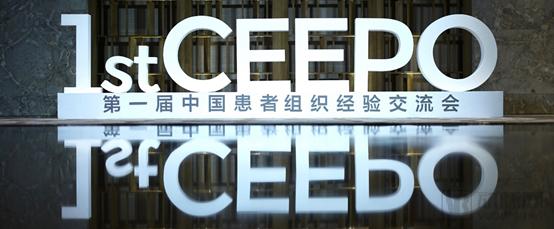
Recently, the first Chinese Experience Exchange for Patient Organizations (CEEPO), the country’s first large-scale cross-disease platform for patient organizations to share experiences, was successfully held in Shanghai.
Initiated by Shanghai Roche Pharmaceuticals Ltd., this conference attracted more than 30 patient organizations from across China, representing multiple disease areas including oncology, neurological disorders, hematological diseases, and rare diseases.
Following the conference, VCBeat interviewed Professor Shi Anli, President of the Cancer Rehabilitation Society of the China Anti-Cancer Association, and Ms. Li Wei, Vice President of the Medical Department at Roche China, among others. They shared their perspectives on patient organizations from various angles.
As the old Chinese saying goes, “Those who share the same illness sympathize with each other,” meaning that individuals with similar experiences can better empathize and connect emotionally. This sentiment has given rise to patient organizations, which serve as platforms for seeking professional knowledge, exchanging information about medical conditions, and finding emotional support. A variety of such patient groups have been established in succession to facilitate communication among patients and their families.
The Cancer Rehabilitation Committee of the China Anti-Cancer Association is a long-established and authoritative patient organization. Founded in 1990 and affiliated with the China Anti-Cancer Association, it is a mass, non-profit, academic organization that integrates medical professionals and patients, with cancer patients as its main body. It has 99 group member units across 27 provinces, municipalities, and counties in China. The primary responsibilities of the committee are to organize and support scientific popularization and patient education activities related to tumor prevention and control, as well as cancer rehabilitation.
Professor Shi Anli told reporters that the number of patient organizations in China has been increasing year by year. A preliminary network of patient organizations has been established, categorized by disease type and region, and integrating online and offline channels. A certain number of successful cases have been accumulated, playing a significant role in patients’ rehabilitation management. However, compared with advanced international experience, patient organizations in China still exhibit notable shortcomings, including a late start, fragmented structure, and limited professional expertise.
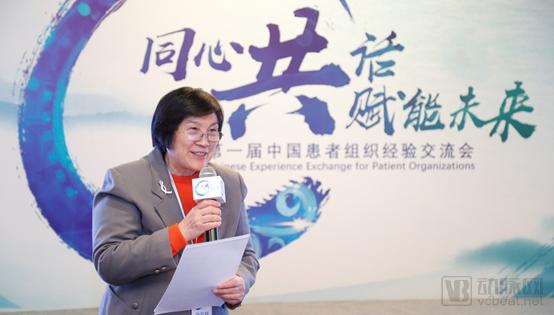
Professor Shi Anli, President of the Rehabilitation Committee of the China Anti-Cancer Association
In addition, patient advocacy groups abroad place greater emphasis on humanistic care, such as providing psychological counseling and interest-based support groups related to specific diseases. As medical science advances, many cancers and critical illnesses have become “chronic conditions.” Living with these conditions long-term requires adaptation, making psychological resilience crucial. This necessitates sustained intervention and guidance from physicians and psychological counselors. China is currently making progress in this area as well.
In light of this, the Rehabilitation Committee of the Anti-Cancer Association has organized overseas study and exchange activities, such as the Global Patient Organization Experience Exchange Conference and the Cross-Strait and Hong Kong-Macao Patient Organization Exchange Conference, to facilitate learning and experience sharing with leading international patient organizations.
“We hope to seize this opportunity to establish a dedicated communication platform for patient organizations, fully integrate resources and strengths from all parties, promote the development of professional competencies within these organizations, and build a scientific, efficient, and collaborative management system. This will drive comprehensive upgrades in services provided by patient organizations at all levels, tangibly improve patients’ quality of life, and significantly reduce healthcare expenditures and societal burden,” stated Professor Shi Anli.
Patient organizations are often associated with rare diseases. According to Analysis of the Current Status of Medications for Rare Diseases by Tian Miao et al., rare diseases, also known as “orphan diseases,” refer to conditions with low incidence and a relatively small number of affected individuals. The World Health Organization (WHO) defines rare diseases as those affecting 0.65% to 0.1% of the total population. Since 2009, the last day of February each year has been designated internationally as Rare Disease Day. China has approximately 20 million patients with rare diseases.
Difficulties in diagnosis, misclassification, and the lack of appropriate coding for rare diseases obscure their disease burden, which is one of the major challenges encountered when developing health programs for rare diseases.
Drugs for rare diseases, also known as “orphan drugs,” address a critical unmet medical need. Of the approximately 7,000 recognized rare diseases, the vast majority currently have no available treatments. For the few that do, therapies are often prohibitively expensive, placing them out of reach for most patients. Since the 1980s, the development of orphan drugs has garnered increasing societal attention. Many countries and regions have established specialized agencies or organizations dedicated to rare diseases and enacted specific laws and regulations to incentivize orphan drug development. The cornerstone of these policies is the orphan drug exclusivity system, complemented by other measures such as tax credits, waivers of regulatory fees, and priority review.
Compared with developed countries, China lags behind in the statistical data on the types and incidence rates of rare diseases, research into their pathogenesis, and the development of orphan drugs. Therefore, in future development, it is hoped that China will first scientifically define rare diseases and orphan drugs, expedite the enactment of legislation for the prevention and control of rare diseases, and establish an orphan drug exclusivity system. By emulating foreign regulations to grant orphan drug owners additional market monopoly rights, new drug pricing mechanisms, and preferential tax policies, market mechanisms can be streamlined. Furthermore, policies for the introduction of orphan drugs should be shifted from passive to proactive to ensure that patients receive timely treatment domestically. Meanwhile, rare diseases should be incorporated into the medical security system, and orphan drugs should be included in the national reimbursement drug list, thereby substantially alleviating the financial burden on patients with rare diseases.
In summary, there is still a long way to go for rare diseases, from diagnosis and treatment to the assurance of drug supply. Previously, patient organizations mainly focused on rehabilitation and humanistic care. As their functions become increasingly comprehensive, they are moving “upstream” into disease diagnosis and treatment, participating in relevant policy formulation, helping establish scientific diagnostic methods, and facilitating drug research and development.
Li Wei stated that patient organizations can play a particularly significant role in advancing drug development, especially for rare diseases. By aggregating large patient populations, these organizations can generate substantial data, which helps researchers understand the natural history of diseases and the mechanisms of drug action.
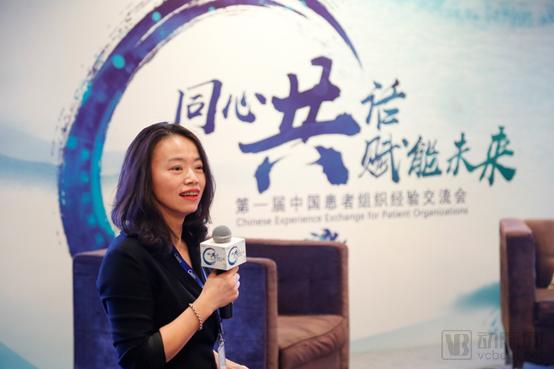
Ms. Li Wei, Vice President of the China Medical Department at Roche Pharmaceuticals
“Although pharmaceutical companies and patient organizations have different interests, the shared goal of ‘ensuring patients receive standardized treatment and high-quality whole-course disease management’ has brought us together. Helping patient organizations achieve increasingly professional and standardized development, and leveraging their own strengths to participate in clinical practice, contributes to maximizing patient benefits,” said Li Wei.
Regarding Roche’s support, as a pharmaceutical company, for this experience-sharing session among patient organizations, Li Wei also candidly stated that the company did not set any commercial agenda, but was merely demonstrating its corporate social responsibility in the area of building patient organization capacity: “As a leader in key therapeutic areas such as oncology, antivirals, and transplantation, and as an innovative enterprise creating differentiated value in the field of rare diseases, Roche Pharmaceuticals is committed to strengthening communication and dialogue with patient organizations. This aims to better listen to patients’ voices, integrate clinical practice with patients’ actual needs, and improve the patient-need-oriented pharmaceutical value chain.”
With the development of the internet and information technology, patient organizations are also moving online. Early examples include QQ groups and BBS forums, while current platforms include WeChat groups and online communities, leading to the rapid growth of online patient communities. Gu Hongfei, founder of the online platform “Home of Lymphoma,” stated that online patient communities feature strong documentation capabilities, significant influence, high immediacy, and the ability to transcend geographical limitations. These platforms not only help patients acquire knowledge online and connect with fellow survivors during recovery but also assist socially responsible pharmaceutical companies in optimizing the effectiveness of their patient education programs. The convenience of the internet will ultimately benefit patients in multiple ways.
Online patient communities exist both domestically and internationally. Prominent overseas patient communities include PatientsLikeMe, HealthUnlocked, and MyHealthTeams, while notable domestic platforms in China include Lymphoma Home, Sweet Home, and Cancer Fighting Guardian. Among these, PatientsLikeMe is the most highly regarded, primarily establishing online communities for patients with chronic diseases.
As of 2017, it had over 500,000 registered patients, covering more than 2,700 diseases. Patients share treatment experiences with each other on PatientsLikeMe, and the community also includes healthcare professionals who provide assistance. Many pharmaceutical companies have partnered with PatientsLikeMe for data collection and mining, including Genentech (a member of the Roche Group), Merck & Co., and AstraZeneca.
Data collected by patient organizations from the perspective of patients’ quality of life differ from professional medical data; they reflect real-world conditions for a large number of patients and medications, thereby more directly supporting pharmaceutical companies’ drug development and government decision-making. In collaborations between patient communities and pharmaceutical companies for data mining, the most critical consideration lies in data structuring. Large volumes of unstructured patient data hold limited value; what is truly useful is structured, high-quality data. For example, PatientsLikeMe employs a series of standardized scales, and its patient data are longitudinal, thus offering value for continuous monitoring. Patient communities in China are still in the early stages of building big data infrastructure.
A persistent challenge in clinical practice is the often unbridgeable gap between patients’ actual needs and the solutions provided by the healthcare system. To address this dilemma, many countries have begun leveraging big data tools and methodologies to implement “patient complementation” measures within their healthcare systems.
By directly incorporating patient perspectives into the early stages of drug research and development, and further leveraging real-world data from sources such as electronic health records to support clinical trials and drug approval processes; in the realm of pharmaceutical reimbursement, objective analyses of large-scale patient clinical outcome data are being utilized to draw persuasive conclusions, exploring value-based payment systems anchored in therapeutic efficacy. Through refinements at each of these stages, the aim is to establish a patient-centric value framework, fundamentally enhancing the efficiency of healthcare resource allocation, and thereby identifying solutions to systemic healthcare challenges such as “difficulty in accessing medical care,” “high medical costs,” and “physician burnout.”
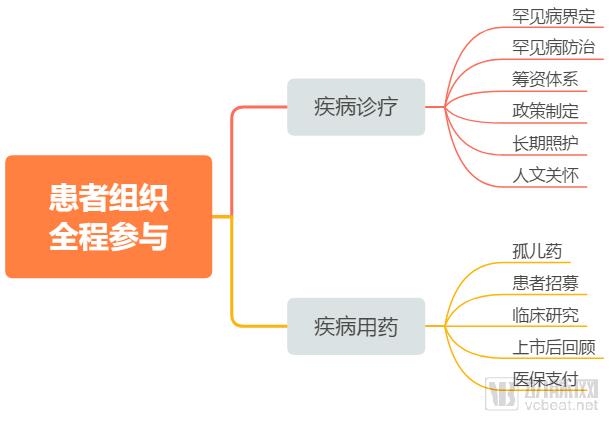
Full Engagement of Patient Organizations Throughout the Disease Diagnosis and Treatment Process
Li Wei also stated that patient data collection should not be approached with a one-size-fits-all strategy, as the volume of data required varies by disease type. From the perspective of data generation, leveraging patient organizations for data collection can commence at an early stage. By designing tools and methodologies based on current diagnostic and treatment practices, patient needs, and research requirements, it is possible to ensure that the collected data are both sufficient in volume and valid.
“We have always regarded patient organizations as our very important partners. Hospitals, governments, patient organizations, and pharmaceutical manufacturers are all indispensable links in the entire pharmaceutical industry chain, with each type of institution playing a distinct role. Previously, patient organizations’ involvement in the diagnosis and treatment process was skewed toward the later stages; in the future, patient organizations can increase their level of engagement or move their involvement further upstream,” said Li Wei.
Collaboration is the most critical element in building patient-centered disease solutions. Huang Rufang, Director of the Center for Rare Diseases Development (CORD), stated, “Moving forward, leaders of patient organizations will continue to explore a multi-stakeholder collaboration model with Chinese characteristics, involving the government, healthcare institutions, and enterprises. The aim is to integrate patient-related issues into government policymaking, corporate research, and production, thereby promoting the development of ‘patient-centered’ clinical medical practices and contributing to the realization of the ambitious goals of Healthy China 2030.”