

GE Healthcare Empowers Haobang Medical to Advance Regional Cancer Early Screening Through Advanced Imaging Solutions
Recently,“Premium Imaging Forum on Early Cancer Diagnosis and Treatment,” co-hosted by GE Healthcare and Yunnan Haobang Medical Imaging Diagnostic Center. The forum reached its climax with the launch ceremony of the “Regional Early Health Alliance,” a collaborative initiative between GE Healthcare and multiple non-public medical institutions in the Yunnan-Guizhou region.
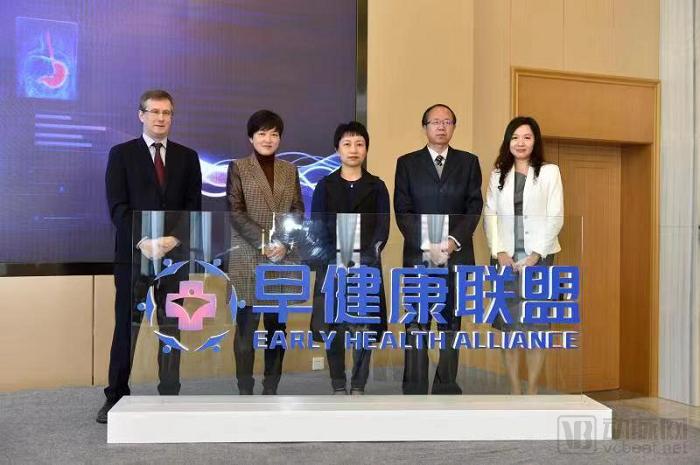
GE Healthcare Joins Hands with Multiple Non-Public Medical Institutions in Yunnan and Guizhou to Establish the “Regional Early Health Alliance”
It is understood that the regional alliance launched this time targets the southwest region, with the main purpose of promoting the sharing of high-quality resources and regional medical collaboration in the southwestern area. As one of the core members, Yunnan Haobang will play an important role in the construction of a regional network for early diagnosis, treatment, prevention, and control of cancer.
Haobang Medical Imaging Center is an integral component of the overall Haobang Health Service System. Yang Zhan, General Manager of Yunnan Haobang Health Industry Co., Ltd., told VCBeat that the Haobang Health Service System has been formally established as a cohesive service framework, supported by medical imaging diagnostic centers, led by specialized laboratory testing centers, anchored by health management centers, and fronted by shared outpatient clinics. Furthermore, the Haobang Medical Imaging Diagnostic Center is an international medical diagnostics and service platform jointly developed by Haobang and GE Healthcare, marking the first such medical diagnostics service platform project implemented in Yunnan Province.
Yang Zhan stated that, in addition to accuracy and professionalism in testing, Haobang Medical Imaging Center places significant emphasis on humanistic factors, aiming to provide patients undergoing health check-ups with a comfortable and private clinical experience. Achieving this goal relies not only on meticulous design but also on the support of high-end equipment from GE.
CT scanners are the most effective equipment for cardiac imaging. However, traditional CT scans require a relatively stable heart rate. Since more than 50% of elderly individuals suffer from arrhythmia and children often have excessively rapid heart rates, these populations cannot undergo direct examination and require pharmacological intervention to control their heart rate.
“But this carries risks,” Yang Zhan told VCBeat. Having once served as the director of the medical affairs department at a hospital, he had witnessed cases in which patients died during scanning procedures.
Since the 1990s, advances in science and technology have brought about revolutionary breakthroughs in early lung cancer screening, with major global companies achieving low-dose CT scanning. “Current technology can ensure image clarity and richness even under conditions of high heart rate or arrhythmia. The greatest value of technological progress is reflected in the enhanced protection of life and health,” he continued.
The 256-slice, all-in-one ultra-high-end CT scanner manufactured by GE Healthcare enables cardiac scanning without heart rate control even at a heart rate of 140 beats per minute, while ensuring clear imaging. It offers irreplaceable advantages in cardiac scanning, early tumor diagnosis, and whole-body imaging.
“The entire scan, capturing all functional and morphological information of the heart, can be completed in just 0.7 seconds,” he added.
In addition to cardiac scanning, low-dose CT for lung cancer screening is also an internationally recognized early detection technology. Haobang Medical, located in Yunnan Province—a region with a high prevalence of lung cancer—is planning to launch a campaign for early lung cancer screening. The company is submitting an application to the government, hoping to leverage GE Healthcare’sLow-Dose CT Lung Cancer Screening Solution (LDCT) Provides Early Lung Cancer Screening Services for 10,000 Teachers.
“Yunnan Province is a high-incidence area for lung cancer, partly due to dust and soot pollution,” explained Yang Zhan. “At the same time, Yunnan is a major tobacco-producing province with a large number of smokers. Teachers face significant work-related stress, and smoking is prevalent among this group. Coupled with considerable daily exposure to dust, we aim to prioritize providing services to this population.”
In addition to LDCT, magnetic resonance imaging (MRI) is also an internationally recognized technique for early cancer screening. Compared with CT, MRI involves no ionizing radiation and causes less harm to the human body.
“MRI of eight major body regions, combined with low-dose CT (LDCT) of the lungs and colonoscopy and gastroscopy, basically constitute the current international standard for early cancer screening,” Yang Zhan introduced.
Nevertheless, the experience during an MRI scan is far from pleasant. The loud noise and sense of claustrophobia are the most profound impressions for most individuals who have undergone MRI. These noises are caused by the high-speed switching of currents in the gradient magnetic field coils, and can exceed 110 decibels, equivalent to being at a rock concert. If eight major body regions need to be examined, the procedure may last up to 70 minutes. The intense noise and prolonged claustrophobia make the overall experience extremely uncomfortable.
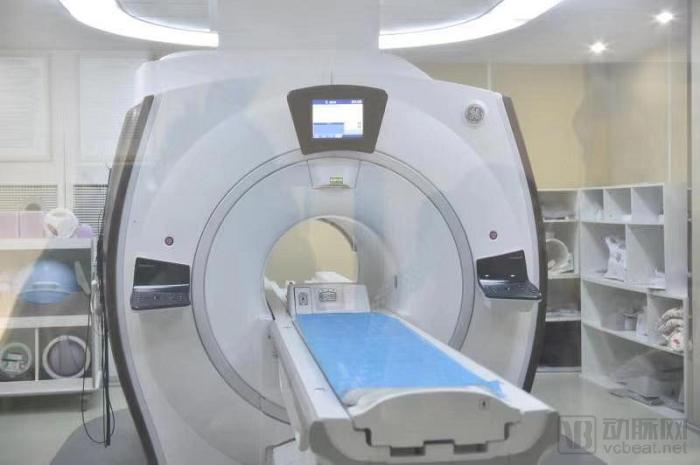
Haobang Medical Imaging Center has introduced GE Healthcare’s 3.0T MRI system. Compared with conventional MRI scanners, the 3.0T model features a wider bore, which helps alleviate the claustrophobia often experienced during standard MRI examinations. Additionally, the 3.0T system is an ultra-quiet MRI scanner, reducing noise levels to 30%–40% of those produced by conventional MRI units. “Its noise level can be lowered to 45–50 decibels, essentially equivalent to that of a natural environment,” added a relevant representative from GE Healthcare.
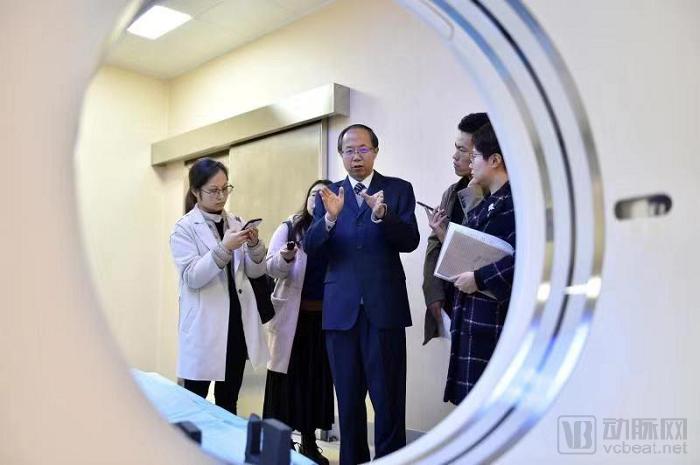
“But merely addressing the noise issue is insufficient; lying inside for 70 minutes is also quite tedious,” Yang Zhan continued. To address this, they introduced a magnet-safe projector (as metal objects are prohibited during MRI scans), allowing users to select their preferred movies or music for entertainment and leisure during the examination.
“The primary purpose of a hospital is to treat diseases, so patient experience is not always the top priority. However, we emphasize putting people first—seeing the person before addressing their health issues,” explained Yang Zhan. Moreover, in addition to screening eight major body regions, the 3.0T MRI also offers functional brain imaging capabilities to assess the activity status of functional brain networks.
During previous health checkups, many of you have likely had this experience: your report showed a series of red flags, yet failed to specify what the actual issues were; subsequently, you consulted several doctors with the report in hand, only to receive differing recommendations from each.
“Chest pain is a classic example; the underlying cause may be cardiac, pulmonary, or even neurological. It is not rigorous to draw conclusions based solely on a CT scan,” said Yang Zhan. Since no single test can address all diagnostic questions, Haobang has established a consultation team composed of professional physicians to conduct preliminary assessments prior to testing, thereby selecting the most appropriate diagnostic approach for each patient.
Yang Zhan told VCBeat that the role of consulting experts is to avoid both under-testing and over-testing, as both are detrimental to clients. They aim to select the optimal combination for clients, ensuring accuracy while avoiding excessive testing. All these teams have a background in medical imaging, and the technical team leaders for equipment operation are all experts who have worked in three hospitals. Meanwhile, GE Healthcare technicians will provide Haobang with a series of application training, advanced training, and specialized training for each device, enabling staff to master the equipment proficiently.
Following the generation of examination reports, Haobang Medical Imaging Center has engaged a team of full-time radiologists and part-time chief specialists, each with over eight years of experience at tertiary hospitals. For difficult and complex cases, these experts conduct collaborative discussions to provide accurate diagnostic conclusions for patients. The diagnostic department is divided into four divisions, where images from multiple imaging examinations are uploaded to a unified system, enabling different specialists to collaborate and reach a consensus diagnosis.
“Often, specialists from different departments may arrive at different interpretations of the same medical image. We aim to reach a consensus through multidisciplinary expert discussions, thereby alleviating patients’ concerns,” he stated. “In addition, we have established a remote consultation system. For particularly complex and challenging cases, we can conduct remote consultations with experts in Shanghai, Beijing, and overseas institutions.”
At the remote diagnosis center of the imaging center, there is an internal remote diagnosis platform jointly developed by Haobang Medical and GE Healthcare. Based on this platform, they have connected outstanding medical institutions abroad, top-tier hospitals in specialized fields within China, as well as township health centers and primary healthcare institutions, thereby consolidating patient resources from primary care settings with expert resources from both domestic and international leading specialists.
During the visit, Yang Zhan also showcased to VCBeat the world’s most advanced 4D ultrasound systems, Automated Breast Ultrasound (ABUS) devices specifically developed for breast imaging in Asian women with dense breast tissue, and exercise stress testing systems. Accompanying GE Healthcare executives expressed admiration, noting that the center had introduced GE Healthcare’s most comprehensive and cutting-edge product portfolio. As Yunnan Province’s first third-party medical imaging center, Haobang Medical is not only building its own brand but also aims to serve as a benchmark and reference model for other independent imaging centers.
As a “Clinical Application and Research Training Base for Medical Imaging,” Haobang Medical Imaging Center will leverage its capabilities to implement standardized, high-quality early cancer screening and precise diagnosis. Leveraging GE Healthcare’s portfolio of advanced medical imaging equipment, the center will collaborate with high-quality medical resources in the region to enhance regional healthcare services and overall operational capabilities.
Furthermore, Haobang Medical Imaging Center will serve as a talent development and research base for high-end imaging diagnosis in the Yunnan-Guizhou region, focusing on disease research and exploring tertiary prevention pathways for certain major cancers. Taking lung cancer prevention and control as an example, Haobang, together with ten medical institutions including the Third Affiliated Hospital of Chongqing Medical University, Zunyi Huian Hospital, Xi’an No. 5 Hospital, and Liupanshui Liangdu Hospital, was jointly awarded the title of “Low-Dose CT Lung Cancer Screening Demonstration Site” at this forum. This initiative aims to expand the regional coverage of bases for lung cancer screening, early diagnosis, and early treatment. It will also provide training on early lung cancer screening and diagnosis for primary care physicians in Yunnan and surrounding areas, thereby driving an overall improvement in lung cancer diagnosis, treatment, and prevention capabilities in southwestern regions such as Yunnan and Guizhou, and effectively advancing the construction of a national collaborative network for lung cancer prevention and control.
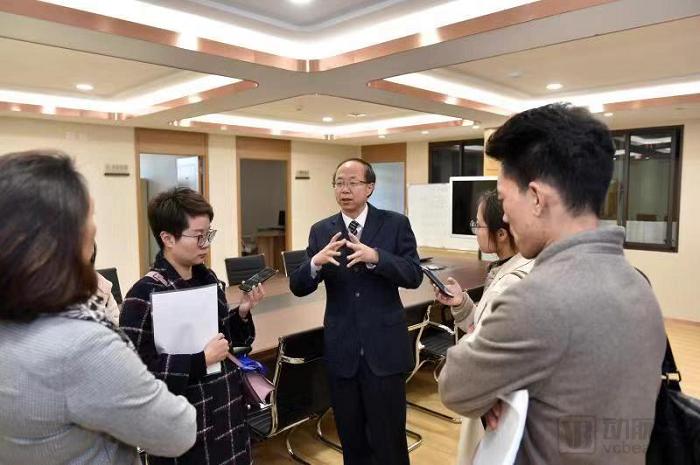
Over the following month, the Yunnan Haobang Medical Imaging Diagnostic Center will host educational sessions on early lung cancer screening and lectures on lung cancer prevention and control, promoting the concept of “Early Health.” It will also conduct lung cancer screening for high-risk populations using low-dose CT. Leveraging an intelligent imaging diagnosis and remote diagnostic system based on a cloud platform, the center will facilitate remote consultations with renowned experts, thereby fully leveraging collaborative synergies with high-quality medical resources.
In fact, this is not the first time GE HealthCare has partnered with non-public medical institutions to establish an early health alliance. GE HealthCare has a dedicated team for non-public healthcare, comprising sales representatives, engineers, and service personnel. Since its establishment eight years ago, the team has grown to 600 members. By continuously introducing advanced technologies and management concepts, they provide one-stop solutions covering the entire lifecycle—including disease diagnosis and treatment, talent training, digital applications, finance and operations, and brand management. These efforts help enhance the clinical diagnostic and therapeutic capabilities, as well as operational and managerial efficiency, of non-public medical institutions, thereby supporting their sustainable development.

A relevant GE executive disclosed to VCBeat that, as part of GE Healthcare’s strategy, the Chinese market is divided into five regions: East, South, West, North, and Central, with Yunnan Province serving as the hub for the Southern region. At the “2018 Non-Public Healthcare Leaders Summit” held in Shanghai in August 2018, GE Healthcare launched the “Non-Public Healthcare Early Health Alliance” initiative. GE Healthcare revealed that, in the near future, the “Early Health Alliance Campaign” will be rolled out nationwide through various activities, including free low-dose lung cancer screening clinics, free breast cancer screening clinics, and regional medical imaging technology forums.
Postscript
During the approximately one-hour tour, Yang Zhan repeatedly emphasized user experience. The CT and exercise stress test facilities are equipped with professional, fully stocked resuscitation rooms. Yang Zhan noted that the likelihood of needing to use these resuscitation rooms is extremely low; nevertheless, they must be prepared to respond to even rare events with a probability as low as one in 100,000.
In terms of details both large and small, in addition to introducing GE Healthcare’s most advanced equipment, Haobang Medical Imaging Center has also devoted considerable effort to its own design:

Corridor Rest Area
The blue sky and white clouds painted on the ceiling of the CT scanning room, dedicated pathways and changing rooms for female patients, and warm towels prepared in incubators within the ultrasound examination rooms... It is precisely these small details that deliver a thoughtful and meticulous experience to clients. On the day of the visit, the skies cleared after heavy rain in Kunming, with sunlight spilling onto the corridor outside the examination rooms on the fifth floor, creating an ambiance reminiscent of a quiet corner in a Lijiang book café.