

Weiaikang Medical Group Enhances China's Three-Tier Rehabilitation System by Introducing Japanese Sports Rehabilitation Technology to Communities
According to data provided in the National Fitness Plan (2016–2020) issued by the State Council, China’s physically active population is projected to reach 435 million by 2020, with sports consumption amounting to RMB 1.5 trillion. Meanwhile, data from The Scale of Output Value in the Fitness Industry (2009–2014) indicates that the incidence rate of sports injuries among individuals who exercise regularly exceeds 85%. This implies that, theoretically, up to 370 million people could suffer from sports injuries by 2020. Consequently, sports rehabilitation services tailored to this population represent a vast blue-ocean market.
It is widely believed that a nation’s level of rehabilitation development generally reflects its overall degree of advancement. Compared with developed countries such as the United Kingdom, the United States, and Japan, China’s rehabilitation system remains far from comprehensive, making community-based rehabilitation a crucial component of the three-tier rehabilitation framework. On December 2, the Wei’aikang Community Hospital, under Henan Wei’aikang Medical Group Co., Ltd., officially launched the Toranomon Sports Rehabilitation Center from Japan, marking another novel endeavor in the sports rehabilitation market. To gain detailed insights into the project, VCBeat conducted an exclusive interview with Lv Qiong, the project lead at the Toranomon Sports Rehabilitation Center.
The three-tier rehabilitation system is underdeveloped, and community-based sports rehabilitation institutions are scarce.
There is a widespread mindset in China that prioritizes treatment over rehabilitation, focusing medical care on the therapeutic phase while neglecting post-acute rehabilitation, which results in poorer recovery outcomes. Although rehabilitation is not as urgent as acute-phase treatment, it should equally be considered an essential medical necessity. Acute-phase treatment addresses patients’ survival, whereas rehabilitation aims to improve their quality of life. Only by integrating treatment with rehabilitation can long-term health be truly sustained.
Compared with developed countries such as the United Kingdom, the United States, and Japan, China’s rehabilitation market remains in its nascent stage. Currently, the patient population served by China’s rehabilitation market is predominantly concentrated in orthopedic rehabilitation, neurological rehabilitation, cardiopulmonary rehabilitation, and pediatric rehabilitation.
Sports rehabilitation is a branch of rehabilitative medicine, essentially integrating "sports" and "medicine." As an interdisciplinary specialty, it focuses on rehabilitating functional impairments of the human motor system. Through systematic examination, assessment, and diagnosis by physical therapists, and by combining various therapeutic approaches—including functional training, manual therapy, and physical modalities—it helps patients alleviate pain, improve joint range of motion and function, restore physical capabilities, and enhance overall health and quality of life.
In China, early sports rehabilitation primarily referred to medical services targeted at professional athletes, along with rehabilitative physiotherapy for a very small number of middle- and high-income individuals. However, with the widespread adoption of national fitness initiatives, there is a growing trend toward emphasizing scientifically guided exercise. Sports rehabilitation is evolving from a niche market serving professional athletes into a mass market catering to sports enthusiasts.
“Restoring physical function” is the primary demand among the clientele of sports rehabilitation services. In China, existing sports rehabilitation institutions are predominantly composed of standalone or chain clinics and sports rehabilitation centers, which mainly provide physical therapy to help individuals recovering from sports injuries or orthopedic surgeries regain their athletic capabilities. This group constitutes the main audience for traditional sports rehabilitation services.
In recent years, with the intensifying aging population and the worsening suboptimal health status of white-collar office workers, the elderly and office-based professionals have also become consumer groups for this service.
Lu Qiong stated that, in contrast to traditional passive rehabilitation, the Toranomon Sports Rehabilitation Center offers a form of exercise therapy that “encourages patients to actively engage in movement on their own.”
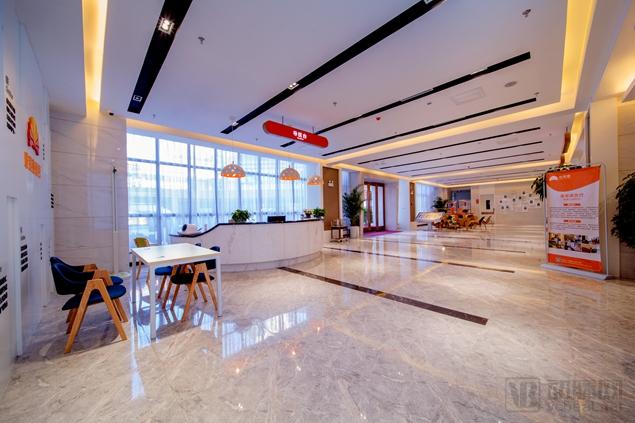
Actual view of the Sports Park Campus, home to the Toranomon Sports Rehabilitation Center (Source: Provided by the company)
When choosing sports rehabilitation services, the general public typically has two key needs: professional physician guidance and suitable facilities for sports rehabilitation. “The Hutongmen Sports Rehabilitation Center addresses the basic sports rehabilitation needs of community residents, ensuring they have access to both appropriate facilities and guidance from professional rehabilitation therapists.”
Toranomon Sports Rehabilitation Center Officially Launches, Introducing Advanced Norwegian Equipment and Japanese Rehabilitation Experts
For sports rehabilitation institutions, a key factor in attracting customers is the presence of expert personal brands. For instance, Lin Xuanhong, the chief expert at the well-established Hongdao Sports Medicine Clinic, has attracted Olympic champions such as Chen Yibing and Wu Minxia. Similarly, Jijin Wanmei, which specializes in Traditional Chinese Medicine (TCM) manual therapies, benefits from the medical expertise endorsement of its founder, Zhu Guomiao.
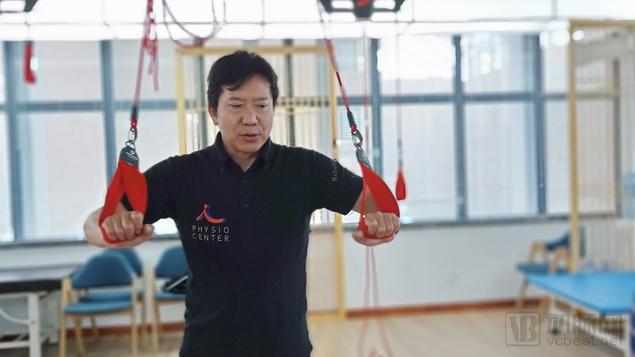
Wei'aikang Medical Group has introduced Japan's Toranomon Sports Rehabilitation Center, where a rehabilitation team led by renowned Japanese sports rehabilitation expert Kosaku Ota serves as the long-term appointed specialist team, providing regular consultations at the center.
Professor Kosaku Ota specializes in musculoskeletal rehabilitation and sports injury rehabilitation. He formerly served as the designated rehabilitation therapist for athletes of the Japanese national football team. He holds qualifications as an acupuncturist, physical therapist, and trainer for care prevention instructors. Additionally, he is an international instructor for the Norwegian “Redcord” therapy and is authorized to certify rehabilitation therapists trained in Redcord techniques.
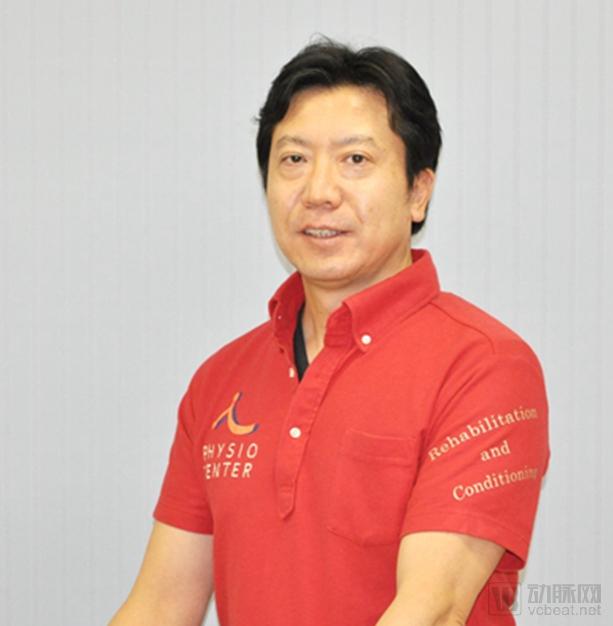
Renowned Japanese Sports Rehabilitation Expert Kousaku Ota (Source: Provided by the company)
Toranomon Sports Rehabilitation Center has introduced the complete suite of exercise programs from “Inter Reha Co., Ltd. Toranomon Rehabilitation Center” and “PHYSIO CENTER” (hereinafter referred to as “Japan Toranomon”), which currently operates 10,000 rehabilitation training sites in Japan. The center primarily offers three core services: “Redcord Exercise Rehabilitation Therapy,” “Traditional Chinese Medicine (TCM) Rehabilitation Physiotherapy,” and “Musculoskeletal Rehabilitation Screening.” It is the first sports rehabilitation center with specialized physiotherapy services established by Wei’aikang Community Hospital, and also the first medical institution in the province to introduce the Redcord exercise rehabilitation program. All rehabilitation equipment at the center is imported from Norway.
“Red Rope” originated in Norway under the original name Redcord. It was initially used for orthopedic surgeries and the rehabilitation of chronic diseases of the skeletal and muscular systems. Red Rope therapy is a form of exercise therapy that fully leverages the mobility, vibratory properties, and safety of slings (suspension straps). By suspending various parts of the body to achieve weight unloading, it combines adjustments tailored to different bodily states, resulting in particularly significant training and stretching effects on deep muscles and enhanced muscle strength.
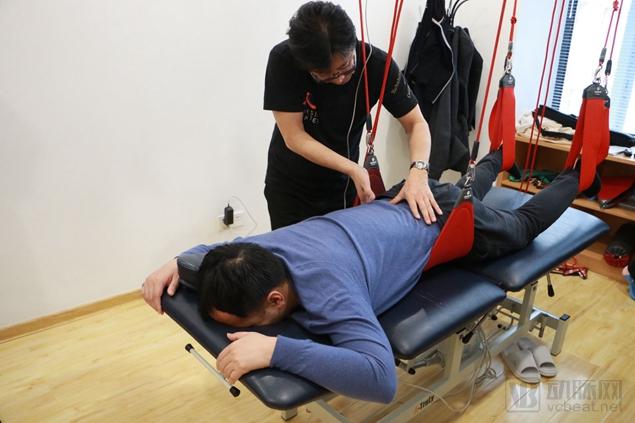
Teacher Kosaku Ota is conducting Red Rope training (Source: Provided by the company)
Patients visiting the Toranomon Sports Rehabilitation Center are required to establish corresponding health records. Following an initial assessment, a standard rehabilitation therapy prescription or an exercise therapy prescription is issued. According to Lv Qiong, the assessment process lasts approximately one to one and a half hours. After each individual treatment session, a post-treatment evaluation is conducted for the patient. "It is essential to monitor the outcomes of each session. We recommend that sports rehabilitation therapy be administered no more than three times per week. The typical treatment cycle for common cervical, shoulder, and lumbar symptoms is around 3–6 months."
According to previous interviews conducted by VCBeat with selected sports rehabilitation institutions, most players in the market are positioned in the mid-to-high-end segment. Per-session treatment fees range from RMB 400 to RMB 1,300 per hour, a price bracket that slightly exceeds the typical spending capacity of community residents, particularly the elderly.
According to international data, the per capita cost of institutional rehabilitation is $100, covering only 20% of individuals requiring rehabilitation services, whereas community-based rehabilitation services cost just $9 per capita yet cover 80% of this population.
Of patients discharged after the acute phase, 15%–30% are transferred to nursing homes, and 35%–60% return home. This indicates that the vast majority of patients either return home or are admitted to nursing homes following the acute phase. Implementing community-based rehabilitation enables patients to receive hospital-level treatment and services within their communities. The advantages of this care model include lower costs and broad accessibility, making it well-suited to meet China’s current needs for rehabilitation services.
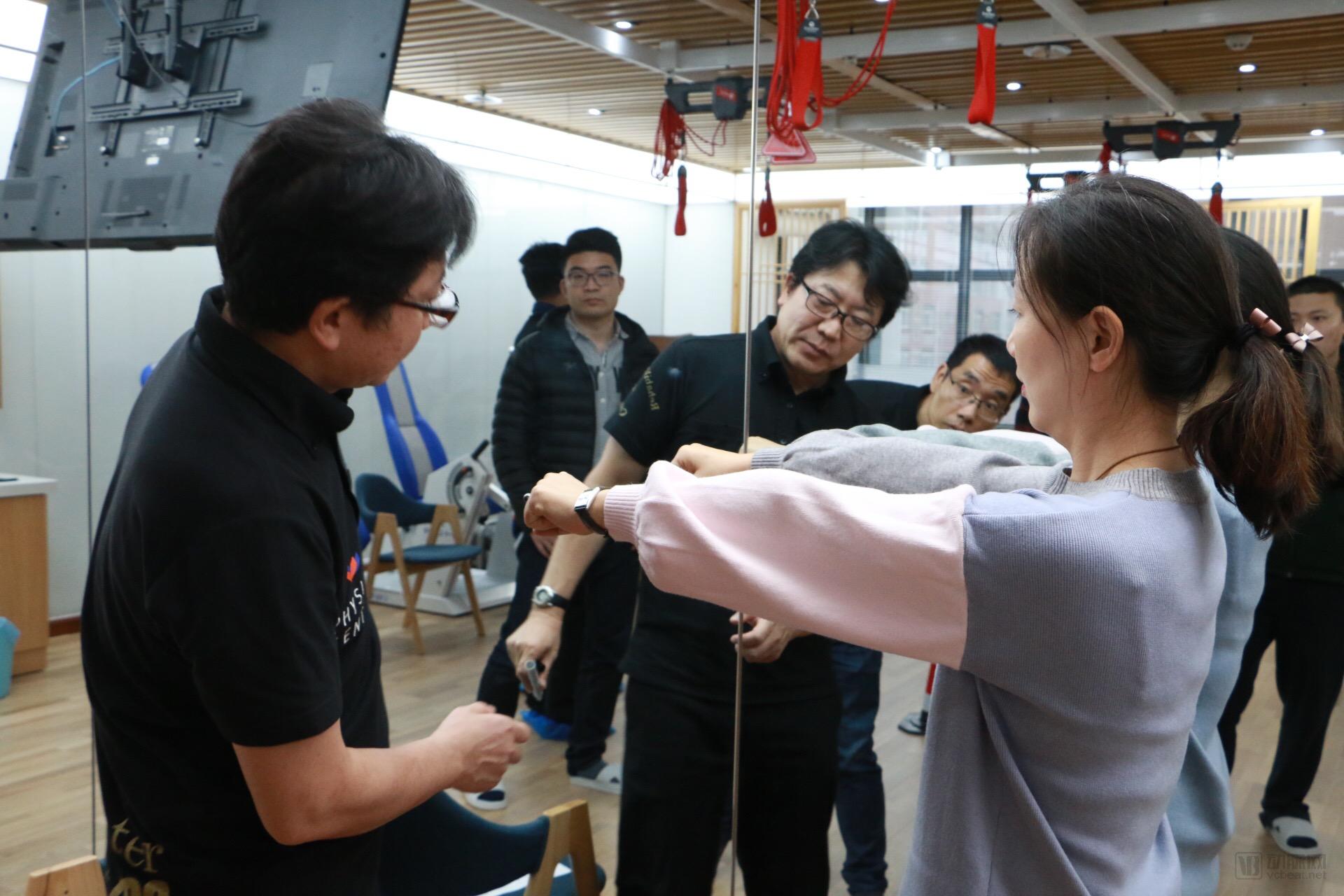
Toranomon Sports Rehabilitation Center: Instructor Kosaku Ota Conducting Patient Assessment (Source: Provided by the company)
Lu Qiong stated that the Toranomon Sports Rehabilitation Center currently serves five categories of clients: (1) individuals undergoing post-fracture surgical rehabilitation; (2) individuals requiring neurological rehabilitation; (3) individuals seeking postural correction; (4) individuals in a sub-health state; and (5) individuals aiming for fat loss and body shaping.
The Toranomon Sports Rehabilitation Center offers services in two formats: daytime small-group training sessions with six participants and one-on-one “Red Rope” therapy. Daytime group classes are billed on a per-session or monthly membership basis, with single-session fees ranging from tens of yuan and monthly memberships priced at approximately RMB 200. These services primarily utilize the center’s morning treatment slots to serve local community residents. Additionally, compared to mid-to-high-end sports rehabilitation facilities, a major advantage of the Toranomon Sports Rehabilitation Center is that its services are partially covered by medical insurance.
Leveraging the Comprehensive Rollout of Wei'aikang Community Hospitals to Address Gaps in Community-Based Rehabilitation
In addition to Dr. Kosaku Ota, who conducts regular scheduled consultations, the Toranomon Sports Rehabilitation Center is staffed daily with one rehabilitation director, four to five rehabilitation therapists, and a nursing team to ensure the provision of routine sports rehabilitation services.
According to publicly available data, China currently has approximately 36,000 rehabilitation therapists with technical qualifications. Calculated according to international standards, this equates to 2.65 physical therapists per 100,000 people. In contrast, the average in North America and Europe is 60 per 100,000 population, with the United States at 62.8, Germany at 68.7, and Hong Kong at 36.4. In the field of sports rehabilitation, a shortage of talent has become a major constraint on industry development.
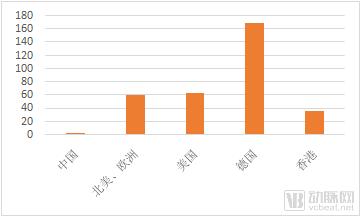
Number of Physical Therapists per 100,000 Population (Persons) (Source: Public Data)
At the Toranomon Sports Rehabilitation Center, the team of rehabilitation therapists and nursing staff is not only composed of talented individuals recruited from medical universities who are dedicated to advancing their careers in rehabilitation, but also benefits from an internal “self-sustaining” talent development system. Rehabilitation therapists at the center can receive specialized training from Japan’s Toranomon Hospital and, upon passing the assessment, are awarded the corresponding “Red Rope” Coach Certification. In addition, outstanding personnel are regularly selected for further study and training at Toranomon Hospital in Japan, thereby enhancing the overall professional competence of the rehabilitation team.
Drawing on the UK’s three-tier rehabilitation system, a complete rehabilitation pathway is formed by emergency hospitals (initial consultation), specialized rehabilitation hospitals providing government-purchased services (inpatient rehabilitation), and community-based rehabilitation. A function-evaluation-based rehabilitation process is established across these three tiers, thereby creating an integrated rehabilitation medical consortium with vertical connectivity. Currently, China’s three-tier system remains underdeveloped; most patients experience a discontinuity of care after being transferred to specialized rehabilitation hospitals, with the community rehabilitation stage often overlooked, and suitable community rehabilitation institutions are scarce.
The establishment of the Toranomon Sports Rehabilitation Center, founded in reliance on Wei’aikang Community Hospital, not only complements and synergizes with the hospital’s basic medical services but also assumes post-treatment rehabilitation tasks. This addition enhances the hospital’s service offerings, provides value-added services to community residents, and addresses the shortcomings of general primary care. Furthermore, it responds to the national call for tiered diagnosis and treatment while filling the gap in community-based rehabilitation within the three-tier rehabilitation system.
Henan Wei'aikang Medical Group is the first chain-based community healthcare comprehensive operation and management group in Henan Province. With Zhengzhou as its core and the Zhengdong New Area as its base, it extends its reach to other cities across the province, including Xinxiang, Xuchang, Luoyang, and Nanyang. The group has currently established three community hospitals—“Wei'aikang Traditional Chinese Medicine Hospital,” “Wei'aikang Baifo Health Examination Hospital,” and “Xinxiang Wei'aikang Xinxing Hospital”—with a total investment nearing RMB 100 million. According to Lv Qiong, sports rehabilitation medicine will become a key business direction for Wei'aikang Medical Group in the future. The Toranomon Sports Rehabilitation Center project will be introduced at each of the group’s community hospital campuses, making sports rehabilitation services another strategic component in Wei'aikang Medical Group’s closed-loop ecosystem of comprehensive medical services, alongside primary care, health examinations, and health management.