

First China Medical Imaging AI Conference Held in Shanghai, Discussing a New Era for Medical Imaging AI
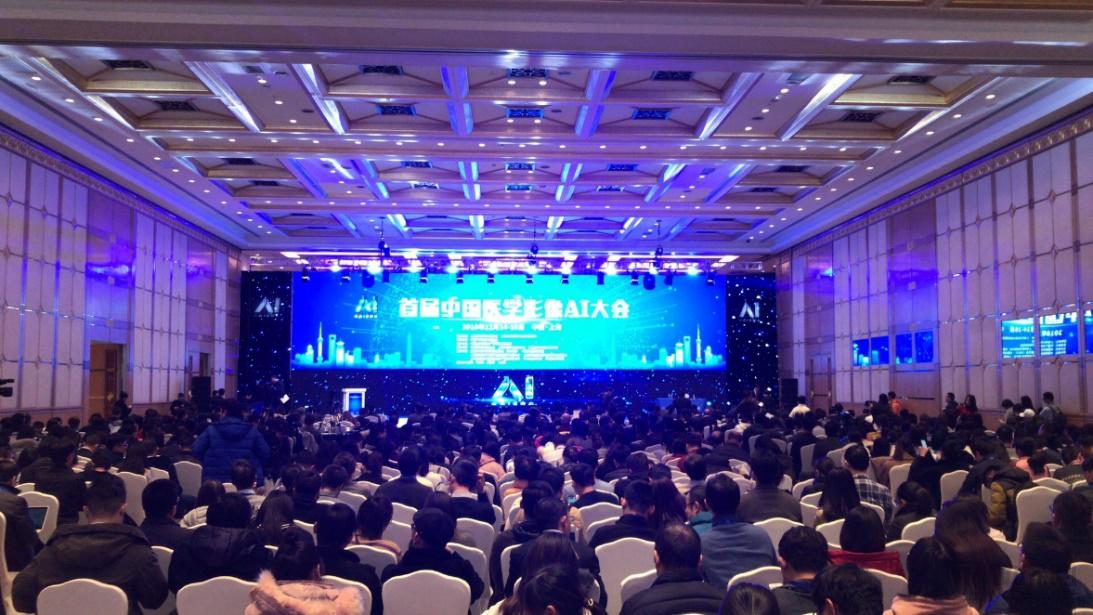
On December 15–16, the inaugural China Medical Imaging AI Conference, hosted by the China Alliance of Industry, Academia, Research and Application for Medical Imaging AI (CAIERA, hereinafter referred to as the “Alliance”) and co-organized by the China Health Promotion Foundation, the Radiology Branch of the Shanghai Medical Association, and the Chinese Journal of Computerized Tomography, was grandly held at the Shanghai International Convention Center. The event registered 1,946 attendees on-site, with actual participation exceeding 2,000, gathering numerous elites and achieving unprecedented scale. VCBeat, as the official supporting media, provided full-course coverage and reporting.
Themed “Demand, Leadership, Win-Win, and Sharing,” the conference brought together numerous leading experts from government, industry, academia, research institutions, investment sectors, and healthcare, both domestically and internationally, as well as corporate representatives from AI-related industries. The event aimed to facilitate the exchange and sharing of cutting-edge technologies and typical application cases in the field of medical imaging AI, strengthen and refine policy research and guidance for the application of medical imaging AI, explore the legal frameworks and clinical workflows associated with AI applications in medical imaging, and summarize and share insights on how multi-party collaboration among industry, academia, and research can break through barriers and promote the healthy development of the artificial intelligence industry.
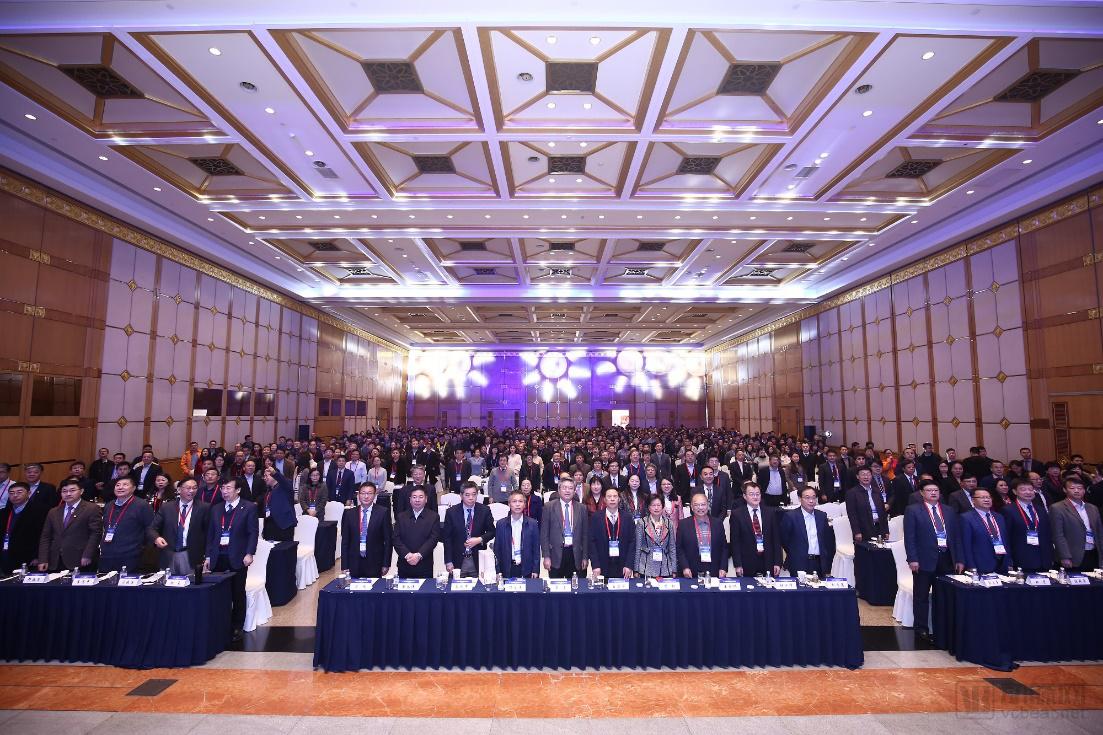
Liu Shiyuan, Conference Chair and Chairman of the CAIERA Alliance, stated, “This conference features diverse forms of dialogue and parallel forums, making it a rich, distinctive, vibrant, and highly anticipated academic feast. With the vigorous implementation of the national strategy for artificial intelligence development, it is crucial at this juncture to integrate the work of medical professionals with medical AI. On one hand, we must build deeply integrated service platforms to lead and promote the practical application of AI in medical imaging in China. On the other hand, we should further refine our technologies by seamlessly connecting AI algorithms, application scenarios, and value creation, thereby benefiting the public and achieving new breakthroughs in the field of medicine!”
Benefiting from National Policies, Medical Imaging AI Sees Rapid Development
Recently, the State Council issued the Development Plan for New-Generation Artificial Intelligence, proposing the development of intelligent healthcare. It calls for promoting and applying new models and methods of AI-enabled treatment, and establishing a rapid and precise intelligent healthcare system. Efforts should be made to explore the construction of smart hospitals, develop human-machine collaborative surgical robots and intelligent diagnostic and therapeutic assistants, and formulate clinical intelligent diagnosis and treatment solutions featuring human-machine collaboration, so as to achieve intelligent medical image recognition, pathological subtyping, and intelligent multidisciplinary consultations. Meanwhile, President Xi Jinping also emphasized during the second collective study session of the Political Bureau of the CPC Central Committee in 2017 that China should promote the implementation of the national big data strategy, advance the integration, opening, and sharing of data resources, and accelerate the building of a Digital China.
When Big Data Meets Artificial Intelligence, the Most Promising Breakthrough Lies in Medical Imaging. “AI + Medical Imaging” applies the cutting-edge breakthroughs achieved by artificial intelligence in image recognition to the field of medical imaging, thereby improving diagnostic efficiency and accuracy. Currently, AI applications in medical imaging mainly fall into three categories: disease screening, lesion delineation, and 3D organ imaging. These applications already cover numerous conditions, including breast cancer, cardiovascular diseases, skin cancer, and pulmonary nodules. With future breakthroughs in diagnosing a wider range of diseases and improvements in accuracy, coupled with the rapid development and expansion of cloud-based medical imaging platforms and third-party imaging centers, “AI + Medical Imaging” is poised to become a key solution for imaging diagnosis.
Gathering of Industry Leaders to Discuss Innovative Applications and Implementation of AI in Medical Imaging
The conference comprises the following sessions: Opening Ceremony, Keynote Speeches, Roundtable Discussions, Closed-Door Forums (Part I and Part II), Forum on Medical Big Data Applications and Security, Summit Forum on Medical Image Computing, Forum on Clinical Needs and Applications (Sessions I, II, III, and Ultrasound Special Session), Forum on Implementation of Artificial Intelligence Technologies, and Founders’ Forum for AI Innovation Enterprises. It has brought together more than 160 experts, scholars, and corporate representatives from various dimensions and fields, including:
Gong Ke, Foreign Member of the Russian Academy of Cosmonautics, Former President of Nankai University, and Executive Dean of the China Institute for Development Strategy of New Generation Artificial Intelligence
Li Zhaoshen, Academician of the Chinese Academy of Engineering and Director of the Department of Gastroenterology at Changhai Hospital Affiliated to Naval Medical University
Academician of the Chinese Academy of Sciences, Vice President of the University of Science and Technology of China, Du Jiangfeng
Deputy Director Zhou Gongwei, Statistical Information Center, National Health Commission
Yang Aiping, Director of the Capacity Building and Continuing Education Center of the National Health Commission
Shanghai Municipal Health Commission, Secretary Huang Hong
Zhu Qigao, Deputy Director of the Shanghai Municipal Science and Technology Commission
Lu Ming, Deputy District Mayor of Baoshan District, Shanghai
Wang Jianhua, Executive Vice President and Secretary-General of the China Industry-University-Research Collaboration Promotion Association
Zhang Dianyong, President of Shanghai Changzheng Hospital
Guo Qiyong, Former President of Shengjing Hospital, Former Director of the Department of Radiology, and Former Chairman of the Chinese Society of Radiology of the Chinese Medical Association
Feng Xiaoyuan, Tenured Professor at Fudan University, Honorary Chairman of the Chinese Society of Radiology, and Former Vice President of Fudan University
Xu Ke, Founding President of the Interventional Physicians Branch of the Chinese Medical Doctor Association and Former Chairman of the Chinese Society of Radiology
Han Jianda, Professor at Nankai University, Doctoral Supervisor, and Expert in Intelligent Robotics
Shen Dinggang, Distinguished Professor at the University of North Carolina and Co-CEO of Shanghai United Imaging Intelligence Medical Technology Co., Ltd.
Lu Guangming, Director of the Department of Medical Imaging at Nanjing General Hospital of the Eastern Theater Command of the PLA, and Vice Chairman of the Radiology Branch of the Chinese Medical Association
Liang Changhong, Director of the Department of Imaging Medicine and Director of the Department of Radiology at Guangdong Provincial People's Hospital, Affiliated to South China University of Technology
Cheng Jingliang, Director of the Department of Magnetic Resonance Imaging at the First Affiliated Hospital of Zhengzhou University, and Vice Chairman of the Radiology Branch of the Chinese Medical Association
Li Enzhong, Director of Division V, Department of Medical Sciences, National Natural Science Foundation of China
Zheng Hairong, Vice President of the Shenzhen Institutes of Advanced Technology, Chinese Academy of Sciences
Chief Editor: Du Xian, People's Medical Publishing House Co., Ltd.
Liu Shiyuan, Director of the Department of Medical Imaging at Shanghai Changzheng Hospital, President-Elect of the Radiology Branch of the Chinese Medical Association, and Chairman of the CAIERA Alliance
Wang Peijun, Vice President of Tongji Hospital Affiliated to Tongji University, Standing Committee Member of the Radiology Branch of the Chinese Medical Association, Chairman of the Molecular Imaging Professional Committee, and Chairman of the Radiology Branch of the Shanghai Medical Association
Xue Min, Chairman of Shanghai United Imaging Healthcare Co., Ltd.
Wang Hao, President of Siemens Healthineers Greater China
Wang Biao, Chief Marketing Officer of GE Healthcare Greater China
Chen Shengyu, Vice President of Philips (China) Investment Co., Ltd.
Tao Xiaodong, President of Anhui iFlytek Medical Information Technology Co., Ltd.
Ding Xiaowei, Co-founder and CEO of VoxelCloud
Chen Kuan, Founder and CEO of Infervision
Qiao Xin, Co-founder and CEO of Deepwise Medical
COO of Shanghai United Imaging Intelligence Healthcare Technology Co., Ltd., Zhan Yiqiang
Chai Xiangfei, Founder and CEO of Huiyi Huiying
Ma Chun'e, Co-founder and CEO of Shukun Technology
Bian Haifeng, Founder and CTO of Yizhan Medical Group
Zhong Xin, Founder and CEO of Tumavis
Fang Cong, Vice President of Yitu Healthcare
……
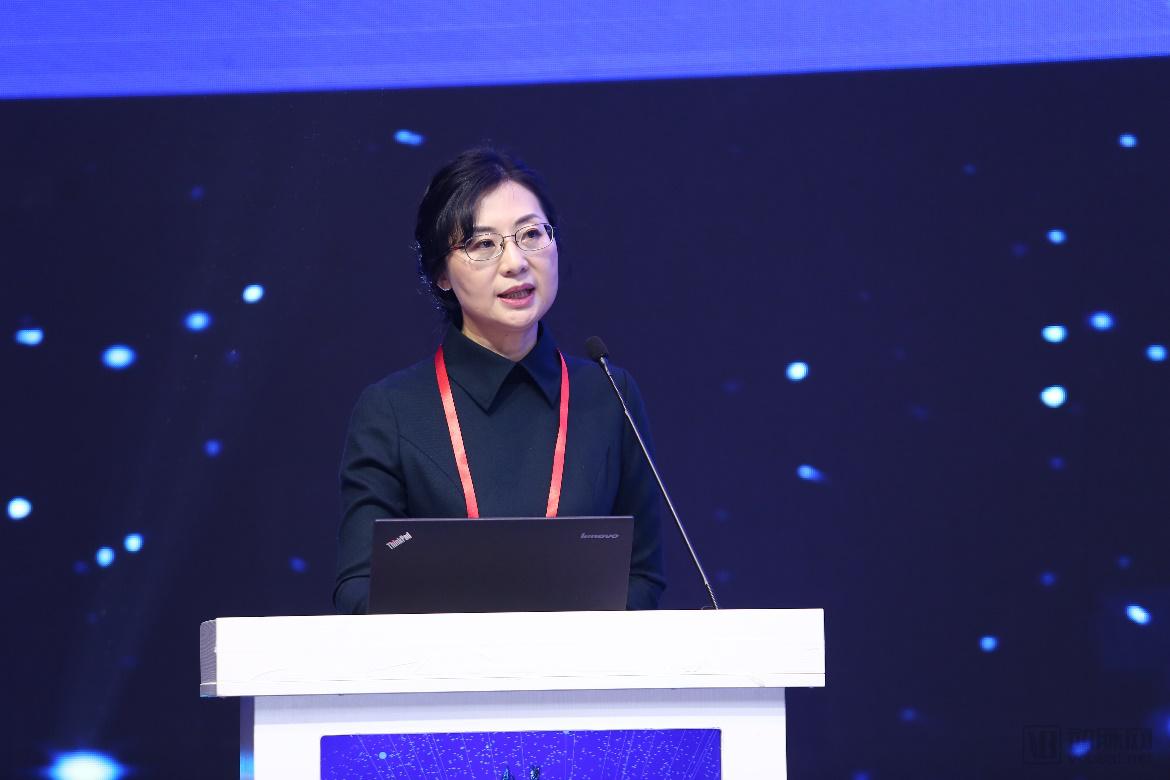
Conference Secretary-General Xiao Yi served as the opening host.
During the opening ceremony, Xiao Yi, Secretary-General of the conference, served as the host. Following a grand and captivating video presentation that highlighted the distinguished guests in attendance, Professor Zhang Dianyong, President of Shanghai Changzheng Hospital, delivered a warm and enthusiastic welcome address. Subsequently, Professor Jin Zhengyu, Honorary Chairman of the conference, Honorary Chairman of the Alliance, and Chairman of the Chinese Society of Radiology under the Chinese Medical Association, sent a congratulatory video message, offering sincere wishes for the successful holding of the event. This was followed by inspiring remarks from Wang Jianhua, Executive Vice President of the China Industry-University-Research Collaboration Promotion Association; Zhu Qigao, Deputy Director of the Shanghai Municipal Science and Technology Commission; and Huang Hong, Secretary of the Party Committee of the Shanghai Municipal Health Commission. To conclude the opening ceremony, a plaque-awarding ceremony was held for vice-chairman enterprises of the Alliance, aiming to encourage these companies to serve as role models and industry benchmarks, thereby leading the medical imaging AI sector to forge ahead with determination.
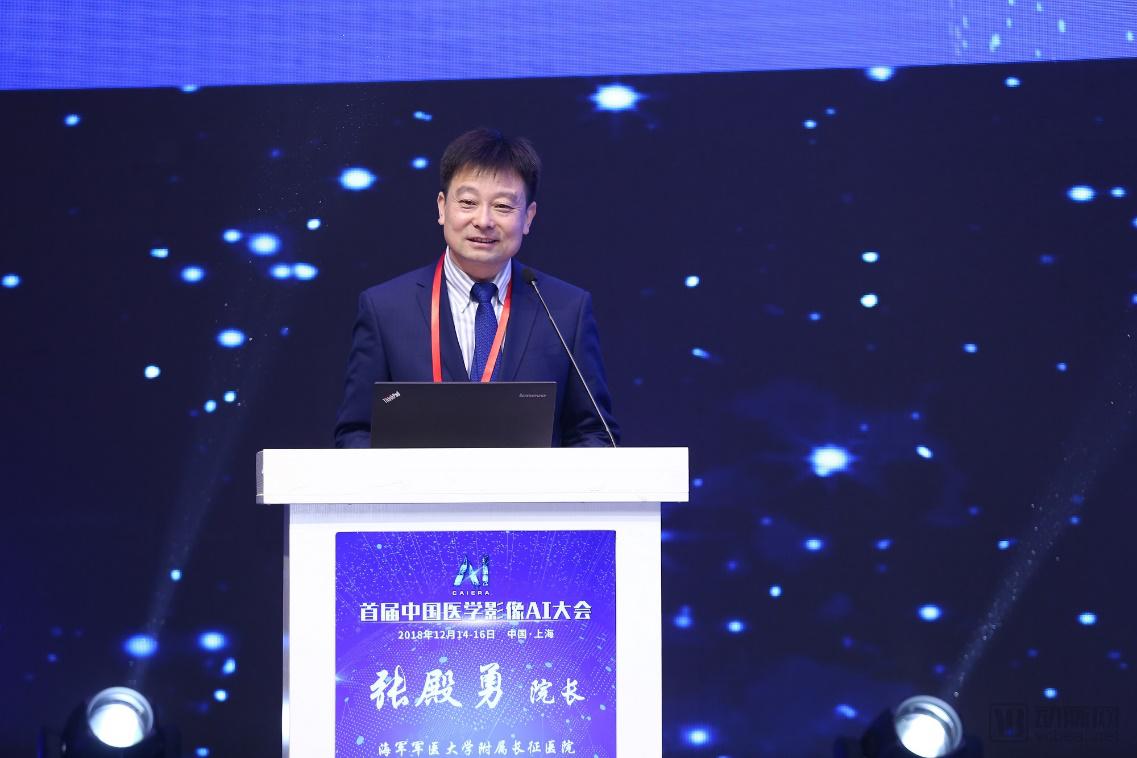
Welcome Address by President Zhang Dianyong of Shanghai Changzheng Hospital
“Welcome to all colleagues in the industry who have gathered in Shanghai to exchange and share forward-looking topics and practical applications in the field of medical imaging AI. As one of the founding units and the chair unit of the alliance, we will work together with everyone to promote the implementation, development, and fruition of artificial intelligence in the medical field. We believe that the cause of medical imaging artificial intelligence will certainly develop first, ultimately serving clinical practice, improving medical quality and efficiency, and benefiting the general public.” said Zhang Dianyong, President of Shanghai Changzheng Hospital.
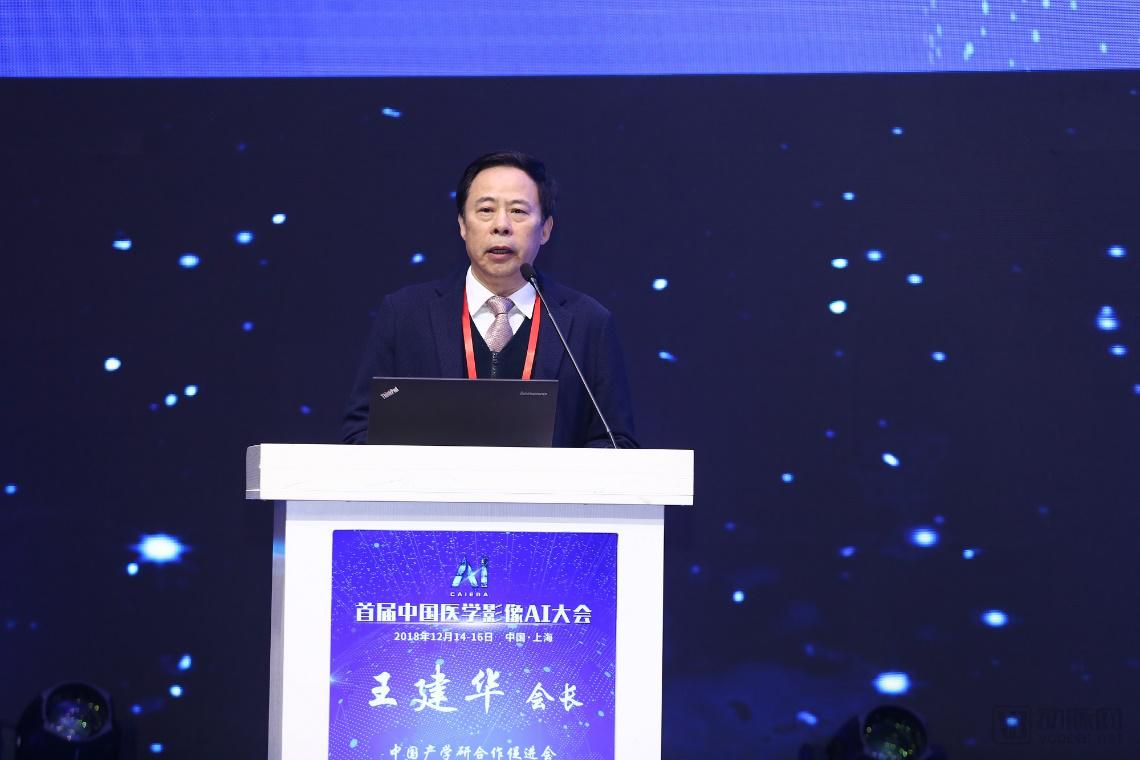
Address by Wang Jianhua, Executive Vice President of the China Industry-University-Research Collaboration Promotion Association
“Over the past decade since its establishment, the Association has made significant contributions to promoting the deep integration of government, industry, academia, research, and application, as well as fostering the convergence of science and technology with the economy. Today, we are launching the China Medical Imaging AI Industry-Academia-Research-Application Innovation Alliance, aiming to build a cross-disciplinary platform that facilitates organic collaboration among these sectors, drives the close integration of artificial intelligence and medical imaging, and makes even greater contributions to the field of medical imaging,” stated Wang Jianhua, Executive Vice President of the China Industry-Academia-Research Cooperation Promotion Association.
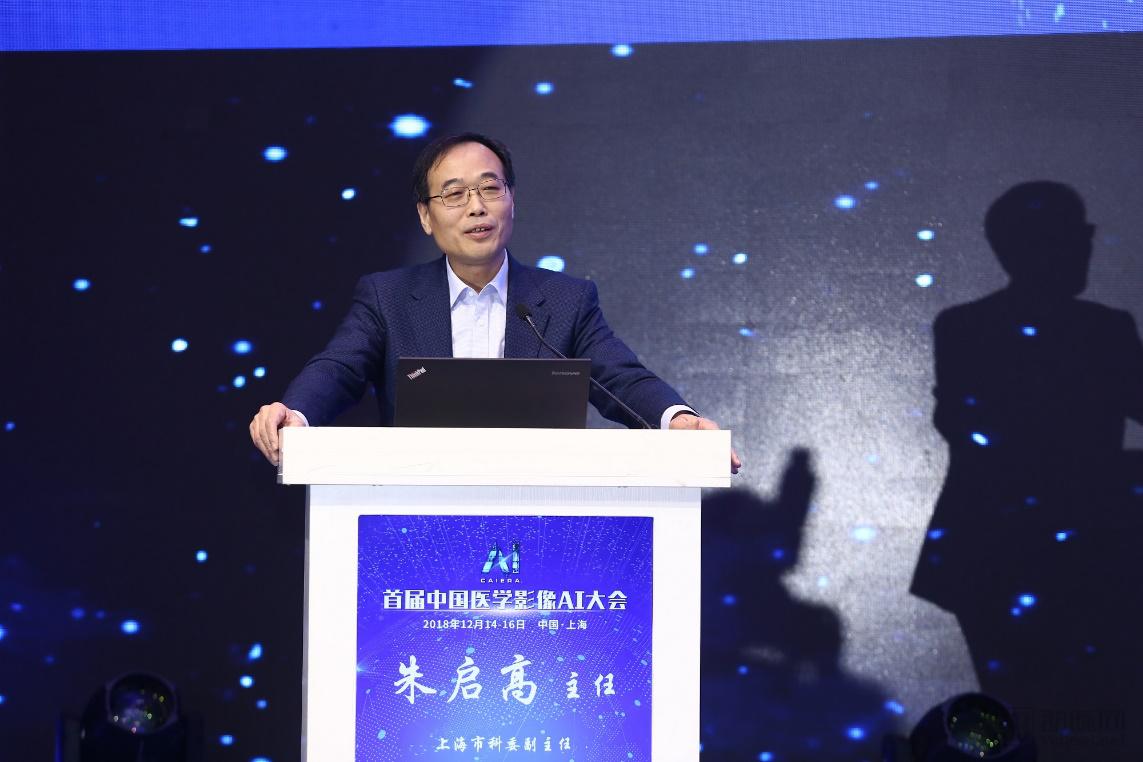
Address by Zhu Qigao, Deputy Director of the Shanghai Municipal Science and Technology Commission
“Artificial intelligence technology is advancing rapidly, igniting a new wave of technological revolution. The Chinese government has successively introduced a series of policies to support the development of AI and propel it into a new phase. Currently, next-generation artificial intelligence is in its early stages of transitioning from laboratories to industry—a period that presents both challenges and opportunities. We hope that stakeholders across the upstream and downstream segments of the industry will collaborate closely to accelerate implementation, ensuring that technological and product innovations meet market demands,” said Zhu Qigao, Deputy Director of the Shanghai Municipal Science and Technology Commission.
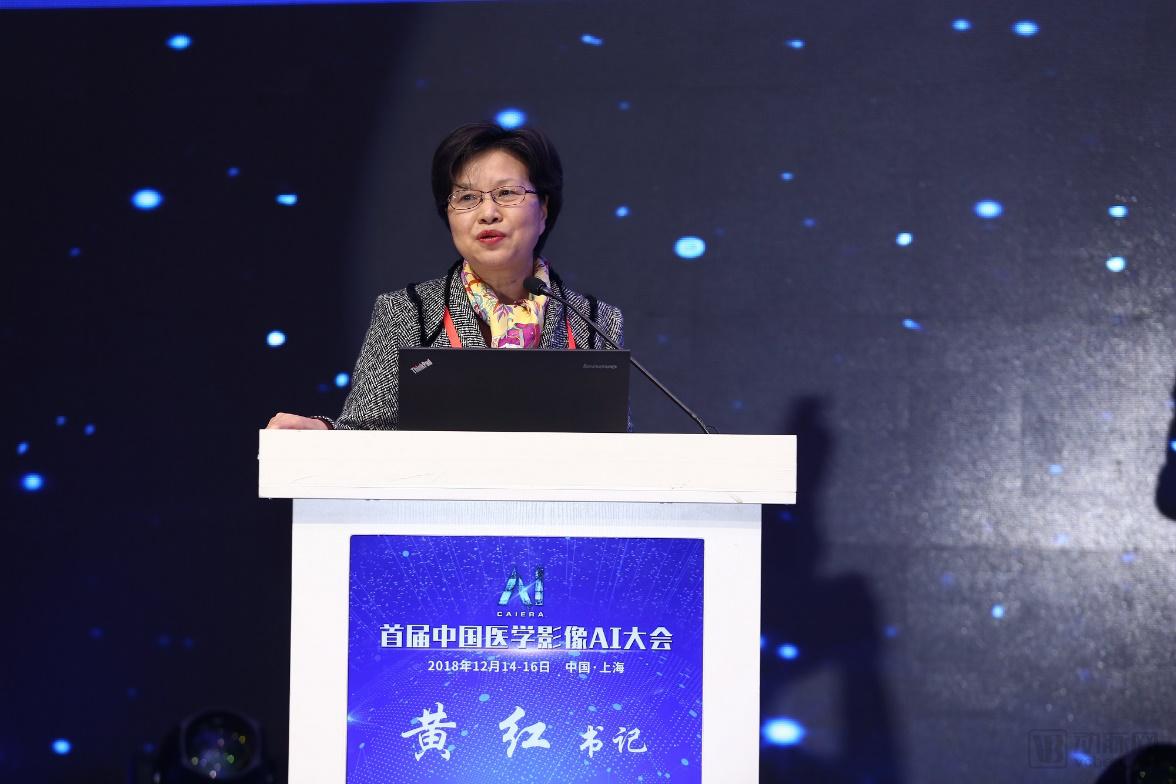
Address by Huang Hong, Secretary of the Party Committee of the Shanghai Municipal Health Commission
“Health is undeniably vital to a nation. On one hand, it requires concerted efforts from the government and various sectors of society; on the other, it necessitates leveraging the research, development, and widespread adoption of modern medical artificial intelligence to achieve breakthroughs across all aspects of disease management, effectively advance health services, and transform healthcare delivery models. We will also increase investment in establishing industry standards and promoting standardization, encouraging the deep integration of healthcare and AI, thereby laying a solid foundation for enhanced collaboration among industry, academia, research, and clinical practice,” stated Huang Hong, Secretary of the Party Committee of the Shanghai Municipal Health Commission.
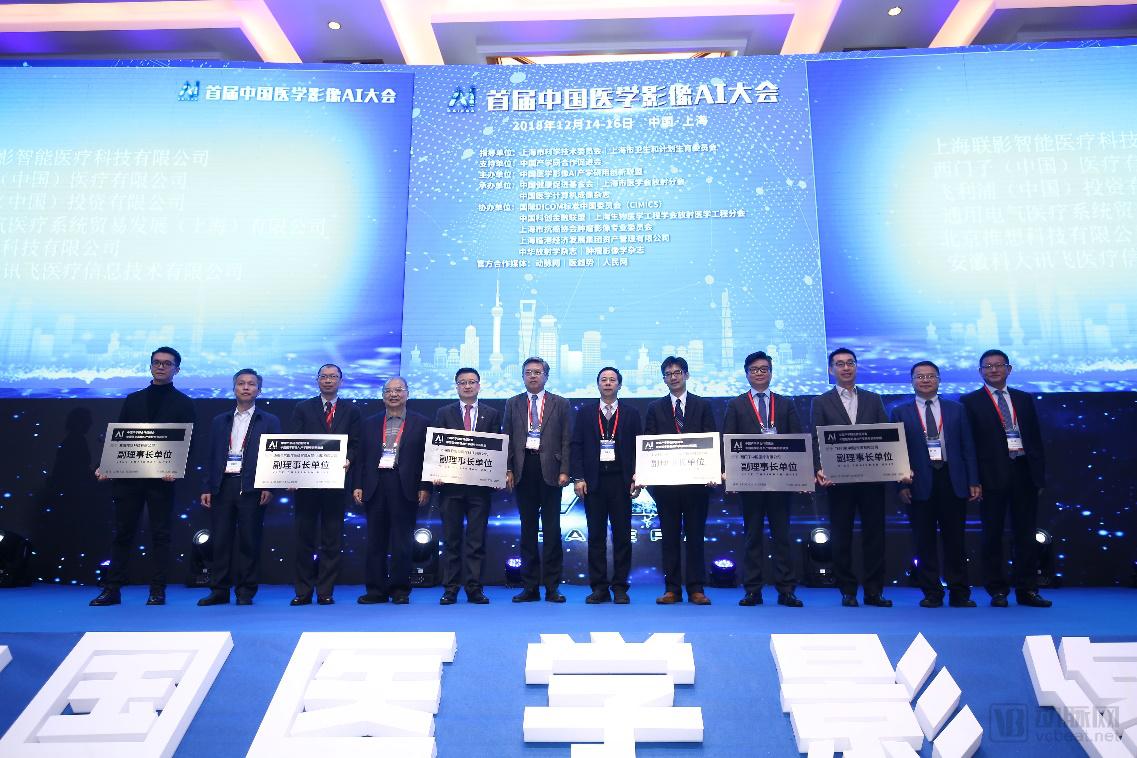
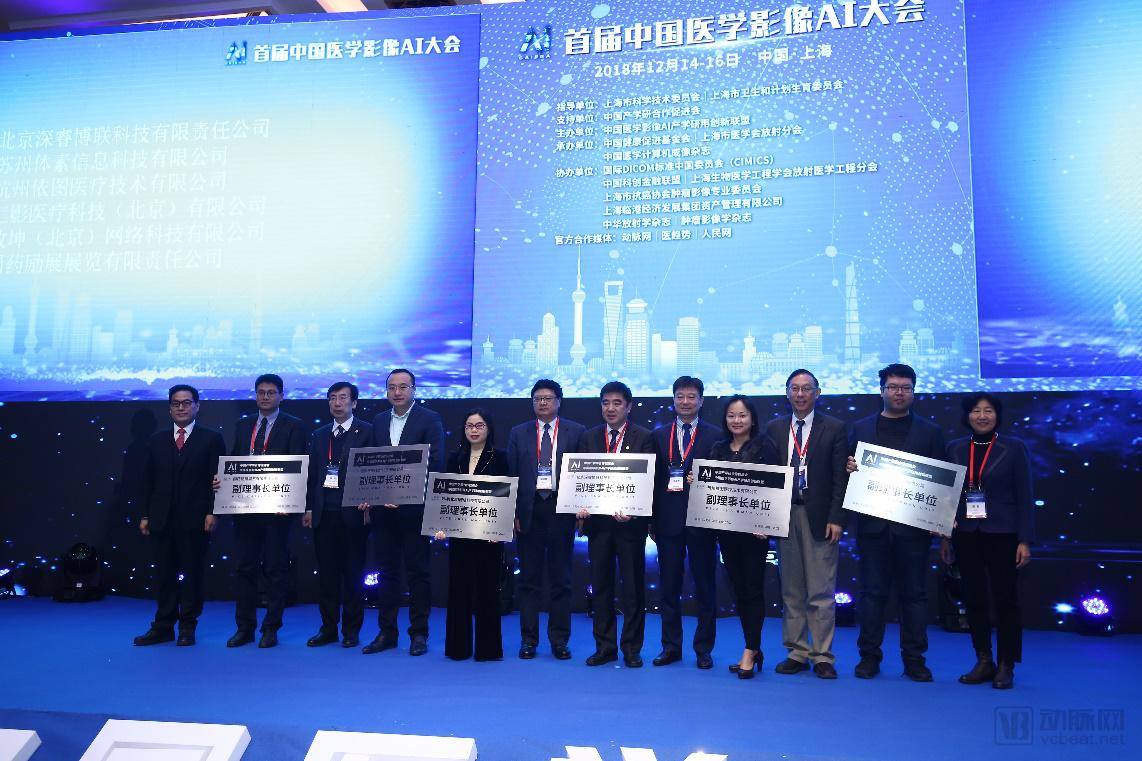
Plaque-Awarding Ceremony for Vice-Chairman Enterprises of the Alliance (12 Companies)
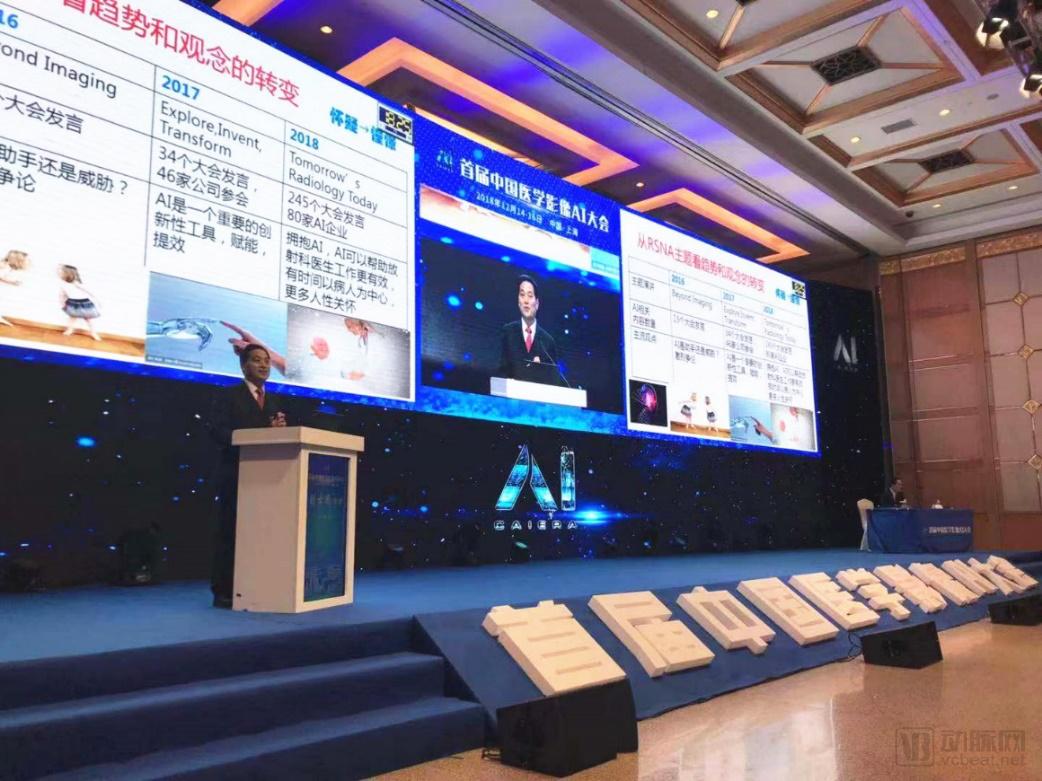
Liu Shiyuan, Conference Chair and Chairman of the CAIERA Alliance, Delivers Keynote Address
Closed-Door Summit: Exploring Development Trends and Practical Applications of AI in Medical Imaging in China
As a key application area of artificial intelligence (AI), intelligent medical tools and technologies—such as AI-assisted imaging diagnosis, electronic medical records (EMRs), and healthcare big data—are beginning to demonstrate their value in major hospitals. As AI increasingly becomes an innovative trend in the healthcare industry, what does the future hold for the medical imaging sector?
To this end, at the closed-door summit on the development trends of AI in Chinese medical imaging held on the morning of the 15th, opinion leaders from various sectors focused on discussing the development trends of the medical imaging AI industry, striving to identify a development path suited to China’s context and providing direction for industrial growth. At the closed-door summit on the practical application of AI in Chinese medical imaging held on the afternoon of the 15th, numerous interviewees engaged in in-depth discussions on “potential models and pathways for the implementation of AI in the field of medical imaging, as well as methods for scientific research collaboration,” with the aim of identifying ways to break through bottlenecks. The on-site discussions were particularly vibrant, with guests actively contributing their insights, sparking many intellectual exchanges and bringing forth numerous new ideas and inspirations.
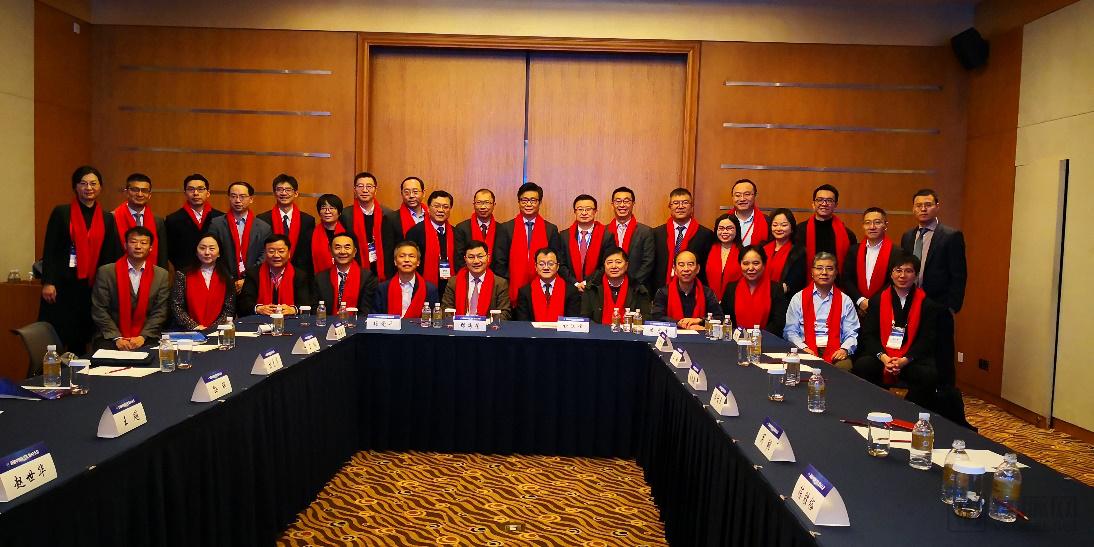
Group Photo of Guests at the Closed-Door Forum
Four Roundtable Discussions: Comprehensively Covering Hot Industry Topics
The conference featured multiple open thematic workshops, fostering exchanges and sharing in diverse formats, with an emphasis on the synergistic development of openness and practicality, as well as research and application. Notably, roundtable discussions were held during the keynote speeches (morning and afternoon of the 15th), the Medical Big Data Application and Security Forum (afternoon of the 15th), and the AI Technology Implementation Forum (morning of the 16th). These sessions facilitated productive exchanges and discussions on key topics, including the development and prospects of the artificial intelligence industry, multi-stakeholder support for industrial growth, practical applications and challenges of new technologies, and regulatory approval processes.
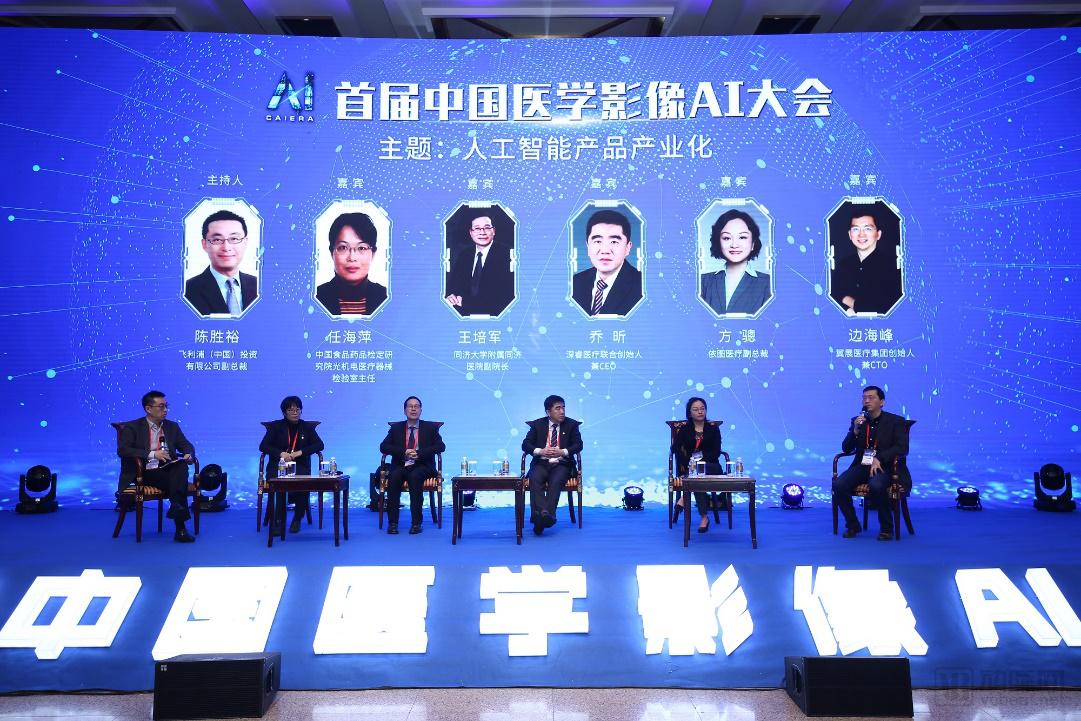
Roundtable Discussion: AI Outlook, The Role and Limitations of AI, AI Platform Construction, and Industrialization of AI Products
Forum on the Application and Security of Medical Big Data: “Big Data + Artificial Intelligence” Is a Key Future Direction
Over 90% of medical data originates from medical imaging. Currently, the annual growth rate of medical imaging data in China is approximately 30%, whereas the annual growth rate of radiologists is only about 4.1%. The increase in the number of radiologists falls far short of the surge in imaging data. This implies that the pressure to process imaging data will intensify in the future, potentially exceeding capacity by a significant margin. With the gradual adoption and application of artificial intelligence (AI) and big data in the field of medical imaging, the challenges related to diagnostic accuracy and the substantial workforce gap are expected to be effectively addressed. The integration of AI and big data will become a key direction for the development of medical imaging.
At the Medical Big Data Applications and Security Forum held on the afternoon of the 15th, experts and representatives from universities, research institutes, hospitals, and healthcare enterprises engaged in discussions on topics including the scientific research value of medical imaging big data platforms, prospects for the application of imaging genomics technologies, privacy of personal medical data, practices and reflections on medical artificial intelligence, and deep learning in medical image analysis.
Medical Image Computing Summit: Witnessing the Prowess of Machine Learning and Deep Learning
Breakthroughs in artificial intelligence (AI) technologies, particularly in facial recognition and speech recognition, are largely attributable to the vast amounts of multimedia and internet data, as well as the emergence of storage and computing devices with remarkable capabilities. Consequently, deep learning techniques are increasingly being applied to medical image analysis and computer-aided diagnosis, especially in addressing challenges related to medical image segmentation and classification.
At the Medical Image Computing Summit held on the afternoon of the 15th, leading algorithm experts from major universities, the Chinese Academy of Sciences, hospitals, and medical AI companies shared their insights. They engaged in extensive exchanges on cutting-edge topics, including multimodal machine learning technologies, deep learning-based intelligent assisted diagnosis, big data quantitative analysis, applications of artificial intelligence in neuroimaging computation and analysis, and the use of deep learning in medical image registration.
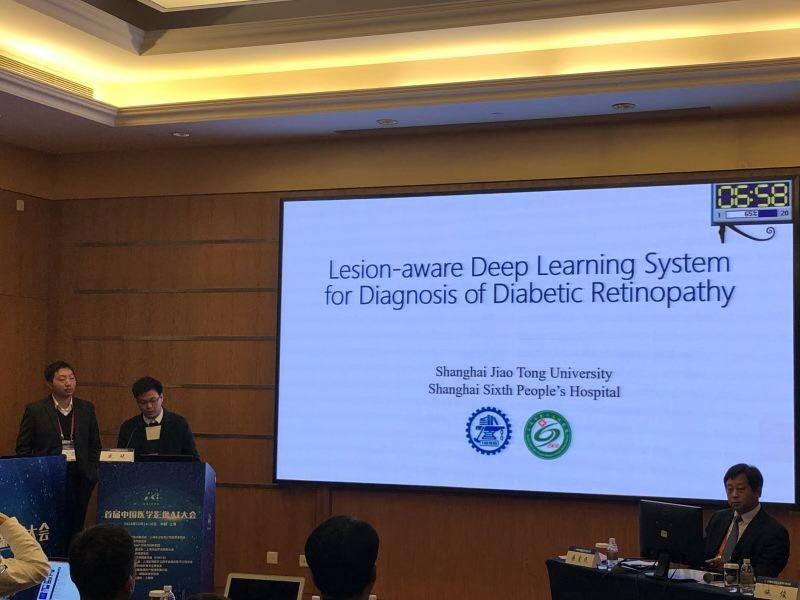
Keynote Address
Clinical Needs and Applications Forum: Interpreting Artificial Intelligence from the Perspective of Clinicians
Currently, the scarcity of medical resources in radiology departments in China is evident, manifested in an overall shortage of radiologists, a high patient volume, and excessive workload saturation among physicians. Additionally, there is an uneven distribution of medical personnel, with significant disparities in professional capabilities across different regions. The continuous and rapid advancement of artificial intelligence (AI) in image recognition offers new hope for addressing the pain points in medical imaging diagnosis. By leveraging AI technology to identify and interpret medical images, and conducting comparative analyses with other case records, physicians can be assisted in locating lesions and aiding diagnosis. This approach can effectively bridge existing gaps, alleviate physician workload, and enhance diagnostic and treatment efficiency.
At the Clinical Needs and Applications Forum (Sessions I, II, III, and the Ultrasound Special Session) held on the 16th, directors of radiology, interventional radiology, magnetic resonance imaging (MRI), and ultrasound departments from major hospitals across China, along with professors from domestic and international universities and researchers from the Health Development Research Center of the National Health Commission, were all in attendance. They provided detailed presentations and engaged in in-depth discussions focusing on the clinical needs, applications, challenges, and future prospects of artificial intelligence (AI) technology in various diseases, as well as the current status, issues, and policy developments in AI-driven healthcare applications.
AI Sci-Tech Entrepreneur Founders Forum: Enterprises and Hospitals Join Forces to Accelerate the Advent of the Intelligent Healthcare Era
The successful implementation and development of AI in medical imaging depend on close collaboration between enterprises and hospitals. On one hand, hospitals collect clinical images, provide physiological parameters and clinical indicators, offer professional medical knowledge guidance and training, and conduct clinical validation and review of intelligent systems. On the other hand, enterprises continuously optimize product features based on actual clinical needs from hospitals, enhancing the clinical value attributes to truly integrate intelligent medical services into clinical practice.
To this end, the conference specially convened a Forum for Founders of AI Innovation Enterprises, bringing together senior executives from China’s leading AI startups—including Chen Kuan, Founder and CEO of Infervision; Qiao Xin, Co-founder and CEO of Deepwise; Fang Cong, Vice President of Yitu Healthcare; Ding Xiaowei, Co-founder and CEO of VoxelCloud; Ma Chun’e, CEO of Shukun Technology; Chai Xiangfei, Founder and CEO of Huiyi Huiying; Tao Xiaodong, President of iFlytek; Bian Haifeng, Founder and CTO of Wingtech Medical Group; and Zhong Xin, Founder and CEO of TomoDeep. These leaders shared in-depth forward-looking insights and future outlooks on the industry, particularly their perspectives and research findings on how artificial intelligence is transforming radiological imaging and the healthcare sector.
From clinical practice and back to clinical practice, AI-assisted healthcare has already achieved significant transformation and progress. In the future, the Alliance will continue to serve as a vital bridge, strengthening interaction and exchange between medical professionals and AI experts, achieving organic integration of medical big data with deep learning technologies, fostering collaboration between industrial capital and innovative companies, and creating a synergistic environment where Alliance members complement each other’s high-quality resources. This will truly realize the integrated development of industry, academia, research, and application, enabling artificial intelligence to take root, flourish, and bear fruit in the field of medical imaging, ultimately leading to real-world clinical applications. These efforts will drive further breakthroughs and contributions toward improving healthcare quality, reducing medical costs, and benefiting a broader population.