

2018 Future Healthcare 100: Analysis of Growth Drivers for Medical Innovation Enterprises
On December 18, the 2018 Future Healthcare Top 100 Forum, hosted by VCBeat, Eggshell Research Institute, and Future Healthcare Academy, and co-hosted by Legend Capital, BV Baidu Venture Capital, KPMG China, and Health Intelligence Valley, was grandly held at the Renaissance Beijing Capital Hotel. Themed “Trend ING,” the forum aimed to bring together the world’s leading healthcare innovation enterprises, listed companies, financial institutions, and medical organizations to explore the direction of the future healthcare wave from perspectives including industry transformation trends, technological evolution, fringe innovation, traditional sector transition, and capital flows.
The Future Healthcare Top 100 Forum attracted over 2,500 participants and featured 12 themed forums, namely: the Main Forum on Future Healthcare, Internet + Smart Hospitals Forum, Innovative Health Insurance Forum, BIO/NGS Frontier Forum, Innovative Health Management Models Forum, Intelligent Imaging Innovation Practice Forum, Super Unicorn Forum, Specialty Chain Innovative Development Forum, Oncology Innovative Drug Industry Development Forum, Medical Big Data Technology and Industrial Application Forum, and Third-Party Medical Services Forum, covering the top 10 most watched areas in 2018.
At the forum, VCBeat Research Institute released the "2018 Internet Hospital Report" and the "2018 Future Healthcare Industry Report." At the event, Li Datao, founder of VCBeat, and Wang Xiaocen, partner at CEC Health Industry Fund, provided an on-site interpretation of the "2018 Future Healthcare Industry Report." This article is an excerpt from that report; instructions for accessing the full report are provided at the end.
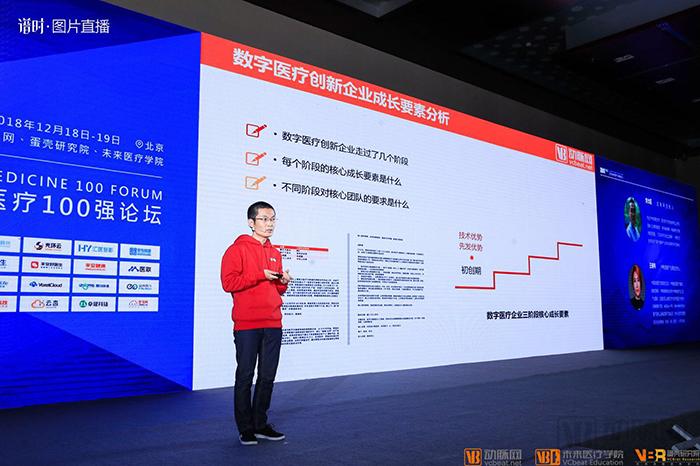
Li Datao, Founder of VCBeat
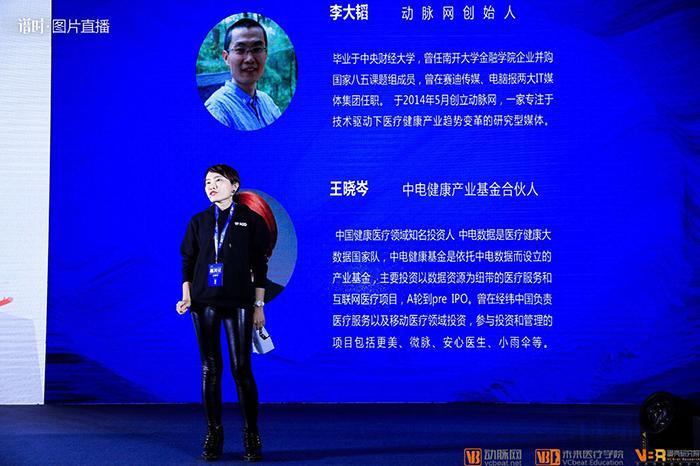
Wang Xiaocen, Partner of CEC Health Industry Fund
Table of Contents
Chapter 1: Five-Year Development Trajectory in the Medical and Health Sector
I. Policy Context: Five Achievements of the Five-Year Healthcare Reform
II. Capital Trajectory: Significant Progress Over Five Years, with 2018 Being a Challenging Year
2014: The Emergence of Internet Healthcare and the Rapid Rise of the Genomics Sector
2015: A Blossoming Healthcare Sector, The Prime Era for Startups
2016: Marginal Expansion, Internet Healthcare Gains Attention
2017: Model Falsification, Growth-Stage Companies in High Demand
2018: Biotechnology in the Spotlight, Artificial Intelligence on the Rise
III. Industry Context: Five Years of Development, with Technological Innovation as the Primary Driver
Internet Healthcare
Biotechnology
Artificial Intelligence
Chapter 2: Transformation—Five Major Trends in the Healthcare Sector in 2018
Policy Changes in the Pharmaceutical Sector in 2018
Payment Reform
Channel Transformation
Technological Change
Service Transformation
Chapter 3: Release of the Top 100 Future Healthcare Companies List
I. 2018 Future Healthcare 100 · China Healthcare List TOP 100
II. 2018 Future Healthcare 100 · Top 100 Chinese Pharmaceutical Companies
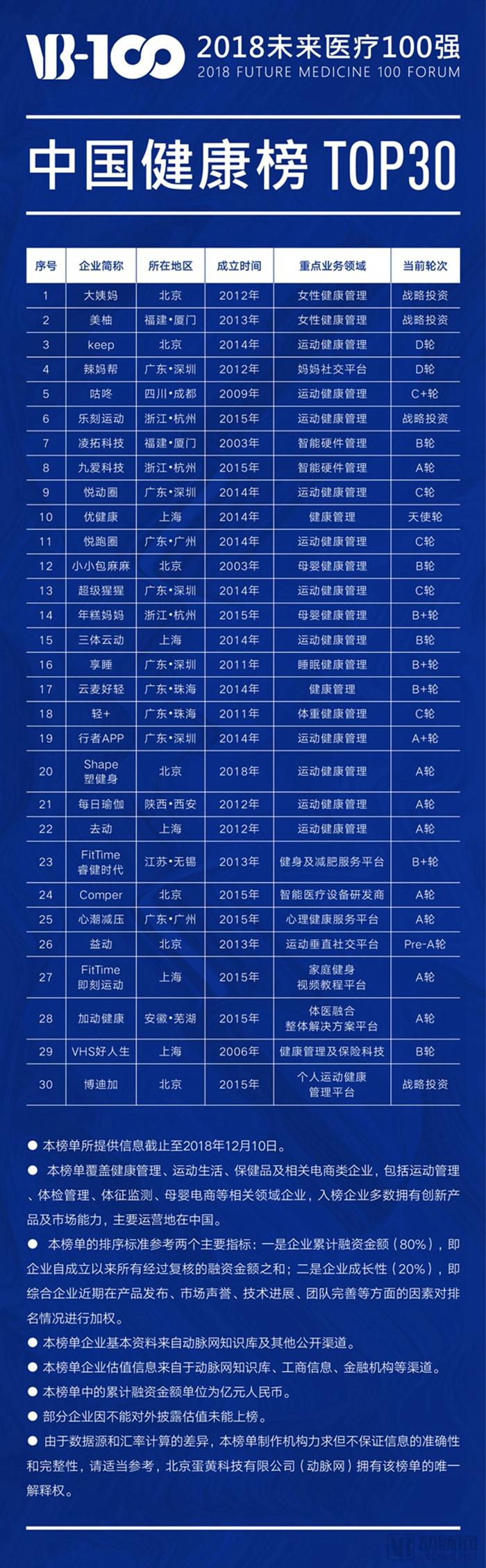
III. 2018 Future Healthcare Top 100 · China Health List TOP 30
Chapter 4 Analysis of the Growth Trajectories of the Top 100 Companies
I. Interpretation of the Top 100 List Data
II. Growth Paths of the Top 100 Enterprises
III. Analysis of Key Factors in the Competitiveness of Large Enterprises
1. The key elements of competitiveness in the start-up phase are technological strength and first-mover advantage
2. The key element of competitiveness for growth-stage enterprises is the possession of effective medical resources
3. Key Elements of Competitiveness for Mature-Stage Enterprises: How to Build a Closed-Loop Business Model
4. Key Elements Model for the Growth of Healthcare Enterprises
Top 100 Future Healthcare Companies List Released
The Future Healthcare Top 100 List (hereinafter referred to as VB100), established in 2015, is the first domestic ranking list targeting non-listed companies in the innovative healthcare sector, launched by VCBeat and Eggshell Research Institute. It aims to select Chinese innovative healthcare enterprises that truly represent the future of healthcare, identify the core forces driving China's future healthcare industry, and promote the process of innovation and transformation in the health and medical industry.
The VB100 primarily covers non-listed companies in innovative healthcare sectors, including the internet, Internet of Things (IoT), big data, artificial intelligence, robotics, smart medical devices and equipment, gene sequencing, CRO/CDMO/CMO, biologics, and health management. Rankings are determined based on core dimensions such as valuations by investment institutions, cumulative financing amounts, growth rates of corporate teams, business operations, and technologies, as well as corporate credit and reputation. The list comprises four main categories: the China Healthcare List, the China Pharmaceutical List, the China Health List, and the Overseas List. Since 2018, sub-lists for specific sectors, industrial park lists, and city-specific lists have been added.
The VB100 selection process is conducted in three phases. The first phase is preliminary selection, during which the VB100 Preliminary Selection Committee compiles a shortlist through application channels, expert recommendations, and public data collection. The second phase is review, where the VB100 Review Committee—composed of senior researchers from VCBeat Institute and senior journalists from the VCBeat Content Center—independently verifies the data and information on the recommended candidates from the preliminary phase, thereby forming the VB100 Recommended List. The third phase is final approval, wherein the founding team of VCBeat, together with industry investors, experts from various fields, and policy researchers, jointly reviews key information on the recommended list via anonymous voting to finalize the VB100 List.
VB100 will commence the compilation of its rankings each November, finalize data collection in early December, and release the list at the Future Healthcare Top 100 Forum in December.
We have selected Chinese innovative enterprises that truly represent the future of healthcare from the medical and health sector to identify the core drivers of future growth. In 2018, the biotechnology sector surged, with a series of significant advances in biotechnology accelerating their penetration into the healthcare field. A large number of biotechnology and innovative biopharmaceutical companies secured substantial financing, demonstrating capital market recognition of this sector and further promoting the deep application of gene technology, biotechnology, and precision medicine in healthcare. Artificial intelligence is also accelerating into the application phase, beginning to demonstrate the capacity of IT technologies to assist physicians in improving efficiency and accuracy.
2018 “Future Healthcare 100” China Healthcare List:

2018 “Top 100 Future Healthcare” China Pharmaceutical List:

2018 “Top 100 Future Healthcare Companies” China Health List:
Interpretation of Data from the Top 100 Healthcare List
The 2018 Future Healthcare Top 100 List for Medical Services and Technology covers the majority of leading enterprises in the field of medical innovation. We have conducted a data comparison with the Future Healthcare Top 100 Lists from 2016 and 2017.
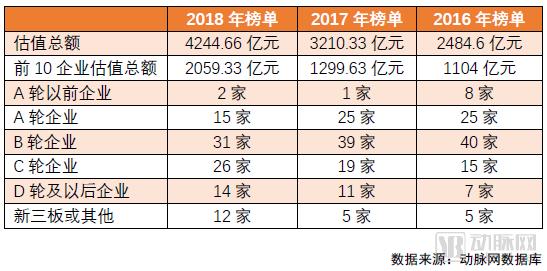
The threshold for inclusion in the Top 100 list was RMB 800 million, remaining flat compared with 2017. In 2018, the aggregate valuation of listed companies reached RMB 424.466 billion, representing a substantial 32.2% increase over the 2017 Top 100 list. The combined valuation of the top 10 companies exceeded RMB 200 billion, approaching the total valuation of the entire 2016 Top 100. This indicates that unicorn enterprises continue to grow, and the healthcare market is developing healthily overall, driven by capital investment.
The top three companies on the list have changed. Ping An Health Insurance Technology has taken the top spot with a valuation of RMB 55.3 billion, replacing United Imaging. WeDoctor, after completing its Pre-IPO financing round this year, has seen its valuation surge to RMB 38.1 billion, surpassing United Imaging to secure the second position among the Top 100 enterprises. Meanwhile, United Imaging’s valuation remained unchanged, causing it to drop to third place.
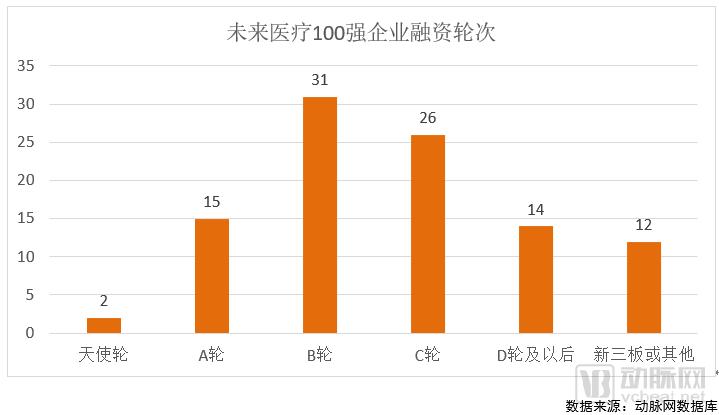
In 2018, capital investment favored larger enterprises. Many companies featured in the 2017 rankings secured new rounds of financing in 2018, with their funding stages advancing accordingly. The number of Series A companies decreased, while the number of Series C companies increased. Among the 100 companies on this year’s list, more than 50 obtained new financing in 2018, indicating an overall progression in corporate funding stages.
Many companies originally listed at the Series A stage have advanced to Series B after securing investment, making Series B companies the most numerous group currently, with 31 firms. Some Series B companies have progressed to Series C following further fundraising, resulting in 26 Series C companies—the highest number recorded in the past three years. Compared to last year, the number of Series B companies has decreased, while the number of companies at Series C and beyond (including Series D) has risen significantly. Companies that secure Series B and C financing typically possess relatively mature business models, and a sound business model can help them attract additional funding. After achieving break-even, the infusion of capital enables these enterprises to restructure their product and business lines, capture larger market shares, and generate greater profits.
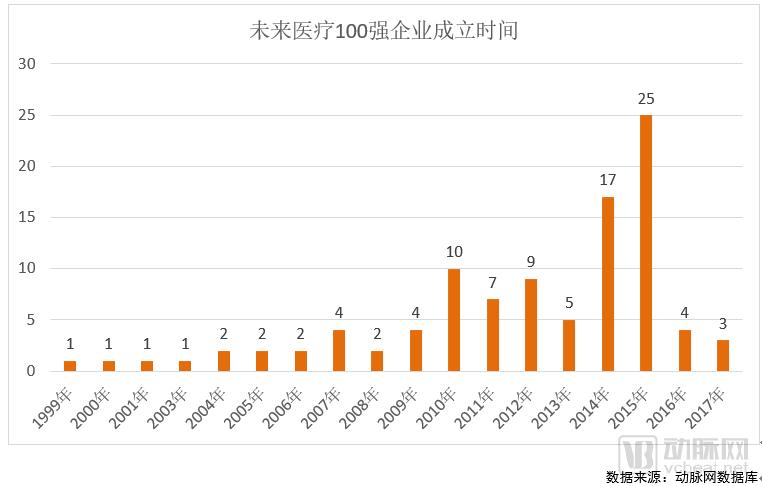
This report has previously outlined the development of the healthcare sector over the past five years, positing that this period represents the most favorable phase for the growth of healthcare enterprises, driven by policy, technology, industry, and capital. This perspective aligns closely with the founding dates of the Top 100 companies. The highest number of these top-tier firms were established in 2014 and 2015, with 17 and 25 companies respectively, accounting for over 40% of the total.
There are not many companies that have been established for over 10 years, with a total of 15. These companies have undergone market validation, and their business models have been refined through prolonged exploration. They are primarily medical device and healthcare IT companies, operating in a highly competitive market where products require time to mature.
Even enterprises established less than three years ago have seen seven of them break into the Top 100 list. These companies are primarily technology-driven, focusing on artificial intelligence and biotechnology, which enables their relatively rapid development. Additionally, some firms, such as Ping An Health Insurance Technology, were incubated under large corporate umbrellas. Similar to Ping An Good Doctor, which appeared in previous years’ rankings, Ping An Health Insurance Technology—this year’s top-ranked company—also experienced rapid growth within the Ping An ecosystem, completing its initial public offering (IPO) in just three years.
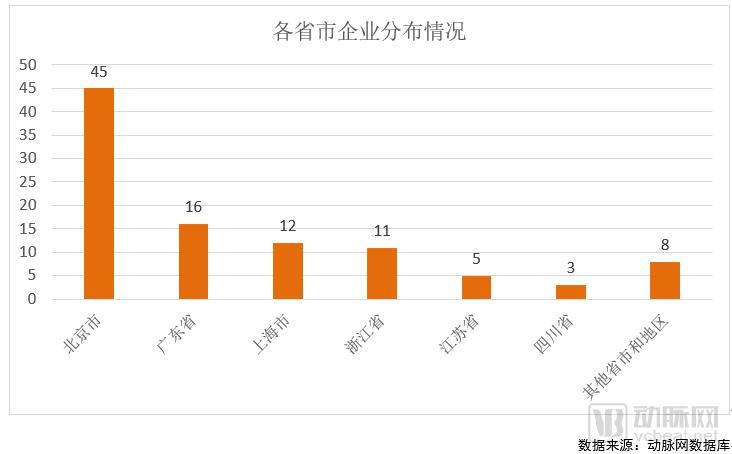
Beijing concentrates the majority of China’s high-end talent and innovative enterprises, with 45 of the top 100 companies hailing from the city. Enterprises related to innovative technologies constitute the vast majority of Beijing’s cohort, with innovators in genomics, artificial intelligence, and medical big data rising rapidly. The number of listed enterprises from Guangdong Province has increased compared to last year, primarily comprising medical service providers. Companies from Shanghai, Zhejiang, and Jiangsu in the Yangtze River Delta account for 28 spots. Combined with those from Beijing and Guangdong, the total reaches 89. These enterprises, located in economically developed provinces and municipalities, benefit from robust support in innovation ecosystems, talent, and policies, enabling rapid growth. Notably, Sichuan, a western province, has three companies on the list, reflecting its significant strides in innovation.
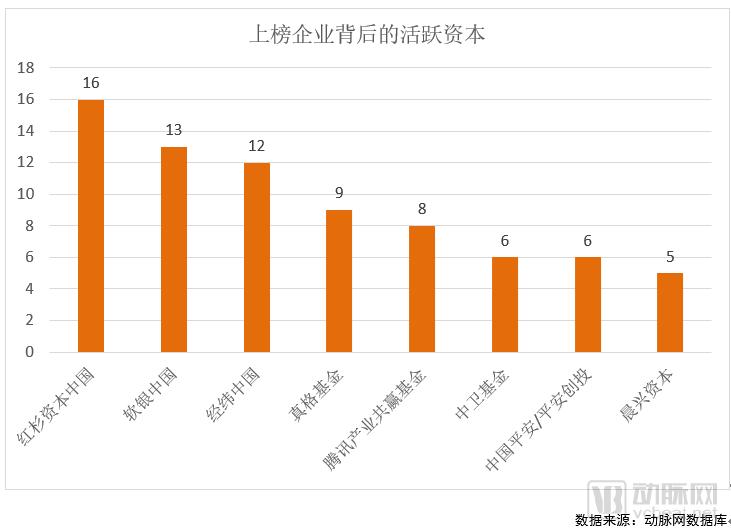
Top-tier investment institutions possess keen industry insights and excellent investment research capabilities. After long-term research and tracking of industries, they can accurately grasp market changes and identify the most high-growth enterprises. Meanwhile, top-tier investment institutions provide not only capital but also rich industry resources and excellent post-investment management, further boosting enterprise growth. In our statistical rankings, Sequoia Capital is the most active investor with 16 investments (investment rounds in the same company are counted separately), followed by SoftBank China and Matrix Partners China with 13 and 12 investments respectively. Moreover, among top-tier institutions, Sequoia Capital, SoftBank China, and Matrix Partners China frequently make multiple investments in their portfolio companies. Sequoia Capital has invested two or more times in companies such as Tuixiang Technology, Miaoshou Doctor, Burning Rock Biotech, Gengmei, and Yitu Technology. Although SoftBank China made 13 investments, it only invested in five companies, appearing in all four financing rounds of Mamizhidao and Jingyi Technology. Matrix Partners China also made multiple investments in Tuma Shenwei, Zhuozheng Medical, and Zhiyun Health.
Analysis of Key Elements of Competitiveness in Healthcare Enterprises
After tracing the development paths of 28 companies from the Top 100 list, we have summarized the key elements of competitiveness across different periods. In general, these can be distilled into seven key points. By supplementing this analysis with a timeline, we can observe the resources and advantages that companies should possess at various stages of their development.
Summary of Key Growth Factors for the Top 100 Companies in the Healthcare Industry:
1.First-Mover Advantage in the Market: Globally, and particularly in China, where healthcare reform has entered its most challenging phase, demand for medical and health services is growing steadily. The target markets in which these companies operate often exhibit strong demand, high growth potential, and substantial market ceilings, with needs that persist over the long term. By securing market share early amid policy shifts and business model transformations, companies can later achieve a relatively stronger advantage in patient traffic. After accumulating a large base of patients, this resource can rapidly generate revenue for the enterprise, making leading players more likely to gain recognition from capital markets.
2.**Team’s Technical Advantages:** The healthcare services sector is a relatively specialized market. Whether in the fields of medical care, pharmaceuticals, biotechnology, or information technology (IT), a team’s technical prowess constitutes a critical factor. While management capabilities, execution efficiency, and decision-making authority are often not discernible from public sources, a strong foundational advantage in technology is essential for rapidly standing out in niche segments.
3.Resource Advantages: The healthcare sector is relatively closed. A company’s ability to expand its resources among physicians and hospitals can rapidly facilitate business development and growth. Additionally, many startups have secured financing from large conglomerates, enabling them to leverage the extensive resources of their shareholder companies.
4.Capital Advantage: The development path of startups is inseparable from the impetus of capital. Companies with first-mover or technological advantages, once secured substantial funding, will have ample resources to expand their market presence, broaden their product lines, and recruit top talent.
5.Product Advantages: The product has gained market recognition, and its product portfolio and services demonstrate strong competitiveness in the market.
6.Supply Chain Advantages: Although the advent of the internet can transform certain healthcare processes, the medical supply chain remains long and complex. Companies leveraging traditional supply chain advantages can achieve faster growth and access greater resources.
7.Qualifications: In certain sectors, holding qualifications, also known as licenses, is critical. For instance, e-commerce, internet hospitals, pharmaceuticals, and medical devices are all subject to stringent qualification-based market entry requirements. Possessing these qualifications serves as a passport for further corporate development. Many companies pursue acquisitions in the market specifically to obtain qualifications in specific fields.
8.Business Loop: This is one of the most critical competitive factors for startups in their later stages of development. A refined product line and the establishment of a closed-loop business model can enable companies to rapidly enter the profitability phase.
The key elements of competitiveness in the start-up phase are technological strength and first-mover advantage.
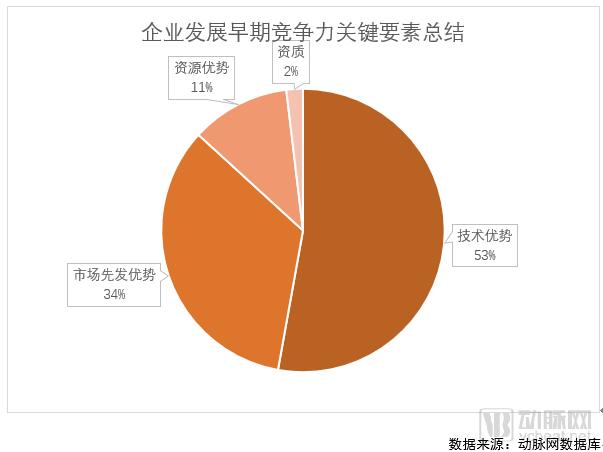
In the early stages, companies can develop smoothly because their competitive advantages are relatively straightforward. Through categorical analysis, these advantages can be broadly divided into three types. The first type is technological strength; for instance, founders or founding teams graduated from prestigious universities or came from renowned laboratories and have published high-impact papers. This is common among companies in the fields of genomics, biotechnology, and artificial intelligence. The second type is first-mover advantage in the market, where a company pioneers its niche sector—such as online appointment registration during the internet era or mobile-based medical consultations during the mobile internet era. Once established, such companies leave limited market space for latecomers. The distinction between companies possessing these two key competitive elements is also evident: those with technological strengths are predominantly in the fields of informatization, artificial intelligence, and genomics, while those with first-mover advantages are typically platform-based enterprises such as WeDoctor, Haodf, Chunyu Doctors, and Dingxiang Yuan.
The Key Element of Competitiveness for Growth-Stage Enterprises Is Access to Effective Medical Resources
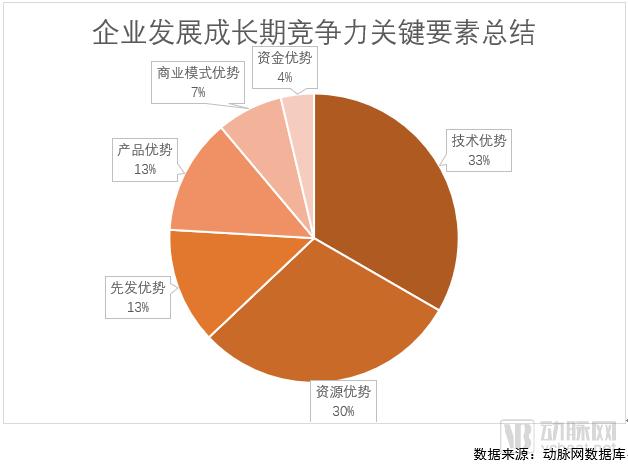
After a company enters its growth stage, its core competitiveness remains rooted in technological advantages, which are also closely linked to product advantages. Companies with R&D capabilities typically focus on the research and development phase in their early stages, where financing supports R&D expenses and costs. In the mid-stage of corporate development, technological advantages must be translated into product advantages to rapidly capture market share. Furthermore, resource advantages are particularly critical in the healthcare sector. Regardless of whether they are service-oriented or technology-driven enterprises, there is strong demand for high-quality physicians and premier hospitals. Securing substantial medical resources is a prerequisite for the rapid commercialization of products. First-mover advantages related to market size and policy support play a diminished role during the growth stage. Meanwhile, the business model begins to take shape, with the advantage of a closed-loop business model accounting for 7% of the key competitive factors.
Key Elements of Competitiveness for Mature Enterprises: How to Build a Closed-Loop Business Model
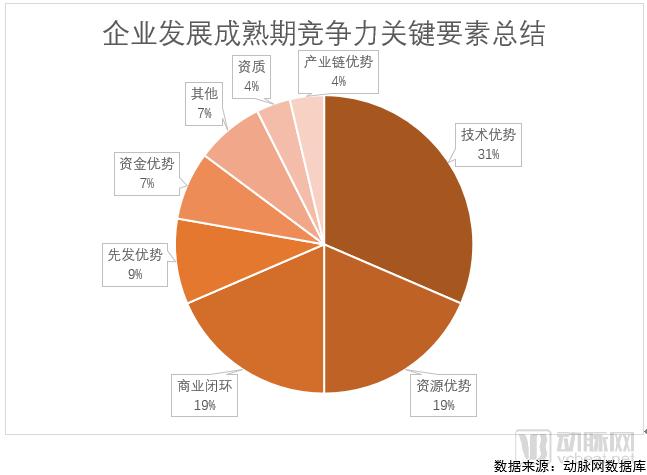
Among mature-stage companies, the distinct competitive advantages of different enterprises are diverse; however, upon further synthesis and summarization, they can still be categorized into the eight key competitiveness elements previously introduced. Technological advantage remains the most critical factor, which is partly attributable to the predominance of technology-driven firms within our selected research sample. This further underscores that, among the Top 100 list, the majority of enterprises enter the healthcare sector by leveraging technological capabilities to enhance medical service delivery. First-mover advantage in the market has become less significant at this stage; the focus instead shifts to establishing a closed-loop business model through the strategic transformation and monetization of traffic. The refinement of business models is self-evidently crucial for mature-stage companies. With both products and markets having reached maturity, these enterprises need to generate profits through the construction of closed-loop systems. Such companies are also more likely to secure recognition and substantial funding from investors.
Key Elements Model for the Growth of Healthcare Enterprises
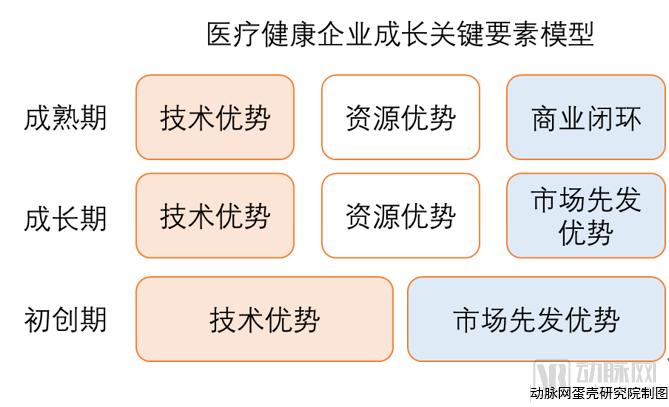
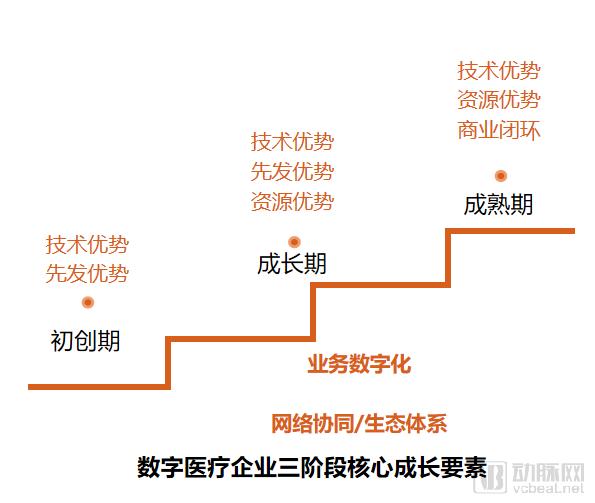
Technological advantage has always been the core thread running through corporate development. At every stage, teams must innovate in technical capabilities to transform healthcare service models, improve healthcare accessibility, and reduce medical costs. In the early stage, technology is needed to coalesce the founding team, develop products, and secure growth funding. In the mid-stage, technology enables product design and refinement for market launch. In the mature stage, technology helps expand the product portfolio and enhance competitive advantages in the market.
After securing an early-mover advantage in the market, companies should not become complacent with this edge. During the growth phase, they must rapidly convert their first-mover advantage into user traffic. In the maturity phase, they should monetize this traffic by establishing a closed-loop business model to generate revenue and profits. Otherwise, it will be difficult to capitalize on their first-mover advantage.
Resources have always been one of the most critical factors in corporate development. For healthcare companies, medical resources are paramount; the ability to connect with doctors and hospitals can often determine whether a viable business loop can be established. On the other hand, the industry chain and channel resources provided by investment institutions are key to determining whether a company can successfully commercialize its products.
The above is a preview of the “2018 Future Healthcare Industry Report.” To access the full report, please scan the mini-program QR code below.
