

2018 Internet Hospital Report: The Time Is Now — The Third Wave of Internet Hospital Construction Is Underway
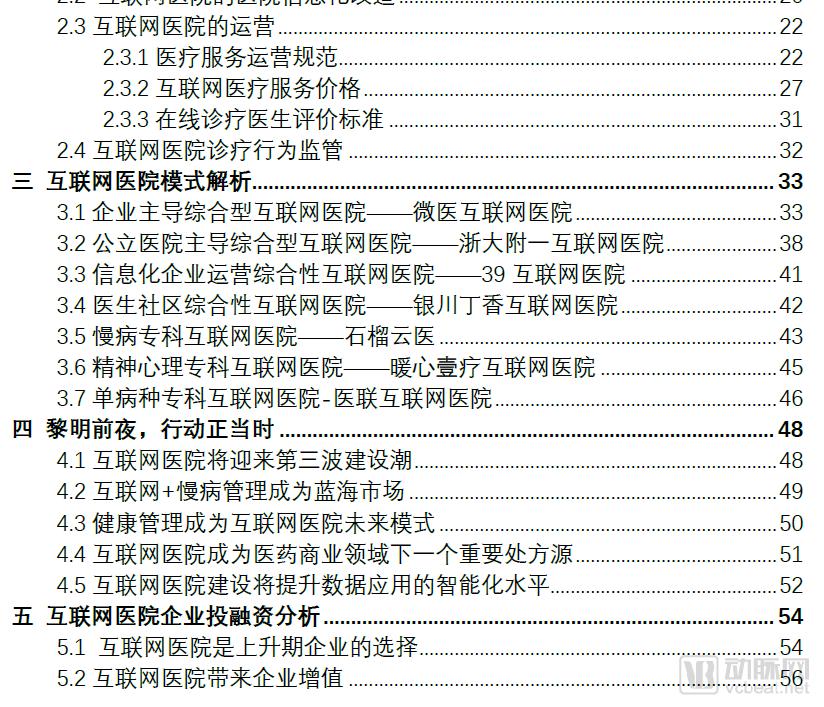
This report is mainly divided intoOverview of Internet Hospitals 2018, Implementation Practices of Internet Hospitals, Analysis of Internet Hospital Models, Time for Action, and Investment and Financing Analysis of Internet Hospital EnterprisesFive Major Sections, Leading to the Following Perspectives:
l The business scope of internet hospitals has expanded from facilitating the upward and downward flow of medical resources to driving the commercial monetization of prescription rights.
l Internet hospitals are experiencing a third wave of establishment, with internet healthcare companies and hospital-led models advancing in tandem; currently, the number is growing at a rate of two new institutions per week.
l The first half of 2019 will be the concentrated construction period for provincial-level regulatory platforms, while the second half will witness a surge in the development of internet hospitals by public hospitals.
l Specialty-focused internet hospitals account for nearly 20% of the total, with obstetrics and pediatrics specialty internet hospitals being the most numerous.
l Internet hospitals represent a spontaneous innovation centered on core medical services, driving the establishment and refinement of regulatory frameworks. We welcome active participation within controllable risk parameters.
l Various types of internet hospitals have each explored multiple commercial pathways based on their own business accumulation.
The following is an excerpt from the report. Scan the QR code at the bottom of the article to access the full version.
Back in 2016, after three years of rapid development, light consultation had become the subsector producing the most mobile health giants, yet it was also one of the most fiercely competitive arenas. With small-scale paid consultations and low conversion rates for other revenue models such as value-added services, a complete commercial loop proved difficult to establish. This made it impossible for light consultation platforms to rely solely on online models for long-term growth, creating an urgent need to identify a new extension model.
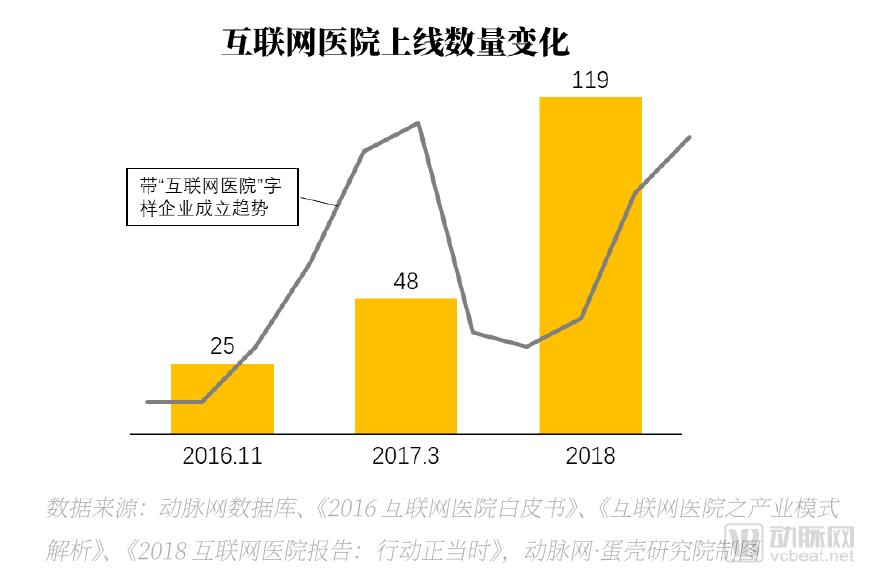
The government proposed the “Healthy China 2030” initiative. Against the backdrop of the government’s vigorous promotion of “Internet + Healthcare,” and given that traditional medical resources failed to meet the public’s market demand for medical services, “Internet hospitals” emerged. By the end of 2016, 25 Internet hospitals had been launched nationwide in China.
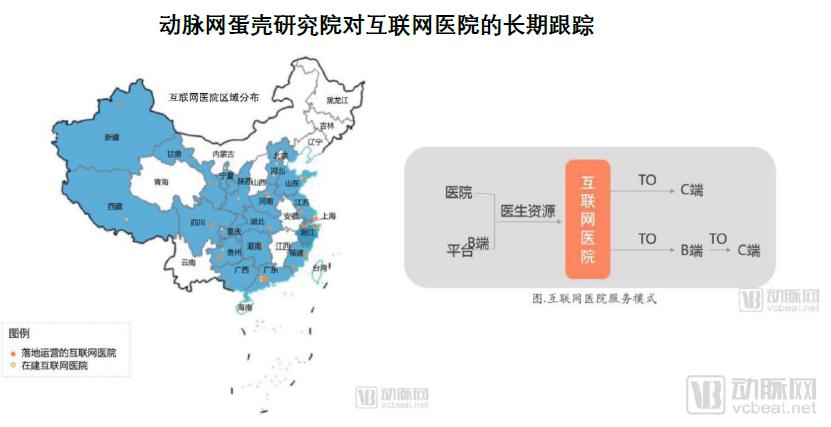
Image source: “2016 White Paper on Internet Hospitals,” “Analysis of Industrial Models for Internet Hospitals”
On March 19, 2017, the Yinchuan Municipal People’s Government and 15 healthcare companies held a centralized signing ceremony in Yinchuan for a new batch of internet hospitals. The number of internet hospitals in Yinchuan reached 17. At that time, when the business model for internet hospitals was still ill-defined and regulatory frameworks remained unclear, this initiative by the Yinchuan Municipal People’s Government effectively opened up new prospects for internet hospitals from a policy perspective.
At this time, the number of internet hospitals in online operation reached 48, covering 25 provinces. In that month, VCBeat Research Institute released “Analysis of the Industrial Model of Internet Hospitals》Report: Based on the differences in medical service pathways among internet hospitals in the market at that time, two major operational models of internet hospitals are summarized.
Following the introduction of the “One Measure, Two Systems” framework last December, Yinchuan has further promulgated the “Three Detailed Implementation Rules.” This marks China’s first provincial-level establishment of a relatively comprehensive regulatory system for internet hospital management, representing the most innovative and strongly supported policy framework. These policy innovations have significantly advanced the institutionalization of internet hospital governance.
However, shortly after the release of these detailed rules, internet hospitals were sidelined by the widely circulated “Administrative Measures for Internet Diagnosis and Treatment (Trial) (Draft for Comments)” and “Opinions on Promoting the Development of Internet Medical Services (Draft for Comments).”
The turning point came in March 2018, when Premier Li Keqiang, while participating in the deliberations of the Ningxia delegation’s report, instructed relevant departments to accelerate the development of “Internet + Healthcare.” The Premier’s remarks brought “Internet + Healthcare,” which had previously lost momentum, back into the spotlight of public discourse.
On April 28, the General Office of the State Council issued the “Opinions on Promoting the Development of ‘Internet + Healthcare’.” Subsequently, the “Administrative Measures for Internet-Based Diagnosis and Treatment (Trial),” the “Administrative Measures for Internet Hospitals (Trial),” and the “Specifications for the Management of Telemedicine Services (Trial)” were successively promulgated, permitting the establishment of internet hospitals依托 medical institutions. Building upon physical hospitals, these measures enable the provision of safe and appropriate medical services through internet technologies, allowing online follow-up consultations for certain common and chronic diseases. Upon reviewing patients’ medical records, physicians are permitted to issue online prescriptions for certain common and chronic conditions.
Furthermore, tertiary medical institutions within medical consortia are encouraged to leverage artificial intelligence and other technological means to provide remote consultation, remote electrocardiogram (ECG) diagnosis, and remote imaging diagnosis services to primary care facilities, thereby facilitating real-time access, mutual recognition, and sharing of examination and test results among member institutions.
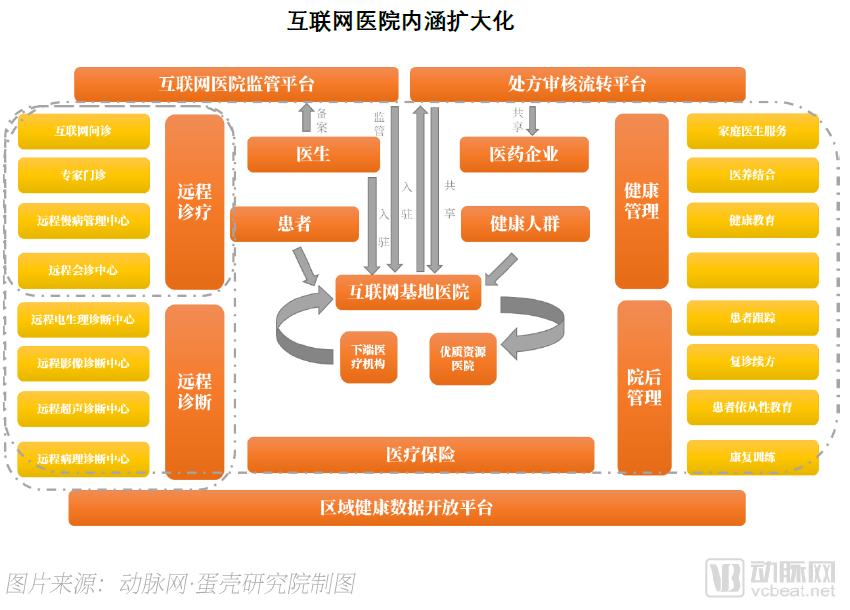
Today, "Internet Plus Healthcare" has become a national key strategy. With clear regulatory policies for internet hospitals, local governments are beginning to embrace this model. The concept of internet hospitals is no longer limited to clinical consultation; modules such as diagnosis, physician education, family doctor services, and post-discharge follow-up are being integrated into the internet hospital system in practice.
In 2018, the penetration of the internet into hospital scenarios deepened significantly. Multiple areas—including diagnosis, treatment, post-consultation care, and health management—found points of integration with internet hospitals. As the concept of internet hospitals expanded, their establishment purposes and focal business directions varied across institutions. Regulatory authorities redefined clinical practices within internet hospitals, noting that certain traditional evaluation metrics for clinical processes no longer accurately reflected their current operational realities. Therefore, this report does not provide a ranked assessment of internet hospitals. Instead, based on observed development trajectories, we map out the reach and growth potential of internet hospitals as we perceive them.
Internet hospitals represent the 2.0 model of internet healthcare, marking a departure from the 1.0 era dominated by peripheral services such as information provision and online consultations, and ushering in the 2.0 era centered on online diagnosis and treatment and the issuance of electronic prescriptions. Internet hospitals serve to revitalize rather than rebuild, and to improve rather than disrupt, traditional healthcare.
The difficulty in accessing medical care primarily stems from the uneven distribution of healthcare resources and the disorganized nature of traditional medical processes. As a new form of healthcare organization, internet hospitals can optimize the allocation of medical resources and reengineer diagnosis and treatment workflows, implementing improvements across all stages—including consultation, examination, treatment, prescription, and post-consultation management. This also constituted the core scope of business for internet hospitals during their first two years of development.
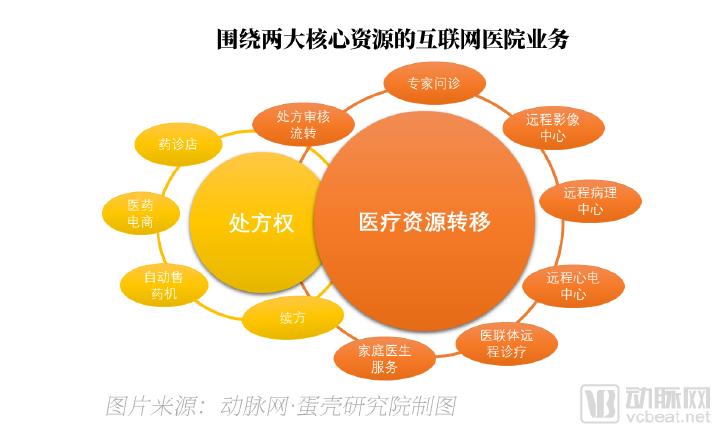
“Internet Hospitals + Medical Consortia” have become an industry-recognized approach to tiered diagnosis and treatment. In the future, as internet hospitals expand their presence, medical consortia will further facilitate the establishment of alliances among various internet hospitals, enabling interoperability of data between institutions. On the basis of ensuring information security, a patient data-sharing platform will be established to achieve shared use of medical equipment within the consortium, inter-hospital collaboration, and remote patient examinations, thereby maximizing the implementation of tiered diagnosis and treatment.
As the practice of internet hospitals continues to deepen, these institutions have moved beyond mere diagnosis and treatment, extending their services to cover the entire human life cycle. Meanwhile, the operational focus of internet hospitals has shifted from facilitating the vertical flow of medical resources to driving commercial conversion centered on prescription rights. With the participation of pharmaceutical e-commerce platforms and pharmacies, internet hospitals have achieved full-cycle business operations and established complete commercial pathways. As a spontaneous innovation targeting core medical services, internet hospitals are promoting the establishment and improvement of regulatory frameworks. We welcome active participation within a controlled risk environment.
China’s vast territory, large population, and significant regional disparities in economic development, cultural contexts, and healthcare resources mean that any new policy initiative has far-reaching implications. Particularly given that healthcare is a fundamental pillar of public welfare, policy evolution in the medical sector has been gradual and cautious. As an industry heavily influenced by regulatory frameworks, the internet hospital sector requires any analysis to be grounded in thorough policy interpretation and regulatory review. Therefore, we begin by examining the development trajectory of internet hospitals through the lens of policy evolution.
China’s regulation of internet hospitals has undergone four phases: “exploratory phase,” “pilot trial phase,” “strict regulatory phase,” and “standardized development phase.”
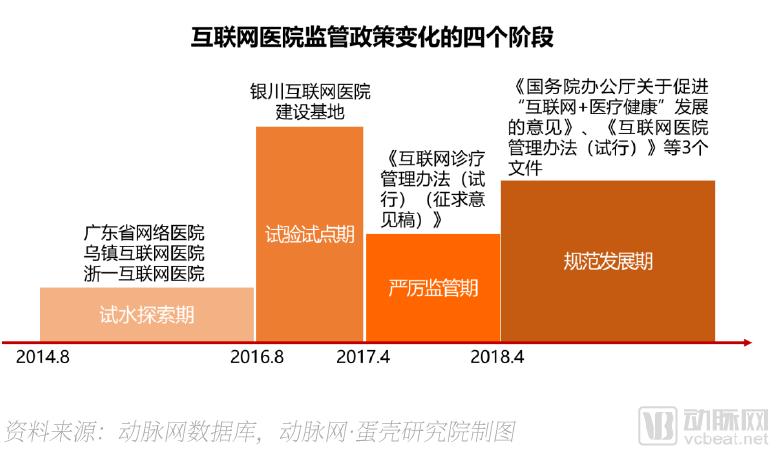
(1) Trial and Exploration Phase (August 2014–July 2016)
On August 29, 2014, the “Opinions on Promoting Remote Medical Services in Medical Institutions” were promulgated. On December 7, 2015, Wuzhen Internet Hospital, jointly established by WeDoctor and the Tongxiang Municipal People’s Government, commenced operations, becoming the first internet hospital. On February 16, 2016, the First Affiliated Hospital of Zhejiang University School of Medicine launched Zheyi Internet Hospital, the first internet hospital spearheaded by a Grade A tertiary hospital. During this phase, there were no specific policy documents; various enterprises engaged in innovative exploration, and internet hospitals began to emerge in certain regions.
(2) Pilot Trial Phase (Aug. 2016–Apr. 2017)
As a pilot base for the development of internet hospitals, Yinchuan saw its relevant authorities issue a series of policies between 2016 and 2017, including the Notice on Issuing the Administrative System for Yinchuan Internet Hospitals, the Yinchuan Internet Hospital Management Measures (Trial), and the Detailed Implementation Rules of the Yinchuan City Internet Hospital Management Measures (Trial), to guide enterprises in establishing internet hospitals. On March 19, 2017, the Yinchuan Municipal Government held a centralized signing ceremony with 15 internet healthcare companies, including DXY, Peking University Medical Information Technology, Chunyu Doctor, and Medlinker. These 15 internet hospitals collectively settled into the Yinchuan Smart Internet Hospital Base, sending shockwaves through the industry. Other regions followed Yinchuan’s example, sparking a nationwide boom in internet hospital development, with more than 50 internet hospitals subsequently established across China.
(3) Period of Strict Regulation (May 2017–March 2018)
On May 9, 2017, the National Health and Family Planning Commission (NHFPC) leaked the “Administrative Measures for Internet Diagnosis and Treatment (Trial) (Draft for Comment)” and the “Opinions on Promoting the Development of Internet Medical Services (Draft for Comment).” These documents required local health and family planning administrative departments at or above the county level, which had previously granted approvals for internet hospitals, cloud hospitals, and online hospitals, to revoke such approvals within 15 days after the issuance of these measures. This development plunged the nascent internet hospital sector into silence, ushering the industry into a period of severe downturn.
(4) Standardized Development Phase (April 2018–Present)
In April 2018, national leaders conducted inspections at Huashan Hospital and the Yinchuan Internet Hospital Construction Base, extending high recognition and praise to the development of internet hospitals. Subsequently, on April 28, 2018, the General Office of the State Council officially released the “Guiding Opinions on Promoting the Development of ‘Internet + Healthcare’,” encouraging and supporting the growth of internet hospitals, which finally provided the industry with decisive policy endorsement. In May, Vice Premier Sun Chunlan inspected the Wuzhen Internet Hospital. Later, on September 14, the National Health Commission issued three major documents: the “Administrative Measures for Internet Diagnosis and Treatment (Trial),” the “Administrative Measures for Internet Hospitals (Trial),” and the “Specification for Remote Medical Services Management (Trial).” These documents established detailed regulations for the management of internet-based diagnosis and treatment, internet hospitals, and remote medical services, marking the entry of internet hospitals into a stage of standardized development.
Currently, provinces and municipalities across China are successively forwarding the three administrative measures for internet hospitals and accelerating the formulation of detailed implementation rules. Progress varies by region, and we will provide a detailed introduction to the specific regulatory guidelines in each locality in Chapter 2. According to incomplete statistics from VCBeat, following the issuance of Document No. 25, approvals have been granted for internet hospital practice licenses. To date, provinces that have established provincial-level regulatory platforms for internet hospitals include Sichuan Province, Shandong Province, Ningxia Hui Autonomous Region, and Xinjiang Uygur Autonomous Region.
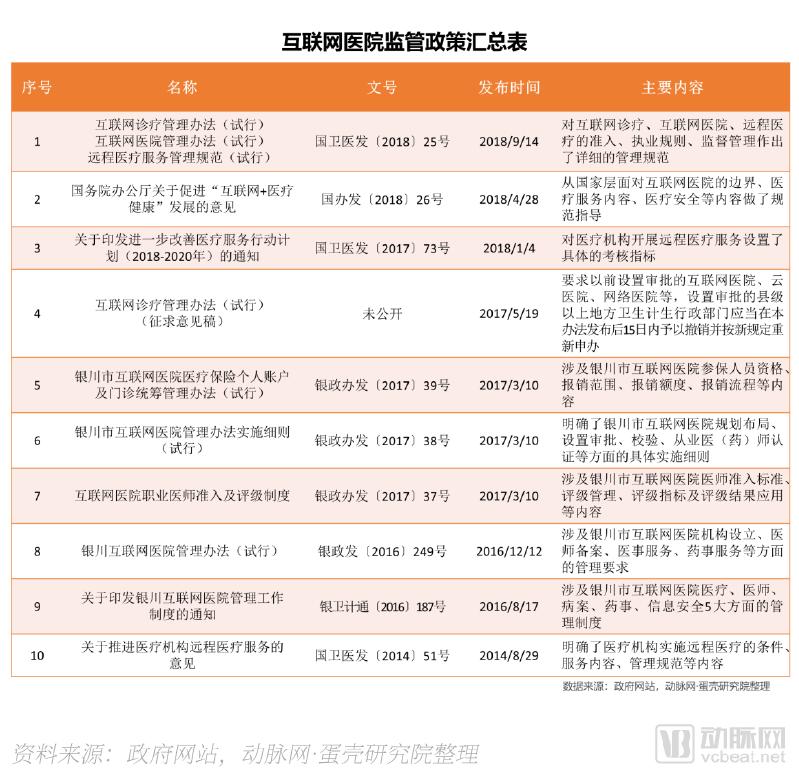
Regulatory policies for internet hospitals cover a wide range of areas, including establishment, operations, routine supervision, prescription sharing, physician performance evaluation, and pricing formulation; thus, they cannot be implemented overnight. Notably, Yinchuan, which has undertaken the longest-running and most in-depth regulatory explorations, issued ten relevant documents over a three-year period to refine its regulatory framework.

According to statistics compiled by VCBeat from publicly available information, as of November 2018, the number of internet hospitals in operation across China had expanded to approximately 119. This represents a fourfold increase in the two years since we published our first “White Paper on Internet Hospitals.” Enterprises with “Internet Hospital” in their names are growing rapidly at a rate of two per week.
2018 List of Internet Hospitals
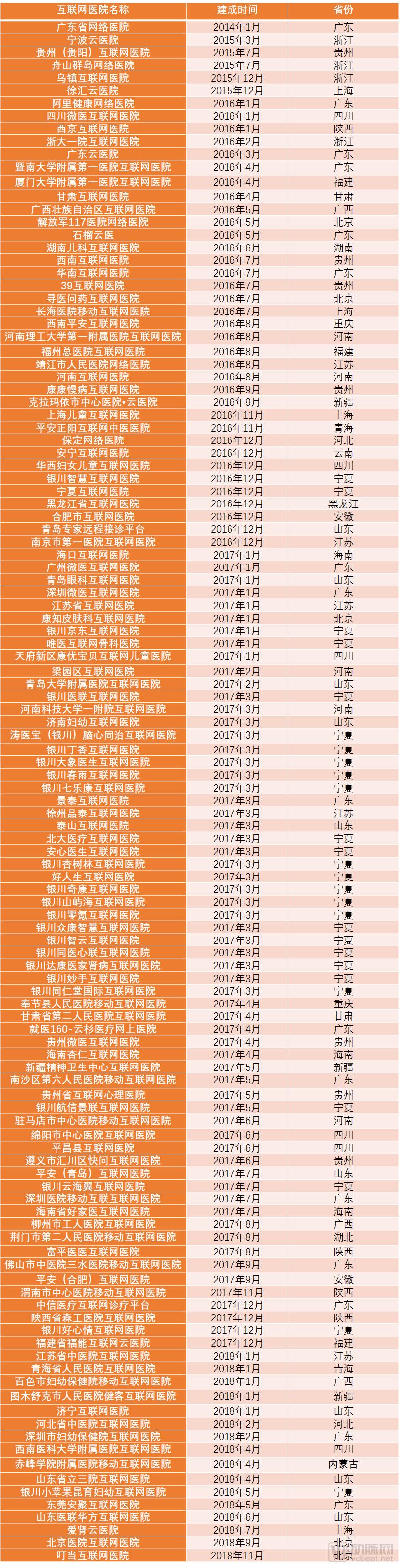
Data Source: VCBeat Database; compiled by VCBeat. Every effort has been made to ensure completeness. Please contact us if any information is missing.
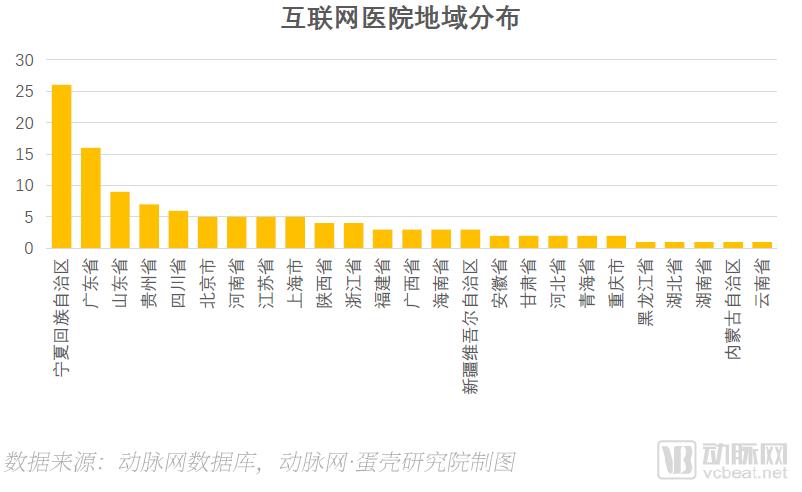
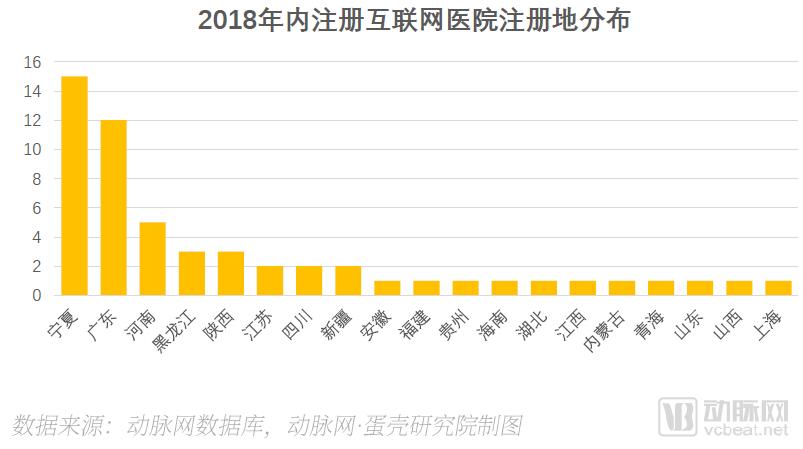
Statistics show that the top three regions for internet hospitals remain Ningxia, Guangdong, and Shandong, where pilot policies have driven the rapid development of local internet hospitals. Notably, more than half of specialized internet hospitals are focused on the field of women’s and children’s health.
We analyzed the health IT companies powering various internet hospitals and found that no single player has emerged with a dominant advantage in this sector. The underlying IT vendors for most internet hospitals vary widely, ranging from established HIS (Hospital Information System) providers to digital health companies, indicating that this market remains a blue ocean.

Based on the "Administrative Measures for Internet Hospitals (Trial)" and the application experiences of multiple internet hospitals, the following materials are currently required to apply for the establishment of an internet hospital:
Application forms, feasibility reports, information topology diagrams, certification documents for external cooperation projects, and supporting materials for the medical expert database.
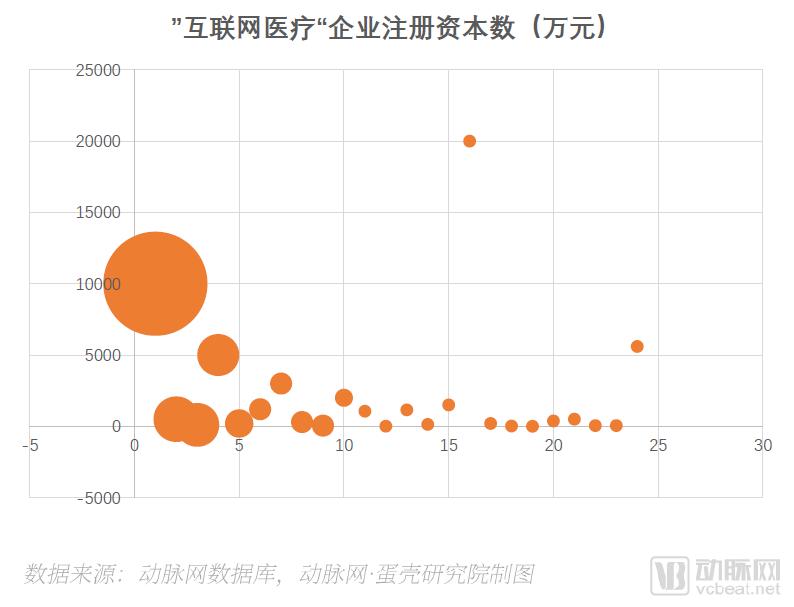
The “Measures for the Administration of Internet Hospitals (Trial)” clearly stipulates that establishing a provincial-level regulatory platform for internet hospitals is a prerequisite for approving their practice licenses. Currently, most provinces and municipalities have not yet established comprehensive regulatory systems for internet hospitals. Based on feedback from multiple internet hospitals, the approval cycle for newly established internet hospitals has been prolonged, and review standards have become more stringent. Furthermore, some local governments impose specific requirements on the registered capital of companies operating internet hospitals within their jurisdictions. We analyzed the registration information of 167 enterprises whose registered names include “Internet Hospital.” Our findings indicate that their registered capital is predominantly concentrated at RMB 10 million, and in 2018, their registrations were primarily located in the Ningxia Hui Autonomous Region and Guangdong Province.
2.1.1 Application Materials for Internet Hospitals
(1) Application Form
It mainly includes the name of the applying entity, its basic information, as well as the applicant’s name, age, professional resume, and ID number.
(2) Feasibility Report
The document primarily includes an overview of the development of domestic internet healthcare services, the distribution of resources in the internet healthcare industry, and an analysis of demand for internet healthcare services; the proposed name, functions, tasks, service models, diagnosis and treatment specialties, organizational structure, staffing, and equipment and instrument allocation of the medical institution; sources of funds, investment methods, total investment amount, and registered capital; a cost-benefit forecast analysis for the next five years; and creditworthiness certificates of the applicant design entity or the individual establishing the institution.
(3) Other Materials
Address of the physical medical institution, rules and regulations of the medical institution, capital verification certificate and asset appraisal report, roster of the legal representative or principal person in charge of the medical institution as well as heads of all departments, and copies of relevant qualification certificates and practice licenses.
2.1.2 Construction Standards for Internet Hospitals
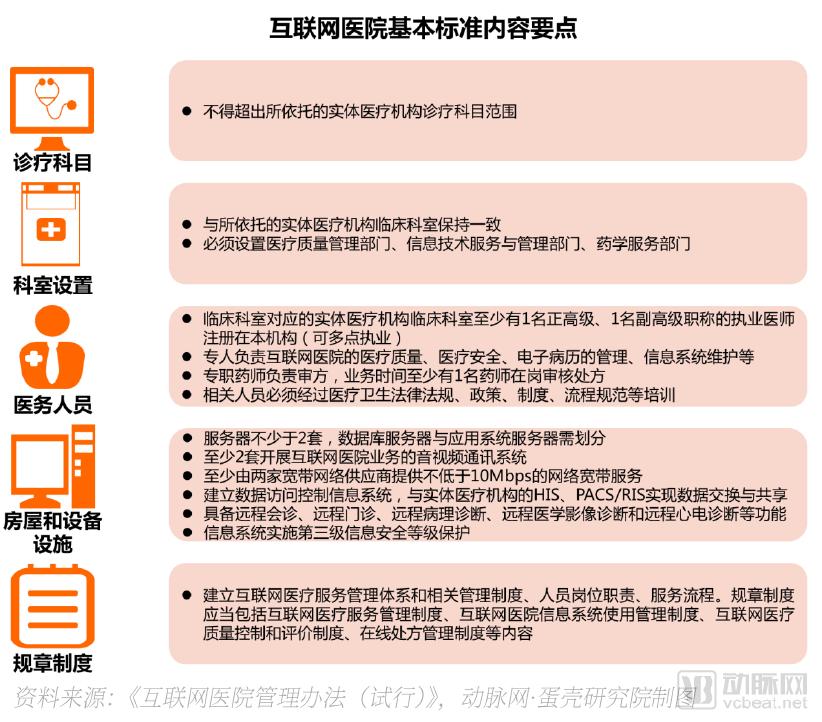
According to the "Administrative Measures for Internet Hospitals (Trial)" issued by the National Health Commission, the establishment of an internet hospital must include at least five aspects: approved diagnosis and treatment specialties, departmental structure, medical personnel, premises and equipment/facilities, and rules and regulations.
As specified in the document, internet hospitals must align with their affiliated physical medical institutions in terms of approved diagnostic and treatment specialties and departmental structures, and must not exceed the scope of these specialties and clinical departments. This requirement is grounded in patient safety considerations; ensuring that online medical services remain within the operational capacity of the affiliated physical institution helps safeguard the safety of remote consultations and facilitates regulatory oversight of medical practices by referencing the standards of corresponding physical clinical departments.
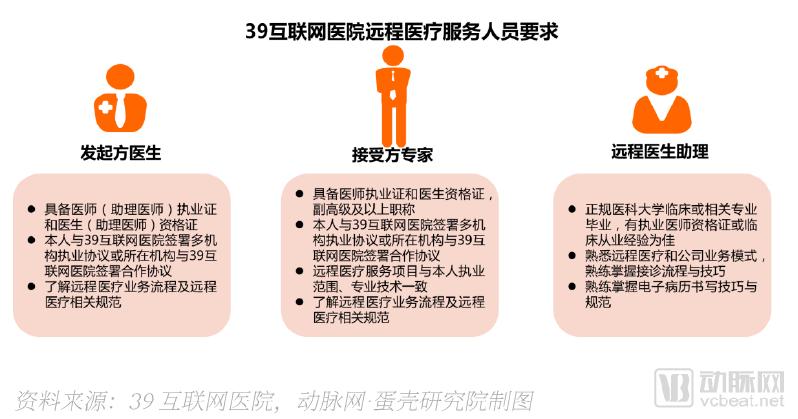
Regarding medical personnel, the policy also sets forth high-standard staffing requirements. Each clinical department must have at least one registered physician with a senior professional title and one with an associate senior professional title to provide diagnostic and treatment services; dedicated pharmacists must provide online prescription review services; and dedicated staff must be assigned to oversee medical quality and safety as well as maintain information systems. It is evident that qualifications for corresponding personnel are specified across various domains, including medical care, pharmaceuticals, and information technology, aiming to enhance medical quality while ensuring patient safety. For instance, 39 Internet Hospital has established specific professional qualification requirements and conditions for initiating physicians, receiving specialists, and remote physician assistants in its telemedicine services.
Premises, equipment, and facilities constitute the foundation for delivering internet-based medical services. Related healthcare services—such as remote consultations, remote outpatient visits, remote pathological diagnosis, remote medical imaging diagnosis, and remote electrocardiogram (ECG) diagnosis—can only be realized through audio-video communication systems. Policies stipulate basic configuration requirements for internet hospital information system servers, network bandwidth, and audio-video equipment. Furthermore, they mandate the establishment of data access control systems to enable data exchange and sharing with the Hospital Information System (HIS), Picture Archiving and Communication System/Radiology Information System (PACS/RIS), and other systems of physical medical institutions. This facilitates better online-offline interoperability and ensures comprehensive traceability of internet-based medical services.
In terms of rules and regulations, policies require the establishment of an internet medical service management system, along with related management protocols, personnel job responsibilities, and service workflows, to build a regulatory framework for the standardized operation of the entire internet hospital. This includes the internet medical service management system, the internet hospital information system usage management system, the internet medical quality control and evaluation system, the online prescription management system, the patient informed consent and registration system, the online medical documentation management system, and the risk assessment and emergency prevention and response system for patients undergoing online follow-up consultations.
The establishment of internet hospitals is based on physical hospitals, and the informatization transformation of internet hospitals is also carried out on the basis of the hospital's original information systems. By breaking down data barriers between hospital information systems, reorganizing business processes, and developing an external interface for the hospital, significant progress has been made. Currently, the field of hospital informatization transformation has put forward the slogan of "one hundred days, one million."
Taking Hangzhou Zhuojian as an example, we will now introduce the content of informatization transformation for internet hospitals. Hangzhou Zhuojian Information Technology Co., Ltd., established in February 2011, aligns with the overarching direction of healthcare reform and focuses on core medical diagnosis and treatment services. It provides internet-based solutions from the inside out for large and medium-sized hospitals and various segments of the healthcare ecosystem, thereby creating a closed-loop smart healthcare ecosystem.
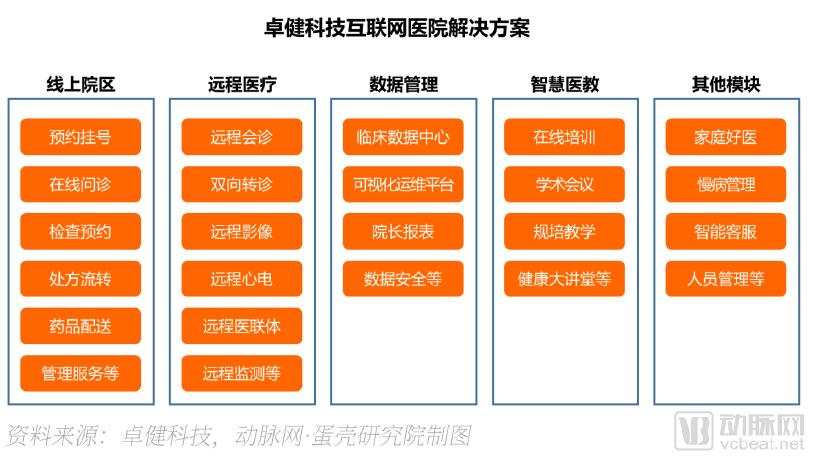
Currently, the company offers a portfolio of products including an Internet Hospital, Medical Consortium, physician education platform (YiLian), prescription circulation platform (Olive Cloud), and pharmacy-clinic integration platform (Olive Clinic). It has built an “Internet+” service platform that serves various stakeholders, such as hospitals, physicians, patients, pharmaceuticals, and clinics. The company provides three industry-leading solutions: Internet+ Smart Hospitals, Internet+ Smart Pharmaceuticals, and Internet+ Smart Medical Education. Backed by the strongest operational team in the industry, it delivers value-added services to the healthcare sector and stands out as the most high-growth, high-tech enterprise in the digital health space. As a core enterprise in Tencent’s strategic layout for the healthcare industry, it plays a pivotal role in advancing the informatization of Internet hospitals.
The above is an excerpt from this report, followed by:
To obtain the full report:
Analysis of the Industrial Model of Internet Hospitals