

Jinling Meets Smart Healthcare: Group Hospital Informatization Development Symposium Held in Nanjing
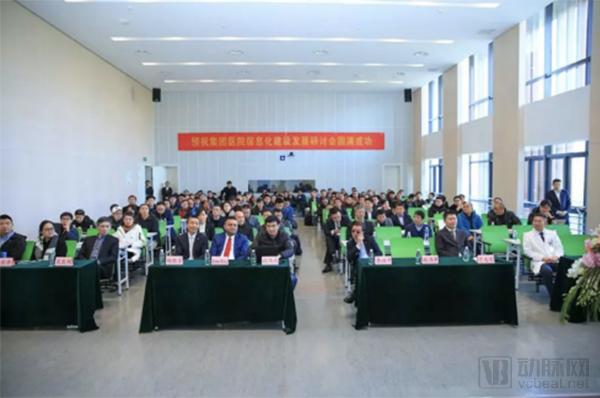
VCBeat (WeChat ID: vcbeat) has learned that on December 13, the Seminar on the Development of Informatization in Hospital Groups and H3C’s Exploration of the “Smart Path” for Hospitals was held in Nanjing. The event was hosted by the Hospital Information Management Professional Committee of the Jiangsu Hospital Association, organized by Taikang Xianlin Gulou Hospital, and co-organized by H3C Group, a subsidiary of Tsinghua Unigroup. Senior experts from large hospitals, medical and elderly care enterprises, and high-tech companies across China gathered to share outstanding achievements and experiences in the construction of new hospital campuses and informatization in hospital groups. Focusing on hot topics such as smart hospitals, medical consortia, the Internet of Things (IoT), big data, and artificial intelligence, the participants explored practical pathways for advancing the in-depth development of smart hospital initiatives.
Liu Naifeng, Dean of the Medical School of Southeast University, Director of the Cardiovascular Research Institute at Zhongda Hospital Affiliated to Southeast University, and Chairman of the Information Management Professional Committee of the Jiangsu Provincial Hospital Association, elaborated on the application directions of artificial intelligence (AI) in the healthcare sector. He objectively and calmly discussed the value of AI in assisting physicians with diagnosis and improving diagnostic efficiency. Meanwhile, he pointed out that China’s large population provides abundant data sources; reasonable data mining and the creation of data-sharing platforms will bring substantial benefits to the entire industry chain and society at large. Domestic enterprises, hospitals, and government bodies should promote continuous communication, exchange, and resource integration to jointly advance the progress and development of core AI technologies, such as machine learning algorithms and chips.
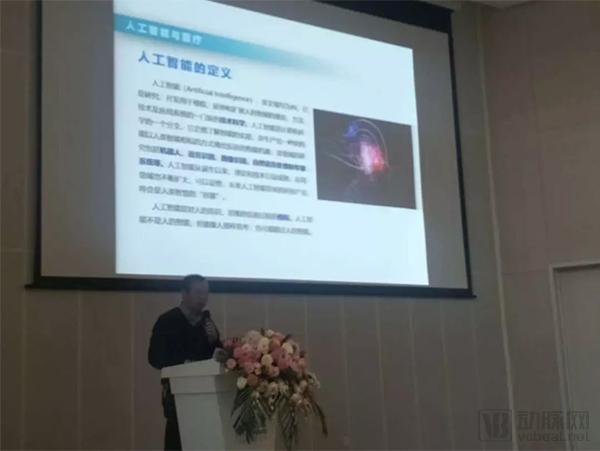
Professor Liu Naifeng, Dean of the Medical School of Southeast University, Director of the Institute of Cardiovascular Research at Zhongda Hospital Affiliated to Southeast University, and Chairman of the Information Management Professional Committee of the Jiangsu Provincial Hospital Association
Taikang Xianlin Gulou Hospital is the first large-scale general hospital under Taikang Insurance Group to integrate medical care, education, and research. With a global perspective on its informatization construction, the hospital focuses on meeting both current and future development needs. Li Zhiping, President of Taikang Xianlin Gulou Hospital, stated that the hospital has designed its smart services based on the needs of patients, medical staff, and administrators, ensuring that more convenient, intelligent, and human-centric smart services are available throughout every corner of the hospital. This approach serves as an important model for the development of smart hospitals in East China and across China.
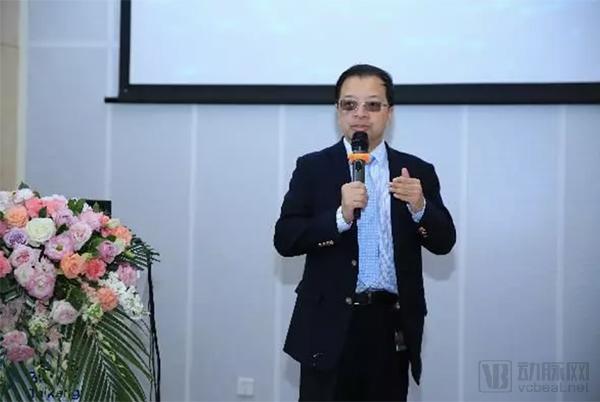
Professor Li Zhiping, President of Taikang Xianlin Drum Tower Hospital
For eight consecutive years, H3C has maintained its position as the leading enterprise in the healthcare industry, shouldering the critical responsibilities of innovation, exploration, and demonstration in facilitating the steady advancement of smart hospitals in China. In his address, Yu Zhihong, Vice President of H3C Group for the China Region and Director of the Healthcare Systems Division, stated that the healthcare sector is undergoing a significant transformation from a “disease-centered” model to a “people’s health-centered” paradigm. Healthcare informatization must adapt to and accelerate this shift. H3C is fully meeting the needs for regional interconnectivity and resource sharing in the development of digital hospitals, smart hospitals, and the Healthy China initiative through its continuously innovative, scenario-based solutions, establishing itself as the most trusted partner for digital transformation in the healthcare industry.
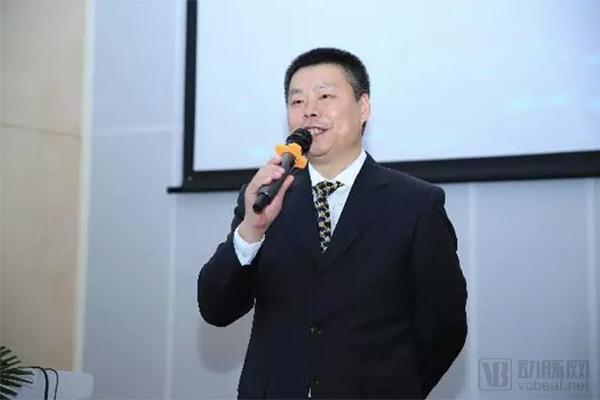
Yu Zhihong, Vice President of H3C Group’s China Region and Director of the Healthcare Systems Division
2018 marked the tenth year of China’s new healthcare reform, and how digital technology can fully support this reform remains to be explored. Yin Weidong, Secretary-General of the Nanjing Health Information Society, stated that large hospitals and hospital groups should play a pioneering role in digital healthcare by standardizing primary care practices and establishing seamless horizontal and vertical interoperability. This approach aims to alleviate the problems of high medical costs, difficulty in accessing care, and uneven distribution of resources, thereby enabling the public to enjoy more convenient, higher-quality, and more efficient healthcare services.
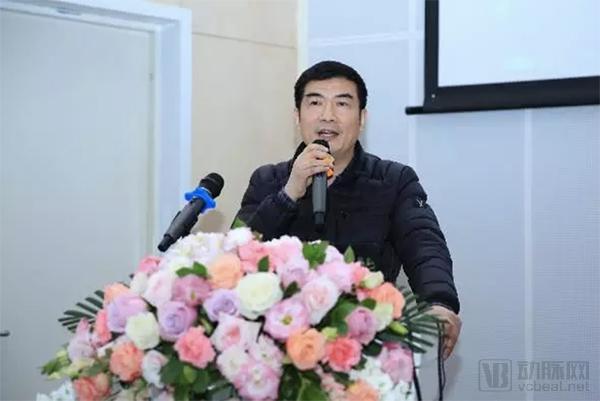
Yin Weidong, Secretary-General of the Nanjing Health Information Society
Digital technologies offer new pathways for healthcare reform. Regarding their most direct impact on patients, Donny Patel, IT Governance Director at Mount Sinai Health System in the United States, pointed out that the biggest gap between hospitals in China and top-tier international hospitals lies not in medical technology, but in hospital operational management. The level of operational management directly affects patients’ final treatment outcomes, while digital technologies such as mobile nursing care can rapidly enhance hospitals’ operational management capabilities through technological means.
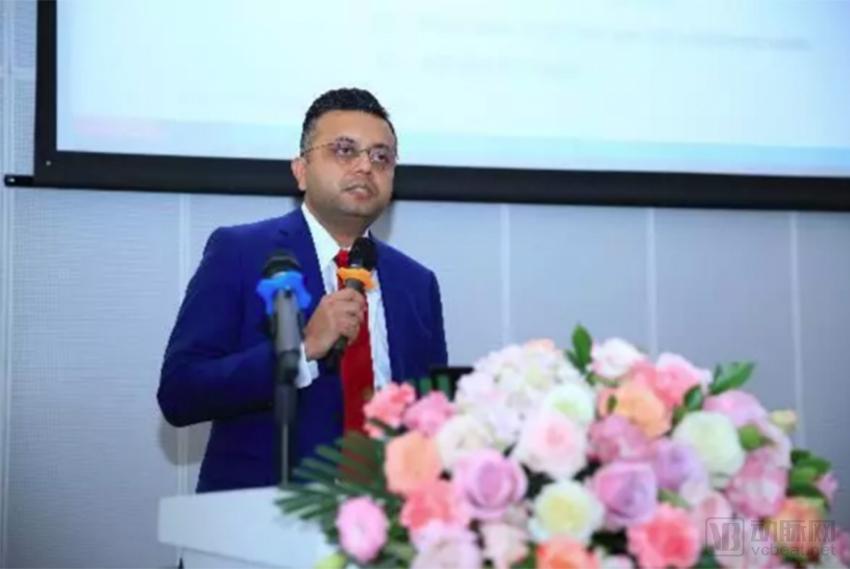
Donny Patel, Director of IT Governance at Mount Sinai Health System
Yang Xiaoyu, Assistant General Manager of Taikang Health Investment’s Health Technology Center and Chief Medical Information Officer of Taikang Xianlin Drum Tower Hospital, stated that the next decade presents a significant window of opportunity for digital transformation in the financial and healthcare sectors. Drawing on the “Kaiser Model,” Taikang Xianlin Drum Tower Hospital leverages data as a foundational platform and integrates the interests of payers and providers through digital technologies. By harnessing three key elements—commercial insurance, technology adoption, and incentive mechanisms—the hospital achieves effective control over medical costs. This innovative approach benefits both the hospital and the public.
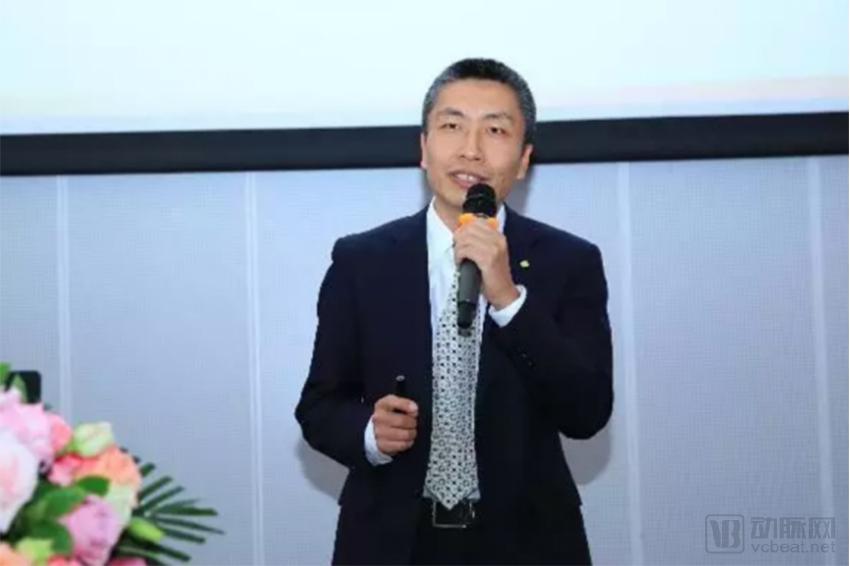
Yang Xiaoyu, Assistant General Manager of the Health Technology Center at Taikang Jiankang Investment and Chief Medical Information Officer at Taikang Xianlin Drum Tower Hospital
Today, Taikang Xianlin Drum Tower Hospital has achieved remarkable results in its information technology (IT) infrastructure development. At the forum, Yan Bin, Director of the Information Center at Taikang Xianlin Drum Tower Hospital, shared practical insights from the group’s hospital IT initiatives. He emphasized that infrastructure development must fully account for the hospital’s current status and future strategic plans. In this regard, H3C, as a pragmatic and key partner, has helped the hospital achieve integrated wired and wireless networks, active-active storage backup, and intelligent unified operations and maintenance, thereby delivering one-stop, comprehensive services and laying a solid foundation for the construction of a smart hospital.
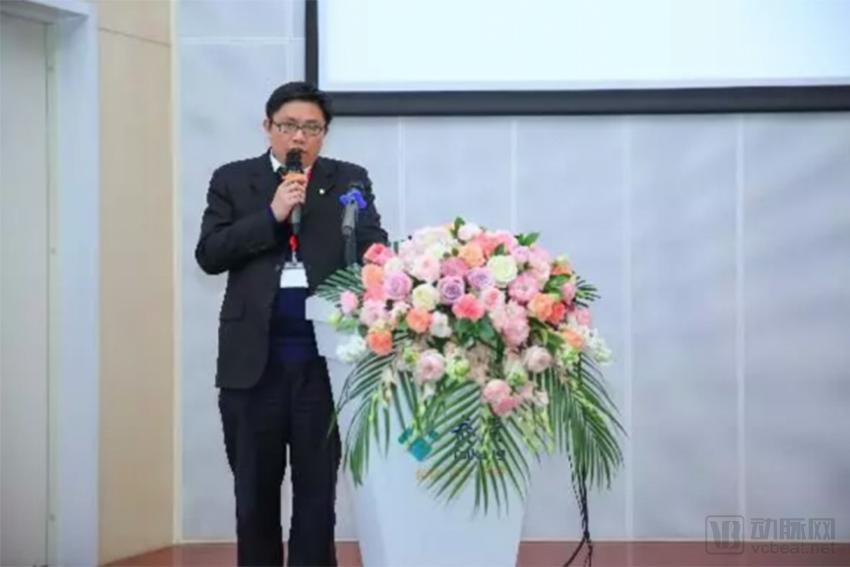
Yan Bin, Director of the Information Center, Taikang Xianlin Gulou Hospital
Addressing the capability framework for smart healthcare development, Li Zhifu, Technical Director of the Healthcare Industry at H3C Group, stated at the forum that H3C’s smart healthcare solutions encompass five core capabilities: top-level design, planning and consulting, product R&D, solution innovation, and ecosystem building. Furthermore, H3C provides cutting-edge technologies such as on-demand cloud computing resources, integrated and shared big data platforms, ubiquitous connectivity networks, and end-to-end information security protection from cloud to device. The company boasts comprehensive technical capabilities spanning computing, storage, networking, and security, along with service capabilities covering the entire lifecycle.
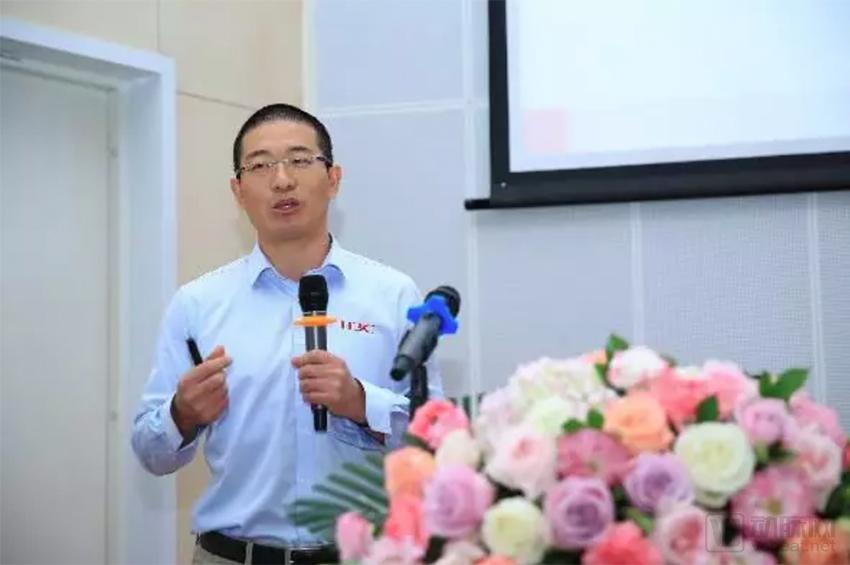
Li Zhifu, Technical Director of the Healthcare Industry at H3C Group
As the premier model and bellwether for smart and service-oriented hospitals across China, Beijing Tiantan Hospital’s Chief Information Officer, Bo Bai, shared the hospital’s experience in intelligent construction of its new campus at the seminar. He pointed out that the development of the new Tiantan Hospital campus spanned several years from design to completion. Leveraging H3C’s ICT convergence solutions, Tiantan Hospital has achieved an end-to-end intelligent transformation covering the entire patient journey—from appointment registration to medical consultation—thereby establishing a robust, fully converged healthcare IT infrastructure.
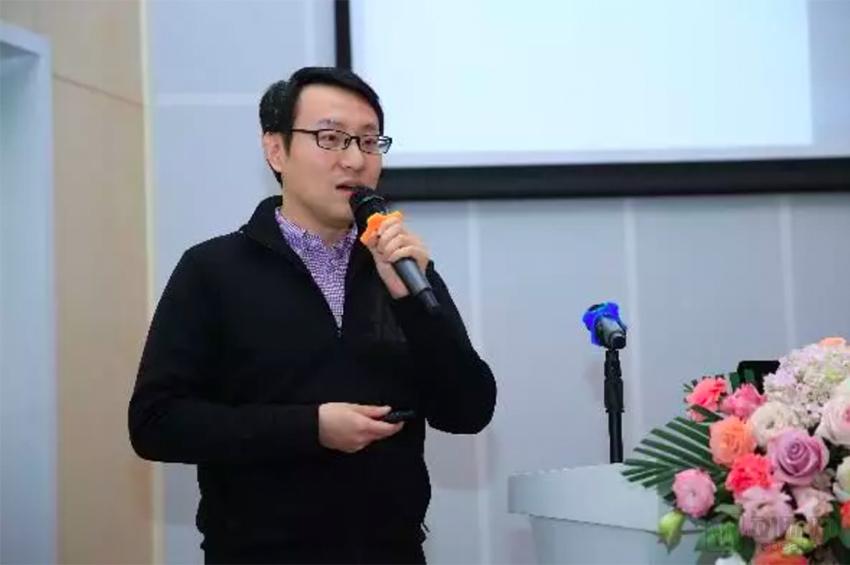
Bai Bo, Director of the Information Department at Beijing Tiantan Hospital
Tang Jianfeng, a senior medical IT and data governance expert, focused on the practical applications of healthcare big data. He provided an in-depth analysis of the prospects and challenges of leveraging healthcare big data across various operational areas—including clinical diagnosis and treatment, medical research, and hospital management—from the perspectives of its inherent characteristics, clinical needs, and technical challenges. He pointed out that smart hospitals are not merely about cold network equipment and data code; rather, they should harness the humanizing warmth of technology to tangibly benefit every participant within the hospital ecosystem.
Following the symposium, attendees, accompanied by hospital IT staff, toured and inspected the hospital’s data center, the remote operations and maintenance management environment at the training center, and the wireless nursing care environment in the wards of the Fourth Inpatient Department.
Healthcare is vital to the well-being of countless families and represents the most significant public welfare endeavor. Looking ahead, H3C will continue to collaborate with its ecosystem partners and medical institutions, fulfilling its role and responsibility as a pioneer in smart hospitals. By driving the deep integration of technologies such as artificial intelligence, the Internet of Things (IoT), and big data into healthcare service scenarios, H3C aims to facilitate a comprehensive, intelligent transformation of the entire healthcare system, ranging from national-level public health platforms to community hospitals.