

2018 Future Healthcare 100: BIO/NGS Frontier Forum – Visionaries Shaping the Future of China's Biopharmaceutical Industry [VB100 Insights]
On December 18, the “2018 Future Healthcare 100” Forum, hosted by VCBeat, Eggshell Research Institute, and Future Healthcare Academy, and co-hosted by Legend Capital, BV Baidu Venture Capital, KPMG China, and Health Intelligence Valley, grandly opened at the Renaissance Beijing Capital Hotel. As an annual flagship event organized by VCBeat, the forum fostered active collaboration among innovative healthcare institutions and distinguished guests, with attendance exceeding 2,500 participants.
At the BIO/NGS Frontier Sub-forum held on the afternoon of December 18, the following experts and industry leaders attended the event and delivered insightful speeches: Wang Jiejun, Member of the New Drug Review Expert Committee of the National Medical Products Administration (NMPA) and CEO of Nanjing Yitian Biotechnology; Luo Xi, Co-Head of the Healthcare Industry Group at CITIC Securities; Zhou Jun, General Manager of Genetron Health; Zhao Xiaowen, Chairman and Researcher at Accuronix; Jin Ge, CEO of Rendong Medicine; Luo Shun, Founder and President of Jianshun Biotechnology; Cai Xiuyu, Associate Professor at Sun Yat-sen University Cancer Center; Fang Riguo, R&D Director at Boya Gene; Chen Gang, CEO of WeGene; and Lu Zhihao, Deputy Chief Physician in the Department of Internal Medicine at Beijing Cancer Hospital.
Guests delivered speeches on topics such as cutting-edge technologies in biomedicine, industrialization, and capital support. VCBeat has compiled the guests’ insightful perspectives. Key points raised by the guests include:
1. In the future, single-cell sequencing will transform human understanding and classification of tumors;
2. Companies should place greater emphasis on the convenience of post-listing financing;
3. Liquid biopsy-based early cancer screening should target high-risk populations;
4. Domestic biomedical innovation in China remains predominantly based on translational innovation;
5. Combination therapies based on immunotherapy are a key approach in cancer treatment.
Wang Jiejun: Progress and Significance of Circulating Tumor Single-Cell Sequencing
Among the numerous technical challenges in single-cell sequencing, capturing individual cells from patient blood has become a bottleneck. Currently commonly used techniques include laser capture microdissection, microfluidics, and magnetic bead-based cell sorting.
At the BIO/NGS Frontier Forum, Mr. Wang Jiejun presented a novel single-cell capture technology. This technique is accomplished in two steps: first, tumor cells are separated from leukocytes and erythrocytes; second, single cells are isolated during the extraction process. The resulting cell population is highly pure, enabling subsequent sequencing to be performed through straightforward procedures.
This technology enables a higher leukocyte depletion rate without labeling, while ensuring cell viability.
Mr. Wang Jiejun pointed out that, in the future, only through single-cell sequencing can we address tumor heterogeneity and construct tumor lineage trees. This may lead to adjustments in our current understanding of tumors, the selection and formulation of treatment regimens, and prognostic assessments.
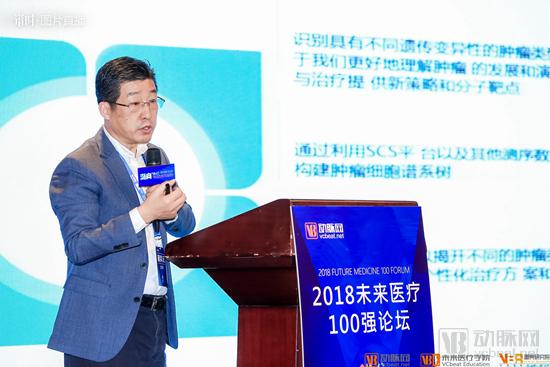
Wang Jiejun, Expert Committee Member for New Drug Review at the National Medical Products Administration & CEO of Nanjing Yitian Biotechnology
Luo Xi: Capital Market Choices for Biopharmaceutical Companies
Ms. Luo Xi provided a clear interpretation of the similarities and differences between the Hong Kong Stock Exchange and the Nasdaq market, from the perspectives of investor support stages and investor structure.
First is the stage supported by investors. Investors in the Nasdaq market tend to support very early-stage projects, without strictly requiring clinical trials to reach a specific phase or mandating a valuation of $200 million or more (the earlier the project stage, the lower the market capitalization), making it more suitable for early-stage startups.
In contrast, the Hong Kong Stock Exchange (HKEX) imposes specific eligibility criteria based on a project’s circumstances, with listing requirements that are higher than those of the Nasdaq. Furthermore, the HKEX has established clear requirements regarding development stage and market capitalization. Consequently, compared to the Nasdaq, the HKEX places greater emphasis on more mature enterprises.
Ms. Luo Xi explained that, from the perspective of risk control and supervision, the market capitalization requirements for listing on the Hong Kong Stock Exchange are not low.
Next is the investor structure. Although the ratio of institutional to individual investors on both the Hong Kong Stock Exchange and NASDAQ is 8:2, institutional investors on NASDAQ are primarily those with professional backgrounds in pharmaceuticals, whereas institutional investors in Hong Kong mostly come from hedge funds. As a result, NASDAQ exhibits higher stock turnover rates, and even companies at earlier stages tend to demonstrate stronger stock performance.
In terms of market preferences, it is evident that the Nasdaq market provides greater support to technology platform companies, often assigning higher valuations to their projects.
Regarding the highly anticipated STAR Market of China’s A-shares, Ms. Luo Xi also disclosed some information. Detailed implementation rules for the STAR Market may be introduced within a month, establishing listing thresholds through various combinations of criteria such as market capitalization, profitability, and cash flow. In terms of trading mechanisms, the design of the STAR Market will be more vibrant than that of the New Third Board. From the perspective of development stage support, unprofitable companies are expected to qualify for listing on the STAR Market only after entering Phase II clinical trials or achieving profitability.
Ms. Luo Xi pointed out that, following the reforms in the Hong Kong stock market, three out of four IPO stocks fell below their issue prices, which has undermined market confidence; consequently, the STAR Market will adopt a more selective approach in choosing the best candidates. Furthermore, given the 18-month lock-up period in the A-share market, companies planning to go public need to consider the convenience of post-listing financing.
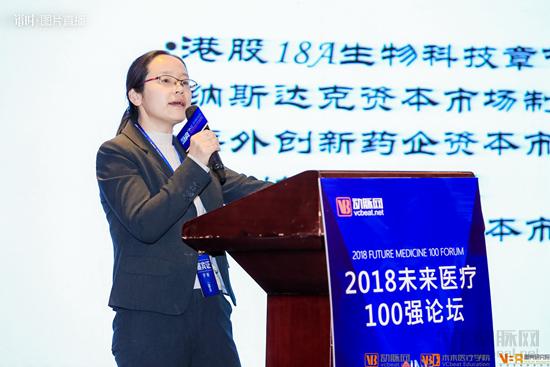
Luo Xi, Co-Head of the Healthcare Industry Group at CITIC Securities
Zhou Jun: Choosing the Path to Industrialization for NGS-Based Early Cancer Diagnosis
Liquid biopsy-based early cancer screening has become an increasingly hot topic, with a projected compound annual growth rate of 60% from 2017 to 2021. However, practitioners in the field of early cancer screening need to carefully consider the three most famous philosophical questions: Who are you? Where do you come from? And where are you going?
Specifically, first, clearly define the target user population. Further considerations include whether the number of cancer types covered is sufficient and whether targeting healthy individuals is appropriate. If the product is aimed at high-risk populations, its sensitivity and specificity will be significantly improved.
Second, clearly define the detection biomarkers. No single biomarker exists that can achieve precise early cancer screening; instead, a multi-omics approach is required. For instance, combining two types of biomarkers—locus mutations and proteins—can achieve a sensitivity of 62% for cancer diagnosis at 99% specificity, but the sensitivity of this method for early cancer screening is only 40%.
Third, clarify how to validate. To promote an early diagnosis and screening program, only through independent, large-scale prospective cohort studies can reliable results be obtained.
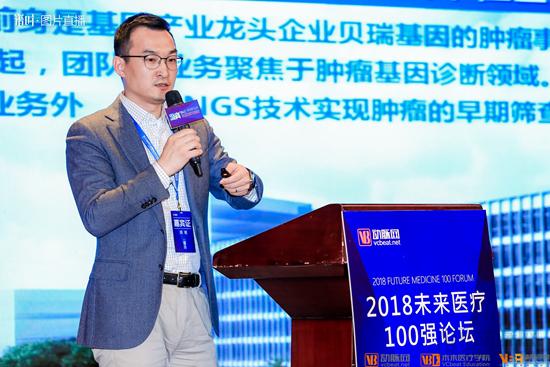
Zhou Jun, General Manager of Huirui Gene
Zhao Xiaowen: Additive Manufacturing: The Future of Personalized Precision Surgery
Additive manufacturing, commonly known as 3D printing, is regarded as a strategic emerging industry in the United States, Europe, and China.
Numerous equations and formulas have been proposed to characterize human biomechanical relationships, particularly the strength of skeletal implants. Additive manufacturing is capable of fulfilling this objective by constructing complex implants through a point-by-point and layer-by-layer process, thereby truly achieving perfect morphological restoration and functional reconstruction.
Additive manufacturing is based on human anatomy modeling, utilizing extensive algorithms to perform biomimetic design for precise repair by replicating the trabecular structure of bone.
Mr. Zhao Xiaowen pointed out that there is a significant unmet demand for implant-based restorative surgery in China; however, due to the complexity of additive manufacturing technologies, traditional casting and machining methods are unable to fabricate such complex structures.
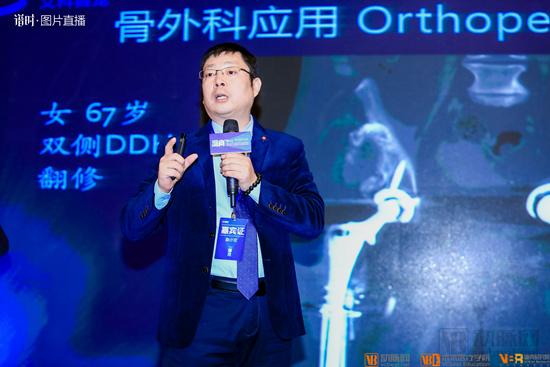
Zhao Xiaowen, Chairman & Researcher of Excyon
Jin Ge: Viewing the Path to Precision in Tumor Immunotherapy Through a Tomorrow-Oriented Lens
Tumor immunotherapy is the hottest topic this year. The diagnosis and treatment of tumor immunity require precision, which necessitates companies specializing in companion diagnostics.
Ms. Jin Ge believes that while biopharmaceutical companies should continue to refine innovative drugs and medical devices, they need to shift their focus from a product-centric approach to a customer-centric one. The customers of biopharmaceutical companies include hospitals, pharmaceutical manufacturers, physicians, patients, and other stakeholders; therefore, companies must strive to maximize patient benefits.
When discussing independent innovation, Ms. Jin Ge pointed out that domestic companies are currently unable to make theoretical discoveries and should start with translational innovation. However, in the next three to five years, China’s gene diagnostics industry will undoubtedly become an industry characterized by integrated innovation.
Transitioning from transplantative innovation to integrative innovation requires the concerted, meticulous efforts of many craftsmen dedicated to their craft, gradually building technological barriers until one day we achieve a leapfrog transition from imitation to genuine originality.
Ms. Jin Ge called on healthcare entrepreneurs to keep sunshine in their hearts and strength in their steps.
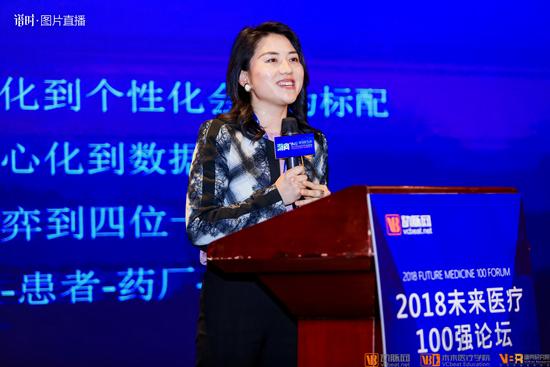
Jin Ge, CEO of Rendong Medicine
Luo Shun: The History and Trends of the Biopharmaceutical Industry—The Formation of Highly Specialized Sectors
As a veteran with nearly 30 years of hands-on experience in the biopharmaceutical industry, Mr. Luo Shun hopes to foster robust dialogue with the investment community. He believes that capital should adopt an investment structure aligned with the specific developmental stage of each company.
The Rise of Biopharmaceuticals in the United States Has Undergone Four Waves. The first wave began in 1976, originating from the maturation of recombinant DNA technology, marking the inception of the global biopharmaceutical industry. New products soon emerged, including insulin. By the 1980s, there were already thousands of biotech companies in the United States, including some outstanding biopharmaceutical firms such as Genentech and Amgen. Subsequent waves rose and fell rapidly, driven by capital.
Mr. Luo Shun believes that future competition will center on production. The pharmaceutical industry is relatively conservative, and new drug development is inextricably linked to pharmaceutical distribution.
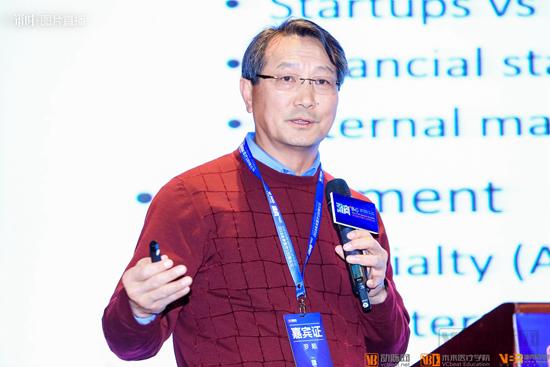
Luo Shun, Founder & President of Jianshun Biotech
Fang Riguo: Applications of Gene Editing in the Treatment of Human Diseases
Mr. Fang Riguo began by providing a detailed explanation of gene editing technology. He drew a comparison between gene editing and gene sequencing, noting that while gene sequencing continuously reads information from the human genome, it cannot modify it—much like data in a PDF file. In contrast, gene editing is akin to working with a Word document, allowing humans to use gene editing tools to modify the human genome by knocking out or knocking in target genes to achieve specific objectives.
The applications of gene editing are extensive, including the development of gene-based therapies for disease treatment, the modification of crop varieties to enhance agricultural yields, and the introduction of specific traits into beloved pets.
Returning to the realm of disease treatment, if gene-editing therapies can be effectively leveraged, they will unlock a trillion-dollar market with significant unmet needs. Currently, many patients are still awaiting new therapies, as traditional treatment modalities remain limited. As a “genetic scissor,” gene editing enables the modification of the human genome.
Mr. Fang Riguo pointed out that gene editing can treat many genetic diseases. Currently, there are approximately 300 million patients reported worldwide, with about 40% of pediatric cases being genetic disorders. Moreover, more than 10,000 types of monogenic genetic diseases have been identified.
Furthermore, gene editing can be integrated with oncology and other diseases, employing gene-editing techniques to specifically modify certain genes to help patients alleviate the burden of disease. Currently, a prominent concept—precision medicine and targeted therapy—is accompanied by challenges in companion diagnostics.
In clinical settings, patients often experience recurrent disease episodes, posing challenges such as identifying the appropriate patient populations for specific pharmacotherapies. Precision medicine, targeted therapy, and companion diagnostics can all leverage gene editing to achieve these objectives.
Mr. Fang Riguo pointed out that gene editing is a very powerful tool. It can not only be used to treat genetic diseases but also be combined with traditional cancer therapies to benefit more cancer patients. Furthermore, it aligns with precision medicine, helping to identify more sensitive genes and elucidate the mechanisms underlying recurrent diseases. Gene editing is akin to “genetic scissors” bestowed upon humanity by God; its potential is limitless when applied rationally, enabling us to conquer diseases incurable by conventional therapies and thereby benefit humankind.
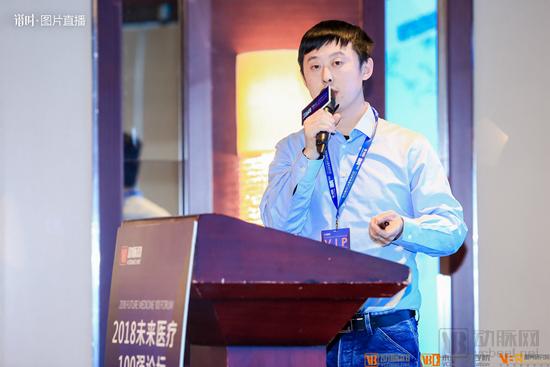
Fang Riguo, R&D Director at Boya Gene
Chen Gang: The Secrets in Saliva, the Future of Genetic Data
Over the past decade, two primary approaches have emerged for the successful application of data accumulated in genetic and genomic research: one is the widespread use of guidelines in oncology, and the other is direct-to-consumer genetic testing. Currently, efforts are underway to leverage genomics to delay the onset of chronic diseases such as hypertension, coronary heart disease, hyperlipidemia, and Alzheimer’s disease.
However, Mr. Chen Gang pointed out that the impact of domestic artificial intelligence technology on genomic data has yet to be fully demonstrated.
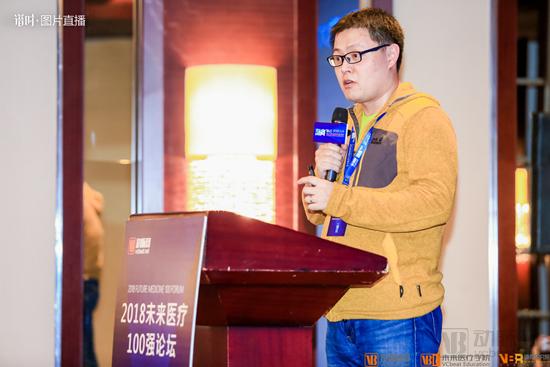
WeGene CEO Chen Gang
Lu Zhihao: Current Status and Existing Problems of Immunotherapy for Gastrointestinal Tumors
Mr. Lu Zhihao pointed out that among the clinical oncology patients he had treated, none had received immunotherapy four years ago; however, currently, 70%–80% of the cancer patients under his care are undergoing immunotherapy.
Drawing from extensive real-world clinical experience with cancer immunotherapy, Mr. Lu Zhihao has summarized four key questions in the current clinical management of gastrointestinal tumors that require early clarification: First, which patients are likely to benefit from cancer immunotherapy? Second, which patients are at risk of experiencing hyperprogression during cancer immunotherapy? Third, how should combination therapy regimens be selected? Fourth, are there new therapeutic targets suitable for specific patients? “The fourth and third points are closely intertwined and inseparable.”
Mr. Lu Zhihao pointed out that selecting the appropriate patient population for combination therapy requires a robust translational medicine platform. Future research must focus on both patients and translational medicine. Therefore, advancing new therapies demands not only clinicians but also scientists and pharmacologists, necessitating well-coordinated, multidisciplinary collaboration.
“All medical innovations, Mr. Lu Zhihao believes, stem from clinical patients and clinical questions. Only by starting with patients and clinical needs can we truly develop meaningful new drugs or new therapeutic models that benefit patients. ‘Of course, this process cannot succeed without the support of many pharmaceutical companies’ medical affairs professionals who focus on medical development. One person alone cannot do excellent work, nor can a single team; only a platform composed of many teams can achieve excellence.’”
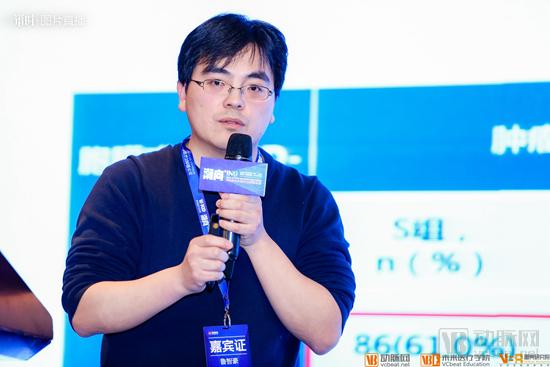
Lu Zhihao, Associate Chief Physician, Department of Internal Medicine, Beijing Cancer Hospital