

Nature Unveils '10 People Who Mattered in 2018' Amid Global Scientific Milestones and Controversies
Editor’s Note: This article is reprinted from Bioon, with authorization granted to VCBeat.
Today, Nature released its list of “Nature’s 10: Ten People Who Mattered in Science in 2018.” All ten individuals featured are figures who have had a significant impact on the scientific community. Among them, three scientists from the field of biomedicine were included, notably Chinese scientist He Jiankui, who sparked widespread controversy across the academic community and around the world due to the “first gene-edited babies” incident.
Rich Monastersky, editor of Nature’s Features section, commented, “From the discovery of superconducting states to the heavily criticized human gene editing, the stories of these ten figures encompass the year’s most significant scientific events.” He believes that these events compel us to grapple with the profound questions of who we are, where we come from, and where we are headed.
01 He Jiankui: The CRISPR “Madman”:
Claim of “Gene-Edited Babies” Born Sparks International Outrage
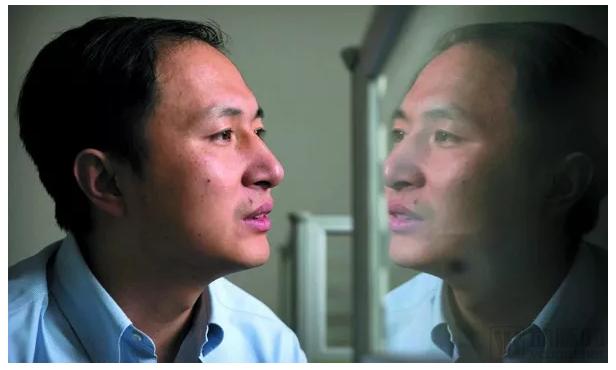
Image source: Mark Schiefelbein/AP/REX/Shutterstock
In late November, He Jiankui announced that the world’s first gene-edited babies had been born healthy in China.
This study, which crossed the red line of bioethics, has drawn strong criticism and condemnation from scholars and experts both in China and abroad.
He Jiankui used a gene-editing technique known as CRISPR to alter the genomes of infants, with the aim of protecting them from HIV infection. However, in reality, industry authorities consider He Jiankui’s experiment to be meaningless, unethical, and impermissible.
Following the incident, He Jiankui’s only public appearance was at the Second International Summit on Human Genome Editing held in Hong Kong. However, his “appearance” failed to address the many questions lingering in the minds of the industry and the public; on the contrary, it left them with even more unanswered questions.
How will He Jiankui be held accountable for the “first gene-edited babies”? How will this research scandal, which constitutes a serious breach of ethical norms, ultimately be resolved? And how can we prevent another “He Jiankui” from emerging? These questions are truly “headache-inducing.”
In the field of gene editing, there are many globally recognized leading experts, but He Jiankui is not one of them. His previously published papers did not contain any significant findings or breakthrough achievements related to gene editing. Nevertheless, he appears highly eager to break into the “gene editing circle.”
He traveled to the Massachusetts Institute of Technology to meet with CRISPR pioneer Feng Zhang, who warned him of the dangers of editing human embryos intended for reproduction.
Mark DeWitt, a geneticist at the University of California, Berkeley, stated that he had issued the same warning to He Jiankui. Furthermore, Jennifer Doudna, another CRISPR pioneer at the university, initially declined He Jiankui’s visit because she believed he was not engaged in any work related to the technology at the time. She now suspects that He Jiankui’s practice of “visiting” prominent figures in the field was intended to retroactively demonstrate that he had received widespread support.
02 Viviane Slon:
Human Historian
Viviane Slon, a paleogeneticist at the Max Planck Institute for Evolutionary Anthropology in Germany, made the serendipitous discovery of an extraordinary ancient hybrid specimen: her father was a Neanderthal, and her mother was a Denisovan. They lived approximately 90,000 years ago and both belonged to long-extinct human lineages.
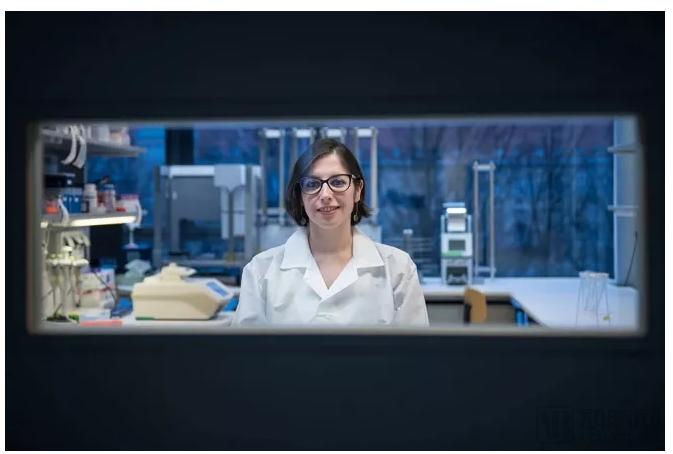
Image credit: Stefanie Loos for Nature
Three years ago, when Viviane Slon and her colleagues conducted DNA testing on an ancient bone fragment, she discovered that the remains belonged to a hybrid offspring of two extinct populations. At the time, she thought she had made a mistake.
“My initial thought was that this couldn’t possibly have happened,” recalls Viviane Slon. However, subsequent studies failed to identify any errors. DNA analysis indeed confirmed that the individual was a female whose mother was a Neanderthal and whose father was a Denisovan, a group once widespread across Asia.
This August, Viviane Slon’s team published these research findings, sparking a strong reaction in the field and drawing attention from hundreds of news reports and thousands of tweets. One geneticist commented, “Among the many humans whose genomes have been sequenced, she is perhaps the most fascinating individual ever discovered.”
Viviane Slon’s research spans archaeology, anthropology, pathology, and anatomy. “I tend to combine genetics with other scientific methods to study prehistoric civilizations,” says Viviane Slon. “Because written records are scarce, we use modern technologies to infer information left behind by ancient peoples. It is a process of solving puzzles.”
She hopes to gain diverse and unique insights from the study of ancient genomes, such as familial relationships among various archaic humans and the impact of living environments on health. She also aims to study archaic humans who lived outside Eurasia. “There is still a whole world waiting for us to explore,” said Viviane Slon.
03 Barbara Rae-Venter:
DNA Detective Identifies Serial Killer: The Genealogist Leading DNA-Based Case Solving
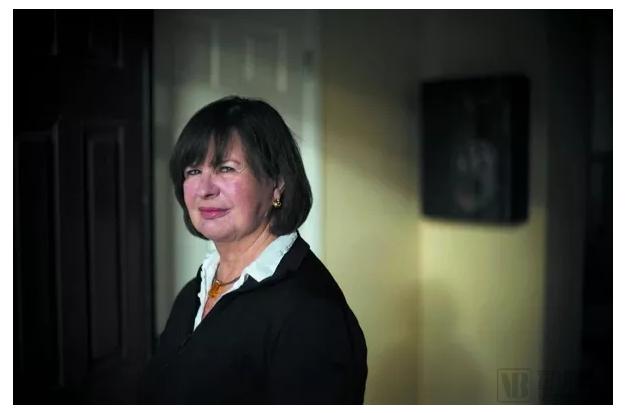
Image credit: Brian L. Frank/NYT/Redux/eyevine
In February 2017, Barbara Rae-Venter, a retired patent attorney from Northern California, received a call from an investigator requesting her assistance in solving a criminal case. Unaware of the magnitude of the task, Rae-Venter readily agreed, not realizing she was about to play a pivotal role in capturing one of the most notorious serial killers and rapists in U.S. history. This year, Rae-Venter’s work not only led to the arrest of the perpetrator but also demonstrated a powerful new “weapon” for identifying criminals: genetic genealogy.
Rae-Venter initially studied genetic genealogy to trace her own ancestry. She later began using these tools to assist others, such as individuals who had been adopted as children. This also caught the attention of Paul Holes, an investigator with the Contra Costa County District Attorney’s Office in California.
At the time, Holes was hunting a man who had terrorized California in the 1970s and 1980s. Linked to 12 murders, 45 rapes, and 120 burglaries, this elusive criminal was known as the “East Area Rapist,” the Night Stalker, and the “Golden State Killer.” Holes believed that if Rae-Venter could piece together the perpetrator’s genealogical history, it might help him uncover the killer’s true name.
Thus, Rae-Venter uploaded a DNA profile from the crime scene to GEDmatch, a public database shared by genealogists. Her efforts paid off when she quickly identified third- or fourth-degree cousins of the perpetrator. With assistance from the Federal Bureau of Investigation (FBI) and local law enforcement officials, she used triangulation to pinpoint their common ancestors and subsequently constructed the perpetrator’s family tree. Ultimately, she narrowed her focus to Joseph DeAngelo, a former police officer residing in Sacramento. Further DNA testing confirmed the accuracy of this match.
Many in the field of genetic genealogy have long known that this method can help solve crimes, but debates over whether it constitutes an invasion of privacy have never ceased. However, extensive media coverage of the arrest of Joseph James DeAngelo, the “Golden State Killer,” changed this landscape: the genetic genealogy community largely endorsed this use of data, at least for identifying violent offenders. To date, Rae-Venter has provided technical support in genetic genealogy for more than 70 cases.
04 Cao Yuan:
# The 22-Year-Old Graphene Master
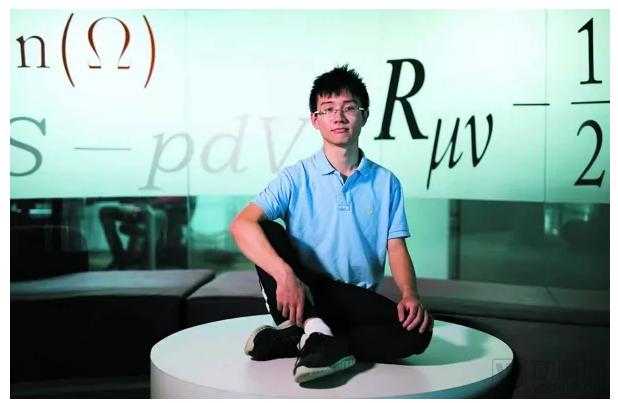
Image credit: Corinna Kern for Nature
Physicist Cao Yuan assisted in discovering a method to achieve zero-resistance conductivity in graphene, a breakthrough that has opened up an entirely new field of research in physics and holds the promise of ultimately improving energy utilization and transmission efficiency.
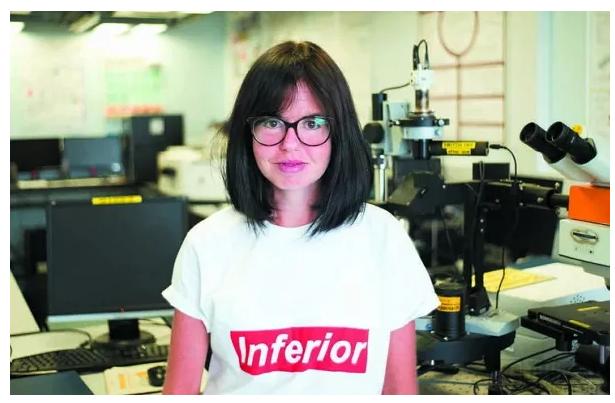
Image credit: Graeme Robertson/Guardian/eyevine
Physicist Jess Wade has made tremendous efforts to elevate the status of women and people of color in the scientific community, including creating hundreds of Wikipedia entries for female scientists.
06 Valérie Masson-Delmotte:
Earth Monitor
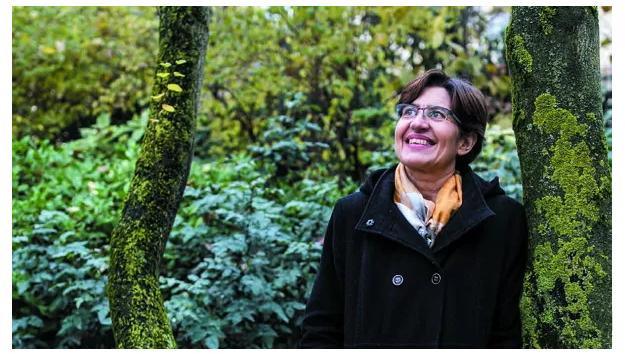
Image credit: Laurence Geai for Nature
Climatologist Valérie Masson-Delmotte was a key figure in driving the Intergovernmental Panel on Climate Change to release its landmark report, which warned that only about a decade remains before global temperatures reach levels capable of transforming ecosystems and devastating vast coral reef systems.
07 Anthony Brown:
Star Chart Mapper
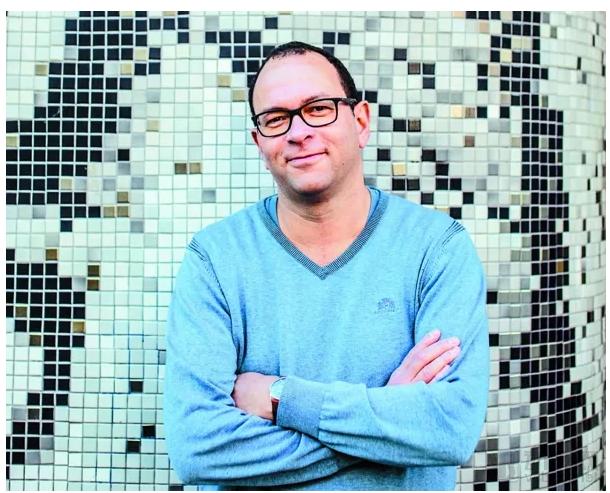
Image credit: Timothy Archibald for Nature
Led by astronomer Anthony Brown, his team has released the Gaia probe’s large-scale tracking data on more than one billion stars—a treasure trove of information that is rapidly transforming humanity’s understanding of the Milky Way’s evolutionary processes.
08 BEE YIN YEO:
Liwei Environment
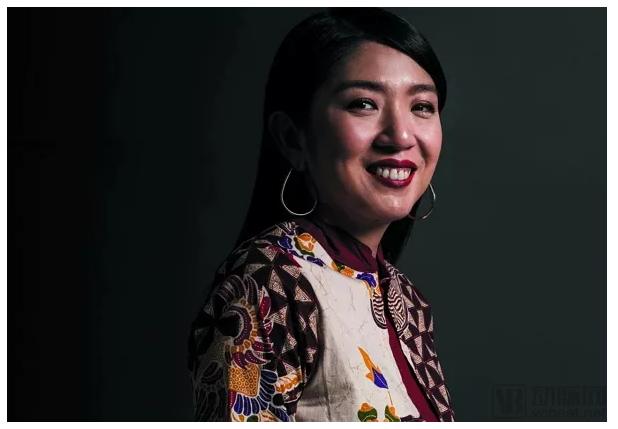
Image source: Vincent Paul Yong
On May 9, 2018, Yeo Bee Yin was appointed as Malaysia’s new Minister of Energy, Science, Technology, Environment and Climate Change. She has been a vocal opponent of plastic pollution, spearheading environmental initiatives aimed at reducing the use of single-use plastics.
09 ROBERT-JAN SMITS:
Leader in Open Access to Research Papers
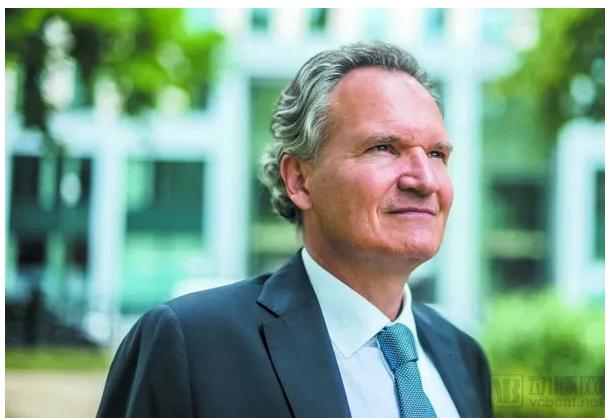
Image credit: Artur Eranosian/European Commission
Robert-Jan Smits launched a campaign to reform scientific publishing—“Plan S,” with the “S” standing for Science, Speed, Solutions, and Shock. He aims to promote free open access to scientific papers through this initiative.
10 MAKOTO YOSHIKAWA:
Asteroid Hunter
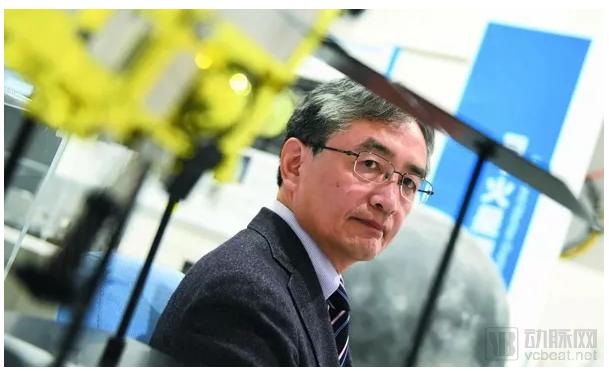
Image credit: Noriko Hayashi for Nature
Japanese astronomer Makoto Yoshikawa led the Hayabusa2 mission, which visited an asteroid and collected samples.