

The Future Development of Specialty Hospitals in Dentistry, Pediatrics, and Traditional Chinese Medicine: Insights from VB100
The “Top 100 Future Healthcare Companies of 2018” Forum, themed “Trend ING,” was held on August 18–19, 2018, at the Renaissance Beijing Chaoyang Hotel in Chaoyang District, Beijing.
On December 19, at the sub-forum on “Innovative Development of Specialty Chain Clinics,” the following guests were invited to participate: Martin, President of Penguin Almond Group; Sun Xuding, Executive Dean and Dean of the Internet Hospital at Beijing Jingdu Children’s Hospital; Sun Yan, CEO of Happy Dental; Dang Jingdong, Founder of Hupu Medical; Xue Xipeng, Founder of Qinglai Health; Cui Guangli, Founder of Oriental Speech; Yang Yi, Founder and CEO of Anken Medical; and Yan Honghui, Founder of Bohou Medical. Together, they explored what transpired in the landscape of new-type clinics in 2018, identified thorny issues requiring resolution, and discussed future trends for specialty clinics.
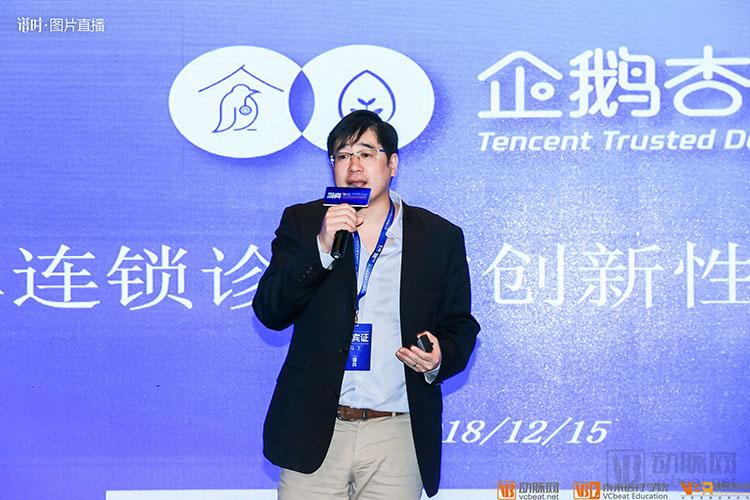
Martin, President of Penguin Almond Group
In the context of healthcare service innovation, what exactly constitutes “healthcare services”? This depends on who is ultimately providing the services.
In this industry, the three primary roles—government, physicians, and platforms—are integrated into a single entity known as public hospitals. Outside of this system, however, these three roles are distinct: government policies serve as the driving force, physicians provide clinical services, and clinics and hospitals function more as platforms. These three roles collaborate and complement each other, forming a natural ecosystem that can better serve patients when combined. Nevertheless, few institutions in China have adopted this approach.
What is the core philosophy of healthcare services? It lies in clinical care and service delivery. The medical profession is akin to carpentry; missing even a single component prevents one from performing their duties effectively. By integrating all the essential “tools” required by physicians—from online medical services to offline equipment—we have established a comprehensive professional platform for doctors in China. This platform not only assists physicians with prescribing medications but also addresses broader challenges within their professional environment.
Currently, private clinics allow patients to book consultation rooms via a platform, where surgical procedures and medication requirements are also visible. Patients can undergo examinations on Monday and proceed to the operating room with their physician on Wednesday for surgery; after the procedure, the physician can return home directly. This model aims to integrate the industry by optimizing every step of the process.
Why Invest Capital and Effort in Implementing a Comprehensive Healthcare System?
Within non-public hospitals, China’s greatest opportunity lies in the transformation of the public healthcare system. In the future, as a market-oriented medical system emerges in China, the role of physicians will be fully liberalized, with multi-site practice and freelance work becoming the mainstream career models. In this broader context, physicians will have development opportunities not only within the public system but also through multi-site practice outside the system.
In 2008, Jiangsu Province decided to transform its public healthcare system into a universal healthcare system, under which medical services would be provided free of charge to the general public, while the government would determine the patient care pathways. The government focused on infrastructure development, prioritizing hardware facilities before reforming patient care processes. Recognizing the shortcomings of market-oriented healthcare, the government encouraged physicians to engage in multi-site practice under this broader trend.
This model must be underpinned by grassroots-level data, integrating all cost-effective collaborative healthcare initiatives, with the ultimate aim of improving China’s healthcare system.
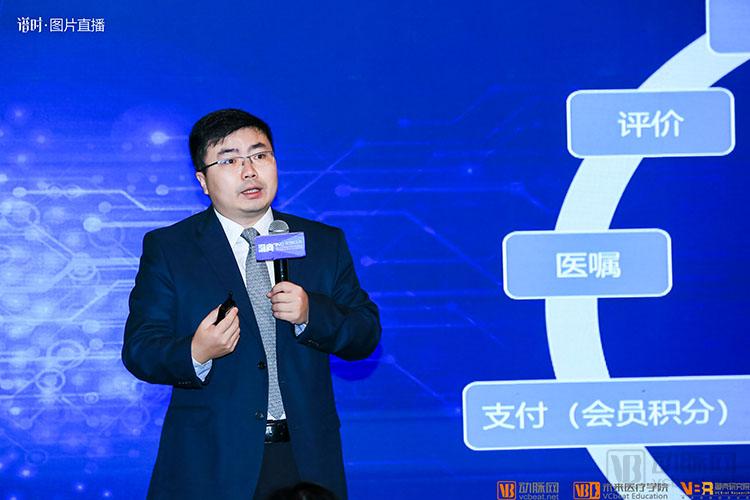
Sun Yan, CEO of Happy Dentistry
The oral care industry is highly marketized, with dentists being the most peripheral group in the entire medical sector and the first to engage with the market.
Doctors leverage the trust accumulated over their lifetimes. In the past, this trust was vested in tertiary hospitals; today, we need to help patients grow healthily and build trust. Ultimately, the total contribution made by doctors will exceed the total trust placed in them by patients, which in turn will surpass the total profits of enterprises.
The paramount value of the healthcare industry lies in maximizing the essence of patient health. However, in recent years, the entire healthcare sector has become a hotbed for capital investment, creating a contradiction between the aim to maximize patients’ overall health experience and the desire to achieve rapid profit maximization.
Is there a possibility of symbiosis?
Accumulating medical expertise and establishing a fully streamlined backend process for medical care. The dental industry rode the first major wave, reaping the dividends of systemic reform as the first cohort of doctors transitioned from the public to the private sector. However, it also faces significant challenges. Dentistry is the segment of the healthcare industry most rapidly embracing the internet and artificial intelligence. Consequently, dentists may be among the first medical professionals across all healthcare sectors to be replaced by AI.
The healthcare industry comprises three key modules:
I.Philosophy: From surviving in the industry to contributing value to it, what lies ahead.
II.Medical Skills: General practice is the foundation, while specialty care is the basis for survival; only with general practice can trust be established with patients and a general practice system be built.
III.Management Process: Digitize examination data, backendize treatment protocols, and establish a digital outpatient solution system.
In the next phase, perhaps within three years, the dental profession will undergo a profound transformation. Frontline dentists, augmented by backend AI, will assume 70% of the tasks currently performed by the remaining 70% of dentists. In another decade, 5% of dentists, supported by backend systems, will handle 90% of the current workload. Dentists will increasingly focus on the data collection phase, while AI will assist in most other stages.

Sun Xuding, Executive President of Beijing Jingdu Children's Hospital and President of its Internet Hospital
In 2014, “Internet + Healthcare” began its initial exploratory trials; this pilot phase entered a period of rapid development in 2016, and by 2018, “Internet + Healthcare” reached a turning point.
How to Achieve Online-Offline Integration in “Internet + Healthcare”? It is correct to develop internet-based services by leveraging offline physical entities; rapid development can only be achieved through the model of “Hospitals + Internet.”
I.System: The institutional framework is critically important; only with a robust system can hospitals achieve rapid development.
II.Process: Establish a comprehensive offline workflow with a mature operational model to create an integrated online-offline system.
III.Management: Refined management and a comprehensive medical quality management system.
IV.Operations: Leveraging the hospital’s clinical management system to rapidly establish an internet healthcare management framework, and enhancing online process management through offline service models.
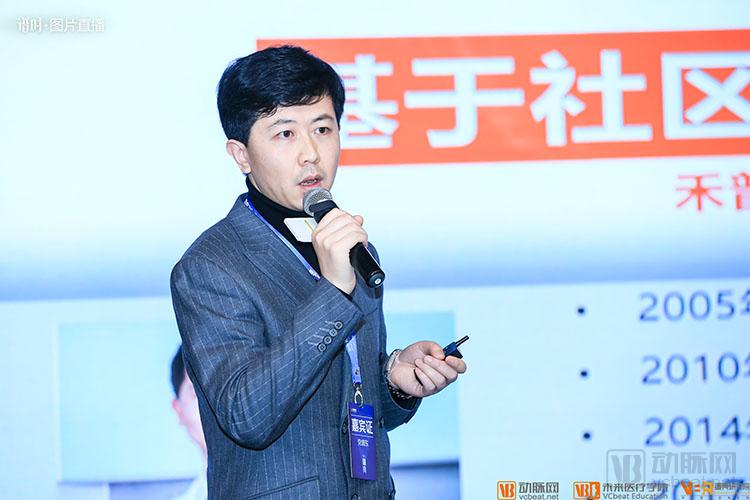
Dang Jingdong, Founder of HePu Medical
The pain management market is vast, as everyone experiences pain conditions to varying degrees. However, current tertiary hospitals lack dedicated departments for this specialty, necessitating a multidisciplinary comprehensive treatment approach.
Community outpatient clinics are unable to manage neuropathic pain, whereas the true focus of future neuropathic pain treatment will be cancer pain, which represents the largest segment in the future.
At a tertiary hospital, a pregnant woman, fearing labor pain, requested epidural analgesia, but her family refused due to a lack of understanding about pain management. The woman ultimately jumped from the building, an incident that drew the attention of the National Health Commission. As labor pain relief is not covered by insurance reimbursement, the underlying issues faced by the general public remain unresolved.
For some affluent individuals, long wait times and inadequate service at tertiary hospitals have made seeking care for pain a challenge. In China, 90% of doctor-patient disputes stem from communication breakdowns, highlighting a widespread lack of refined management and patient-centered services in many hospitals. Therefore, there is an urgent need to enhance refined management and improve service quality.
The development of primary care pain medicine requires the joint efforts of industry colleagues, with the hope of contributing to and accelerating the growth of integrated pain hospitals.
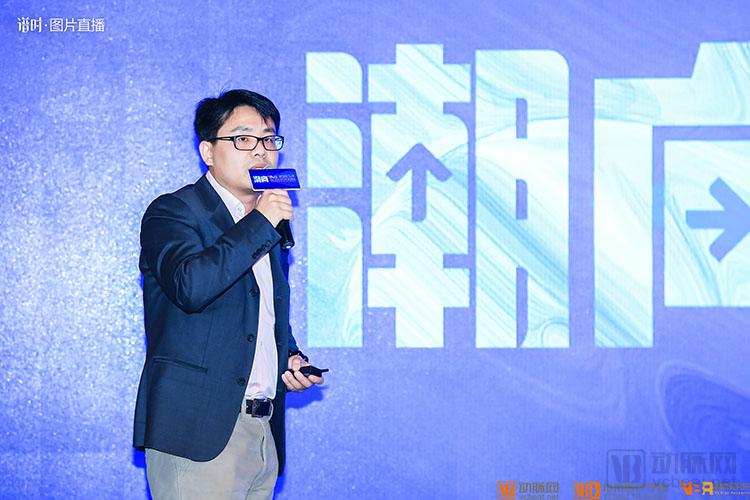
Xue Xipeng, Founder of Qinglai Health
In the past four to five years, there has been significant improvement in the diagnosis and treatment services of Traditional Chinese Medicine (TCM). The regulatory framework for TCM outpatient clinics has shifted from an approval-based system to a record-filing system, which greatly enhances the likelihood of these facilities obtaining medical practice qualifications and gaining access to medical insurance reimbursement.
Why Has Traditional Chinese Medicine Experienced Explosive Growth in Recent Years?
A century ago, China primarily dealt with exogenous diseases, where Western medicine held significant advantages in rehabilitation. However, over the past two decades, improvements in the overall economic environment and changes in dietary patterns have led to a rise in chronic diseases, allowing Traditional Chinese Medicine (TCM) to demonstrate its unique strengths. In elderly care and health wellness, TCM emphasizes preventing disease before it occurs, rather than merely treating existing conditions to prevent future complications.
Traditional Chinese medicine represents a substantial market valued at approximately RMB 180 billion, yet there remains significant room for improvement in its actual delivery of medical services.

Cui Guangli, Founder of DFY
Chinese universities do not have dedicated departments or faculties for speech-language pathology, a discipline that is well-established in many countries such as Vietnam and India. Currently, China faces a significant shortage of clinical training programs in this field. As the country is only just beginning to develop this area, it represents a vast opportunity for future growth.
Compared with the comprehensive and systematic speech-language pathology curricula abroad, we will be unable to replace them within the next five years. The large number of individuals with autism in China is a matter worthy of reflection. In the future development of chained autism service centers, if STA courses and professional expertise are not integrated, the entry barriers will remain very low, ultimately reducing these centers to mere schools.
China aims to establish standards at the earliest opportunity, not only by developing relevant specialized curricula in universities but also by establishing clinical bases for stratified treatment.

Yang Yi, Founder and CEO of Anken Medical
In the field of psychiatry, psychosocial well-being lags significantly behind; we need a new approach that shifts focus away from symptoms and toward the person as a whole.
How to Find Top Medical Talent? How to Meet the Demands of Rapid Expansion? The Key Lies in Building a Strong Culture and Adopting a Partner Model.
Cultural development aims to unify the team, align communication, and achieve resonance, thereby minimizing information attenuation across all levels—from individual employees to the management organization—whether flowing bottom-up or top-down.
Three Aspects of Cultural Development:Mission、Vision、Core ValuesMission is your original intention, the starting point for the founding team to undertake this endeavor; vision is the goal to be achieved after years of effort; values are the standards that guide your behavior. How can values be implemented? Through systems and performance evaluations. Without systems and evaluations, cultural development is rootless and holds little significance.
How to Implement Corporate Culture?
First,There must be institutional safeguards.: Enable everyone to perceive that adherence to policies and procedures yields positive outcomes through their actions. It is through behavioral changes leading to favorable results that sound thinking can be cultivated; only with such a shift in mindset can shared values be established and widely embraced.
Second,Let Actions Speak: Don’t make empty promises; speak to what you have actually done. This is a critical factor in putting values into practice.
Third,Formal Atmosphere: Emphasizing form and atmosphere is crucial for the presentation of values.
Once a culture becomes deeply ingrained, it may empower an organization to scale from a few thousand to tens of thousands of employees, and from dozens to hundreds of entities. However, during rapid expansion, fundamental management issues often emerge. What, then, is the essence of management?
The essence of management is achieving desired results through others. How can one achieve such results through others? Whether through training or establishing systems, the ability to consistently attain desired outcomes through a team of ten or even a hundred people without distortion is a remarkable feat.
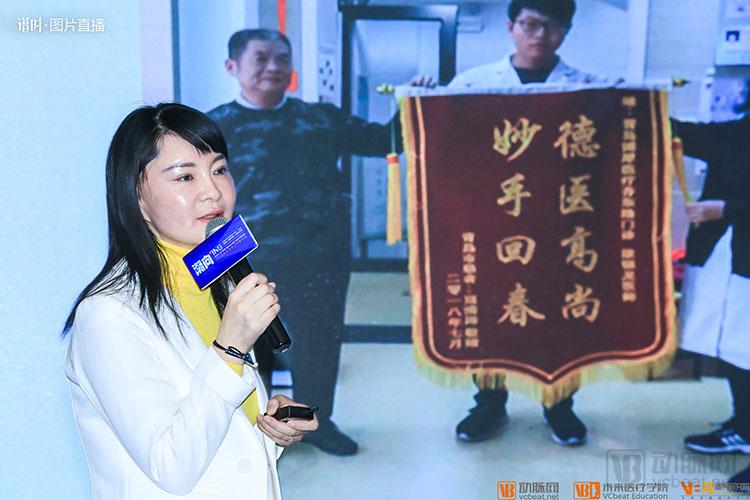
Yan Honghui, Founder of Bohou Medical
As is well known, our country has entered an aging society. People are eager to access convenient, effective, safe, and pleasant medical services right at their doorstep. But how can this be achieved? How can it be done well? We must continue to maintain rapid expansion while also monitoring whether operational management capabilities are declining.
Community healthcare is fundamentally a neighborhood-based business. Only by delivering compassionate, family-like care can it attract more patients and generate greater value; therefore, all efforts should be centered on enhancing service quality. In grassroots community healthcare, sustainable and robust revenue growth is achievable only when compassionate care fosters genuine patient trust.
Only with profound compassion can healthcare professionals deliver high-quality medical services and earn patients’ recognition. In terms of marketing logic, we adhere to the following principles: fostering neighborly kinship, building trust, encouraging repeat family visits, and promoting word-of-mouth sharing. By earning patients’ trust through consistent, attentive care, they will willingly advocate on your behalf. This truly reflects the essence of grassroots healthcare.
Transitioning from single-store profitability to a chain model requires establishing replicability. The prerequisite for replication is standardization, supported by back-end operational management systems; without this, rapid expansion is unfeasible. Amidst rapid growth, it is essential to strike a balance between optimal service and operational efficiency.
We have always believed that corporate values are the greatest cornerstone of a company's development.