

How Will the '4+7' Volume-Based Procurement Impact Innovative Drugs? The Road Ahead After Drug Launch – VB100 Insights
The development of innovative oncology drugs has arguably entered a period of explosive growth. In terms of investment, the healthcare sector saw the highest financing volume and the fastest growth rate in the first three quarters of 2018 (Q1–Q3), reaching RMB 44.7 billion. In the realm of innovative drug development, new innovative and biopharmaceutical products have been continuously launched and included in the National Essential Medicines List. However, as China advances toward becoming a global hub for innovative drug R&D, significant uncertainties remain from the research and development stage through to clinical trials. Key challenges include transitioning from “me-too” drugs to “first-in-class” innovations in R&D, minimizing failure risks and shortening time-to-market in the regulatory approval process, and addressing the severe challenges associated with commercialization beyond R&D. At the “2018 Top 100 Future Healthcare Companies” event hosted by VCBeat”At the conference, VCBeat and Liangyi Hui jointly hosted the Forum on Innovative Oncology Drugs, inviting leading domestic investment firms and innovative pharmaceutical companies to discuss the development of innovative drugs.
Guests of this sub-forum include:
Cai Daqing, Managing Partner at Sherpa Capital and Rotating Chairman of the H50 Council
Hong Tan / Managing Director, Legend Capital
Zhangjiang/Ping An Ventures Managing Director
Liu Qian / Vice President, AstraZeneca Greater China
Liang Zhanchao / Founding Partner, Mifang Capital
Tang Aimin / Partner at Panlin Capital
Yang Kun / Partner, DT Capital Partners
Zhao Bei / Fund Manager, ICBC Credit Suisse Asset Management
Yang Dajun, Chairman and CEO of Ascentage Pharma
Wang Yu/Xiang Yan (Shanghai) Business Information Consulting Partner
Mao Li, Senior Vice President and Chief Medical Officer at Betta Pharmaceuticals
Zhou Sixiang / Head of Business Development, Greater China, Harbour BioMed
Liu Jing / Associate Medical Director, Nuosi Pharmaceutical
Chen Jie / Head of Medical Affairs, Greater China, Takeda Pharmaceutical
Liang Yi / President, Greater China Region, Zai Lab
Wan Jiang, Director and Senior Vice President of Beta Pharma
Yanping Mu / General Manager, MSD Oncology Business Unit
Wang Jue / Founder of Liangyi Hui Oncology Insights
VCBeat has compiled the following insightful perspectives:
The “4+7” volume-based procurement program has arguably shaken up the entire pharmaceutical market, causing a sharp decline in market capitalization and reshaping the valuation logic for pharmaceutical companies. However, guests at the event stated that, in the long run, “4+7”The policy should be positive news for innovative drugs.
Why is this considered positive? First, from a market perspective, the “4+7” volume-based procurement policy has squeezed the survival space for generic drugs. By compressing the reimbursement coverage for generics and adjuvant therapies within the national medical insurance system, it has created opportunities for innovative drugs to capture market share. Figuratively speaking,This is the “patent cliff” that should have come with the one-size-fits-all policy.In fact, the “4+7” policy signifies an increasingly stringent trend in healthcare cost containment under the national medical insurance system. Volume-based procurement is merely the beginning. Discussing the implications of the “4+7” policy for innovative drugs sheds light on the development trajectory of innovative pharmaceuticals amid this cost-containment trend.
Hong Tan, Managing Director at Legend Capital, stated, “China has a pharmaceutical market of nearly RMB 1 trillion, including the portion covered by medical insurance. In the future, I believe that prices for many adjuvant drugs and generic drugs will decline, and China’s drug registration regulations are gradually aligning with international standards,”The adjustment of medication structure in the current pharmaceutical stock market, which is nearly worth a trillion yuan, can bring significant opportunities for innovative drugs.。”
This has reshaped the market environment in China’s pharmaceutical sector, where generic drug prices had remained persistently high for many years. Mr. Liang Yi, President of Greater China at Zai Lab, remarked, “It was quite interesting when I worked at multinational companies such as Roche and AstraZeneca. Foreign colleagues kept asking me why China did not experience a ‘patent cliff,’ which they found puzzling. Now, they finally understand. Since the implementation of the ‘4+7’ volume-based procurement policy, China’s market has become more akin to that of the United States.”
Beyond its impact on the market, volume-based procurement will also trigger further “butterfly effects,” affecting innovative oncology drugs. Regarding the urgent capital needs of innovative drugs, Tang Aimin, a partner at Panlin Capital, stated,4+7 Signals the Pharmaceutical Market’s Return to ValueOr it could be a significant compression. As this transmits to the secondary market, pharmaceutical stocks plunge and generally trend downward. This impact will inevitably spill over into the primary market. There may be room for valuations of innovative drug companies to decline.”
In the short term, the “4+7” policy has sent shockwaves through the pharmaceutical market and served as a sobering reality check for innovative drug companies that currently rely primarily on me-too drugs. However, in the long run, the “4+7” volume-based procurement program is designed to encourage new drug innovation. The key challenge for oncology R&D enterprises lies in how to survive this transitional period.
Liang Zhanchao, Founding Partner of Mifang Capital, pointed out thatOn one hand, startups face valuation and financing pressures when market expectations fall short. On the other hand, companies that have secured funding at high valuations must address challenges such as meeting performance targets and maintaining cash flow.?
From 2015 to 2018, as the scale of private equity funds expanded, China’s primary market saw the establishment of 3,500 RMB-denominated funds in 2017 alone—five times the number in 2014. The total amount raised reached RMB 1.67 trillion, 4.5 times that of 2014, leading to a certain degree of bubble in the innovative drug sector amid heightened attention. Moving forward, the investment market is expected to become more rational; however, there is no need for pessimism. In the long run, the trajectory for innovative drugs is undoubtedly upward.
Zhang Jiang, General Manager of Ping An Innovation Investment Fund, which has invested this year in overseas companies Tmunity and NextCure, founded by Professor Lieping Chen, offered a piece of advice to innovative drug developers: “Innovative pharmaceutical companies should befriend time and remain focused.”
“Of course, this is not an empty promise of comfort. ‘From the perspective of healthcare cost containment or structural optimization (“vacating the cage to change the bird”), his original intention was certainly not to stifle innovation but rather to encourage it. In the future, after the launch of the “4+7” volume-based procurement program, the primary impact will be on the pharmaceutical distribution sector. In the short term, only drugs with China-specific rights will be affected. However, in the long run, this will benefit innovation.’”
Dr. Mao Li, Senior Vice President and Chief Medical Officer of Betta Pharmaceuticals, believes that optimism should be maintained under the current challenging circumstances: “The original intent of the policy is to squeeze out bubbles in the distribution sector and control healthcare insurance expenditures. As for ‘Me-too’ drugs, I personally believe they will definitely remain a main theme over the next three to five years. China’s R&D capabilities have not yet reached the level required for developing truly original targets. The R&D budget of any single large multinational pharmaceutical company exceeds the combined R&D spending of all pharmaceutical companies in China, so progress in this area will take time.””
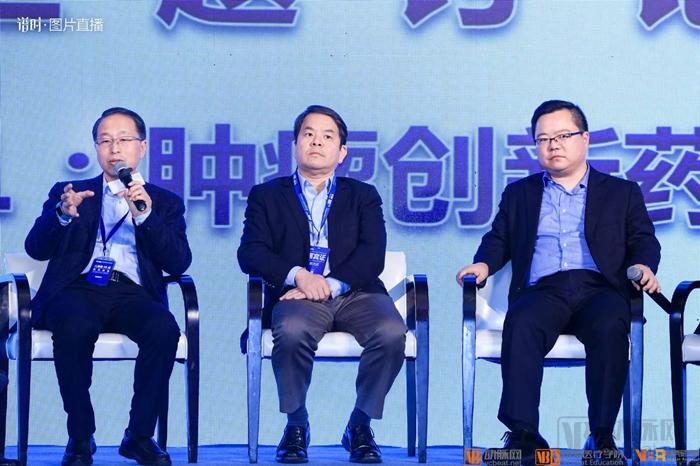
Future Healthcare Top 100 Oncology Innovative Drug Forum. From left: Tang Aimin, Cai Daqing, Zhang Jiang
The “4+7” policy has helped bring rationality back to innovative drug investment, but overall, the innovative drug sector remains a hot field.
On the supply side, a set of data reveals substantial capital inflows into the biotechnology sector, accompanied by a dense pipeline of drugs under development. In the third quarter of 2018, Chinese healthcare companies raised $2.5 billion, accounting for approximately 30% of the global total. Meanwhile, in September 2018, about 30% of the $9.8 billion raised by U.S. biotechnology firms came from China. Investors are no longer satisfied with domestic pharmaceutical companies and have begun to expand their overseas presence.
In terms of product development, innovative pharmaceutical companies are also continuously following suit. Data from Nature Cancer Reviews shows that there are 417 major targets in the pipeline of biological drugs under research, but among them, targets such as CD19 and PD-1/L1 face fierce competition, with many innovative drugs clustering around these areas. Not long ago, the first domestically produced PD-1 inhibitor was launched, and more similar products will follow, inevitably raising the question of who will bear the cost.
To resolve the issue of payment, the primary step is to address how pricing is determined. Wan Jiang, Director and Vice President of Betta Pharmaceuticals, stated that drug pricing is a highly specialized matter and a technical endeavor that must adhere to the principles of pharmacoeconomics.However, one truth remains: drug pricing should align with drug value.
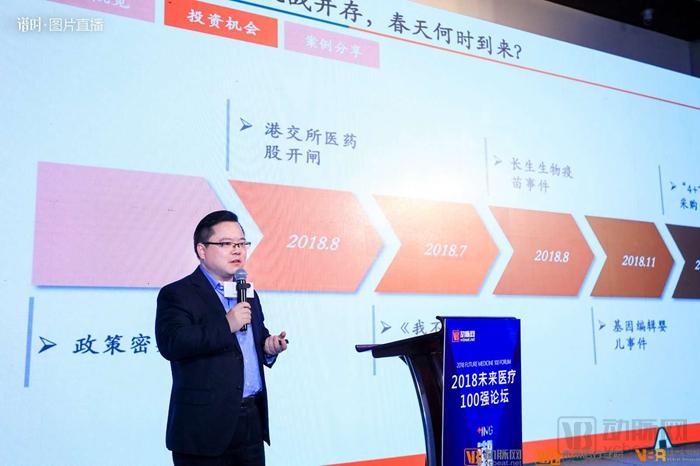
Zhang Jiang, Managing Director of Ping An Ventures
“In the United States, small innovative drug companies are eventually acquired by pharmaceutical giants, so their high valuations are well-supported. However, China has not yet reached such a stage. Therefore, whether sales volume can support the valuation puts significant pressure on these companies.“At Ping An Commercial Insurance, we were the first to provide coverage in our commercial insurance products for both Opdivo and Keytruda upon their market launch. Cost containment within the national medical insurance system is undoubtedly a major trend; the ‘4+7’ volume-based procurement program can be seen as merely the beginning. For innovative drugs to capture a larger share of the market, only genuine innovation will attract payers.” Zhang Jiang discussed the potential role of payers from the dual perspectives of investment and payment.
Regarding the question of who should pay for innovative drugs, lessons can perhaps be drawn from cases of newly approved drugs already on the market. On the day of the forum, Ms. Mou Yanping, General Manager of Merck’s Oncology Division, which successfully launched “Keytruda,” shared Merck’s healthcare financing solutions for Keytruda.
“Actually, since the launch of Keytruda in China, we have offered the lowest price globally. Our price is 54% lower than the market price in the United States and 32% lower than that in Hong Kong. We have also explored various measures to help improve patients’ affordability, including collaborating with Magnesium”Letter"Collaboration, including upfront payments. We have negotiated with insurance companies, and several have included Keytruda in their coverage, which is crucial for enhancing patients' payment capacity. Regarding medical insurance reimbursement, our product has been included in the critical illness insurance reimbursement programs in Shenzhen, Zhuhai, and Henan Province. Given the strong demand for this product across various regions, we have strived to secure inclusion in numerous critical illness insurance schemes."
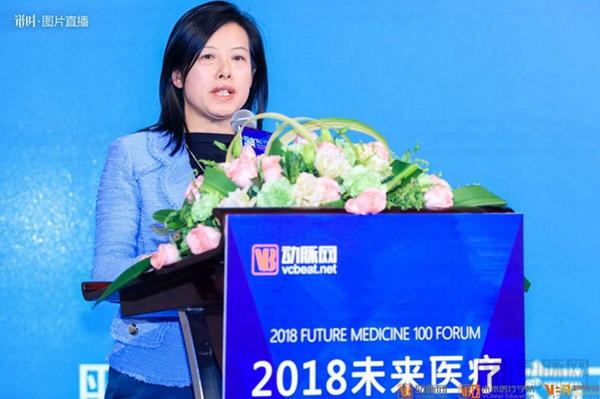
General Manager, Merck Oncology Business UnitMou Yanping
Whether from the perspective of capital, pharmaceutical companies, or regulatory authorities, the original intention behind investing in new drugs is to better expand healthcare accessibility, enabling more patients to access high-quality medications. Although innovative drugs are just one step away from market launch, they still have a long journey ahead. Beta Pharma’s products have been on the market for eight years, yet they are available in only around 500 hospitals nationwide. Therefore, the “last mile” for innovative drugs does not lie in hospitals in Beijing, Shanghai, Guangzhou, and Shenzhen, but rather in the broader clinical landscape across China.
“China is different from the United States. Evaluating whether a drug has achieved market success depends not only on sales revenue but also on whether it changes physicians’ prescribing behavior. In the U.S., clinical practice guidelines standardize physicians’ behavior, whereas in China, standardizing physicians’ medication practices remains a long and arduous task. The National Health and Family Planning Commission introduced tiered diagnosis and treatment precisely to ensure that the practices adopted at Peking Union Medical College Hospital are replicated nationwide,” said Liang Yi of Zai Lab.
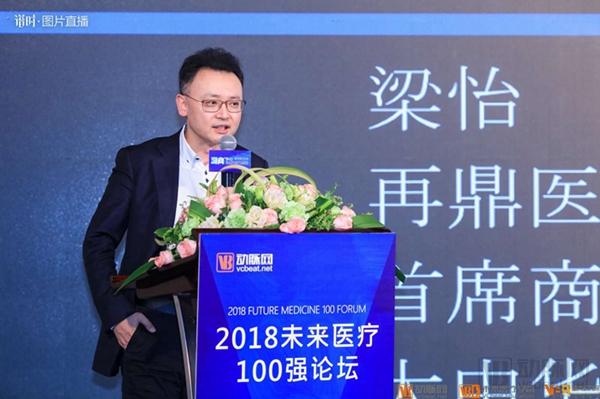
President of Zai Lab, Greater ChinaLiang Yi
To better serve patients, pharmaceutical companies’ patient-centric approach cannot succeed without engaging physicians. While patient education and physician education are intrinsically linked, they require distinct strategies. Without specialized educational programs for both physicians and patients, the risks will only increase. Many pharmaceutical companies claim to be patient-centric, but with technological advancements, this commitment is evolving into practical, comprehensive solutions.
How Can Pharmaceutical Companies Transition from Merely Providing Drugs to Delivering Services? Liang Yi, who previously worked at AstraZeneca and launched China’s first pharmaceutical financial service in collaboration with Tencent, stated that it is essential to build a patient-centric oncology ecosystem. This involves leveraging big data for prevention, utilizing AI for rapid screening, employing genetic testing and intelligent referral platforms during initial diagnosis and referral stages, providing highly accessible treatment options, and implementing comprehensive course-of-treatment management. Additionally, it is crucial to offer financial services, adverse event (AE) management, and patient care support.
However, patient-centered care demands precision supported by digital tools, rather than granting prescribing authority to patients.
Wan Jiang pointed out, “In fact, I do not agree with a purely patient-centric approach; the use of medications particularly requires physician management. If a doctor does not review data for one or two months, they will feel out of date, because oncology drugs are evolving rapidly. It is impossible for patients to decide which oncology drugs to use. If medications are prescribed in a hospital, the hospital assumes liability; however, if oncology drugs are purchased at a pharmacy and adverse reactions occur, who bears the responsibility?”
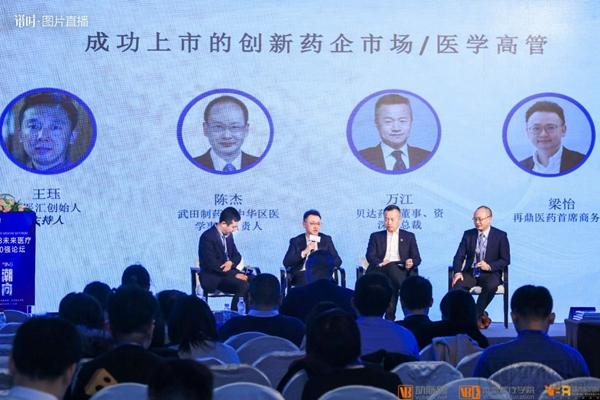
Future Healthcare Top 100 Oncology Innovative Drug Forum. From left to right: Wang Jue, Liang Yi, Wan Jiang, Chen Jie
In other words, with the continuous breakthroughs and advancements in tumor treatment technologies, there is an increasing need for specialized physicians and patient education.
“In Dying to Survive, patients communicated through QQ groups, which is a very outdated method. They need proper channels to understand their diseases,” said Wang Jue, founder of Oncology News by Liangyihui. “On the physician side, Liangyihui, in collaboration with the Young Committee of the Chinese Society of Clinical Oncology (CSCO), introduced copyrighted materials from overseas and translated 41 books covering 27 types of tumors, resulting in 620,000 words of patient education guidelines. This is currently the most comprehensive set of patient guides for different tumor types in China. We produced 1,000 copies free of charge and distributed them to hospitals across the country. Subsequently, physicians provided positive feedback, stating that the books were excellent and requesting additional copies, as they themselves needed such resources. Therefore, it is crucial to ensure that both physicians and patients have timely access to the latest data and information.”