

Comprehensive Report on the Oncology Gene Testing Industry: Covering the Full Diagnostic and Therapeutic Continuum — Treatment as a Current Necessity, Early Screening Poised for Breakthrough
On July 23, 2018, Burning Rock Biotech’s next-generation sequencing (NGS) kit for tumor testing received approval. In the following months, similar kits from Novogene, Geneseeq, and AmoyDx were also approved in succession. The National Medical Products Administration’s (NMPA) approval of tumor NGS testing kits not only signifies its endorsement of such products but also marks the gradual maturation of the cancer genetic testing industry from its nascent stage.
After nearly a decade of development, tumor genetic testing has evolved from an obscure high-tech novelty into an essential necessity for a large number of cancer patients. The testing content provided by tumor genetic testing aligns perfectly with the philosophy of precision medicine and has been integrated into every aspect of diagnosis and treatment for cancer patients.
VCBeat believes that although the tumor genetic testing industry has firmly established its foothold in the treatment phase, there is still significant room for growth in terms of patient coverage. In the future, if tumor genetic testing fully covers the entire process from prevention and early screening to treatment and recurrence monitoring, it will undoubtedly become a market worth hundreds of billions.
According to monitoring by the VCBeat knowledge base, a total of 77 companies are currently providing tumor genetic testing services based on next-generation sequencing (NGS) technology. These include companies such as Burning Rock Biotech and Geneseeq, which focus primarily on tumor genetic testing, as well as genetic testing giants like BGI Genomics and Berry Genomics.
Report Key Highlights:
1.The report categorizes and compiles statistics on 77 companies currently engaged in oncology genetic testing in China. The statistical analysis covers multiple dimensions, including financing status, product types, detection targets, and entry points into diagnostic and therapeutic stages. Furthermore, the report conducts in-depth data analysis based on these statistics to provide an objective overview of the current market landscape of the oncology genetic testing industry.
2. The current market size of the oncology genetic testing industry was estimated based on data such as product pricing, patient volume, and patient coverage rate.
3. Predictions are made regarding the potential shift in focus within the oncology genetic testing industry. It is anticipated that the industry’s center of gravity will gradually move upstream along the diagnostic and treatment pathway, particularly extending from the therapeutic end toward early screening.
Below is an excerpt from the report:
I. Overview of Malignant Tumor Incidence: Lung Cancer Leads, with Significant Gender Disparities
In 2018, the National Cancer Center of China, in collaboration with multiple institutions, published a paper titled “Cancer incidence and mortality in China, 2014” in the Chinese Journal of Cancer Research. Based on data from 339 cancer registries, covering approximately 21.07% of the national population, the study provided estimates of the overall cancer incidence and mortality in China for the year 2014.
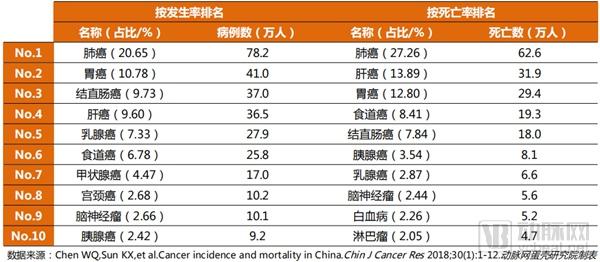
Figure 1: Top 10 Cancer Categories by Incidence and Mortality in China
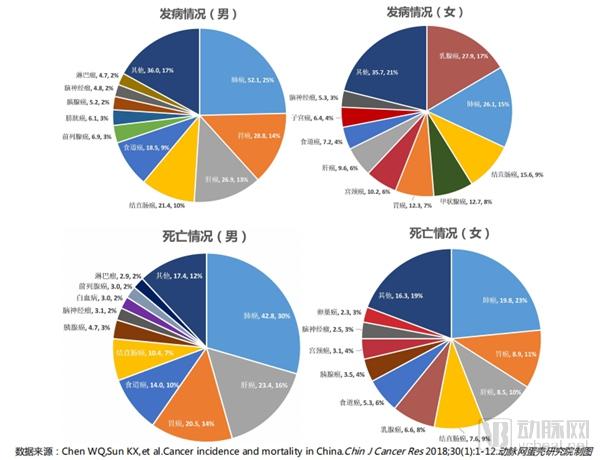
Figure 2: Cancer Incidence and Mortality by Sex in China
II. Genetic Testing vs. Traditional Testing: Each Has Its Strengths and Weaknesses, Complementing Each Other
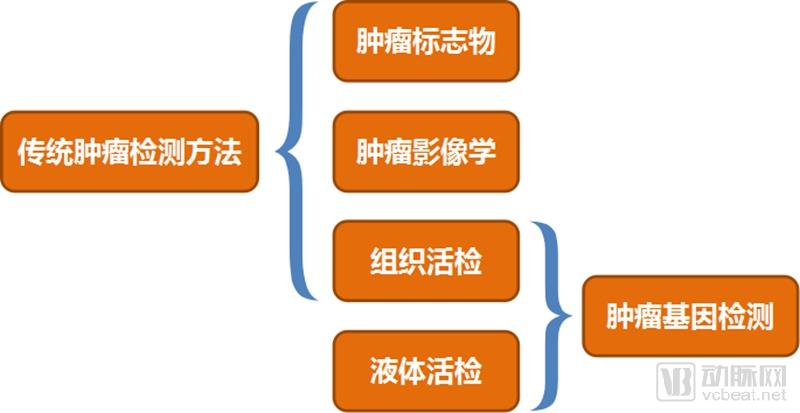
Figure 3: Application of Tumor Detection Methods
Tumor genetic testing can be integrated into every stage of tumor diagnosis and treatment. Especially during the treatment phase, it has become an essential service for some cancer patients. Compared with traditional testing methods, tumor genetic testing has demonstrated advantages in multiple aspects. First, in terms of testing targets, tumor genetic testing can directly analyze tumor tissues or detect tumor-derived components in blood through liquid biopsy. This flexibility in testing methods allows tumor genetic testing to meet the needs of most patients. Second, tumor genetic testing can directly identify mutation sites within tumors, which are the root causes of tumorigenesis. This enables a more targeted approach in tumor diagnosis and treatment, making tumor genetic testing the preferred choice for guiding the use of targeted therapies. Third, customized testing protocols can be tailored to the specific characteristics of a patient’s tumor, helping physicians recommend the optimal treatment plan.
III. Tissue Biopsy and Liquid Biopsy: Sources of Genetic Testing Data
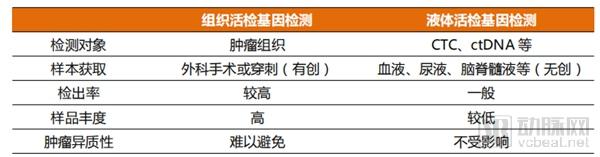
Figure 4: Comparison of Tumor Gene Detection Methods
IV. Tumor Contents: Carriers of Genetic Information in Tumors
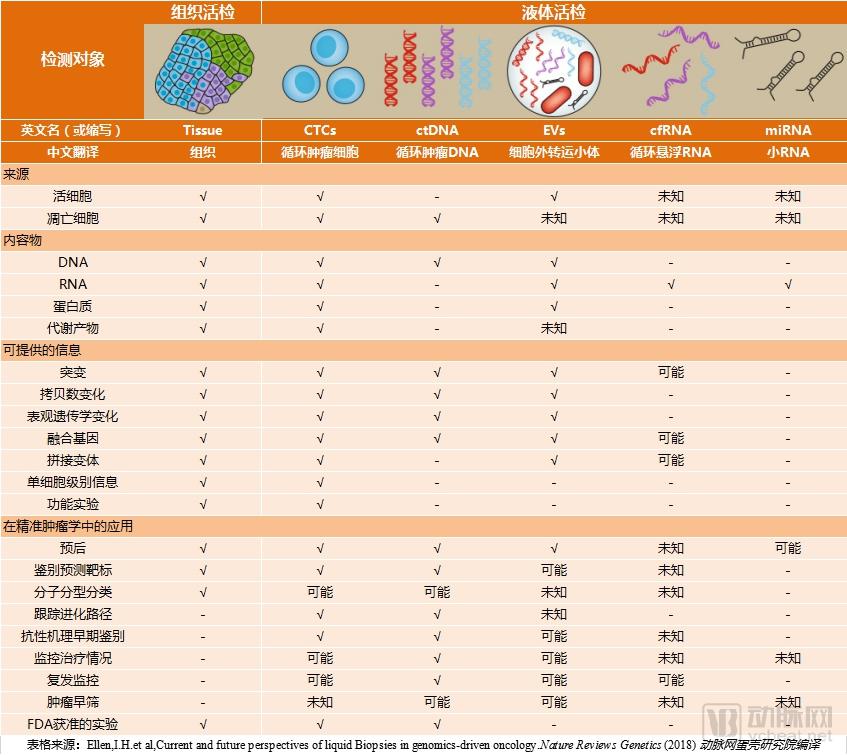
Figure5: Comparison of Targets for Tumor Genetic Testing
V. Application Scenarios of Tumor Gene Testing: Integrating into the Entire Process of Tumor Diagnosis and Treatment
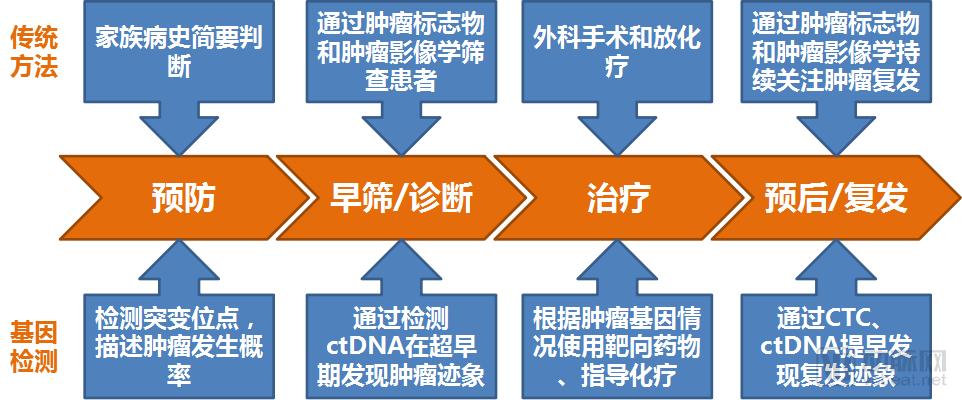
Figure 6: Comparison of Tumor Genetic Testing and Traditional Methods in Entering the Diagnosis and Treatment Phase
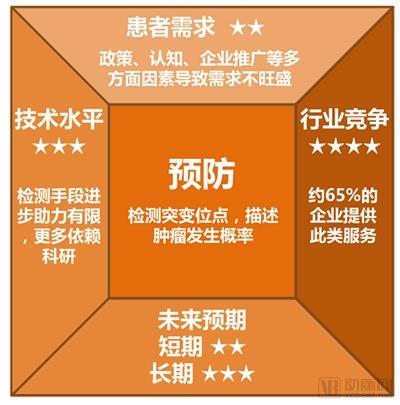
Figure 7: Tumor Susceptibility Gene Testing
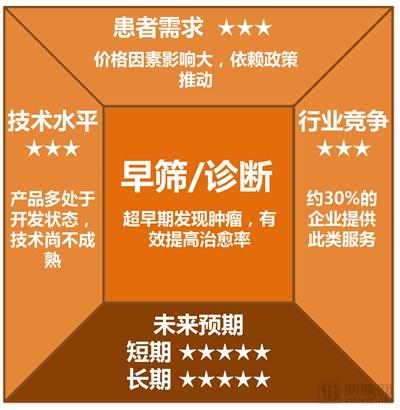
Figure 8: Early Screening and Diagnosis of Tumors
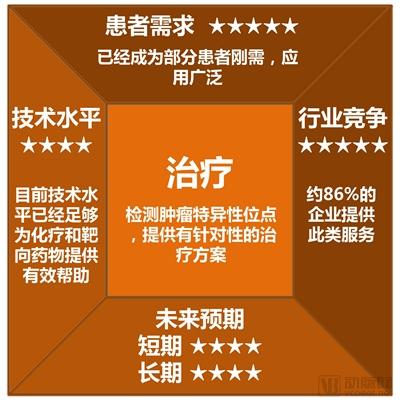
Figure 9: Genetic Testing for Personalized Tumor Medication
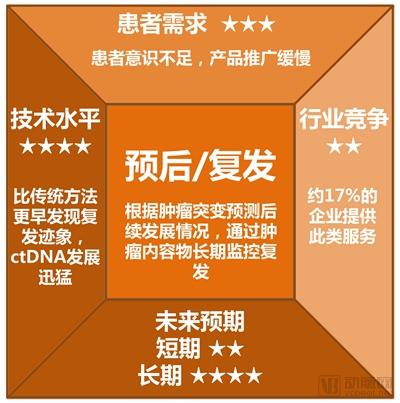
Figure 10: Tumor Recurrence Monitoring
VI. Industry Chain Structure of the Tumor Genetic Testing Sector
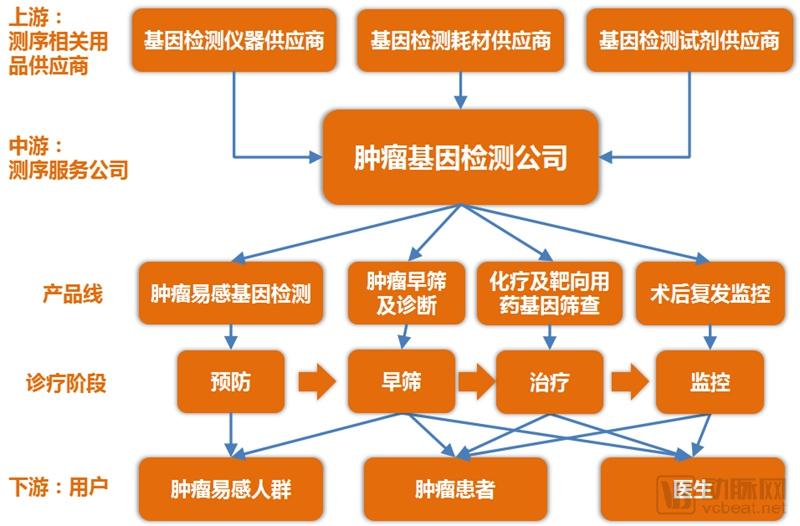
Figure 11: Industry Chain Structure of the Cancer Genetic Testing Sector
Similar to other sectors within the genetic testing industry, the upstream, midstream, and downstream relationships in the oncology genetic testing industry are clearly defined. The upstream segment consists of suppliers of genetic testing-related products, providing sequencing instruments, consumables, and reagents to midstream oncology genetic testing companies. These midstream testing companies, in turn, deliver corresponding gene sequencing services to downstream users, including individuals susceptible to cancer, cancer patients, and physicians.
Cancer sequencing service providers offer diverse sequencing solutions tailored to varying user needs, utilizing different sample types and sequencing targets. By analyzing individual genetic sequences, they provide tumor susceptibility gene testing for individuals with a family history of cancer who are at higher risk. Additionally, by detecting circulating tumor components in blood or directly analyzing tumor specimens, they deliver a broader range of services specifically designed for cancer patients and clinicians.
VII. Ecosystem Map of the Tumor Genetic Testing Industry
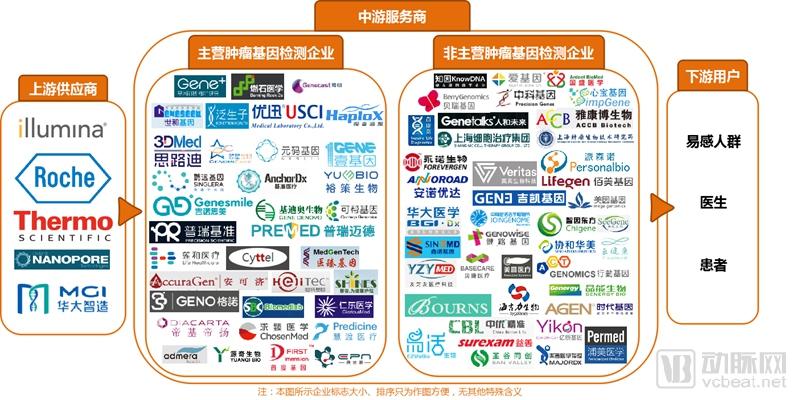
Figure12: Ecosystem Map of the Tumor Genetic Testing Industry
The upstream sector of the tumor genetic testing industry, similar to that of the broader genetic testing industry, primarily consists of suppliers of sequencing instruments, consumables, and reagents. In the sequencing industry,Illumina is the undisputed industry leader. On November 1, 2018, Illumina announced its acquisition of Pacific Biosciences. The completion of this deal signifies that Illumina will continue to maintain its monopolistic advantage in the sequencing industry in the future. In recent years, MGI Tech has successively launched several gene sequencing instruments, which are currently being trialed by some genetic testing companies. The feedback data has shown a positive attitude towards domestically produced sequencers. If domestically produced sequencers are priced lower, they have the opportunity to impact the gene sequencing market by leveraging their high cost-performance ratio.
Midstream sequencing service providers currently exhibit significant homogenization. Most companies lack distinct competitive advantages, employing similar methodologies to offer comparable services. The absence of clearly dominant market leaders makes it difficult to classify and categorize industry participants according to conventional criteria. Consequently, we currently categorize companies involved in the tumor genetic testing industry into two groups based on whether tumor genetic testing products constitute their primary business focus.
Companies that do not primarily focus on tumor genetic testing are not necessarily inferior in this field. Among these enterprises are renowned genetic testing companies such as BGI, Berry Genomics, and Annoroad Gene Technology, whose capabilities in tumor genetic testing are comparable to many companies specializing in this area. These companies also hold a significant position in the tumor genetic testing industry; however, their development trajectories and financing situations may not accurately reflect the overall status of the tumor genetic testing sector.
VIII. Market Size of the Tumor Genetic Testing Industry

Figure13:Market Size of the Oncology Genetic Testing Industry in 2018
From the current market perspective, tumor gene testing products used in the treatment phase, as essential and in-demand offerings, have a relatively stable market size that is also easier to estimate.In 2018, China was projected to have 4.5 million new cases of malignant tumors throughout the year. Among these patients, approximately 5% would utilize tumor genetic testing products, with an average expenditure of around RMB 8,000 per person on such tests. Based on this, the lower bound of the market size is estimated at RMB 1.8 billion. In addition, there are non-essential products including those for prevention, early screening, and recurrence monitoring. It is estimated that the current market size of the tumor genetic testing industry ranges from RMB 2 billion to RMB 3 billion.
From the perspectives of both patient coverage and business expansion, the oncology genetic testing industry still holds significant growth potential. Early cancer screening and monitoring for cancer recurrence have not yet become routine components of the diagnostic and treatment process, and the testing coverage rate among the cancer patient population remains onlyaround 5%. With technological advancements and growing social acceptance, we are confident that the multi-billion-dollar market for oncology genetic testing is far from being an empty promise.
IX. Corporate Case Studies
The cases selected in this report do not represent the leading enterprises in the industry, and the order of the enterprises has no special meaning.
1.
Uxun Medical
Company Profile
Company Name | Date of Establishment | Latest Funding Round | Total Financing Amount | Tumor Genetic Testing Products | ||||||
Hematologic Malignancies | Prevention | Early Screening/Diagnosis | Treatment | Prognosis/Recurrence | ctDNA | CTC | ||||
Uxun Medical | 2015 | Series A | ¥210M | √ | √ | √ | √ | √ | √ | √ |
Financing History
Financing Round | Financing Time | Financing Amount | Investor |
Angel Round | 2015.08 | ¥40 million | Not Disclosed |
Series A | 2017.08 | ¥170 million | GTJA Investment, Xianfeng Qiyun, CITIC Guoan Capital |
YouXun MedicineEstablished in Beijing in 2015, the company has nearly completed two rounds of financing totaling RMB 210 million, with investors including GTJA Investment, Xianfeng Qiyun, and CITIC Guoan Capital.
Yoxun Medicine is currently collaborating with partners across ChinaYousun Medicine maintains strong collaborative relationships with over 1,500 hospitals across 30 provinces, municipalities, and autonomous regions, including many top-tier research-oriented hospitals and leading Grade 3A hospitals. A hallmark of Yousun Medicine is its dual-track development strategy, encompassing birth defect and tumor genetic testing; CTC and ctDNA analysis; and solid tumors and hematologic malignancies. This development model has significantly diversified Yousun Medicine’s product portfolio, broadening its customer base while enabling complementary synergies across different business lines. Notably, Yousun Medicine achieved revenues of RMB 170 million in 2017 and successfully attained profitability. With steady business growth in 2018, full-year revenue is projected to exceed RMB 200 million, based on financial data from the first three quarters.
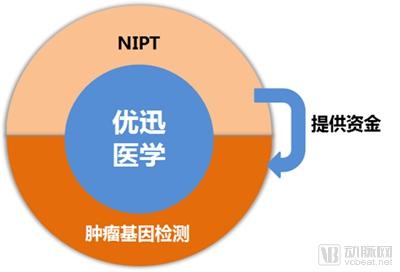
Figure 14: Youxun Medical Development Model
Yooxome Medical is one of the few companies in China that has adopted a dual-path development strategy focusing on both birth defect and tumor genetic testing. Yooxome Medical was among the earliest to enterAs one of the companies in the NIPT industry, it has successfully achieved profitability through NIPT. Yousun Medicine not only maintains its competitiveness in the NIPT sector but also continues to innovate in technical methodologies. In November 2017, Yousun’s article on a new NIPT algorithm was published in *Genetics in Medicine* (IF=9.937), one of the premier journals in the field of clinical genetics, marking the only major methodological innovation paper since the market launch of NIPT. At the 13th International Congress of Human Genetics in March 2018, Yousun’s study titled “Power of Bayesian Noninvasive Prenatal Screen on BGISEQ-500 data” was selected for poster presentation. This study confirmed that Yousun’s Bayesian theory-based NIPT algorithm is equally applicable to data generated by the BGISEQ-500 (a domestically produced sequencer model by BGI) and, compared with the traditional Z-test method, can better exclude the interference of maternal microdeletions and microduplications in determining results for the three major chromosomal abnormalities.
InThe success achieved in the NIPT industry has enabled Yousun to make greater investments in the research and development of oncology genetic testing products. To date, the portfolio of oncology genetic testing products offered by Yousun Medical nearly covers the entire patient diagnosis and treatment journey, making it the only genetic testing company in China to have established a dual-platform liquid biopsy system for both ctDNA and CTCs. In terms of R&D, early cancer screening is a key focus area for Yousun Medical, which has already achieved promising results in Phase I clinical trials. Furthermore, Yousun Medical has partnered with the China Cancer Foundation to conduct large-scale clinical research projects on precision oncology using ctDNA testing.
of Youxun MedicalDr. Zhou Ye, CEO, holds a Ph.D. in Biomedical Sciences from the University of New Mexico. He has spent many years at City of Hope in the United States working on tumor mechanisms and the clinical translation of scientific research, accumulating extensive clinical experience in circulating tumor cells (CTCs), circulating tumor DNA (ctDNA), and next-generation sequencing (NGS) technologies for oncology. In addition to Dr. Zhou, the technology team led by Professor Guan Yongtao, Chief Scientific Officer of Yoxon Medicine, has developed several industry-leading innovations with sustainable technical barriers: ESRiT technology for liquid biopsy, a novel non-invasive prenatal testing (NIPT) algorithm based on Bayesian theory, and a pan-cancer early screening model called CCeS based on low-depth whole-genome sequencing (WGS).
Product Overview
Youxun’s oncology genetic testing products are mainly categorized into Oncology-Specific Genetic Health Screening, Youti, Youxu, and Yourui, which correspond to cancer prevention and cancer treatment, respectively./prognosis, CTC and ctDNA testing, and hematologic tumor testing, as well as early screening products currently under clinical investigation. With its substantial advantages in liquid biopsy technology and a product portfolio covering the entire diagnosis and treatment continuum, Yoxon Medicine is able to implement a comprehensive cancer precision medicine model encompassing “early screening and diagnosis + personalized treatment guidance + continuous dynamic monitoring.”
A. Pan-Cancer Non-Invasive Early Screening
Although there are numerous companies currently offering early cancer screening services on the market, no pan-cancer early screening product has yet emerged that is specifically tailored to the genetic characteristics of the Chinese population, while also being safe, effective, and affordably priced. To address these challenges, Youxun Medical has developed a low-cost, user-friendly, accurate, and pan-cancer-targetedCCeS 3D Pan-Cancer Early Screening Analysis Method. This method establishes an early screening model by analyzing data from three perspectives: cfDNA concentration, CNV patterns, and error spectrum, enabling screening via the model under low-depth sequencing conditions to capture early tumor information. Youxun Medicine has demonstrated the feasibility of using low-depth whole-genome sequencing (WGS) for cancer screening through studies involving healthy individuals, patients with benign diseases, and cancer patients at various stages, utilizing WGS at depths as low as 0.5X.
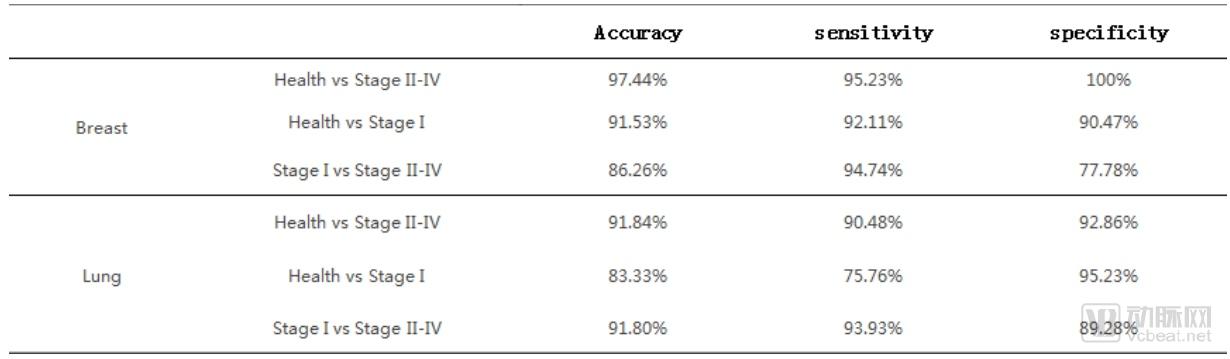
Data Source: Youxun Medical
Figure 15: Clinical Data of Youxun Medical's Early Screening Analysis Method
According to Youxun Medical's disclosure, the lung cancer research totaledA total of 207 samples were enrolled, with 212 samples included in the breast cancer study. The results demonstrated that this analytical method was well validated in terms of accuracy, sensitivity, and specificity across comparative analyses of samples from healthy individuals, early-stage patients, and mid-to-late stage patients. The effective detection rate exceeded 90% in most cases, with the lowest value remaining above 75%. Compared with conventional tumor marker assays, this method showed significantly improved sensitivity and specificity, and its performance was not influenced by the primary site of the tumor.
This clinical study is currently ongoing. Yoxen Medicine will continue to validate the superiority of this method in subsequent studies.
B. Uti
Uti is a product line from Youxun Medicine focused on treatment and prognosis, primarily including personalized tumor therapy genetic testing and breast cancer21-Gene Assay and Microsatellite Instability (MSI) Testing in Tumor Cells. Genetic testing for personalized oncology treatment is a key focus, primarily serving cancer patients by providing recommendations for precision therapy. Youxun Medical has developed multiple tailored panels based on cancer types and the scope of testing to serve diverse patient populations.The most comprehensive tumor landscape observation, covering the widest range of applicable cancer types and the greatest variety of treatment modalitiesincluding 125 targeted drug-related genes,60+Genes of Chemotherapeutic Drugs、370 Tumor Signaling Pathway Genesand54 Genetic Susceptibility Genes, as well as PD-L1 and TMB testing. The comprehensive range of tests provides tangible support for the implementation of precision medicine in oncology patients.
C. Youxu
Currently, it is widely recognized in clinical practice.The Role of ctDNA Liquid Biopsy in Guiding Medication. To align closely with clinical practice, Yooxome Medical has developed small, medium, and large panel testing products to address the diverse needs of different patients. The single-cancer small panel focuses primarily on common cancer types, covering commonly used targeted therapies and chemotherapy agents, offering the highest cost-effectiveness. The medium-sized panel encompasses multiple cancer types; building upon the small panel’s scope, it extends to genes involved in relevant signaling pathways, thereby enhancing the reference value for medication decisions in terms of both efficacy and adverse effects. The comprehensive large panel covers all FDA-approved targeted therapies to date, while also incorporating genes related to chemotherapy, genetic susceptibility, and signaling pathways. Through multi-dimensional information analysis, it provides recommendations for optimal treatment strategies.
In addition to personalized medication, Youxu also includesctDNA & CTC Prognostic Assessment and Dynamic Monitoring. Targeting cancer patients, dual-platform detection of ctDNA and CTC provides comprehensive postoperative testing services, including prognostic analysis, treatment efficacy monitoring, drug resistance analysis, and disease progression assessment. It is primarily applied in the fields of lung cancer, gastric cancer, and breast cancer. UxMed’s CTC detection significantly improves testing efficiency by combining bidirectional screening with tumor-specific gene expression level analysis. Currently, its clinical trials have demonstrated promising application prospects in disease progression monitoring for breast and colorectal cancers, as well as in differentiating between benign and malignant thyroid nodules.
D. YouRui
Youxun Medical is one of the few companies in the market offering genetic testing for hematologic malignancies. Most genetic tests for hematologic malignancies useIn the context of PCR kits, Youxun Medical has developed blood cancer testing products based on NGS technology with an eye toward the future. By utilizing NGS to detect fusion genes, point mutations, and personalized minimal residual disease in blood cancers, this approach provides patients with more comprehensive test results compared to traditional PCR technology, enabling more precise prognostic analysis and delivering more effective treatment plans.
2. Yuanma Gene
Company Profile
Company Name | Date of Establishment | Latest Funding Round | Total Financing Amount | Oncology Genetic Testing Products | ||||||
Hematologic Malignancies | Prevention | Early Screening/Diagnosis | Treatment | Prognosis/Recurrence | ctDNA | CTC | ||||
Yuanma Genomics | 2014 | New Third Board | - | - | √ | √ | √ | √ | √ | √ |
Financing History
Funding Round | Financing Time | Financing Amount | Investor |
Angel Round | 2015.07 | Undisclosed | Qingdao Huaren Pharmaceutical Distribution Co., Ltd., Huaren Venture Capital |
Series A | 2016.12 | Not disclosed | Heyuan Capital, Yahui Precision Medicine Fund |
Series A+ | 2017.09 | 125 million | Lead Investor: Tianjin Yuebo; Co-Investor: Yahui Precision Medicine Fund |
New Third Board | 2018.01 | Undisclosed | Public Offering |
Yuanma Genomics was established in Beijing in 2014. Between 2015 and 2017, the company completed three rounds of financing—angel, Series A, and Series A+—with investors including Tianjin Yuebo (under CITIC Capital), Haren Venture Capital, Heyuan Capital, and Yahui Precision Medicine Fund. Mr. Feng Tang, a renowned healthcare investor, poet, and writer, also serves as a board member of Yuanma Genomics. In January 2018, Yuanma Genomics was listed on the National Equities Exchange and Quotations (NEEQ).
At the inception of the oncology genetic testing industry, companies primarily relied on offline sales teams or collaborations with experts for their promotional strategies.Panel-based genetic testing. Yuanma Gene, however, has carved out a third path by promoting its services through co-established laboratories with hospitals. More than 90% of Grade A tertiary hospitals in China lack independent testing centers, resulting in strong demand for laboratory testing services. Recognizing this need, Yuanma Gene adopted the co-laboratory model to integrate its products into hospital systems., currently formedA National Network of 30 Precision Medicine Centers. Its partner hospitals are distributed across China. From Shandong in the east to Xinjiang in the west, from Heilongjiang in the north to Hainan in the south, Yuanma Gene has established its presence nationwide. While this business model may require substantial capital investment in the early stages of development, it offers greater sustainability in the long run and fosters closer ties between Yuanma Gene and its hospital partners.
Dr. Tian Geng, founder of Genetron Health, graduated from the Graduate University of the Chinese Academy of Sciences. Prior to launching his entrepreneurial venture, Dr. Tian served as Director of the Center for Genomics and Synthetic Biology at Tsinghua University, Head of BGI’s North China Region, Founding Legal Representative and General Manager of BGI Tianjin, and Deputy Director of R&D at the BGI-Shenzhen Research Institute. His extensive academic background and years of experience in the sequencing industry have given Dr. Tian profound expertise in the field of precision medicine. While working at Tsinghua University, he recognized the disparity between clinical demands and limited clinical resources in China, which prompted him to decisively transition into the industrial sector. This entrepreneurial impetus also led to the establishment of Genetron Health’s business model, which centers on co-built laboratories.
Product Overview
Yuanma Gene’s tumor genetic testing products are mainly divided into two categories: one is the precision oncology system solution, and the other is10K Liquid Biopsy Testing Solution. Yuanma Genomics extensively employs the latest ddPCR technology in its products. This technology enables droplet-based processing of samples, distributing highly diluted samples into microreactors on a chip such that each microreactor contains no more than one nucleic acid template molecule, thereby achieving absolute quantification of nucleic acid molecules. The application of ddPCR enhances the precision of Yuanma Genomics’ test results and reflects the company’s commitment to excellence in service.
The precision oncology healthcare system solution primarily offers three product categories: JiKang, JiKe, and JiAn, which correspond to prevention and early screening, treatment, and dynamic monitoring in the cancer prevention and control process, respectively. Products in this major category mainly consist of routine tumor genetic testing services, including broad-spectrum hereditary screening, pharmacogenetic testing tailored to different populations, drug resistance monitoring, and customized dynamic genetic monitoring.Products such as CTC-based tumor recurrence monitoring. Lung cancer and gastrointestinal cancers are the primary focus areas of Yuanma Gene, while pan-cancer testing can basically cover the majority of solid tumor types.
The 10K liquid biopsy testing panel is a new offering launched by Genetron Health in May 2016, primarily focusing on ctDNA-based liquid biopsy products.Based on Yuanma Gene's Proprietary Liquid Biopsy PatentsJointly developed with Tcap, Ucap, Decap, and the latest ddPCR technologyIn this context, “10” represents 10 milliliters of blood, while “10K” denotes a sensitivity level of one in 10,000, which is the current limit of detection for ctDNA liquid biopsy. The 10K liquid biopsy testing protocol is now applicable across multiple stages of cancer management, including early screening and diagnosis, treatment, disease monitoring, and detection of recurrence and metastasis. The superiority of this product is particularly evident in early screening and diagnosis, as it covers 2,855 gene mutations across 50 driver genes associated with 34 types of cancer. This enables molecular subtyping to help individuals develop personalized treatment plans and select targeted therapies.
3. HalioDx
Company Profile
Company Name | Date of Establishment | Latest Financing Round | Total Financing Amount | Oncology Genetic Testing Products | ||||||
Hematologic Malignancies | Prevention | Early Screening/Diagnosis | Treatment | Prognosis/Recurrence | ctDNA | CTC | ||||
HaploX | 2014 | Series B | ¥370M | - | √ | - | √ | - | √ | - |
Financing History
Financing Round | Financing Time | Financing Amount | Investor |
Angel Round | 2014.12 | ¥10M | Shanlan Capital |
Series A | 2016.05 | ¥50M | Undisclosed |
Series A+ | 2017.12 | ¥210M | Preferred Capital, Trusted Capital, SoftBank China |
Series B | 2018.06 | ¥100M | Shenzhen Capital Group |
HaploxFounded in Shenzhen in 2014, the company has completed four rounds of financing totaling RMB 470 million (with “hundreds of millions” calculated in units of 100 million). Investors include Shanlan Capital, Youxuan Capital, Kexin Capital, SoftBank China, and Shenzhen Capital Group. Haipuluosi is also the only enterprise in which SoftBank and Shenzhen Capital Group have invested in China’s precision medicine and liquid biopsy sectors.
Unlike the aforementioned companies, HaploX does not solely focus on clinical applications; sequencing projects for scientific research also constitute a key component of its business. Research-oriented products differ significantly from clinical products in terms of testing content and sequencing depth. Research products typically feature greater sequencing depth, and their detection targets are not limited toCTC and ctDNA, along with other tumor components such as miRNA and lncRNA that have not yet entered clinical practice. This places extremely high demands on the capabilities of genetic testing companies’ laboratory teams. Hypers’s active engagement in scientific research activities further demonstrates its confidence in the proficiency of its own team.
Dr. Xu Mingyan, founder of Hiprolas, graduated from the University of New Mexico in the United States and was a visiting scholar at Harvard University. Dr. Xu studied underProfessor Jeremy Edwards from the laboratory of George Church, a member of three national academies, brings over a decade of experience in gene sequencing technology and instrument development, having contributed to the R&D of multiple next-generation sequencing platforms. Consequently, Hipro’s R&D strategy has increasingly aligned with cutting-edge technologies. Its independently developed advanced liquid biopsy technologies, including CUBE-ctDNA sequencing and HAPCap gene capture, have reached industry-leading standards.
Product Overview
HaploX's main product series isHapOnco encompasses the majority of tumor genetic testing product types. It includes both pan-cancer pharmacogenomic testing products and targeted panels for several common cancer types. Its largest pan-cancer genetic testing panel can detect up to 451 relevant genes, including genes associated with targeted cancer therapies, signaling pathways, chemotherapy response sites, microsatellite instability (MSI) regions, and viral sequences.
Haplox atChina’s first large-scale “precision medicine” initiative for cancer was proposed in 2015 and has now been substantially completed. Targeting the five most prevalent cancers—lung, breast, colorectal, gastric, and liver cancers—the program aims to achieve early screening, prognostic monitoring, and personalized medication guidance for 10,000 patients, while establishing China’s first large-scale cancer database to lay the foundation for precision medicine.
Following the Ten-Thousand-People Plan, HaploX has subsequently launched the Green Lung Initiative and the Gut Health Initiative. Both initiatives areBased on ctDNA detection technology, these initiatives leverage the non-invasive, real-time, high-sensitivity, and high-specificity characteristics of liquid biopsy to implement systematic, whole-course management for enrolled patients. The primary objective of these two programs is to establish a genetic database comprising over 100,000 cases from the Chinese population, thereby laying a solid foundation for the future implementation of precision medicine.
The proposal and implementation of these initiatives underscore Helios Genomics’ forward-looking strategic ambitions. While the execution of these plans is likely to necessitate substantial financial support over an extended period, the accumulation of foundational data plays an irreplaceable and pivotal role in the research and development of tumor genetic testing products from a long-term perspective. The establishment of these databases may widen the technological gap between Helios Genomics and its peers, thereby securing a competitive advantage for the company in the next phase of market competition.
Table of Contents
Chapter 1 Background of the Tumor Genetic Testing Industry 1
1. Malignant Tumors: The Silent Killer 1
2. Tumor Genetic Testing: A Combination of Multiple Technologies 5
3. Application Scenarios of Tumor Gene Testing: Integrating into the Entire Process of Tumor Diagnosis and Treatment 8
Chapter 2: Current Status of the Tumor Genetic Testing Industry 16
1. Industry Chain Structure of the Tumor Genetic Testing Sector 16
2. Ecosystem Map of the Tumor Genetic Testing Industry 17
3. Market Size of the Tumor Genetic Testing Industry 18
4. Overview of Companies in the Tumor Genetic Testing Industry 18
5. Policies Related to the Tumor Genetic Testing Industry 23
6. Changes in the Industrial Structure of the Tumor Genetic Testing Industry 24
Chapter 3 Corporate Case Studies 25
1. Burning Rock Biotech 25
2. Geneseeq 26
3. Uxun Medical 27
4. Genomics 30
5. Haplox 32
Chapter 4 Overview of Investment and Financing in the Tumor Genetic Testing Industry 34
Chapter 5 Summary of Perspectives 35
References
Acknowledgements
The above content is from "Tumor Detection Industry Research Report》Excerpt: Become a VCBeat official member to access the full report. Additionally, over the coming year, you will be able toRead the Complete Industry Trend Report, stay abreast of the latest global investment and financing information, leverage a comprehensive database of healthcare companies, and access extensive resource matchmaking opportunities.