

Children's Hospital of Fudan University Achieves HIMSS EMRAM Stage 7: A Blueprint for Paperless Operations, Closed-Loop Management, and Clinical Decision Support
Key Focus Areas of the HIMSS EMRAM Stage 7 Assessment: Insights from Children’s Hospital of Fudan UniversityBased on the experience of Children’s Hospital of Fudan University (hereinafter referred to as “Fudan Pediatrics”), the HIMSS Electronic Medical Record Adoption Model (EMRAM) Stage 7 assessment centers on three core elements: paperless operations, closed-loop management, and clinical decision support. Closed-loop management further encompasses medication, laboratory testing, diagnostic imaging, breast milk, blood transfusion, and surgical procedures.Achieving comprehensive HIMSS implementation is a systematic engineering endeavor that requires not only top-level design along with adequate technological, organizational, and financial resources, but also close collaboration among the hospital’s information technology department, medical technology departments, and clinical laboratory units. During an on-site visit to the hospital, VCBeat (WeChat Official Account: vcbeat) gained new insights into this assessment framework.
2018 HIMSS Greater China Annual Conference – Special Session on Children’s Hospital of Fudan University: The hospital’s HIMSS EMRAM Stage 7 team, including Vice President Zhang Xiaobo, Director of the Department of Medical Statistics Ge Xiaoling, Director of the Medical Affairs Department Liu Gongbao, Director of the Nursing Department Gu Ying, and Director of the Clinical Pharmacy Department Li Zhiping, along with other experts and leadership members, shared their practical experiences from participating in the evaluation process. Based on conference recordings and onsite visits, VCBeat has compiled this comprehensive guide to achieving HIMSS EMRAM Stage 7 accreditation.
Paperless, Closed-Loop Management, Clinical Decision Support
Children's Hospital of Fudan University, established in 1952, is the only tertiary-level Grade A pediatric specialty hospital directly affiliated with the National Health Commission. The hospital handles an annual outpatient volume of 2.3 million visits and admits nearly one million inpatients.
The hospital has always prioritized patient safety and medical quality, leveraging information platforms and technology to support its development. From establishing initial in-house capabilities to implementing clinical systems driven by application needs, the hospital simultaneously facilitates multidisciplinary collaborative services. By aligning with hospital accreditation standards and promoting interoperability, it advances the standardization of health information applications.
After successfully passing the JCI re-accreditation in 2017, the hospital set higher standards, aiming to achieve closed-loop management and paperless operations across the entire institution, enhance patient safety and medical quality, and improve the efficiency of medical and nursing staff. Consequently, achieving HIMSS accreditation became the hospital’s goal.
The core of the HIMSS Stage 7 evaluation consists of three key components:Hospital-wide Paperless System, Closed-Loop Management, and Clinical Decision Support。
Specifically, hospitals are required to establish paperless medical records, linking the entire process without printing a single sheet of paper. Throughout the medical care process, a closed-loop traceability system is implemented for medications, laboratory tests, diagnostic examinations, breast milk, blood transfusions, and surgeries. This constitutes the end-to-end closed-loop management defined by HIMSS. Finally, the capability for data application is embodied in Clinical Decision Support Systems (CDSS).
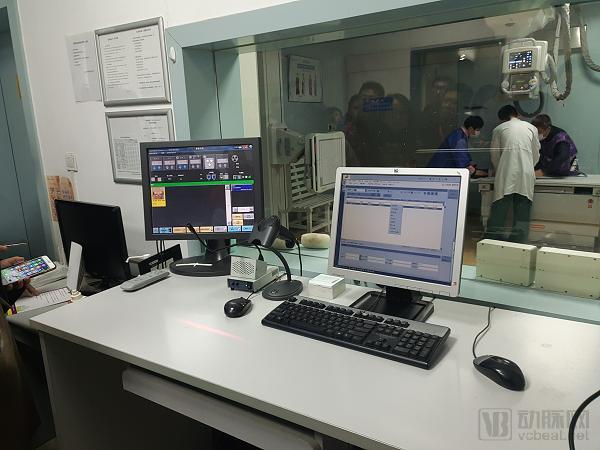
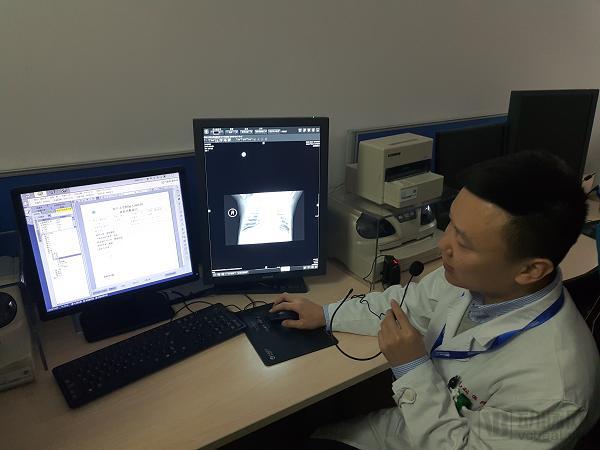
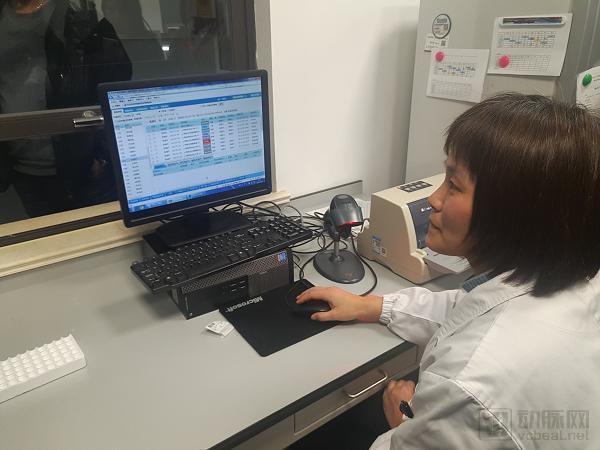
Closed-Loop Management of Laboratory Tests and Examinations
In the process of informatization construction, the most critical element is a supportive framework, namely the hospital’s top-level design. In this regard, the management team of Children’s Hospital of Fudan University has reached a consensus and achieved multi-departmental collaboration.
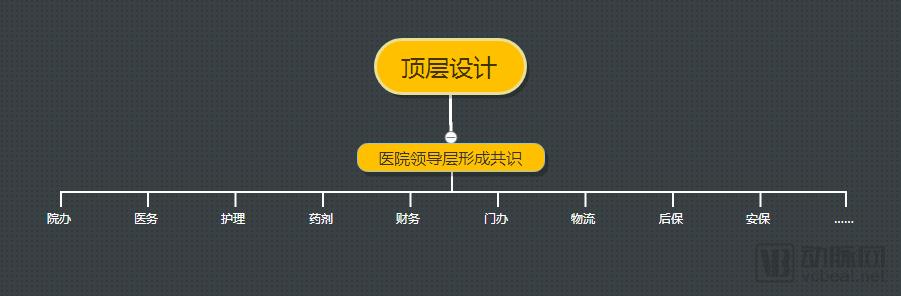
For successful implementation, organizational support, technical capabilities, and funding are all indispensable.
In terms of organizational assurance, within the QPS organizational structure of Fudan University Children’s Hospital (Hospital Quality Improvement and Patient Safety Management Committee), there is a highly significant committee: the Network and Information Management Committee. This committee ensures the completion of the hospital’s informatization construction and has established specialized groups for clinical consultation and information security, as well as roles such as part-time Clinical Information Directors and Clinical Information Liaisons. These key frontline clinical personnel play a coordinating and facilitating role during the accreditation process.
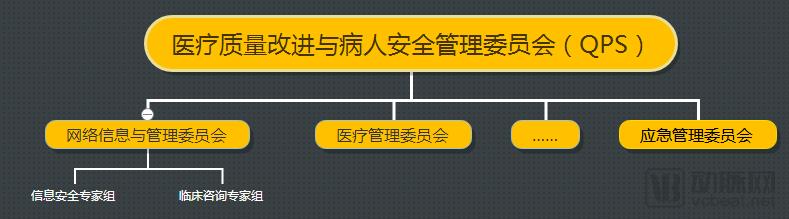
Meanwhile, the hospital has established strong strategic partnerships with companies such as Wonders Information, Jingpei Software, and China Telecom. It employs dedicated project managers and liaisons throughout the entire process, ensuring implementation through a robust organizational assurance system.
It can be said that the entire HIMSS accreditation process is not the responsibility of a single individual or department. Only with such top-level design and a dedicated team can members share a common goal, align their efforts toward that objective, and ultimately generate synergistic force.
Securing funding is also critical during hospital accreditation reviews. Financial coverage includes costs for consumables, time, space, and personnel. Each hospital can calculate the specific amount based on its own business volume. Hospital leadership will only support informatization initiatives if it is clearly demonstrated that the return on investment will improve operational efficiency.
To achieve HIMSS Stage 7 validation, hospitals must inevitably engage in the implementation and transformation of their hospital information systems. HIMSS provides clear guidelines, standards, and a maturity model for this purpose, covering areas such as inpatient and emergency care, comprehensive electronic medical records (EMR), health information exchange capabilities, data analytics and governance, as well as disaster recovery and security. Each hospital should conduct a thorough assessment of its existing information infrastructure to determine which systems need replacement, which require upgrades, and which can be retained as-is.
Fudan Children’s Hospital used a red-yellow-green color-coding system to formulate its renovation plan. Yellow indicated areas with gaps relative to standards (such as emergency triage, intensive care observation, and emergency infusion). Green represented areas with some foundational elements in place (such as CA-based electronic signatures and hemodialysis management). Red denoted closed-loop processes (such as laboratory testing, blood transfusion, and surgical procedure closed loops).
With organizational safeguards and implementation plans in place, a promotion plan is also essential. Therefore, Fudan University Children’s Hospital established an Accreditation Preparation Working Group, comprising thematic subgroups, a supervision subgroup, and core medical and nursing staff. The supervision subgroup was personally led by hospital executives, with multi-departmental collaboration to complete the accreditation work. During the final two-month sprint phase of the accreditation preparation, the group held daily meetings to ensure the completion of all closed-loop processes, system disaster recovery, and business continuity.
With the system in place, it is essential for all departments to be proficient in its use, necessitating a comprehensive staff training plan. To address this, Fudan Children’s Hospital has developed targeted training programs, including two sprint training sessions, two intensive training sessions, 18 department-specific orientation sessions, and four hospital-wide training sessions. Through these multiple rounds of training, medical staff can genuinely articulate their clinical needs and experiences, thereby realizing the convenience of information-based services.
Whether it involves closed-loop management, clinical decision support, or paperless operations, the ultimate objective consistently embodies “safety.” This process of promoting development and improvement through evaluation tests a hospital’s ability to leverage accreditation to enhance healthcare provider safety and medical quality, with patient safety at its core. This represents the fundamental value of such accreditation.
BI System Supports Hospital Consultation Processes
In fact, in addition to closed-loop management, Clinical Decision Support Systems (CDSS), and paperless operations, Business Intelligence (BI) is also a key component of the HIMSS Stage 7 evaluation. The core of medical quality management lies in data analysis; therefore, health information technology has become a focal point of medical quality management.
The core medical systems expanded from the initial 12 items in 2003 to 13 items in 2012, and further to 18 management systems in 2016. In the new version of the core systems, multiple items are related to informatization, such as clinical pathway review, critical value reporting, and antimicrobial stewardship.
Prior to the informatization overhaul, all consultations at Fudan Children’s Hospital were conducted using paper-based records, which prevented regulatory authorities from capturing relevant data. In light of the hospital’s status in November 2016, Fudan Children’s Hospital planned to implement the transformation over a two-year period.
In the first year, the hospital plans to achieve a 63% completion and on-time rate for consultations. Measures formulated include further improving the information system, such as developing a mobile-based system that enables physicians requiring consultations to receive WeChat notifications directly.
On the PC side, hospitals utilize an electronic consultation system. By simply logging into the physician workstation, doctors can identify pending tasks. Furthermore, the hospital publicly discloses performance rankings via its Office Automation (OA) system on a monthly basis. Departments and individuals with the poorest performance are subject to individual interviews. The purpose of these interviews is not to criticize, but rather to provide supervision and enable the concerned parties to heed feedback from other consulting physicians, thereby addressing issues in the consultation process.
By May 2017, the consultation completion rate at Fudan University Children's Hospital had exceeded 91%, with an on-time rate within 48 hours surpassing 83%, demonstrating significant effectiveness.
Subsequently, the former National Health and Family Planning Commission issued a revised policy, requiring that routine consultations be completed within 24 hours. The hospital promptly adjusted its policies accordingly in June 2017, resulting in a sharp decline in the on-time rate to 60% that month. In response, the hospital reset its targets, aiming to achieve 100% on-time and completion rates by 2018.
In this process, managers can understand the commonalities among departments and identify key departmental issues through BI data, thereby promoting the improvement of overall hospital-wide data.
Regarding hospital shift handovers, hospitals previously relied on paper-based records. This led to many resident physicians retroactively entering information, resulting in inconsistent quality; in some cases, residents even copied directly from nurses’ handover logs. Consequently, after careful consideration, the hospital decided to implement an electronic shift handover system.
Another key focus is the monitoring of unplanned readmissions. Unplanned readmission refers to a patient’s unscheduled rehospitalization within 31 days after discharge due to the same or related conditions, which is an important indicator widely used internationally to evaluate healthcare quality. Data from the Shanghai Hospital Development Center shows that the overall readmission rate in Shanghai is approximately 1.67%, including both planned and unplanned readmissions.
Previously, Children’s Hospital of Fudan University lacked a monitoring system in this area. Therefore, the hospital’s first step was to improve the reporting framework and increase the reporting rate. To this end, the hospital implemented a monitoring system that automatically triggers a pop-up alert when a patient is readmitted within 31 days of their previous discharge.
During the weekly routine meetings, the hospital also conducted special discussions on unplanned readmissions in key departments to assist them in analyzing and summarizing the underlying causes. Following corrective measures, the number of unplanned readmissions in two key departments—the Neonatology Department and the Hematology-Oncology Department—decreased significantly in 2018.
Overall, when upgrading information systems, it is essential not only to facilitate physicians’ workflows but also to consider management measures that support statistical analysis and other administrative functions. Health IT construction provides an effective pathway for implementing precision management based on data analytics. Information management and hospital quality management are mutually reinforcing, forming a closed-loop management system.
How to Build a Nursing CDSS?
In the HIMSS Stage 7 evaluation, there are clear requirements for nursing clinical decision support systems.
By definition, Clinical Decision Support Systems (CDSS) are based on knowledge bases comprising diagnostic criteria for diseases, threshold judgments, treatment recommendations, clinical guidelines, expert experience, and nursing protocols. Leveraging artificial intelligence technologies and information storage, CDSS extracts precise logical reasoning capabilities to simulate the clinical thinking of healthcare professionals in diagnosis, treatment, and care, thereby assisting them in making rapid diagnoses and decisions.
In pediatric clinical nursing decision support systems, structured content within nursing documentation can generate discrete data, such as nursing assessment results and risk scores, and interact with the clinical decision support system. If the risk score is high, the nursing care plan should include corresponding tasks; the same applies to low-risk cases.
Select directly from the general task list; practices not associated with risk scores may introduce variability and should be avoided. Common alert messages can recommend nursing tasks and care plans; in emergency departments, triage recommendations can also be provided for nurses’ reference. Furthermore, the decision support system can automatically calculate risk scores for nurses.
Specifically, nursing CDSS mainly includes the following four aspects:
1. CDSS Based on the Nursing Process. For example, a wound care CDSS generates specific wound treatment recommendations based on individual patient assessments and wound characteristics.
2. Warnings or Alerts from the CDSS. The CDSS sets alarm thresholds for monitoring indicators collected by the system. When patient data reaches alert levels or indicates potential risks, it prompts nurses to take appropriate actions.
3. Health Education CDSS. For example, PowerForm, a clinical decision support tool that supports postoperative health education for patients undergoing intestinal surgery.
4. Nursing Management CDSS. For instance, a decision support system for nursing human resource allocation can facilitate queries on nursing workload and staffing requirements, as well as optimize nursing staff deployment. The system automatically calculates the daily nursing workload in general wards, current staffing needs, and projected future daily staffing demands, thereby assisting nursing managers in the timely allocation of ward nursing personnel.
To build a nursing clinical decision support system (CDSS), managers must first collaborate with health IT companies to establish a knowledge base that assists nurses in resolving clinical care issues. Additionally, hospitals need to define their own institutional protocols. For instance, once an assessment result for a patient with high fever is generated, determining the appropriate interaction workflow between nurses and physicians is a key consideration for management.
Therefore, within the entire Clinical Decision Support System (CDSS), hospital administrators must address the formulation of logical reasoning rules and the construction of knowledge bases, while the optimization of user-friendly human-computer interaction and the enhancement of its efficiency are matters to be jointly discussed by hospitals and their partner enterprises.
In addition to knowledge bases, standardized terminology is equally important for the construction of CDSS.
Standardized terminology is widely adopted and utilized by the international nursing community, serving as a common language for communication among nursing professionals. It ensures that nurses share a consistent interpretation and understanding of the same concepts, thereby facilitating communication across different institutions, regions, and systems (e.g., standardizing the definitions of elevated body temperature and fever across various hospitals). Furthermore, it helps standardize nursing practice, quantify nursing services, demonstrate the value of nursing care, and enable the sharing of nursing data.
Standardized nursing terminologies serve as the foundation for ensuring semantic interoperability during conceptual transmission and sharing between Clinical Decision Support Systems (CDSS) and Hospital Information Systems, enabling consistency in raw data exchanged and facilitating the shared utilization of healthcare resources.
The standardization of nursing diagnosis language at the Children’s Hospital of Fudan University was a prolonged process. Due to the substantial workload, the hospital specifically hired two graduate students to carry out the implementation.
First, the Children's Hospital of Fudan University conducted a comprehensive review of nursing diagnoses across the entire hospital, encompassing 17 wards and 1,119 nursing diagnoses. These were deduplicated, screened, and integrated. Standardization was based on authoritative domestic and international references, including pediatric nursing textbooks. The resulting knowledge base of nursing diagnoses comprises 140 items, covering the current symptoms and signs observed in pediatric patients.
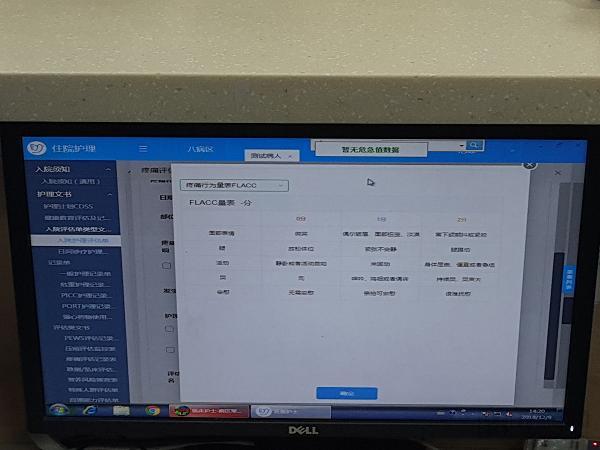
Inpatient Nursing Management (Including CDSS)
The nursing measures knowledge base was developed in a manner similar to the nursing diagnoses knowledge base. It involved compiling all nursing diagnoses across the hospital, followed by systematic screening and integration. By incorporating content from internal medicine, surgery, and pediatrics textbooks, as well as aligning with existing clinical guidelines—such as those for pain management, pressure ulcer care, and fever management—a knowledge base of nursing measures comprising 93 items (ultimately expanded to 140 items) was established.
Pediatric Drug Closed-Loop Management
The closed-loop medication management system is undoubtedly one of the most critical components in HIMSS Stage 7 certification. Medication errors can occur at any stage of the medication use process, including drug selection, prescribing, compounding, labeling, packaging, dispensing, administration, and monitoring. Therefore, hospital administrators must monitor and intervene throughout the entire medication process to reduce the incidence of medication errors.
Closed-Loop Medication ManagementClosed-loop medication management leverages modern information technology to implement comprehensive monitoring across all stages, including medication dispensing from inventory, physician order entry, pharmacist prescription review and dispensing, and monitoring of patient adverse drug reactions. This approach achieves full-process educational tracking and closed-loop management of the entire medication order cycle, thereby effectively controlling healthcare quality and providing patients with a safer, more convenient, and comfortable care experience.
During the HIMSS Stage 7 certification process, the hospital utilized barcode tracking to ensure clear and complete traceability of medications from their entry into the facility throughout transportation and handling. This enabled a comprehensive closed-loop medication management system, encompassing pharmacist prescription review, label printing, needle insertion verification, preparation and compounding verification, and medication dispensing verification.
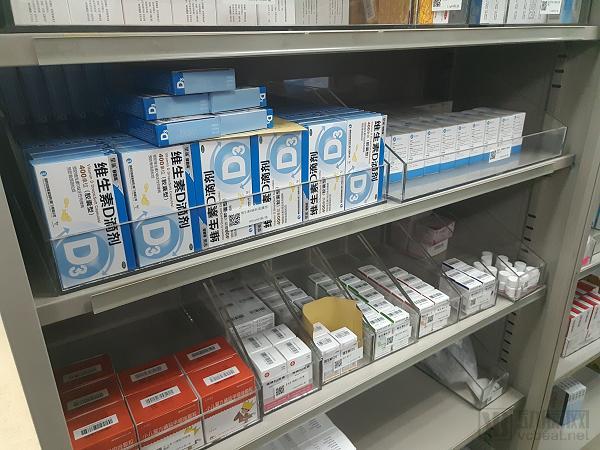
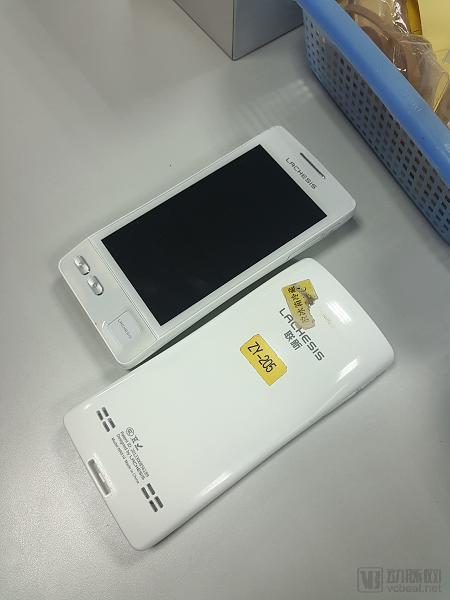
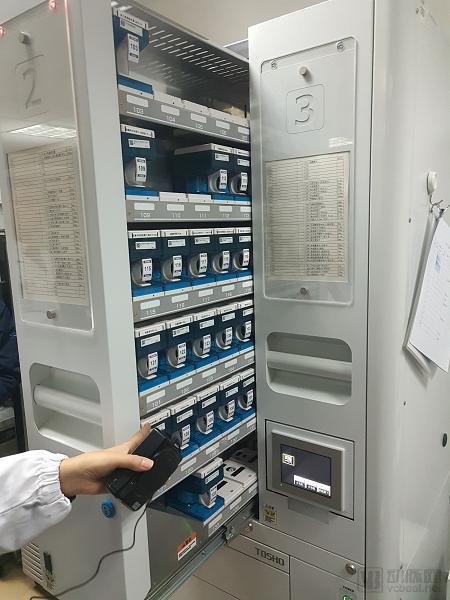
Drug Traceability Management
In the full-process monitoring of intravenous infusion, the hospital employs modern technologies to enable real-time monitoring of the entire workflow for intravenous medications at the pharmacy compounding center workstations. Pharmacists at Fudan University Children’s Hospital regularly conduct specialized prescription reviews focusing on high-alert medications, special drugs, and 14 categories of therapeutic agents. They summarize, analyze, and provide feedback on the actual medication administration processes, thereby establishing a positive PDCA (Plan-Do-Check-Act) cycle and continuously improving management protocols.
Furthermore, since the activity of enzymes responsible for drug metabolism and excretion in children is closely related to their growth and development, clinical decision support systems for pediatric medication are also critically important.
This medication Clinical Decision Support System (CDSS) incorporates data from sources such as the Chinese National Formulary and the Maldives Compendium of Medicines. It can recommend appropriate dosages based on different disease categories, as well as on the physiological and pathological information of pediatric patients. The system also intercepts errors related to incorrect routes of administration and excessive dosing. Once a physician makes a diagnosis, the system verifies the accuracy of the diagnosis and prescribed medication within 0.1 seconds, thereby ensuring medication safety for children.
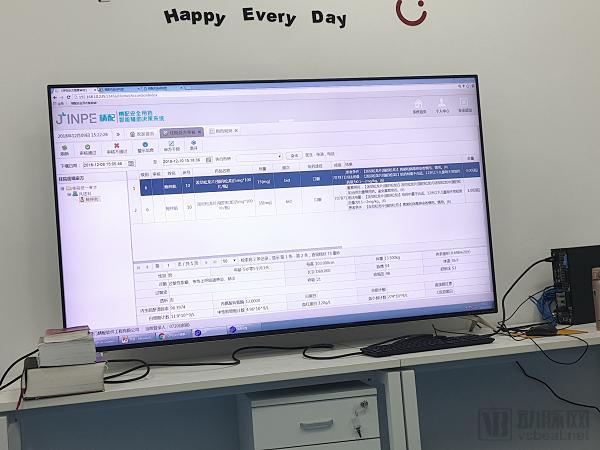
Precision-Matched Safe Medication CDSS
Currently, the neonatal unit at Children's Hospital of Fudan University has more than 200 beds, half of which are designated for critically ill infants. By optimizing hospital management processes, equipment, and systems, the hospital has enhanced its service capacity, providing these children with more precise and safe medication services.