

Night and Fog in the Tumor Neoantigen Field: Industry Analysis and Pipeline Overview
This article is reposted from: Blue Rainbow
Author: Patrick
2015: Tumor Neoantigens Come into View
Global research on cancer vaccines has spanned nearly two decades. Currently, there are a cumulative total of 1,638 clinical development projects for cancer vaccines registered on ClinicalTrials.gov; however, no particularly successful therapeutic tumor vaccine has emerged to date. In April 2010, Dendreon’s Provenge became the first and remains the only therapeutic cancer vaccine approved by the FDA for marketing, indicated for the treatment of advanced prostate cancer. Unfortunately, due to limited efficacy and poor management by the company that developed the product, Dendreon changed ownership several times before ultimately being acquired by the Chinese conglomerate Sanpower Group.
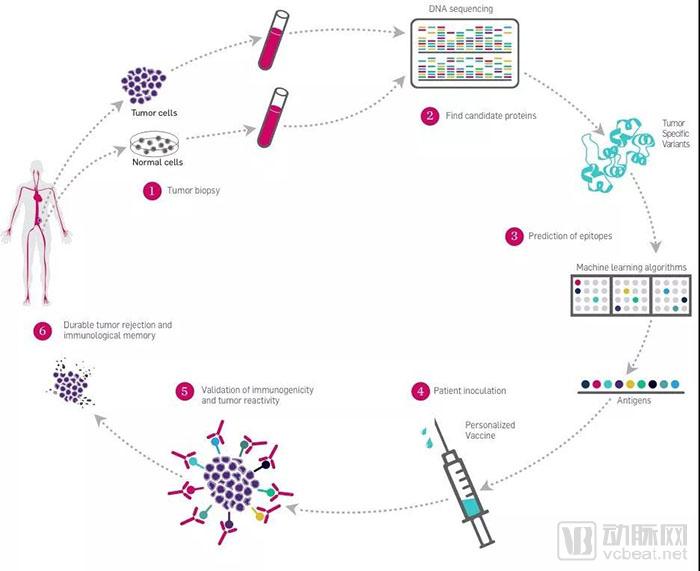
Identifying Novel Tumor-Specific Antigens Opens the Door to Targeted Cancer Therapy
Image source: Parker Institute
Neoantigens are mutant peptides found in tumor tissues, characterized by strong tumor specificity and high immunogenicity. The successful development of neoantigen-based cancer therapeutics would not only circumvent the toxicity issues associated with existing anticancer drugs but also achieve superior therapeutic efficacy. Numerous biopharmaceutical investors have begun to focus on this emerging technology. Currently, companies whose candidates have entered Phase I clinical trials are generally at stages beyond Series A financing, with funding amounts around USD 50 million. Notably, the companies founded by Professors Catherine Wu and Ugur Sahin, who published highly discussed articles in Nature, secured initial financing of USD 106 million and USD 270 million, respectively.
Statistical data reveal that, after decades of development, scientific research articles and related patents began to experience explosive growth in 2015.
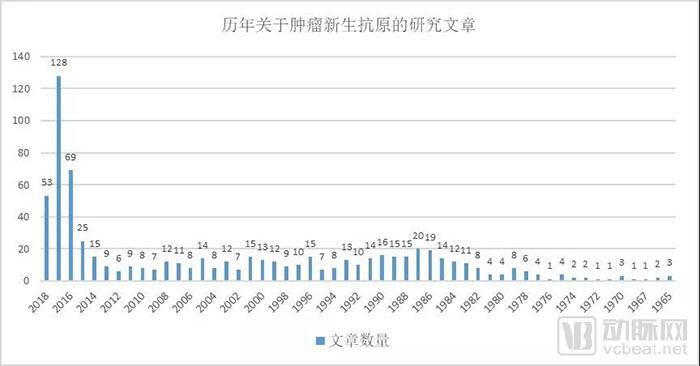
Data source: PubMed, data as of mid-2018
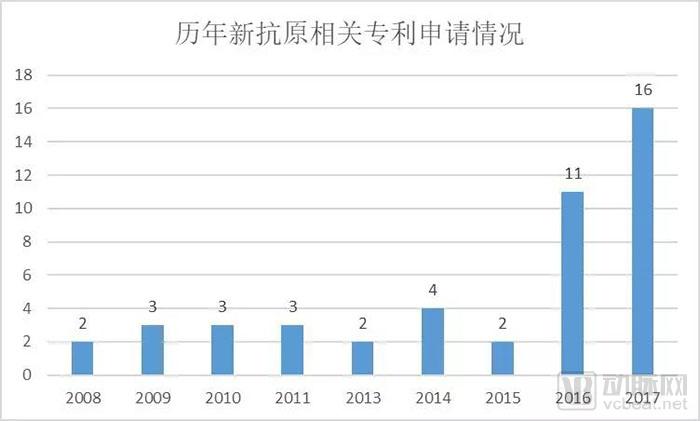
Data source: WIPO, data as of mid-2018
Europe and the US Lead Neoantigen-Based Vaccine Development, While the World Remains in the Darkness Before Dawn
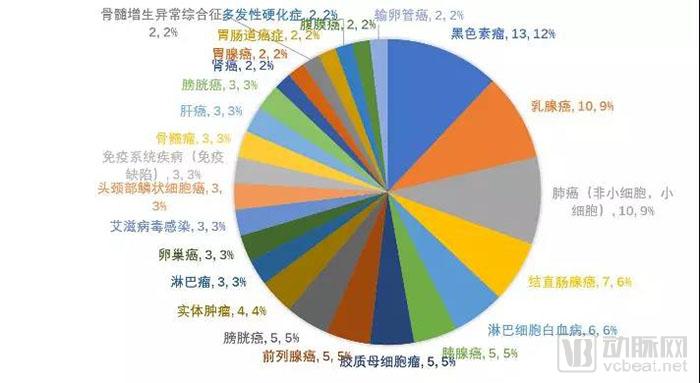
Indications for 92 Published Clinical Trials of Neoantigens Worldwide
Data Source: ClinicalTrials
Internationally, Europe and the United States are leading the development of neoantigen-based cancer vaccines, with a total of 65 clinical trials; China follows closely behind, with 13 clinical trials. The top three indications targeted are melanoma (12%), breast cancer (9%), and lung cancer (9%). According to incomplete statistics based on disclosed data, there are approximately 34 companies globally operating in the field of tumor neoantigens, with new players continually emerging.
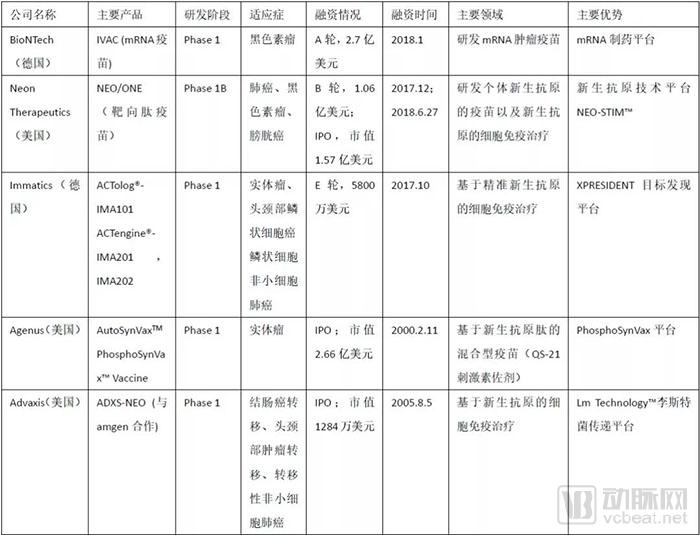
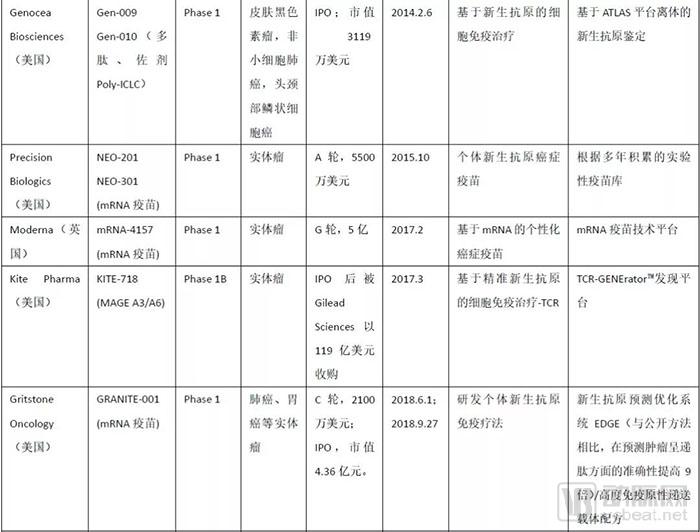
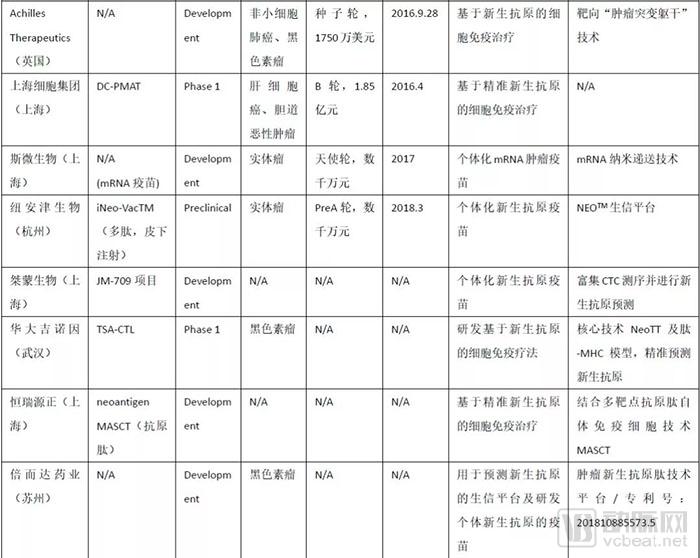
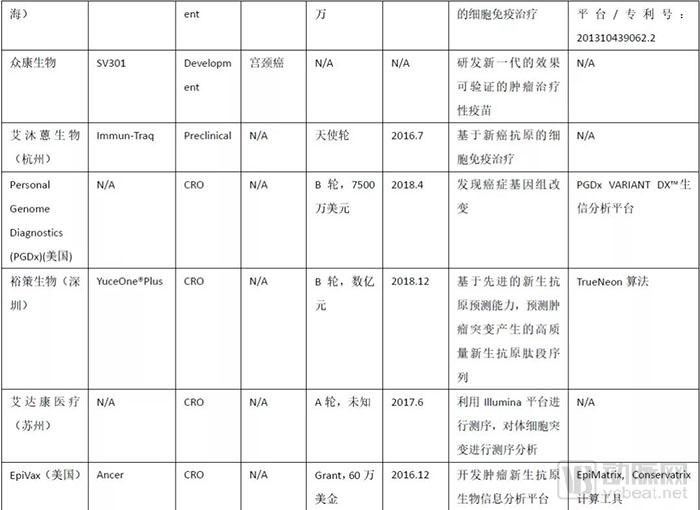
Brief Analysis: Corporate development strategies and progress vary across countries. In the United States, companies have largely initiated Phase I clinical trials, with financing ranging from $25 million to $100 million. During the early stages of the industry, U.S. enterprises tended to integrate the entire value chain, spanning neoantigen prediction and pharmaceutical development (including peptide vaccines and cellular immunotherapies).
European companies, predominantly from Germany, have already initiated Phase I clinical trials and secured financing in the range of hundreds of millions of yuan. Companies in other European countries are still at an early stage, with funding amounts around $20 million, primarily leveraging their strengths in pharmaceuticals (peptides and mRNA vaccines).
China entered the field relatively late, giving rise to a cohort of companies leveraging sequencing and bioinformatics as their entry point for neoantigen prediction. These startups are currently at the angel investment stage, with financing amounts ranging from RMB 10 million to RMB 30 million. Pharmaceutical-focused companies have also commenced preclinical research. Overall, there remains a certain gap between Chinese and foreign enterprises in terms of financing scale, technical characteristics, technological advantages, and the degree of integration across the industry chain. Hesitancy among investors has further contributed to the slow pace of industry development.
Overview of Companies in the Tumor Neoantigen Field
(As of mid-2018, incomplete statistics)

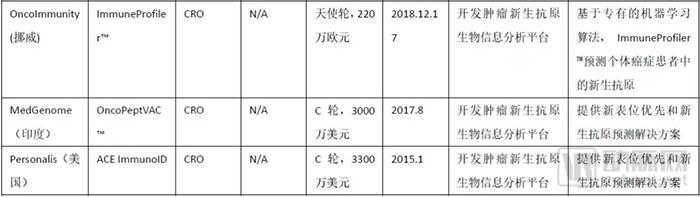
Relevant Industry Chain Modules Have Taken Shape

Genetic Testing Company
After obtaining patient samples, next-generation sequencing (NGS) must be performed prior to bioinformatic analysis to acquire the most comprehensive genetic information for submission to bioinformatics companies for analysis. Since most sequencing companies are capable of carrying out the sequencing process, bioinformatics firms or pharmaceutical companies typically outsource this work to sequencing providers through a Contract Research Organization (CRO) model.
Bioanalytical Company
Neo-antigen prediction and analysis via genetic testing constitute the most critical step in implementing this precision immunotherapy. Establishing such a platform requires building two key capabilities: high-throughput gene sequencing and core neo-antigen analysis and prediction algorithms. It is extremely challenging for hospitals to build this platform independently; therefore, they generally adopt collaborative approaches to obtain shared access to neo-antigen information. Similarly, it is highly difficult for pharmaceutical companies or immunotherapy firms to establish such platforms, with only a few possessing neo-antigen prediction and analysis capabilities. Consequently, specialized bioinformatics companies will inevitably emerge to provide neo-antigen prediction and screening services.
Pharmaceutical Companies / Immunotherapy Companies
After pharmaceutical companies identify neoantigens through collaboration or independent R&D, they develop personalized vaccines or precision immune cell therapies based on these neoantigens. Generally, both pharmaceutical companies and immunotherapy firms must possess significant technological advantages. Most companies developing personalized cancer vaccines have their own proprietary vaccine delivery systems, such as Siwei’s nanoparticle delivery system, Advaxis’s Listeria-based delivery system, and liposome-encapsulated delivery systems. To formulate neoantigens into vaccines, pharmaceutical companies also need capabilities in peptide synthesis and RNA synthesis, either in-house or outsourced to third parties.
Hospital
Hospitals are the optimal channels for obtaining patient samples and serve as the entry point for immunotherapy. When patients seek medical care at hospitals, physicians recommend appropriate treatment plans based on their clinical conditions. Hospitals are also the primary settings for delivering immunotherapy. Once an immunotherapeutic regimen is determined, the hospital arranges surgical procedures or blood collection and proceeds with subsequent treatment. Throughout the industry chain, hospitals can establish all necessary platforms to implement this therapy, including those for genetic testing, neoantigen bioinformatics analysis, vaccine or immune cell preparation, and liquid biopsy, thereby providing patients with one-stop services. The specific functional departments responsible for these tasks include Surgery, Pathology, Clinical Laboratory, and Biological Therapy.
High Technical Barriers in the Industry
The tumor vaccine industry has extremely high technical barriers, and neoantigen prediction, as an emerging field, still faces numerous technical challenges that need to be overcome. Competitive companies must possess core technologies in key areas such as neoantigen prediction, molecular drug synthesis, and drug delivery systems. The following analysis examines the advantages and uniqueness of the core technologies of three representative companies.
Neon Therapeutics - AI Bioinformatics Platform
Neon Therapeutics is a U.S. company that secured $106 million in Series B financing in December 2017 and went public on June 27, 2018. As of now, its market capitalization stands at $157 million. Its core technologies include the RECON® bioinformatics platform, independent peptide synthesis capabilities, and the NEO-STIM™ platform for assessing the immunogenicity of neoantigens. The company’s bioinformatics platform, RECON®, integrated with mass spectrometry (MS) analysis platforms, enables the effective development of algorithms that outperform existing ones trained on peptide affinity data.
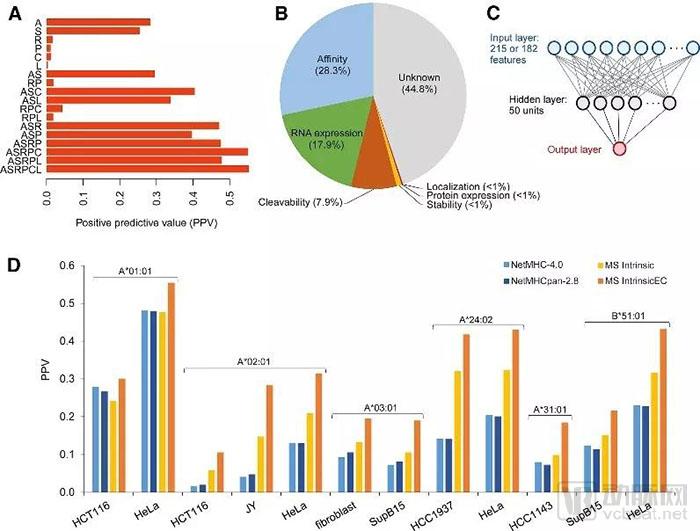
Evaluation of HLA-Peptide Binding Predictors Based on MS Data
Data source: Mass Spectrometry Profiling of HLA-Associated Peptidomes in Mono-allelic Cells Enables More Accurate Epitope Prediction
Neon Therapeutics has two product lines, including NEON / One for personalized neoantigen vaccines and individual autologous T-cell therapies, as well as the NEON / Select program targeting shared selective neoantigen targets for patient populations.
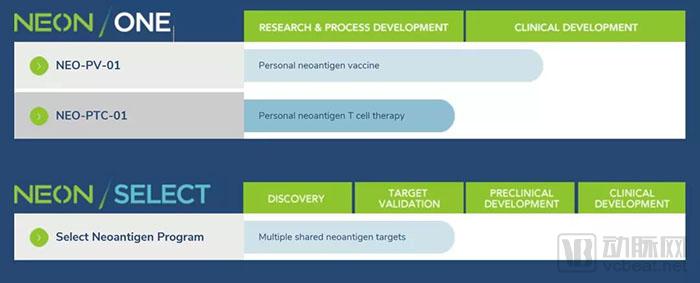
Image source: Neon Therapeutics official website
Product 1: NEO-PV-01 is a personalized neoantigen vaccine that is currently the most advanced in development, having entered Phase 1b clinical trials. The clinical trials will evaluate NEO-PV-01 in combination with nivolumab for the treatment of patients with metastatic melanoma, non-small cell lung cancer, or bladder cancer. Research findings published in Nature in 2017 described the team’s use of a peptide-based vaccine; they manufactured vaccines comprising 13–20 different neoantigen-containing peptide fragments for each patient and conducted clinical trials in six melanoma patients at high risk of recurrence. Data showed that 60% of the peptides elicited T-cell immune responses in patients. Among these six patients, four showed no signs of recurrence two years after vaccination. The other two patients experienced recurrence but achieved complete remission following treatment with PD-1 antibody therapy.
Product 2: NEO-PTC-01 is a personalized neoantigen T-cell therapy. After collecting immune cells from each patient, the NEO-STIM™ platform is used to generate T-cell populations specific to multiple personalized neoantigen targets. It is applicable to a wide range of solid tumors and hematologic malignancies. Currently, it is applying for Phase I clinical trials in humans in Europe.
Product 3: Select Neoantigen Program (Shared Neoantigens). Leveraging its in-house bioinformatics capabilities, including predictive algorithms with access to large-scale genomic databases, the program aims to identify a set of shared neoantigen targets applicable to specific patient populations across multiple tumor types. The project is currently in the target validation phase.
Advaxis - Drug Delivery Platform
Advaxis is a company focused on the discovery, development, and commercialization of novel cancer therapies using a live *Listeria monocytogenes* (LM) research platform. The LM strains used in the company’s products are attenuated and engineered to secrete antigens and adjuvant fusion proteins, thereby stimulating the patient’s immune system—particularly T cells—to mount an immune response against the secreted antigens. If the antigen is specific to cancer cells, this elicits a targeted immune response that destroys tumors. The company went public in 2005 and currently has a market capitalization of $12.84 million.
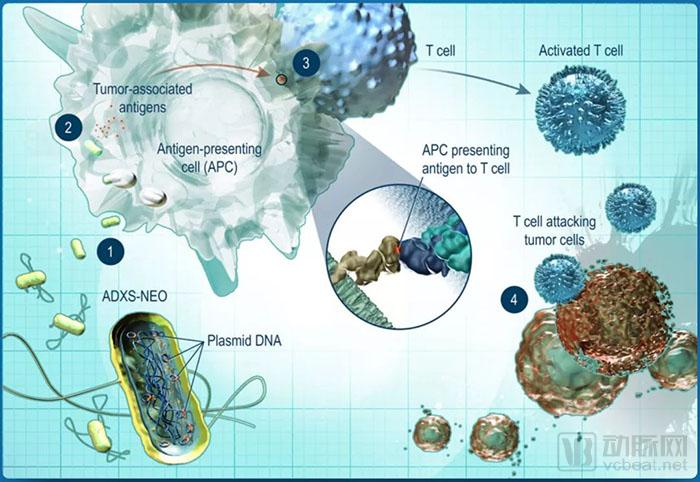
Image source: Advaxis official website
ADXS-NEO is a product of Advaxis that utilizes its Lm Technology™ to integrate coding sequences for tumor-specific antigens into a plasmid-based system, which expresses them in the context of a fusion protein sequence containing fragments of the LLO molecule. The Lm vector is taken up by antigen-presenting cells. Within the vector, large quantities of proteins bearing mutated neoepitopes are produced and secreted into the cytosol of the antigen-presenting cells, where they are processed and used to activate tumor-specific T cells, which can then locate and destroy cancer cells.
The ADXS-NEO construct is also designed to neutralize tumor protective mechanisms by reducing the immunosuppressive activity of regulatory T cells and myeloid-derived suppressor cells within the tumor microenvironment. Because the immune response is activated solely against mutated neoepitopes, systemic tolerance is expected to pose minimal barriers, and there is no off-target toxicity. The product has entered Phase 1 clinical trials and is being developed in collaboration with Amgen to use the ADXS-NEO vector to target patients’ unique tumor-specific antigens.
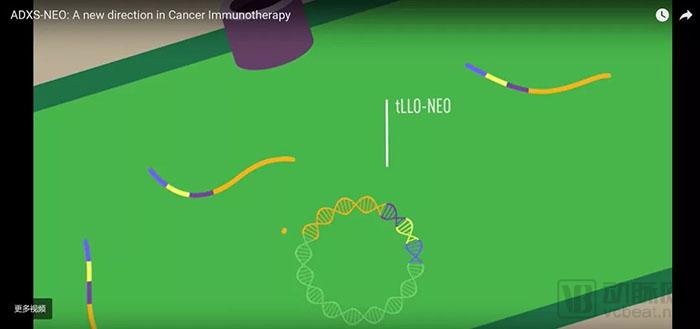
Within antigen-presenting cells, Listeria expresses tumor-specific antigens.
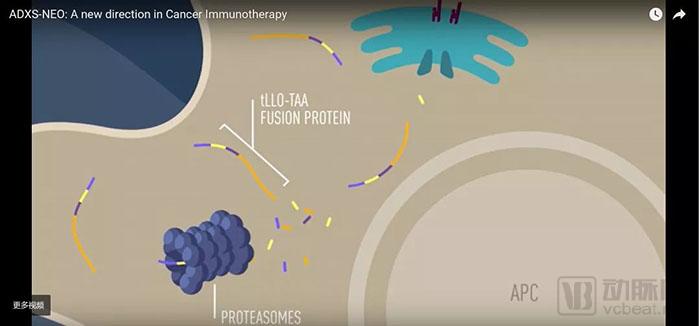
Tumor-Specific Antigens Are Presented to Immune Cells (1)
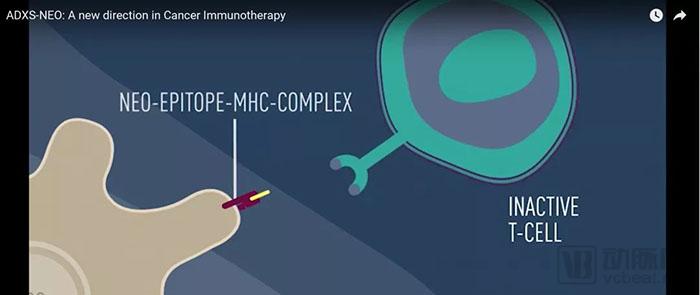
Tumor-Specific Antigens Are Presented to Immune Cells (2)
Genocea Biosciences - Ex Vivo Neoantigen Screening Platform
Genocea is a U.S. company that leverages its proprietary ATLAS platform for candidate vaccine development. It was listed on the NASDAQ on February 6, 2014, with a market capitalization of $32.9265 million. Genocea also employs next-generation sequencing (NGS) to identify mutation sites, uses an E. coli expression system for mutant protein expression, and ultimately conducts in vitro screening using the subjects’ own antigen-presenting cells (APCs) and T cells.
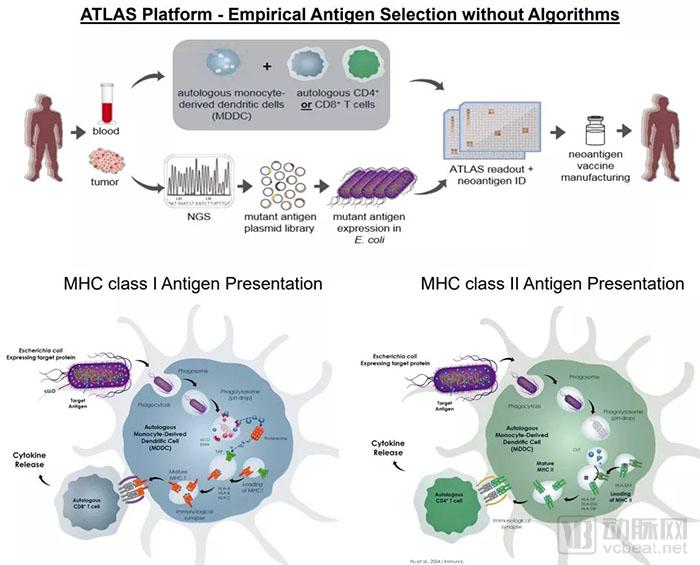
Image source: Genocea poster
Genocea’s self-reported data suggest that the efficiency and identification rate of ex vivo neoantigen screening are higher than those achieved through algorithmic prediction. Notably, 69% of the neoantigens identified via the ATLAS platform were not detected by algorithmic methods.
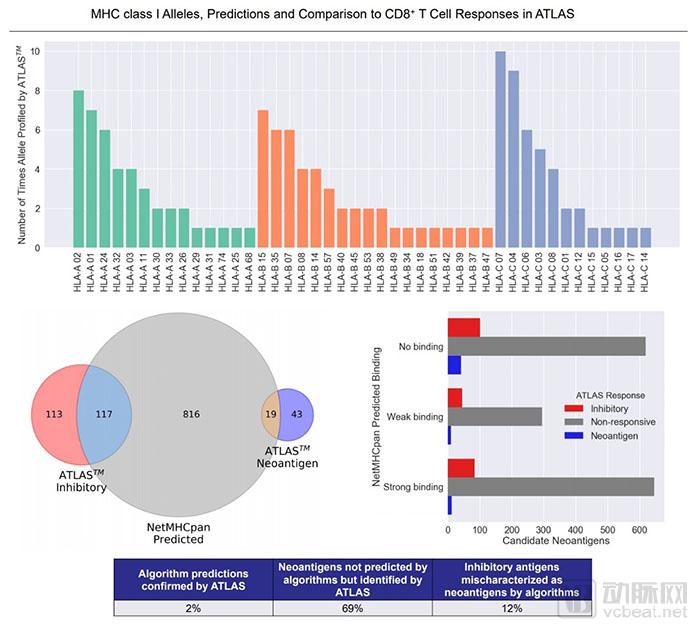
Image source: Genocea poster
Amidst Heavy Fog, the Road Ahead Remains to Be Explored
1. Difficulty in Screening for Valuable Neoantigens
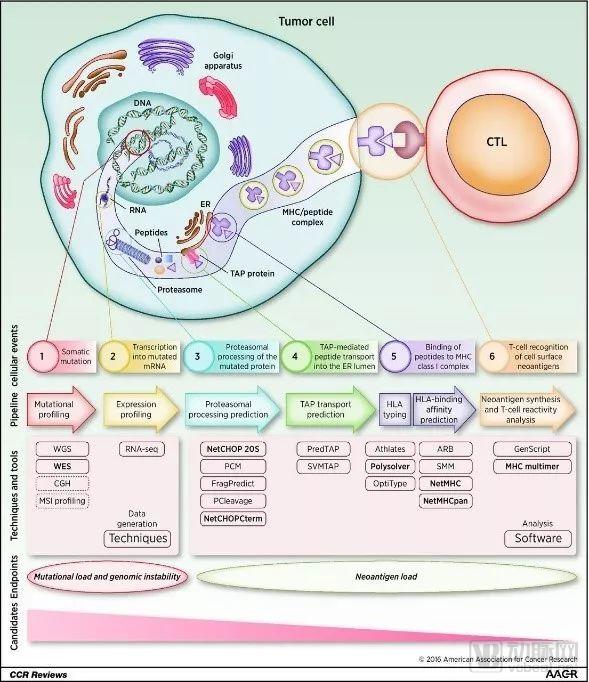
HLA genes are the most polymorphic genes in the human body, with more than 10,000 HLA class I allelic variants identified to date. Each HLA allele expresses approximately 1,000–10,000 unique peptides and presents them to T cells. Given the diversity of HLA expression, accurately predicting the association between peptides and specific HLA alleles is highly challenging.
Mainstream Bioinformatics Analysis Software
Image source: AACR
Secondly, because the process from nucleic acids to proteins involves a series of steps including encoding, transcription, processing, and modification, there is a significant gap between mutation analysis and the prediction of valuable neoantigens. This is generally expressed as the total number of nonsynonymous mutations in the tumor or the mutation burden per 1 Mb. A mutation rate of 10 per Mb corresponds to approximately 150 nonsynonymous mutations in the coding region of the tumor genome. Among these, only 10% of nonsynonymous mutations can generate mutant peptides that bind with high affinity to MHC molecules, and merely 1% of these high-affinity MHC-binding peptides are recognized by T cells in tumor patients.
2. Long Development Timeline for Vaccines
Vaccine development is a time-consuming process. Generally, for personalized vaccines, routine cases require approximately one month for gene sequencing, one week for bioinformatics analysis, and one week for peptide synthesis. After obtaining the final product, subsequent in vitro experiments, mouse studies, and human clinical trials are conducted, bringing the total timeline to at least three months. This waiting period is excessively long for patients with advanced-stage disease, making it critical to streamline the development process of personalized vaccines. Optimizing the sequencing step offers a potential avenue for acceleration; if a company possesses its own sequencing platform, the sequencing time can be reduced to one week.
3. The theory is not yet fully developed, and clinical data are insufficient to demonstrate efficacy
Side effects remain unclear, as neoantigen technology is relatively new and its theoretical foundation is not yet fully established. Relevant clinical trials are at most in Phase I/II, so the side effects of the vaccines have not been clearly defined. Currently, clinical research is more prevalent in melanoma cases with high mutation frequencies and a large number of mutations. The biochemical pathways of antigens within the body have not been thoroughly studied by the academic community. The cost of a single clinical case approaches 800,000–1,000,000 RMB, making it impossible to rapidly collect large-scale clinical data for validation. The response rate of currently developed vaccines is only around 20%.
4. High Cost
Due to the significant challenges in developing universal vaccines, shared mutations often exhibit frequencies below 5/1000, making it difficult to identify universal targets. Personalized vaccines currently incur high costs because they cannot leverage economies of scale to reduce expenses. These high costs are primarily reflected in research and development expenditures and vaccine production costs, including those associated with adjuvants and combination therapies involving immune checkpoint inhibitors.
"New technologies require objective assessment; the east wind still needs to be awaited."
The emergence of any new technology inevitably encounters numerous challenges, whether in terms of technological maturity, manufacturing processes, application directions, or business models. If a new technology can fundamentally meet market demands, the path from scientific research to commercialization can be navigated through advancements across various stages; therefore, there is no need for excessive pessimism or undue stringency.
The application of neoantigens in tumor therapy represents a new breakthrough. The related industry is in the early start-up phase of its life cycle, with a relatively limited market and development that has not yet reached scale. Consequently, industrial division of labor remains at a primary stage, lacking refinement. Based on a broad observation of the overall industry, the author believes that the dark horse in this sector at the point of future explosive growth will be a company that integrates the upstream and downstream segments of the industry chain. Such a company would demonstrate strong control over neoantigen screening, therapeutic drug preparation (vaccines/cell therapies), and clinical resources, while possessing certain technological or resource advantages at each stage. Whether through team building or acquisitions and holding stakes, it would significantly shorten timelines in sequencing, bioinformatics analysis, and drug preparation. Furthermore, it would establish a closed loop encompassing neoantigen screening, drug manufacturing, and clinical validation, enabling continuous optimization and iteration through this closed-loop system.
The tailwinds sweeping through the industry still depend on more in-depth theoretical academic research, the establishment of neoantigen screening criteria, the improvement of government regulatory frameworks for personalized therapy, as well as larger-scale and longer-term clinical and prospective studies. Moreover, the decisive early entry of capital will significantly accelerate the arrival of these favorable conditions.