

Apple's Disruptive Edge in Healthcare: Building a User-Centric Ecosystem Through Personal Health Data
By Nie Guanghong, Li Yanyu
Tech giant Apple is no longer content with the smartphone market, which pales in comparison to the vast healthcare sector. After several tentative forays, Apple appears to have found its trump card for becoming a disruptor in the healthcare market.
The global healthcare market, valued at over $7 trillion (nearly 10% of global GDP), presents significant opportunities for tech giants like Apple. The company regards healthcare and health as core components of its strategy for apps, services, and wearable devices. Currently, Apple aims to leverage its extensive user base to collect personal health data, thereby deepening its involvement in medical research, medical devices, and other related fields.
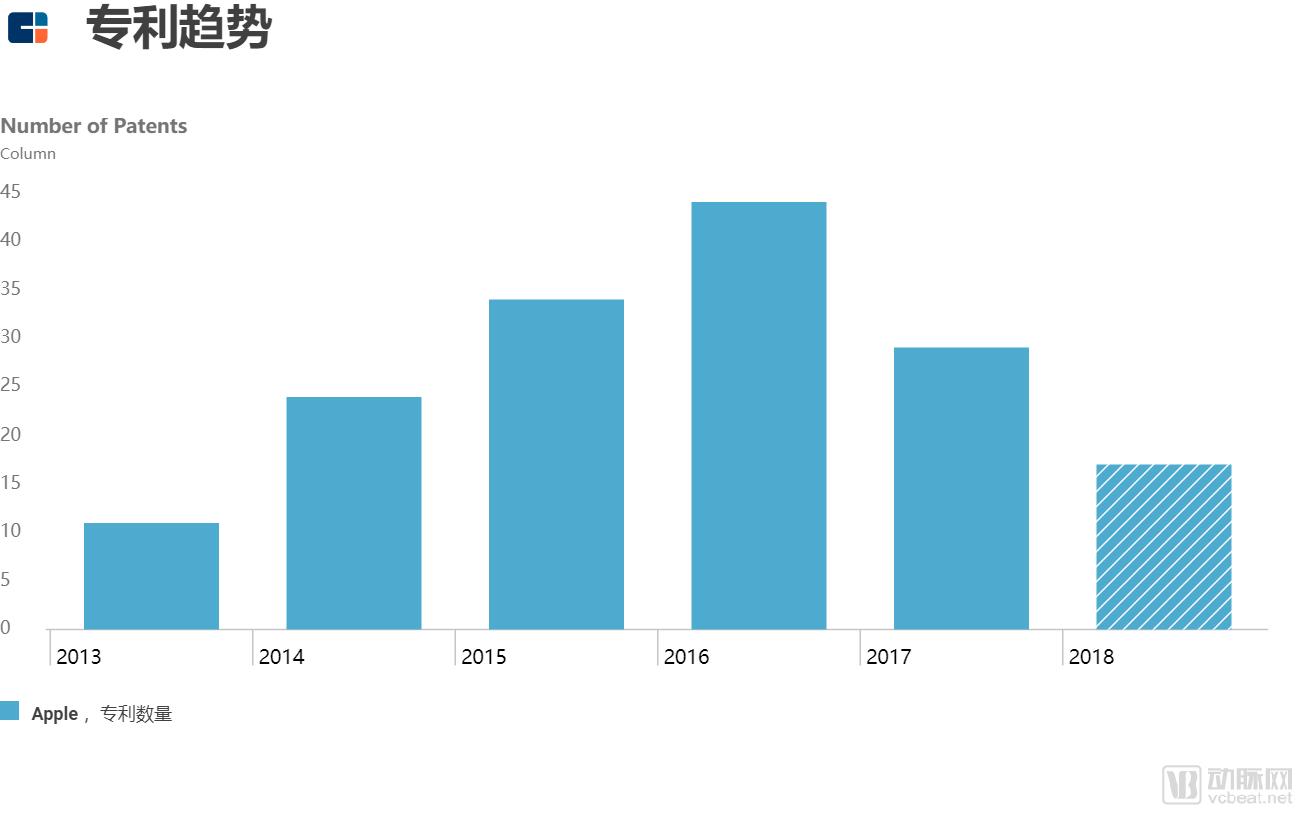
Apple Inc.’s Annual Patent Counts (Source: CB Insights)
According to CB Insights, with the launch of Apple’s Health Records and the Apple Watch featuring a single-lead ECG, Apple has clearly officially entered the healthcare sector.
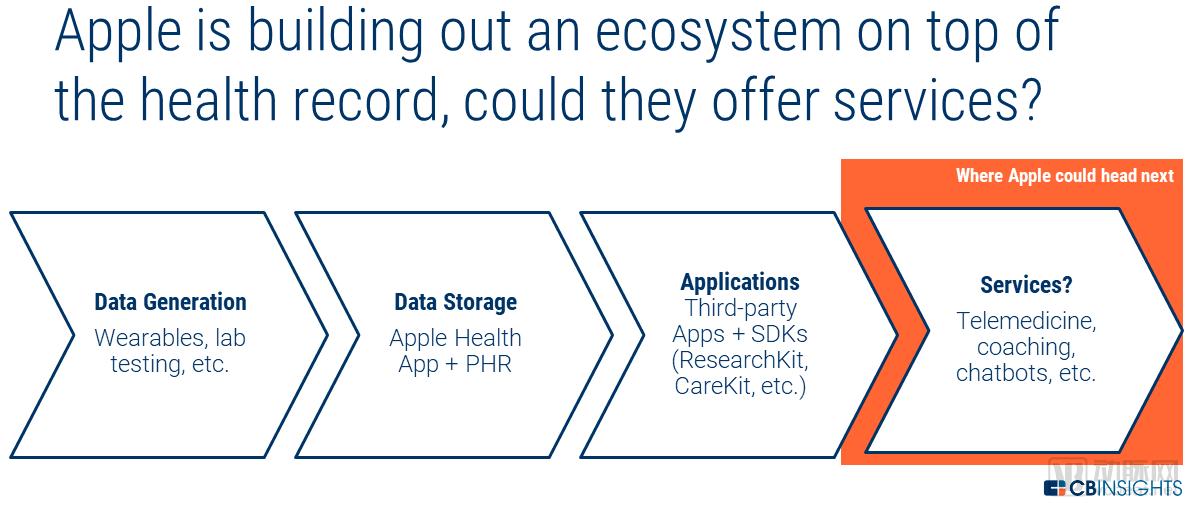
Apple Aims to Build the First Third-Party-Friendly Healthcare Platform Centered on Personal Health Records.
This report analyzes Apple’s ongoing impact on clinical research, its strategy for establishing personal health records, and the company’s next major service-oriented development directions in the healthcare sector.
Below is the main content of this report, compiled for you by VCBeat (WeChat Official Account: vcbeat):
I. Why Apple Is Entering the Healthcare Sector
II. Apple Health and Personal Health RecordsRecord
III. Apple's ResearchKit and CareKit
IV. Innovations in Mobile Phones, Smartwatches, and Medical Devices
V. Trends and Strategic Layout in Medical Devices
VI. Looking Ahead: Where Is Apple Health Services Headed?
Why Is Apple Entering the Healthcare Industry?
Apple’s entry into the highly regulated healthcare sector is driven by several key factors. Competition among tech giants has intensified, with rivals encroaching on domains where Apple has historically held dominance. For instance, Google is producing smartphones, Amazon is focusing on home hardware, and the wearable device market has become saturated.
As tech giants continue to encroach on Apple’s turf, the company has found that healthcare can help differentiate its products and further advance its core objectives, including:
Sell more high-margin hardware;
Increase the switching costs of its ecosystem;
Expand service offerings (Apple Cloud, App Store, etc.).
Keeping users within Apple’s ecosystem is the objective behind Apple’s success in cultivating an attractive third-party developer ecosystem on its App Store. The current lack of a third-party medical data development ecosystem presents an open opportunity for Apple.
The widespread adoption of Fast Healthcare Interoperability Resources (FHIR) has made this easier to understand. FHIR aims to enhance interoperability among hospitals, physicians, and other stakeholders. It establishes standards for diverse data elements, enabling developers to build application programming interfaces (APIs) that access datasets from different systems. Apple has also become one of the companies striving to achieve this goal.
Furthermore, Apple can leverage healthcare as a means to distribute its products to traditionally hard-to-reach populations, such as low-income and elderly individuals.Given the higher prevalence of disease in these populations, Apple can position itself as a tool for improving healthcare outcomes and distribute its products through family members or insurance companies.
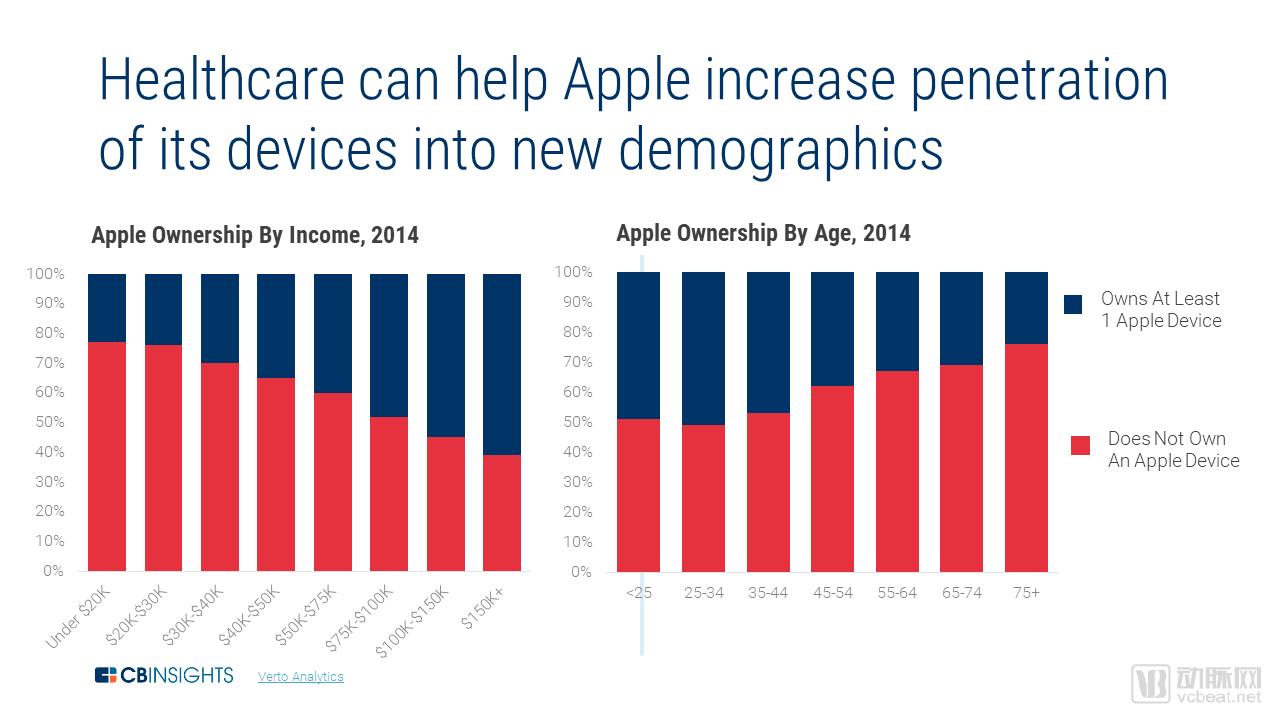
Apple’s Target Audience Profile (Source: CB Insights)
Health Benefits of Apples
Although Apple’s core expertise is not in healthcare, it holds many advantages in this field, with its brand being one of the greatest.
As the healthcare industry shifts toward a more proactive model, healthcare providers are engaging with patients more frequently, and building a strong brand has become a critical component. Notably, Apple’s emphasis on user privacy stands out, particularly when compared to other tech giants entering the healthcare space—a key message subtly conveyed in Apple’s advertisements during the 2019 CES.
Apple’s strong brand equity has enabled it to establish direct relationships with iPhone users, granting the company distribution and scale advantages.Following the launch of Apple’s Health app, user downloads have soared. Compared to healthcare startups that lack a similar scale, Apple’s massive user base has given it a distinct advantage in negotiations with established players in the healthcare industry.
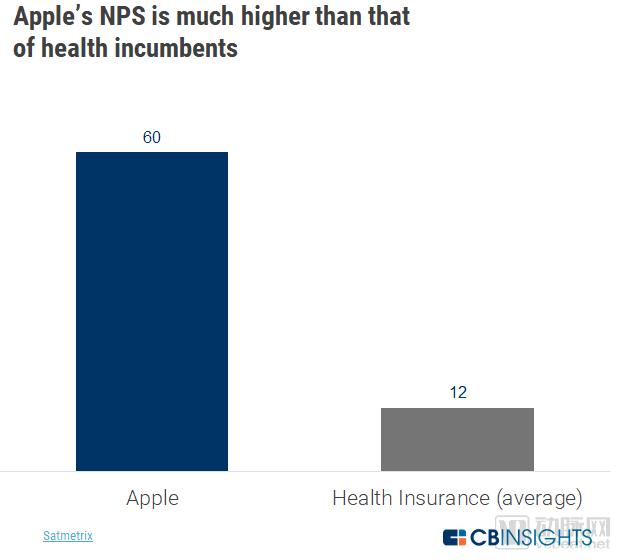
Apple’s user loyalty is significantly higher than that of other health brands (Source: CB Insights)
As of December 2016, there were 85.8 million iPhone users aged 13 and older in the United States alone. By comparison, UnitedHealthcare, the largest health insurer in the U.S., had only about 50 million medical plan enrollees.
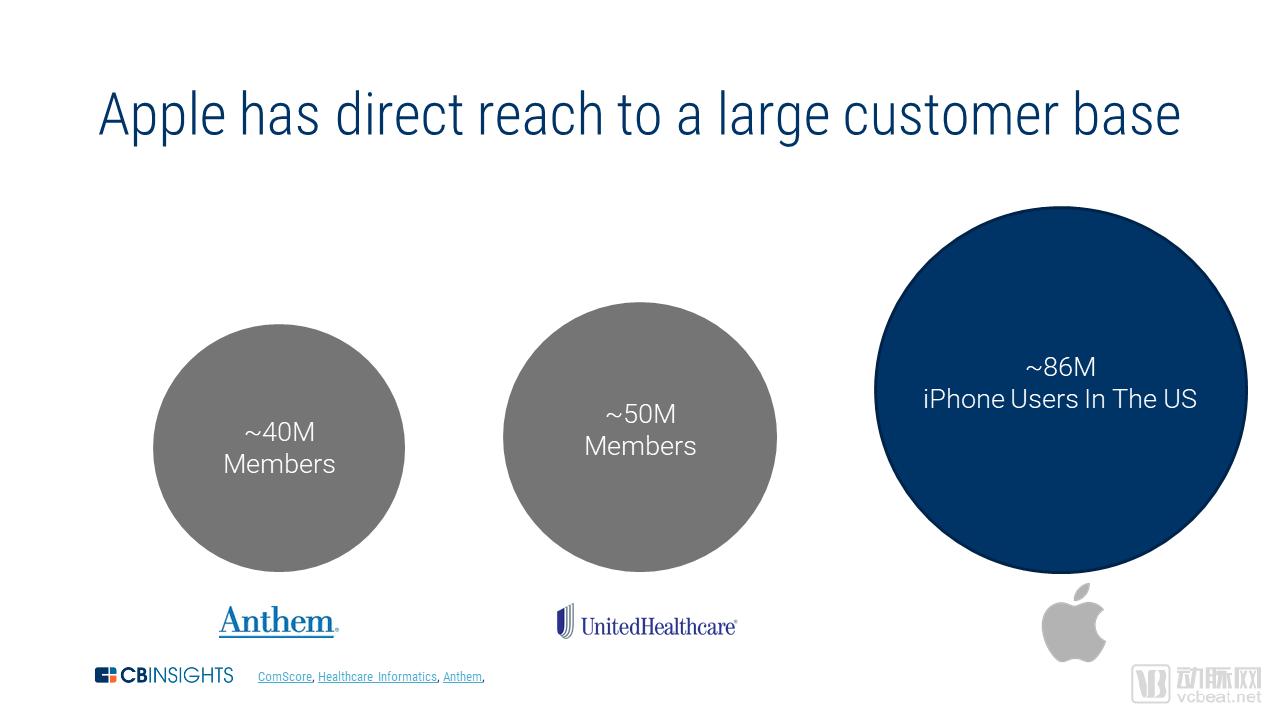
Apple’s User Base Compared with Major Health Groups (Source: CB Insights)
The Apple brand encompasses a seamlessly integrated product ecosystem that encourages consumers to invest more of their time, data, and preferences into Apple products, making them an indispensable part of their lives.
For example, if purchasing Apple products enables a smoother user experience and integrates other existing data from the user’s Apple account, the incentive for users to buy Apple products becomes stronger. Few healthcare companies are able to leverage similar ecosystem effects.
Apple’s control over both software and hardware has ultimately delivered a powerful brand and consumer experience. Through the acquisition of several artificial intelligence companies, Apple has strengthened the overall capabilities of its software products.
As larger and more complex datasets enter the healthcare sector, machine learning models and artificial intelligence will become the new strategic bets for industry stakeholders, who must also find efficient ways to leverage these technologies.
Although Apple’s artificial intelligence capabilities may lag behind those of other tech giants, it excels at integrating hardware and software. In the healthcare industry, accessing structured data streams is notoriously difficult; however, Apple’s expertise in bundling hardware and software enables it to create, structure, and interpret the data itself.
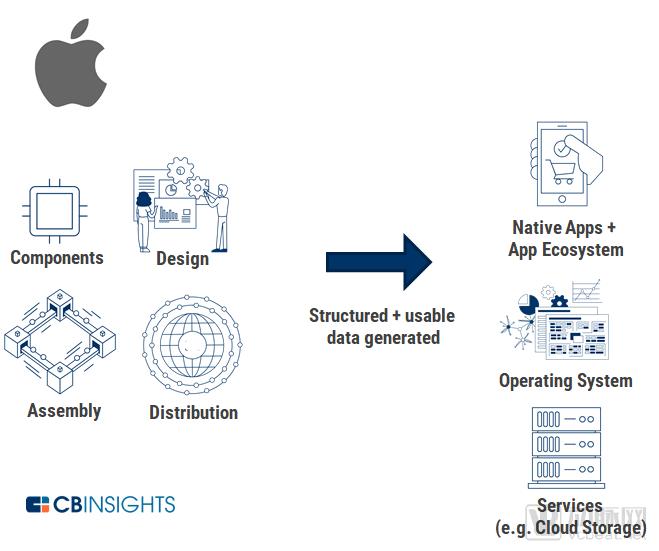
The company’s hardware components are also being improved. Apple has brought chip manufacturing in-house, with its new A12 chip focused on running artificial intelligence applications. The company is also seeking to develop better medical-grade sensors.
Furthermore, the high-quality cameras on iPhones can capture more details, and new lighting technologies are enabling novel machine vision use cases, such as ambient light sensors and dot projectors.
Finally, Apple has substantial non-medical revenue streams, meaning it does not need to rely on traditional revenue models or seek high profit margins from its medical products.If the company seeks to deepen its presence in the healthcare sector, its large and diversified revenue streams will enable it to withstand healthcare-related regulatory uncertainties and the prolonged time horizon for returns.
Apple Health and Personal Health Records (PHR)
Personal Health Records are a core pillar of Apple's healthcare strategy.This was first confirmed in a health registration patent in 2013. In 2016, Apple acquired Gliimpse, a personal health records startup, making greater progress in its personal health records business.
Apple is working to integrate health and healthcare, aiming to create a product that encourages frequent user engagement.
Taking Apple Health as an example, the first page of the Apple Health app features a step tracker and a calendar, allowing users to regularly monitor their activity. This provides a compelling reason for people to use the app.
The second page of health data tracks and quantifies health metrics, including physical activity, focus, nutrition, and sleep. In each of these areas, Apple recommends using apps that can help monitor these activities, such as Headspace, which is specifically designed for improving focus.
In the Vitality category, users can choose to connect with other sensors and trackers to monitor specific biomarkers. These metrics include blood alcohol content, glucose levels, and inhaler usage.
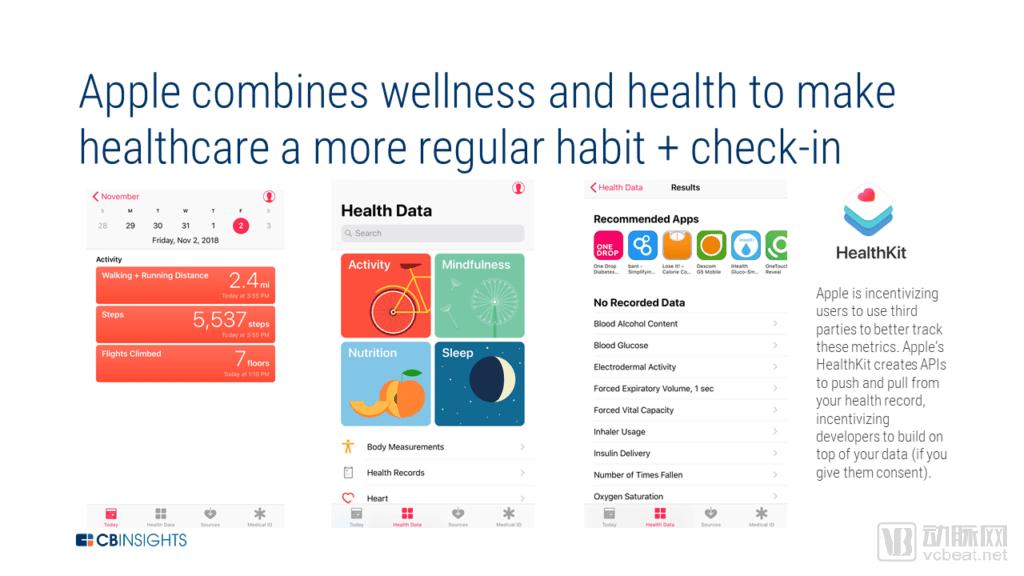
Personal Health Data Helps Users Develop Recording Habits (Source: CB Insights)
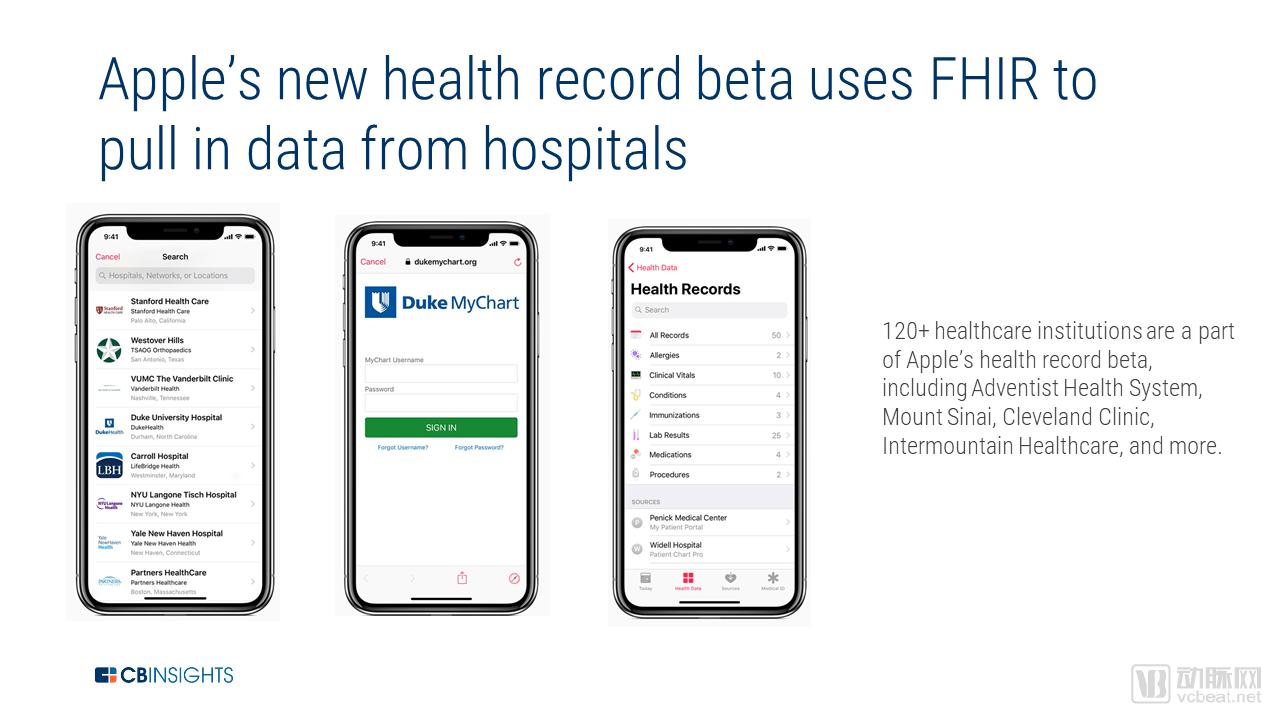
In 2018, Apple announced that it would incorporate EMR data into its mobile health records. It also announced that it would open its health records API to third parties through a software development kit (SDK) called HealthKit. Powered by FHIR, patients can log in to their patient portals, import their health record data into their smartphones, and then grant data access to applications of their choice.
Some applications have begun to leverage data from Apple’s Personal Health Record. Pokémon GO and Oscar utilize step trackers. The fast-casual salad chain Sweetgreen has integrated HealthKit to log meals ordered through its app into patients’ health records.
More than 120 healthcare institutions have become partners in the beta version of Apple Health Records, including Adventist Health System, Mount Sinai, Cleveland Clinic, Intermountain Healthcare, and LabCorp. Reportedly, the company is also collaborating with the startup Health Gorilla, which helps physicians order and interpret laboratory test data.
Apple's ResearchKit and CareKit
Apple is making it easier to use the iPhone and its ecosystem in research or patient care. The ResearchKit and CareKit software development kits provide templates for rapidly building custom applications, marking a key step in Apple’s move toward becoming a healthcare platform.
ResearchKit
In 2015, Apple Inc. launched ResearchKit as a tool to enable medical researchers to conduct studies using iPhones. This tool offers the following advantages: 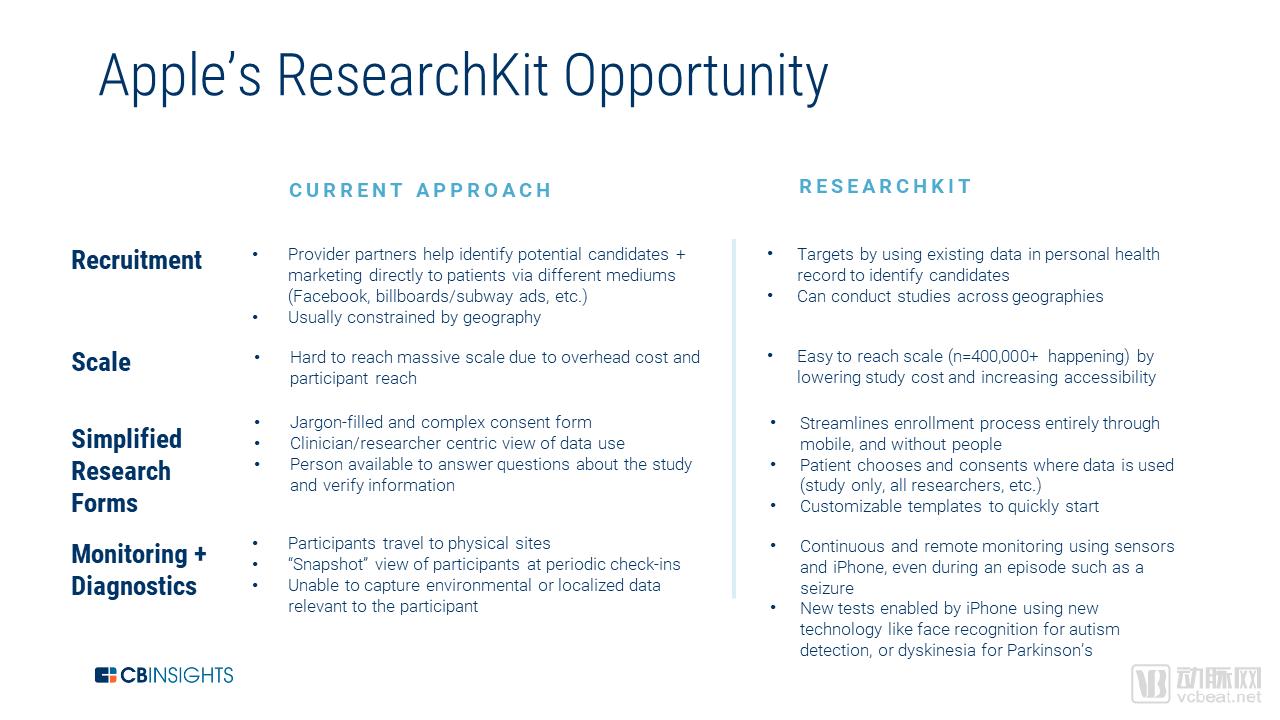
Advantages of ResearchKit (Source: CB Insights)
1. Make it easier to recruit researchers.By establishing direct connections with consumers through the iPhone, Apple can reduce barriers to study enrollment and leverage consumer health records to identify eligible research candidates. Furthermore, participants in ResearchKit studies are not constrained by geography and can come from around the world.
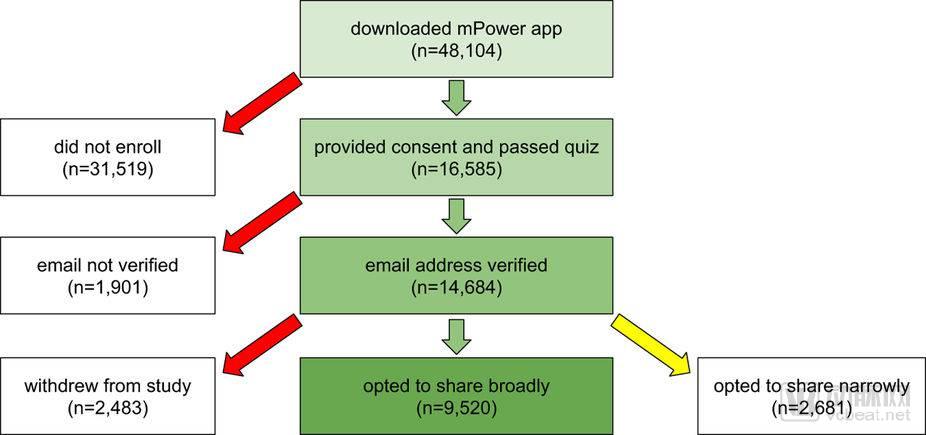
2. Making large-scale studies more feasible.By simplifying the recruitment process, studies on ResearchKit can achieve a scale far greater than that of traditional research. The Apple Heart Study recruited more than 400,000 participants within one year. A mobile Parkinson’s disease study named mPower attracted over 10,000 participants.
By comparison, the Michael J. Fox Foundation’s Parkinson’s Progression Markers Initiative (PPMI) study cost approximately $800 to enroll each participant in 2010 and has currently tracked fewer than 1,000 individuals.
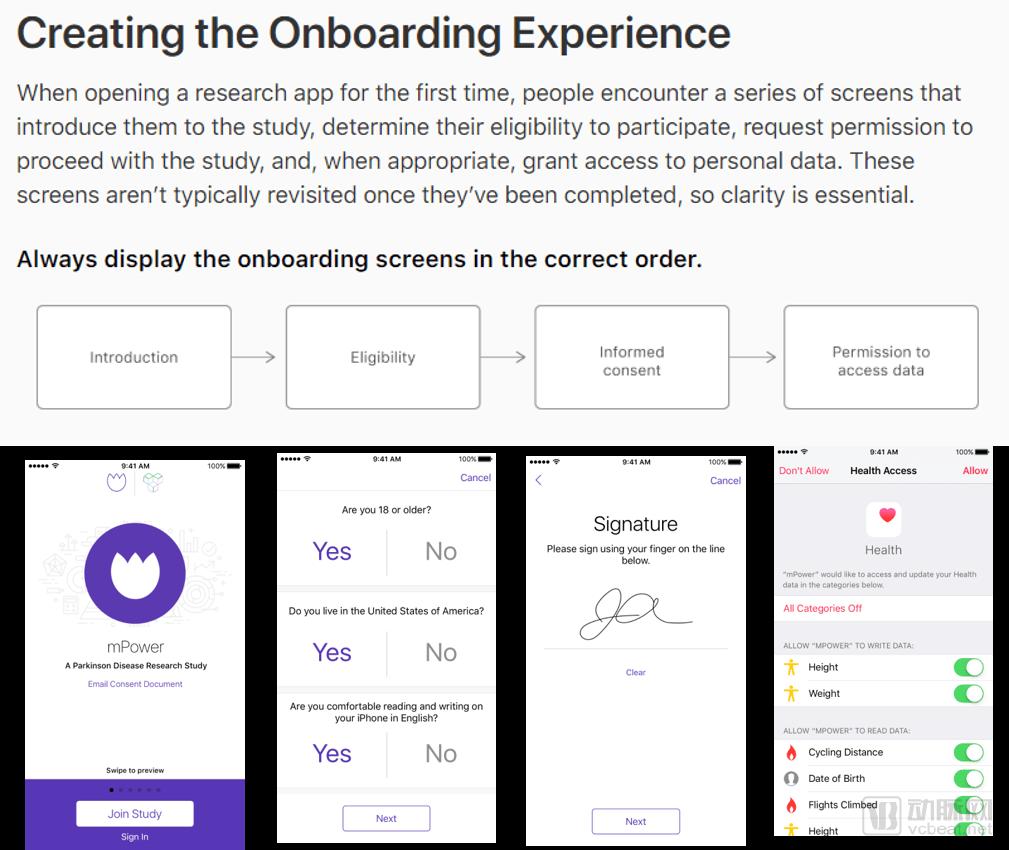
3. Simplify the process of participating in learning.ResearchKit is streamlining the research process by introducing customizable templates for study setup, eligibility criteria assessment, informed consent acquisition, and data access. For patients, informed consent forms featuring yes/no questions, videos, and patient quizzes facilitate a better understanding of what they are enrolling in.
However, although removing clinicians from the process improves research efficiency, it also raises questions about whether patient statements are truthful and whether clinicians should be responsible for answering related questions.
Overall, ResearchKit gives participants greater control, allowing them to choose where to provide their data, including for future research. For example, mPower found that more than 75% of study participants chose to donate their data, enabling the company to make the data sources publicly available.
4. Enable remote monitoring and diagnosis.Participants can leverage sensors on the iPhone or devices connected to it (such as Apple Watch, connected inhalers, etc.) to monitor their health status more continuously, rather than visiting a specific point of care. The collected patient data can also be used to help predict the risk of future disease exacerbations (e.g., heart rate, tremors, electrodermal activity, etc.). Certain health triggers may be caused by environmental factors, and mobile phones can capture relevant data in these scenarios, such as location data during peak asthma attacks.
However, although simplifying the registration process and enhancing accessibility theoretically imply that a broader population can participate in trials, this remains limited to the iPhone user base, as they tend to be more affluent.
This smartphone also employs cutting-edge technologies such as artificial intelligence and facial recognition for novel tests, including early autism detection.
Following the ResearchKit 2.0 update, new tools have been released with a focus on audio capabilities, including speech-to-text transcription, decibel recording, and vocal health assessment. It also facilitates the integration of AirPods into research studies, including sound calibration.
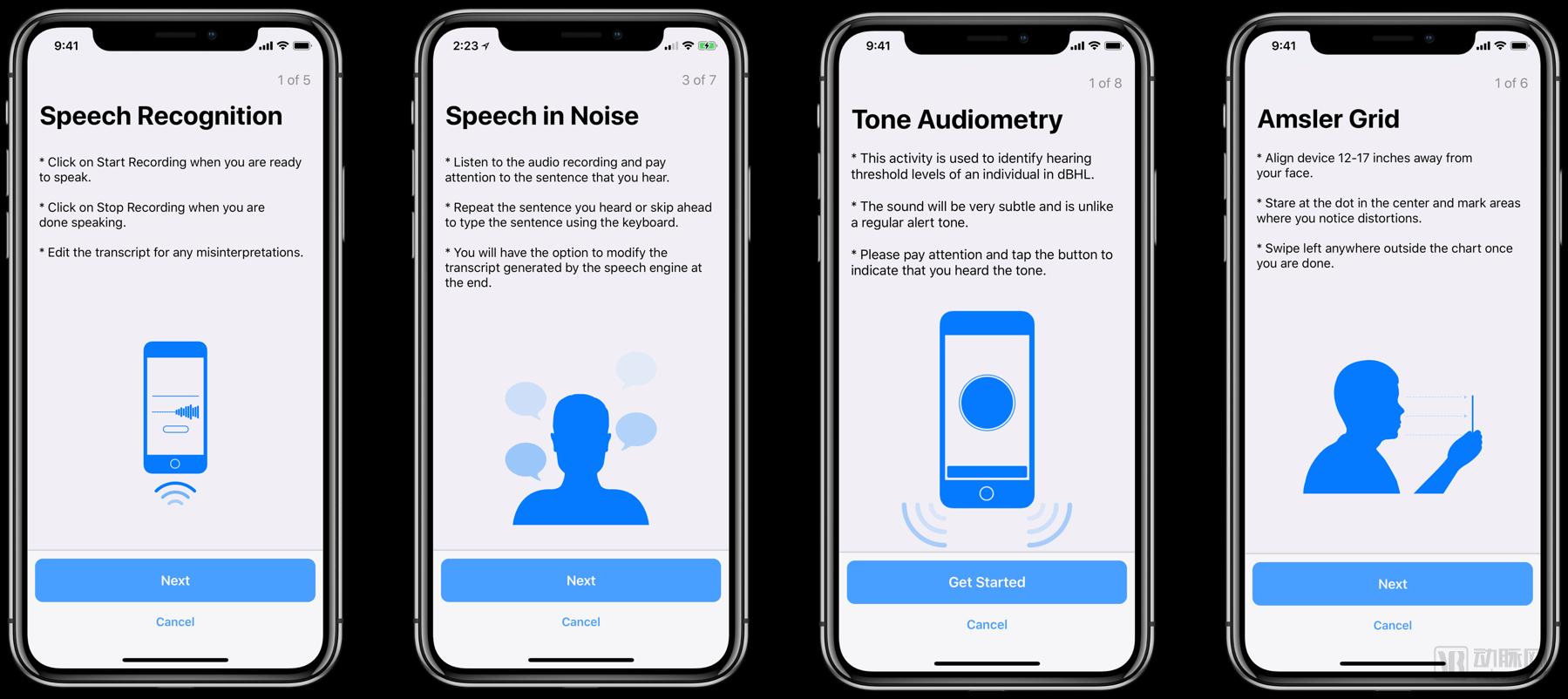
Pharmaceutical Giants Leverage ResearchKit for Remote Clinical Trials
As ResearchKit gains wider adoption and enhanced capabilities, an increasing number of pharmaceutical giants are leveraging this technology to conduct research. Pharmaceutical companies seek direct engagement with patients, which not only facilitates the recruitment of participants for clinical trials but also enables the collection of real-world data on drug performance. Such data is becoming an increasingly critical component in accelerating the FDA approval process.
ResearchKit has the potential to help these companies build closer relationships with patients suffering from various diseases.GlaxoSmithKline began using ResearchKit in 2016 to conduct research on rheumatoid arthritis; Novartis also utilized ResearchKit to study patients with multiple sclerosis (MS); and Pfizer developed a lupus symptom tracker.
Novis has advanced its research on FocalView, an application that enables researchers to monitor the progression of eye diseases in real time through self-reporting and tools on mobile phones. The first step is to evaluate the app’s ability to assess visual functions, such as visual acuity and contrast sensitivity. The next step is to remotely validate data collection via ResearchKit against traditional tests conducted in routine clinical settings. This lays the foundation for conducting remote clinical trials using ResearchKit.
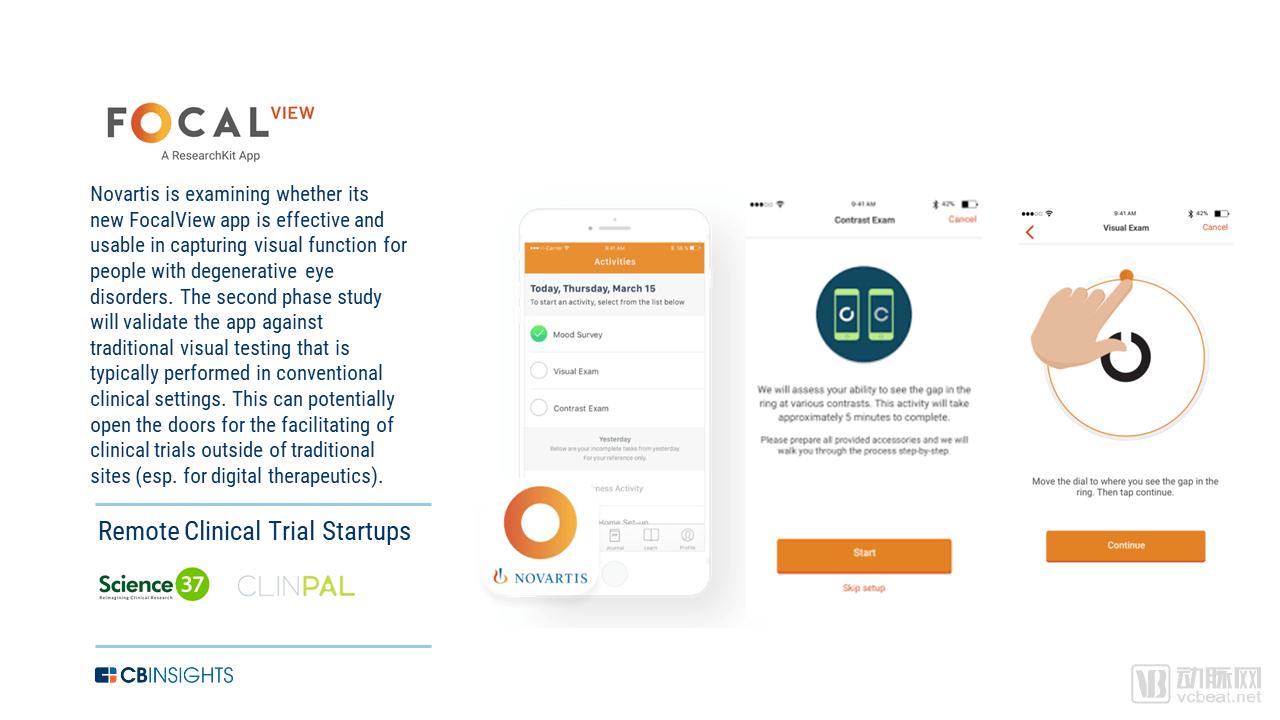
Novartis Conducts Research via FocalView (Source: CB Insights)
Given the high costs of operating and maintaining websites, along with stringent restrictions on recruiting trial participants, ResearchKit may play a significant role in clinical trials, particularly in the areas of digital therapeutics and diseases that cause mobility impairment.
Pharmaceutical companies seek direct engagement with patients, which not only facilitates the recruitment of clinical trial participants but also enables the collection of real-world data on drug performance—an increasingly critical component in accelerating FDA approval processes.
Following the success of ResearchKit, Apple launched CareKit in 2016. It enables healthcare providers and medical institutions to develop applications that leverage smartphone sensors and tools for real-time patient monitoring, similar to how researchers utilize ResearchKit.
The Advantages of CareKit:
Facilitates easier patient engagement for hospitals before and after discharge;
Create a centralized platform for healthcare professionals to monitor patients;
Other services can be easily integrated into the platform (e.g., non-emergency medical transportation).
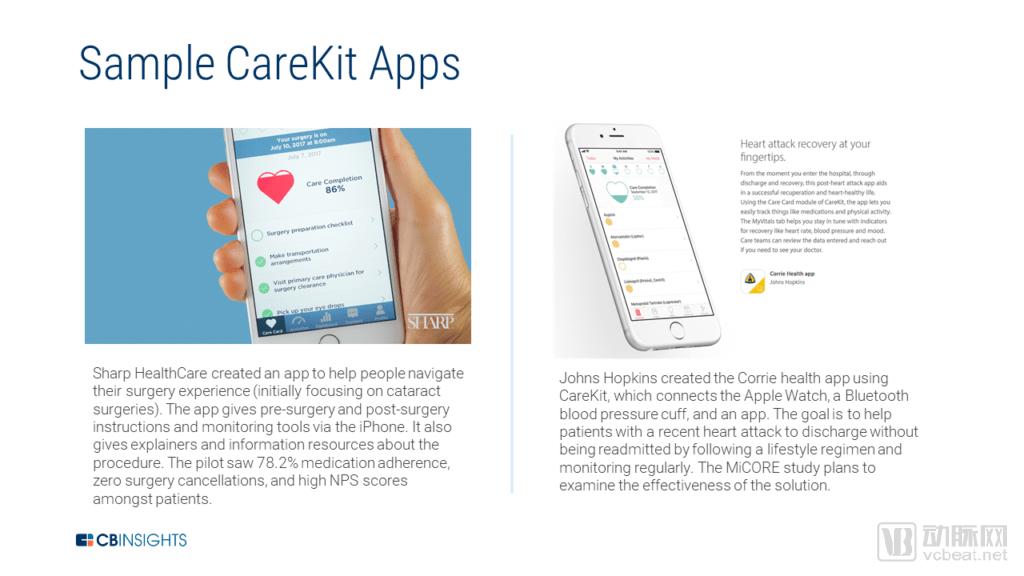
CareKit’s website integrates management of chronic diseases with a focus on surgical episodes (pre- and post-operative). As an open-source application, CareKit saw several startups immediately build their own platforms upon its release, including Glow, Iodine, and One Drop.
Third-party services can integrate with the CareKit platform. Companies specializing in medical transportation, adherence monitoring tools, health product delivery, and digital therapeutics can potentially integrate with these CareKit applications for distribution.
This not only makes it easier for hospitals to outsource services to other companies, but also allows them to bundle these services into packages tailored to specific diseases or events. In this light, Apple is gradually building a “Services-as-API” ecosystem.
Innovations in Mobile Phones, Watches, and Medical Devices
Medical devices will be able to populate Apple Health records with patient data. Previous attempts at personal health records failed in part because they relied heavily on users manually entering their own data. Medical devices can accomplish this passively.
Apple’s initial strategy appeared to focus on hardware that did not originate with healthcare features, but eventually found medical use cases.
With advancements in hardware, sensors, and computing power, we may see Apple develop more of its own devices while enabling third-party device manufacturers to build upon its platform.
Mobile Phones as Medical Devices
With each successive generation of the iPhone, we have seen the introduction of new components that enhance processing power, sensors, advanced lighting capabilities, and more.
Its capabilities are demonstrated as follows:
Apple’s newly launched in-house A12 Bionic chip, designed specifically for artificial intelligence capabilities;
Dot projectors enable granular facial recognition (useful in areas such as autism detection);
Powerful cameras and machine vision can empower novel monitoring and diagnostics.
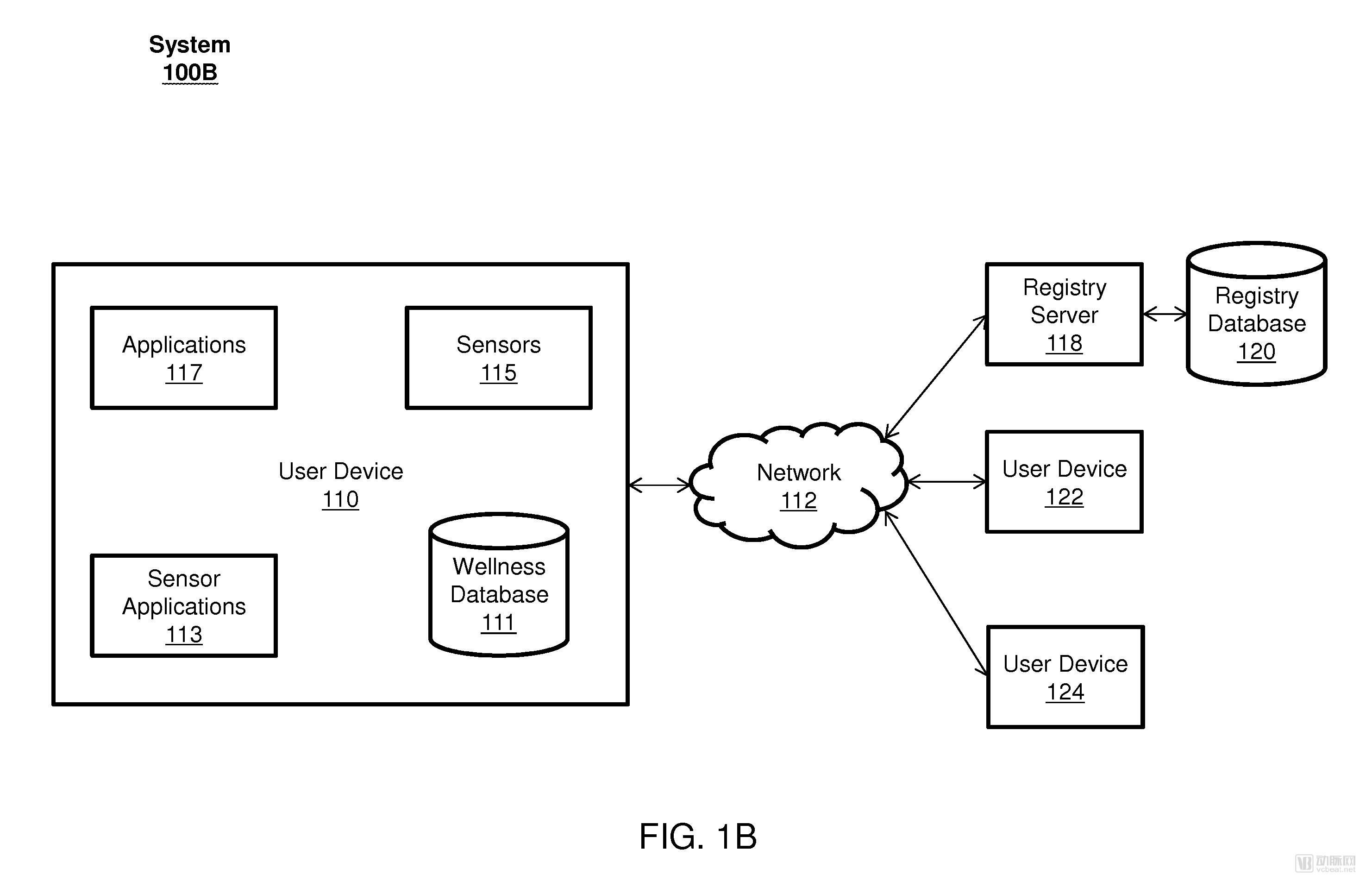
As early as August 2017, Apple was granted a patent for its “electronic device for computing health data,” but the technology depicted in the patent illustrations is not a new wearable health tracker or medical device; rather, it is an iPhone.
This patent document describes how Apple devices integrate cameras, ambient light sensors, and proximity sensors to detect changes in blood flow, and utilize blood volume measurements to calculate health metrics such as pulse rate and perfusion index, thereby enabling users to monitor information related to cardiac function, body fat, and blood pressure.
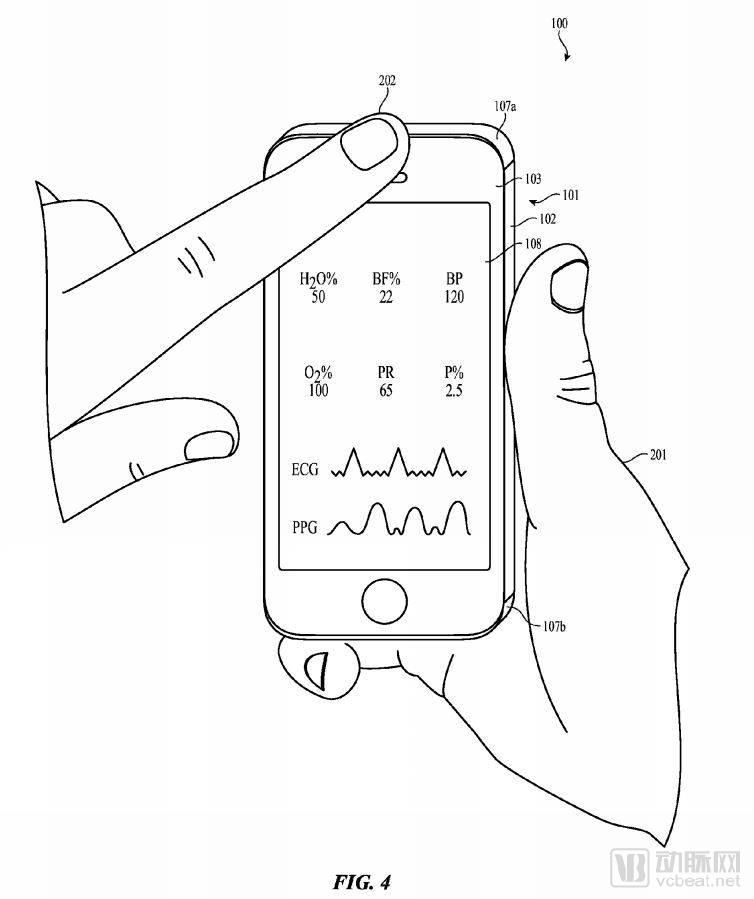
Schematic of Apple’s Patented Features (Source: CB Insights)
This feature can be activated not only by touching the iPhone with a finger, but also by using the ear, palm, or other body parts. Following Apple’s acquisition of the personal health data platform Gliiimpse in the third quarter of 2016, this patent once again underscores Apple’s ambition to transform the iPhone (or any of its consumer devices) into a health-focused device.
Third-party device manufacturers using iPhone as the platform
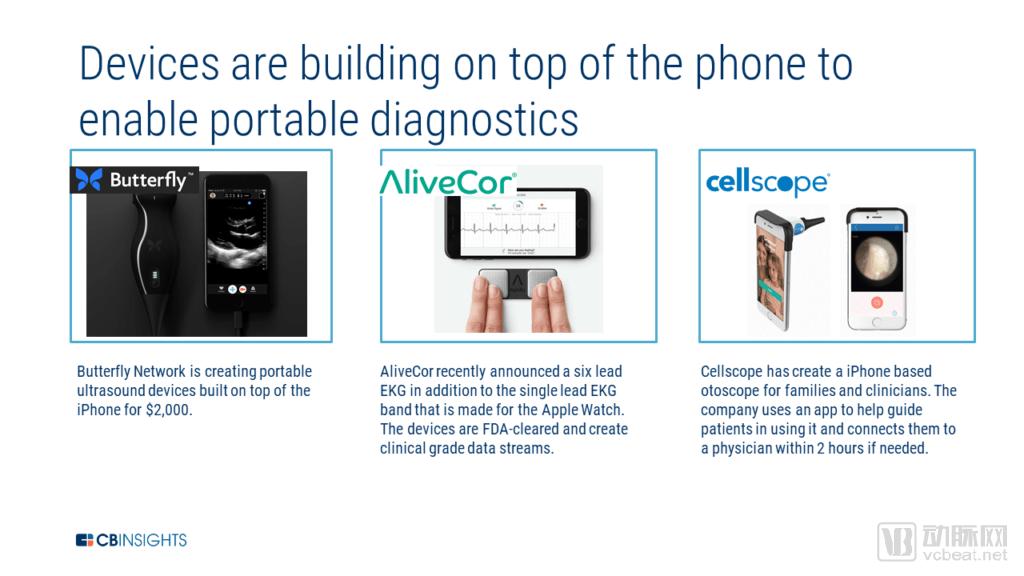
Some startups have also leveraged features built into the iPhone to make diagnostic devices more portable, such as Butterfly Network (portable ultrasound), AliveCor (multi-lead ECG), and Cellscope (iPhone otoscope).
Existing medical device manufacturers have begun developing devices specifically designed for Apple products. These companies focus on user experience and leverage the Apple brand to capture data through iPhone, Apple Watch, and other devices.
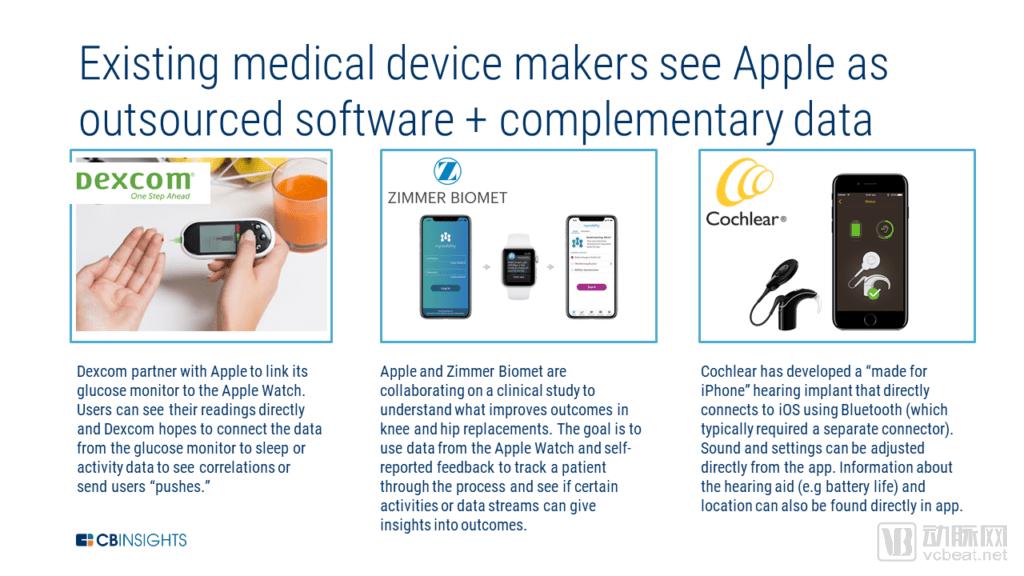
Apple as a Third-Party Device (Source: CB Insights)
Notably, a statement was recently released regarding a collaborative research initiative between Zimmer Biomet and Apple, aimed at identifying improvement factors that contribute to better care experiences for patients undergoing knee and hip replacement surgeries.
Researchers combined patient-reported feedback with continuous health and activity data from the Apple Watch to provide new insights for the Zimmer Biomet mymobility app, aiming to influence the standard of care for these common procedures. For Zimmer Biomet, this study strengthens the company’s position in the hip and knee replacement market.
The Centers for Medicare & Medicaid Services (CMS) launched a bundled payment program in 2016 called the Comprehensive Care for Joint Replacement (CJR) model, which established “target prices” for hip and knee replacement procedures for healthcare providers. If Zimmer Biomet succeeds in delivering care below this target price, it will receive a share of the savings.
Through this partnership, Zimmer Biomet gained access to Apple’s expertise in consumer experience, as well as hardware and software for capturing and analyzing more relevant patient data.
As more medical device manufacturers shift to these patient-experience-driven business models, the concept of “patient-centricity” will become key.. This study will be a good way for Apple to demonstrate its value in terms of patient experience.
Apple's Medical Devices
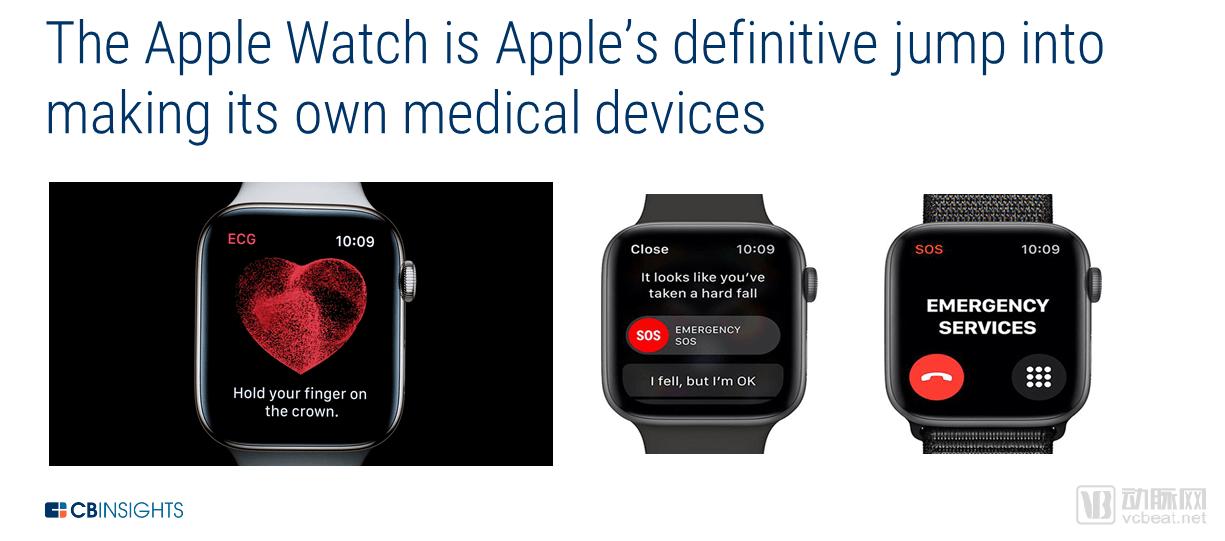
In September 2018, Apple announced that the single-lead electrocardiogram (ECG) feature of the Apple Watch Series 4 had received FDA approval, and that the device was equipped with fall detection and immediate alert capabilities.This helps transform smartwatches into essential products, especially for the elderly. The new Apple Watch released in the fall of 2018 also completed Apple’s transition of the smartwatch from a consumer electronics device to a health product and clinically viable device.
In terms of research, Apple has established several partnerships with Stanford University’s Center for Digital Health and universities such as the University of North Carolina (UNC), focusing on research into other aspects of health capabilities. Apple is providing thousands of Apple Watches to researchers at these universities for the following purposes:
Mindfulness and Physical Activity
Virtual Therapy for Arm Rehabilitation in Stroke Patients
AI-Supported Adherence to Psychiatric Treatment
Reducing Cases of ADHD (Attention-Deficit/Hyperactivity Disorder)
Migraine Prevention and Data Collection
Binge Eating
These research initiatives could help Apple identify future use cases for the Apple Watch. According to The Wall Street Journal, Apple is also exploring the detection of other biomarkers; following its success with electrocardiogram (ECG) functionality, the company aims to expand monitoring capabilities to other areas, including blood oxygenation and skin conductance.
Based on the patent documents, glucose monitoring and blood pressure monitoring appear to be two areas of focus for the company. One of Apple’s patents involves using absorption spectroscopy to measure the concentration of substances in a sample, with potential applications in glucose monitoring. According to foreign media reports, Apple has assembled a team dedicated to non-invasive glucose monitoring, a feature that could be integrated into the Apple Watch or offered as a standalone device. Another patent describes a blood pressure cuff designed for use on the wrist.
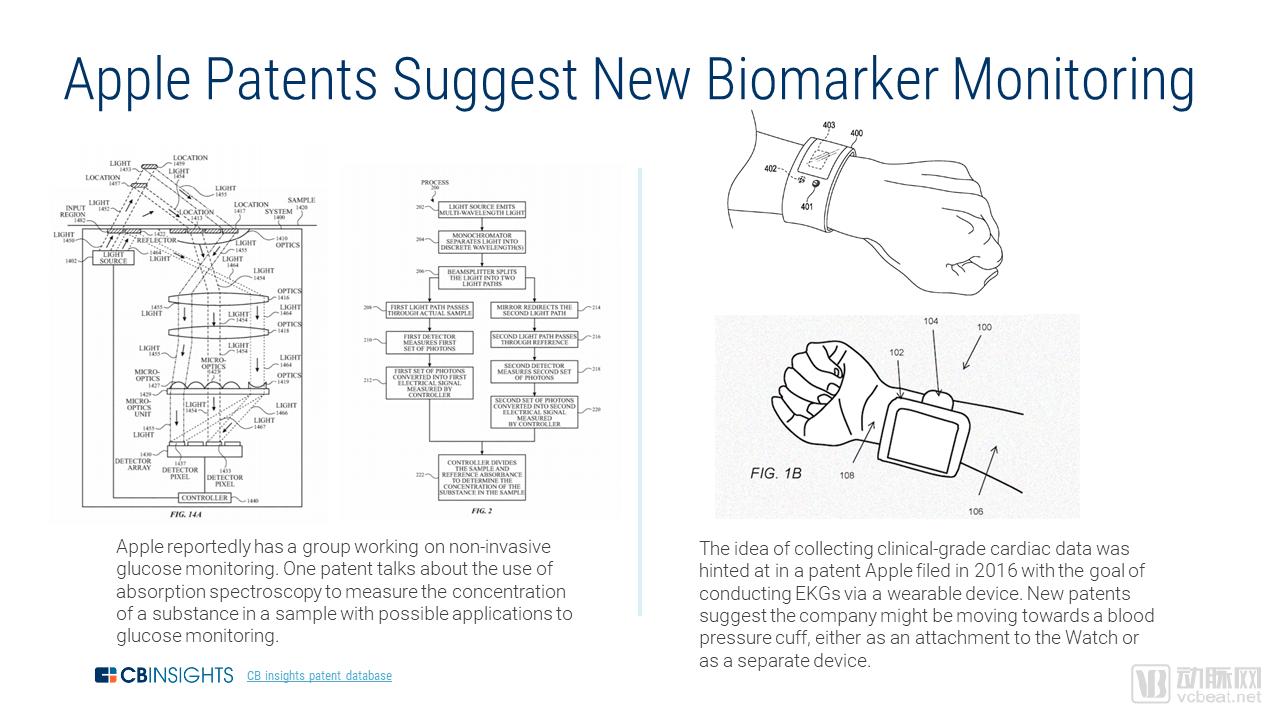
Apple’s Patent Reveals Its Ideas for Physiological Metric Monitoring (Source: CB Insights)
In a true ecosystem approach, Apple may be seeking to develop a suite of monitoring devices designed to work in concert and provide physiological data—such as heart rate and physical activity—to identify potential correlations.
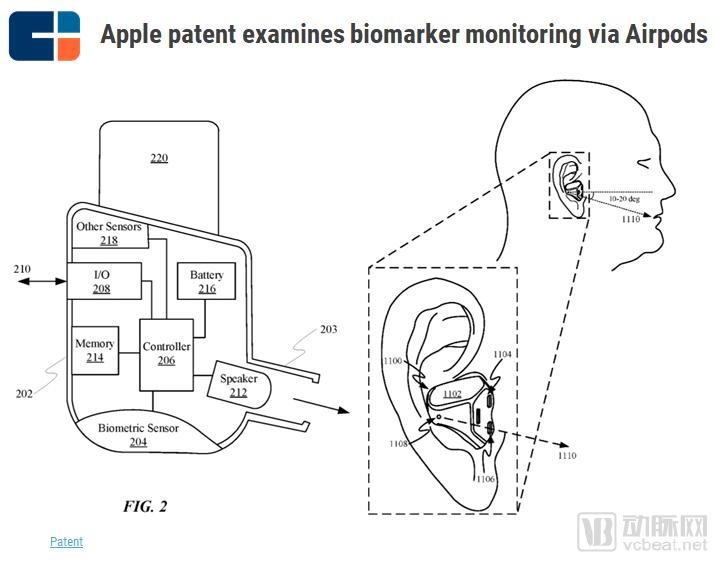
Beyond the iPhone and Apple Watch, AirPods are considered Apple’s next hardware product to be applied in the health sector. Apple has explored whether its AirPods can capture biometric data. According to a patent, by pressing the AirPods against the inner ear, the device may be able to capture internal body temperature, heart rate, and VO2 (oxygen consumption).
“The Over-the-Counter Hearing Aid Act” allows manufacturers to sell medical-grade hearing aids directly to consumers without a doctor’s prescription. With its implementation, Apple is perfectly positioned to launch its own FDA-cleared hearing aids within devices that boast strong brand recognition and superior user experience.
In the field of home health monitoring, Apple acquired the sleep-tracking company Beddit in 2017. The company uses hardware to monitor metrics such as sleep duration and efficiency, heart rate, respiration, temperature, movement, snoring, ambient room temperature, and indoor humidity. Sleep tracking can help bridge the gap for consumers between general sleep health and sleep disorders (such as sleep apnea and restless legs syndrome).
However, Apple recently ceased cloud support for the company, a move that suggests Beddit is either being integrated into the Apple ecosystem or may be discontinued.
As the company further expands into the smart home sector through the HomePod smart speaker, the overall value of its ecosystem can be enhanced by integrating health and health-monitoring smart hardware.
Trends and Layout Strategies for Medical Devices
As Apple continues to advance into the healthcare sector, the regulatory environment has matured, enabling the company to develop more direct-to-consumer medical devices.The aforementioned Over-the-Counter Hearing Aid Act could serve as a leading indicator for other low-risk devices, highlighting the potential for direct-to-consumer channels—a strategy that requires the brand strength and user experience expertise that Apple provides.
FDA Commissioner Scott Gottlieb stated, “New medical devices empower consumers to better understand their health status and manage their healthcare more effectively.” Gottlieb emphasized his belief that placing medical devices in the hands of consumers will help them make better choices, and he pledged to continue advancing legislation for more direct-to-consumer healthcare.
Apple’s products are mostly offered directly to consumers as medical devices. However, affordability remains a major concern for consumers.
With the medical application of these devices, we may see Apple adopt similar subsidy strategies to boost the adoption of its hardware products. Rather than partnering with telecommunications carriers, Apple could leverage insurance companies and payers to subsidize the cost of its medical devices. In the course of delivering health management services, it is particularly important to place these devices in the hands of low-income patients who are at higher risk for adverse health events.
Major insurers such as UnitedHealthcare, Aetna, and John Hancock have begun leveraging the Apple Watch as a technological intervention, offering subsidies for the device or incorporating it into rewards programs to promote healthy behaviors among members, with the aim of maintaining member health and controlling costs.
The Future: Where Is Apple’s Health Service Headed?
Various signs suggest that Apple is also looking to pivot into primary care services. Through primary care, Apple can position itself early across multiple links in the value chain before patients enter large hospital systems, enabling it to become a key tool for managing patient health outside of hospitals.
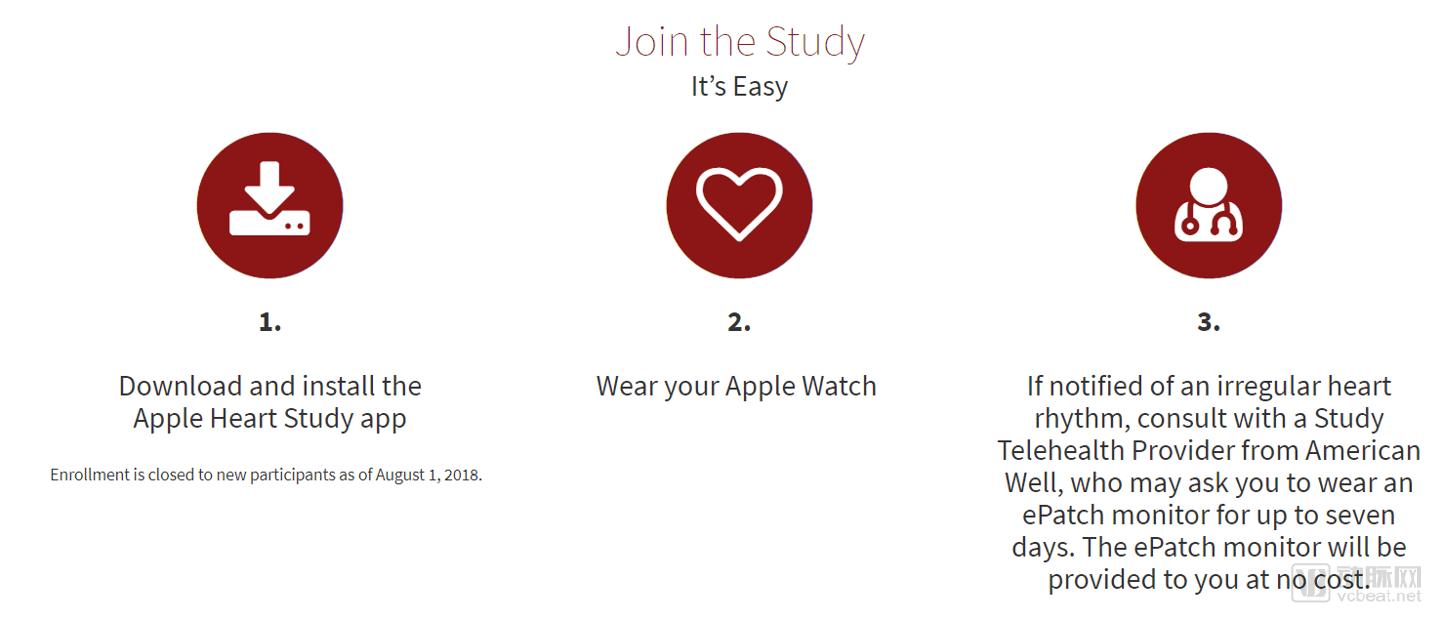
In the Apple Heart Study, after users download the Apple Heart Study app, they can monitor for atrial fibrillation events using the Apple Watch. If the watch detects abnormal heart rate patterns, users can connect with healthcare providers through the telemedicine company American Well. This study requires the Apple Watch’s accuracy to be upgraded to the gold standard or validated through tests with higher specificity. Before determining the need for a hospital visit, this telemedicine outreach can help guide patients in making informed decisions.
This highlights the shift in healthcare from a reactive to a proactive model, for which Apple is preparing:
Passive Health Model
1. Seek health services when ill;
2. Consumers are categorized by different care options;
3. Obtain data to confirm the diagnosis.
Proactive Health Model
1. Data is acquired through medical-grade wearable devices;
2. If any abnormalities occur, the nursing options will provide assistance and determine through testing and consultation whether a hospital visit is necessary;
3. The user already has archived historical datasets, biomarkers, and genetic predisposition records.
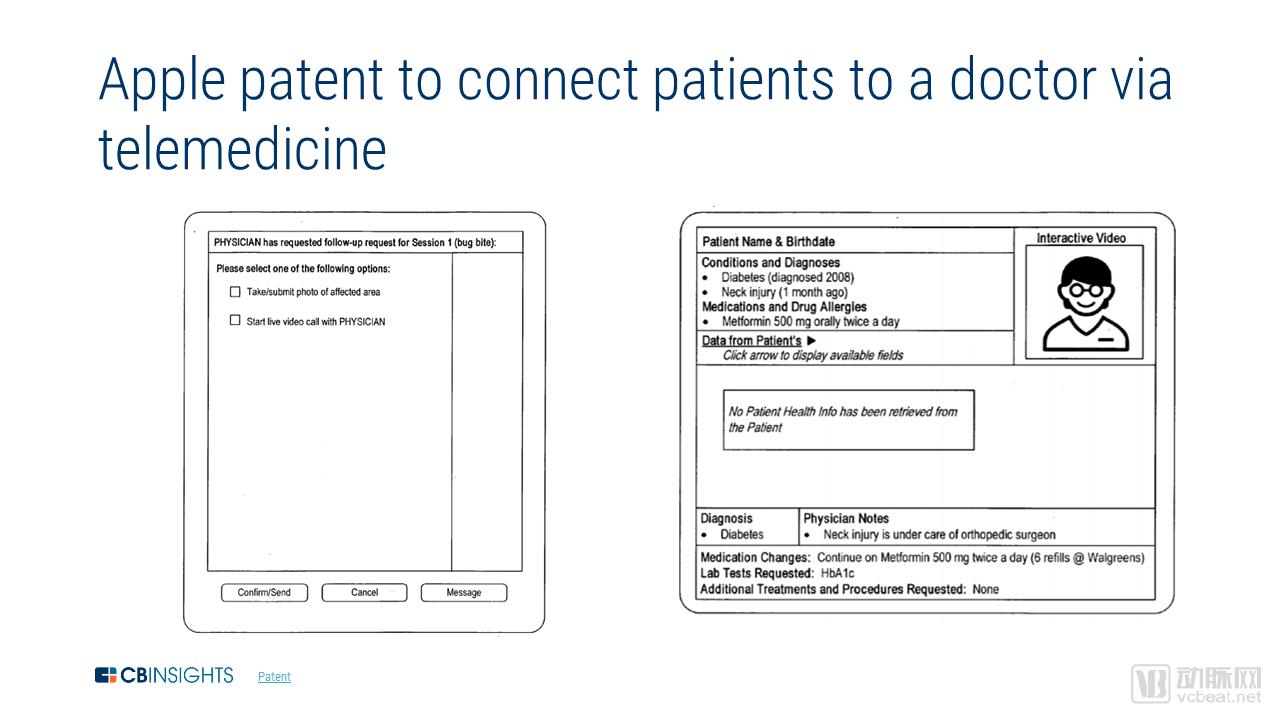
In connecting patients and physicians, Apple bridges the gap through its telemedicine patents. These patents enable users to initiate telemedicine sessions via their devices, authorize the sharing of specific data with physicians, and display follow-up actions recommended by the attending physician.
Following reports in 2018 that Apple had launched the “AC Wellness” clinic for its employees, speculation mounted that Apple was exploring traditional brick-and-mortar clinics. Apple has also posted job openings on LinkedIn for registered dietitians, care guides, sleep and exercise specialists, nurse practitioners, and other roles.
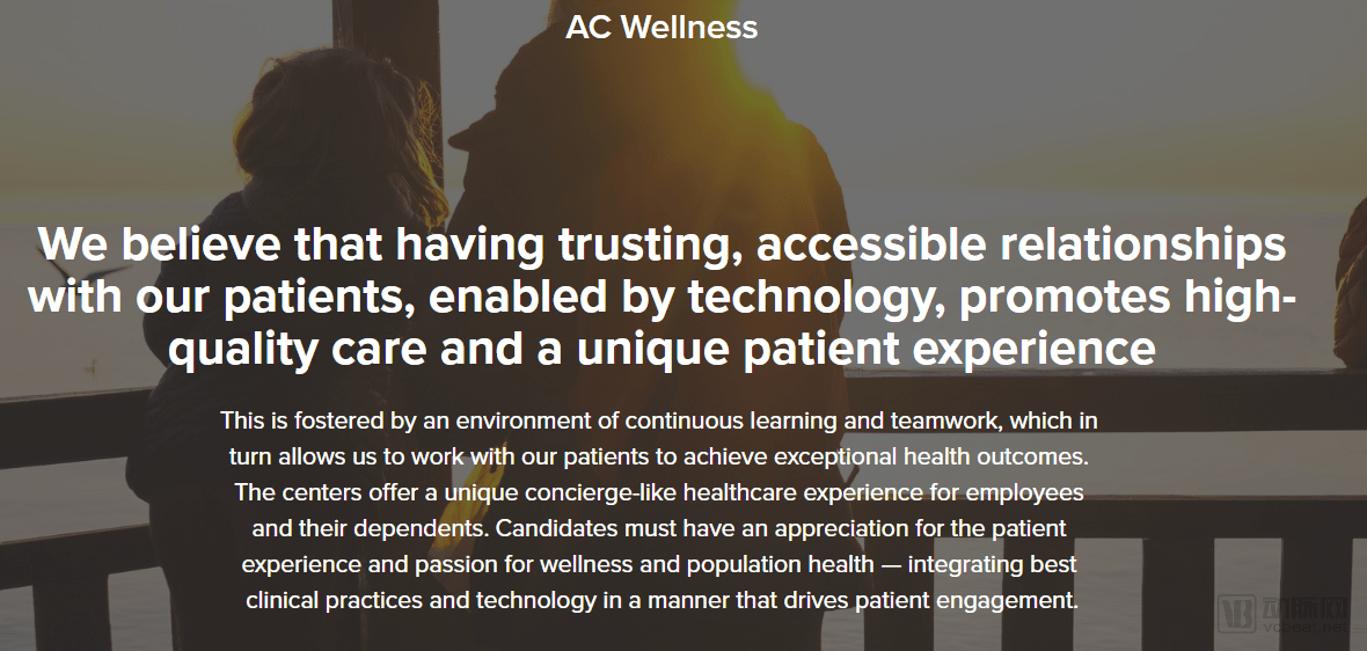
Foreign media speculate that the project may undergo internal testing before being launched as its own product, offering the public a more comprehensive primary care experience.
Although Apple appears to be committed to providing comprehensive care navigation for patients outside of hospital settings, one area that currently remains a weakness is its chat functionality. Asynchronous chat can offer patients an additional layer of triage and proactively generate communication protocols without causing disruption. This capability is typically achieved through fully AI-driven automation or by facilitating iterative communication loops with physicians. Current healthcare chatbots include Babylon Health, K Health, Buoy, and Your.MD. Apple could provide such services to customers detected as potentially having abnormalities or to patients who need to adhere to specific treatment regimens after seeing a doctor.
Conclusion
Apple is blurring the lines between health and healthcare, leveraging the position of its products in people’s pockets to bridge the two. If it can break down the “data silos” of personal health records and patient data platforms, it will empower patients to make informed decisions and grant data access to anyone they choose—a fundamentally different model of healthcare in which patients wield increasing leverage, information, and agency in decision-making.
Through a series of initiatives in recent years, Apple has been gradually moving closer to the healthcare sector. The company has achieved success by vertically integrating its expertise and products, and it appears to be approaching healthcare from a similar perspective by connecting different components of the user experience—such as devices, health records, platforms, and potential services like telemedicine.
Some established companies, including medical IT and electronic health record (EHR) firms as well as medical device manufacturers, are beginning to develop consumer-oriented products. These segments have historically not prioritized user experience. If patients start expecting better user experiences in their healthcare, these companies risk losing ground to Apple. As Apple continues to further reshape the medical research industry, clinical research organizations (CROs) may also face risks.
Apple boasts a robust device ecosystem, complete with an established user base, strong brand recognition, and incentive structures that enable truly patient-centered healthcare. As this ecosystem becomes increasingly interconnected, Apple is making inroads into the healthcare market, forcing existing industry giants to devise their response strategies.