

Life-Saving Wearables: The Rise of Medical-Grade Devices
Editor’s Note: This article is republished from Brain Extreme, authored by Zang Hu. VCBeat has been authorized to repost it.
The winter chill has not yet fully passed, but spring for wearable devices appears to be just around the corner.
According to data from International Data Corporation (IDC), global wearable device shipments reached 125.3 million units in 2018, an 8.5% increase from 2017, and are expected to continue breaking through with a compound annual growth rate of 11.0% over the next five years.
However, this time the trend is not being led by the now-obsolete “big three clichés”: smartwatches, fitness trackers, and smart glasses. Instead, it is driven by other devices such as smart earbuds equipped with biometric tracking technology and wristbands capable of emitting vibration signals. The emerging wearable devices seem to share a surprisingly consistent theme: serving as technological solutions to intervene in and assist healthcare. How exactly do they differ from their “predecessors”? What conditions were necessary for their emergence, and can they deliver genuine value?
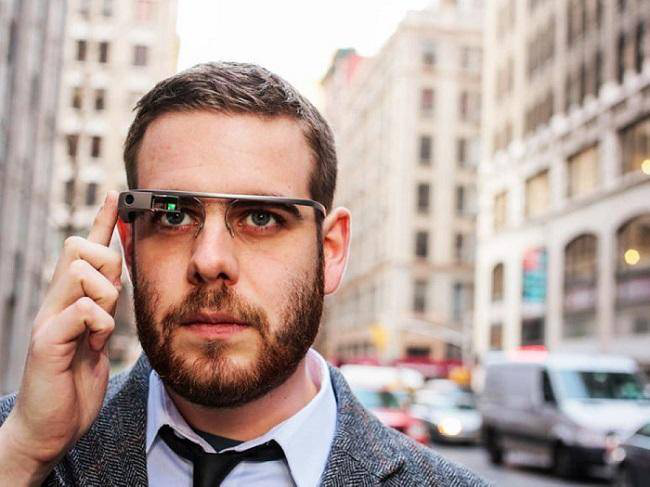
As is well known, what extinguished the previous wave of wearable device enthusiasm was the collective absence of practical functionality in these products.
However, a new wave of wearable devices has recently gained popularity by directly intervening in the treatment process to help patients regulate physiological functions. Can the emergence of these advanced models legitimize wearable medical devices?
Let us examine several well-established application cases:
1. A wristband capable of stimulating hand movements in patients with Parkinson's disease
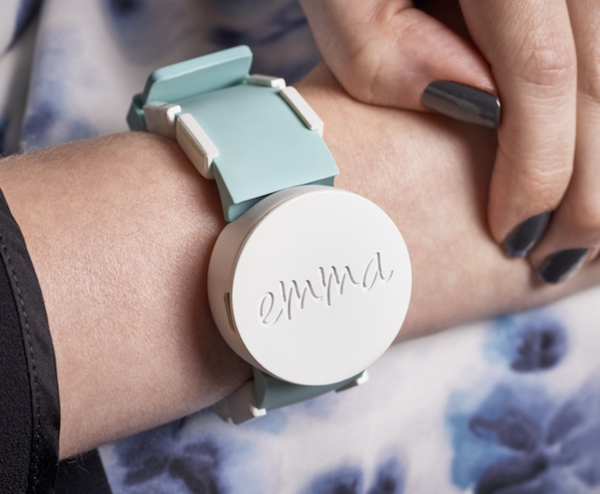
Patients with Parkinson’s disease often experience bradykinesia, limb instability, and hand tremors. Haiyan Zhang, a researcher at Microsoft, has developed a smartwatch called Emma that delivers vibratory stimulation to the user’s hand, helping patients regain fine motor skills required for activities such as drawing and writing.
2. Assist patients with amyotrophic lateral sclerosis (ALS) in controlling devices
Philips and Accenture have joined forces to co-develop a wearable brainwave-tracking device called Emotiv Insight. By scanning the EEG signals of patients with amyotrophic lateral sclerosis (ALS), it can map out a “brain-computer interface” and transmit the data to a tablet, enabling patients to control various electronic devices—such as operating televisions and lights or making phone calls—via the tablet.

3. Helping Children with ADHD Focus
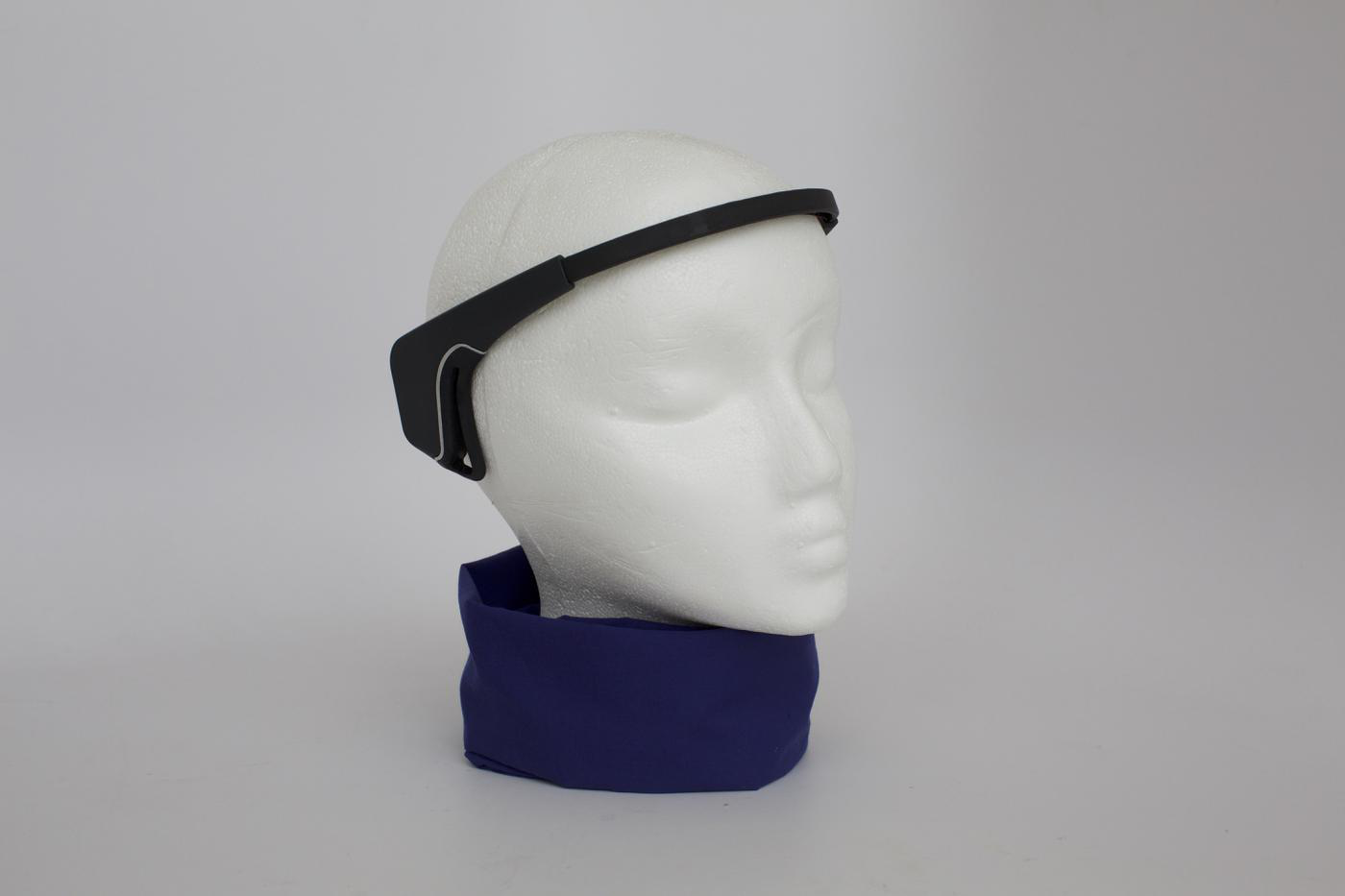
Most children with ADHD suffer from attention deficit disorder, are overly active, and struggle to concentrate on completing a single task. The AttentivU device, designed by MIT, can provide significant assistance to them.
Like wearing glasses, it can measure the user's electroencephalogram (EEG) in real time and emit vibrations when attention wanes, reminding them to focus. Compared with pharmacological treatment, AttentivU needs to be worn only during attention-demanding tasks, resulting in significantly fewer side effects for children.
4. The "Third Eye" for People with Visual Impairments
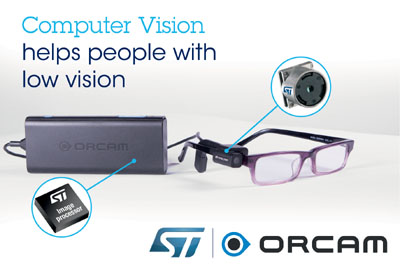
An Israeli company has developed a self-navigating wearable device for the visually impaired. Equipped with a miniature camera and chip, the glasses analyze visual input and convey information about objects in the user’s field of view via bone-conduction audio.
Currently, OrCam can recognize text and images, with facial recognition capabilities to be added in the future. For example, while shopping, users need only pick up a product, and the device will provide its name and even the ingredient list.
5. Regulating Negative Emotions
If the aforementioned products cater only to niche audiences, many other wearable devices can help alleviate negative emotions and physiological responses. For instance, BrightBeat, an application developed by MIT, embeds subtle rhythmic patterns into music to slow down breathing rates and regulate heart rate, thereby helping users modulate their emotional states.
For many women, each menstrual cycle brings “unbearable pain,” yet concerns about side effects or drug resistance from painkillers leave them with no choice but to endure it. However, a new device called Livia can effectively alleviate this pain: simply apply the electrode pads to the skin over the painful area and turn it on. The microcurrents block pain signals from being transmitted to the brain, thereby providing significant relief.

Having read this far, readers have likely noticed: what commonalities do these advanced medical wearable devices share?
First, interaction design places greater emphasis on personalization and functionality; a screen is not indispensable, as many functions are achieved through bone conduction, haptic feedback, and microcurrent stimulation.
Second, the data collected is more precise. Previously, most wearable devices (even the most advanced Apple Watch) could not meet the level of precision required for clinical medical judgments, but medical-grade devices can achieve this standard.
Moreover, as capabilities become sufficiently advanced, medical wearable devices can truly enhance human performance, deeply integrating into daily life and even physiological functions, going far beyond merely sleek designs or simple data recording.
Even those who previously scoffed at or dismissed wearable devices would find it difficult to guarantee that they have absolutely no need for such technology to enhance their quality of life, particularly during stages of illness. Rooted in this universal demand, the new direction for wearable devices has rapidly gained traction, attracting immense anticipation and attention.
After years of exploration, a decisive breakthrough has been achieved. So, who are the key contributors paving the way for its future?
What Are the Essential Conditions for Incubating the Spring of an Industry?
At present, propelling wearable devices onto the “wind-and-fire wheels” hinges on leapfrog developments in four key areas:
1. The Development of Digital Healthcare: A Prerequisite for Interventional Medicine is, First and Foremost, the Collection of Human Medical Data. With the emergence of various sensors such as electronic skin and brainwave tracking, the acquisition of effective, professional-grade medical data is no longer a challenge. Assisting clinical decision-making is the prerequisite that transforms wearable devices from being optional to indispensable.
2. In-depth Understanding of Brain Science: Interventional therapy via wearable devices cannot proceed without a profound understanding of brain science and the human nervous system. For instance, the principle behind the Emma wristband involves interfering with specific signals emitted by the brains of Parkinson’s disease patients. By using vibrations to divert the brain’s attention away from the hand, it reduces the transmission of erroneous signals, thereby disrupting the originally chaotic internal feedback loop.

(Before-and-after comparison of not wearing and wearing the Emma watch)
3. Advances in AI Technology: As the central hub for data processing, AI determines the device’s next action and is key to achieving enhancement.
Microsoft leverages machine learning techniques to quantify the complex symptoms of Parkinson’s disease—including rigidity, bradykinesia, and falls—as well as strategies for alleviating these symptoms, thereby guiding Emma’s decision-making. The ability to identify objects with high precision and low latency and inform the user also depends on the underlying computer vision algorithms.
4. Upgrading “Device-Cloud-Edge” Infrastructure: Big data and algorithms provide the “raw ingredients” for intelligent augmentation, while computing power solutions within the “device-cloud” infrastructure enable the “high-heat stir-fry” necessary for real-time processing. For instance, smart glasses for the visually impaired must not only alert users to traffic light status ahead but also detect whether acquaintances are nearby. If computational capacity is insufficient, the latency incurred by facial recognition combined with big-data matching could prove fatal; by the time the system identifies a distant relative, the user might have already stepped into the intersection against a red light, leading to a tragic accident.

To meet the data processing demands of complex parallel tasks, in addition to building high-performance cloud platforms, enhancing the computational power of intelligent terminal devices—and even edge devices such as traffic lights—has been essential. It is this robust computing capability that ultimately reveals the true appeal of wearable devices.
It is precisely these numerous new capabilities and environments that have enabled wearable devices to offer many unprecedented features, ushering in a true spring of explosive growth.
The Inevitable New World: Are We Ready?
Having said all this, it is certain that wearable devices will help us break free from the constraints imposed by numerous diseases in the near future, enabling blind individuals, people with disabilities, and stroke survivors to move as freely as those without such conditions.
This possibility is the greatest surprise brought by technology, and it has also pushed new inequalities into the public spotlight.
Not to mention that these medical wearable devices are often prohibitively expensive. An exoskeleton system capable of helping paraplegic patients stand and walk again can cost upwards of $60,000, placing it well beyond the reach of the average consumer.
Even more concerning is the prospect that wearable devices may no longer be content with merely treating and restoring normal human functions, but instead integrate with genetic technologies to enhance and modify the human body, granting “superpowers” that exceed normal physiological limits. In such a scenario, those who are already wealthy or privileged—able to afford the exorbitant costs of such enhancements—would become smarter, healthier, and stronger, thereby making social stratification more pronounced and unbreakable. This places society in an ethical dilemma: the more technology advances, the more easily it fosters privilege.
Yet no one can offer a comprehensive, peaceful, and ideal solution to navigating and reconstructing the jungle rules of this new world.
Even if we do our utmost to integrate assistive medical devices into the social security system, many legitimate medical initiatives inherently require immeasurable funding and time to nurture, making marketization their inevitable fate. Even if these achievements were fully democratized, how could we prevent mad scientists from covertly conducting enhancement experiments under the patronage of the wealthy?
……The imagination is running too wild. Stop.
Returning to wearable devices themselves, widespread adoption remains a distant prospect. Yet their resurgence is driven by clear application scenarios and tangible functional value, heralding an inevitable revolution in personal health monitoring. As an indispensable part of daily life, the magnitude of the lucrative opportunities they will unlock remains a thrilling yet daunting unknown.