China's White Paper on Cardio-Cerebrovascular Health Among Young and Middle-Aged Adults Reveals 15.3% of Individuals Aged 20–29 Are at High Risk
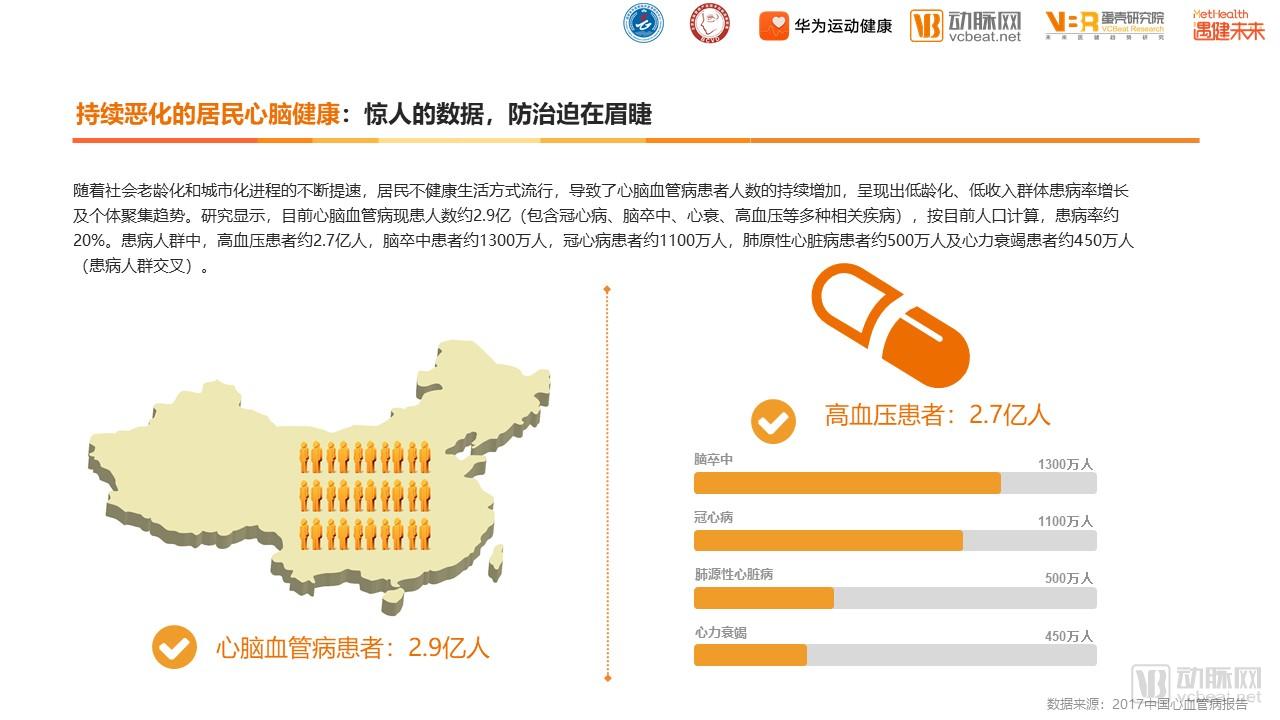
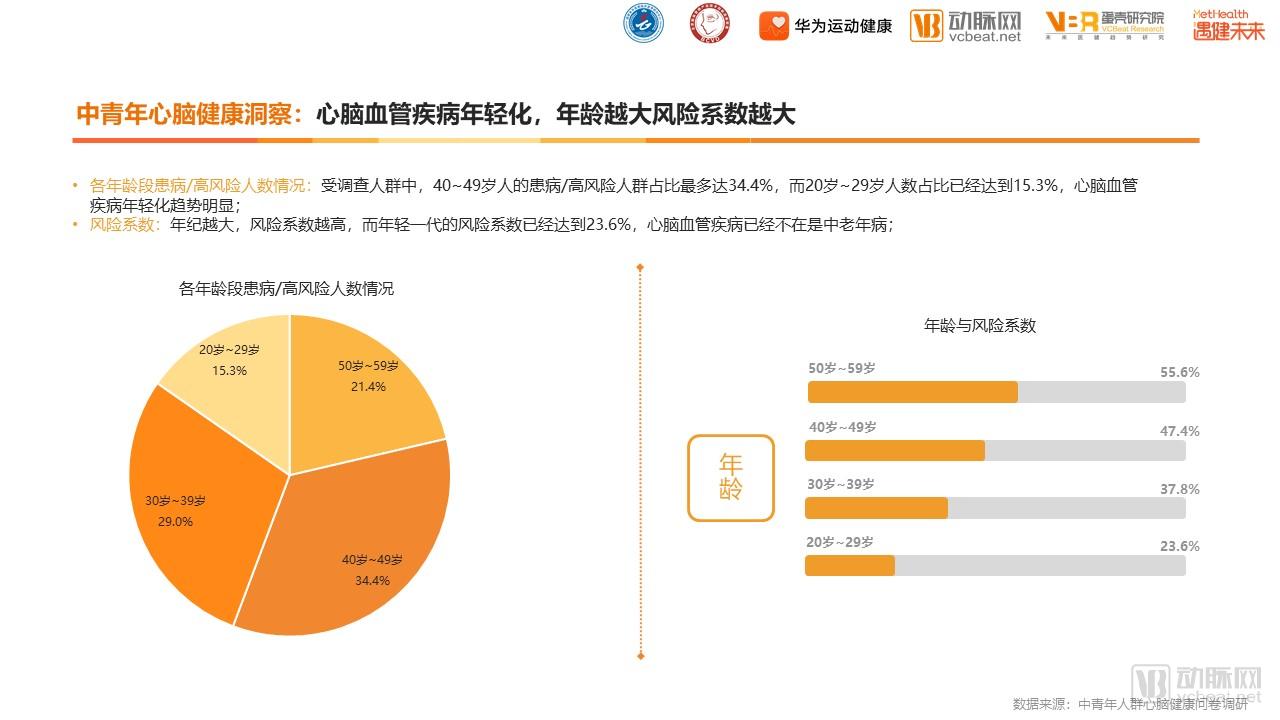
In recent years, the trend of younger onset of cardiovascular and cerebrovascular diseases in China has become increasingly evident. The proportion of individuals aged 20 to 29 who are either diagnosed or at high risk has reached 15.3%. Moreover, the treatment status among affected young and middle-aged adults remains suboptimal, with 64.4% having received no medical treatment. These data come from the first “White Paper on Cardiovascular and Cerebrovascular Health Among Young and Middle-Aged Adults in China》Disclosure.
Led by the National Clinical Research Center for Geriatric Diseases’ National Alliance for Cardiovascular and Cerebrovascular Diseases and the Beijing Strategic Alliance for Technological Innovation in Cerebrovascular Disease Industry, this white paper was jointly released in Beijing on January 22, 2019, in collaboration with Huawei Motion Health, VCBeat, and Yu Jian Wei Lai.
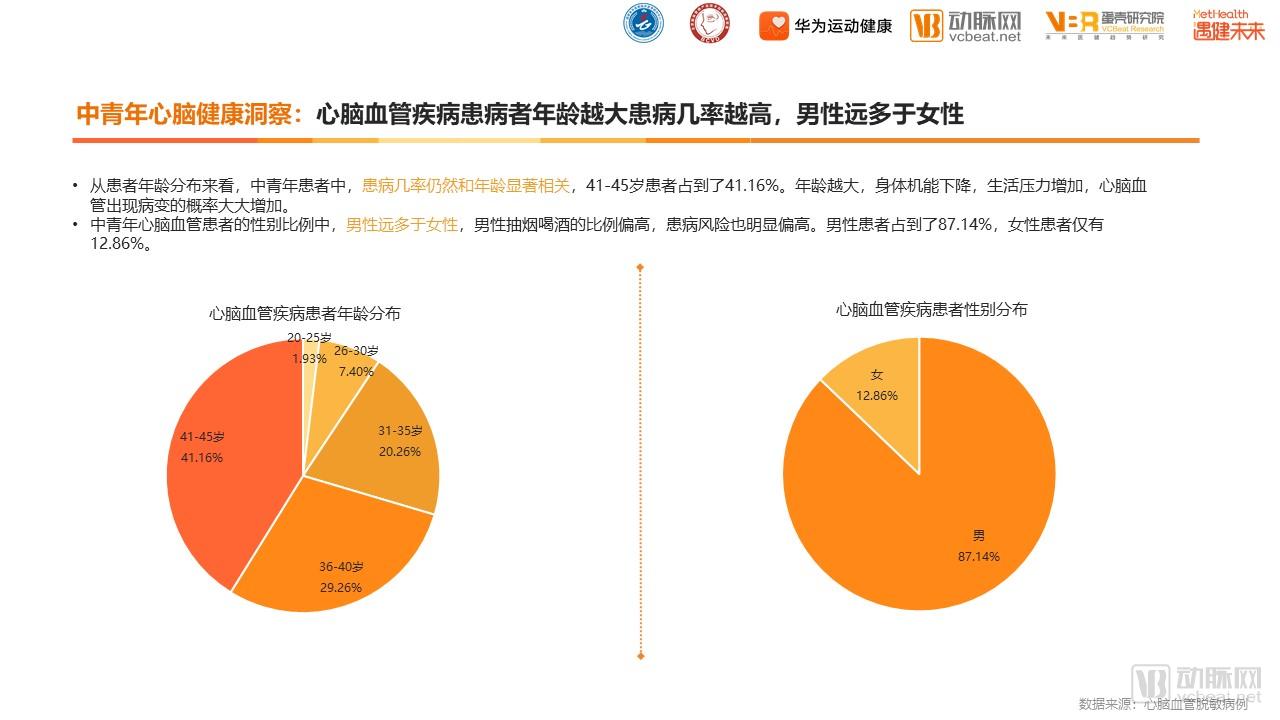
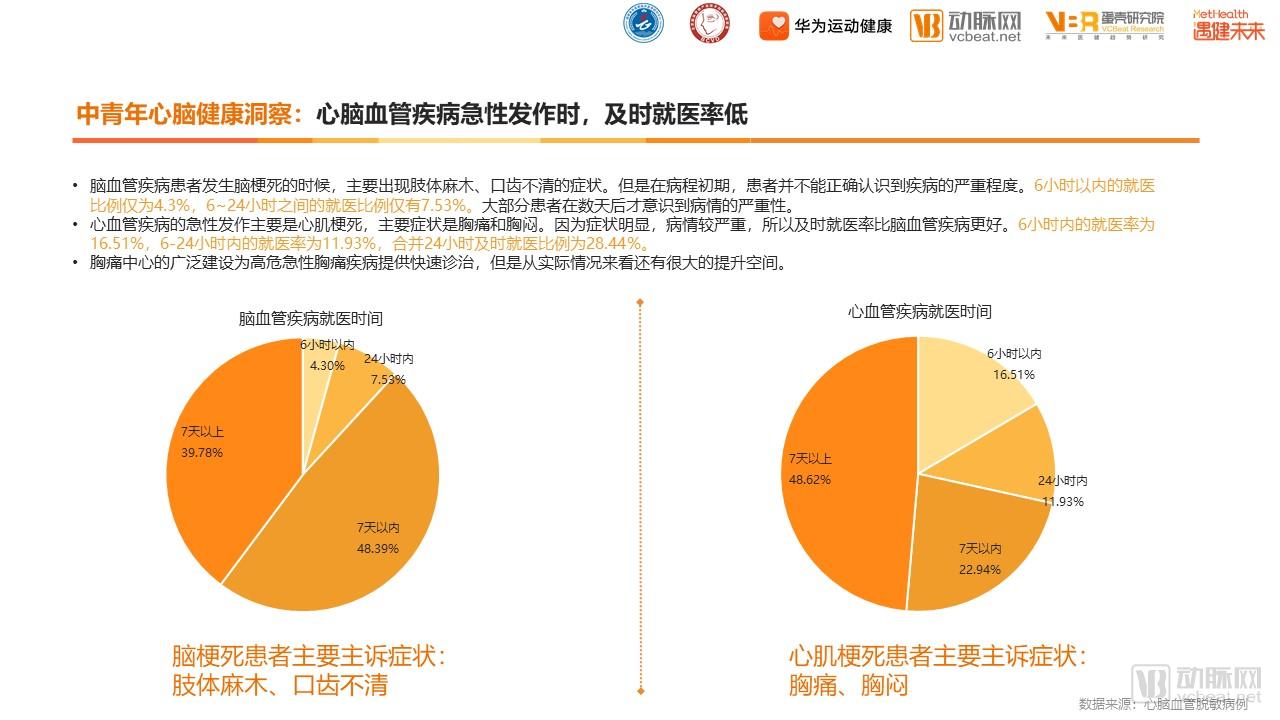
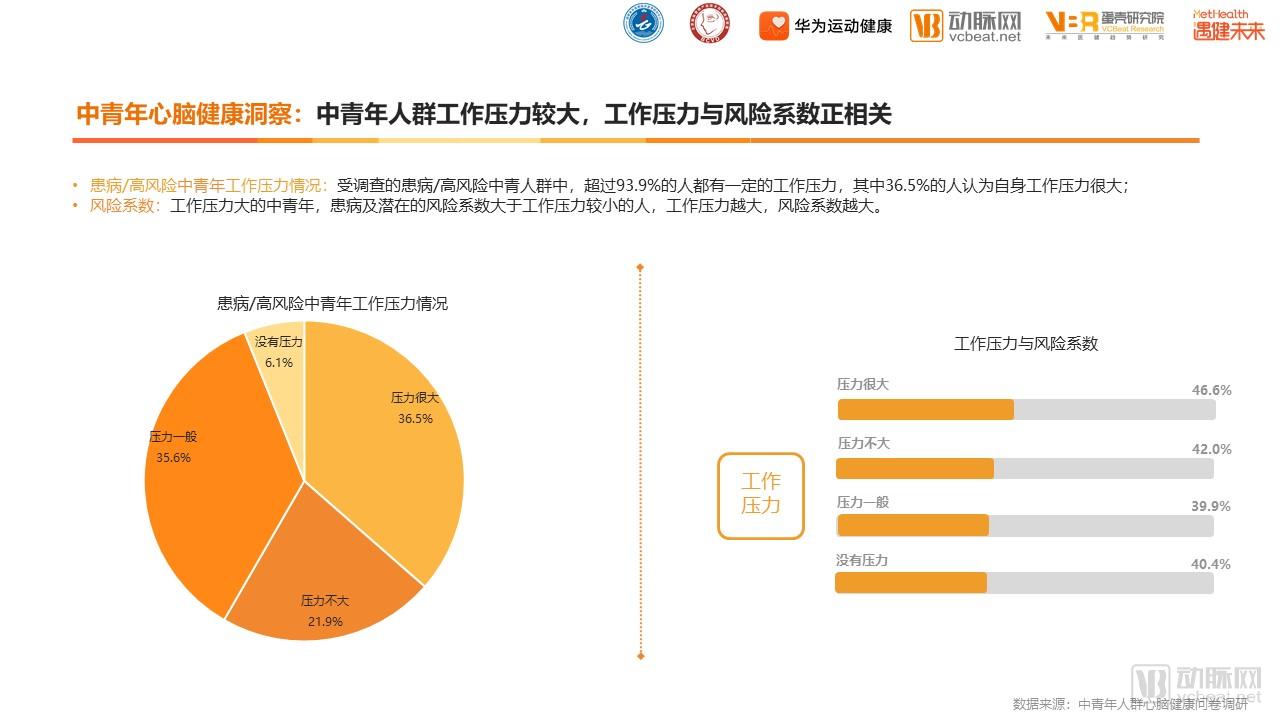
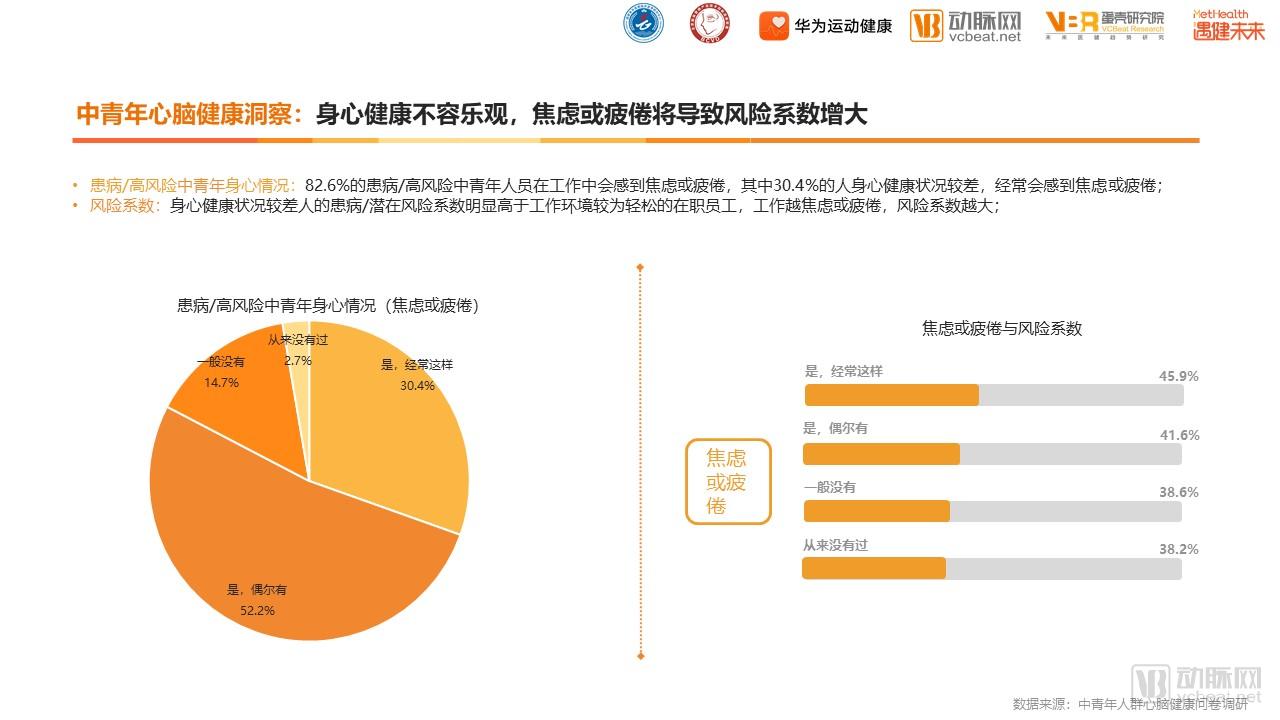
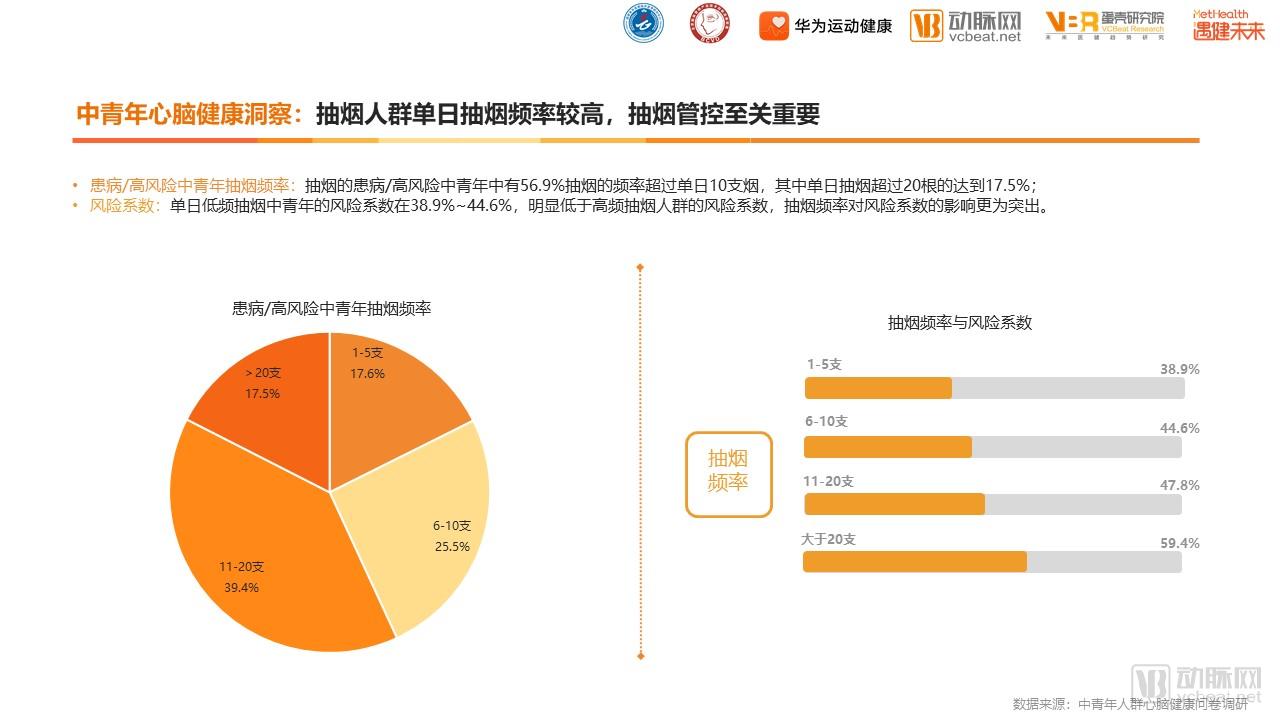
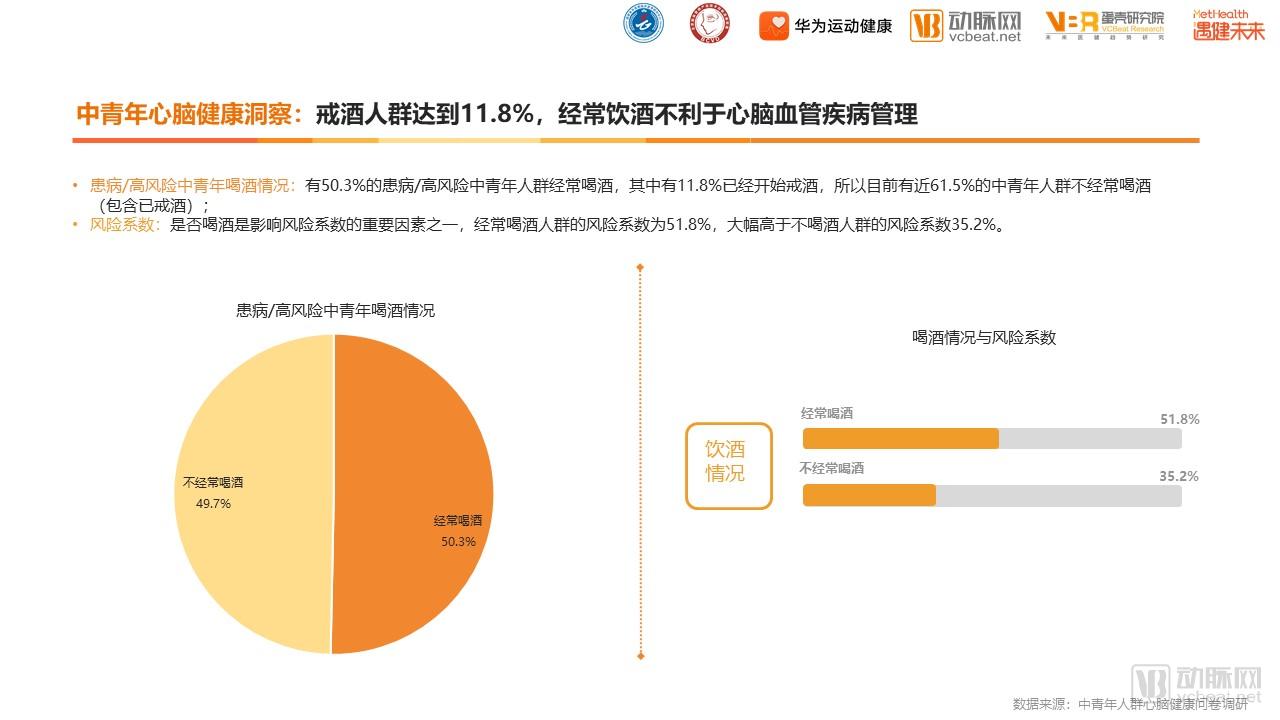
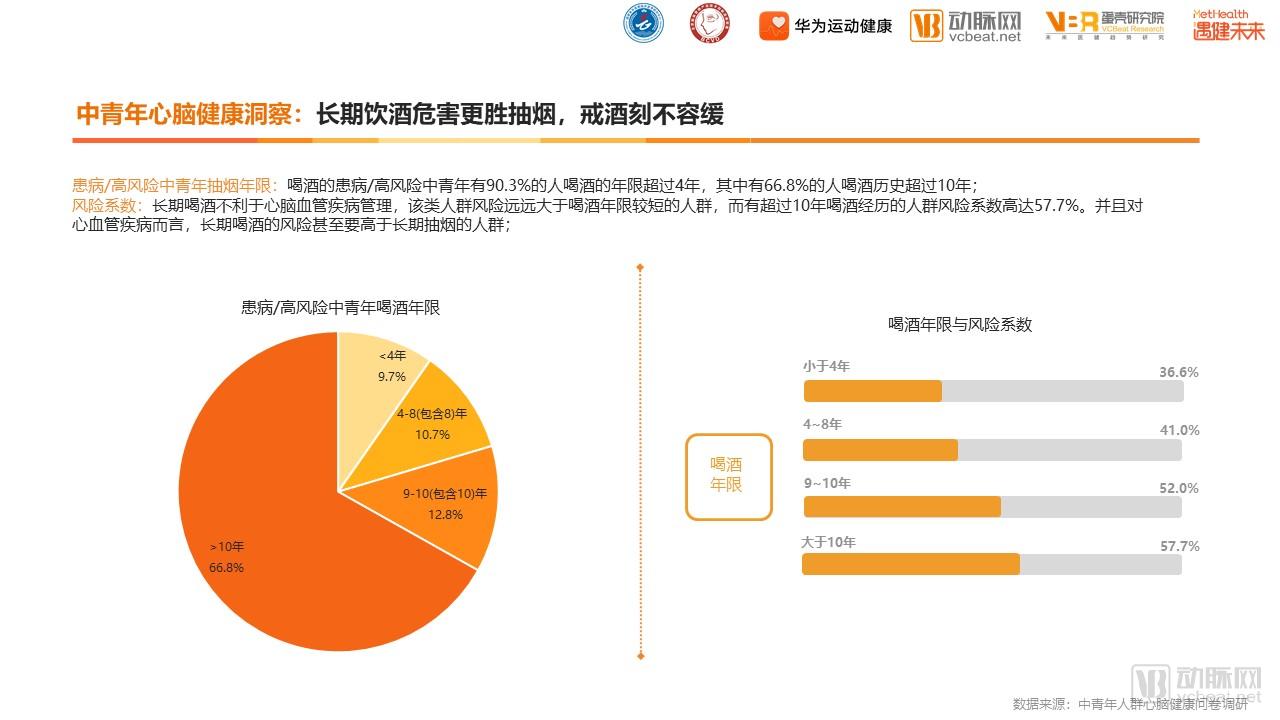
The white paper’s data are based on 311 electronic medical records of hospitalized patients aged 20–45 with cardiovascular and cerebrovascular diseases, as well as 5,639 survey responses from mobile phone users aged 20–60. It conducts in-depth research and comprehensive analysis across multiple dimensions, including respondents’ occupations, work status, daily routines, dietary habits, disease risk, personal medical history, and family medical history. The white paper points out that the cardiovascular and cerebrovascular health of young and middle-aged men in China is significantly worse than that of women; among the surveyed population, men account for 87.65% of both prevalence and disease risk. Moreover, the proportion of patients seeking timely medical attention during acute onset of cardiovascular and cerebrovascular diseases is extremely low, with only 4.3% of cerebrovascular disease patients presenting for care within six hours. Finally, the white paper also analyzes multiple factors affecting workplace professionals, such as work-related stress, anxiety, fatigue, and sleep conditions.
# Cardiovascular and Cerebrovascular Health Continues to Deteriorate, Urgently Needing Enhanced Public Awareness
The white paper reveals that nearly 70% of individuals with cardiovascular and cerebrovascular diseases or at high risk have not received medical treatment, and that young and middle-aged adults lack proper awareness of heart and brain health. Professor Ji Xunming, Chairman of the National Alliance for Cardiovascular and Cerebrovascular Diseases and Vice President of Xuanwu Hospital, Capital Medical University, stated that this collaboration with internet companies represents an innovative partnership model for traditional healthcare. Leveraging the powerful dissemination capabilities of the internet facilitates the widespread promotion of scientific education on cardiovascular and cerebrovascular health. We aim to collaborate with internet enterprises to provide more authoritative and professional medical science content in the field of cardiovascular and cerebrovascular diseases to the general public in China, thereby improving public understanding of these conditions and enhancing awareness among young and middle-aged populations regarding the importance of prevention.

Professor Ji Xunming, Chairman of the National Alliance for Cardiovascular and Cerebrovascular Diseases and Vice President of Xuanwu Hospital, Capital Medical University
Professor Ji Xunming pointed out, “Cardiovascular disease is a critical risk factor for stroke; 80% of patients with coronary artery disease also have cerebrovascular disease. We are continuously striving to explore an innovative, integrated, multidisciplinary model for the prevention and treatment of concurrent heart and brain disorders, thereby enabling more precise and comprehensive diagnosis and management for patients. Furthermore, the ischemic preconditioning training method developed by our team can enhance the human body’s resistance to severe cardiac and cerebral ischemia and hypoxia events, while mitigating the resulting damage. Our team is also actively promoting the development of this distinctly Chinese approach to the prevention and treatment of cardiocerebrovascular diseases, further contributing to the realization of the ‘Healthy China 2030’ strategy and the ‘Million Disability Reduction’ initiative.”
It is understood that, in addition to leading the release of the White Paper on Cardiovascular and Cerebrovascular Health among Chinese Young and Middle-Aged Adults, the National Alliance for Cardiovascular and Cerebrovascular Diseases will launch additional initiatives. These efforts aim to enhance public awareness, prevention, and treatment capabilities regarding cardiovascular and cerebrovascular diseases, facilitating early prevention, screening, and diagnosis. Ultimately, this contributes to a tangible reduction in incidence, disability, and mortality rates, thereby promoting comprehensive improvement and enhancement of national health.
The following is an excerpt from the white paper, which can be downloaded from the Reports section of VCBeat.