

Shanghai Jiading District Central Hospital Successfully Completes Nationwide First Clinical Application of AcoMed's AccuPulse® Pulsed Field Ablation System for Atrial Fibrillation

AccuPulse
Developer of products in the field of cardiac electrophysiology
Click the blue words
'%20fill='%23FFFFFF'%3E%3Crect%20x='249'%20y='126'%20width='1'%20height='1'%3E%3C/rect%3E%3C/g%3E%3C/g%3E%3C/svg%3E)
Follow us

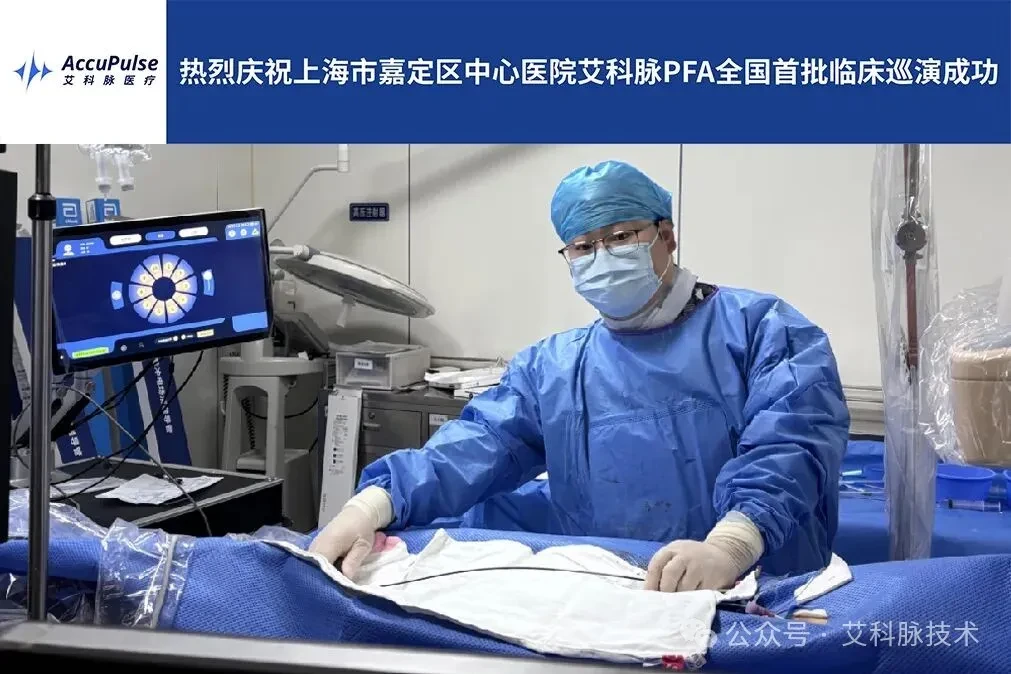
Recently,Jiading District Central Hospital of ShanghaiAs one of the first clinical application units in China,InUnder the guidance of Director Xu Xiangdong of the Cardiology Department, attending physician Zhang KaiLead the teamApplication of AccuPulse Medical®Single-use Cardiac Pulsed Field Ablation Catheter and AccuBlator®AccuPulse Medical Technology Co.Ltd's cardiac pulsed field ablation system successfully performed a cardiac pulsed field ablation (PFA) procedure on a patient with atrial fibrillation.
The successful completion of the surgery not only marks the official entry of this innovative PFA system made in China into the clinical application stage, but also, with its three core advantages of integrated circular catheter mapping and modeling, efficient ablation, and excellent safety, provides a better option for atrial fibrillation interventional treatment.
Case Brief
The patient in this surgery was an 82-year-old female with paroxysmal atrial fibrillation. According to preoperative examinations, the left atrium diameter was 43mm. Ablation was performed using AccuPulse's 15-20mm adjustable loop diameter cardiac pulse ablation catheter. The total surgery duration was 81 minutes, with pulmonary vein ablation lasting 78 minutes. The surgical procedure went smoothly, and the patient recovered well post-operation.
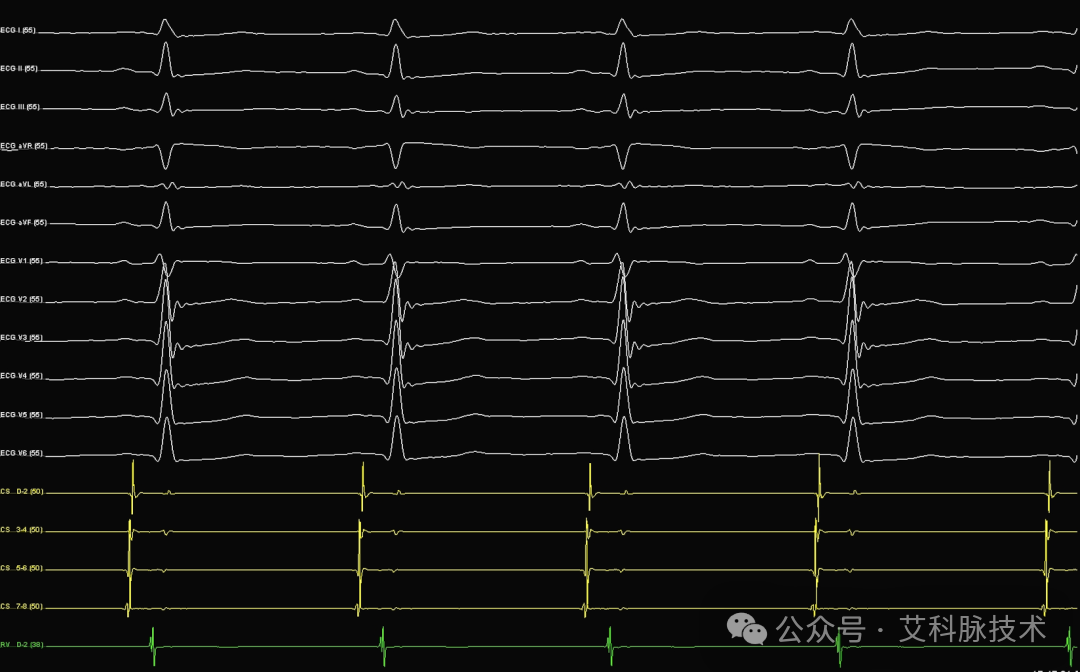
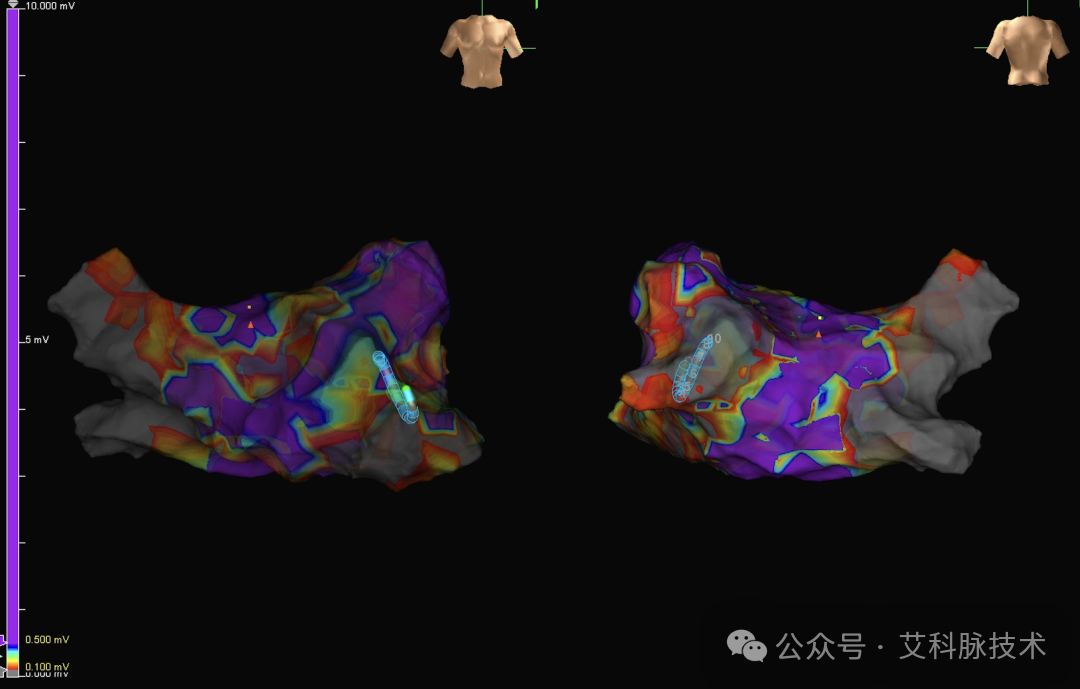
Preoperative Substrate Mapping of the Left Atrium and Preoperative Electrocardiogram
The patient experienced recurrence after radiofrequency ablation for atrial fibrillation. No significant electrical potential was observed in most of the left atrium and the right pulmonary vein. The substrate of the posterior wall of the left atrium was in good condition, showing a purple high-voltage area, while the right and left pulmonary veins exhibited red and gray low-voltage areas after radiofrequency ablation. A purple high-voltage area was observed in the left superior pulmonary vein, indicating the presence of a leak point that required additional ablation. Therefore, the intraoperative strategy was to perform supplementary pulsed ablation on the left superior pulmonary vein and consolidation ablation on the superior vena cava.
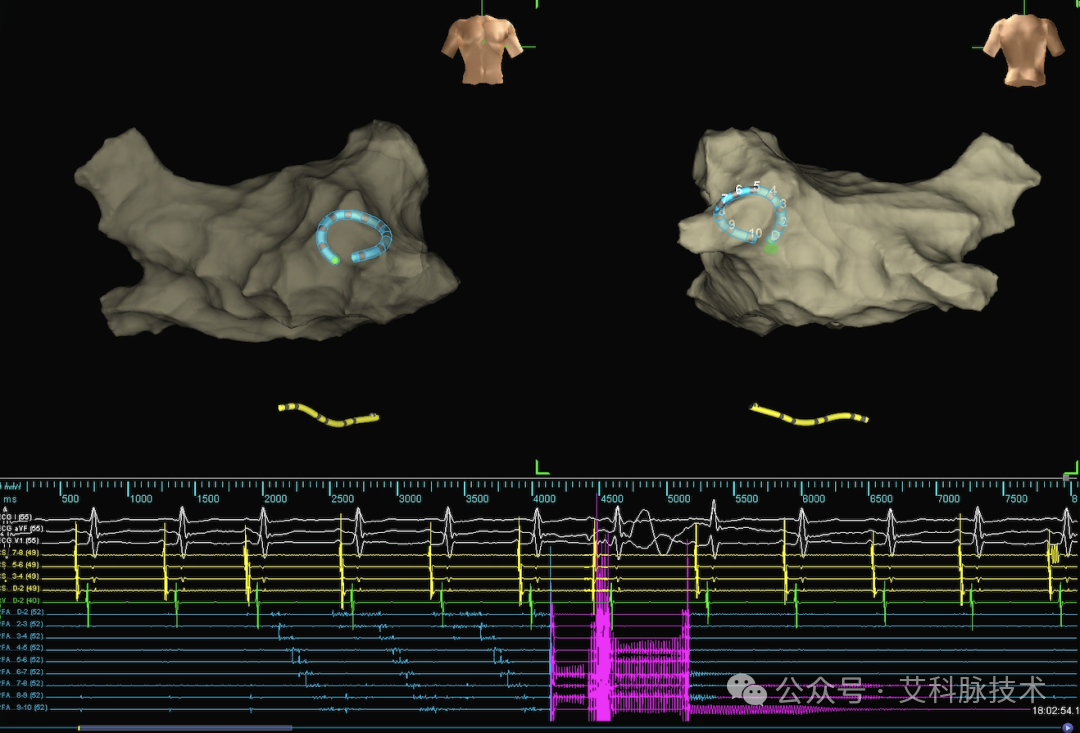
RIPV Ablation Diagram
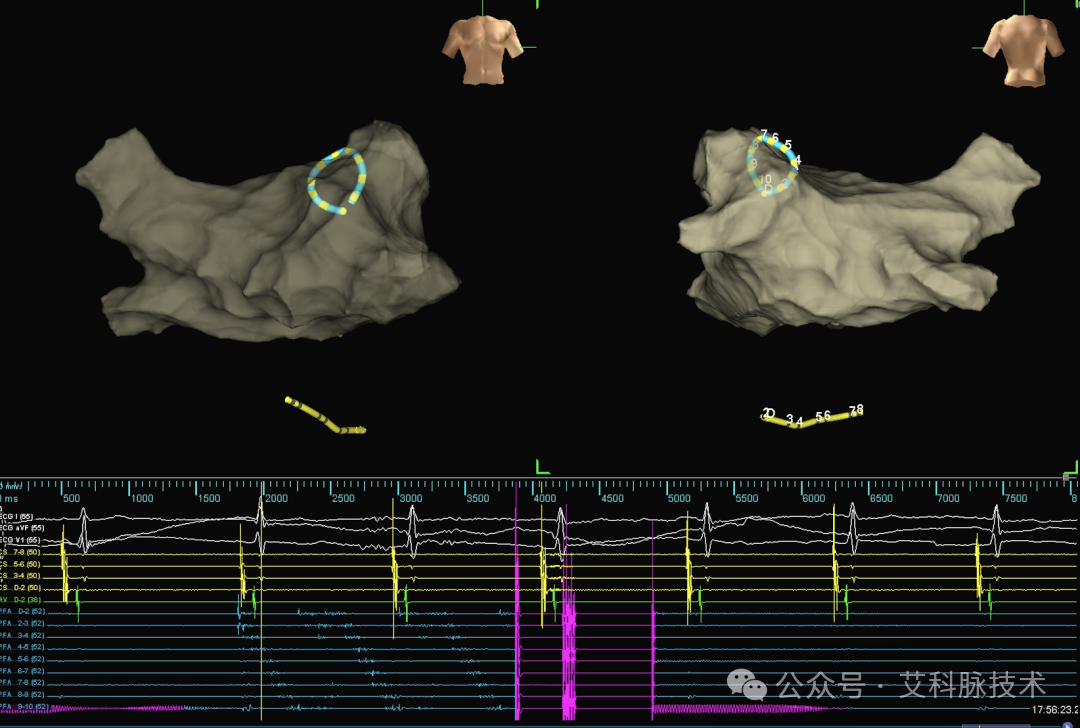
RSPV Ablation Map
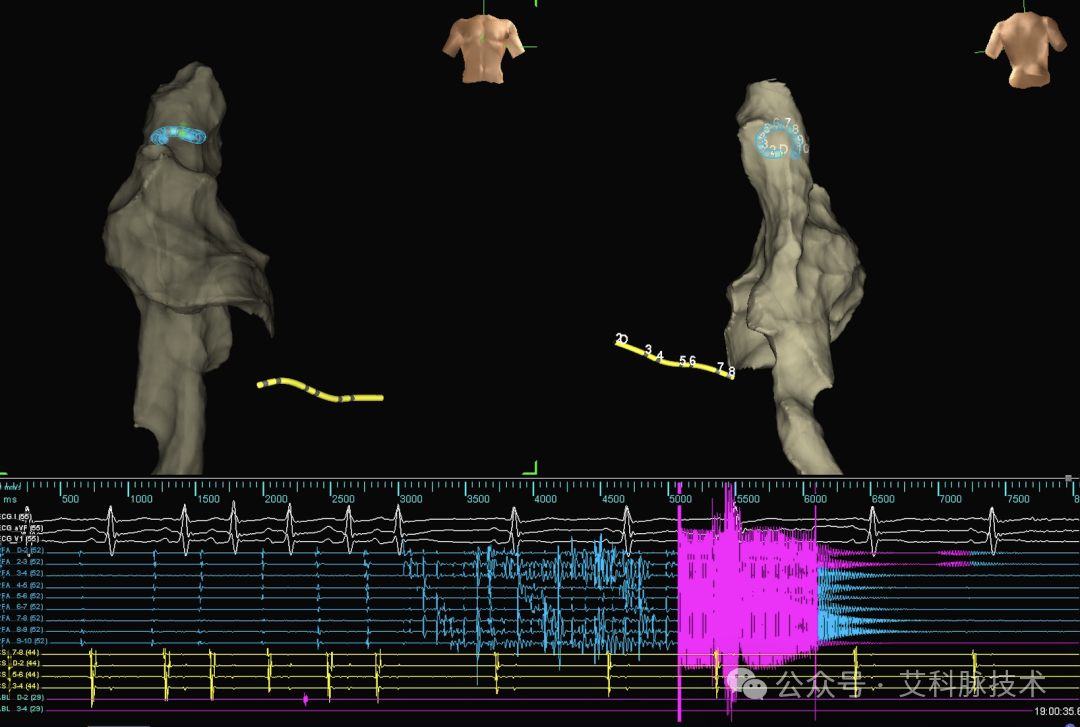
SVC Ablation Diagram
The left atrium is positioned anteriorly and inferiorly, with the fossa ovalis being low and anterior. The puncture must be performed under ICE guidance. Due to the patient's abnormal FO anatomy, using a steerable sheath for the puncture was challenging, so a fixed sheath was used instead during the procedure. During the operation, ablation of the right pulmonary vein (with four sets of energy deliveries) and the superior vena cava (SVC) (with two sets of energy deliveries) was performed.
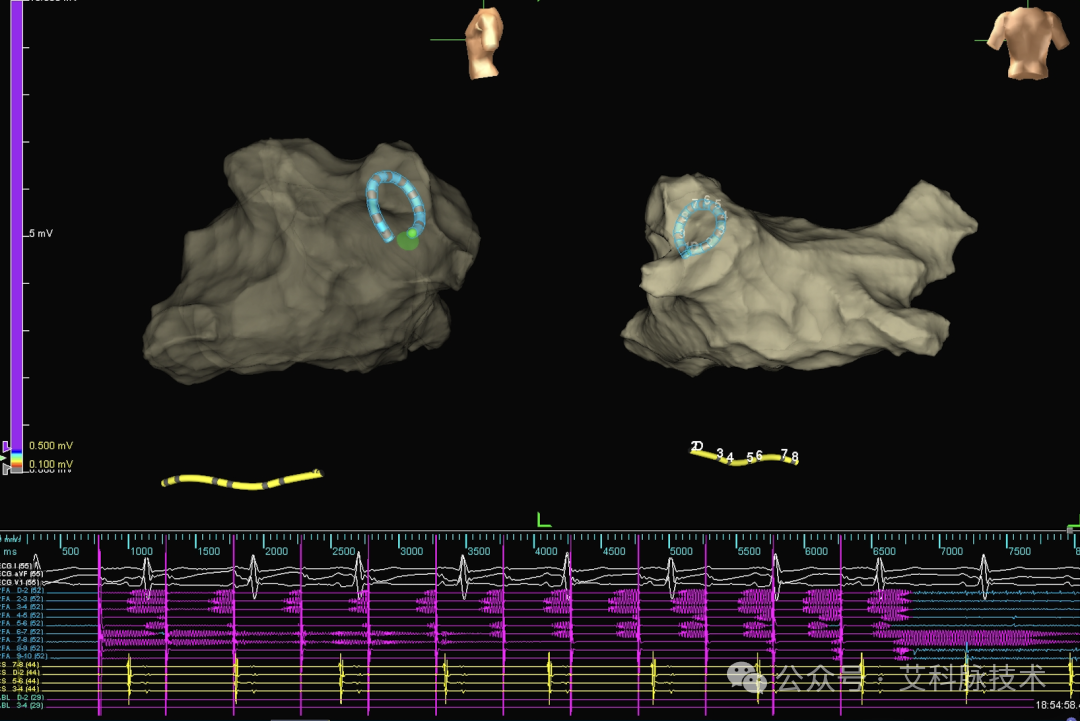
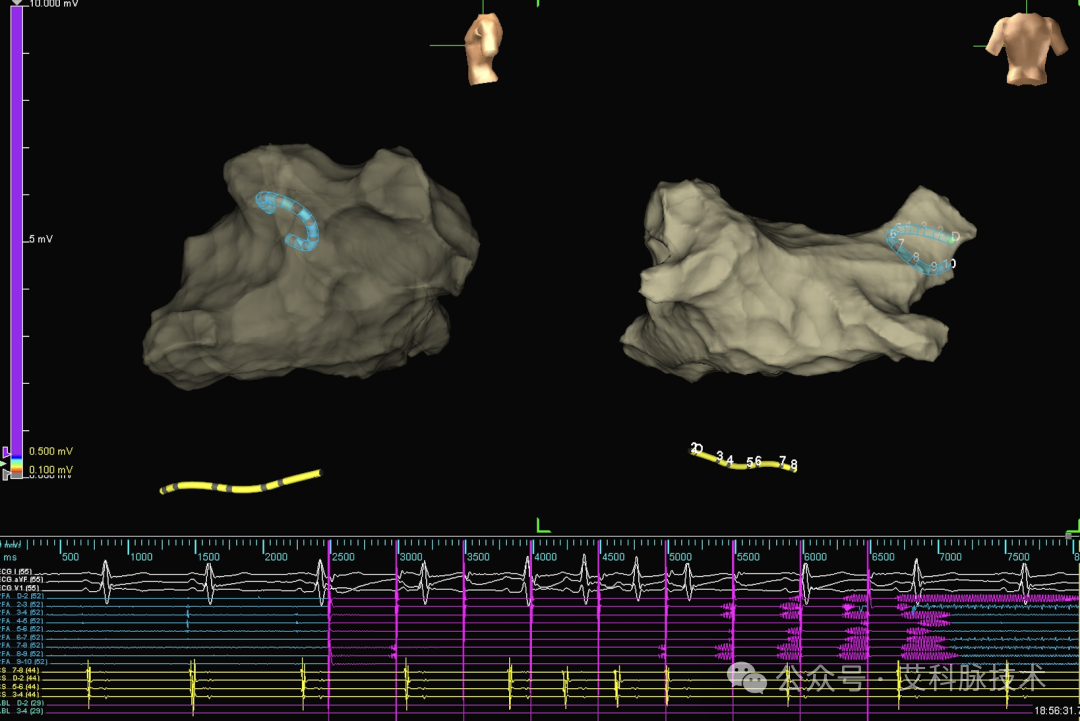
LSPV and RSPV Pacing Verification
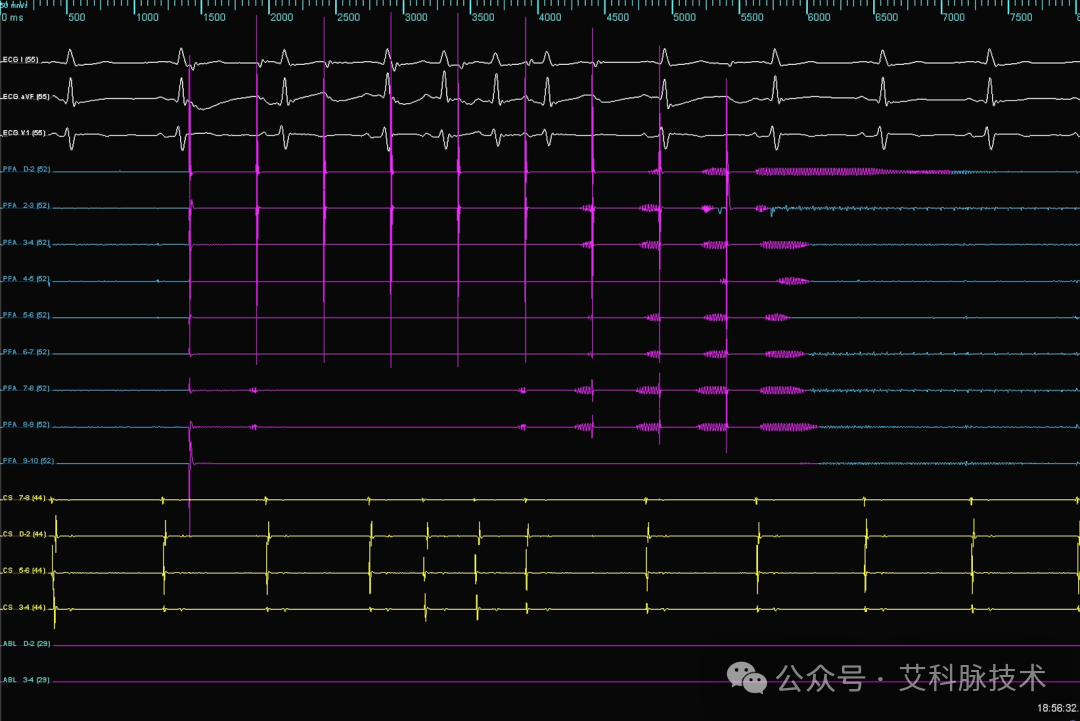
Validation of Pulmonary Vein Isolation After Ablation
After the ablation, the PFA catheter was placed into the pulmonary vein to verify pulmonary vein isolation. No pulmonary vein potentials were recorded, confirming entrance block. Pacing via the PFA12 electrode with S1S1 failed to capture the atrium, confirming exit block. The electrical isolation of the pulmonary vein reached the expected endpoint.
Expert Commentary
The operator adopted a rigorous ablation process: after completing the sequential ablation of the left pulmonary veins, they proactively switched to a radiofrequency large-tip catheter for precise supplementary ablation. They also used a circular catheter multiple times before and after key steps for pacing verification. This approach effectively ensured the continuity and completeness of the ablation, forming an important foundation for achieving durable pulmonary vein isolation. Throughout the surgery, the catheter manipulation was smooth, resulting in complete pulmonary vein isolation for the patient. The design of the adjustable circular mapping catheter enabled the operator to complete both mapping and ablation in one go, greatly simplifying the surgical procedure. The intuitive real-time contact sensing function also ensured more precise ablation sites, enhancing the overall safety of the surgery.
About AccuPulse Cardiac Pulse Ablation System
Flexible Adaptation, Precise Contact:Its unique 7.5F adjustable loop diameter design can flexibly match the pulmonary vein anatomy of different patients, achieving personalized adaptation and significantly improving the adaptability and safety of the operation.
Intelligent docking, real-time feedback:The system is equipped with AccuPulse's independently developed impedance contact prompting technology, which can monitor the catheter-tissue contact quality in real time, clearly indicate the contact status, assist operators in achieving stable and reliable catheter manipulation, and provide a solid guarantee for precise ablation.
Efficient Integration, Streamlined Processes:The circular catheter integrates mapping, modeling, and ablation functions, rapidly constructing a three-dimensional electroanatomical model of the heart during surgery, precisely locating lesions, and significantly reducing reliance on additional high-density mapping catheters in traditional surgeries. This not only decreases surgical complexity but also saves on consumable costs, providing atrial fibrillation patients with a safer, more effective, and less invasive treatment option.
Safer:7.5F Ultra-Fine Catheter, Reducing Tissue Damage
More Stable:Smart Snap Tips for More Precise Operation
More flexible:Adjustable loop diameter (15-20mm or 20-25mm) to meet different clinical choices.
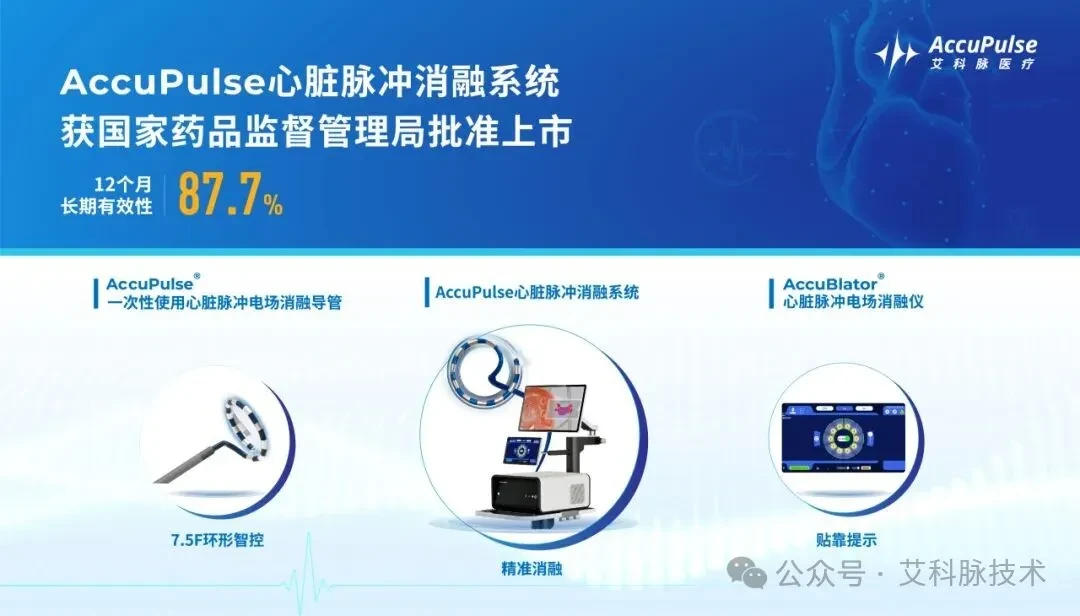
AccuPulse Medical Technology Co., Ltd. has received approval for its disposable cardiac pulsed field ablation catheter, overcoming the challenges of stability and anatomical adaptability in PFA ablation catheters. It provides a precise and reliable solution for pulmonary vein isolation (PVI). The unique 7.5F adjustable loop diameter design of the AccuPulse cardiac pulsed field ablation catheter flexibly adapts to different anatomical structures of the pulmonary veins. Intelligent contact indication and flexible electrode selection give operators complete control, enabling accurate pulsed field ablation!
The successful application of PFA technology this time is an important achievement of AccuPulse in the continuous innovation and meticulous work in the field of atrial fibrillation treatment. The efficiency, safety, and potential cost-effectiveness demonstrated by the system during the procedure indicate broad clinical application prospects and market potential. In the future, AccuPulse will continue to deepen clinical collaboration with Jiading District Central Hospital in Shanghai, promote the standardized application and popularization of PFA technology, and strive to provide internationally leading one-stop atrial fibrillation diagnosis and treatment solutions for arrhythmia patients across China.
About AccuPulse Medical
AccuPulse is an innovative enterprise focused on the research, development, and industrialization of cutting-edge technologies in the field of cardiac electrophysiology. The company's core team possesses deep expertise in electrophysiological technology and extensive experience in the industrialization of medical devices, consistently striving to provide safer, more efficient, and more convenient treatment options for patients with arrhythmias such as atrial fibrillation.
This time, AccuPulse®Single-use Cardiac Pulse Electric Field Ablation Catheter and AccuBlator®The successful application of the cardiac pulsed field ablation system at the Central Hospital of Jiading District, Shanghai, marks a milestone achievement for AccuPulse in the field of innovative electrophysiology treatment technology.
About Jiading District Central Hospital of Shanghai
Founded in 1947, Shanghai Jiading District Central Hospital is a comprehensive secondary-level Class A hospital integrating medical treatment, teaching, research, and prevention. In 2005, it became the Jiading Branch of Renji Hospital, affiliated with Shanghai Jiao Tong University School of Medicine; in 2008, it became an affiliated hospital of Shanghai Medical College; in 2010, it became Jiading District Red Cross Hospital; in 2013, it became the First Clinical College of Huaiyin Medical College in Shandong Province; in 2018, it became a directly affiliated hospital of Shanghai Health Medical College; and in 2019, it became one of the first 25 regional medical centers in the city as well as one of the first pilot hospitals for modern hospital management systems.
The hospital has successively received honorary titles such as "Model Unit of Public Trust in Chinese Medical Institutions," "National Demonstration Unit of Quality Service," "National Demonstration Hospital for Improving Medical Services," third place in the top 100 of the "2020 Public Welfare Hospital Ranking," "Top Ten Hospitals of Public Welfare Influence of the Year," "Advanced Collective in Fighting against the COVID-19 Pandemic in Shanghai," and the "Jiading District Government Quality Gold Award," achieving a six-time consecutive win of the title "Shanghai Civilized Unit."
Expert Profile
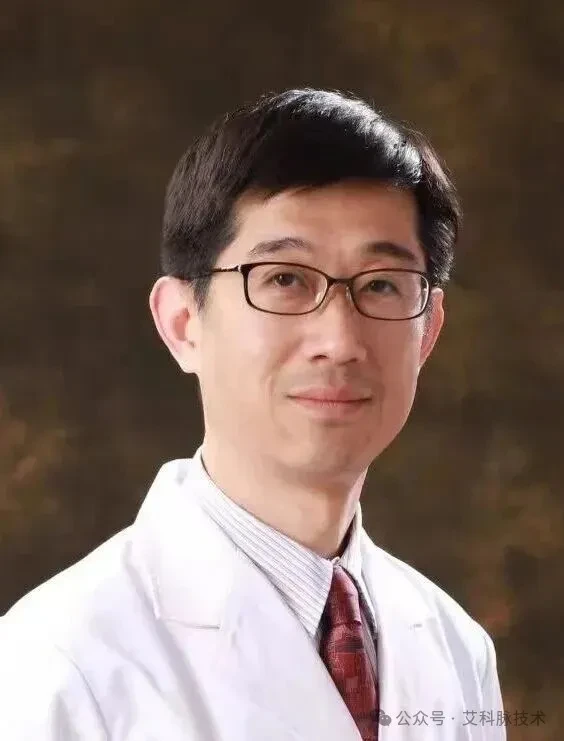
Xu Xiangdong
Jiading District Central Hospital of Shanghai
Chief Physician, Director of the Cardiology Department and Internal Medicine Department, Second-Level Professor, Master's Supervisor. Areas of Expertise: Specializes in interventional diagnosis and treatment of coronary heart disease, with extensive experience in complex coronary intervention techniques. Personally completes over 500 coronary angiographies and more than 300 cardiac stent procedures annually. Also has profound expertise and unique insights in peripheral vascular intervention, permanent pacemaker implantation, and electrophysiology. The volume of interventional surgeries ranks among the top in hospitals of the same level citywide; completed the first percutaneous peripheral vascular foreign body removal in 2012. Pioneered the "green channel" from emergency to catheterization lab in Jiading, and was selected for the first batch of standardized treatment projects for acute myocardial infarction in China in May 2015. Actively explores chronic disease management models and established the "Heart-to-Heart" heart failure management platform. Selected as one of the first group of high-level innovative and entrepreneurial talents and urgently needed talents in Jiading District. Academic positions: Member of the Cardiovascular Branch of the Shanghai Medical Association, Member of the Shanghai Heart Rhythm Society, Member of the Cardiovascular Physicians Branch of the Shanghai Physicians Association, Member of the Second Committee of the Cardiovascular Branch of the Shanghai Stroke Society, Member of the Cardiovascular Committee of the Chinese Healthcare Promotion Association, Member of the Chinese Society of Cardiothoracic Vascular Anesthesia, Member of the Critical Care Medicine Professional Committee of the China Medical Education Association, Chairman of the Cardiovascular Specialty Committee of the Jiading District Medical Association, and expert of the Shanghai Medical Dispute Appraisal Committee. Currently serves as a member of the Interventional Cardiology Branch of the Shanghai Traditional Chinese Medicine Association. Named one of the first regional renowned physicians in Shanghai and recipient of the Shanghai May 1 Labor Medal. Research achievements: Published more than 10 core journal papers and 5 SCI papers in the past three years, and obtained 5 national patents.
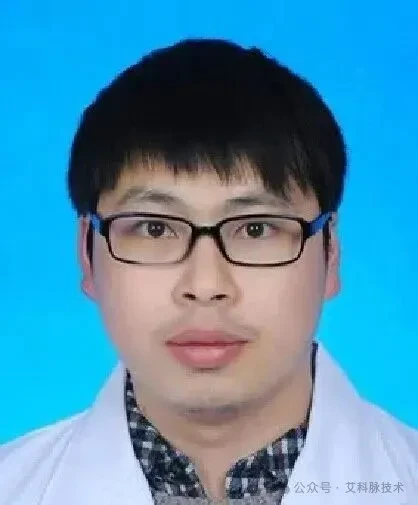
Zhang Kai
Central Hospital of Jiading District, Shanghai
Attending Physician of Cardiology Department, Central Hospital of Jiading District, Shanghai; Master's Degree; Core Member of Key Medical Disciplines in Shanghai; Youth Committee Member of the First Rehabilitation Medical Association of Shanghai; Member of the Emergency and Critical Care Applied Physiology Professional Committee of the Chinese Physiological Society. Skilled in electrophysiological radiofrequency ablation, cryoablation, and PFA pulse field ablation, completing 200 surgeries annually.