

Proxima Ventures: Seizing Global MedTech Investment Opportunities by Addressing Critical Clinical Needs
Author: Liu Jianbin
Countless meetings with entrepreneurs, one creative discussion after another, and observation of numerous highly challenging surgeries… For Sun Xiaolu and his team at Proxima Ventures, the just-concluded year of 2018 was their busiest yet, a year marked by abundant achievements and the coexistence of challenges and opportunities.
Sun Xiaolu is the Founding Partner of Proxima Ventures, which he co-founded two years ago with his college classmate, Li Zhe. This young fund has quickly drawn industry attention: its Phase I venture capital fund has invested in 17 companies, taking lead investor positions and board seats in 13 of them. The majority of these portfolio companies are emerging as leaders in their respective medical subsectors. Meanwhile, Proxima Ventures has established six innovation hubs globally, signed joint venture intentions with more than ten overseas medical innovation enterprises for entry into the Chinese market, and is incubating dozens of cross-border medical startup teams. The firm has completed in-depth research across more than 70 specialized fields, identified over 200 high-quality projects, and built a “Top Talent Map” database comprising hundreds of professionals.
In 2018, China’s economy faced unprecedented challenges... consumption downgrading, a decline in the cultural and entertainment sectors, and an abrupt halt to previously hot investment trends. With everyone discussing the “capital winter,” Proxima Ventures rode the waves with full confidence in the medical innovation and technology investment sector as the tide receded.
The Historic Opportunity of Leveraging China’s Momentum to Fuel Global Medical Innovation
From the team DNA of Proxima Venture Partners to the opportunities of the times, focusing on the track of innovative medical technology is the most correct choice.
Each wave of technological innovation profoundly impacts industries and creates substantial investment opportunities. This time, as breakthroughs emerge across multiple interdisciplinary fields—including biotechnology, materials science, hardware technology, and artificial intelligence—the life sciences and healthcare sectors are undergoing a revolutionary wave of technological innovation, fundamentally transforming humanity’s understanding and treatment of diseases.
Meanwhile, in the midst of this revolution, Chinese entrepreneurs are rapidly catching up with international leaders in healthcare. Over the past few years, China’s medical entrepreneurship landscape has undergone profound changes. The vast market potential, abundant capital, and a CFDA regulatory framework that is increasingly aligned with international standards have strongly attracted global medical innovations seeking opportunities to enter the Chinese market.
According to several experts at VBInsight, leveraging China’s momentum to integrate global innovation and investing to tap into China’s vast healthcare market represent a historic opportunity afforded by the times.
In this regard, Sun Xiaolu has a particularly profound understanding. In his view, the opportunities presented by the current wave of medical innovation have already permeated various niche sectors. For instance, in the field of medical devices, where he focuses his efforts, China has entered a golden age of development. He pointed out that in the United States, the ratio of total usage between medical devices and pharmaceuticals is nearly 1:1, whereas in China, the consumption ratio of medical devices to pharmaceuticals is less than 0.3:1, far below the global average of 0.7:1. This indicates substantial room for growth in China’s medical device industry. However, some domestic healthcare investment funds hold biases against medical devices, perceiving them as having low technological barriers, small company scales, intense product competition, and low returns.
In Sun Xiaolu’s view, the Chinese market suffers from a collective absence of at least 30 to 40 key therapeutic medical device categories. Many innovative products in these areas have already demonstrated clinical efficacy abroad, presenting ample investment opportunities. China has a large patient population; for certain major diseases, the potential patient pool reaches tens of millions. If advanced medical devices and consumables suitable for these conditions are developed domestically or introduced into China, they stand to experience explosive growth once they gain clinical acceptance. These high-end devices feature high entry barriers and limited competition, and may also receive substantial government policy support in critical disease areas.
Furthermore, although the commercialization of high-end medical devices presents significant challenges, it follows identifiable patterns. By establishing a healthcare entrepreneurship ecosystem that provides effective support to startup teams, the commercialization process can be significantly accelerated, facilitating faster market entry and even enabling the creation of batch-scale “medical device innovation foundries.” Compared with drug development, medical devices offer greater predictability and make it easier to build product platforms around core technologies. This is precisely his objective, and he hopes to collaborate with more peers in the healthcare investment community to advance this endeavor.
Act Decisively, Support Innovators
Under this blueprint, the Proxima I Venture Capital Fund invested in 17 medical innovation enterprises over two years, many of which have filled technological gaps in China and even achieved international leadership. Bohui Ruijin and Langkai Medical, among the earliest investments made by the Proxima I Venture Capital Fund, are typical examples.
At the end of 2016, Dr. Zhao Bo, founder of Bohui Ruijin, was still grappling with funding challenges. The company is dedicated to providing regenerative medicine materials and surgical implantable medical device solutions covering clinical surgery. Its material platform technology employs an advanced non-crosslinking process that actively induces cell ingrowth, proliferation, differentiation, angiogenesis, and tissue remodeling after implantation. The materials are fully biodegradable in vivo, thereby achieving tissue regeneration and repair. Although Bohui Ruijin has developed a series of implantable products for tissue repair based on its core technologies—applicable to abdominal wall repair, tendon repair, artificial ligaments, tympanic membrane reconstruction, digestive tract and lung reinforcement and reconstruction, combat and trauma repair, endometrial repair, dural repair, and infected tissue repair, thus replacing non-degradable polymer materials and autologous tissue transplantation to improve patients’ quality of life—the company faced significant difficulties in securing financing. After being rejected by multiple well-known investment institutions, Sun Xiaolu approached the company out of admiration for its reputation.
The Proxima team has discovered that regenerative biomaterials have been used in clinical practice in Europe and the United States for many years (such as products from Cook Medical), covering more than 40 surgical fields. However, most surgical procedures in China still rely on polymer materials. These materials lack anti-infective properties and regenerative induction capabilities. As foreign bodies implanted in the human body, they can cause long-term pain and inflammation, often requiring secondary surgeries for removal after a period of time, which causes significant discomfort and suffering for patients. In recent years, with the trend of diseases affecting younger populations, the demand for such regenerative biomaterials has continued to grow. The Proxima team has visited nearly all relevant domestic enterprises and was eager to invest in and support a technologically leading team. However, they found that although a few companies in China have mastered some basic technologies, their manufacturing processes still lag significantly behind those of foreign products.
Following extensive research and repeated testing, the Proxima team concluded that Bohui Ruijin’s technological and manufacturing capabilities are no inferior to those of Cook Medical, and even hold advantages in certain key technical indicators. This enables more aggressive concurrent development of multiple products and a rapid, focused market entry. In December 2016, Proxima Ventures firmly led an RMB 80 million investment in Bohui Ruijin and assisted in restructuring the company.
Completing the investment is not the end goal; what Proxima Ventures truly aims to do is accompany its portfolio companies in their growth. After the investment was completed, the Proxima team and the management team of Bohui Ruijin conducted an in-depth market analysis and replanned multiple innovative products in thoracic surgery, gastrointestinal surgery, neurosurgery, and sports medicine. They facilitated a partnership between the company and the National Center for Biomaterials to jointly apply for major national special projects, assisted the company in recruiting several senior executives from multinational corporations, and helped build a robust academic promotion and marketing team for surgical specialties. Subsequently, Bohui Ruijin entered a phase of rapid development. The company has undertaken numerous major national special projects, holds nearly 100 patents, and has secured patent authorizations for its core technologies in the United States, Germany, the United Kingdom, Japan, and other countries. Multiple products have received priority review and special approval for innovative medical devices from the China Food and Drug Administration (CFDA). The company has initiated clinical trials for eight Class III implantable regenerative biomaterial products and developed nearly twenty supporting innovative surgical instruments. Furthermore, the Bohui Ruijin team developed a second technological platform—biological tissue adhesives—which has the potential to create an even “larger Bohui Ruijin” within the next three to four years. In 2018, after multiple rounds of review and selection, Bohui Ruijin was selected as the only biomaterial enterprise for the Zhongguancun Major Frontier Original Technology Achievement Transformation and Industrialization Project, receiving substantial financial support from the Beijing Municipal Government. Currently, the company is actively preparing for an initial public offering (IPO) and accelerating the industrialization of dozens of innovative products across its two technological platforms.
The investment by the Proxima Team in Langkai Medical is also highly representative. Langkai Medical is a company specializing in navigation and positioning for respiratory diseases, as well as minimally invasive interventional therapies.
As is well known, respiratory diseases constitute a major disease burden in China, affecting hundreds of millions of patients, with lung cancer being the most prevalent cancer in the country. Due to the insidious nature of these conditions, diagnosis often occurs only at advanced stages. The bronchial tree comprises 24 generations of branching and remains in constant motion during respiration. Consequently, when determining the benign or malignant nature of small pulmonary nodules, bronchoscopy struggles to precisely reach the distal airways, particularly the peripheral lungs, to obtain biopsy samples for pathological examination. As a result, clinicians are often forced to adopt a conservative approach, monitoring patients with follow-up CT scans over several months. By the time a definitive diagnosis is made, it is frequently too late for effective intervention. Furthermore, during open-thorax or video-assisted thoracoscopic surgery (VATS), changes in intrathoracic pressure cause lung collapse. Since preoperative planning is based on the morphology of the inflated lung, significant discrepancies arise. Surgeons are thus compelled to rely on intraoperative fluoroscopy to confirm the surgical target, exposing both the medical team and the patient to ionizing radiation. Therefore, achieving precise localization of pulmonary lesions for biopsy and interventional therapy has long remained a significant challenge in the medical field.
Through research, the Proxima team found that electromagnetic navigation bronchoscopy (ENB) can effectively address this issue. Medtronic and Veran in North America already have some products on the market, with over 1,500 main units sold in U.S. hospitals. Consequently, Proxima Ventures identified and invested in Langkai Medical in China. Dr. Yi Xin, founder of Langkai Medical, introduced that the new round of financing had not yet begun; before he had the chance to meet with other venture capital firms, he and Proxima Ventures “fell in love at first sight.”
Langkai Medical possesses independent intellectual property rights, with technology that surpasses its international counterparts. It not only enables interventional diagnosis and treatment via bronchoscopy but also addresses, for the first time in the industry, the localization challenge of lung collapse during thoracotomy and video-assisted thoracic surgery (VATS), facilitating multi-pathway whole-lung navigation. Langkai Medical currently holds the only navigation device for intraoperative pulmonary localization in Eurasia to have received both CFDA and EU CE certification. Furthermore, it has developed a series of consumables, providing a comprehensive solution ranging from biopsy to ablation-based interventional therapies.In 2017, the company received special support from the National Key R&D Program of the Ministry of Science and Technology. Currently, with the backing of the Ministry of Science and Technology and more than ten top-tier hospitals, Langkai Medical is conducting demonstration and promotion efforts through the world’s largest clinical trial, involving over 2,000 cases. This trial focuses on early-stage lung cancer and various respiratory diseases, categorized into five surgical modalities, including biopsy and ablation therapy.A partner at Proxima Ventures has been deeply involved, assisting in organizing the company’s team to actively advance major projects under the Ministry of Science and Technology, promoting academic outreach and marketing across China, and providing comprehensive post-investment support. Additionally, Proxima Ventures has assisted Langkai Medical in introducing various innovative products for pulmonary interventional therapy from around the world through multiple channels. By leveraging Langkai’s technology platform and collaborating with global peers, they are co-creating a new era for diagnostic and interventional devices for respiratory diseases in China, bringing renewed hope for innovative interventional treatments to numerous domestic patients with respiratory conditions.
Proxima Phase I Venture Capital Fund has invested in 17 companies driving such significant medical innovations. Some of the innovative enterprises receiving follow-on investments include (listed in alphabetical order):
Gaocheng Biotech
Hifibio Inc. possesses the globally leading, innovative single-cell high-throughput drug discovery platform, CelliGO™, and has recently secured major collaborative innovation drug orders from internationally renowned pharmaceutical companies such as Kite and Takeda. The company’s team of scientists, with extensive experience in innovative drug development, is based in Boston, Paris, and Shanghai, focusing on the development of first-in-class and best-in-class innovative drugs for oncology and immunological diseases. With nearly 10 innovative drug pipelines, these therapies hold significant market potential.
Jianshi Biotech
Jianshi Biotechnology focuses on the field of heart valves, offering innovative products and solutions for tricuspid, mitral, and aortic valves. Notably, the LuX-Valve® transcatheter artificial tricuspid valve, jointly developed by Jianshi and Changhai Hospital, is the world’s first transcatheter tricuspid valve replacement product of Chinese origin. It has been successfully applied in clinical practice, treating 11 patients with severe tricuspid regurgitation, positioning Jianshi at the forefront of transcatheter tricuspid valve replacement globally. This achievement marks China’s transition from imitation to original innovation in the field of transcatheter heart valve replacement technology. Due to the unique structure and anatomical location of the tricuspid valve, although international efforts have long been dedicated to developing transcatheter tricuspid valve replacement technologies, no technically mature product has yet been available for clinical use. Jianshi’s product features a novel design concept, a new surgical approach, an innovative fixation method, and superior clinical outcomes, with independent intellectual property rights secured worldwide.
Kangfeng Bio
Kangfeng Bio focuses on the application of cryoablation-based minimally invasive interventional therapy in the cardiovascular field, covering six major product categories including cryoablation for atrial fibrillation and renal denervation for refractory hypertension. Compared with international nitrous oxide-based cryoablation technology, Kangfeng Bio’s catheter-based liquid nitrogen cryoablation technology offers distinct advantages: it utilizes an environmentally friendly cooling source, delivers higher freezing efficiency, reduces surgical risks, provides more diverse procedural control options, and lowers costs accordingly. The R&D teams of Kangfeng Bio in China and the United States have overcome a series of technical challenges; the technology has been successfully applied in clinical practice and holds independent intellectual property rights globally. Currently, some of Kangfeng’s products have received approvals through the CFDA’s Green Channel, and several products have already entered human clinical trials, demonstrating safety and efficacy over a two-year follow-up period.
Kunyuan Gene
Kunyuan Genomics boasts impressive scientific research and translational achievements, featuring globally leading technologies in methylation detection, cancer origin tracing, and single-cell sequencing. The company has published multiple papers in Nature and its subsidiary journals, garnering significant global attention. With technical teams of over 60 professionals based in San Diego, USA, and Shanghai, the company possesses industry-leading technological reserves. Kunyuan Genomics is currently conducting large-scale clinical trials focused on early cancer screening in numerous leading hospitals, positioning it to potentially achieve breakthroughs in this field ahead of competitors.
MedPace
Medapes is dedicated to developing implantable or wearable neuromodulation therapeutic solutions for the gastrointestinal system, with a particular focus on functional gastrointestinal disorders and metabolic diseases. The company’s founder serves as the Director of a Johns Hopkins laboratory and was the Chair of the inaugural global industry conference in this field. Backed by internationally leading research capabilities and sustained world-class scientific support, Medapes has achieved significant innovations in vagus nerve and sacral nerve modulation. Its pioneering research on minimally invasive implantable neuromodulation for inflammatory bowel disease (IBD) and type 2 diabetes is at the forefront globally. Certain products have already obtained registration certificates from the China Food and Drug Administration (CFDA), while others are poised to launch multicenter clinical trials worldwide.
Ruidi Bio
Ruidi Bio focuses on the application of nanosecond pulsed electric field (nsPEF) ablation technology for the treatment of tumors such as liver cancer and pancreatic cancer. AngioDynamics’ microsecond pulsed electric field ablation product has been approved by the U.S. FDA, the European Union, and the China Food and Drug Administration (CFDA) for the clinical treatment of liver and pancreatic cancers. It has been implemented in over 100 oncology hospitals worldwide and was included in the 2017 edition of the National Comprehensive Cancer Network (NCCN) Clinical Practice Guidelines. Ruidi Bio has developed a tumor ablation device utilizing higher-voltage and higher-frequency nanosecond electrical pulses, representing an advancement over microsecond irreversible electroporation (IRE) technology. These ultra-short nanosecond pulses can create high-density nanopores on both the cell membrane and intracellular organelle membranes. In addition to destroying tumor cells, this mechanism may trigger host immune responses to eliminate tumor cells and inhibit tumor angiogenesis, potentially reducing tumor invasion, metastasis, and recurrence. Supported by major national special projects, Ruidi Bio has the potential to become the first company globally to commercialize nanosecond pulsed tumor ablation technology.
Saina Biotech
Sena Bio is led by renowned academicians and the chief expert team of the National Sequencer Special Project. Leveraging proprietary technology from Peking University’s gene sequencing platform, the company employs a differentiated strategy to comprehensively upgrade the industrial translation of next-generation sequencing (NGS). Designed for clinical applications, its sequencing platform offers moderate throughput and ease of operation. Its key performance metrics meet current high-demand NGS applications, including non-invasive prenatal testing (NIPT), monitoring of targeted therapies for cancer treatment, and early detection of tumor metastasis, indicating significant market potential.
Tangji Medical
Tangji Medical focuses on metabolic diseases such as non-alcoholic steatohepatitis (NASH), type 2 diabetes, and obesity, dedicated to providing innovative minimally invasive gastrointestinal therapeutic devices and breakthrough solutions. The company’s core products have entered human clinical trials.
VCare Medical
Weike Medical focuses on developing a series of interventional treatment solutions for structural heart diseases, with current products covering interventional therapies for cryptogenic stroke and heart failure. The company’s team possesses extensive experience in the research and development as well as clinical application of interventional devices for structural heart diseases.
Xinjian Medical
Xinjian Medical specializes in precision 3D printing for orthopedics, providing comprehensive solutions that include 3D software reconstruction, personalized orthopedic surgical planning, surgical guides, and surgical implants. The company has received support from multiple major national, provincial, and municipal special projects. Its medical 3D software obtained CFDA registration certification, making it the second enterprise globally to receive such regulatory approval after Materialize. Multiple 3D-printed personalized orthopedic surgical consumables have also secured CFDA registration certificates. Furthermore, Xinjian Medical jointly obtained the Marketing Authorization Holder (MAH) license for "Customized Additively Manufactured Knee Orthoses" with Shanghai Ninth People’s Hospital, affiliated with Shanghai Jiao Tong University. This marked China’s first medical device license held by a research institution, setting a precedent in the industry.
Yidianling
Yidianling leverages the advantages of the internet and professional expertise in psychology, integrating localized experience in China’s mental health sector. By addressing the key psychological needs of the Chinese population, it has developed a diverse portfolio of mental health service products and has become a leading internet platform for mental health services in China. The platform brings together experts and scholars from the Chinese Academy of Sciences and top domestic universities. Within three years, the company has rapidly grown to over 400 employees, with more than 10,000 registered counselors on its platform.
Zifu Medical
Zifu Medical specializes in non-destructive testing of capsule endoscopy for the digestive tract. The company’s product technology is industry-leading, with over 90 patents granted. Its capsule endoscopes have achieved full-scale mass production and commercial sales. Meanwhile, its new generation of magnetically controlled gastric capsule technology has set multiple new records in China and has completed pre-registration clinical trials, poised for imminent clinical application in screening for digestive tract diseases.
Sun Xiaolu expects Proxima Ventures to complete investments in two medical innovation enterprises after the Spring Festival. He hopes that more visionary and bold healthcare funds will collaborate to strongly support these innovative companies, bringing meaningful improvements to public health.
Clear Investment Strategy: 80% of Projects Are Primary Investments
Why has a team established for only two years managed to invest in so many outstanding companies within a single fund? Sun Xiaolu stated that they adhere to some simple principles, with no secrets involved. However, we believe this is closely linked to the Proxima team’s clear investment strategy, which has been thoroughly implemented across all aspects, including talent selection, entrepreneur discovery, startup ecosystem development, and post-investment services.
The Proxima team firmly believes that developing or introducing major innovations to address the needs of critical diseases is urgently needed, will receive strong support from clinicians and even governments, bring huge market opportunities, and also establish higher entry barriers.
In this regard, the Proxima team maintains exceptionally strict discipline in its allocation of time and energy. Sun Xiaolu believes that investors should not be preoccupied with reviewing deals on a daily basis, thereby avoiding waste of both investors’ and founders’ time; instead, they should devote more effort to systematic industry research and in-depth reflection. The Proxima team demonstrates remarkable focus on its prioritized sectors. It rarely participates in investor summits, choosing instead to allocate more time to attending key healthcare industry conferences and engaging in regular, in-depth exchanges with clinical key opinion leaders (KOLs) and clinical experts at the frontline. The team also seeks opportunities to observe major surgical procedures to gain more intuitive and profound insights into specialty-specific frontiers and clinical pain points. Notably, among the 17 companies invested in by Proxima’s Venture Capital Fund I, only three were introduced by financial advisors (FAs); the remainder were proactively identified and approached by the Proxima team through its own research and discovery efforts.
Although some individual flagship products can achieve significant market scale, the Proxima team places greater emphasis on the platform potential of technologies developed by teams backed by venture capital funds. Such platforms enable continuous R&D, investment, and output, thereby fostering an ecosystem of Proxima’s portfolio companies.
For companies with platform attributes, Proxima Ventures can facilitate cross-border collaborations to help them introduce innovative products. The Proxima Ventures Incubator can also incubate and onboard these innovative products, providing more comprehensive and competitively viable system solutions, thereby creating a richer product portfolio.
Within the portfolio matrix of Proxima Ventures, once a product platform is established, Proxima vigorously attracts top-tier talent and integrates additional clinical resources to generate deeper impact across various specialized sectors, thereby supporting entrepreneurs in realizing their ambitious visions. Among the 17 companies invested in by Proxima’s Phase I Venture Capital Fund, 14 possess platform-based technologies and products and are currently developing or promoting multiple innovative offerings.
For every portfolio company, each member of the Investment Committee meets with its founding team. At every Investment Committee meeting, there is a dedicated discussion and analysis of the founders’ and core management team’s original aspirations, innovative spirit, experience, and collaborative dynamics. Sun Xiaolu stated that due to the unique nature of entrepreneurship in the healthcare industry, particularly in major medical innovations, there are high demands on the founding team’s past experiences and commercialization capabilities. Healthcare entrepreneurs are often “seasoned veterans” who have received excellent education both domestically and abroad, spent many years engaged in key product R&D or business development at multinational large-scale healthcare enterprises, and possess a profound understanding of clinical practices in their respective fields. NextStar Ventures has a particular preference for such “seasoned veterans.” For scientists or physicians who hold core innovative technologies, the NextStar team tends to assist them in recruiting such “seasoned veterans” to join their teams before making venture capital investments.
When it comes to choosing between talent and integrity, Proxima Ventures unhesitatingly opts for the latter. The firm is equally unequivocal regarding intellectual property (IP). It conducts specialized analyses of founders’ prior roles at previous companies, examining whether non-compete clauses were signed upon departure. Founders are required to demonstrate innovations they genuinely own, supported by comprehensive work logs and experimental records. Over the past two years, Proxima Ventures has passed on several entrepreneurs due to potential ethical risks related to IP. However, when portfolio companies face IP-related needs, the firm’s expert team assists them in securing the necessary licenses promptly and at minimal cost.
Sun Xiaolu stated that he and his partners have been cultivating a team culture centered on “in-depth research and independent judgment.” The Proxima Centauri team emphasizes the necessity of forming independent judgments through primary research first, which are then validated or corrected during discussions with external experts.
In most sectors, Proxima Ventures collaborates with industry and clinical experts to systematically evaluate key risks associated with a company’s products. Once the assessment demonstrates that risks are manageable or worth undertaking, the firm invests promptly.
For high-difficulty, high-risk products such as heart-lung machines and heart valves, Proxima Ventures tends to invest after obtaining data from a few successful First-in-Man (FIM) clinical trials, thereby reducing uncertainty. (The Proxima team also manages an angel fund, which allows for earlier intervention and assumption of greater risk.)
At Proxima Ventures, observing surgeries has become routine. The team typically completes preliminary analysis and research early on, attending the first-in-human procedure to observe the surgery firsthand. Once the operation is successful and the initial post-procedure risk period has passed, the investment team accelerates its re-evaluation and moves forward with the investment process.
With in-depth research, rapid execution, and precise decision-making, Proxima I Venture Capital Fund has invested in 17 portfolio companies. These investments were made at appropriate stages with reasonable valuations; notably, five of these companies had valuations no higher than RMB 100 million at the time of investment. Currently, the products of the vast majority of these companies have entered or are about to enter clinical trials, while some have already achieved sales at scale.
Clinical trials, regulatory approval and registration, academic promotion, pricing and inclusion in national medical insurance reimbursement lists, and sales ramp-up... these are all challenges faced by entrepreneurs in the healthcare sector. Compared with other industries, the pressure borne by healthcare entrepreneurs is indescribably immense. Proxima Ventures deeply understands the hardships of healthcare entrepreneurship and remains fully committed to supporting founders by actively providing critical value-added services. These services cover a comprehensive range of areas, including key personnel recruitment, core technology R&D, clinical trials, academic promotion, expert networking, employee incentives, corporate governance, and external collaborations, attending to every detail. For certain portfolio companies, Proxima’s partners even step in to serve part-time in key leadership roles for a period, helping ensure healthy and rapid development during the early stages.
For companies targeted for investment, the firm strives to take a leading role in financing, cultivating a more appropriate shareholder structure and supportive environment to ensure faster and better corporate development. “Identifying top-tier entrepreneurs and serving them is the core of all our work.” This fundamental principle was established by the Proxima team at the inception of the fund. “We are grateful to entrepreneurs for giving us the opportunity to row together. Either we do not invest, or once we do, we provide unwavering and continuous support to the entrepreneurs,” emphasized Sun Xiaolu. It is understood that the Proxima team is also fostering a high-trust environment within the fund, with all key policies and team incentives clearly stipulated in written regulations or agreements.
Among the 17 companies invested in by the Proxima Star Phase I Venture Capital Fund, Proxima Star Ventures served as the lead investor and held board seats in 13 of them. For some companies, board seats were not obtained due to limits on the single-investment size of the fund; nevertheless, Proxima Star Ventures often remained an active investor by providing post-investment follow-on financing services.
Assemble International Talent to Drive Industrialization
This clear investment logic and profound understanding of the industry are not unfounded. It is precisely because the core team of Proxima Ventures possesses extensive experience in managing large multinational corporations or in entrepreneurship that they are able to make precise, incisive, and decisive judgments on startup development, product positioning, indication development, clinical acceptance, and reimbursement promotion.
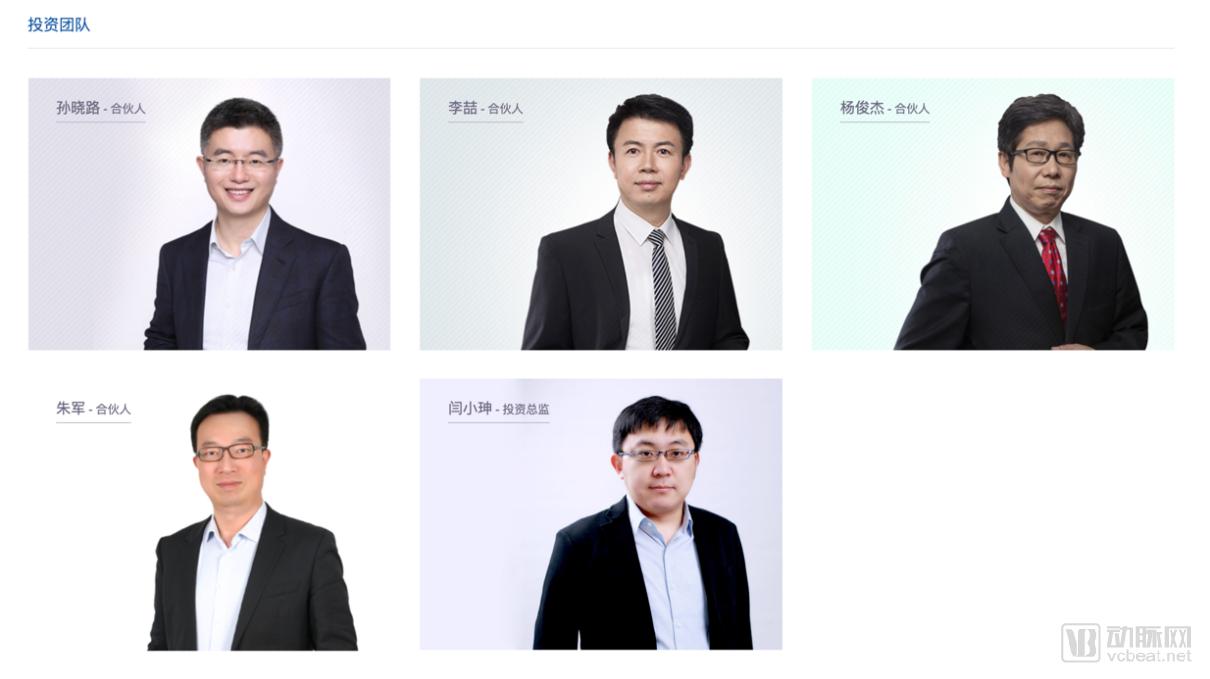
Co-founders Sun Xiaolu and Li Zhe, former classmates at Zhejiang University, have reunited to pursue their shared entrepreneurial vision. Each brings distinct expertise to the table—one is a seasoned veteran in the venture capital industry, while the other is an expert in startup incubation—creating a complementary and robust leadership team.
Prior to founding Proxima Ventures, Sun Xiaolu was already a seasoned venture capitalist in the industry. Before entering venture capital, he served as a Senior Scientist and Senior Manager at Philips, during which time he filed seven international patents. After returning to China from his studies in California, Sun joined DT Capital Partners, becoming a Partner of the master fund in 2011 with a primary focus on technology investments. His portfolio includes six companies that have completed initial public offerings (IPOs), two that were acquired, and several others currently in the IPO process, demonstrating outstanding investment performance. During this period, he was seconded by the fund to portfolio companies to take on key responsibilities, gaining profound insights into strategic formulation and operational execution for technology enterprises. While specializing in early-stage technology investments, he also has dedicated experience assisting multiple listed companies with business expansion, including acquisitions. He has accumulated extensive expertise across incubation, investment, post-investment management, IPOs, and M&A exits.
Li Zhe is a talent in innovation and entrepreneurship recognized by the Ministry of Science and Technology, an expert in innovation and entrepreneurship appointed by the Overseas Chinese Affairs Office of the State Council, and a medical review expert for the Ministry of Education’s “Chunhui Cup.” During his studies in Boston, Li co-founded a diagnostic reagent company, introducing innovative American medical technologies to China. He subsequently focused on the incubation and investment of international innovative medical technologies, helping numerous enterprises achieve success. He participated in the planning and design of China’s first International Institute of Biotechnology, co-initiated and operated Baiqiao International Incubator—the country’s first incubator dedicated to innovative medical technology—and designed and implemented China’s first acceleration platform for medical devices. With extensive resources in the healthcare industries of China, the United States, the United Kingdom, and Israel, he has introduced and incubated a portfolio of influential biopharmaceutical and medical device projects that filled gaps in the Chinese market, leading to multiple acquisitions and initial public offerings (IPOs).
Driven by Sun Xiaolu and Li Zhe, Proxima Ventures has assembled a group of like-minded partners to move forward together. Partner Dr. Yang Junjie graduated from Beijing Medical University and completed dual postdoctoral fellowships in immunology and medicine at the University of Washington. He also holds a U.S. medical license. Dr. Yang spent many years engaged in new drug development at globally renowned pharmaceutical companies, including Pfizer USA and Alcon USA (later acquired by Novartis). After returning to China, he founded a biotechnology company, which was subsequently sold to the listed company Huahai Pharmaceutical. He possesses over 20 years of experience in R&D, management, and entrepreneurship within the biomedical industry. Partner Zhu Jun graduated from Fudan University Shanghai Medical College with a Master’s degree in Clinical Medicine. His background includes serving as a full-time clinician at a Grade A tertiary hospital and 13 years as Deputy General Manager for Greater China at Erbe, a well-known German medical device company. This experience has given him profound insights into the clinical application, indication development, and promotion of medical devices, with particular expertise in gastroenterology and pulmonology. Investment Director Yan Xiaoshen has an academic background in materials engineering and biology. He worked on cardiovascular product development at the U.S. headquarters of Boston Scientific, a global leader in medical devices, and later spent three years in the company’s investment department in San Francisco, participating in multiple global investments in medical devices and consumables. He specializes particularly in cardiovascular, cerebrovascular, and structural heart disease sectors.
Recently, another colleague with nearly 20 years of R&D and management experience at Johnson & Johnson and Philips has joined the team. It is expected that in early 2019, a senior partner specializing in biotechnology, with extensive experience in multiple domestic and overseas IPOs and M&A exits, will also join. This team possesses an international perspective and is well-versed in the latest advancements in the application of innovative technologies in clinical fields abroad. They are poised to deliver stronger investment performance in 2019, while continuously strengthening their industrialization capabilities.
Forging Ahead, Global Footprint Takes Shape
In 2018, the year just past, the Proxima team kept up a relentless pace. Their footprint covered nearly all the global hubs of innovative medical care—Boston, San Diego, Irvine, San Francisco, Minnesota, Texas, Cambridge, Düsseldorf… Through in-depth discussions and research, the team’s vision has become increasingly sharp.
Over the course of this year, Proxima has further deepened its global footprint. At the epicenters of medical technology innovation—the United States and Europe—Proxima identifies and captures emerging trends by sourcing promising projects incubated or invested in by world-class hospitals, top-tier laboratories, renowned incubators, and venture capital firms. From these initiatives, the company seeks out innovative technologies and projects capable of addressing significant unmet clinical needs in China.
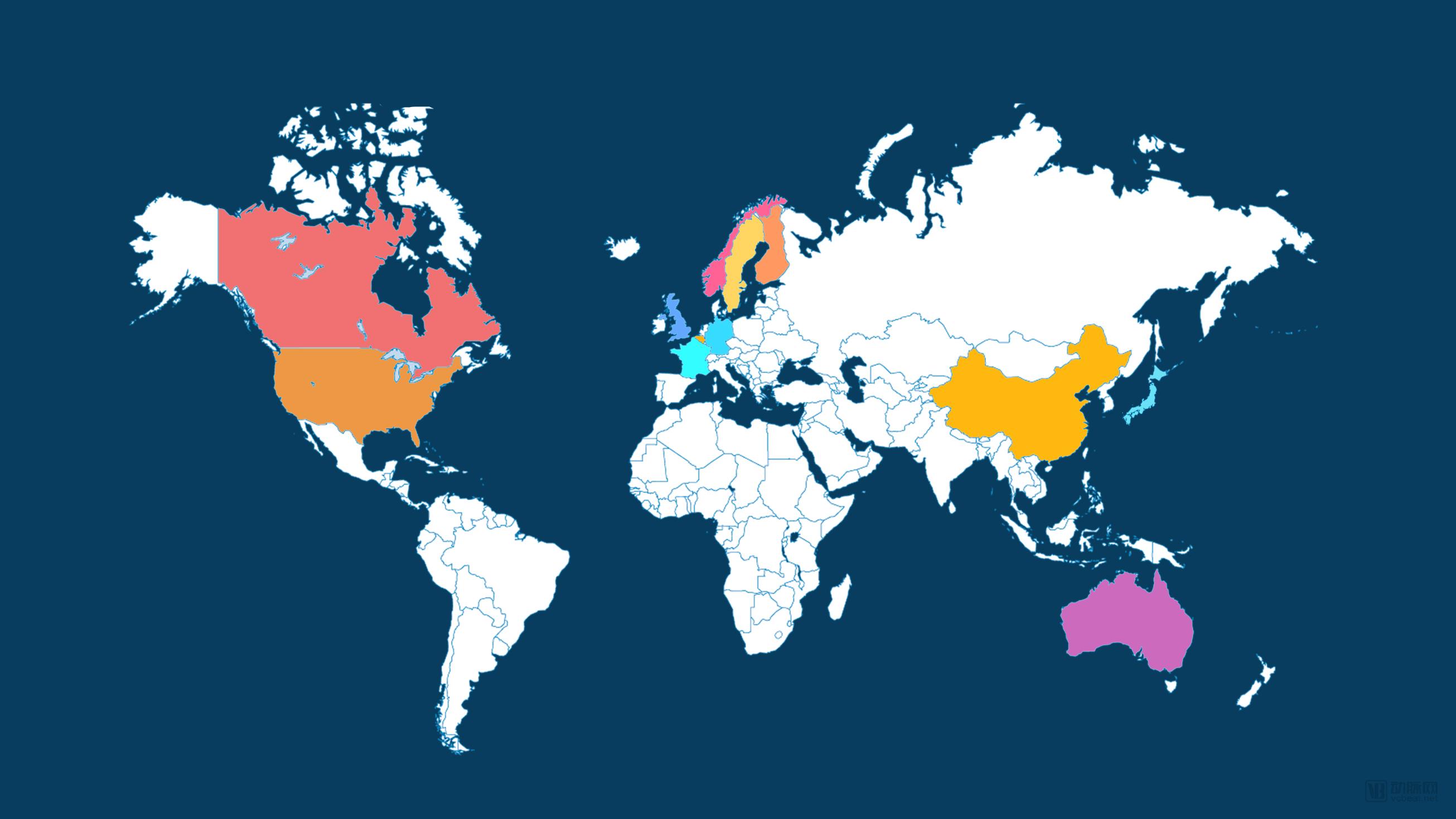
(Proxima Ventures Global Network)
Throughout the year, they attended major international conferences and events, including the Transcatheter Cardiovascular Therapeutics (TCT) conference in the United States, EuroPCR in Europe, the Innovations in Cardiovascular Interventions (ICI) conference in Israel, Medtech Alley in Minnesota, the North American Neuromodulation Society (NANS) Annual Meeting in Las Vegas, Digestive Disease Week (DDW) in the United States, United European Gastroenterology Week (UEGW) in Vienna, and the China-US Healthcare Technology Innovation Competition in Texas. They further expanded their presence in the European market; in the second half of the year, the team visited multiple countries across Europe, including Belgium, Germany, France, the United Kingdom, and Sweden. During these visits, they engaged with a number of renowned European incubators and innovation hubs, such as JLab (Johnson & Johnson’s incubator in Belgium), WBC Incubator in Belgium, BioM in Germany, Genopole in France, Oxford University Innovation in the UK, Cambridge Science Park, and the Karolinska Institute in Sweden, establishing deeper collaborative partnerships. By year-end, the team actively pursued innovative medical projects in Japan and cultivated partnerships with Japanese stakeholders.
The above describes drawing on external expertise, while Proxima’s internal research system is systematic and rigorous. It places particular emphasis on technological research and clinical applications. Partners and core team members regularly convene to identify key research topics, formulate research plans, and collaboratively drive progress. Every other Thursday afternoon, the team holds regular meetings to share research findings and discuss investment opportunities. Specific requirements are also imposed on individual research projects: each study must focus on a narrowly defined subfield, with broad, comprehensive reviews of entire fields prohibited; it must adopt a global perspective to thoroughly analyze clinical needs and technological development trends within these subfields; it must identify potential investment or collaboration targets, including hospital physicians and laboratory professors; and it must include interviews with a specified number of experts and entrepreneurs from leading companies in the relevant sectors.
Build an Ecosystem to Be the Premier Partner for Healthcare Startups
Entrepreneurship in the healthcare industry faces many unique challenges. Moreover, the entire industrialization process is lengthy. Providing accelerated pathways in areas such as R&D, facility construction, clinical trials, and regulatory approval would significantly reduce the difficulties of starting a business and substantially shorten the time to clinical application. To accelerate the industrialization of innovative medical technology projects, the Proxima team has made tremendous efforts to continuously build a better healthcare entrepreneurship ecosystem.
Li Zhe introduced that the Proxima Ventures team previously initiated and operated China’s first specialized medical park offering central laboratory and pilot-scale workshop services, and established China’s first medical device accelerator. This platform provides startups with clinical sample production and regulatory submission support, potentially reducing the time required for the industrialization of innovative medical devices by more than one year. Over the past two years, the team has set up five innovation bases focused on innovative medical technologies in China’s most vibrant “new first-tier” cities for medical entrepreneurship, such as Wuhan, Hangzhou, Zhengzhou, Chengdu, and Chongqing. Equipped with over 40 full-time staff members possessing relevant expertise, these bases serve medical startups and facilitate connections between portfolio companies and local governments in each park’s location, helping enterprises secure more favorable policy support and incentives.
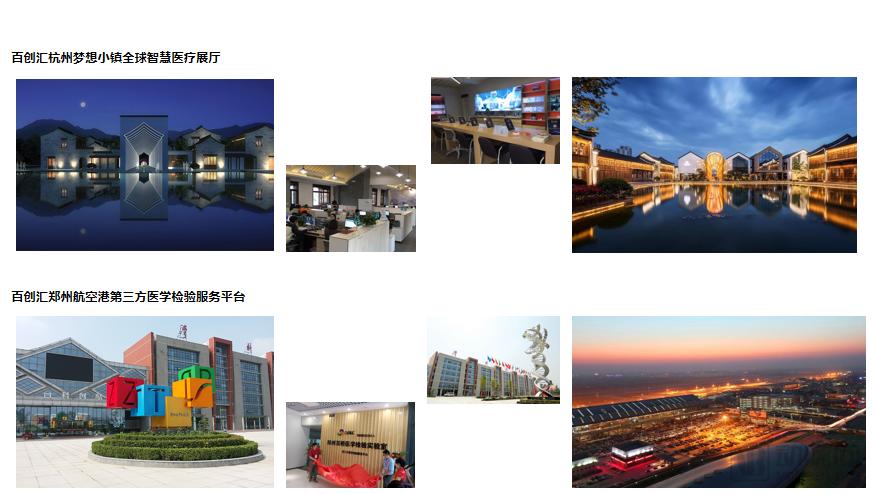
Entrepreneurship in the healthcare industry cannot thrive without the support of medical institutions and clinicians. The Proxima Ventures team has established regular communication channels and collaborative exchange mechanisms with key opinion leaders (KOLs) across multiple clinical specialties in China. Currently, Proxima Ventures has forged close partnerships with major departments at several leading hospitals, including Fuwai Hospital, Wuhan Union Hospital, the First Affiliated Hospital of Zhengzhou University, West China Hospital, Zhongshan Hospital Fudan University, and Shanghai Changhai Hospital, thereby strengthening the integration of innovative technologies with clinical needs. With government support, the team is also establishing China’s first International Medical Innovation and Translation Center in Chongqing and is jointly building an innovation hub with Cleveland Clinic in the United States.
Over the years, the Proxima Ventures team has assisted the Overseas Chinese Affairs Office of the State Council in organizing multiple medical tracks of the “Huachuang Cup” Global Chinese Entrepreneurship Competition, and has served as the head of the judging panel for the medical competition of the Ministry of Education’s “Chunhui Cup.” In 2018, to accelerate the rapid localization of overseas innovative medical technology projects in China, the Proxima team launched the inaugural BioX Accelerator Program specifically targeting international medical entrepreneurship projects. This initiative helps overseas entrepreneurs familiarize themselves with China’s regulatory environment, facilitates their market entry, and connects them with clinical resources. The first cohort of 20 companies included a number of internationally competitive innovative medical technology projects approved by the U.S. Food and Drug Administration (FDA). The team is currently building a CDMO platform dedicated to international innovative medical devices. By 2019, modular facilities compliant with FDA and European Union standards will be completed in key therapeutic platform areas, enabling partner overseas innovative medical device projects to pursue regulatory submissions in both international and Chinese markets simultaneously.
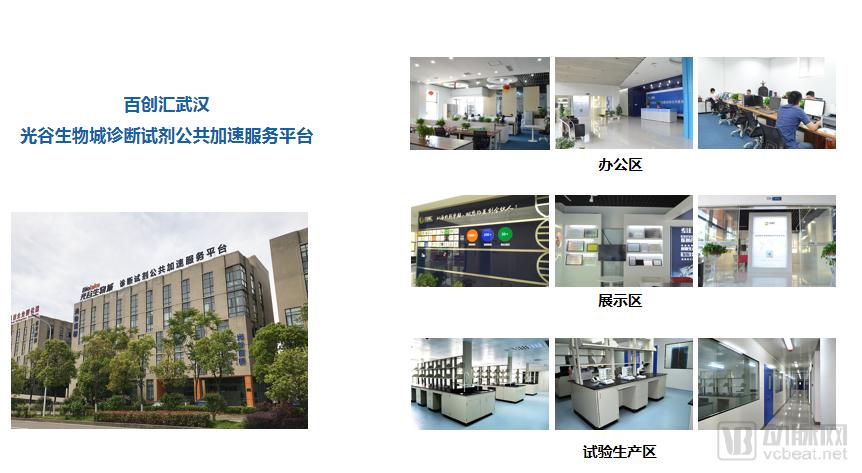
Currently, the Proxima Star Phase II Venture Capital Fund has been established in Suzhou, with its fundraising efforts nearing completion and poised to embark on larger-scale investments. Over the past two years, the absence of a USD-denominated fund led to the missed opportunity of securing several major projects. At present, Proxima Star Ventures is establishing a USD fund with the support of several cornerstone investors, thereby facilitating the introduction of more advanced international medical technologies into the Chinese market.
Looking back at 2018, which has just passed, Sun Xiaolu was filled with mixed emotions. He recognized that technological innovation in the medical field is a tough challenge. His entrepreneurial journey, starting from scratch, allowed for no moment of slack; instead, it reinforced his original aspirations and left him more energized than ever.
As time flies, 2019 has arrived. Proxima Ventures is joining forces with the founders of 17 portfolio companies, six academicians, and 12 national chairpersons in clinical specialties, among other clinical experts, to continue tackling challenges in 27 major disease areas!