

Neoantigen Vaccines: Poised to Become the Next Major Breakthrough in Cancer Immunotherapy
In July 2017, the British scientific journal Nature simultaneously published the results of two independent Phase I clinical trials. These studies involved DNA and RNA sequencing of tumor cells to identify neoantigens specifically expressed due to genetic mutations. Personalized cancer vaccines were then constructed and administered back into the patients to activate immune cells and kill tumor cells bearing these antigens. This marked the first successful cancer vaccine study in clinical trials.
For a long time, there has been an expectation for a vaccine that can help the immune system recognize and eliminate cancer. Currently, neoantigens appear to be ideal targets for tumor immunotherapy. Because neoantigens are specifically expressed only in tumors, they are highly unlikely to induce tolerance or damage normal tissue cells.
According to a recent report by CB Insights, neoantigen vaccines are markedly different from previous failed cancer vaccines; as highly “personalized” vaccines, they have been hailed as the next major breakthrough in cancer therapy.
Below is the thematic content of this report, compiled by VCBeat (WeChat Official Account: vcbeat):
I. What Are Neoantigens?
II. Neoantigen Vaccines Bring More Personalized Cancer Therapeutics
II. How Do Neoantigen Vaccines Work?
III. How is the research progressing?
IV. Companies Developing Neoantigen Vaccines
V. How Should Neoantigen Vaccines Develop in the Next Step?
Immunotherapy has taken center stage in the fight against cancer. Some immunotherapies treat the disease by targeting antigens—typically composed of proteins—present on the surface of cancer cells. Occasionally, normal cells also express certain antigens, and their extensive destruction can pose a significant threat to health.
Therefore, researchers are increasingly adopting neoantigen vaccines as a cancer treatment strategy.
What Are Neoantigens?
Neoantigens are protein fragments found exclusively on cancer cells. Due to their unique properties, targeting them enables the patient’s immune system to recognize and attack cancer cells while sparing healthy cells.
Since the first human clinical trials of this neoantigen vaccine were conducted in 2015, interest in this field has continued to rise.
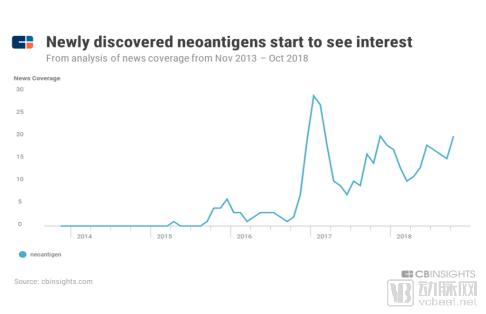
Changes in Interest in Neoantigens (Image Source: CB Insights)
Cancer cells are difficult to track due to their remarkable ability to continuously adapt to different environments. Neoantigens offer a novel and sophisticated approach to tracking these cancer cells.
Although this remains a nascent field of research with only early-stage data available, we are already observing investments from both established enterprises and startups in this area.
Below, we will delve into the mechanism of action of neoantigen vaccines and why this technology may be the key to curing cancer.
Neopeptide Vaccines Bring More Personalized Therapeutics
Cancer is challenging because the rapid growth of abnormal cells can often bypass many defense mechanisms and evade detection by the immune system. Furthermore, antigens are frequently expressed on both normal and cancerous cells, making areas with compromised immune function more susceptible to attack.
This creates an opportunity for the intervention of neoantigens.
Neoantigens can be imagined as radio antennas on the surface of cancer cells.
Our goal is to identify these antigens and activate white blood cells known as T cells to attack cancer cells.
Because neoantigens are expressed exclusively by cancer cells, they represent ideal targets for the immune system to attack without harming normal cells. If researchers can predict which antigens are present on a patient’s tumor, they can direct the immune system to target these antigens.
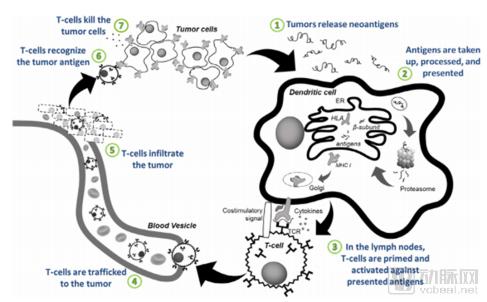
General Cancer Immunity Cycle (Image source: CB Insights)
There are two subtypes of the new antigen:
Shared Neoantigens, this is not specific to an individual or tumor type; two different individuals may also share the same neoantigens.
Personalized Neoantigens, exhibits high specificity for individual tumors.
Due to the high mutation rate of certain cancers, more neoantigens are generated. However, this is actually desirable, as a greater number of neoantigens provides more targets for immune system surveillance.
This phenomenon occurs in cancers such as melanoma (a type of skin cancer) and lung cancer, which is why new clinical trials exploring the use of neoantigen vaccines are targeting these malignancies. Indeed, since 2015, three pivotal clinical trials involving neoantigen vaccines have all targeted melanoma.
Vaccines typically consist of weakened or inactivated forms of the cells they target, and researchers are leveraging this principle to develop personalized neoantigen-based vaccines. These vaccines can be administered to patients to help stimulate an immune response.
In addition to selecting neoantigens that elicit the strongest immune responses, researchers are currently conducting studies to evaluate which neoantigen delivery platforms are most effective.
Due to the distinct biological characteristics of each vaccine, every vaccine platform has its own advantages and disadvantages; however, they all aim to leverage novel antigens to induce anti-tumor responses.
The following are the main vaccine platforms used in neoantigen vaccine research, with several early-stage clinical trials based on these platforms currently underway.
Synthetic Long Peptide (SLP) Vaccines: Peptide vaccines are the most commonly used vaccines in clinical trials. They can simultaneously activate two types of T cells (the body's defense cells) to elicit an immune response.
However, unlike other platforms, SLP vaccines require an additional component in the vaccine formulation—an adjuvant. The adjuvant must be used together with neoantigens to ensure the vaccine functions properly and activates an immune response.
RNA Vaccines: RNA molecules that generate neoantigen peptides can also serve as a vaccine platform for targeting cancer cells.
RNA vaccines do not require additional adjuvants to stimulate an immune response, as they consist of genetic material from various pathogens, and our immune system is already primed to recognize these pathogen-derived molecules. However, the development of this vaccine platform is relatively challenging.
Dendritic Cell Vaccine: Dendritic cells, as antigen-presenting cells (APCs), play a crucial role in human immunity by processing antigens and presenting them on the cell surface to stimulate T-cell responses. Their drawbacks are twofold: high costs and a labor-intensive manufacturing process.
Virus- or bacteria-based delivery platforms are also employed to carry novel antigens in these vaccines. One bacterium, *Listeria monocytogenes*, has emerged as a promising candidate.
How Do Neoantigen Vaccines Work?
Most researchers use computer simulation methods, which employ algorithms to predict which neoantigens will most effectively activate the immune system based on the patient’s tumor characteristics.
In contrast, some individuals opt for ex vivo methods to isolate tumor cells and conduct experiments in order to determine which neoantigens elicit specific immune responses.
Neoantigen vaccines are personalized based on the patient’s specific tumor profile. Although there are variations among companies in their development approaches, the manufacturing of neoantigen vaccines generally follows a standard set of steps:
1、Biopsy of the Tumor. Tumor samples are extracted from patients for further laboratory testing. This enables researchers to make more detailed inferences about the tumor's profile;
2. Perform sequencing and computational analysis. Researchers sequenced the exomes (the portion of the genome that ultimately encodes proteins) of tumor cells and normal cells. This enabled them to identify unique mutations in tumor cells, such as insertions or deletions of additional DNA base pairs;
3. Predict and select specific neoantigens as targets. This step involves identifying patient-specific tumor mutations, namely neoantigens. These neoantigens are more likely to elicit a response from the patient’s immune system and attract T cells to attack cancer cells. Some companies are leveraging their data and predictive algorithms to achieve higher precision;
4. Develop personalized vaccines.Based on the prediction that neoantigens can stimulate the immune system to attack cancer cells, personalized vaccines are designed using delivery vectors (such as peptides, RNA, etc.);
5. Administration of neoantigen vaccine.After the vaccine is developed, it is administered to patients.
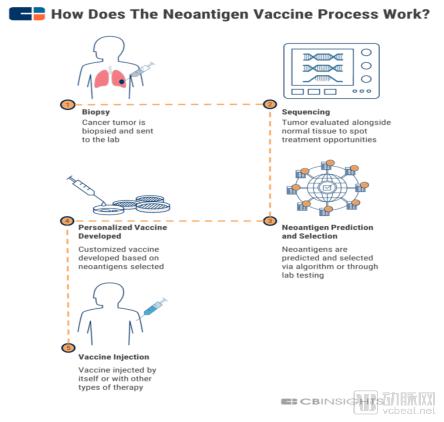
Image source: CB Insights
Checkpoint inhibitors can enhance the efficacy of neoantigen vaccines.
Some companies are combining the aforementioned vaccines with another immunotherapy—checkpoint inhibitors—to bolster the immune system’s attack on cancer cells that may still evade detection.
Under normal circumstances, the immune system uses T cells to track down foreign pathogens, such as bacteria or viruses, and then deploys other immune cells to attack them.
However, the unique feature of cancer cells is their ability to evade detection by immune cells.
In fact, cancer cells can hide behind “shields” on their cell surface to deceive T cells. This enables cancer cells to evade immune attacks by mimicking normal cells.
This is where checkpoint inhibitors exert their therapeutic effect. They prevent cancer cells from “deceiving” T cells, thereby enabling T cells to correctly recognize and attack the cancer cells.
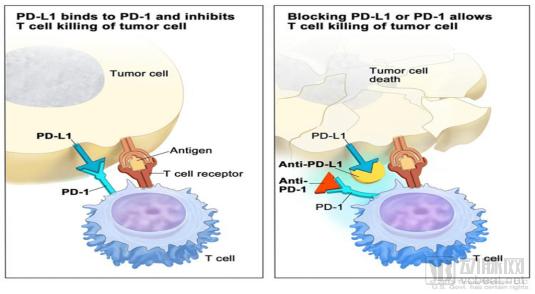
Image source: CB Insights
Checkpoint inhibitors belong to the core category of immunotherapy, are typically administered via intravenous injection, and have had approved drugs enter the market since 2011.
Combining this therapy with neoantigen vaccines can achieve higher efficiency in eradicating cancer cells.
How is the research progressing?
Compared with well-established therapies such as checkpoint inhibitors, neoantigen vaccines remain a novel approach in the field of cancer immunotherapy. Although studies at the beginning of this century demonstrated the relationship between the immune system and neoantigens, human clinical research is still in its early stages.
In 2015, the results of the first human clinical trial using a neoantigen vaccine were published.
The study enrolled three melanoma patients, each of whom received a dendritic cell-based vaccine. The results demonstrated that the release of these neoantigens stimulated the production of additional T cells, indicating that the vaccine can alert the immune system to respond against cancer cells targeted for attack.
In 2017, two additional studies published trial results on the efficacy of neoantigen vaccines in humans.
Two co-founders of Neon Therapeutics, Nir Hacohen and Catherine Wu, helped conduct one of the studies. In this study, six melanoma patients were vaccinated with a peptide-based neoantigen vaccine composed of up to 20 neoantigens. Within 2.5 years, four of the patients were cured of their cancer. The remaining two patients achieved cure after receiving additional treatment with checkpoint inhibitors.
The study design is shown in the figure below:
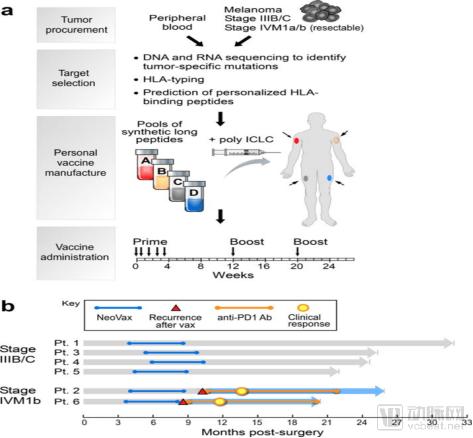
Image source: CB Insights
In another study in 2017, Ugur Sahin, a researcher at Johannes Gutenberg University of Mainz in Germany and the founder and CEO of the cancer therapy company BioNTech, developed vaccines using RNA molecules, each containing a mixture of 10 neoantigens.
These vaccines were administered to 13 melanoma patients. Within 12 to 23 months, eight patients achieved cancer remission, and one patient showed clinical improvement following treatment with checkpoint inhibitors.
As mentioned above, invasive cutaneous melanoma is the key target of these three clinical trials, as its high mutation rate makes neoantigens more susceptible to immune-mediated cancer attack.
Companies Manufacturing Neoantigen Vaccines
Pharmaceutical companies are leveraging diverse technologies and platforms to develop their proprietary neoantigen vaccines. Below, we examine the key players in this field and the progress they have achieved.
Germany's BioNTech is a key player in the neoantigen vaccine field.
The company’s Individualized Vaccines Against Cancer (IVAC) Mutanome platform leverages RNA molecules to customize neoantigen vaccines, while its FixVAC therapy targets shared antigens among cancer patients.
BioNTech is conducting clinical trials using its IVAC Mutanome platform, which targets triple-negative breast cancer, melanoma, and multiple tumor types. As part of the company’s plan, one of these trials is being conducted in collaboration with the pharmaceutical company Genentech.
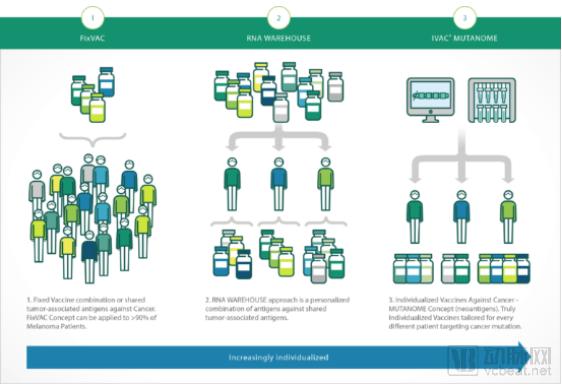
Image source: CB Insights
BioNTech has raised a total of $270 million in public financing from investors including Fidelity Investments and Redmile Group. Last August, the company also announced a partnership with Pfizer, with both parties investing $120 million to develop an mRNA-based influenza vaccine.
Genocea Biosciences’ ATLAS platform employs ex vivo methods to create personalized neoantigen vaccines. Prior to its public listing in 2014, Genocea raised $91 million from investors including Polaris Partners, GlaxoSmithKline, and Johnson & Johnson Innovation.
The company’s lead neoantigen cancer vaccine, GEN-009, is currently enrolling patients for its Phase 1a/2 clinical trials, which include indications such as melanoma and lung cancer.
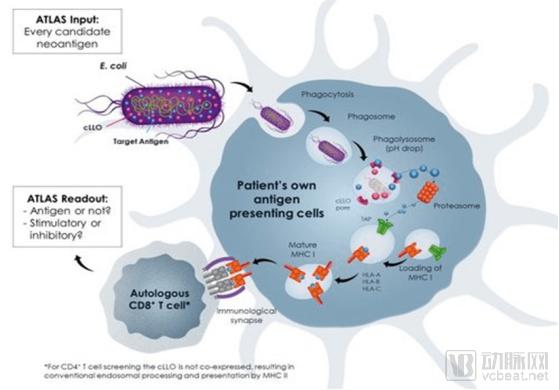
Image source:CBinsights
The latest data presented by Genocea at the 33rd Annual Meeting of the Society for Immunotherapy of Cancer (SITC) held last November revealed the potential existence of “suppressive” neoantigens in mouse models, which can promote tumor growth. These new findings suggest that the immune system’s response may also be manipulated by such neoantigens that drive tumor proliferation.
Neon Therapeutics is also a key player in the neoantigen field, with its two co-founders, Nir Hacohen and Catherine Wu, conducting one of the three pivotal clinical trials mentioned above. In fact, Neon’s drug development is the result of collaborative efforts by the Broad Institute of MIT and Harvard, Harvard University, and the Dana-Farber Cancer Institute.
Like other companies in the field, Neon’s drug pipeline includes a personalized vaccine (NEO-PV-01) and a shared antigen vaccine (NEO-SV-01).
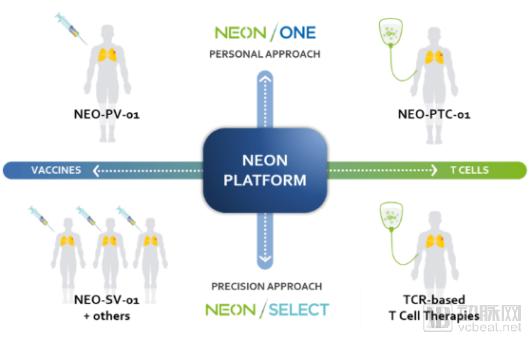
Image source: CB Insights
The company’s Phase I clinical trial, initiated in 2016, involved a neoantigen vaccine composed of synthetic peptides combined with the checkpoint inhibitor nivolumab. The trial targeted melanoma, non-small cell lung cancer (NSCLC), and bladder cancer.
Prior to its initial public offering last August, Neon raised a total of $161 million in a public offering. Investors included Third Rock Ventures, Nextech Investment, Access Industries, and Wellington Management.
Gritstone Oncology employs computational modeling approaches for neoantigen vaccines and uses its proprietary AI platform, EDGE, to predict which neoantigens are more likely to elicit robust immune cell deployment.
The company has two neoantigen products: GRANITE-001 provides personalized therapy based on each patient’s specific tumor profile, while SLATE-001 is designed for patients sharing certain common neoantigens.
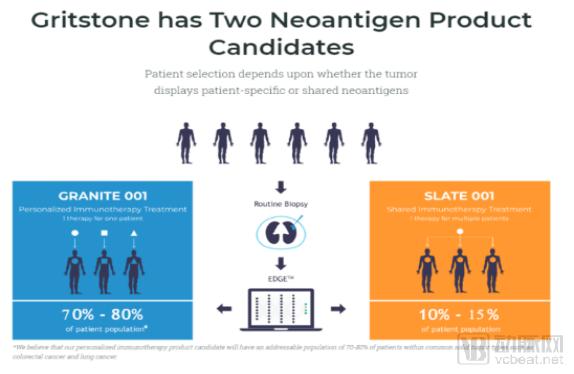
Image source: CB Insights
Gritstone has an international Phase 1/2 clinical trial targeting advanced solid tumors (lung cancer, gastric cancer, esophageal cancer, bladder cancer, and colorectal cancer). The trial was originally scheduled to commence in October 2018 but has not yet begun patient enrollment.
After raising $195 million from investors such as Versant Ventures, Clarus, and Google Ventures, Gritstone went public in September 2018.
Biotechnology company Agenus is developing its AutoSynVax (ASV) neoantigen vaccine, administered with an adjuvant for patients with solid tumors, which is currently in Phase I clinical trials.
Since 2016, Moderna Therapeutics, a cancer therapy company focused on mRNA, has partnered with pharmaceutical giant Merck to develop an mRNA-based personalized cancer vaccine using Keytruda. Keytruda is an antibody that helps the immune system detect cancer cells.
What’s Next for Neoantigens?
Current challenges facing neoantigens include the formulation of personalized vaccines and time lags in the manufacturing process.
Each vaccine is tailored to the patient’s tumor profile, requiring time for tumor sample extraction, prediction of neoantigens likely to elicit an optimal immune response, vaccine development, and subsequent administration. As these processes continue to be refined, these timelines are expected to shorten in the future.
Neoantigen vaccines remain a relatively novel approach in the fight against cancer.
To date, only small-scale Phase I clinical trials have been conducted in the industry, primarily focusing on highly mutated cancers such as melanoma or non-small cell lung cancer. As pharmaceutical companies accelerate the launch of additional Phase II trials to demonstrate the efficacy of their respective vaccines, this field will become a greater focus of research.
In particular, as researchers deepen their understanding of neoantigens, combination therapies using checkpoint inhibitors or chemotherapy may become more prevalent.
We have also observed various approaches to manipulating immune cells to seek out neoantigens. To date, research has primarily focused on injecting neoantigens to stimulate T cells to attack tumor cells; however, emerging studies are beginning to explore alternative strategies.
For example, Ziopharm Oncology’s Sleeping Beauty neoantigen product is designed to engineer T-cell receptors (TCRs). These receptors, located on the surface of T cells, are capable of recognizing neoantigens and killing tumor cells.
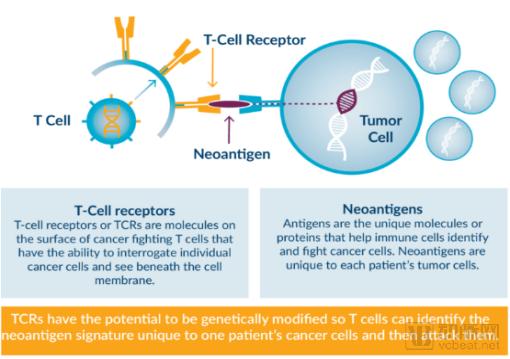
Image source: CB Insights
The adoptive transfer of genetically engineered T cells offers an alternative approach to targeting neoantigens and may serve as a dual therapy in combination with neoantigen vaccines.
As growing scientific data reveal the efficacy of neoantigen therapy and its impact across various cancer types, including those with low and high mutational burdens, neoantigen vaccines are emerging as a promising area in cancer research.