

Wearable Devices Seize Health Data Entry Points, Trust-Based Services Reemerge, and Niche Market Demands Surge: Spring Festival Special Report
As the 2019 Spring Festival quietly arrives, we wish all VCBeat readers a Happy New Year and extend our festive greetings! On the occasion of this Lunar New Year, the VCBeat content team has specially curated a series of New Year reports. We have compiled the articles published across various healthcare subsectors over the past year into a cohesive collection, serving as the first knowledge package of the new year.
This initiative also invited entrepreneurs and investors deeply rooted in various medical sub-sectors to share their New Year’s messages on the future of healthcare. Amidst the transformative changes in the medical field, VCBeat remains committed to identifying innovative forces that are reshaping the healthcare landscape, providing support, and fostering mutual growth.
At the dawn of the new year, it is fitting to reflect, to look ahead, and to offer blessings.
Among many people’s New Year’s resolutions, in addition to “getting rich overnight,” a few more have been added, such as “losing weight rapidly” and “staying up late less.” As national health awareness continues to rise, the health industry is also welcoming its own opportunities.
As a recorder and observer in the healthcare sector, VCBeat has continued to track the health management industry, which is closely relevant to everyone, over the past year. In 2018, a peculiar period when “winter” was on everyone’s lips, entrepreneurs in the health management industry may have faced even greater challenges. If medical care is regarded as a “basic necessity,” then prevention is gradually evolving into one as well; the uneven distribution of medical resources has made prevention an essential approach.
When public health awareness intersects with the commercial market, identifying the paying party has become a shared objective for the broader health and wellness industry. Regardless of which company invests in promotional activities, such efforts effectively contribute to market education for the entire sector. Driven by citizens’ health aspirations and consumer demand, opportunities have emerged in niche segments such as fitness and wellness, mental health, and sleep health. Leading companies in these fields have already taken shape and continue to attract investor interest. A review of financing activity in China’s health and wellness industry in 2018 reveals a total of 27 funding rounds, with the total amount raised reaching approximately RMB 1.2 billion.
A sound business model is a rare find. Thousands of startups continue to explore this space, and according to one unofficial estimate, there are nearly 6,000 companies involved in health management in the market. Yet it is precisely this large number that poses a problem. As physical examination centers at public hospitals transition into health management centers, health management—a functional discipline—is becoming widely recognized as a new form of service. The health management industry, once perceived as chaotic and mixed in quality, is gradually gaining legitimacy.
From the perspective of macroeconomics and market policies, 2019 is likely to be a threshold for thousands of healthcare companies, but we hope it is not. Because this market is undergoing some significant changes.
Strictly speaking, VCBeat continuously monitors all information related to changes.
Specifically, the topics and events we continued to focus on this year include:
Technology Disrupts Traditional Insurance
In the United States, where the health management industry first took off, health management is closely intertwined with commercial insurance. Within the insurance framework, health management is offered to clients as an effective cost-containment tool, and technological integration is transforming traditional insurance service models.
Among the eight major healthcare trends for 2019 predicted by the renowned consulting firm Frost & Sullivan, the forecast regarding the health data-driven insurance industry points out that personalized health insurance, driven by lifestyle and health data, will reshape the health insurance sector.
This November, John Hancock, a U.S. insurance giant, announced it would cease selling traditional life insurance policies, signaling in advance the advent of an era in which health management has become a standard component of health insurance. All John Hancock policies will now include the “Vitality Program,” providing customers with fitness trackers from Fitbit, Garmin, and Polar. By leveraging health behavior data and health management services, the program incentivizes customers to adopt healthier lifestyles, thereby achieving cost containment.
iKang Guobin Delists
In terms of capital, as the shift from treatment to prevention has been elevated to a national strategy, the checkup-dominated market is also undergoing new innovations and transformations. While Meinian Onehealth continues to build a closed-loop ecosystem, iKang Healthcare Group is advancing on two fronts: on the business side, it is introducing numerous AI enterprises to enhance the efficiency and accuracy of health examinations; on the capital market side, it is continuously advancing the privatization process in collaboration with Alibaba.
In a market where public hospitals hold a dominant position, the private health checkup sector has evolved from a “tripartite balance” to a “duopoly.” Meinian Onehealth Healthcare secured its position on the A-share market, while iKang Healthcare Group, previously listed on NASDAQ, announced on March 12, 2018, that it had received an acquisition proposal from Yunfeng Capital and Alibaba Group at a price of US$20 per ADS (American Depositary Share). On January 18, 2019, U.S. time, iKang Healthcare Group (Nasdaq: KANG) issued an announcement declaring the completion of its privatization. iKang Healthcare Group will delist from the NASDAQ Stock Market, and trading of its American Depositary Shares (ADS) will cease.
On the evening of January 14, Taobao and Suning separately announced that they would acquire 100% of the shares of iKang Healthcare Group through multi-party funding. Following the privatization of iKang Healthcare Group, Taobao China Holding Limited and Treasure Cottage, both under Alibaba Group, will indirectly hold approximately 23.8% of iKang’s equity; a fund jointly established by Suning and Yunfeng Capital will indirectly hold approximately 8.2%; and Suning International will indirectly hold approximately 3.4%.
Following this acquisition, Alibaba Health’s physical examination segment will see substantial enhancement, marking further progress in building its closed-loop healthcare ecosystem. The three-year privatization process finally came to a close in 2019.
iKang Group’s Privatization Officially Completed! To Delist from Nasdaq
2018 Health Management Blue Book Released
In April 2018, the Zhongguancun New Zhiyuan Health Management Research Institute, the Health Management Research Center of Central South University, and the Social Sciences Academic Press jointly released the Blue Book of Health Management: Report on the Development of China’s Health Management and Health Industry (2018), serving as a “reference guide” for health management practitioners.
“China Health Management and Health Industry Development Report (2018)” (hereinafter referred to as the “Blue Book”), themed “New Disciplines, New Business Formats,” analyzes the development status of the health management discipline and the health industry. The Blue Book points out that the development of China’s health management and health industry from 2017 to 2018 was characterized by “overall positive momentum with numerous challenges.” Specifically, a “hot” development trend was observed in ten areas: national macro policies and industrial planning, theoretical research and academic exchanges, intelligent health and smart elderly care, health check-ups and chronic disease management, and health data and group standards. In contrast, significant problems and “cold” developmental challenges persisted in areas such as the transformation of development concepts, disciplinary talent development, system and model construction, improvement of health literacy, and assurance of service supply.
Furthermore, VCBeat is delighted to note that Chapter 4, “Industry Perspective: A Comprehensive Overview of Medical Wearable Devices,” in the Blue Book cites statistical data from VCBeat’s July 2017 article, “A Review of the Continuous Glucose Monitoring (CGM) Field.”
Tapping into the Mental Health Market
On May 25, 2018, data released by the National Health Commission showed that as of the end of 2017, among China's population of 1.39008 billion, there were 243.264 million patients with mental disorders, resulting in an overall prevalence rate of 17.5%. The number of patients with severe mental disorders exceeded 16 million, with a prevalence rate surpassing 1%, and this figure continues to rise year by year.
An increasing number of people have become aware of the existence and severity of mental illnesses, as well as the importance of diagnosis and treatment and the currently available diagnostic and therapeutic options. This has led to psychiatry gradually emerging as a rapidly growing segment within China’s healthcare market.
In addition, targeting the vast demand from the sub-healthy population, an increasing amount of social capital has entered the mental health market. In August 2018, VCBeat launched a special series on mental health, surveying typical mental health companies both domestically and internationally.
See details:Mental Health + Case Series Special Topic
Chronic Disease Monitoring Devices Become the Darling of Digital Healthcare
James Mault, Chief Medical Officer of Qualcomm Life, once posited that “once patients leave the hospital, we have no data—it is essentially a black hole.”
In addition to the structured data generated during patient visits, a larger volume of big data exists not within hospitals but rather in the home environment after diagnosis and treatment have concluded. Out-of-hospital human physiological data reflects various aspects such as daily routines, lifestyle habits, physiological changes, potential lesions, disease progression, medication frequency, and rehabilitation status, all of which hold significant clinical value in medicine.
In the inaugural year of medical wearable devices, wearable products began to play a role in initial screening and auxiliary diagnosis. Breakthroughs have been made in products monitoring the four vital signs: body temperature, heart rate, blood pressure, and respiratory rate. Additionally, metrics such as blood glucose, electrocardiogram (ECG), electroencephalogram (EEG), and blood oxygen saturation have become highly competitive focal points.
Nearly 50% of Wearable ECG Monitors Have FDA Approval: What’s the Next Move in Market Competition?
Business Models in the Big Health Industry
The pre-consultation market for health management, with innovative business models as its primary entry point, remains largely in its early stages, with profitability models still under exploration. As an imported concept, health management has undergone a localization process in China, diverging significantly from the path taken in the United States. The year 2018 was relatively quiet for the health management sector, during which most companies focused on expanding their business lines and exploring monetization strategies.
In the capital markets of the past few years, companies with an internet platform business model primarily persuaded investors by highlighting their user base and monetization strategies. This led to the emergence of numerous leading enterprises among innovators leveraging the internet as a tool. In the fields of chronic disease management and health management, platform-based companies must strive to enhance user stickiness, as the costs associated with aggressive user acquisition and re-engagement remain prohibitively high. The previous scenario, in which any company with “impressive data” could secure funding, has become increasingly difficult. Given that investors themselves are facing fundraising challenges, corporate operations must now adhere to the principle of being “grounded in genuine demand.” This signifies that, as the dividends from online traffic wane, healthcare services are returning to a trust-based model.
See details:After the Traffic Dividend Fades, How Can Health Management Find a Path to Commercial Monetization?
Transitioning from ToC to ToB
RockHealth’s year-end digital health report indicates that 61% of startups have begun transitioning from B2C to B2B or B2B2C models. Following the “blood glucose meter wars” of 2015, platform-based enterprises primarily operating under a B2C model focused on key performance indicators such as registered users, daily active users (DAU), and monthly active users (MAU), launching online subsidy campaigns to attract new users. As rampant cash burn continued, the pure B2C chronic disease management model was gradually proven unsustainable, with only a handful of companies surviving. Zhiyun Health (formerly Zhangshang Tangyi) pivoted toward the B-side, seeking genuine treatment and demand scenarios. At the beginning of 2019, Zhiyun Health, a digital health company specializing in chronic disease management, completed its C1 and C2 funding rounds, raising a total of $100 million. The experience of this leading enterprise underscores the importance of addressing real-world needs.
Apple Targets Health
The global healthcare market, valued at over $7 trillion (nearly 10% of global GDP), presents significant opportunities for tech giants like Apple, which regards healthcare and wellness as core components of its strategy for apps, services, and wearable devices. Currently, Apple aims to leverage its broad user base to collect personal health data, thereby deepening its involvement in medical research, medical devices, and other related fields.
According to CB Insights, with the launch of Apple’s Health Records feature and the Apple Watch equipped with a single-lead ECG, Apple has clearly made its formal entry into the healthcare sector. While Apple’s ambition may appear to center on data, its true intent lies elsewhere—namely, in constructing an entire health ecosystem. We believe that Apple, a brand with a market capitalization exceeding $1 trillion, will continue to deliver surprises.
Observer's Health Insights
In the second half of 2018, VCBeat launched a special column (a quick plug: contributions from professionals are welcome :p) and gained support from numerous experts. In this article contributed by Mr. Li Nan, who was engaged in medical administration at the Medical Affairs Department of Lanzhou General Hospital of the former Lanzhou Military Region, we see an interpretation and analysis of health management products and cases that is more closely aligned with user perspectives.
As time passes, the health management industry, which had been in a period of “consolidation” for many years, suddenly saw numerous favorable developments in 2018: deregulation and support on the supply side, robust demand on the demand side, active participation from payers, and innovations in new technologies have all created opportunities for exceptional growth in the health management sector.
The author strongly agrees with the statement in the article that “the allure of blue-ocean markets has drawn capital and players in droves, turning the rural path of health management into a competitive race track.” Health management is categorized into “three levels” and “four quadrants.” In the digital era, regardless of the entry point or how solutions are designed, health management must ultimately answer three questions for users: Who am I? Where am I? What should I do?
The winter chill is not biting; what we continue to see among entrepreneurs is their hope for a better future and their determination to advance human health. As the Spring Festival approaches, they have more than just festive greetings to share. Below are representative companies from various niche sectors within the healthcare industry, identified by VCBeat. They have much to say to themselves and to the industry at large (the following companies are listed in no particular order):
Health Management Service Provider
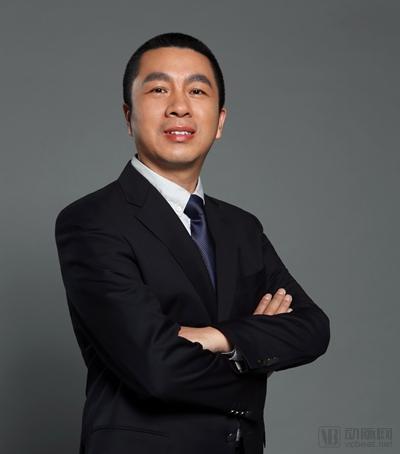
Miao Health CEO Kong Fei:2018 was a pivotal year for Miaoyijia. We extend our heartfelt gratitude to VCBeat for its unwavering support, which has enabled us to transform goals that once seemed unattainable during our early startup phase into achievable milestones today. As we step into the new year, let us continue to move forward hand in hand and realize each of our objectives one by one. “More health for more” is Miaoyijia’s most sincere New Year’s wish to VCBeat and all partners who follow VCBeat; only with a healthy life can there be greater possibilities.
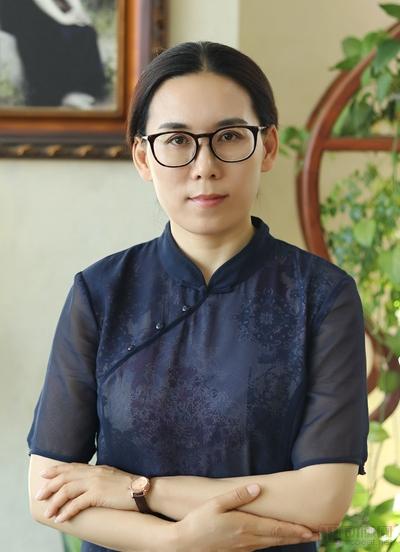
Li Xiaoxia, President of Kangbairui:The development of the health management industry is fraught with challenges and uncertainties.
Full of challenges and uncertainties. The challenges are well known. The difficulties stem from two perspectives. First, the industry itself is inherently difficult; integrating the healthcare sector with the internet is particularly challenging, the market is tough, and the absence of an established payment system adds to the difficulty. Second, many small companies make things unnecessarily difficult for themselves. We should not overcomplicate matters from multiple angles. Our excessive pursuit of rigor, along with a reverent attitude toward professionalism and scientific research methods in running our company, has led us to emulate Huawei and Alibaba too closely. This approach results in a mismatch with reality. While we should adhere to national standards and international consensus, it is even more crucial to understand the importance of iterative development. Therefore, we need to return to a more pragmatic path.
The development path of our health management company remains uncertain. Clarifying this uncertainty and charting a clear course forward has been the focal point of our strategic review throughout 2018 and 2019.
The Motivation for Persistence and Effort:
First, our clients renew their contracts annually, demonstrating sustained and stable engagement. The consistent achievement of positive health outcomes underscores the value we deliver.
Second, the overall national landscape and market demand are clearly visible.
How to Turn Uncertainty into Certainty and Clarity?
First, clarify market demand.
Second, reconstruct and clarify product value: how exactly do our products and services deliver value to customers?
3. Implement operations and promotion effectively.
Our Goal: Fearless in the Face of Hardships, Believing in the Future.
Closely monitor industry dynamics, stay grounded, and steadily advance our products and services to build a valuable service-product ecosystem. Establish a stable and robust foothold in the industry. Harbor grand aspirations while prioritizing the present day and the current year; by securing today and this year, we secure tomorrow and the future. We will become even better!
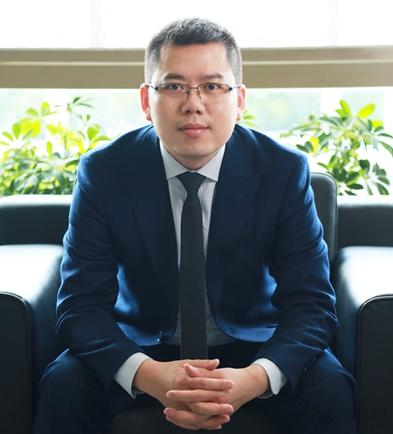
Ankangtong CEO Peng Jianbo:The severe macroeconomic landscape made 2018 an extraordinary year. Ankangtong experienced a journey from hope to hesitation, from joy to struggle, and from disappointment to determination. I am proud that Ankangtong bucked the trend this year, achieving rapid growth of nearly 50%. Our business expanded to 20 provinces, 49 cities, and 181 districts and counties across China, covering a senior population of 17 million. We have cumulatively established 66 elderly care command centers for government entities and delivered over 200 million services to seniors. Yet, this is merely the beginning. Since Ankangtong’s founding twenty years ago, our original aspiration has remained unchanged: to provide home-based health and elderly care services of the highest industry standards by continuously expanding the breadth and depth of our offerings, thereby becoming an indispensable life service platform for the elderly.
The five-year period beginning in 2019 remains a critical window of opportunity. As the more affluent cohorts born in the 1950s and 1960s enter old age, China’s elderly care industry will usher in significant development opportunities, with long-term care insurance (LTCI) emerging as a top priority within the future elderly care market. With the increasing life expectancy in China, the population of adults aged 80 and above will continue to expand, leading to increasingly prominent demand for nursing services. Among the elderly requiring long-term care, those with disabilities and seniors from “empty-nest” households will be two key focus groups. Ankangtong will invest more resources and introduce mature international best practices to enhance the caregiving knowledge and professional skills of service personnel, thereby delivering high-quality elderly care experiences to more seniors.

Zhang Peng, Executive Director of Jia You Health:In my view, the overall direction of China’s healthcare and wellness sector in 2019 should have been a transition from medical care to healthcare services. Strictly speaking, China’s healthcare system currently lacks a service-oriented approach. For companies like Jia You Jiankang, as well as for the entire healthcare industry, innovation is the key to facilitating this shift from medical care to healthcare services.
Based on my understanding, innovation can be categorized into two types: source innovation and secondary innovation. Source innovation refers to innovations that transform people’s healthy lifestyles, while secondary innovation denotes those that enhance convenience in daily life. To deliver adequate services in the field of traditional Chinese medicine, it is essential to prioritize source innovation while simultaneously expanding the scope of secondary innovation. Therefore, the fundamental task for 2019 remains innovation.
For any enterprise, innovation is the law of survival. However, the most critical factor lies in how corporate leaders comprehend innovation, which ultimately determines how the company innovates. Innovation is neither imitation nor trend-following; it must be purposeful. The fundamental aim of innovation is to serve the public. Therefore, high-quality products inevitably emerge from service delivery and are manifested through innovation.
InsurTech

Zhang Zhiyun, CEO of Hao Rensheng Technology:As the internet has evolved, its application limitations and performance boundaries have become increasingly apparent. The emergence of artificial intelligence (AI) has significantly broadened and deepened the integration of technology with various industries. In the AI + healthcare sector, it holds the promise of breaking through a series of longstanding challenges. In the AI + insurance sector, it will drive not only efficiency improvements but, more importantly, fundamental technological innovations. Current AI developments are poised to bring about a transformative new landscape in both the healthcare and insurtech fields.
Artificial intelligence is by no means limited to computer vision algorithms and natural language processing. Looking ahead, deep domain expertise and logical knowledge graphs in vertical industries are most likely to directly interface with traditional sectors, delivering significant social and economic benefits.
For instance, the “Ultimate Doctor” intelligent consultation system is transforming the diagnostic landscape and scenarios for common diseases; the “Health Risk Diagnosis” engine truly enables a strategic shift in healthcare toward prevention and decentralized care; and the application of numerous AI-driven core knowledge graph engines within “Health Insurance Cloud” makes data de-identification feasible, realizes online underwriting and policy issuance, enhances the efficiency of online claims processing, and brings process management in health insurance to fruition.
In the journey toward a new future, exploring whether core artificial intelligence technologies can break through industry conventions is highly meaningful. In the AI era, the competitive landscape extends far beyond one or two tracks and is certainly not confined to the ground alone. Haorensheng has been preparing for ten years and is committed to working alongside the industry to actively innovate and shape the future!
Sports & Health
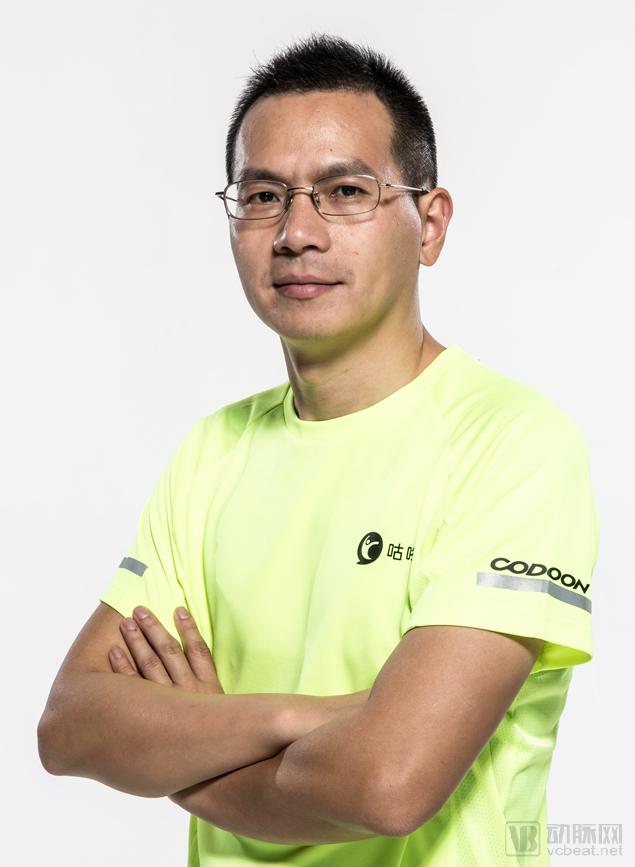
Codoon CEO Shen Bo:Founded in 2010, Codoon entered the mass sports and health industry, witnessing the rapid boom of nationwide fitness and exercise in China. From a small base of sports participants in the early days to recent years, the surge in marathon events and the rise of new-style gyms have both demonstrated the swift ascent of mass sports in China. Keeping pace with advancements in internet technology, Codoon has continuously empowered sports through innovation—evolving from its early online community and fitness tracker hardware to the Codoon App, smart wearable devices, and innovative online courses in the intelligent era.
“Get Everyone Moving” is Codoon’s vision. Leveraging technology and data, Codoon has established two comprehensive mass fitness systems focused on motivation and training. It encourages users to stay active through dimensions such as community-based social interaction, fitness rewards, and group exercise management, while meeting their training needs with race services and online courses. Additionally, it extends its reach into sports big data through smart fitness hardware.
By integrating hardware and software, Codoon produces high-quality course content upstream and delivers it downstream to users, creating value through data. With the expansion of its data network and technological support, Codoon offers more personalized and diversified services to attract a larger user base, thereby forming a complete Codoon Sports ecosystem. In the future, the development of internet-based fitness will be built upon big data and AI coaching. Through technology, every user can achieve better athletic performance and experience in a more scientific and safe manner.
Sleep Health

Sleepace CEO Huang Jinfeng:At the beginning of the year, during the CES exhibition, we observed that exhibitors in the health industry were iterating at a rapid pace, with new trends emerging and fading almost imperceptibly. It was quite poignant to realize that Sleepace has been tirelessly striving in the field of smart sleep for eight years.
Last year, we leveraged sleep monitoring technology as the entry point for IoT-based intelligent nighttime control, enabling health data to generate greater value and improve people’s quality of life. Meanwhile, we firmly transitioned from the B2C to the B2B sector, achieving remarkable results.
In the new year, Sleepace will continue to focus on non-contact physiological parameter monitoring technology and intelligent nighttime control technology, providing higher-quality solutions for clients in the IoT, infant care, elderly care, and smart bedding industries.
VCBeat, a widely recognized leading and professional platform for future healthcare services, has accompanied and witnessed many pivotal moments in Sleepace’s growth. As we navigate the uncertainties of 2019, let us remain confident, work hand in hand, and strive for continuous progress and greater success!
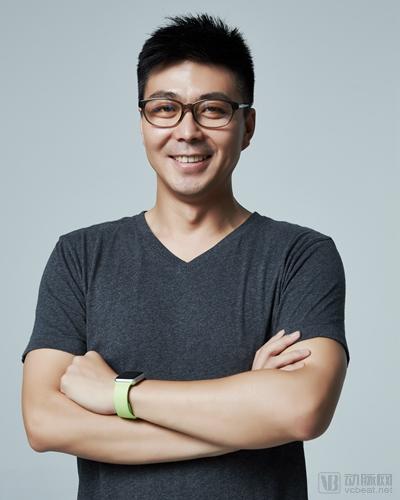
Gao Song, CEO of Snail Sleep:Nowadays, as people’s quality of life improves, the concept of sleep health is gaining increasing attention. Individuals spend one-third of their lives sleeping; poor sleep directly impacts health and even longevity. Consequently, more people are willing to invest financially to address sleep disorders, driving rapid growth in the sleep health industry and revealing substantial market potential.
Snail Sleep, an internet-based sleep technology app that emerged in response to market demand, has been striving since its launch in 2015 to become a trusted companion for users’ sleep health. The app underwent a comprehensive redesign in 2018 and has accumulated over 35 million users. VCBeat remains committed to its original mission in 2019, forging ahead with determination to become the leading healthcare media platform by delivering the most timely and comprehensive medical news and positioning itself as a pioneer in the future of healthcare.
Chronic Disease Management
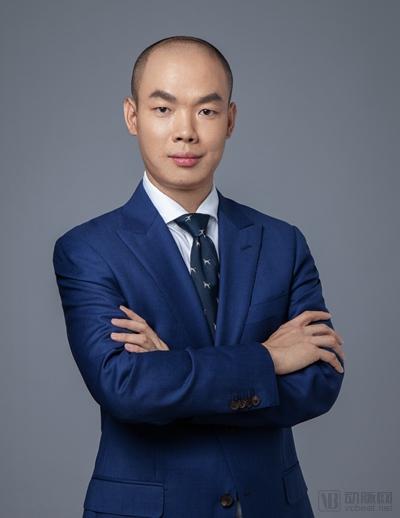
Xu Jianqun, CEO of 7+1 Medical Center:
VCBeat and friends:
Hello!
Thank you for the past year, during which we got to know each other through VCBeat and stood together to work hard for the cause of health. I recall that in a recent CNBC interview with Apple CEO Tim Cook, Cook said, “I believe that if you look to the future and look back on the past, you will ask yourself this question: ‘What is Apple’s greatest contribution to humanity?’” Cook answered, “Health.”
The 7+1 Medical Center team is committed to this cause. We aim to create an oasis for patients, bringing confidence and hope to every individual and every family. I believe that more people will join this endeavor to help others. As we bid farewell to the old year and welcome the new, on behalf of all staff at 7+1 Medical Center, I extend our New Year’s greetings to our colleagues and friends. We wish you health, happiness, and success in all endeavors in the coming year. Let us join hands in 2019 to build a healthier environment and lifestyle.
Mental Health

Anken Medical CEO Yang Yi:In 2018, it was the third year since I left the public sector to start my own venture, driven by the dream of localizing in China a mental health service model characterized by “full-process care and comprehensive treatment,” delivered by small multidisciplinary teams comprising psychiatrists, counselors, social workers, and psychiatric nurses from Europe and the United States.
In 2018, “winter” became a buzzword, but in reality, entrepreneurs face a perpetual winter. Internally, they grapple with shortages of talent, capital, and brand recognition; externally, they are surrounded by dominant public and private giants. My favorite motto is that of House Stark from Game of Thrones: “Winter Is Coming.” This should serve as the guiding principle for every entrepreneur. Only by maintaining a constant sense of crisis can one survive the treacherous entrepreneurial journey, where odds of success are slim.
As a leading healthcare service platform in the industry, VCBeat provides medical entrepreneurs with both online and offline platforms to stay abreast of the latest domestic and international developments, foster mutual understanding and collaboration, and showcase their unique strengths. On the occasion of the Spring Festival, as a psychiatrist and entrepreneur, I wish my colleagues in the medical field and VCBeat’s readers and followers a prosperous Year of the Pig, filled with family happiness, success in all endeavors, and a joyful New Year! I also hope that VCBeat will continue to deliver increasingly in-depth and compassionate analytical research and reporting. May VCBeat thrive in 2019, becoming as vibrant and booming as Chongqing hotpot, going from strength to strength!
For the journalists behind this publication, our interviewees are not merely subjects but a community of like-minded friends. The entrepreneurs we engage with are idealistic and ambitious, dedicating themselves relentlessly to advancing human health. Our role is to document, through our writing, the processes underlying these transformative changes.
As a member of the post-90s generation myself, I have clearly perceived the changes brought to our cohort by the health industry as we became the primary consumer force:
As fitness platforms such as Codoon and Keep become essential mobile apps, as smart bands become standard accessories for smartphones and smart speakers incorporate health features; as body fat scales from brands like Qing+, Xiaomi, and Youpin appear in more households; as mobile phones not only recognize calorie intake but also collect and analyze health data; and as tech giants like Apple, Google, and Huawei strive to transform their products into health devices and build comprehensive health ecosystems—we perceive health functionalities as the icing on the cake for electronic devices. More importantly, this trend reflects the growing demand for health solutions related to weight loss, sleep, and other wellness aspects.
As sleep has become a business in its own right for modern individuals, the sleep health industry has reached a scale of hundreds of billions. More and more large home furnishing and textile enterprises are incorporating health technology into their products. The pillows we buy may not only be used for sleeping but also offer additional functions such as snoring reduction and sleep aid. The mattresses we purchase are also labeled as “smart,” capable of monitoring physiological indicators. This feature is particularly suitable for the elderly population, and nursing homes are currently piloting such monitoring solutions.
Chronic disease patients leaving hospitals now have access to data monitoring, with various wearable devices establishing scenarios for out-of-hospital health data. This bridges the gap between discharge and follow-up visits, expanding the application scope of medical-grade wearable devices.
Furthermore, as individuals experience emotions such as anxiety and depression, they have developed a deeper understanding of the term "depression," leading them to seek psychological counseling more frequently. This enhanced awareness of the condition has gradually reduced stigma associated with it.
We are delighted to uncover even the slightest changes. We continuously study advanced models in the global health industry and track cutting-edge technologies, all with the aim of creating a broader “mimetic environment” for this sector. Our goal is to inspire people to realize, “Oh! So it can be done this way!” or to spark a flash of insight among entrepreneurs, enabling them to generate ideas and build more robust business models for their projects.
We are also delighted to see that the Health Management Forum, part of our annual brand initiative “Top 100 Future Healthcare Companies,” continues to attract strong participation. Leading companies share their business models, and professionals from diverse backgrounds gather together, united by a common goal and brought together by VCBeat.
We frequently reference the “Impossible Trinity of Healthcare” model (readers unfamiliar with it can search for keywords on the VCBeat website). In the future, we will provide more insights into cutting-edge business models in health management and reflect market trends.
If the U.S. excels in certain areas, we should thoroughly study its practices. However, bear in mind that “oranges grown south of the Huai River remain oranges, but those grown north become bitter trifoliate oranges.” The history of digital health over the past few years has demonstrated that blindly emulating the U.S. model is inadvisable—for instance, various projects with social networking features. But I digress. In short, we will continue to provide you with forward-looking content and profound insights that align closely with the current logic of the Chinese market. If you haven’t yet followed VCBeat, now is the time to get on board and stay ahead of the curve.
The VCBeat team is relatively young. For us, when entrepreneurs tell us, “Your articles have been helpful to us,” or “Your research has given us a clear view of the market landscape,” it represents the highest form of recognition. Just as all perfection evolves from imperfection, though dawn has not yet broken, it will surely arrive. Let us encourage one another.
Finally, with gratitude and best wishes, may 2019 be ever better.