

Racing Against Cancer: The Accelerating Pace of China's Innovative Oncology Drug Development
Editor’s Note: Cancer is humanity’s most terrifying killer. For both the general public and physicians alike, it remains a taboo-laden, intractable challenge of our time. In Siddhartha Mukherjee’s The Emperor of All Maladies: A Biography of Cancer, the history of humanity’s struggle against this ancient scourge is portrayed with grandeur and suspense. He describes cancer as “an ancient and enigmatic disease, a manifesto of unyielding defiance, and a battle none of us chose.”
Throughout the history of humanity’s fight against cancer, therapeutic approaches have continuously advanced, and our understanding of tumors has steadily deepened. From initial surgical resection to the second stage of radiotherapy and chemotherapy, and now to targeted therapies and immunotherapies, treatment modalities have progressively improved, leading to increased survival rates among cancer patients. Although we still have a long way to go before ultimately conquering cancer, we believe that technological advancements will bring us ever closer to this milestone.
Although it was already January, the bright sun in Beijing shone on Su Nan (a pseudonym), bringing a hint of early spring. In the car, Su Nan’s mother was organizing medical records, prescriptions, and other documents to check for any missing items. The car stopped near a pharmacy located at Hangtianqiao. An hour later, Su Nan and her mother completed the procedures for collecting the next month’s free medication donation and exited the facility. The medication they held was Icotinib Hydrochloride Tablets, marketed under the brand name Conmana. This is a targeted anticancer drug with fully independent intellectual property rights in China, developed by Beta Pharma and launched in 2011. It targets the epidermal growth factor receptor (EGFR) tyrosine kinase, and its first approved indication was advanced non-small cell lung cancer (NSCLC).
Printed in red on the lower-left corner of the medication box are the words “Exclusively for Follow-up Free Medication,” a patient assistance program launched by the China Association for Promotion of Pharmaceutical Innovation and Beta Pharma for lung cancer patients. Under the program, patients who purchase 26 boxes of icotinib over six months and meet specified criteria—including no drug resistance and no disease progression—become eligible to apply for subsequent free medication. Since Su Nan’s mother received her diagnosis of recurrent lung cancer, she has been taking icotinib for two years, with the last year and a half covered under the free medication program.
Su Nan’s mother was diagnosed with stage IV moderately differentiated adenocarcinoma of the right lower lung in 2010. “It was an ordinary summer day. My mother, who had always been in good health, suddenly experienced chest pain that evening. The next day, my sibling and I rushed her to the hospital for examination. The CT scan results indicated a high likelihood of mid-to-late stage lung cancer,” Su Nan recalled calmly when reflecting on the initial period of his mother’s illness. “But in reality, it was anything but calm. My sibling and I embraced each other, weeping uncontrollably, as if the sky were falling. In our minds, late-stage lung cancer was an incurable, fatal disease.”
Although the imported targeted therapy, AstraZeneca’s EGFR tyrosine kinase inhibitor (TKI) gefitinib (Iressa), had already been launched in China in 2010, its prohibitively high price—nearly RMB 20,000 per month—made it unaffordable for most ordinary families and thus not their first choice of treatment. For financial reasons, Su Nan also initially opted for surgical treatment for his mother, followed by chemotherapy to complete the first phase of therapy. After the surgery, his mother’s condition improved significantly; she frequently traveled with friends to relax and essentially forgot about her prior cancer diagnosis. In 2016, a follow-up examination revealed pulmonary nodules, confirming a recurrence of lung cancer. Fortunately, by that time, the domestically produced targeted drug icotinib had come onto the market at a price far lower than that of gefitinib. Upon their physician’s recommendation, Su Nan’s mother began targeted therapy. Moreover, after spending over RMB 60,000 on medications during the first six months, she became eligible for a subsequent patient assistance program providing free drugs, which substantially alleviated Su Nan’s financial burden.
Although Su Nan’s mother was unfortunately diagnosed with advanced-stage lung cancer, advances in medical treatment have prolonged her survival, allowing her to live with the disease since 2011. This is a real-life version of the story depicted in the film *Dying to Survive* (Chinese title: *Wo Bu Shi Yao Shen*). However, unlike the movie’s ending, the emergence of domestically developed innovative drugs and support from national medical insurance policies have extended Su Nan’s mother’s life and saved his family. Although her lung cancer has not been completely cured, it has at least not progressed or worsened.
In 2017, the price of icotinib was reduced by more than 50%. In 2018, 17 anticancer drugs, including Conmana (icotinib), were included in the National Reimbursement Drug List. The substantial reduction in treatment costs has enabled more lung cancer patients to afford targeted therapies.
The First Domestically Developed Targeted Anti-Cancer Drug Emerges
In 2010, when Su Nan’s mother was diagnosed with late-stage lung cancer, the Phase III clinical trial of Icotinib, the first domestically developed targeted novel drug from Beta Pharma, had also reached its most critical stage.
In 2002, the three founders of Beta Pharma—Dr. Ding Lieming, Dr. Zhang Xiaodong, and Dr. Wang Yinxiang—returned to China to launch their venture, bringing with them innovative concepts and designs developed in the United States. Building on his research into the chemical structures of Iressa and Tarceva, Dr. Wang Yinxiang identified the general chemical structure formula for EGFR kinase inhibitors. Through a series of screenings based on this framework, he discovered the novel structural formula of icotinib. In January 2003, Beta Pharma was established in Hangzhou, with its name derived from the motto “Better Medicine, Better Life.”
After completing preliminary research in foundational pharmaceutics, cytology, enzymology, and zoology, icotinib entered the clinical trial phase. Confident in their drug, the Beta Pharma team sought to engage Peking Union Medical College Hospital (PUMCH) to lead the clinical trials. However, as a renowned institution in China, PUMCH was already managing numerous clinical trial projects, and Beta Pharma was relatively unknown at the time, resulting in repeated rejections of their requests. Ultimately, Dr. Wang Yinxiang and Dr. Ding Lieming, through their perseverance and profound professional expertise, persuaded PUMCH to take on the project. In 2006, clinical trials for icotinib were simultaneously launched at Peking Union Medical College Hospital and the Affiliated Hospital of Zhejiang University.
The lack of clinical trial capabilities is the biggest pain point in the R&D process of innovative drugs in China. In China, due to the scarcity of high-quality clinical trial resources, inflexible approval processes, and rigid hospital mechanisms, domestic clinical trials generally suffer from delays. The complex qualification accreditation system for clinical trial institutions and the intricate approval procedures for clinical trials, coupled with a shortage of experienced medical officers within enterprises and an insufficient talent pool for clinical research at clinical institutions, have to some extent constrained the rapid development of the innovative drug sector.
Although Beta Pharma designed a comprehensive and compelling trial protocol during the early stages of clinical trials, and ultimately achieved outstanding results for Icotinib through the collaboration of hospitals, patients, and the company, the implementation of the entire trial protocol was fraught with twists and turns. In addition to the initial difficulty in securing support from Peking Union Medical College Hospital for the clinical trials, the later stages of the trials also encountered problems with a broken capital chain.
The study of icotinib in healthy subjects at Peking Union Medical College Hospital was conducted safely and smoothly, followed by the initiation of Phase I clinical trials in 2007. After achieving favorable results in the Phase I trial, subsequent Phase II and Phase III trials were successively approved. To ensure the robustness of the clinical trials, Beta Pharma decided to use gefitinib, which was already on the market at the time, as the control group in the Phase III trial, conducting a 1:1 head-to-head randomized double-blind controlled trial.
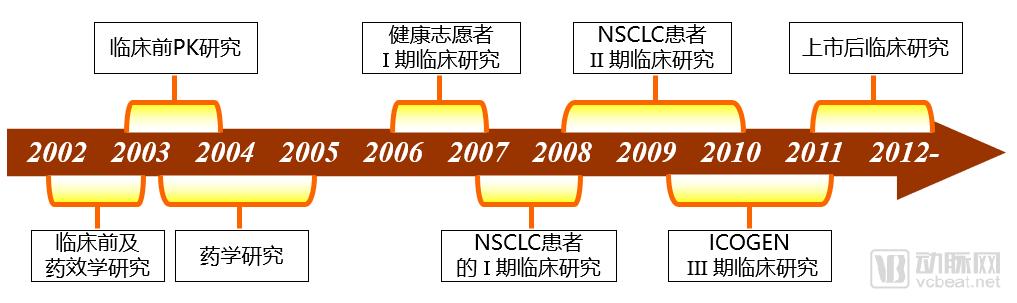
ICOGEN Phase III Clinical Trial
In 2008, prior to the initiation of the Phase III clinical trial for icotinib, Beta Pharma’s management team opted against conducting a head-to-head comparison with a biosimilar or a placebo-controlled study, instead choosing gefitinib as the comparator. They believed that this study design would yield more compelling results, although it was a rather bold decision.
The ICOGEN Phase III clinical trial of icotinib was the first registrational Phase III clinical trial worldwide to use a head-to-head comparison between kinase inhibitors, and it imposed substantial financial pressure. At that time, the domestic price of gefitinib in China reached RMB 550 per tablet, and the expenditure on purchasing the comparator drug, gefitinib (Iressa), alone amounted to approximately RMB 25 million, bringing the total trial cost to RMB 48 million. For Betta Pharmaceuticals, which was still relatively small at the time, this represented a considerable financial burden.
There have been numerous failures in previous head-to-head trials. The Beta Pharma team met with angel investors to explain the rationale for conducting a head-to-head trial, and after lengthy discussions late into the night, they ultimately persuaded the investors to proceed with the original protocol. In January 2009, the Phase III clinical trial of Icotinib was officially launched. Nearly all of China’s top cancer hospitals participated in this trial. The Principal Investigator (PI) was Academician Sun Yan from the Cancer Hospital of the Chinese Academy of Medical Sciences, the Co-Principal Investigator (Co-PI) was Professor Zhang Li from the Sun Yat-sen University Cancer Center, and Professor Shi Yuankai from the Cancer Hospital of the Chinese Academy of Medical Sciences served as the Chairman of the Expert Committee. The multicenter trial involved 27 hospitals across nine cities, including Beijing, Shanghai, Guangzhou, Nanjing, Hangzhou, Changsha, Xi’an, Chongqing, and Changchun. A total of 400 patients with advanced non-small cell lung cancer (NSCLC) were enrolled. The trial was completed on November 13, 2009, after ten months. After excluding one ineligible patient, the final analysis included 399 participants: 200 in the Icotinib group and 199 in the Gefitinib group. The primary endpoints assessed were progression-free survival (PFS), time to progression (TTP), and adverse reactions.
Meanwhile, Beta Pharma engaged Tigermed, a well-known domestic clinical CRO, to oversee the Phase III clinical trial, while also establishing its own medical department to participate throughout the entire process. To further ensure trial quality, Dr. Wang Yinxiang and another senior executive from the company personally served as Clinical Research Associates (CRAs), directly responsible for clinical monitoring at 27 hospitals across China.
Since the commencement of clinical trials, financial pressure has remained the most significant challenge for Ding Lieming’s team. As a flagship innovative drug project in China at the time, Beta Pharma received financial support from the Ministry of Science and Technology through initiatives such as the “Technology Innovation Fund,” the “Torch Program,” and the “863 Program,” particularly via the Special Fund for Major New Drug Development. Nevertheless, these funds were insufficient to bridge the substantial funding gap. The onset of the 2008 global financial crisis further exacerbated the situation, causing multinational investment institutions to suffer broken capital chains and rendering them unable to continue supporting Beta Pharma’s subsequent trial activities.
At this critical juncture, in early 2010, Eli Lilly Asia Venture Fund made a Series A investment in Beta Pharma, marking the fund’s most significant investment in nearly a decade. The financing was primarily used to strengthen Beta Pharma’s R&D pipeline, particularly to complete the clinical studies and regulatory approval of icotinib hydrochloride in China. The investment from Eli Lilly Asia Venture Fund provided not only financial support but also brought Beta Pharma Eli Lilly’s extensive market expertise and industry resources.
In May 2010, the unblinding results of the ICOGEN trial were released in Hangzhou, a moment that filled the Beta Pharma R&D team and clinical trial institutions with intense anxiety. Had the results been unfavorable, it would have not only meant that nearly a decade of Beta Pharma’s research efforts had come to naught, but also that the substantial investments made by investors, the company, and the state had been wasted.
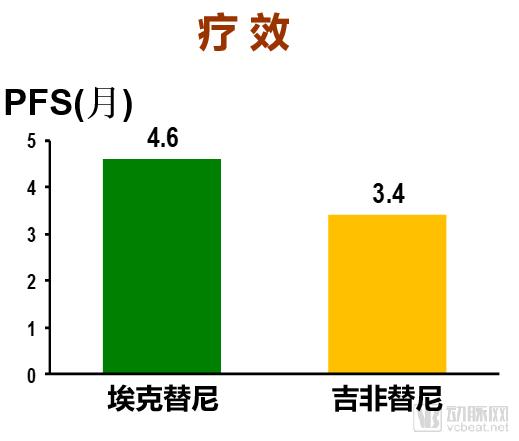
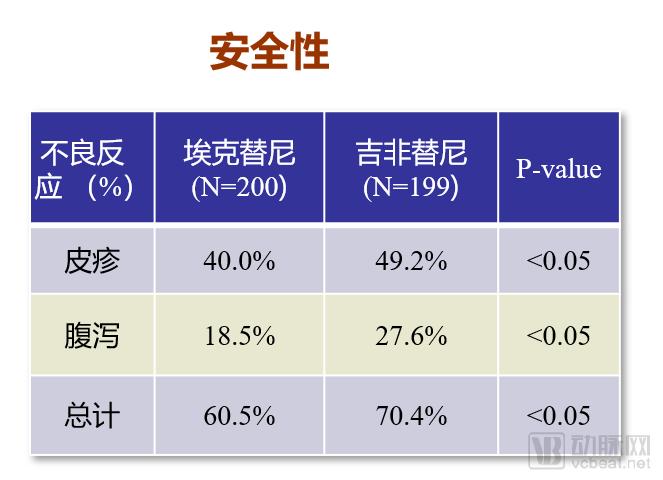
Excitingly, the final unblinded results revealed that icotinib demonstrated favorable clinical efficacy. In second- and third-line treatment of patients with advanced non-small cell lung cancer (NSCLC), its therapeutic effect was comparable to that of gefitinib, but with fewer adverse reactions. The overall curve was slightly higher for icotinib than for gefitinib. For the primary endpoint, progression-free survival (PFS) in months, icotinib achieved 4.6 months versus 3.4 months for gefitinib, representing a median PFS improvement of 1.2 months, although this difference was not statistically significant. For the secondary endpoint, time to progression (TTP), the median TTP was extended by 1.5 months with icotinib, and this difference was statistically significant. Icotinib was associated with fewer common adverse reactions; the overall incidence of adverse events was 60.5% for icotinib compared with 70.4% for gefitinib, indicating a better safety profile and improved patient tolerability for icotinib.
In April 2011, icotinib hydrochloride officially received production approval from the SFDA, finally becoming available to patients. Beta Pharma’s sales team was rapidly assembled, with one-third of its members recruited from AstraZeneca and two-thirds from Roche, all possessing extensive experience in oncology drug sales. Through feedback from clinicians, they gained high praise for icotinib and developed strong confidence in domestically produced innovative drugs.
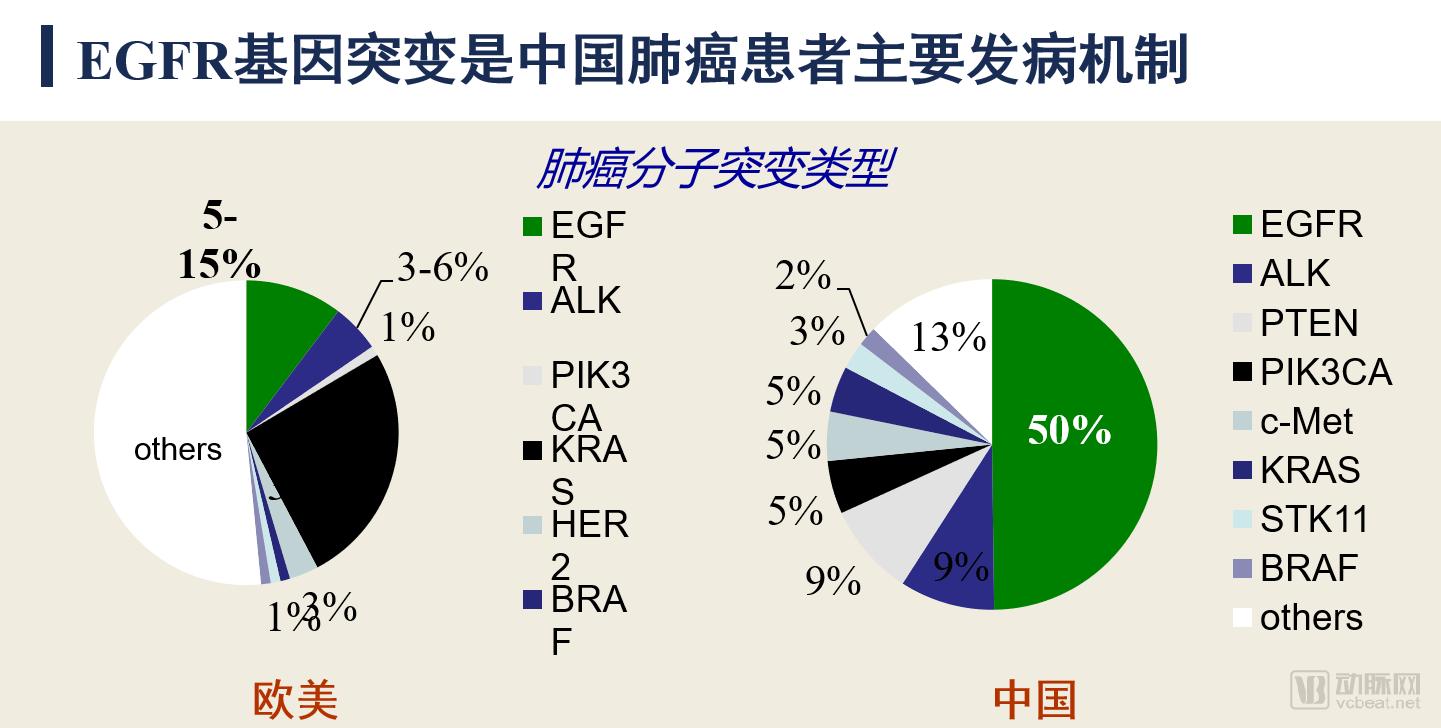
The decision to select the active drug gefitinib as the comparator in the clinical trials of icotinib was a challenging one. The positive results from the Phase III clinical trial established the evidentiary basis for the product’s clinical use in China following its market approval. This is particularly significant because the prevalence of EGFR mutations among Chinese lung cancer patients is exceptionally high, reaching 50%, which is substantially higher than in Europe and North America. Patients with high EGFR expression or mutations respond poorly to large-molecule agents and PD-1 inhibitors; therefore, small-molecule drugs represent a crucial therapeutic option for extending survival. Chinese experts have created numerous opportunities to promote innovative Chinese pharmaceuticals to the global market. Consequently, the study of icotinib marked the first instance in which Chinese experts conducted a head-to-head comparative study between an independently developed Chinese innovative drug and a foreign counterpart.
Icotinib’s market launch set several precedents: the world’s first head-to-head registered trial comparing tyrosine kinase inhibitors (TKIs)ⅢPhase III clinical trial; Asia’s first kinase inhibitor (TKI) targeted anticancer drug; China’s first small-molecule anticancer drug with independent intellectual property rights; the first Phase III clinical trial in China to employ an imported patented drug in a head-to-head, double-blind, controlled study. Icotinib has garnered significant attention within the oncology community in China and worldwide, achieving Me-too status in terms of efficacy and Me-better status in terms of adverse reactions.
In 2011 and 2012, Academician Sun Yan presented trial-related reports at the World Conference on Lung Cancer and had his work accepted for Poster Discussion sessions at the American Society of Clinical Oncology (ASCO) Annual Meeting and the European Society for Medical Oncology (ESMO) Congress. In August 2013, the results of the Phase III ICOGEN study on icotinib, co-authored by Professor Shi Yuankai from the Cancer Hospital of the Chinese Academy of Medical Sciences and Professor Zhang Li from the Sun Yat-sen University Cancer Center, with Academician Sun Yan as the corresponding author, were formally published in *The Lancet Oncology*, a prestigious subsidiary journal of *The Lancet*. Oncology experts Professor Tony Mok and Professor Rebecca S. Heist evaluated Conmana (icotinib) as the third EGFR-TKI targeted therapy globally approved for advanced lung cancer, following Iressa and Tarceva.
Icotinib has also garnered numerous honors in China. It was hailed by Chen Zhu, the then Minister of Health, as the “Two Bombs, One Satellite” of China’s pharmaceutical sector. The drug was included among the Major Scientific and Technological Achievements of China’s 11th Five-Year Plan in 2011, received the First Prize of the National Science and Technology Progress Award in 2015, and was awarded the China Industrial Grand Prize in 2016. These accolades not only affirm the R&D team at Beta Pharma but also represent the highest recognition bestowed upon innovative drugs developed in China.
From Me-too to Me-first
In 2014, three years after the market launch of gefitinib, apatinib (Aitan), a nationally classified Class 1.1 new drug independently developed by Jiangsu Hengrui Medicine Co., Ltd., was officially approved for marketing in China by the China Food and Drug Administration, following clinical trials led by Professor Qin Shukui from the 81st Hospital of the Chinese People's Liberation Army and Professor Li Jin from Fudan University Shanghai Cancer Center.
Apatinib is the first small-molecule anti-angiogenic drug approved globally for the treatment of advanced gastric cancer. Its mechanism primarily involves highly selective inhibition of VEGFR-2 tyrosine kinase activity, thereby blocking the signal transduction pathway following VEGF binding to its receptor. This potently inhibits tumor angiogenesis and exerts antitumor effects.
In 2000, Cell listed sustained angiogenesis as one of the six hallmarks of cancer. Anti-angiogenic therapy has long been a critical component of oncology treatment. Previously, Phase III clinical trials of such agents in gastric cancer failed to demonstrate significant survival benefits.
In China, more than 60% of gastric cancer patients are diagnosed at intermediate to advanced stages, resulting in low five-year survival rates. Apatinib potently inhibits tumor angiogenesis, thereby suppressing the growth and metastasis of tumor cells. In January 2011, a Phase III clinical trial of apatinib for advanced gastric cancer was launched among Chinese gastric cancer patients. The unblinded results, released more than two years later, demonstrated that apatinib significantly prolonged overall survival and progression-free survival in patients with advanced gastric cancer who had failed second-line therapy, providing a new treatment option for this patient population.
Over the four years since its launch, apatinib has attracted significant attention for its remarkable efficacy in gastric cancer. Currently, clinical research exploring apatinib’s use in various solid tumors also demonstrates promising therapeutic prospects. At the 2018 American Society of Clinical Oncology (ASCO) Annual Meeting, apatinib, a small-molecule anti-angiogenic targeted therapy and a representative example of China’s independently developed innovative drugs, was featured in 49 clinical studies. These studies covered not only the gastrointestinal tumor field, where apatinib research is most mature, but also cancer types with high incidence rates in China, such as lung cancer, liver cancer, breast cancer, and ovarian cancer, as well as other malignant tumors including osteosarcoma, soft tissue sarcoma, synovial sarcoma, cholangiocarcinoma, neuroendocrine tumors, and thyroid cancer.
Various data indicate that apatinib, which works by inhibiting tumor angiogenesis, demonstrates significant therapeutic value across multiple cancer types. Whether used in combination with chemotherapy or immunotherapy, or as monotherapy, apatinib is providing new treatment directions for various malignancies and has emerged as a star drug in oncology.
After Six Years, Domestically Produced Targeted Drugs Finally Included in National Medical Insurance
The emergence of domestically developed new drugs has brought new hope for extending the lives of patients like Ms. Su Nan’s mother. However, it is also essential that the prices of these new drugs remain affordable to the general public. Otherwise, high-priced patented medications will continue to leave patients in a situation akin to that depicted in the film *Dying to Survive*, where effective treatments are available but financially out of reach, ultimately leaving patients with no option but to await death. In 2011, the monthly treatment costs for three EGFR-TKI targeted therapies—icotinib (Conmana), gefitinib (Iressa), and erlotinib (Tarceva)—were RMB 11,800, RMB 16,500, and RMB 19,800, respectively. Although domestically produced new drugs have reduced treatment expenses for lung cancer patients while maintaining comparable efficacy, their prices remain relatively high.
Following the market launch of icotinib, Beta Pharma competed with imported drugs by offering a relatively lower price to recoup its upfront R&D costs and generate profits. However, staying true to its corporate slogan, Beta Pharma has also been considering how to enable more patients to access high-quality medicines. Shortly after icotinib’s launch, Beta Pharma partnered with the China Pharmaceutical Innovation Promotion Association (CPIPA) to pioneer a patient assistance program providing free medication thereafter; patients who respond positively to treatment can receive free medication after six months of paid use, thereby alleviating their financial burden. Meanwhile, Beta Pharma has been making efforts to include icotinib in the National Reimbursement Drug List (NRDL).
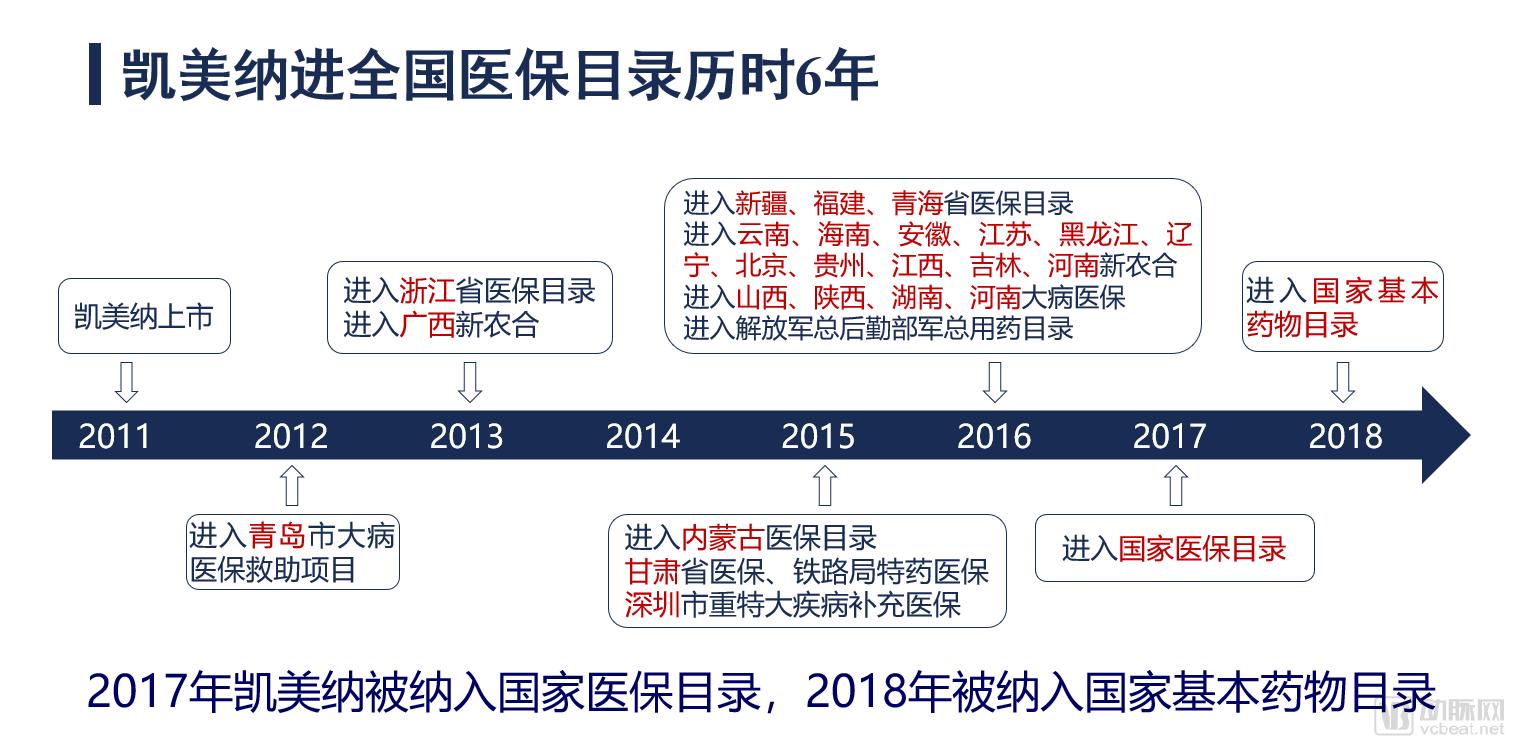
In 2016, the National Health and Family Planning Commission, together with 15 other ministries and commissions, launched the first round of drug price negotiations. The prices of three drugs for treating two diseases were all reduced by more than 50%. These drugs are tenofovir disoproxil fumarate, a first-line treatment for chronic hepatitis B; and icotinib and gefitinib, targeted therapies for non-small cell lung cancer. Icotinib was the only domestically produced new drug on the list.
The final negotiation results showed that the prices of the three negotiated drugs decreased by more than 50% compared with the previous procurement prices in public hospitals. Among them, Icotinib led the way with a 54% price reduction, driving a significant drop in the prices of all three drugs. As a benchmark for domestic independent innovative pharmaceutical enterprises, Beta Pharma clearly stated at the beginning of the negotiations regarding the national drug price negotiation pilot launched in the second half of 2015 that Icotinib had received substantial state support during its early research and development phase. The company expressed its full cooperation and proactively indicated its willingness to significantly lower the medical insurance retail price of Icotinib if the price reduction was linked to the national medical insurance system.
As the only domestically developed new drug shortlisted for negotiation, Betta Pharmaceuticals’ move added leverage to the government’s drug price negotiations, helping it secure the initiative. The resulting widespread price reductions of over 50% significantly expanded access to targeted therapies for Chinese patients with advanced lung cancer and saved valuable national medical insurance resources.
Subsequently, in February 2017, icotinib was included in the National Reimbursement Drug List. In 2018, it was incorporated into the National Essential Medicines List, with its price further reduced by 3.86% to RMB 1,345.05 per box. Following its inclusion in the reimbursement list, the monthly treatment cost dropped to over RMB 5,700, with insured patients required to pay only out-of-pocket expenses of just over RMB 1,000.
In the second round of national medical insurance drug price negotiations, the scope of negotiated drugs was further expanded, with a final total of 36 drugs included. Among these, 15 Western medicines were oncology and immunology agents, and Apatinib was listed in the second batch. Regarding pricing, Apatinib’s price was reduced by 36.52% through the medical insurance price negotiation, resulting in a per-box selling price of RMB 1,360. In 2017, Apatinib was officially included in the National Reimbursement Drug List.
The Market Dilemma of China's Innovative Drugs
Although icotinib and apatinib, as star innovative drugs in China, have achievements worthy of extensive recognition, there remains a substantial gap between China’s innovative pharmaceutical industry and that of the United States. Statistics from the April 2016 issue of the Chinese Pharmaceutical Journal show that only 33 Class 1 new drugs were approved in China over the past 15 years, compared with 413 in the United States, highlighting the still-enormous disparity between the two countries.
Moreover, the vast majority of new drugs in China are “me-too” drugs, with only a few being “me-only” or “me-better.” (“Me-too” refers to drugs that share the same therapeutic target and active moiety; “me-better” refers to drugs with optimized targets and active moieties, resulting in improved efficacy and safety; “me-only” refers to drugs featuring entirely novel mechanisms of action, therapeutic targets, and active ingredients.)
There are two major bottlenecks constraining the development of innovative drugs in China. In terms of R&D, there is a lack of source innovation, and enterprises are small in scale. Insufficient R&D funding and a shortage of high-end talent have led to scarce R&D outcomes, with ongoing projects heavily concentrated on a few major targets. In terms of approval, the market authorization process is time-consuming, and the approval of domestically produced innovative drugs lags behind that of imported drugs.
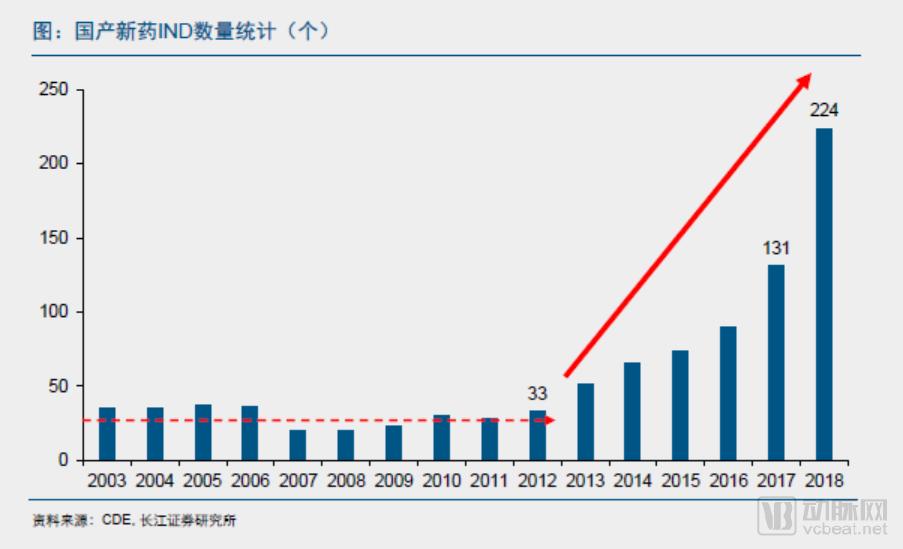
From 2003 to 2012, the annual number of Investigational New Drug (IND) applications for domestically produced new drugs in China remained at approximately 30. Between 2012 and 2018, the number of IND applications for domestically produced new drugs surged significantly. In 2017, the number of domestic IND applications reached 131, representing a year-on-year increase of 46%; in 2018, this figure rose to 224, a year-on-year increase of 71%. The sustained growth in new drug IND applications has created long-term structural tailwinds for innovative Contract Research Organizations (CROs) and Contract Manufacturing Organizations (CMOs), while also intensifying competition for clinical trial resources. Pharmaceutical innovation in China is gradually transitioning from imitation to original innovation. In 2019, the number of approved domestically produced innovative drugs is expected to increase further. The number of domestically produced new drugs submitted for marketing approval in 2018 reached 15, and it is highly likely that more than 10 domestically produced new drugs will be approved in 2019.
For more than a decade, the Chinese government has made substantial efforts to promote new drug research and development (R&D), launching the National Science and Technology Major Project for “Major New Drug Development” in 2008. The project has achieved notable progress in fostering innovative drug R&D, advancing the pharmaceutical industry, and filling domestic gaps. From 2008 to 2018, a total of 1,641 projects (topics) were deployed under the New Drug Special Project, with central fiscal funding amounting to RMB 14.3 billion. Ninety-four drug varieties supported by the special project obtained new drug certificates, leading to the emergence of 28 Class I new drugs—a fivefold increase compared with the number of new drugs developed prior to the implementation of the project.
Over the past five years, China’s biotechnology sector has experienced explosive growth, but this has also intensified competition in an increasingly saturated “red ocean.” Currently, the clustering of domestic biological drug applications targeting the same mechanisms significantly exceeds that of chemical drugs. This trend encompasses both first-line innovative therapies, such as PD-1/L1 inhibitors and CAR-T cell therapies, and biosimilars represented by rituximab, trastuzumab, and bevacizumab.
Chinese innovative drugs were previously difficult to gain international acceptance, a situation that persisted even after China joined the International Council for Harmonisation of Technical Requirements for Pharmaceuticals for Human Use (ICH). Between 2007 and 2015, none of the 19 Class 1.1 new drugs first launched in China were marketed in any ICH member country; only one drug, icotinib, was included in Citeline’s Annual New Drug Directory. We hope that future Chinese innovative drugs, whether Me-too or Me-better, will gain international recognition in the R&D sector, with such recognition being the foremost priority.
2019 is highly likely to become the inaugural year for Chinese innovative drugs to go global. Currently, several domestically developed innovative drugs are in global Phase III clinical trials. In 2019, Plinabulin from Wanchun Biopharma, Zanubrutinib from BeiGene, Ensartinib from Betta Pharmaceuticals, and Pegteograstim from Yifan Pharmaceutical are all expected to either submit marketing applications in the United States or complete their clinical trials. This marks a new stage for China’s innovative drug industry, as innovative drugs expand from the domestic market to the global stage.
Accelerate the Approval of Imported Innovative Drugs
The key stages in drug review are the approval of clinical trials and the approval of new drug marketing applications. Based on current statutory timelines, China’s regulatory review period for clinical trials is relatively slower compared to that of the United States, the European Union, and Japan. In 2018, the General Office of the Communist Party of China Central Committee and the General Office of the State Council issued the “Opinions on Deepening the Reform of the Review and Approval System to Encourage Innovation in Drugs and Medical Devices,” under which the priority review pathway will significantly accelerate the market launch of new drugs.
The priority review system holds greater positive significance for the rapid entry of imported innovative drugs into China. Previously, China’s existing policies required that imported innovative drugs obtain marketing approval abroad before they could apply for market authorization in China. The process for launching in China also involved steps such as submitting clinical trial applications, conducting clinical trials, and filing for marketing approval, resulting in an average delay of 5 to 7 years for new drugs to reach the Chinese market compared to Europe and the United States. To address the issue of prolonged review times for clinical trials and enable applicants to commence clinical research more promptly, the National Medical Products Administration (NMPA) implemented reforms that reduced the review period for clinical trial applications from 10 months to approximately 60 days. Meanwhile, to accelerate the approval process, the Center for Drug Evaluation (CDE) has continuously expanded its team of reviewers over the past two years, with the goal of reaching a workforce of 1,600 reviewers by 2020.
The “Opinions on Deepening the Reform of the Review and Approval System to Encourage Innovation in Drugs and Medical Devices” mandates the acceptance of overseas clinical trial data and supports expanded access clinical trials. Accordingly, the National Medical Products Administration (NMPA) organized the development of the “Technical Guidelines for Accepting Overseas Clinical Trial Data for Drugs,” which clearly specifies the scope of application, basic principles, completeness requirements, technical requirements for data submission, and the extent of acceptance. This means that the time and cost required for global new drugs to enter the Chinese market will be reduced, Chinese patients will have the opportunity to legally access certain specialized drugs more quickly within the country, and companies’ research and development costs will also be lowered.
In 2014, the FDA approved two PD-1 monoclonal antibodies, Keytruda and Opdivo, for the treatment of melanoma; both drugs entered the Chinese market in 2018. Merck & Co.’s PD-1 inhibitor pembrolizumab injection (brand name in Chinese: Keruida; English brand name: Keytruda) took only five months from application acceptance by the Center for Drug Evaluation (CDE) to market approval, a remarkably swift process. Additionally, AstraZeneca’s osimertinib completed its approval process in just seven months. By comparison, the domestically produced innovative drugs pyrotinib (Hengrui Medicine) and fruquintinib (Hutchison MediPharma) took 12 and 14 months, respectively, to gain approval, indicating that the approval process for domestic innovative drugs is slightly slower than that for imported drugs.
Merck & Co.’s Keytruda has seen an accelerated pace from regulatory approval to market launch in China, while its marketing rollout has been nothing short of flawless. The process has been seamlessly integrated, moving swiftly from approval completion to commercial launch, from commercial launch to rapid distribution, and ultimately to prompt patient access.
In 2009, Merck & Co. merged with Schering-Plough. Although the Schering name was not retained, its oncology portfolio has made unprecedented contributions to Merck. Before entering the Chinese market, Keytruda had already achieved remarkable success in the United States. It cured former U.S. President Jimmy Carter of advanced melanoma and became the first immunotherapy approved for first-line treatment of lung cancer. Globally, Keytruda has been approved for eight tumor types and 14 indications. Keytruda is the first drug in pharmaceutical history to receive approval based not on tumor location but on biomarker status: it can be used to treat any tumor, regardless of its primary site, as long as it exhibits high microsatellite instability (MSI-H) or mismatch repair deficiency (dMMR).
When Keytruda entered the Chinese market, its first indication remained the same as in the United States: malignant melanoma. Malignant melanoma progresses rapidly, creating a substantial clinical demand for treatment. Prior to Keytruda’s launch, there were no satisfactory therapeutic options available in China. Therefore, a single-arm clinical trial of Keytruda was deemed acceptable in China, allowing the trial to be completed quickly. The application was submitted to the Center for Drug Evaluation (CDE) in February 2018, and approval was granted on July 20, with the entire review process taking only 164 days.
Although all large-molecule drugs must be approved before production, MSD leveraged its over ten years of experience manufacturing large-molecule drugs in China to complete drug production, customs clearance, packaging design, filling, and quality testing in just 63 days. Coupled with MSD’s preparatory work and seamless coordination across air freight, road transportation, and other logistics stages, the moment the quality test report was issued at shortly after 3:00 p.m. on September 21, Keytruda moved from the warehouse to the first patient, reaching the ward in only 67 minutes. Within 24 hours, sales through Shanghai Pharmaceuticals’ DTP pharmacies—MSD’s domestic distribution partner—reached RMB 100 million.
Innovative Oncology Drugs Become the New Hotspot for R&D
The essence of innovative drug development lies in addressing unmet clinical needs, while the evolution of such drugs is closely intertwined with shifts in disease spectra. The innovation cycle for cardiovascular and cerebrovascular diseases has largely run its course; we are now entering a new wave of innovation centered on oncology, presenting investors and entrepreneurs with unprecedented opportunities and challenges.
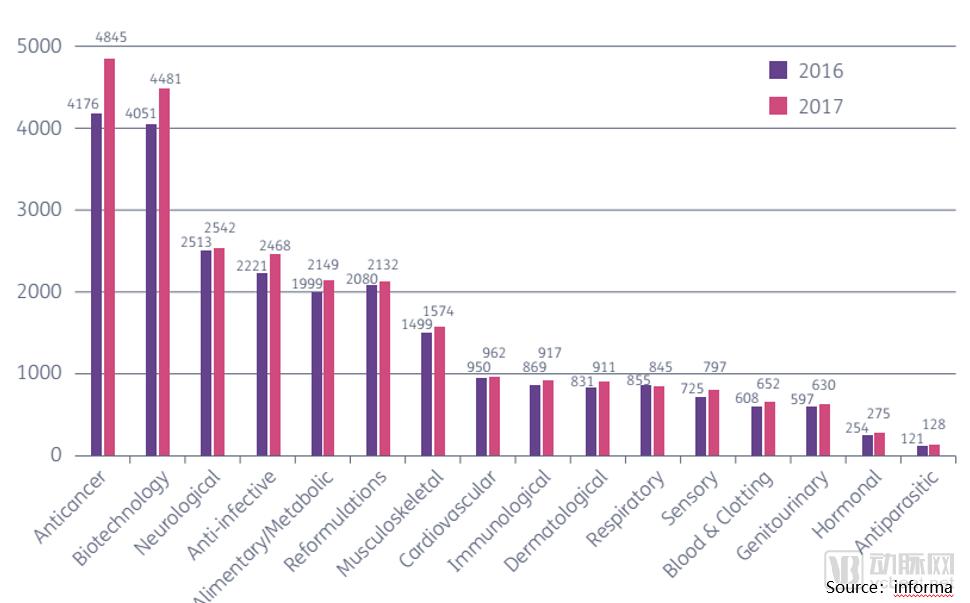
Data show that oncology accounts for a substantial proportion of the current new drug pipeline. In 2017, the number of oncology pipeline projects reached 4,845, representing approximately one-third of the total pipeline and marking a 16% year-on-year increase from 2016. Although innovative oncology therapies are predominantly dominated by foreign pharmaceuticals and technologies, Chinese domestic companies have also begun to harness their own innovative capabilities during this cycle, contributing efforts toward conquering this once-incurable disease. This new wave of innovation focused on tackling cancer is ushering in a golden age, with the primary mission for pharmaceutical professionals over the next 10–15 years being to transform cancer from a fatal disease into a chronic condition.
On the other hand, market demand, technological advancements, talent accumulation, and policy and capital support have laid the foundation for the development of domestically produced innovative drugs in China. Innovative drugs will represent a significant investment opportunity in the future healthcare sector. In the case of Beta Pharma, we have seen that capital played a crucial role in its early-stage R&D and clinical trials; without such funding, R&D achievements could not be successfully commercialized.
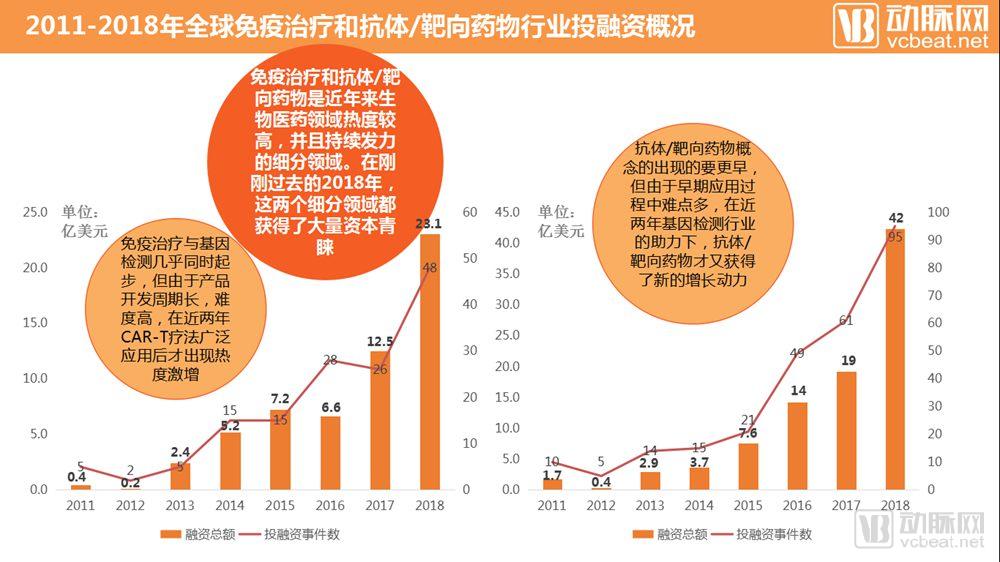
According to data from VCBeat, corporate financing in the fields of immunotherapy and antibody/targeted drugs has surged in recent years. Both sectors have followed a standard exponential growth trajectory over the past few years. In 2018 alone, total financing in the immunotherapy industry increased by 84.8%, while that for antibody/targeted drugs rose by 121.1%. These two areas have been focal points in the biopharmaceutical sector in recent years.
Among the current top 10 best-selling drugs globally, eight are large-molecule biologics, six of which are monoclonal antibodies. The development of biologics is technologically challenging and costly, requiring substantial financial support for early-stage R&D and clinical trials. Nearly 20 listed companies in China are currently developing innovative biologic drugs. Hengrui Medicine, Fosun Pharma, and Hisun Pharma rank as the top three in terms of the number of clinical trial applications filed domestically. Innovent Biologics and Alphamab Oncology each have more than 10 candidates in their pipelines. This market is expected to experience significant growth over the next three years. It is projected that 4–6 innovative biologic drugs will be launched annually, including 1–2 first-in-class original new drugs.
Targeted therapies against PD-1, PD-L1, EGFR, and other targets continue to emerge, while the maturation and widespread adoption of CAR-T therapy have propelled immunotherapy into the spotlight. Although these two subfields have already attracted significant attention within the industry, they still possess substantial room for growth. Therefore, in the coming years, immunotherapy and antibody/targeted drugs will remain at the forefront of discussions in the biopharmaceutical sector.
In the era of medical innovation, VCBeat has spent nearly five years building friendships with thousands of peers dedicated to global healthcare innovation. Hundreds of thousands of professionals in the field have relied on VCBeat to stay informed about developments both in China and abroad. VCBeat is fortunate to have done the right things, with the right people, at the right time.
Today, with the rollout of a series of new drug policies in China, the influx of domestic and international capital, and the large-scale return of talent, the biopharmaceutical sector and innovative drug R&D have entered a phase of vigorous growth. Amidst this wave of industrial innovation, VCBeat aims to cover this currently most dynamic field through our data, information, case studies, and reports. The VCBeat New Medicine WeChat official account (biobeat1) strives to document the advancements in innovative drugs, novel therapies, and the broader biopharmaceutical landscape through our written content, contributing to industry progress and the cure of various diseases.

Scan the QR code to follow the VCBeat New Medicine official account (biobeat1)
Some of the materials in this article are compiled from guest speeches delivered at the Oncology Innovative Drug Industry Development Sub-forum of the 2018 Future Healthcare Top 100 Forum hosted by VCBeat:
Wan Jiang, Director and Senior Vice President of Betta Pharmaceuticals
“The Path to Market for Innovative Oncology Drugs in China”
Mao Li, Senior Vice President and Chief Medical Officer at Beta Pharma
“Registration Strategies for China-based Studies of Novel Oncology Drugs”
Hong Tan, Managing Director at Legend Capital
“Analysis of Trends in Innovative Drug Development”
Mou Yanping, General Manager of MSD Oncology Business Unit
"How Multinational Pharmaceutical Companies Can Better Serve Chinese Patients with Innovative Drugs"