

Record-Breaking Milestone: Over 26 Million People Have Taken At-Home Genetic Tests
Source: Translational Medicine Network
Just as many people purchased consumer-grade DNA tests in 2018, driven by television and online marketing, public interest in paternity testing and health screening surged dramatically. Arguably, 2018 was a record-breaking year for DNA test sales, with numerous consumers drawn to this trend and flocking to undergo genomic analysis.
Driven by television and online marketing, public interest in paternity testing and health screenings has surged. Arguably, 2018 was a record-breaking year for DNA test sales, as numerous consumers were drawn to this trend and flocked to undergo genomic analysis.
Store genomic data for over 100 million people within 24 months.
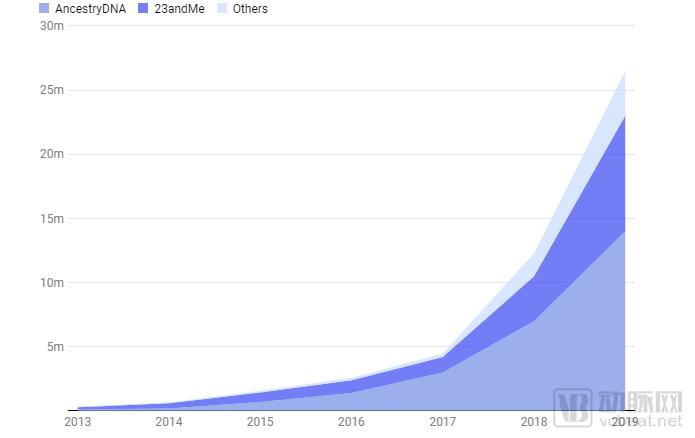
Image from Translational Medicine Network
For consumers, spending just $59 on a genetic test can uncover hidden aspects of their family ancestry. As databases expand, the process is straightforward: testing companies extract DNA from cells using a buccal swab and analyze it on a microarray chip. The chip decodes 600,000 positions in the human DNA sequence that vary among individuals, known as single nucleotide polymorphisms (SNPs).
Did you know that DNA can accurately reveal certain genetic traits, such as the shape of our earlobes, whether we dislike the taste of cilantro, or our risk of developing cancer? 23andMe has offered reports on more than a dozen such traits.
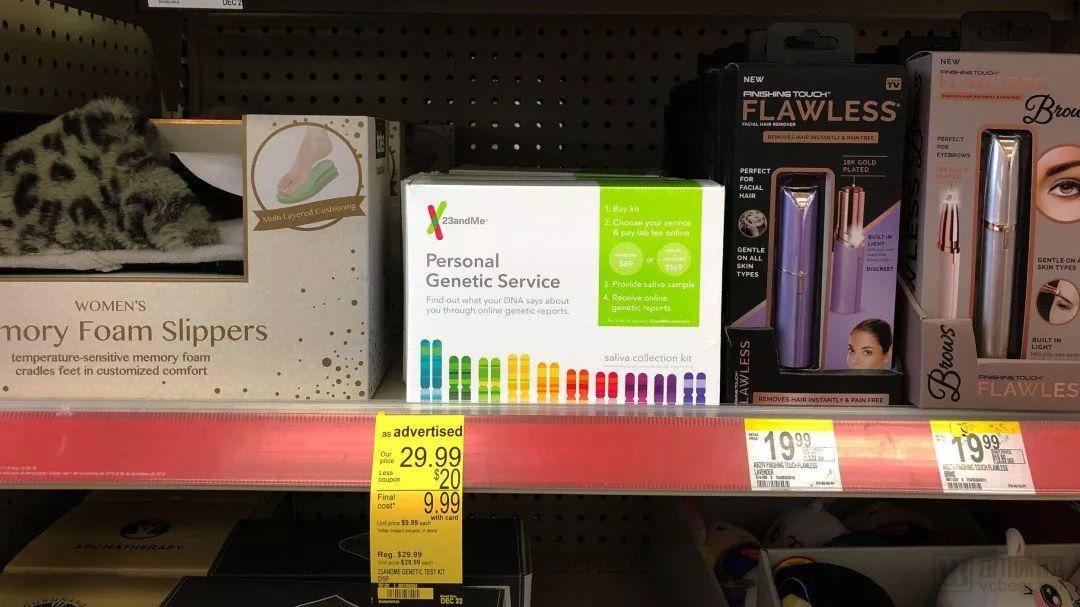
Image from Translational Medicine Network
Yaniv Erlich, Chief Scientist at the Israeli company MyHeritage, stated that its database now ranks among the top three, comprising 2.5 million individuals. To date, it has tested more than 9 million people, bringing the total number of consumer tests conducted past the 26 million mark. The massive scale of testing by the two industry giants makes it difficult for competitors to gain a foothold, meaning that even well-funded rivals are struggling.
The millions tested so far are merely the beginning. The most significant application of these databases may be one that the public was entirely unaware of until last May, when California police, with the help of genetic genealogy detectives, identified the Golden State Killer, a rapist and murderer, after decades of investigation.
Last summer, the four major companies all pledged that they would not allow police access to their databases without a warrant. However, just a few weeks later, Family Tree DNA, the smallest player in the genetic testing market, changed its stance and began allowing the FBI to extract DNA from corpses or blood spatter, granting it access to browse the database like any other customer to search for names and relatives. Once data is handed over, control over it is lost.
Reference: More than 26 million people have taken an at-home ancestry test