

China Accelerates Access to Affordable Cancer Drugs: 802 Tertiary Hospitals Adopt Negotiated Medicines, Approval Time Halved
Source: People's Daily
Original Title: Patients Gain Access to Drugs Included in National Medical Insurance Negotiations; Average Review Time for New Drugs Halved, Creating a “Green Channel” for Anti-Cancer Medicines
Ensuring Access to Cancer Medications Is Vital to Patients’ Interests and Draws Significant Public AttentionOn the 19th, during a regular policy briefing held by the State Council, the National Health Commission and other departments announced that, by the end of 2018, 802 tertiary general hospitals and specialized oncology hospitals across China had procured anticancer drugs included in the national medical insurance negotiations, striving to meet the medication needs of cancer patients. The average review time for new anticancer drugs was reduced from 24 months prior to 2018 to 12 months, significantly accelerating the approval process. Costs of negotiated drugs are excluded from global budget controls, and provincial-level special centralized procurement of anticancer drugs, along with pilot programs for national centralized drug procurement, have been implemented to ensure patient access.
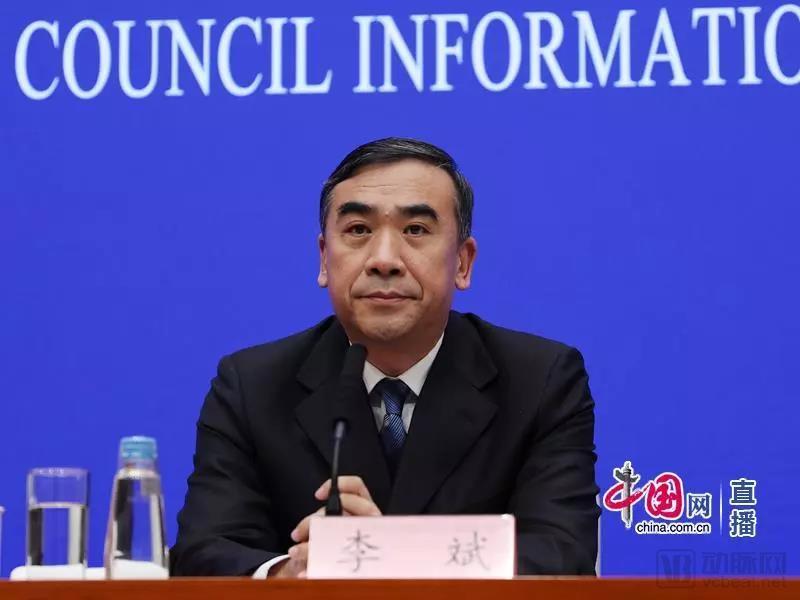
Image from Healthy China
On February 19, the State Council Information Office held a regular policy briefing. Li Bin, Deputy Director of the National Health Commission, and other officials introduced measures to strengthen early diagnosis and treatment of cancer and improve drug coverage in China. In recent years, China has made comprehensive efforts in cancer screening, clinical treatment, and drug supply to reduce cancer mortality. Meanwhile, various measures have been implemented to lower the prices of anti-cancer drugs for public benefit, including incorporating more life-saving and emergency medications into the national medical insurance scheme, thereby enabling the public to access higher-quality, more affordable medicines.
Can Price-Reduced Anticancer Drugs Be Accessed?
Some worry that many price-reduced anticancer drugs, despite being included in the national medical insurance catalog, remain inaccessible in hospitals—stuck at the “last mile”—depriving the public of the intended benefits.
Li Bin pointed out that, to address the “last mile” issue of getting anticancer drugs into hospitals, the state has explicitly stipulated that the costs of negotiated drugs are not subject to global budget caps. Healthcare institutions are required not to hinder the supply of negotiated drugs or impede reasonable medication needs by citing reasons such as global cost controls, drug-to-revenue ratios, or their basic drug formularies.
In recent years, China has adopted comprehensive measures to strengthen the guarantee of medication for cancer prevention and treatment. Twelve new anti-tumor drugs in urgent clinical need were included in the 2018 edition of the National Essential Medicines List. Efforts have been made to ensure an uninterrupted supply of anti-cancer drugs, with measures taken to effectively alleviate shortages of certain medications. A national direct reporting system for information on drug shortages was established, and a notice was issued to strengthen the management of the procurement and use of essential medicines in public medical institutions. By the end of 2018, 802 tertiary general hospitals and specialized oncology hospitals across China had procured anti-cancer drugs covered under the national health insurance negotiations, among which 259 hospitals procured more than four such drugs, striving to meet the medication needs of cancer patients.
China has strengthened early cancer screening, as well as early diagnosis and treatment. A tumor registration annual reporting system has been established, with 574 tumor registries currently operating nationwide, covering a population of 438 million. This has enabled a relatively comprehensive understanding of cancer incidence, mortality, survival rates, and development trends. With support from the central government’s financial funds, cancer screening and early diagnosis and treatment initiatives have been carried out in rural areas with high incidence rates, the Huai River Basin, and selected cities, along with “two-cancer” (breast and cervical cancer) screening for rural women, achieving significant results. In the project areas, the early diagnosis rate for cancer exceeds 80%, the treatment rate reaches 90%, cancer mortality among the screened population has decreased by 46%, and the cost of diagnosing and treating early-stage cases is nearly 70% lower than that for mid- to late-stage cases.
Establish and Improve the Cancer Diagnosis and Treatment System. China has undertaken the development of the National Cancer Center, regional cancer diagnosis and treatment centers, and key clinical specialties in oncology. A cancer diagnosis, treatment, and rehabilitation system, primarily composed of cancer hospitals, oncology departments in general hospitals, primary healthcare institutions, rehabilitation hospitals, and palliative care centers, has taken initial shape. Relevant diagnosis and treatment guidelines, technical specifications, and clinical pathways have been formulated and updated in a timely manner. Efforts to train specialized physicians and technicians have been intensified. The standardization and quality control systems for cancer diagnosis and treatment have been continuously improved, ensuring effective monitoring of the quality of oncology care. Models of tumor diagnosis and treatment have been continuously optimized, promoting the clinical application of new technologies, methods, and drugs, while emphasizing the role of Traditional Chinese Medicine.
Are approvals for new anticancer drugs slow?
Some argue that the review and approval process for anticancer drugs in China is too slow, with many cancer patients unable to survive until the drugs reach the market. Is this true?
Wang Ping, Director of the Drug Registration Department of the National Medical Products Administration (NMPA), stated that China has achieved positive results in accelerating the review and approval of imported new anticancer drugs. In terms of quantity, seven new anticancer drugs were approved for marketing in China in 2017, while a total of 18 were approved in 2018, marking a significant increase. Regarding variety, the approvals included both new anticancer drugs recently launched overseas and independently innovated anticancer drugs developed in China, thereby expanding treatment options for patients and better meeting urgent clinical needs. In terms of review and approval speed, the average review time for new anticancer drugs was reduced from 24 months prior to 2018 to 12 months in 2018, demonstrating a markedly accelerated process that is basically on par with developed countries. Among the representative new anticancer drugs approved in 2018, 13 were previously marketed overseas, and five were independently innovated in China.
Since April 2018, China has formulated a series of policies and measures to optimize the review and approval system and market authorization management for anticancer drugs. For instance, mandatory batch-by-batch testing for imported chemical drugs has been abolished; the approval process for new drugs already marketed overseas has been significantly streamlined; the approval system for clinical trial applications has been reformed into a default-approval-upon-expiry system, with scientific acceptance of overseas clinical trial data; a dedicated channel has been established for the review and approval of overseas-marketed new drugs urgently needed for clinical use, with commitments to complete reviews within three months for drugs treating rare diseases and within six months for other overseas new drugs; a list of 48 overseas-marketed drug varieties has been selected and released for public comment, encouraging and guiding the submission of marketing applications in China for new drugs already approved abroad.
Can the Price Reduction of Anti-Cancer Drugs Be Sustained?
Some have raised the question: With many anticancer drugs still priced at high levels, can national medical insurance negotiations continue to benefit the public?
Xiong Xianjun, Director of the Department of Medical Service Management under the National Healthcare Security Administration (NHSA), stated that China organized and conducted special negotiations in 2018 to include exclusive anti-cancer drugs not previously listed in the National Reimbursement Drug List (NRDL) into the medical insurance scheme, achieving substantial price reductions. Through a voting-based selection process, the NHSA convened experts to evaluate candidates based on pharmacoeconomics and the affordability burden on the medical insurance fund. Expected payment standards were established for certain marketed exclusive anti-cancer drugs not yet covered by medical insurance. Based on these assessments, face-to-face negotiations were held with relevant enterprises in September 2018, resulting in the inclusion of 17 anti-cancer drugs into the medical insurance coverage through negotiation. The average price reduction reached 56.7%, with the prices of the vast majority of imported drugs falling below those in neighboring countries and regions, averaging 36% lower.
To remove barriers such as “difficult hospital access” and “challenges in prescribing” for negotiated anti-cancer drugs, the healthcare security authorities have mandated that all regions: exclude the reasonable use costs of negotiated anti-cancer drugs from the annual global budget caps in 2018, ensuring separate accounting and coverage in accordance with regulations; and take into account the rational use of negotiated anti-cancer drugs when formulating the 2019 medical insurance global budget control targets. As of December 31, 2018, since the implementation of the new negotiated prices, the total procurement volume of the 17 nationally negotiated anti-cancer drugs across medical institutions and pharmacies nationwide reached approximately 1.84 million units (capsules/tablets/vials), with a total procurement amount of RMB 562 million, resulting in cost savings of RMB 918 million compared to pre-negotiation prices. Cumulative reimbursements were provided to 44,600 patient visits, totaling RMB 256 million.
Launch provincial-level special centralized procurement of anticancer drugs and pilot national centralized drug procurement. By the end of 2018, all 31 provinces across China had carried out work related to special centralized procurement; 14 provinces, including Shaanxi and Liaoning, formed cross-provincial alliances to conduct joint price negotiation and procurement, further reducing the prices of anticancer drugs. In addition, the National Healthcare Security Administration further lowered the prices of certain drugs, including anticancer agents, through the pilot program for nationally organized centralized drug procurement and use. Notably, the price of gefitinib tablets, a targeted therapy for lung cancer, was reduced by 77%.
Next, the National Healthcare Security Administration will effectively promote the implementation of policies regarding negotiated anti-cancer drugs. It will continue to monitor and track the procurement and reimbursement of these nationally negotiated anti-cancer drugs across various regions, paying particular attention to the impact of policies such as controls on medical expense growth, overall healthcare insurance budget caps, and the "drug expenditure ratio" on the rational use of negotiated anti-cancer drugs. Medical institutions are required to stock corresponding medications based on clinical diagnostic and treatment needs, preventing situations where drugs are not stocked without justifiable reasons or where patients are forced to purchase medications outside the hospital. This ensures that cancer patients truly benefit from the price reductions brought about by national policies on anti-cancer drugs.
Can the Prices of Drugs for Rare Diseases Be Reduced?
It has been suggested that rare diseases have a very low incidence, with few available medications that are often expensive. Can patients with rare diseases access high-quality, affordable medicines?
Xu Guoqiao, an inspector with the Tax Policy Department of the Ministry of Finance, stated that starting from March 1, 2019, general VAT taxpayers engaged in the production, sale, wholesale, and retail of drugs for rare diseases may opt to calculate and pay value-added tax (VAT) under the simplified method at a 3% levy rate. For imported drugs for rare diseases, import VAT shall be reduced and levied at a 3% rate.
China has a large population base; although the incidence rate of any single rare disease is low, the total number of patients with various rare diseases is substantial. The primary challenges faced by rare disease patients in China include a lack of targeted medications, high drug costs, and significant medical demand. Implementing value-added tax (VAT) preferences for rare disease drugs helps support research, development, and innovation in this area, ensures medication accessibility, and creates further room for price reductions. This measure represents another tax reduction initiative in the pharmaceutical sector, following the implementation of VAT preferences for anticancer drugs.
The content of the preferential value-added tax (VAT) policy for rare disease drugs can be summarized by three “alls”: it applies to both domestically produced and imported drugs; it covers both finished formulations and active pharmaceutical ingredients (APIs); and taxpayers may choose between the general VAT calculation method and the simplified method, ensuring that the preferential policy is comprehensive and effectively implemented. The first batch of rare disease drugs includes 21 finished formulations and 4 APIs. The scope of rare disease drugs is subject to dynamic adjustment. As the research, development, and regulatory approval of rare disease drugs accelerate in the future, the list of drugs eligible for these preferences will be updated accordingly, thereby better supporting and safeguarding patients’ access to necessary medications.